Archiv der Kategorie: Hafen

240716 – Oslo, Tag 2 / Oslo day 2 >

Für heute früh haben wir uns das Munch Museum vorgenommen – ein Riesengebäude, viele Stockwerke voller teils äußerst großformatiger und sehr ausdrucksstarker Gemälde des wohl berühmtesten norwegischen Malers – wir nehmen uns den ganzen Vormittag Zeit, und eigentlich ist auch das noch zu wenig. In einem der oberen Stockwerke gibt es die Möglichkeit, ein paar von Edvard Munchs ikonischen Motiven mit Malkreide auf ein Blatt Papier zu zaubern – und schon nehmen wir zwei fast echte Munchs mit nach Hause.

Der Ausblick vom obersten Stockwerk des Museums ist atemberaubend, und man sieht auch das Opernhaus von Oslo mit seinem kühn geschwungenen Dach mit der großen Freitreppe. Aber als wir zum Opernhaus kommen, regnet es, also lassen wir die Dachbesteigung aus und warten den Regenguss im Foyer der Oper ab. Dann spazieren wir Richtung zum Nobel-Peace-Museum, am Weg plaudern wir mit einer netten Sanitäterin – sie ist zwar im Einsatz, hat aber trotzdem Zeit, ein wenig mit den Kollegen aus Österreich zu plaudern. Und der Patient ist auch noch nicht im Auto, daher dürfen wir auch Fotos machen.

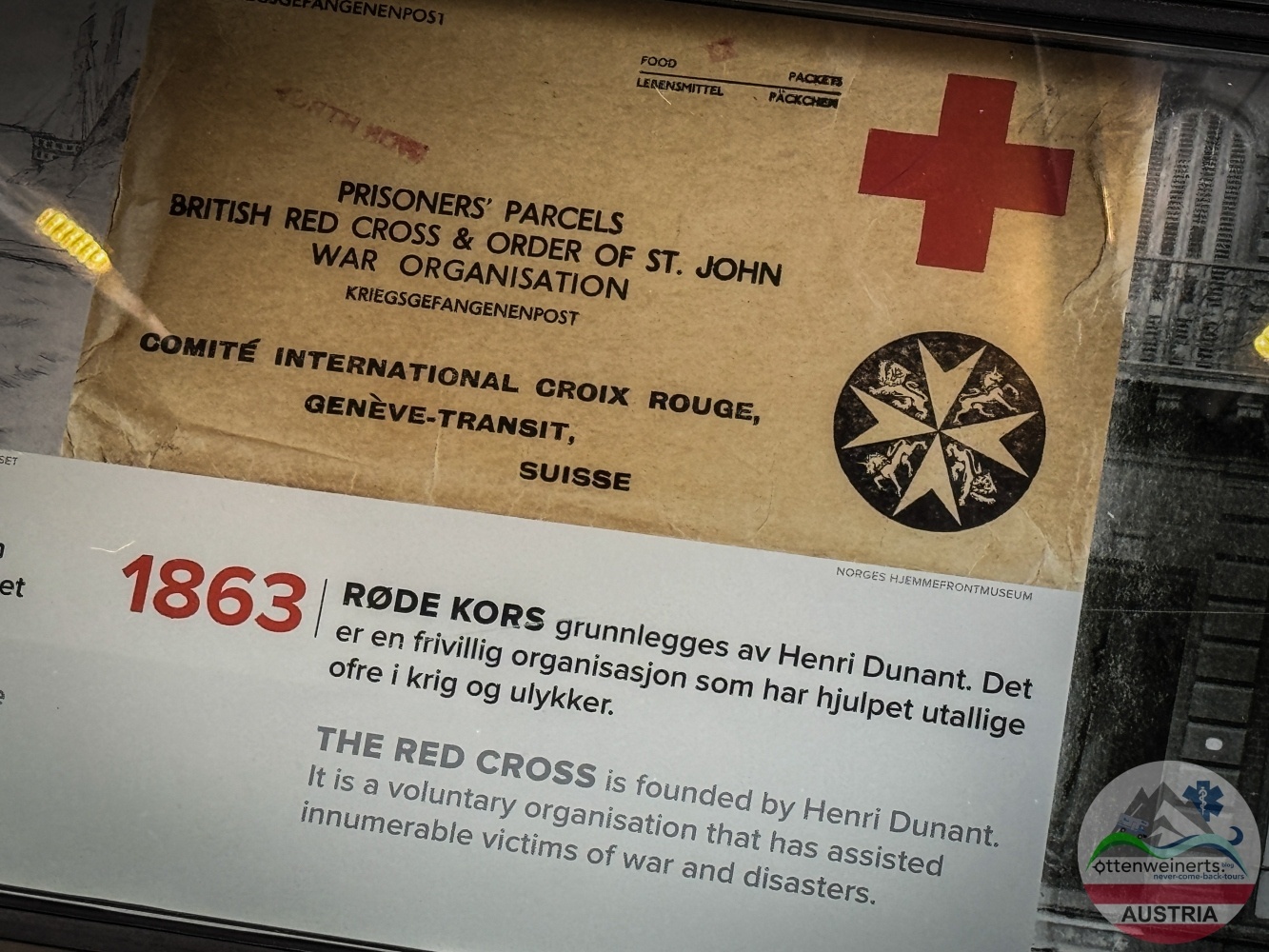
Im Friedennobelpreismuseum sind wir dann einerseits schwer beeindruckt, andererseits auch bedrückt von der Geschichte der aktuellen Friedensnobelpreisträgerin 2023, der Iranerin Narges Mohammadi, die sich trotz langer und immer noch andauernder Gefängnisstrafen weiterhin für Freiheit und Frauenrechte in ihrer Heimat einsetzt. In der Preisträgergalerie im oberen Stock finden wir dann etliche bekannte Namen – Henri Dunant, Fritjof Nansen, Albert Schweitzer, Martin Luther King, Willy Brandt, Mutter Teresa, Jimmy Carter oder Barack Obama, und Organisationen wie UNHCR, UNICEF, Ärzte ohne Grenzen und das IKRK, das Internationale Komitee vom Roten Kreuz, das gleich dreimal ausgezeichnet wurde (1917, 1944 und 1963), und auch österreichische Spuren – Bertha von Suttner war die Preisträgerin 1905.

Nach soviel Kultur und Geschichte reicht´s uns– wir machen Kaffeepause, das eigentlich geplante Nationalmuseum streichen wir dann einfach und gehen stattdessen lieber auf Rettungsautojagd. Wir nehmen den Zug zu einem Modellbauladen außerhalb von Oslo, finden dort schon zwei neue Modelle für unsere Sammlung, und fahren dann noch zu einem Einkaufscenter zu einem großen Spielzeuggeschäft, ein ehemaliger „Toys R Us“ allem Anschein nach. Allerdings müssen wir dafür noch ein Waldstück und eine Blumenwiese durchqueren, auch sehr spannend. Dort werden wir dann noch mit vier weiteren Modellen belohnt. Alles in allem ein sehr erfolgreicher letzter Tag in Oslo. Morgen geht´s nach Hause.

Tuesday, July 16th – OSLO Day 2

The Munch Museum is our first point of interest today – a huge building with many floors full of large scale, colorful and very expressive paintings of Norway´s most famous painter. We stay the whole morning, and that is not nearly enough time. On one of  the top floors, there is a drawing table where you can use drawing chalk and paper to conjure some of Munch´s iconic motives on a piece of paper – and now we have two almost genuine Munchs at home.

The view from the top floor is breathtaking, directly opposite the museum there is Oslo´s opera, a bold construction with a broad stairway leading up to the roof. But when we arrive there, it is raining, so we skip the roof walk and wait it out in the opera´s foyer. Then we walk towards the Nobel Peace Center, on the way we spot an ambulance in action. The nice paramedic takes some time to chat with the Austrian colleagues, and the patient is not inside yet, so we are allowed to take pictures.

At the Nobel Peace Center we are deeply impressed but also depressed by the story of last year´s Nobel Peace Laureate, Narges Mohammadi from Iran – fighting for freedom and women’s rights in her country despite long-term and still ongoing jail time. In the history gallery on the second floor, we meet a lot of well-known names of past Laureates, individuals like Henri Dunant, Fritjof Nansen, Albert Schweitzer, Martin Luther King, Willy Brandt, Mutter Teresa, Jimmy Carter oder Barack Obama, as well as organizations like UNHCR, UNICEF, Doctors without Borders or the ICRC, the International Committee of the Red Cross, a three-time winner (1917, 1944 and 1963), and we also find an Austrian Laureate, Bertha von Suttner in 1905.

After this morning full of art and history we need a break – after lunch, we decide to skip the national museum and go ambulance hunting instead. We take the train to a special model train store outside the city where we find to new ambulance models for our collection, and then we continue towards a shopping center with a large toy store, a former “Toys R Us” by the looks of it. But we have to cross through wood and some meadows to get there – challenge accepted. And in that store, we find four more ambulance models. So, this was a successful last day in Oslo – we will be flying home tomorrow.

240715 – Stadtbesichtigung in Oslo und Abendessen bei Freunden / Sightseeing in Oslo and dinner with friends >

Wir beginnen unser Besichtigungsprogramm heute in der evangelischen Domkirche von Oslo mit ihren bemerkenswerten Deckengemälden und den Akanthusschnitzereien an Altaraufsatz und Orgel. Von der Domkirche ist es nur ein kurzer Spaziergang zur Akershus Festung, der wahrscheinlich über 750 Jahre alten Burg. Das weitläufige Gelände beherbergt mehrere Museen, im Schloss selbst befinden sich unter anderem Mausoleen norwegischer Herrscher und auch heute noch genutzte Repräsentationsräume, wie etwa der Rittersaal mit dem großartigen, gerade fertig restaurierten Buntglas-Rosettenfenster. Der Ausblick von der Festungsmauer ist grandios, man sieht den Hafen, das Museumsgebäude rund um die „Fram“ im Süden und den Holmenkollen im Nordwesten.

Von dort geht es zum Rathaus von Oslo – ein wuchtiger Kasten, architektonisch nicht so ganz unser Geschmack, aber die großformatigen Wandgemälde im Inneren sind einzigartig. Hier, in der Haupthalle, findet alljährlich am 10. Dezember, dem Todestag von Alfred Nobel, die feierliche Verleihung des Friedensnobelpreises statt. Und in einer Galerie sind Geschenke und Gaben ausländischer Würdenträger an die Stadt Oslo ausgestellt – hier finden wir eine Porzellanfigur, einen Dressurreiter aus der Spanischen Hofreitschule in Wien, ein Gastgeschenk des damaligen Herrn Bundespräsidenten Thomas Klestil aus dem Jahr 1995.

Dann informieren wir uns noch eingehend über die Wikinger, im „Viking Planet“, einem interaktiven, digitalen Museum – eine neue Erfahrung für uns. Nach so viel Kultur muss auch ein wenig shopping sein, wir finden Neuzugänge für unsere Sammlung, und dann machen wir uns auf den Weg Richtung Ekeberg im Südosten der Stadt. Hier, in Haralds Heimatstadt, wohnen Graziella und Harald, zumindest den Sommer über – den Winter verbringen sie in Graziellas argentinischer Heimat in Salta. Wir haben die beiden letztes Jahr auf unserer Antarktis-Kreuzfahrt kennengelernt, wir sind in Kontakt geblieben und wir freuen uns sehr über das Wiedersehen, und auch Gracielas Nichte aus Salta kennenzulernen. Harald hat Rentier-Eintopf zubereitet, und zum Nachtisch gibt es – zu Recht – berühmte norwegische Erdbeeren. Auch Graziellas Nichte aus Argentinien ist zu Besuch, und der Abend vergeht leider viel zu schnell.

Unser Hotel ist nicht weit weg, am Weg finden wir noch einige Steinhaufen und Mauerreste, die unser Interesse wecken: es sind die Überreste des St. Olavsklosters aus dem 13. Jahrhundert und der St. Hallvards Kathedrale aus dem 11. Jahrhundert, in einem schönen, frei zugänglichen Park.

Monday, July 15th – Sightseeing in Oslo and dinner with friends

We start our sightseeing program today at the Lutheran cathedral of Oslo – very impressive paintings on the ceiling and fantastic altar piece and organ, both decorated with gold leaf acanthus woodwork. From the church, it´s only a short walk to the Akershus Fortress, the probably more than 750 years old fortified castle. There are several museums inside the huge area, a mausoleum for Norwegian kings and queens inside the castle and several representation and state rooms, still in use today, like the large knight´s hall with the beautiful, newly restored stained glass rose window. The view from the fortress wall is spectacular – we see the harbor at our feet, the “Fram” museum in the south and the famous Holmenkollen ski-jump to the northwest.

Next stop: Oslo´s city hall – a massive building with an interesting architecture, not really our style, but the larger-than-life murals inside are exceptional pieces of art. And every year on December 10th, the anniversary of Alfred Nobel´s death, the peace Nobel prize award ceremony takes place here in the main hall. In a side gallery, there is an exhibition of gifts to the city of Oslo, brought by foreign dignitaries – here we find a porcelain statue, a rider on a horse from the famous Spanish Riding School in Vienna, a gift from Austria´s former president Thomas Klestil in 1995.

A few steps away, there is an interactive, digital museum called “Viking Planet”. We immerse ourselves into the exhibition, this kind of museum is a whole new experience for us, and we earn a lot about the Vikings. After that, we have earned a bit of shopping – and we find some new additions for our ambulance collection. Then it´s time to walk direction Ekeberg, in the southeast of the city where Harald and Graciela live – at least during the summer; they spend the winters in Graciela’s home in Salta, Argentina. We meet these two lovely people on our Antarctic cruise last year, we have stayed in touch and we are excited to see them again and also meet Graciela’s niece who is visiting from Argentina. Harald has prepared an excellent reindeer stew for dinner, and for dessert we get to try some of the famous Norwegian strawberries.

After dinner, on the way to our hotel, we walk past a large green area with the remains of walls and some buildings: these are the foundations of the monastery of St. Olav from the 13th century and St. Hallvard´s cathedral from the 11th century.

240713 – Zeitreise / Time travel >

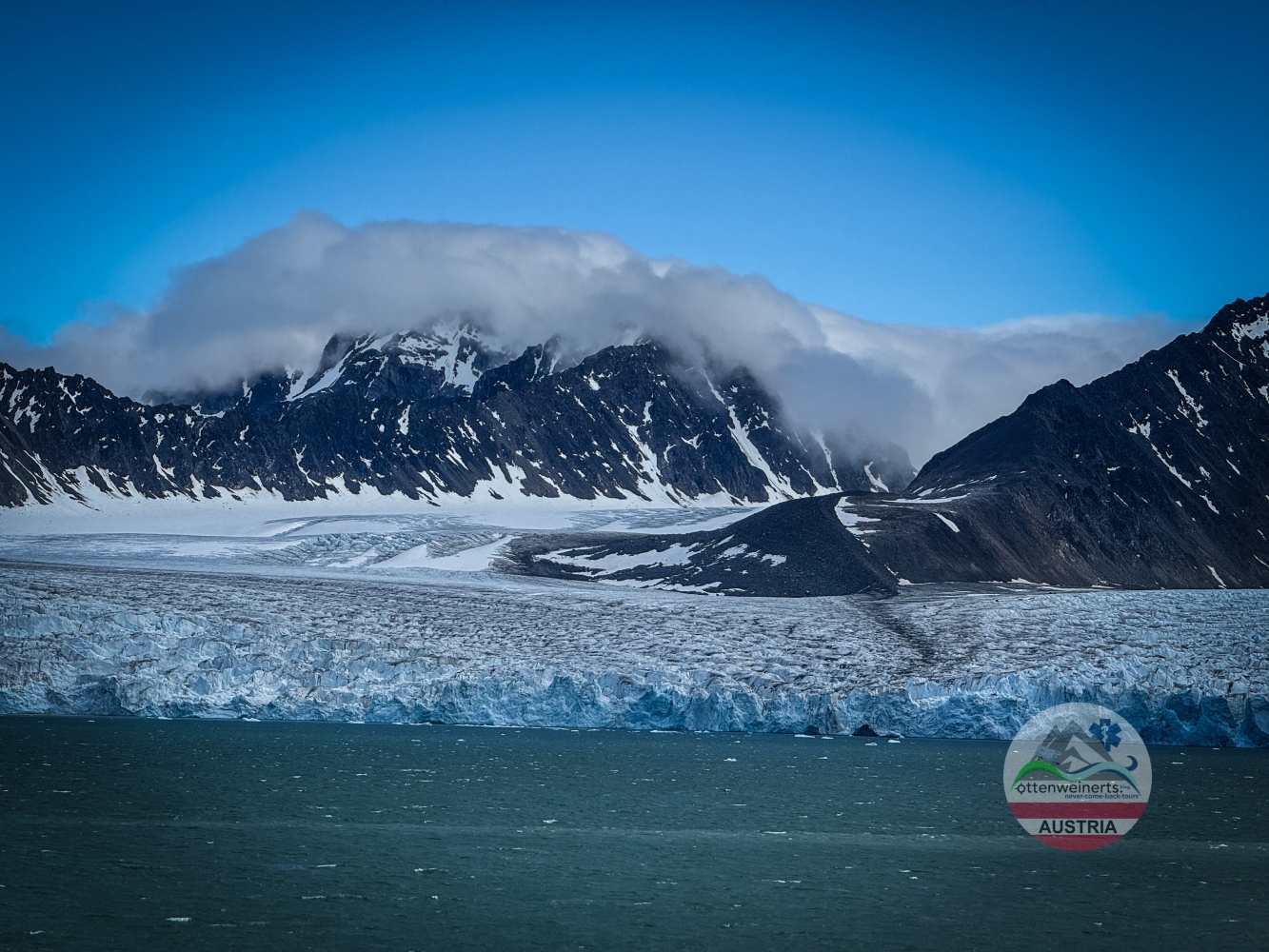
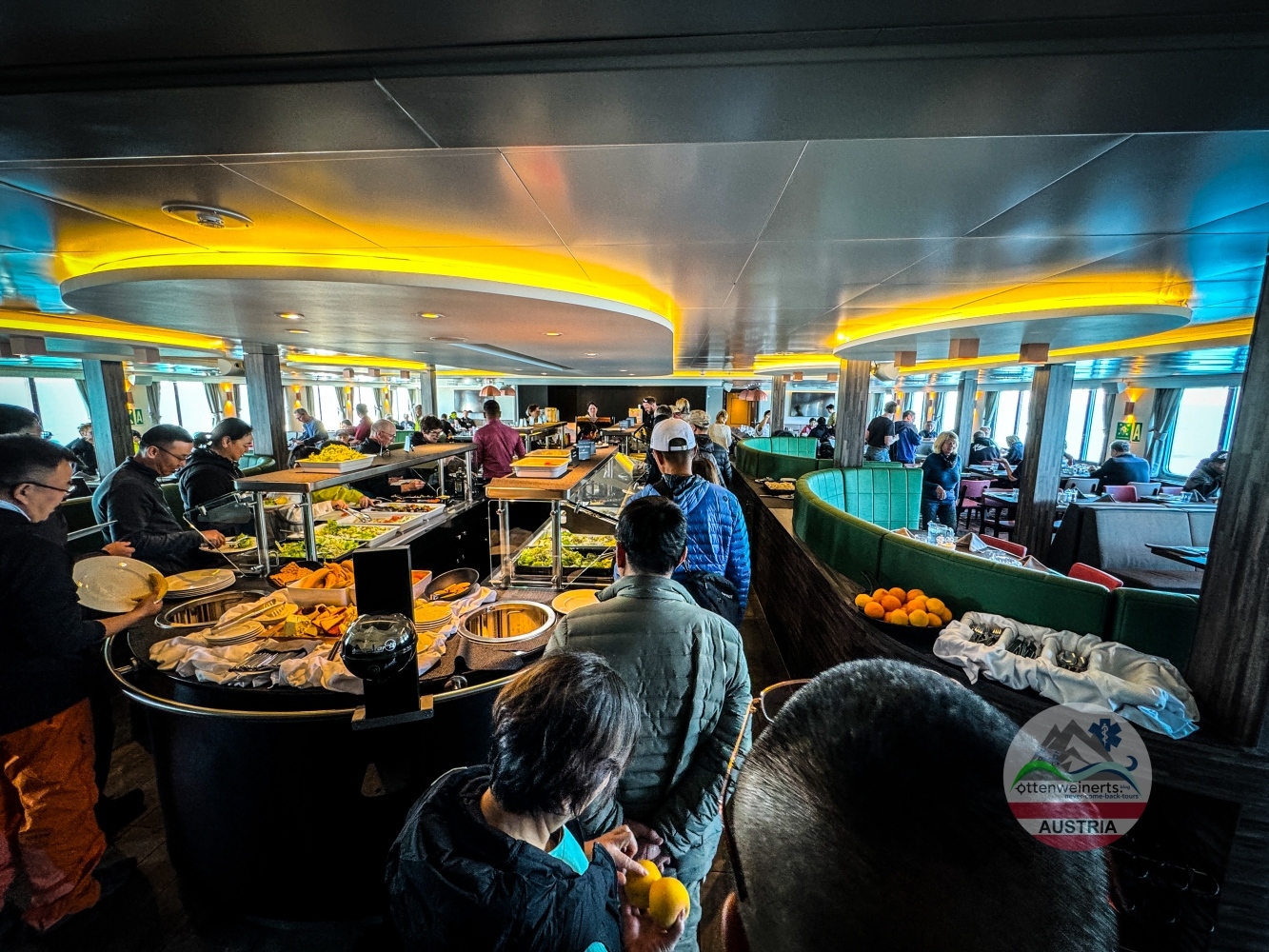
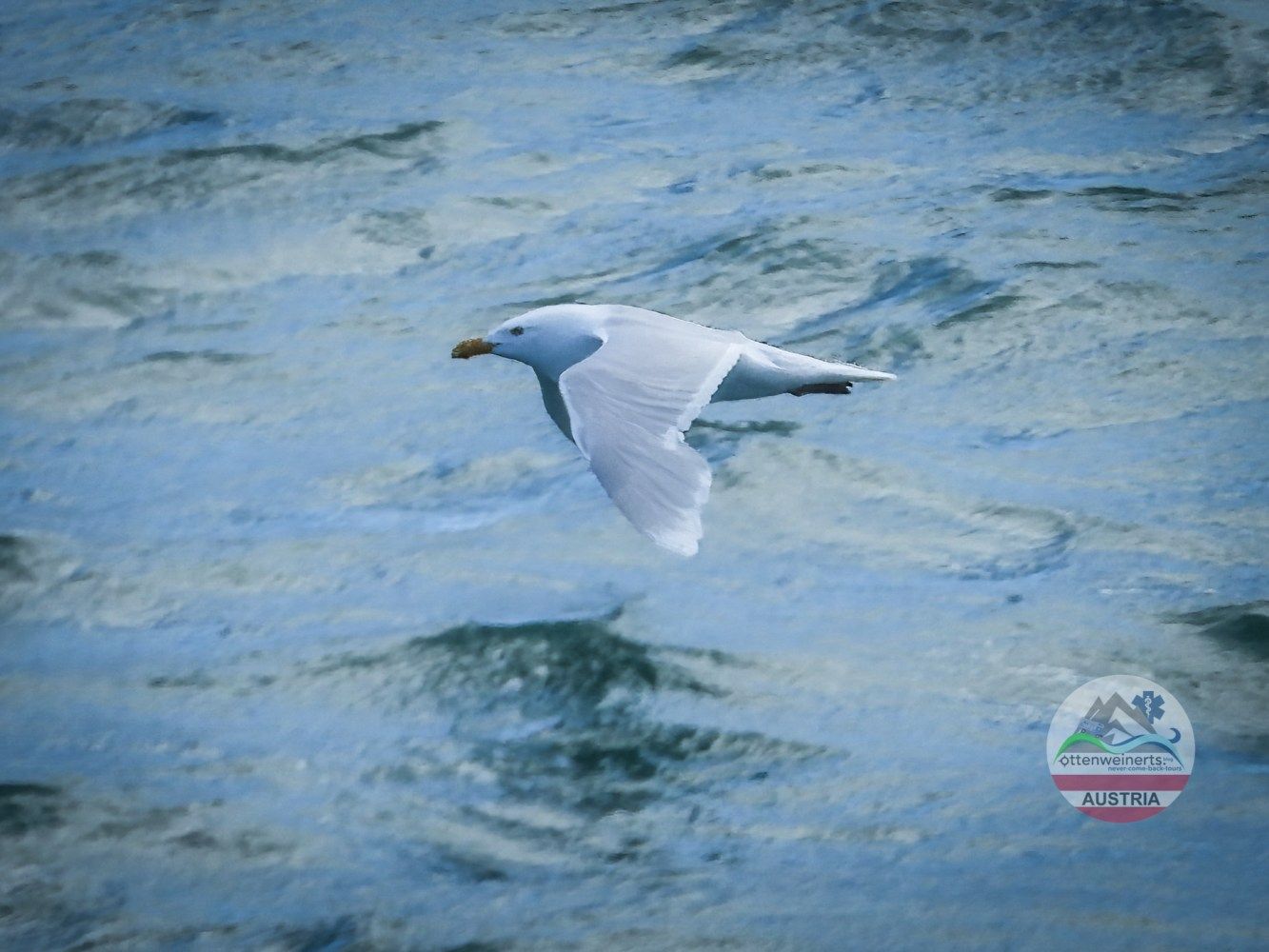
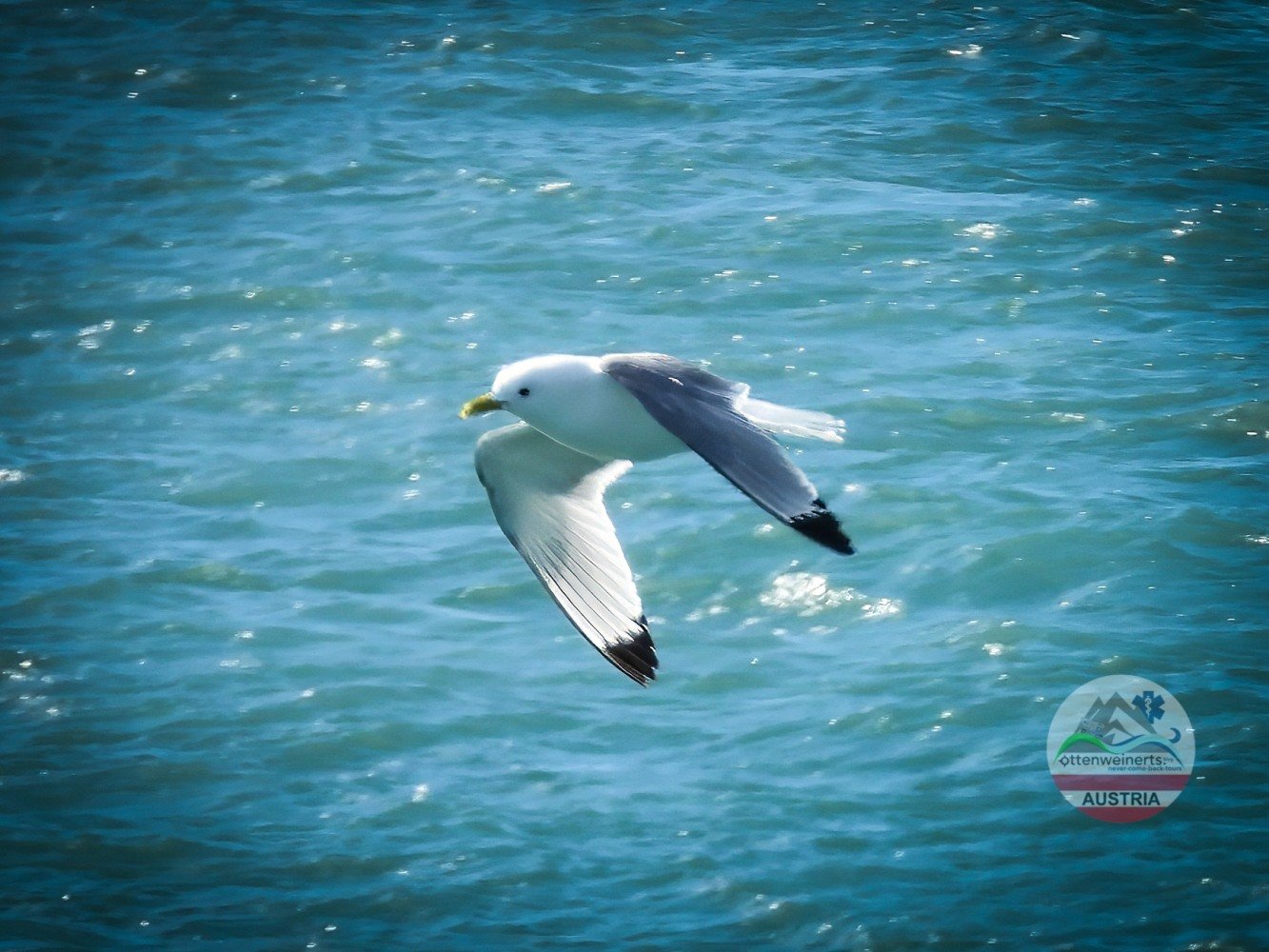
In der Früh sammelt der Bus die Touristen aus den verschiedenen Hotels in Longyearbyen ein und bringt uns in den Hafen, zu unserem Schiff, der Billefjord. Wir fahren in den Isfjord hinaus, wenden uns nach rechts in den Sassenfjorden, recht nah an den Steilklippen, wo Vogelkolonien brüten. Eissturmvögel, Dreizehenmöwen und Papageitaucher begleiten uns. Unser Mittagessen kommt frisch vom Grill, dazu gibt’s das grandiose Panorama des gewaltigen Nordenskjöldgletschers.

Auf der Nordseite des Fjords kommen dann schon die ersten Industrieruinen in Sicht – stillgelegte Förderbänder und Kohlerutschen, verlassene Gebäude mit kaputten Fenstern. Am leise vor sich hinrostenden Kran im Hafen flattern sowohl die alte sowjetische als auch die aktuelle russische Fahne, und unsere lokale Reiseführerin Olga trägt ein Gewehr. Wegen eventueller Eisbären natürlich. Wir sind in Pyramiden angekommen, in der Vergangenheit. 1920 gegründet, Ende der 1920er von der russischen Bergbaugesellschaft Arktikugol übernommen, wurde hier bis 1998 Kohle abgebaut, dann wurde der Ort aufgegeben. Die letzte geförderte Tonne Kohle ruht in einem Wagon vor der roten Stahlpyramide, dem Symbol des Ortes.

Neben dem verlassenen Heliport grast friedlich ein Rentier, und vor einem heute noch – allerdings nur von Scharen von Möwen – bewohnten Gebäude gibt ein Polarfuchs eine Extravorstellung. Wir bekommen etliche Gebäude von innen zu sehen – so etwa ein Veranstaltungsgebäude mit einem großartigen Mosaik im ersten Stock, den Swimming Pool, die Kulturhalle mit Theater und Kinosaal, Sporthalle, Ballettsaal und Musikzimmer. Die Lenin-Büste vor der Kulturhalle blickt die Straße des „60. Jahrestag des großen Oktobers“ hinunter und auf den Nordenskjöldgletscher im Hintergrund. Im Souvenirshop gibt es Borscht, 40%igen Vodka und Eisbär-Matrioschkapuppen zu kaufen. Etwa dreißig Einwohner hat Pyramiden heute, zumindest im Sommer, und das hauptsächlich wegen der Touristen; im Winter ist es eine echte Geisterstadt.

Nach dieser Zeitreise fahren wir weiter bis in die Skansbukta mit ihren mächtigen, festungsähnlichen Felsformationen, an deren Fuß ebenfalls noch Zeugen aus der Bergbauvergangenheit zu sehen sind, hier der Eingang zu einer Gipsmine und ein paar Schienenreste. Ein Stück weiter nach Westen kommen wir dann am „schwedischen Haus“ vorbei, einem Schauplatz dramatischer Ereignisse. 17 Männer, Besatzungsmitglieder zweier im Eis eingeschlossenen Walfängerschiffe, retten sich im Winter 1872 hierher. Das Haus war komplett ausgestattet, mit genügend Feuerholz und Vorräten, vor allem Lebensmitteln in Dosen, um hier überwintern zu können. Dennoch starben alle 17 Männer, kurz hintereinander, aus lange ungeklärter Ursache. Erst 2008 ergab die Obduktion einiger der im Permafrost gut erhaltenen Leichen, dass die Männer alle an einer Bleivergiftung gestorben waren, weil sie das Essen in den mit Blei hergestellten Dosen erhitzten.

Gegen Abend sind wir zurück in Longyearbyen. Wir sichten die vielen, vielen Fotos von heute, und dann packen wir unsere Koffer – morgen geht es zurück nach Oslo.

Saturday, July 13th – Time travel

In the morning, the shuttle bus collects the tourists from various hotels in Longyearbyen, bringing them to the “Billefjord”, our ship for today´s adventure. We move out into the Isfjord and turn right into the Sassenfjorden, close to the steep cliffs where large colonies of seabirds are nesting. Arctic fulmars, kittiwakes and puffins are accompanying us. For lunch, the chef is preparing a barbecue right in front of the magnificent panorama of the powerful Nordenskjöld glacier.

On the northern shore of the fjord, we see the remains of some industrial buildings – shut down conveyor belts and coal chutes, abandoned buildings with broken windows. In the harbor, the old loading crane with both the old Sovjet Union as the actual Russian flag on top is silently rusting into oblivion; and Olga, our guide, is carrying a rifle – you never know if there is a polar bear behind the corner. We have arrived in Pyramiden, and in the past. The coal mining town was founded in 1920 by a Swedish company, taken over by the Russian mining company Arktikugol in the late 1920s, operating till 1998, then it was given up and everybody left. The last ton of coal ever mined here sits in a wagon at the foot of the red steel pyramid, the symbol of the town.

Next to the empty heliport, a reindeer is grazing, and in front of one of the derelict but still inhabited buildings (hundreds of kittiwakes live and breed here) an arctic fox is giving an extra performance for the delighted tourists. We visit several buildings like an event building with a fantastic mosaic on the second floor, the swimming pool, the cultural events hall with theater and cinema, ball court, ballet room and music room. In front of the cultural hall, a Lenin bust is looking down the Street of the „60th anniversary of the glorious October“, with the Nordenskjöldbreen in the background. The souvenir shop offers borscht, vodka (40% alcohol …) and russian polar bear stacking dolls. During the summer, there are about 30 people living here, mainly because of tourism; during the winter, Pyramiden is a real ghost town.

After this time travel we sail on to the Skansbukta with its massive, fortress-like rock formations; at the foot of the rocks, we again see silent witnesses of the mining history, like the entrance to a gypsum mine and the remains of train tracks. A bit later, we pass the “Swedish Hut”, the scene of dramatic events in the winter of 1872, when 17 men, part of the crew of two whaling ships which were caught in the ice, arrived here. The hut was completely equipped with enough firewood and provisions, including lots of canned food, to survive the winter; nevertheless, all 17 men died within a short period of time. In 2008, when the remains of the men, very well preserved in the permafrost, where exhumed, the cause for their deaths were found out – it was lead poisoning because the men heated their food in the lead-lined cans.

In the evening, we arrive in Longyearbyen. We try to sort the many, many photos we took today, and then we pack our suitcases – we will fly back to Oslo tomorrow.

240712 – wieder in Longyearbyen / back in Longyearbyen #oceanwideexpeditions >

Heute weckt uns zum letzten Mal Marcel‘s liebliche Stimme – nach dem Frühstück heißt es Abschied nehmen.

Wir sind mit der Kreuzfahrt rundherum zufrieden – das Expeditionsteam hat uns bestens betreut, die Schiffsbesatzung hat uns rund um Spitzbergen, hinauf ins Packeis und sicher wieder zurückgebracht und die Hotelcrew hat uns verwöhnt. Und wir haben die „Big 5“ der Arktis in ihrem natürlichen Umfeld zu sehen bekommen – Eisbären und Polarfüchse, Walrosse, Wale, und Rentiere. Und jede Menge Seevögel. Und wir haben wieder viele liebe Menschen kennengelernt, wir hoffen, den einen oder die andere irgendwo auf der Welt mal wieder zu sehen.

In Longyearbyen deponieren wir unser Gepäck im Hotel, dann marschieren wir als Erstes zum Krankenhaus. Nein, es geht uns gut, aber wir haben während der Reise bei einem Vortrag die Geschichte der holländischen Forscher gehört, die 1988 eine folgenschwere Begegnung mit einem jungen Eisbären hatten. Der Wissenschafter, mehr oder weniger skalpiert, wurde gerettet und im Longyearbyen Hospital zusammengeflickt. Der Bär hat nicht überlebt und steht nun ausgestopft im Krankenhaus-Foyer.

Von dort geht es weiter ins Svalbard Museum, das uns jetzt wie eine Zusammenfassung unserer Reise vorkommt – erdgeschichtliche Entwicklung, Geologie, Fauna und Flora, Entdeckung und Eroberung dieser Welt hoch im Norden – vieles davon haben wir in den letzten 10 Tagen zu sehen und / oder zu hören bekommen. Ebenso im North Pole Expedition Museum, wo wir wieder Fritjof Nansen, Umberto Nobile und Roald Amundsen begegnen, aber auch Walter Wellman, einem unerschrockenen, aber nicht ganz so erfolgreichen amerikanischen Polar-Abenteurer, von dem wir bisher noch nichts gehört haben.

Dann laufen wir Richtung Hafen, sehen ein Marineschiff, einen seltsam aussehenden offiziellen Kreuzer (Sysselmestre) und ein riesiges Kreuzfahrtschiff, die Viking Star, für knapp 1000 Passagiere. Nein, danke, nichts für uns. An der Straße zum Hafen finden wir das RotKreuz-Gebäude, das wir im Vorbeifahren gesehen hatten – keine Rettungswache wie bei uns, sondern mehr ein Depot für Hilfsgüter, soweit wir das durch die Fensterscheiben erkennen können. Das Rote Kreuz hat hier andere Aufgaben als bei uns, daher finden wir den lokalen Rettungswagen auch nicht hier, sondern auf der Feuerwache. Charles, der nette Rettungswagenfahrer, führt uns herum und erzählt uns ein wenig über den Dienstbetrieb.

Dann haben wir uns eine Pause im Café Huskies verdient, wo man am Weg zur gemütlichen Sitzecke über ein oder mehrere der fluffigen Angestellten steigen muss. Die Hunde sind absolut gechillt, an Touristen gewöhnt und lassen sich willig streicheln und fotografieren. Und der Kaffee ist auch sehr gut.

Anschließend erledigen wir noch das Pflicht-Shopping – ein T-Shirt aus Svalbard muss natürlich sein. Im Hotel bereiten wir uns dann noch auf morgen vor – wir haben ja noch einen ganzen Tag Zeit, daher haben wir heute in der Früh spontan für morgen eine Schiffstour nach Pyramiden gebucht, in der Hoffnung, dass das Wetter mitspielt.

Friday, July, 12th – back in Longyearbyen

Today, expedition leader Marcels´ lovely voice wakes us up for the last time – after breakfast, we have to check out and disembark. We are very very happy about this cruise – the expedition team was fantastic, the captain and his crew took us around Spitzbergen, high up into the pack ice and safely back again, and the hotel crew pampered us. And we got to see the “big 5” of the Arctic in their natural habitat – polar bear and arctic fox, walrus, whale and reindeer. And plenty of sea birds. And we met some very lovely and special people whom we hope to meet again, somewhere on the globe.

In Longyearbyen, we check in at the hotel, and then we visit the hospital. Not to worry, we are fine, but during our cruise we heard the story of the Dutch polar explorer, who had an unfortunate encounter with a young polar bear in 1988. The scientist got more or less scalped, but he was saved and treated in this hospital. The bear on the other hand didn´t survive – he is on display in the hospital´s lobby.

Then, we visit the Svalbard Museum which seems like a recap of the past 10 days to us – geology and paleontology, fauna and flora, the history of discovery and conquest of this hostile environment high up in the north – we have seen and / or heard a lot about all that during our expedition. Same experience in the North Pole Expedition Museum, where we meet Fritjof Nansen, Umberto Nobile and Roald Amundsen again, but also Walter Wellman, a fearless but not very successful American polar explorer, about whom we haven´t heard anything so far.

Afterwards, we walk towards the harbour, we see a marine vessel, the funny looking ship of the Sysselmaster, and a huge cruise ship, the Viking Star, with room for 1000 passengers. Not our way to travel. We also find the Red Cross building but it´s not an ambulance station, it seems to be a depot for disaster relief goods and machines (as far as we can see through the windows). The local Red Cross doesn´t offer any ambulance service here that´s why we find Spitzbergen´s ambulance not here, but at the fire station. Charles, the lovey EMT on shift, shows us around and talks about the work they do here.

Now we have earned a break, at Café Huskies, where you have to make your way to the cozy couches by stepping over one or more of the fluffy employees. These huskies are absolutely chilled, they are used to tourists and love being cuddled and photographed. And the coffee is very good, too.

Finally, we have to do some shopping – leaving Spitzbergen without some T-Shirts is a no-go. At the hotel, we prepare for tomorrow – we have one more day left here, so we spontaneously booked a boat tour to Pyramiden, hoping for nice weather tomorrow.

240704 – in der nördlichsten Siedlung der Welt / the world´s northernmost community #oceanwideexpeditions >

Über Nacht haben wir die Strecke bis in den Krossfjord an Spitzbergens Westküste zurückgelegt. Heute morgen gibt es zuerst Frühstück mit Aussicht auf den Lilliehookbreen (Gletscher) bei strahlendem Sonnenschein, und dann noch weitere verpflichtende Briefings: Richtiges Verhalten im Zodiac (nicht aufstehen ohne den Fahrer zu fragen), Regeln für den Landgang (nichts hinterlassen, nichts mitnehmen) und was tun bei Eisbär-Sichtungen (nicht anlocken, nicht streicheln). Vor dem Mittagessen bekommen wir unsere Leih-Gummistiefeln ausgefolgt, die wir dann am frühen Nachmittag im Kingsfjord das erste Mal benötigen.

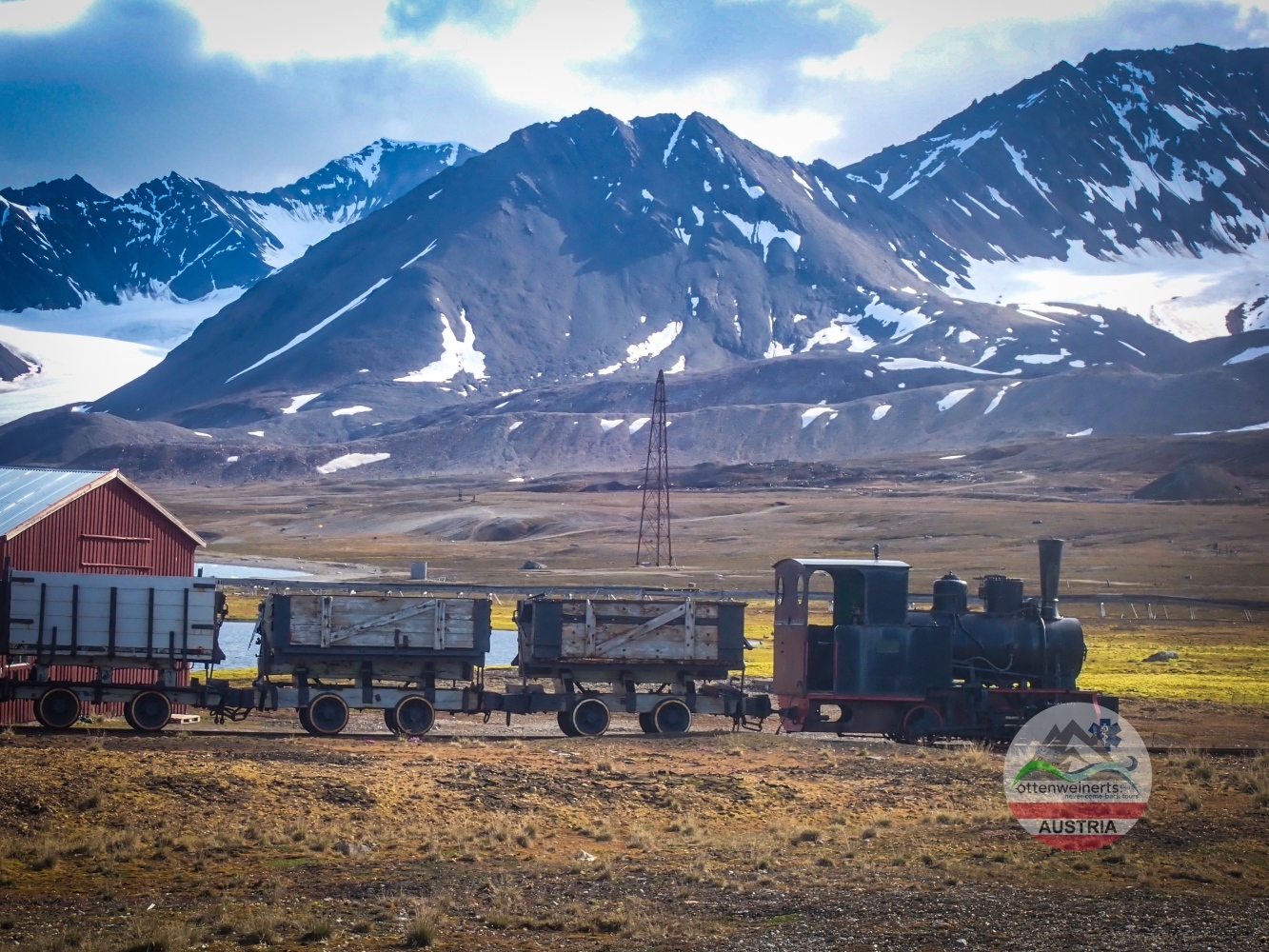
Mit den Zodiacs landen wir in Ny-Ålesund, die nördlichste Siedlung der Welt, einst als Bergbausiedlung gegründet; die alte Lokomotive für den Kohletransport steht noch hier. Ein schweres Grubenunglück bedeutete 1963 das Ende des – ohnehin nicht sehr rentablen – Kohlebergbaus. Heute arbeitet hier eine internationale Wissenschaftergemeinschaft an Forschungsgebieten im Bereich Klima und Umwelt, Atmosphäre, marines Leben und Ozeanographie. Für unsere chinesischen Mitreisenden ist ein Selfie vor der chinesischen „Yellow River Research Station“ natürlich ein Muss.

Wir wandern durch die kleine Ortschaft mit knapp unter 200 Bewohnern (zumindest jetzt, im Polarsommer), schauen in das alte Postamt (leider gibt’s den alten Poststempel nicht mehr, weil Touristen ihre Reisepässe damit gestempelt haben – hätten wir natürlich nie getan, niemals, wir doch nicht…….), und kaufen ein paar Souvenirs im nördlichsten Shop der Welt, wo man schon weit vorausplant: auf den T-Shirts steht Ny-Alesund, 79° nördliche Breite – das wird aufgrund der Plattentektonik in ein paar Jahrmillionen auch zutreffen. Jetzt ist die korrekte Verortung 78°55´, und damit etwa 9 km vom 79. Breitengrad entfernt.

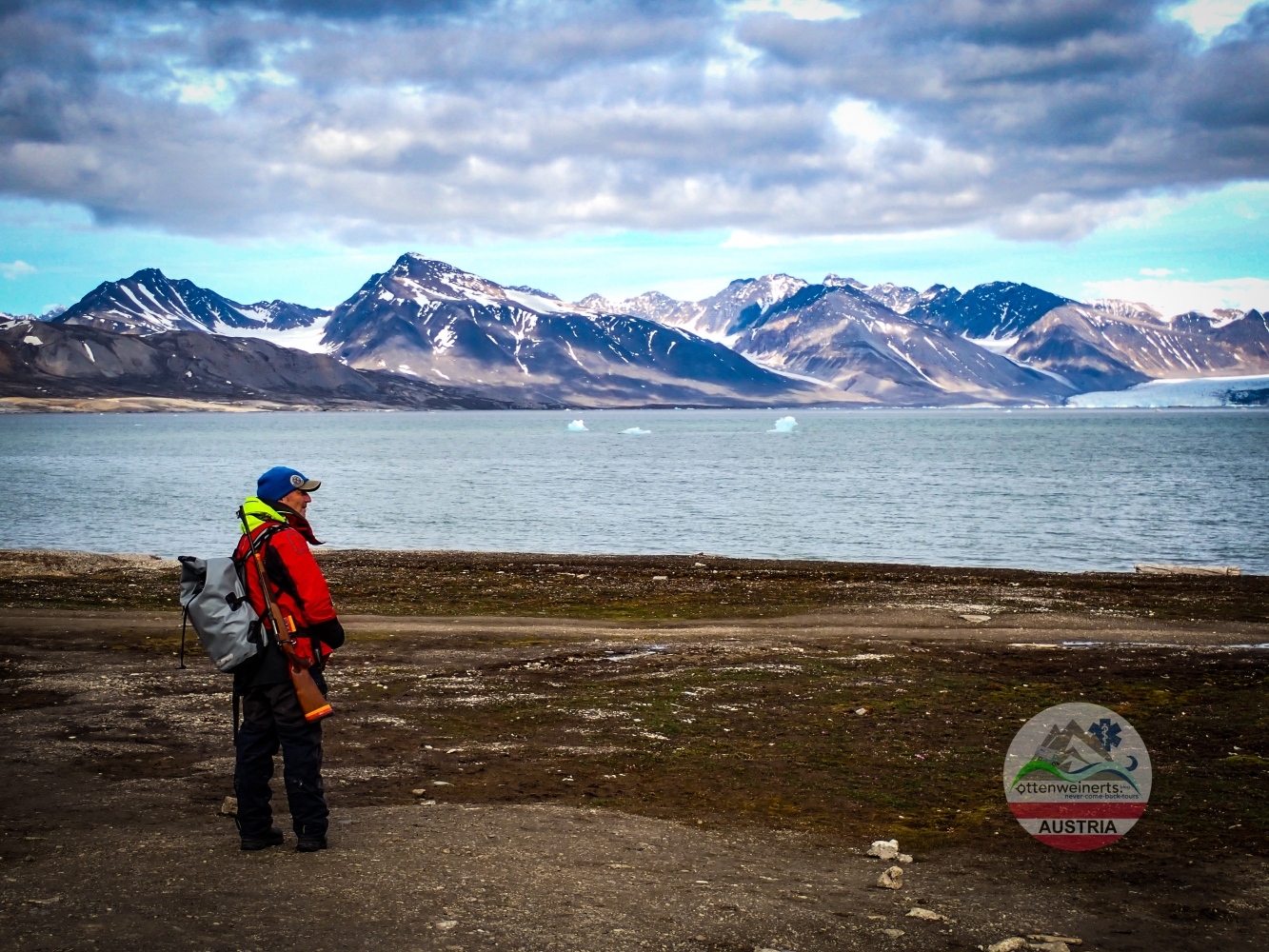
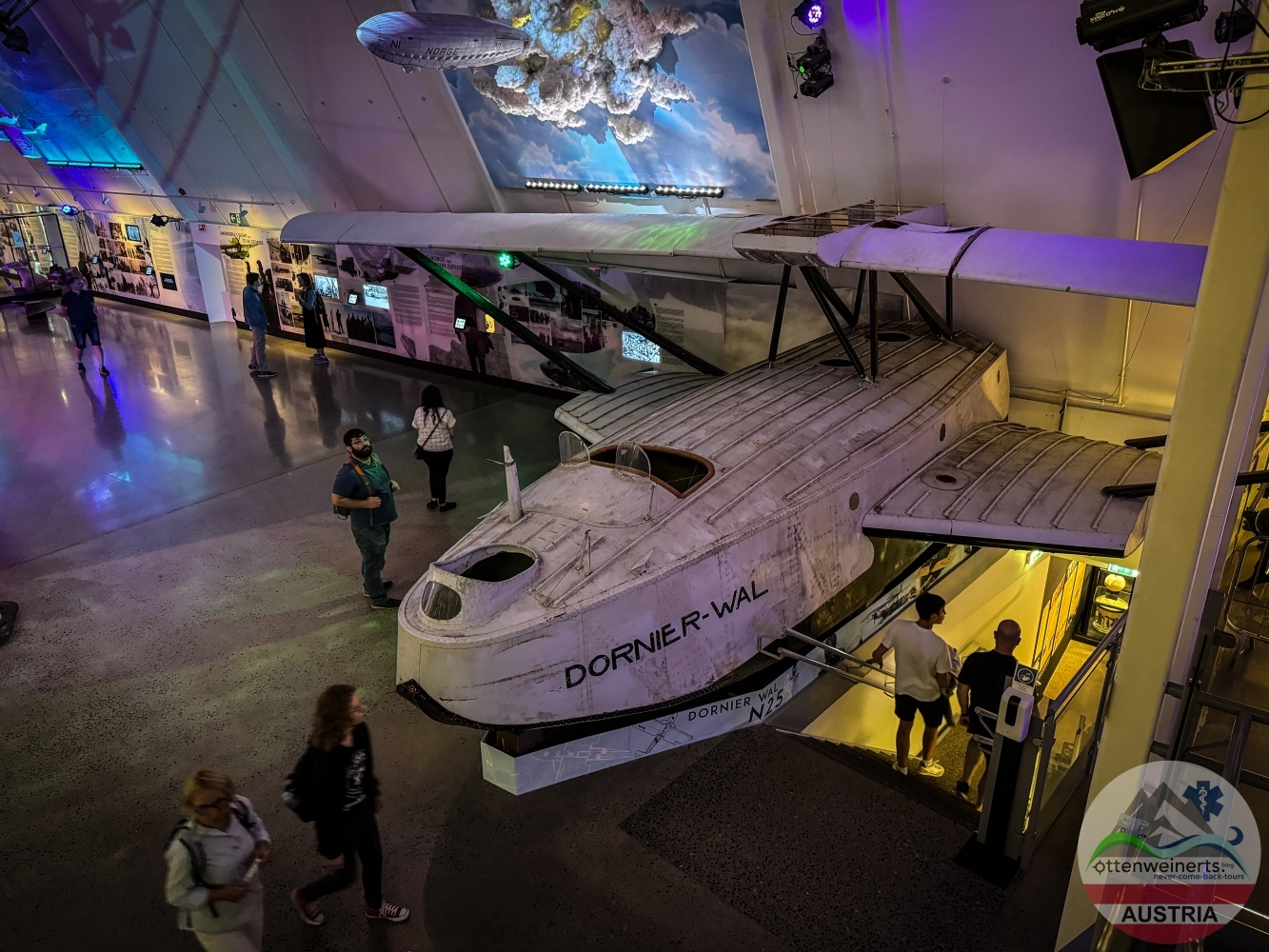
Bei der Büste von Roald Amundsen sammelt sich die Gruppe, um dann geschlossen zum Amundsen-Mast zu marschieren, an dem die Luftschiffe „Norge“ und „Italia“ für die Nordpolexpeditionen 1926 und 1928 vor ihrem Start verankert waren. Der Mast liegt außerhalb der sicheren Zone, daher sind unsere Guides mit Gewehren bewaffnet, für den Fall eines unvorhergesehenen Eisbär-Kontakts. Und im Hintergrund grasen friedlich ein paar Rentiere – übrigens: Rentierbullen tragen ihr Geweih im Sommer, im Herbst werfen sie es ab. Rentierkühe dagegen sind im Winter mit Geweih bewaffnet – also die Rentiere, die Santas Schlitten ziehen, sind lauter Damen!!

Am Rückweg, immer auf den gekennzeichneten Wegen, um die empfindliche Tundra-Flora nicht zu zertrampeln und um brütende Vögel nicht zu stören, erfahren wir im Museum noch mehr Details über die von hier gestarteten Expeditionen sowie über das Leben in diesem abgeschiedenen Ort. Und in der Nähe der Hundebehausungen sehen wir Wissenschafter bei der Arbeit – eine Küstenseeschwalbe wird eingefangen, vermessen, gewogen und beringt – der Rest ihrer Familie ist ziemlich empört und fliegt laut schimpfend Angriffe auf die Forscherin.

Nach der allabendlichen Zusammenfassung der Ereignisse des Tages mit Blick auf den Plan für morgen hören wir noch zwei Kurzvorträge: William aus Frankreich berichtet über Salomon August Andree, der 1897 beim Versuch, mit seinem Ballon zum Nordpol zu fahren, umkam; und von Simon aus Schottland erfahren wir Wissenswertes über Arctic Terns, also Küstenseeschwalben – genau die verteidigungsfreudigen Vögel, die wir nachmittags beobachten konnten.

THURSDAY, July 4th – the world´s northernmost community

In the night, we reached the Krossfjord at Spitzbergen´s west coast – we are having breakfast in front of the magnificent Lilliehook Breen (Glacier), and then there are some more mandatory briefings: how to behave in a zodiac (don´t get up without asking the driver), landing rules (don´t leaving anything, don´t take anything) and polar bear rules (don´t lure them, don´t try to cuddle). After that, it´s boots party – we get our borrowed rubber boots which we will need for the first time in the afternoon in Kingsfjord.

The zodiacs transport us to Ny-Ålesund, the world´s northermost community and another former coal mining town; the old locomotive and some lorries are still visible. A tragic mining accident in 1963 meant the end of the – anyway not very profitable – coal mine. Today, Ny-Ålesund is an international research station where experts from all over the world live and research in the fields of climate and environment, atmosphere, marine life and oceanography. And all of the Chinese guests on board our ship had to take selfies in front of the Chinese “Yellow River” research station.

We stroll through the small village with almost 200 inhabitants (at least now, during the summer), look into the old post office (unfortunately the old postmark is gone because tourists stamped their passports with it – we would never have done that, never ever, of course not ….), and we buy some souvenirs in the northernmost souvenir shop which is fit for the future: the T-Shirts read “Ny-Ålesund, 79° North” – which will be true in a few million years because of the plate tectonics. Now, the correct geographic position is 78°55´ and therefore about 5,6 miles south of latitude 79° north.

Then, we gather at the bust of Roald Amundsen and walk as a group to the Amundsen mast, where the airships “Norge” and “Italia” were moored before their start towards the North Pole in 1926 and 1928 respectively. The mast is located outside the safe perimeter, so our guides are carrying rifles in case of an unexpected meeting with a polar bear. But we see only some reindeer grazing in the background; by the way: male reindeer have their antlers in summer and loose them in autumn. Female reindeer on the other hand, get theirs in autumn and carry them all winter. Therefore, the reindeer pulling Santa´s sleigh – they are all girls!!!

On the way back, always on the marked paths in order not to trample the delicate vegetation or disturb nesting birds, we visit the local museum to learn more about the expeditions which started from here and about life in this secluded place. Near the dog kennel, we see researchers at work – a captured artic tern gets measured, weighed and a ring is put on its leg. The rest of the tern family is rather annoyed, flying heavy attacks on the researcher.

In the evening, after today´s recap, we hear two very interesting lectures: William from France tells us the story of Salomon August Andre, who died trying to reach the North Pole with his balloon in 1897; and Simon from Scotland informs us about Arctic terns – exactly the defensive birds we could watch in action this afternoon.

240703 – Unter Tage und aufs Wasser / Into the mountain and onto the water #oceanwideexpeditions >

Wir starten heute unter Tage, im Dunklen – mit der Besichtigung der „Gruve 3“, einer von insgesamt sieben hier existierenden Kohlegruben. Die Kohlevorkommen hier waren die Ursache für die Gründung von Longyearbyen im Jahre 1906, und der Name stammt vom Gründer, dem Amerikaner John Munroe Longyear. Die Kohle hat einen Reinheitsgrad von 97%, allerdings verlaufen die Flöze horizontal und mussten manuell und im Liegen abgebaut werden. Wir durften in einen Stollen hineinkriechen, 78 cm hoch, und das ist bereits ein Luxusstollen – der niedrigste Stollen war nur 38 cm hoch – unvorstellbare Arbeitsbedingungen!

In der Grube 3 befindet sich auch das AWA, das Arctic World Archive, eine internationale Lagerstätte für Dokumente aller Art, die für künftige Generationen erhalten bleiben sollen. An einer weiteren Lagerstätte kommen wir bei der Rückfahrt von der Grube vorbei, dem „Global Seed Vault“. Hier werden Saatgutproben gelagert, vor allem von landwirtschaftlichen Nutzpflanzen, um im Falle einer weltweiten Katastrophe die Artenvielfalt zu erhalten.

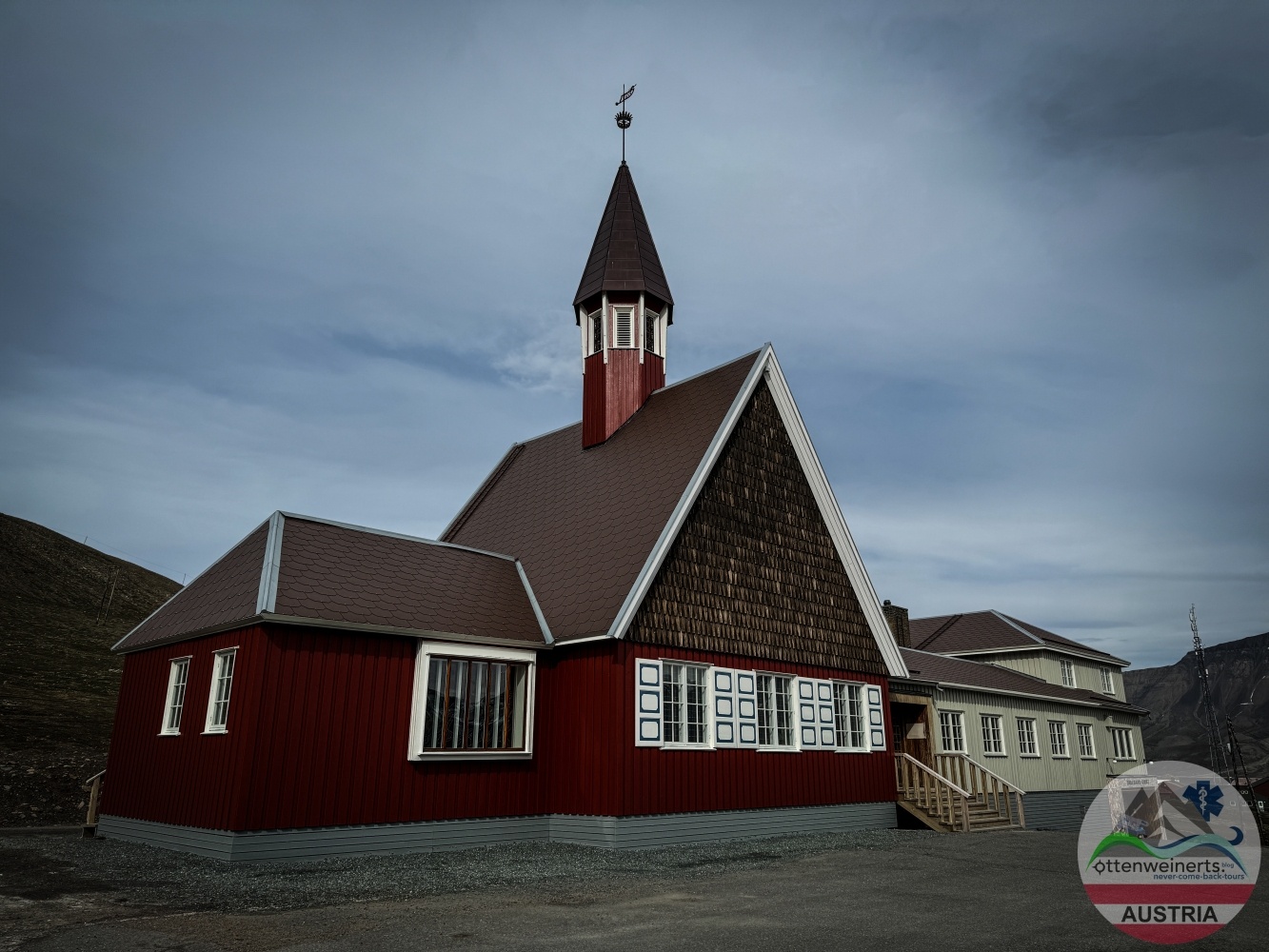
Unser freundlicher Busfahrer lässt uns dann direkt bei der Kirche von Svalbard aussteigen. Dies ist wohl eines der ungewöhnlichsten Gotteshäuser, das wir je besucht haben – für Besichtigungen offen 24/7, man muss die „Schühe“ ausziehen, und es gibt einen gemütlichen Versammlungsraum mit einem großen Kamin, und einen Tisch mit Kaffee und Keksen. Ein echtes Gemeindezentrum – das findet auch die Familie Kurzschnabelgänse mit ihrem flauschigen Nachwuchs, gleich hinter der Kirche.

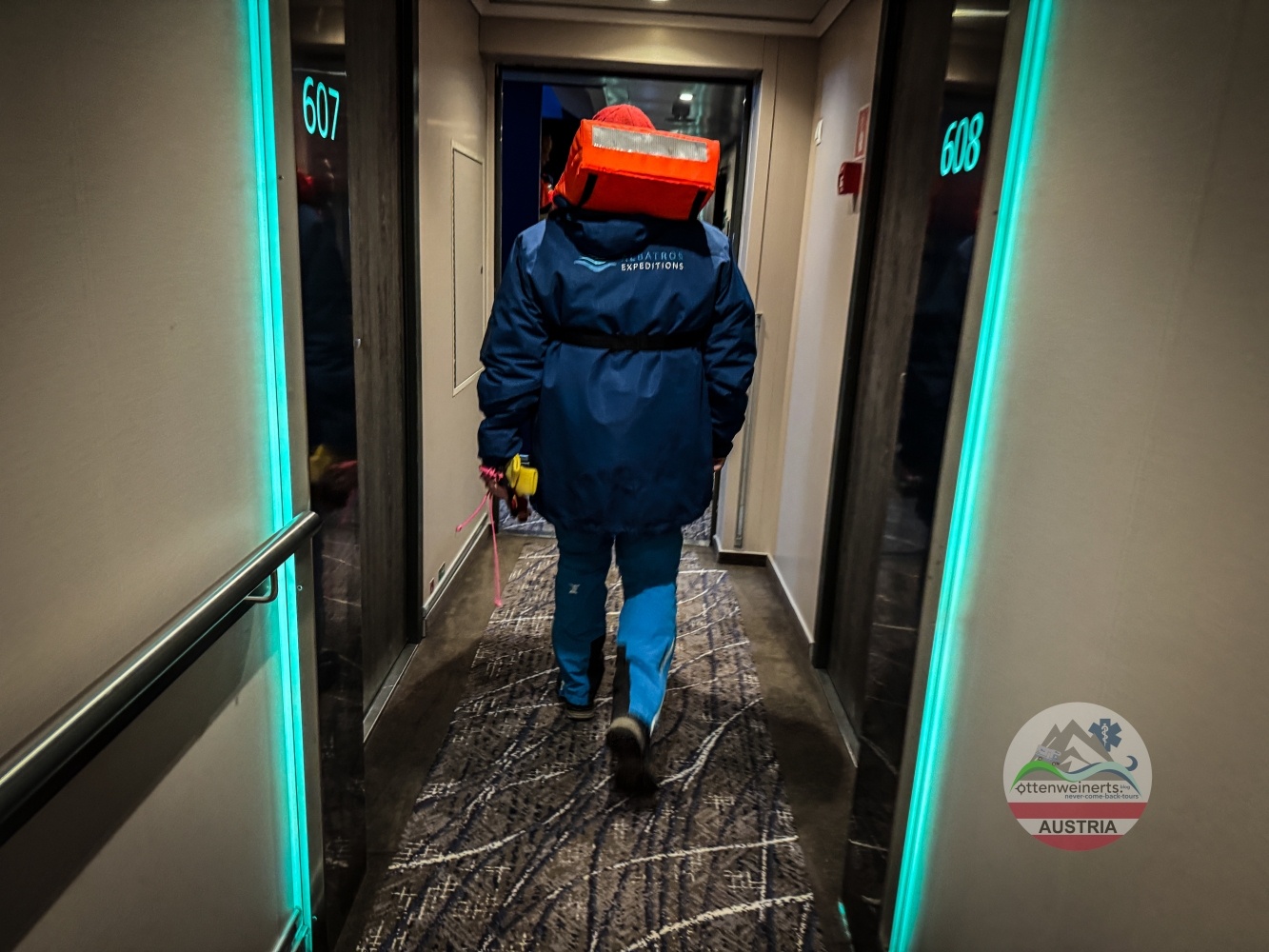
Dann ist es auch schon Zeit, um am Schiff einzuchecken. Wir beziehen unsere Kabine, anschließend geht es zum verpflichtenden Safety Briefing, mit „evacuation drill“ im vollen Outfit mit angelegten Schwimmwesten (SEHR unkomfortabel – aber wir werden sie ja nicht brauchen – hoffen wir). Beim anschließenden Willkommenscocktail-Empfang gibt uns Albert, der Hotelmanager, die ersten Informationen und stellt uns Kapitän Artur und das 23köpfige Expeditionsteam mit Teamleader Marcel vor – währenddessen legt unser Schiff völlig unbemerkt und ganz leise ab – wir sind am Weg zu unserem Abenteuer Arktis.

WEDNESDAY, July 3rd – Into the mountain and onto the water

We start our day by going underground into the darkness, visiting “Gruve 3”, von seven coal mines here around Longyearbyen. The local coal deposits were the reason why Longyearbyen was founded in 1096, and it was named for its founder, the American John Munroe Longyear. The coal here is 975 pure which is excellent, but the coal seams run horizontally, so the workers had to lay down and extract the ore manually. We could crawl into one of the tunnels, only 31 inch high, but that was luxury already – the lowest tunnels was only 15 inch in height – unimaginable working conditions.

Deep within the mine, there is also the AWA, the Arctic World Archive, an international deposit for documents of all kinds which shall remain here for generations to come. On the way back from “Gruve 3”, we pass another deposit, the “Global Seed Vault” where seed samples are stored, mainly from agricultural crops in order to maintain biodiversity in case of a global catastrophe.

Afterwards the friendly bus driver drops us right in front of the Svalbard church, and this is one of the most unusual Christian places of worship we have ever visited: open 24/7, you have to take of your shoes, and there is a cozy meeting room with a huge open fire place and a table with coffee and cookies – a real community center. And behind the church, we find a pair of pink-footed geese with their fluffy chicks.

Then, finally, it´s time to check in on our ship, the “Hondius”. We move into our very nice cabin, then we have to attend the mandatory safety briefing including evacuation drill with our life vests on (VERY uncomfortable, but we won´t be needing them, we hope). After that, at the welcome cocktail reception, Hotel manager Albert gives us some information about the life on the ship and introduces Captain Artur and the expedition team, consisting of 23 experts, led by Marcel. Meanwhile, our ship has left the harbor, very quietly and totally unnoticed – we are on our way to our Arctic Adventure.

240701 – Oslo – schon wieder Schiffe! / Oslo – a lot of ships, again >

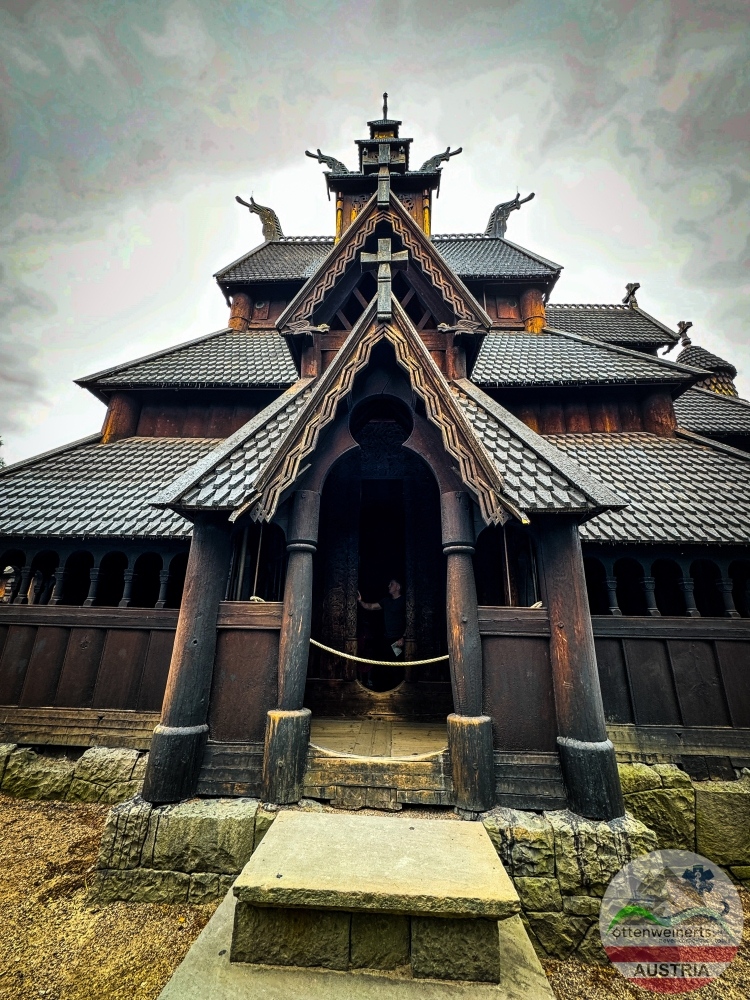
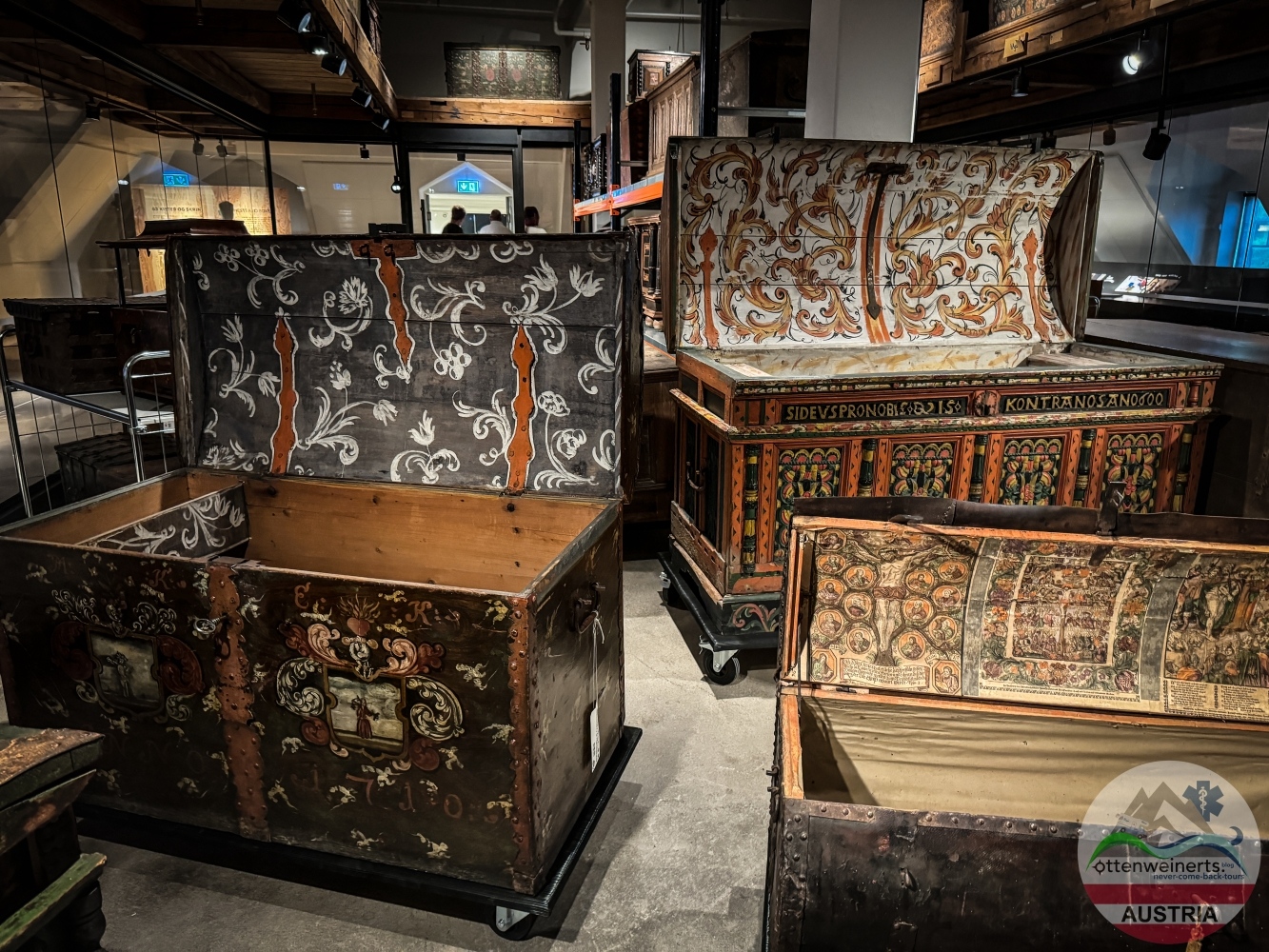
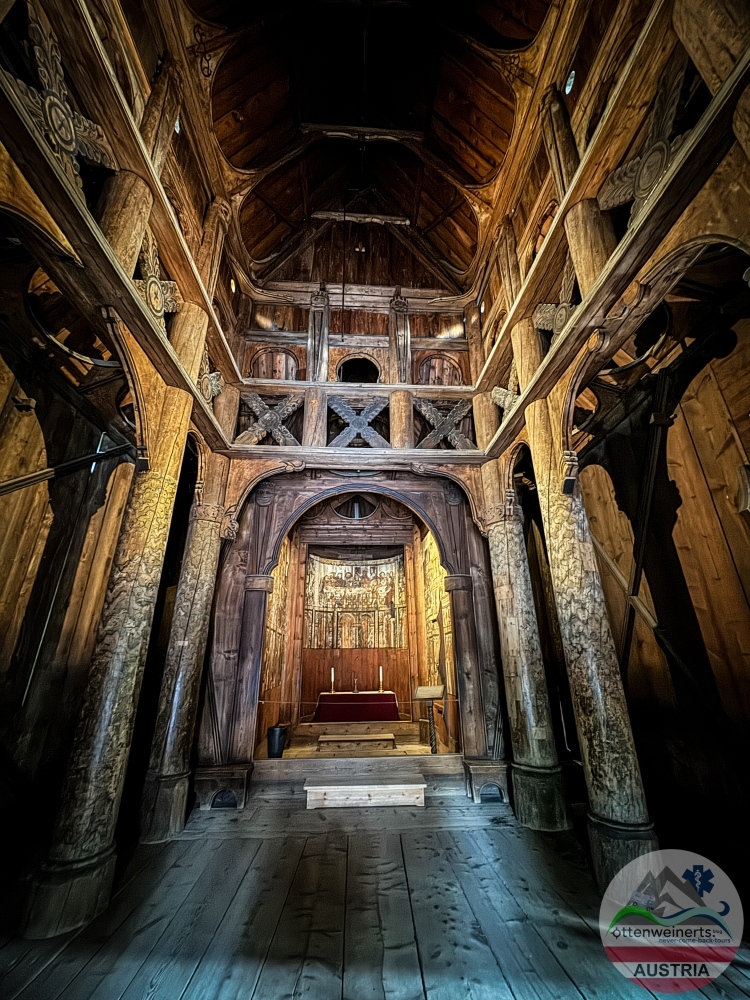
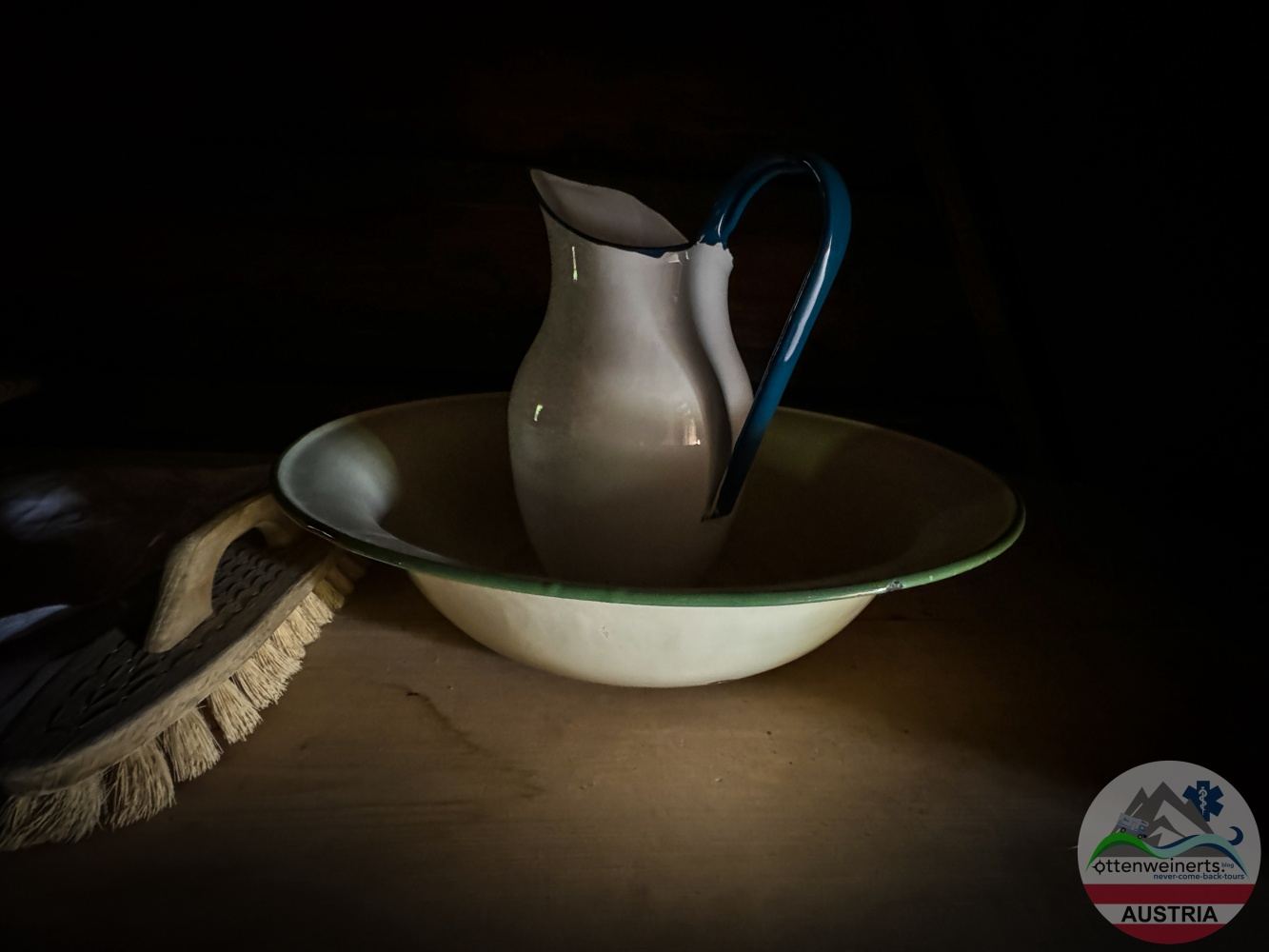
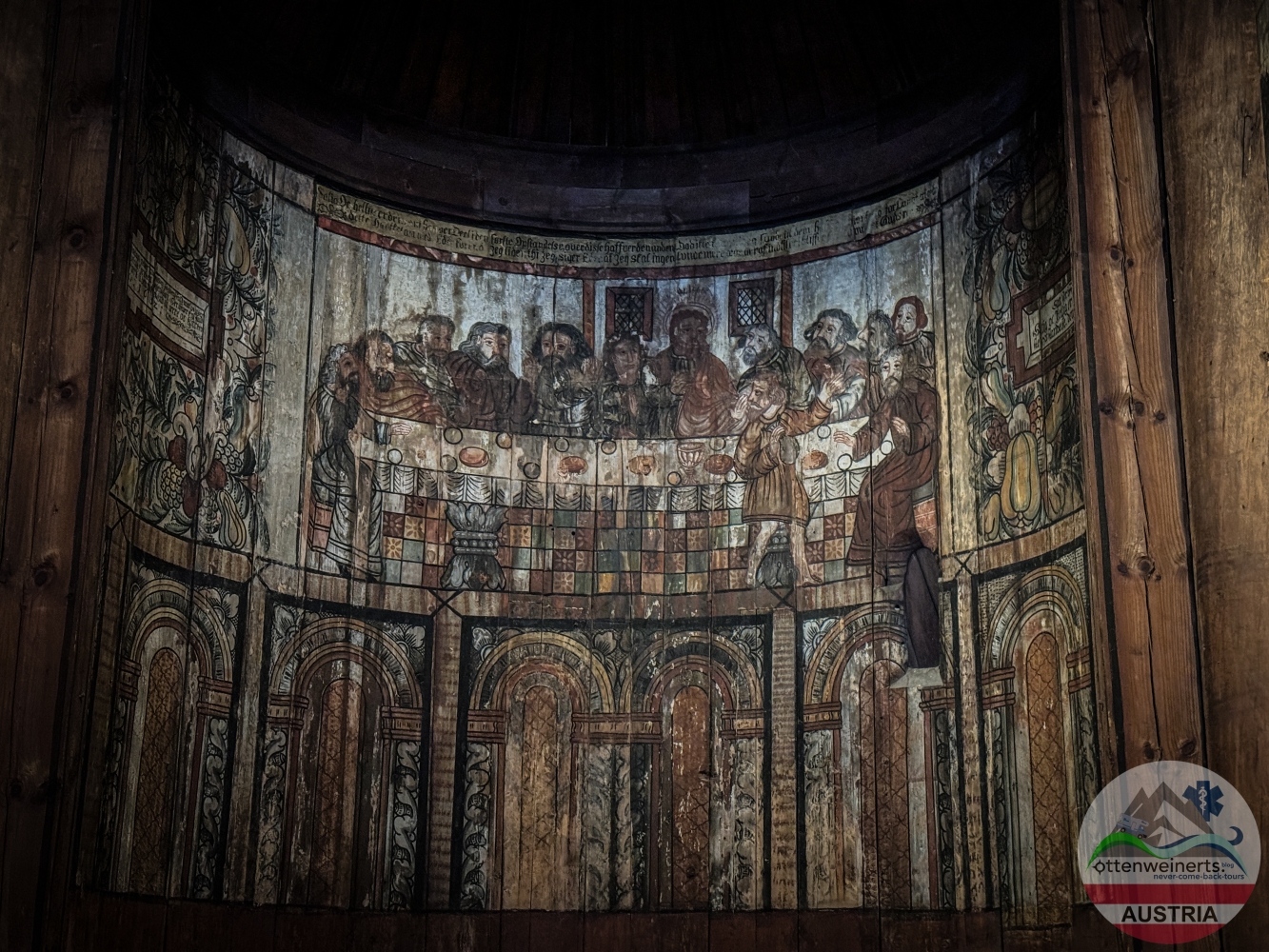
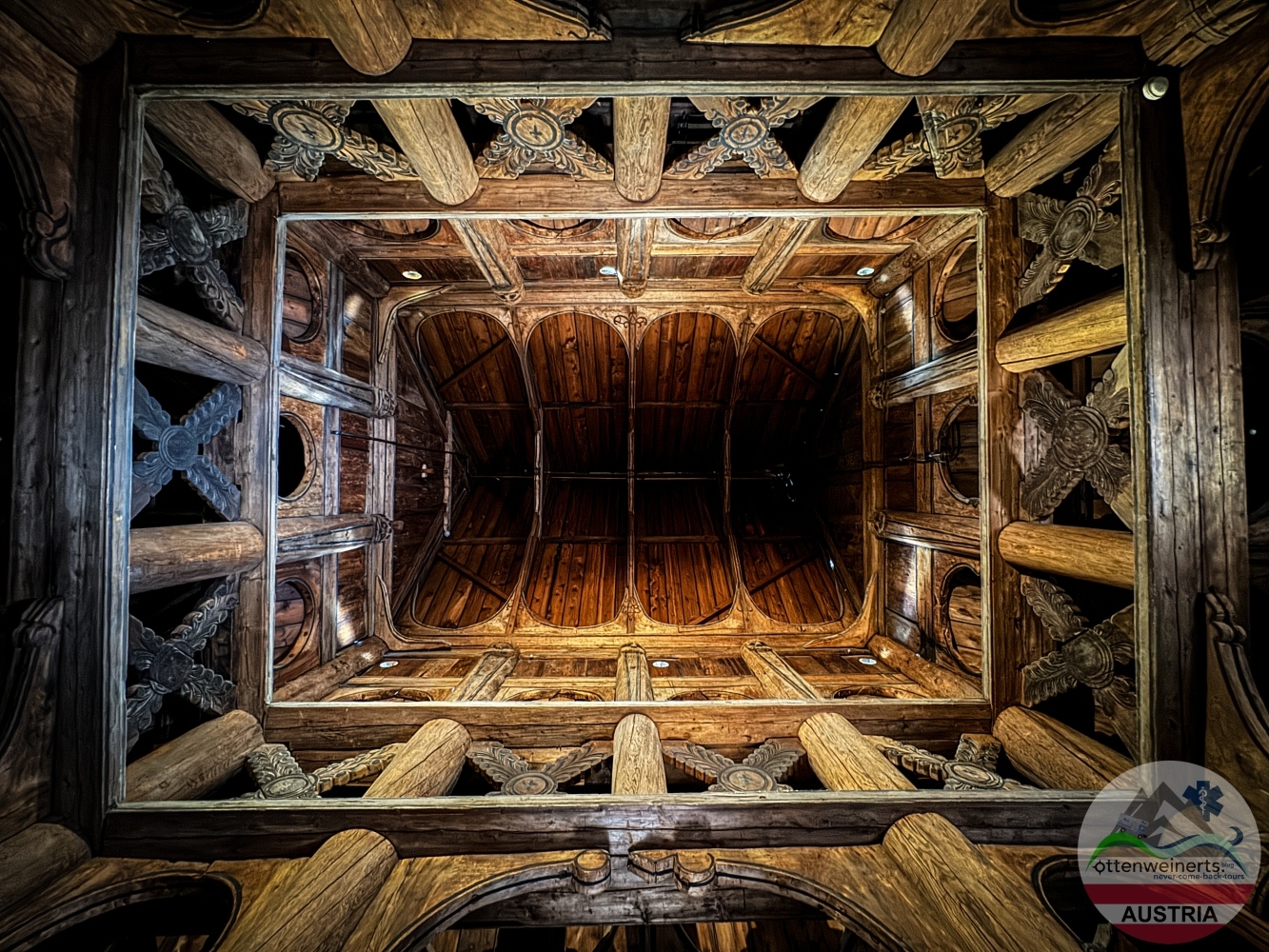
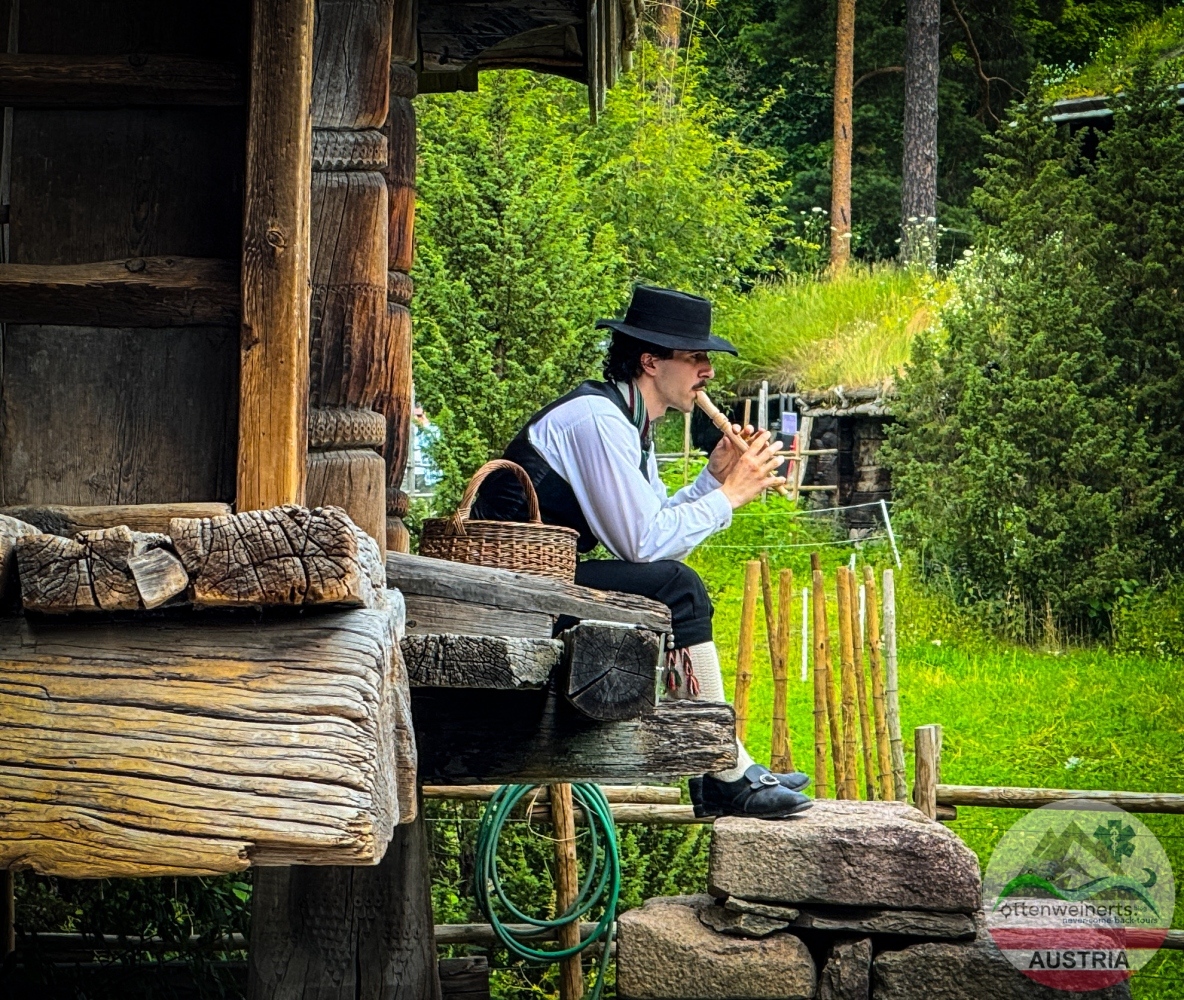
Mit Bus und Zug geht es in die Stadt, bei strahlendem Sonnenschein starten wir im Freilichtmuseum „Norsk Folkemuseum“. Hier sind unter anderem eine wunderschöne Stabkirche sowie viele original Gebäude aus mehreren Jahrhunderten, komplett mit Inneneinrichtung zu besichtigen. Eine Abteilung ist dem Leben der Samen in Norwegens Norden gewidmet, es gibt sakrale Kunst zu sehen, eine alte Apotheke sowie eine tolle Sammlung von schön geschnitzten und geschmückten Truhen.

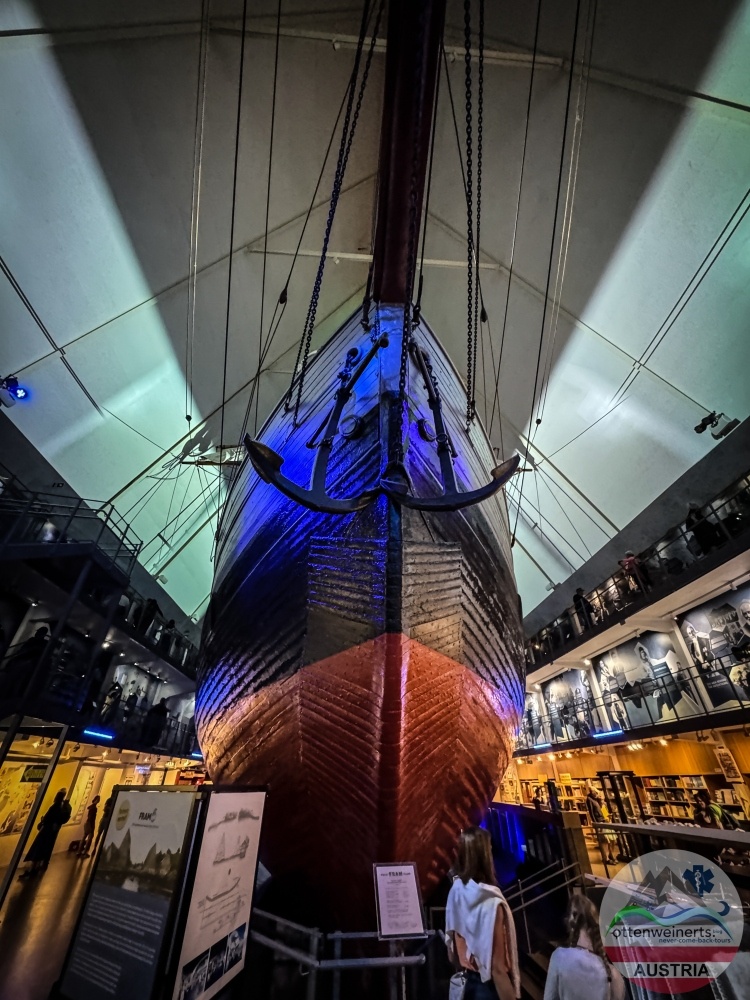
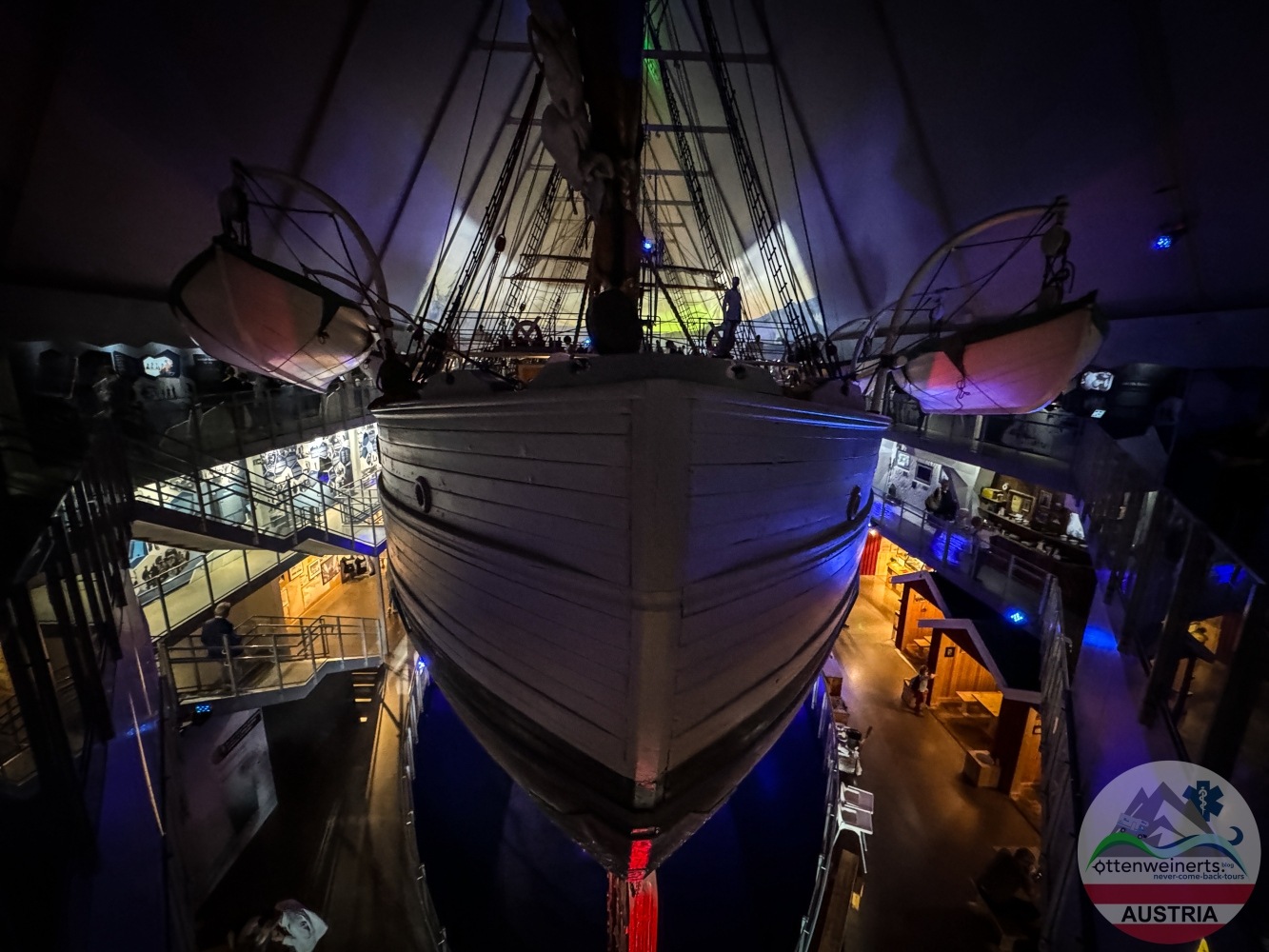
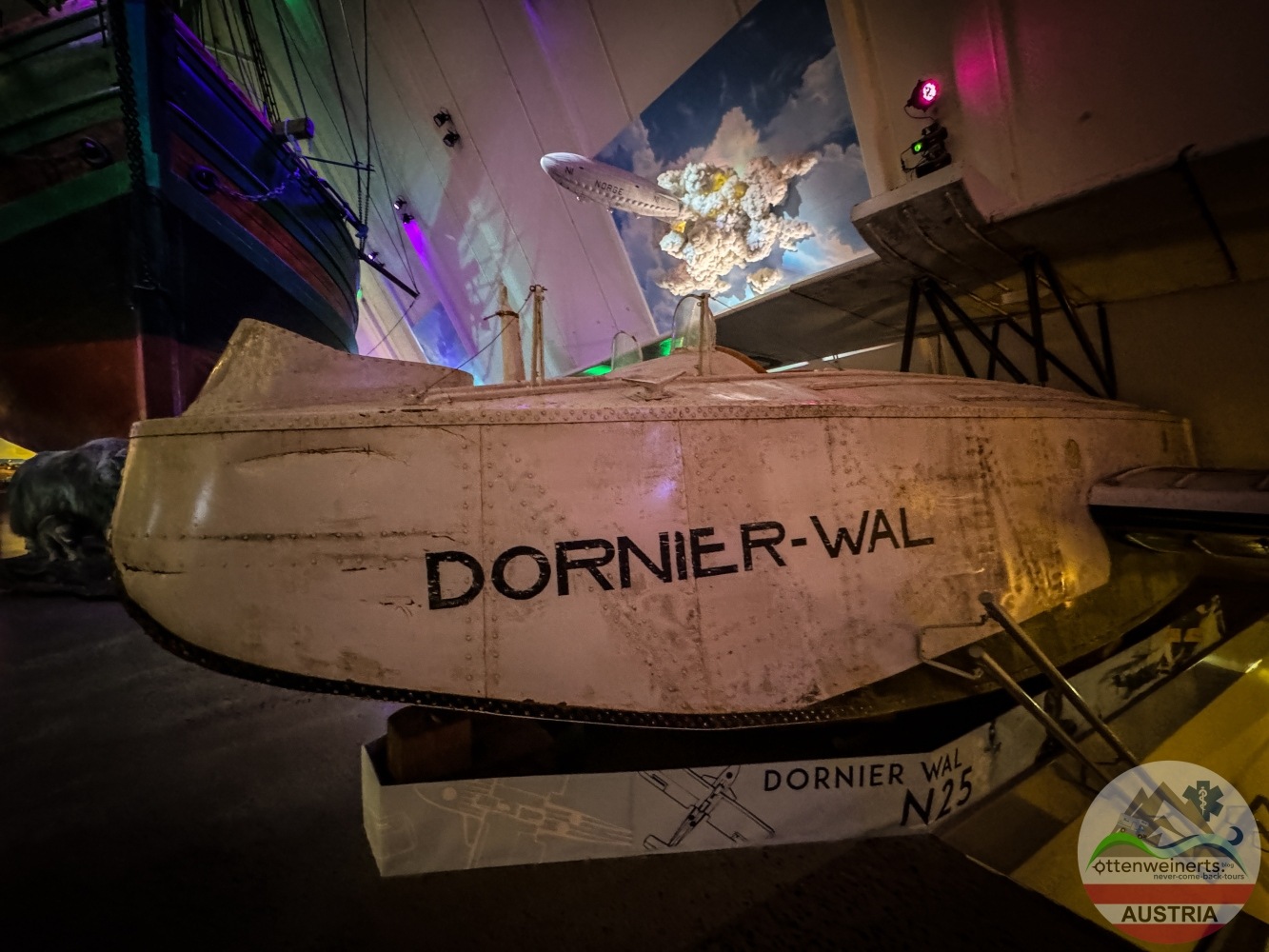
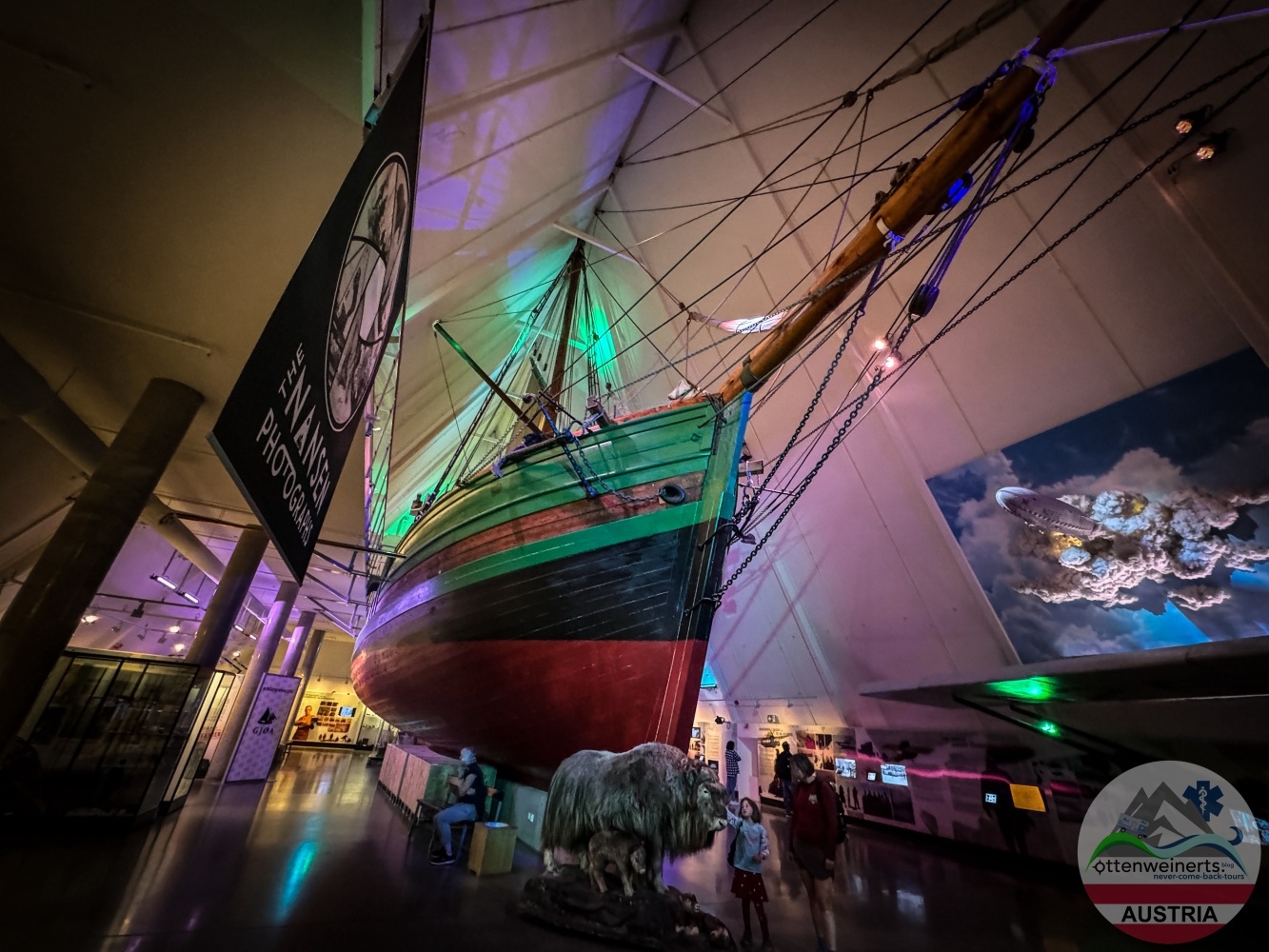
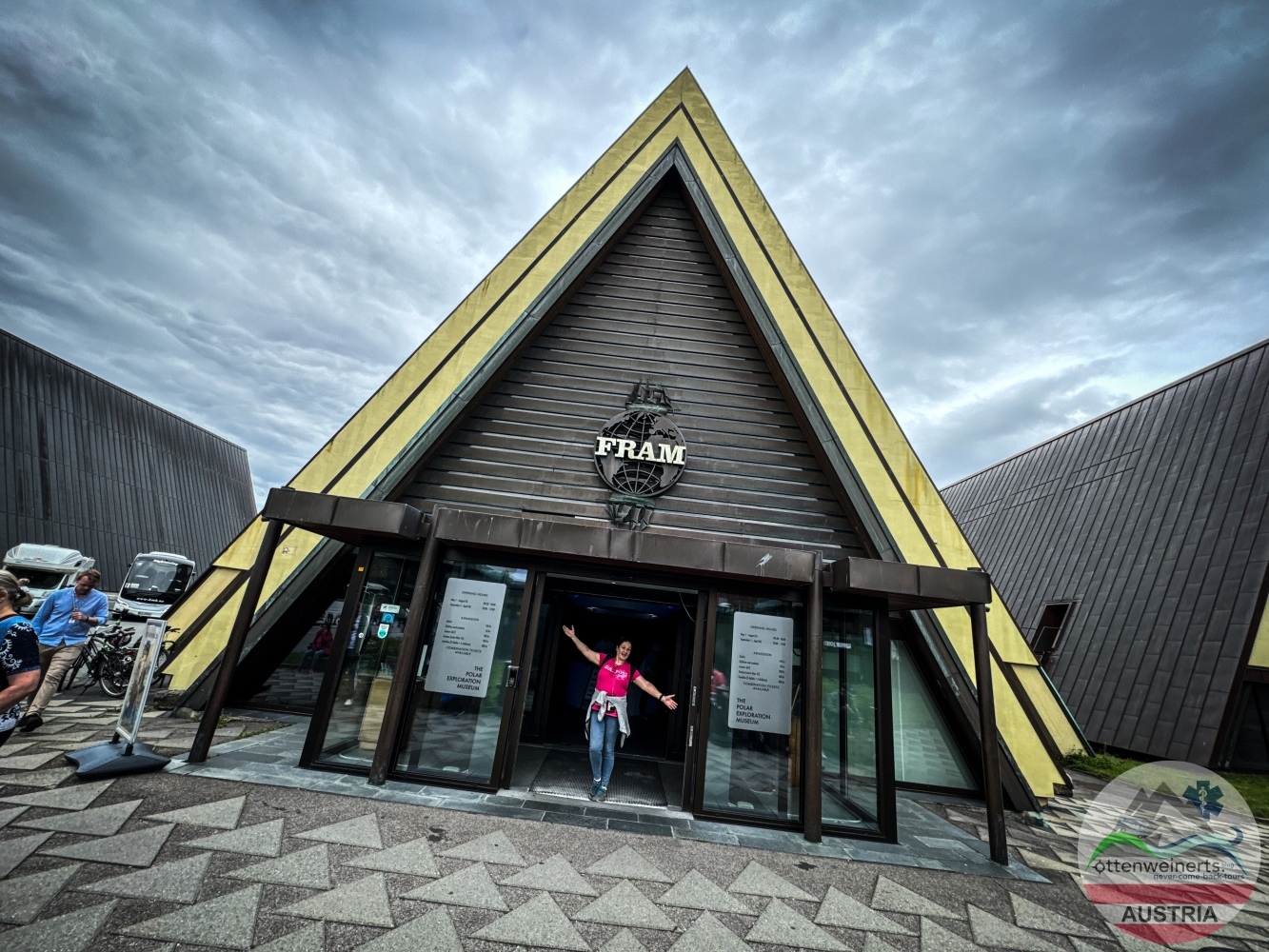
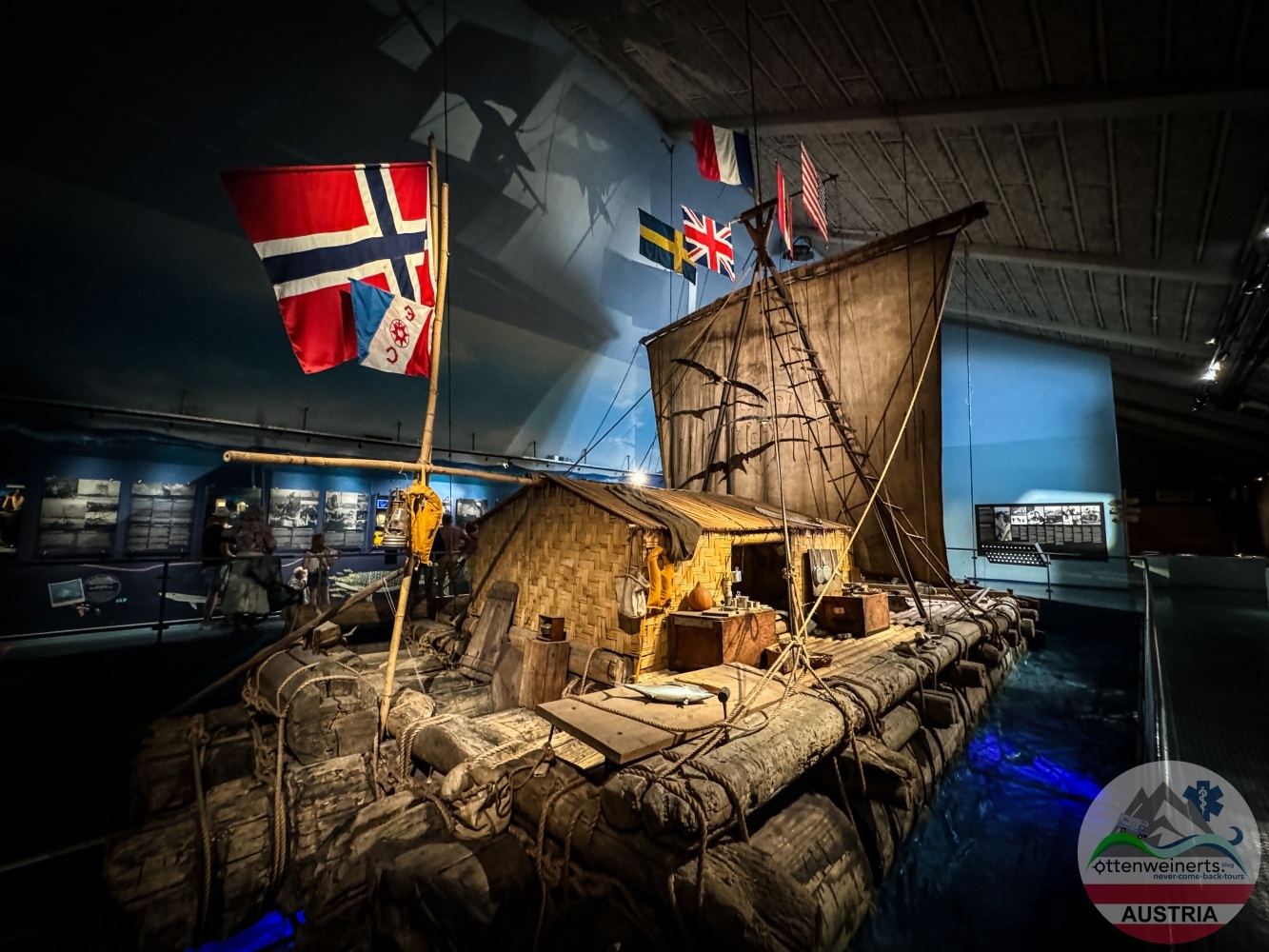
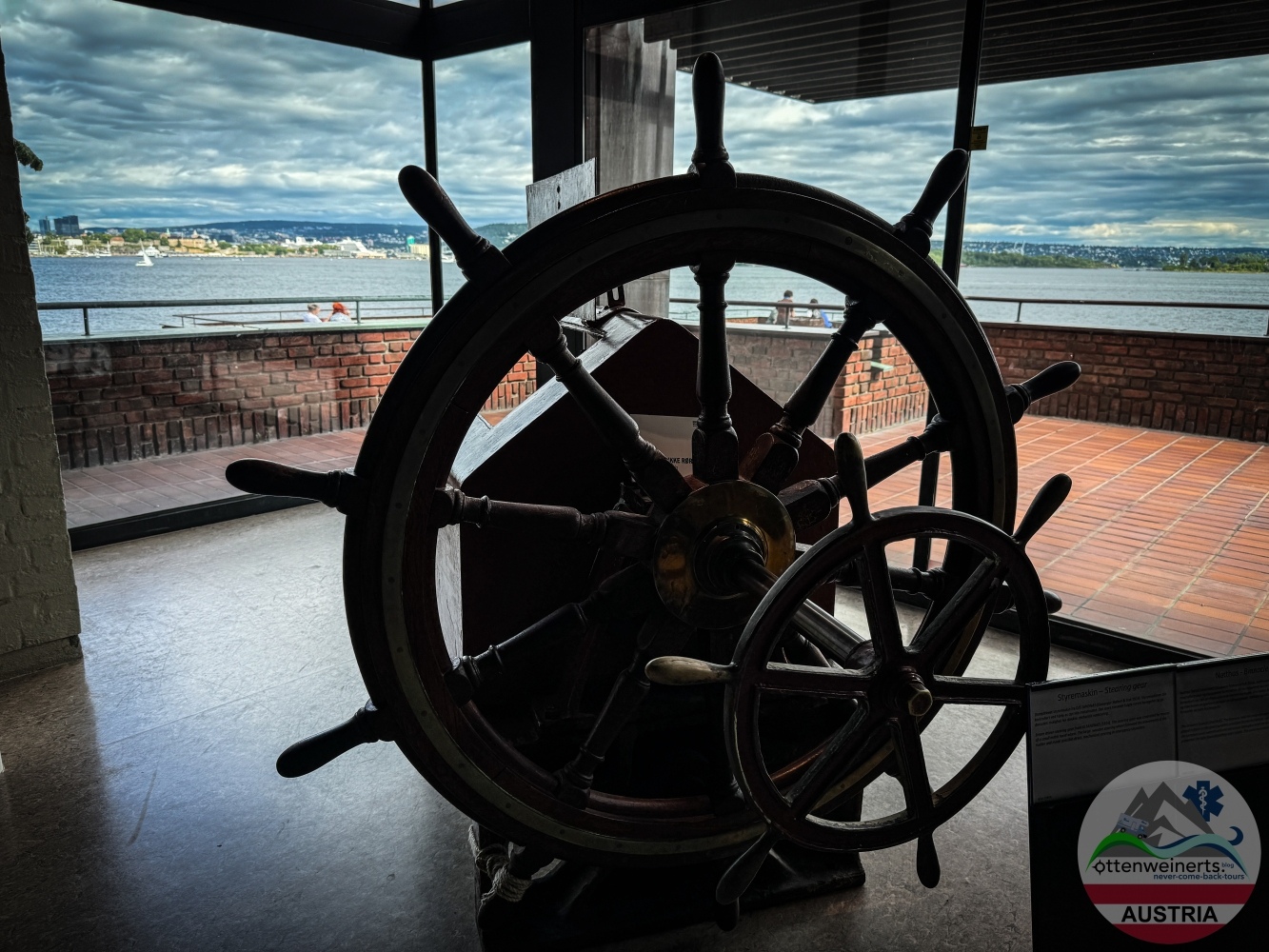
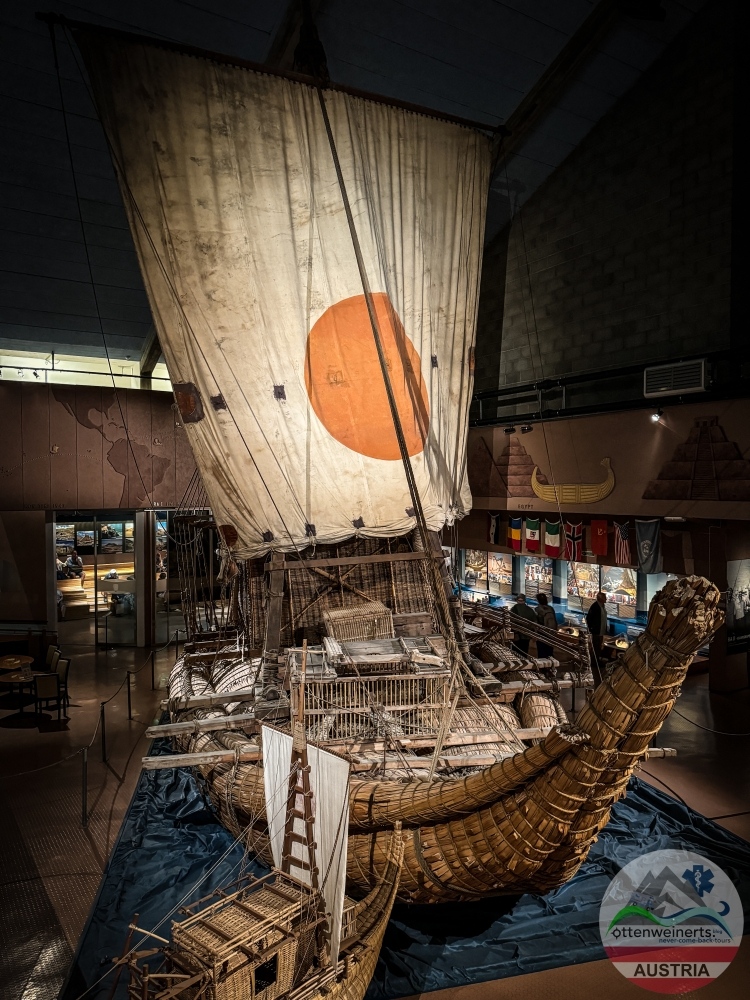
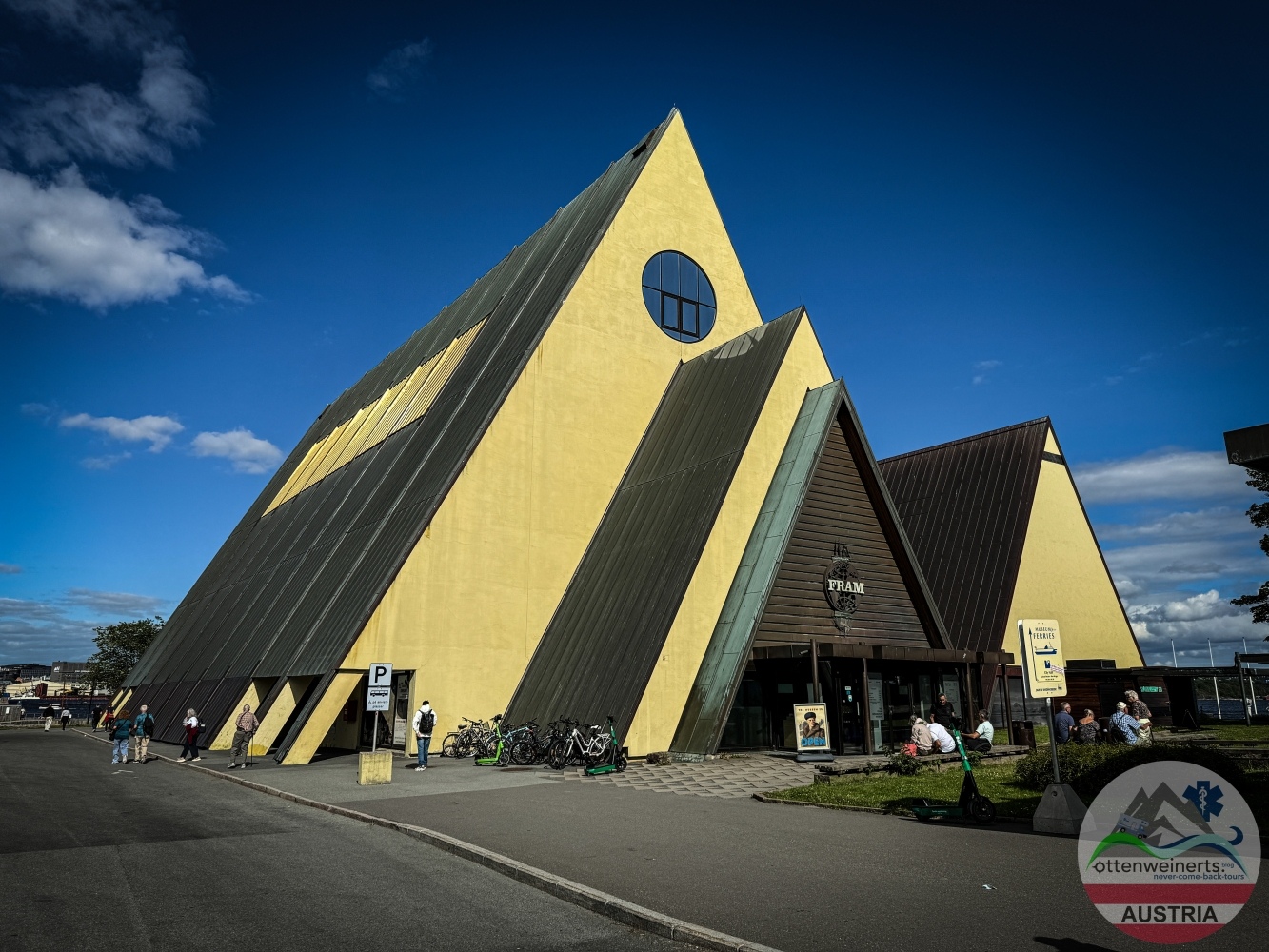
Das Wikingerschiffsmuseum nebenan ist gerade wegen Umbau geschlossen, aber ganz in der Nähe laden das maritime Museum sowie die „Fram“ und die „Kontiki“ zu einem Besuch ein. Sigi war schon oft in Norwegen und auch Oslo, das letzte Mal mit mir, aber das ist mehr als ein Vierteljahrhundert her, und wir können uns beide nicht mehr an viel erinnern. Also auf zu den historischen Schiffen (als ob wir vor 2 Wochen in Hamburg nicht genug Schiffe gesehen hätten…)

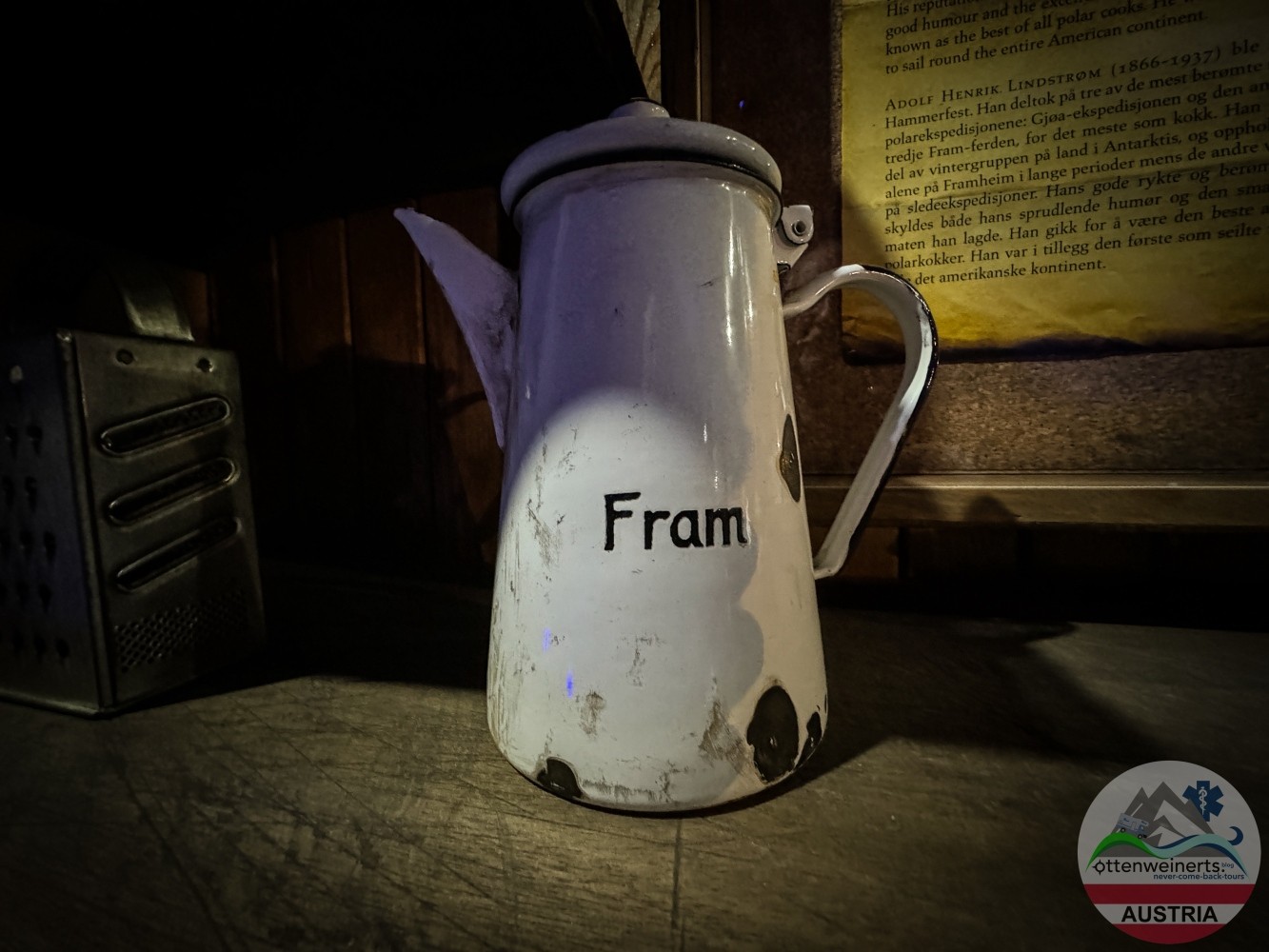
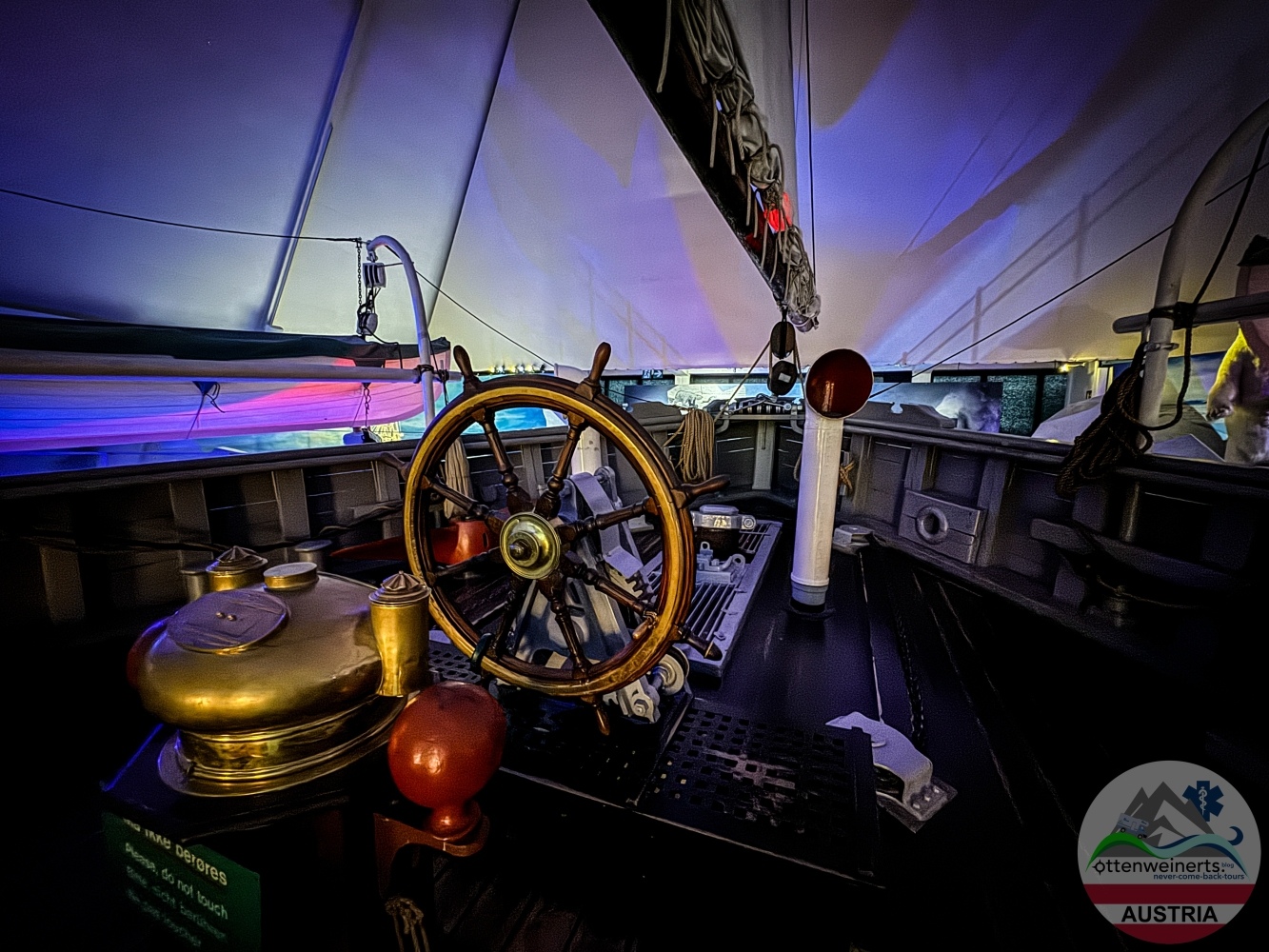
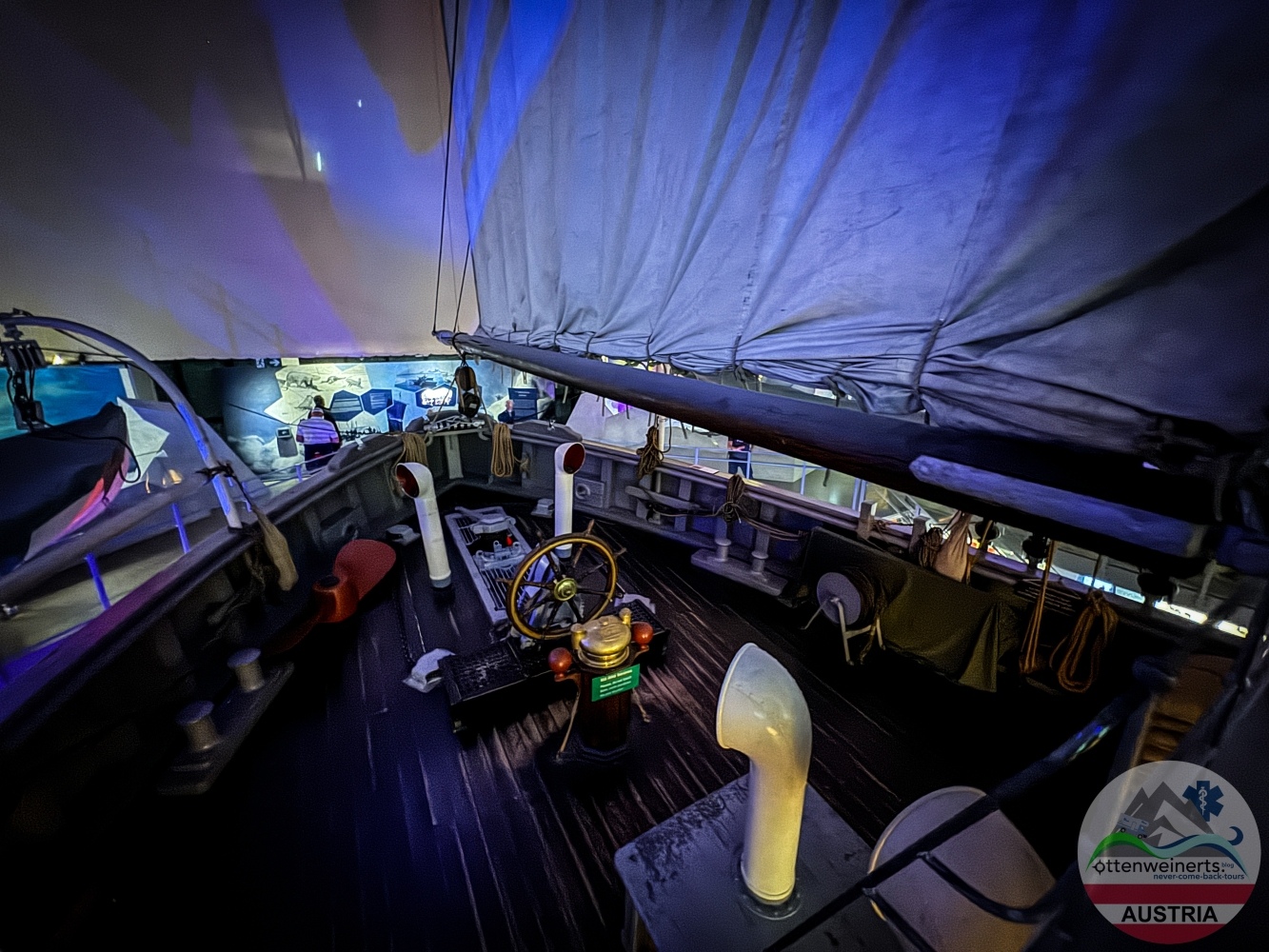
Sowohl die für die eisige Reise zum Nordpol speziell konstruierte „Fram“ als auch das für die Pazifikexpedition gebaute Balsaholzgefährt „Kontiki“ sind faszinierende Zeitzeugen, und die Geschichten der Männer dahinter sind mehr als außergewöhnlich.

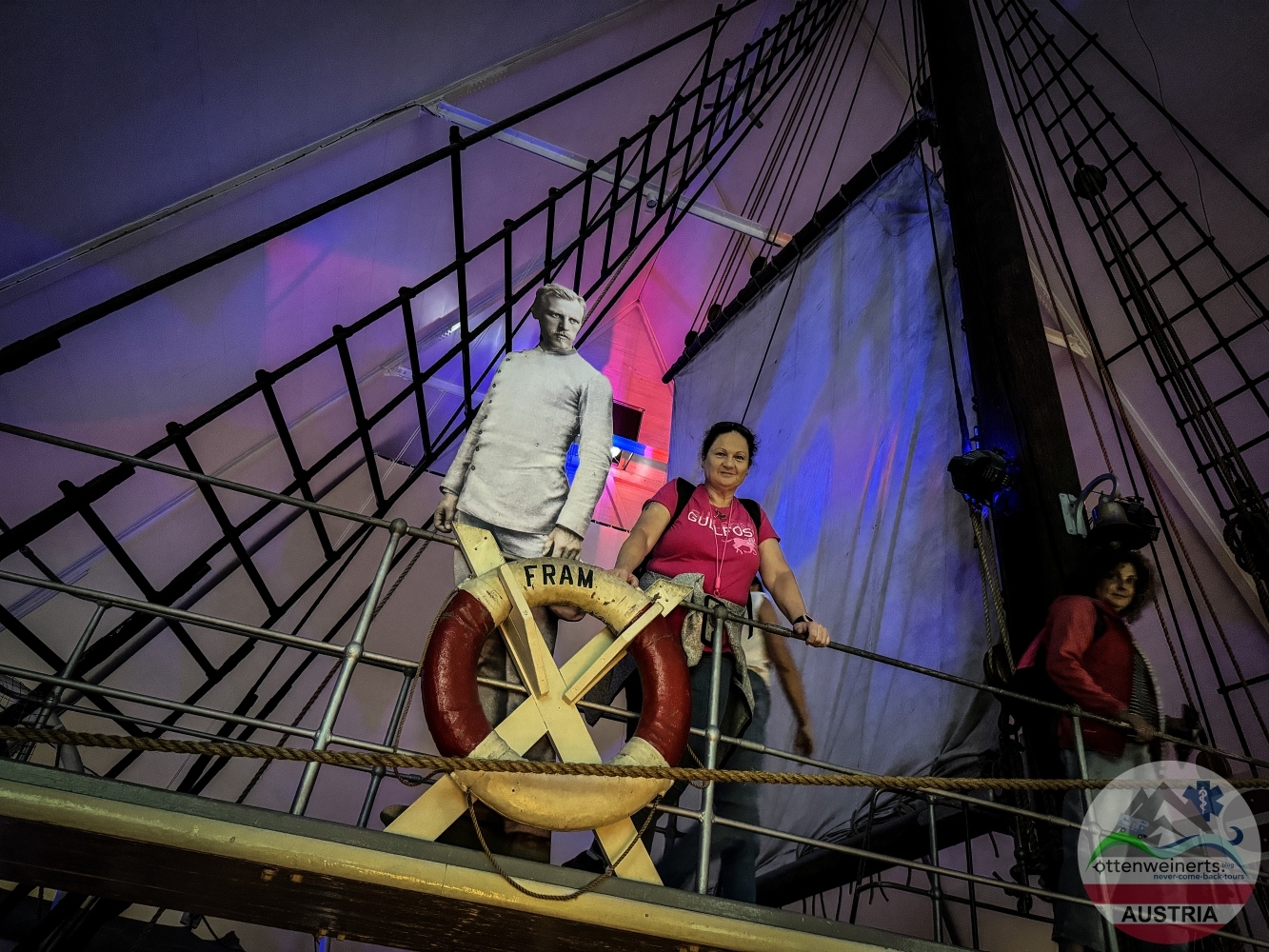
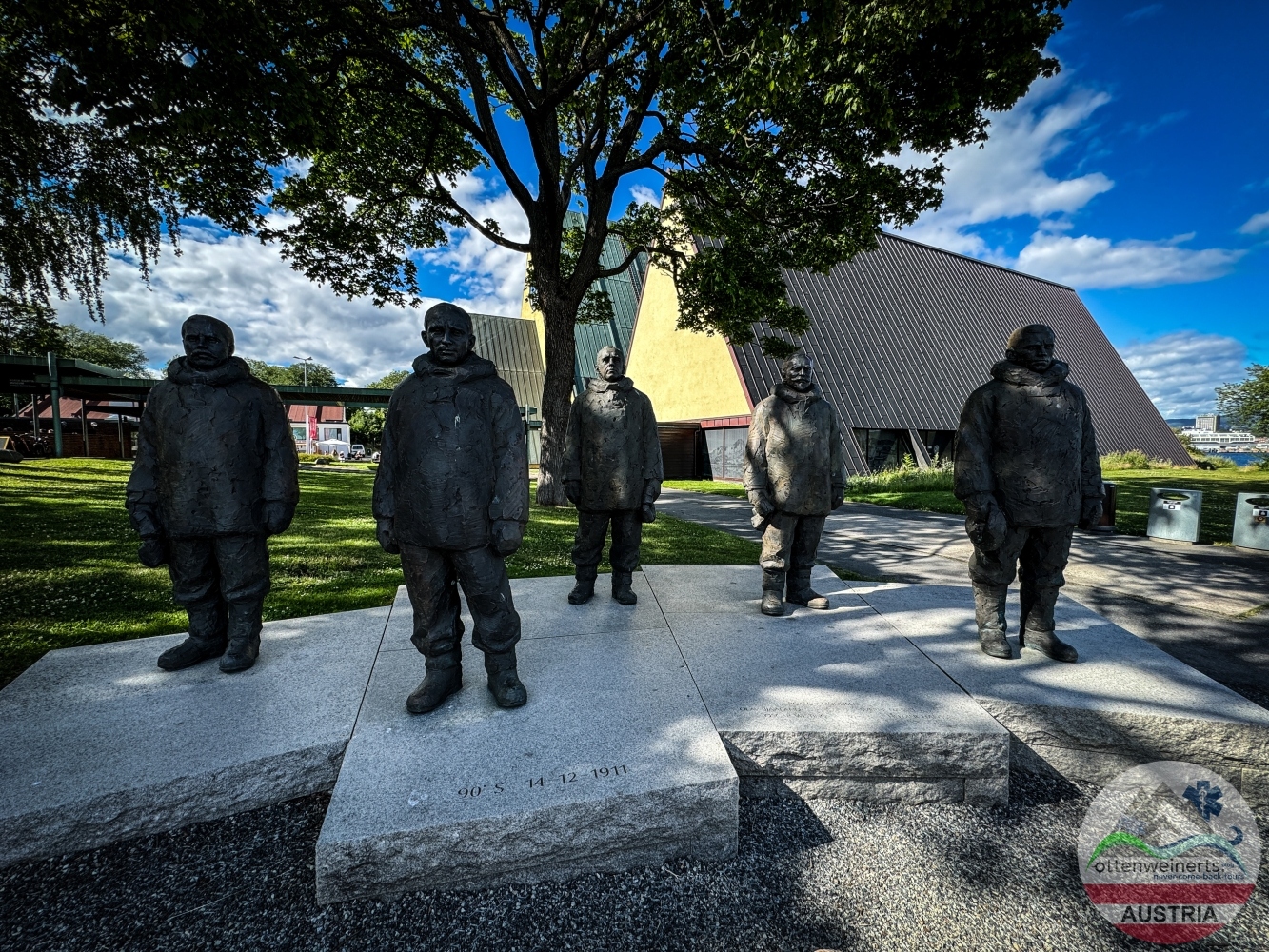
Der Auftraggeber für den Bau der „Fram“, Fridtjof Nansen, war nicht nur Zoologe und Polarforscher, sondern auch Diplomat, der erste Flüchtlingshochkommissar (damals noch beim Völkerbund, dem Vorläufer der UNO) und Friedensnobelpreisträger. Dass sein Kapitän Otto Sverdrup die Fram von ihrer ersten Expedition nach Hause steuerte, weil Nansen unterwegs ausgestiegen war, um den Nordpol mit Hundeschlitten zu erreichen, wird uns hier erst richtig bewusst. Über Roald Amundsen dagegen, der die Fram dann Richtung Südpol gesteuert hat, haben wir voriges Jahr während unserer Antarktis-Reise schon viel gehört und gelernt.

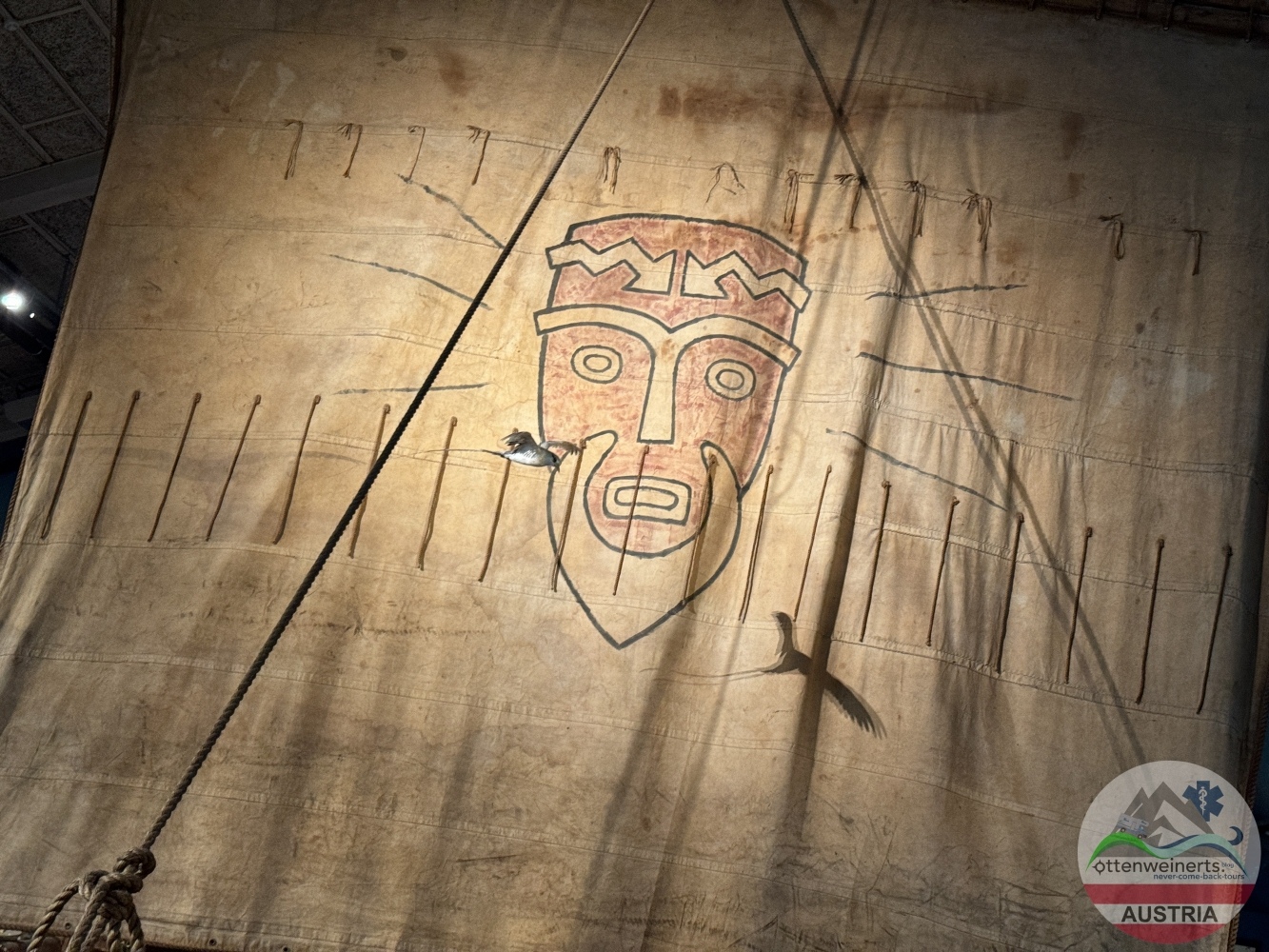
Thor Heyerdahl wiederum hatte es sich in den Kopf gesetzt, mit der „Kontiki“ von Peru aus den Südpazifik zu überqueren, um seine Theorie der Besiedelung der pazifischen Inseln von Osten her zu beweisen, obwohl er unter Aquaphobie litt und kaum schwimmen konnte. Auch spannend.

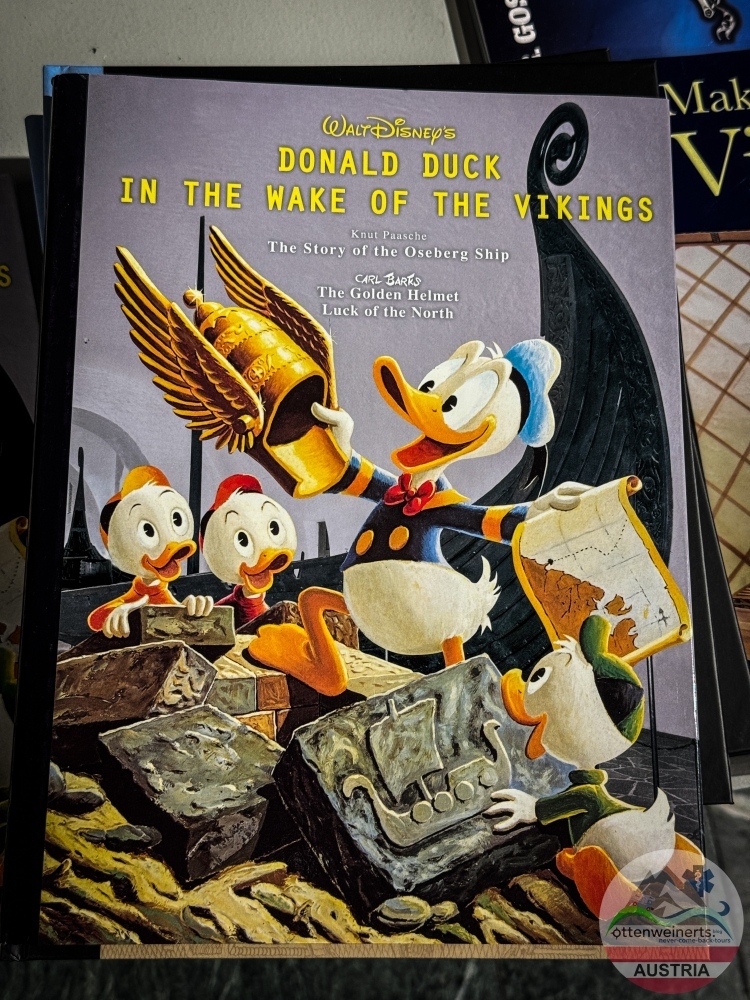
Zum Abschluss schauen wir uns noch das maritime Museum an, und im Shop finden wir eine Disney -Sonderausgabe, Donald Duck und der Wikingerhelm – die muss natürlich mit, für unsere Disney Bibliothek daheim.

MONDAY, July 1st – Oslo – a lot of ships, again

Sunshine and blue sky – we take the bus and the train to the city, where we start at the “Norsk Folkemuseum”, a large open-air museum with an authentic beautiful wooden church and lots of original buildings from different centuries. We learn about the Sami in the north of Norway, we get to see beautiful works of art from old churches, an old pharmacy and a collection of intricate wooden chests of all sorts and sizes.

The Viking Ship Museum next door is closed for construction, but the Maritime Museum, the “Fram” and the “Kontiki” are rather close. Although Sigi has been to Oslo many times in his youth, last time with me in 1998, we don’t remember very much, so we decide to see the famous ships again (as if we hadn’t seen enough ships in Hamburg, Germany, 2 weeks ago).

Both the “Fram”, specially constructed for the icy voyage to the north pole, and the light balsa wood “Kontiki”, made for the Pacific expedition, are fascinating historical witnesses, and the stories of the men connected with these ships are more than extraordinary.

Fritjof Nansen, who had the “Fram” constructed, was not only a zoologist and arctic explorer, he was also a diplomat, the first Refugee High Commissioner (with the League of Nations, the predecessor of the United Nations) and he received the Nobel Prize for Peace. We learn that it was Otto Sverdrup who brought the Fram home from her first expedition after Nansen had left the ship in order to reach the North Pole by dog sleds. About Roald Amundsen on the other hand, who steered the Fram towards the South Pole on her third expedition, we have heard a lot during our adventure in the Antarctic last year.

Thor Heyerdahl’s story has yet some other interesting aspects – he was determined to cross the South Pacific from Peru westwards in order to prove his theory that the Pacific Islands had been populated by people coming from the east – although he suffered from aqua phobia and was barely able to swim. Fascinating story!

Last stop for today: the maritime museum where we find a Disney special edition in the shop: Donald Duck and the Viking Helmet – nice addition to our Disney library at home.

240617 – ein U-Boot und 20 Rettungsschiffe >

Monday / Montag, june 17, 2024

Wir haben gestern schon Koffer gepackt, und unser Heimflug geht erst Nachmittag, damit haben wir Vormittag noch Zeit für eine Besichtigung. Wir entscheiden uns für das U-Boot Museum, und fahren mit der Schnellbahn nach St. Pauli. Die berühmt-berüchtigte Reeperbahn, der Kiez, ist beinahe menschenleer, die meisten Geschäfte sind geschlossen, die Gegend hier erwacht erst spät abends zum Leben. Aber wir wollen eigentlich nur das Beatles – Memorial fotografieren, und dann geht es schon hinunter ans Wasser, über den Fischmarkt, wo heute keine Verkaufsstände mit Fischen zu finden sind, sondern nur Wohnmobile.

Beim Besuch des alten, einstmals russischen U-Boot U-434 haben wir eine Führung gebucht – und das war’s absolut wert, sonst bekommt man nicht alles zu sehen, vor allem den Maschinenraum und den Kommandostand. Und man muß halbwegs gelenkig sein, über Leitern klettern und sich durch Schote schwingen. Und Klaustrophobie sollte man auch nicht haben. Unser Guide Eckhart ist selbst in einem U-Boot der deutschen Marine zur See gefahren, also Berichte aus erster Hand. Sehr empfehlenswert!

Dann machen wir uns auf den Rückweg zum Hotel, am Weg schauen wir noch bei einem Souvenirladen bei den Landungsbrücken hinein – ooops, eine ganze Abteilung voller Rettungsboote und Rettungsschiffe, von der DLRG (Deutsche Lebensrettungsgesellschaft) und der DGzRS (Deutsche Gesellschaft zur Rettung Schiffbrüchiger). Lauter verschiedene Modelle, alle liebevoll bemalt und beschriftet – also wächst unsere Sammlung mit einem Schlag um 20 Modelle. Jetzt aber schnell ins Hotel, die Beute noch in die Koffer stopfen und dann ab zum Flughafen. 

In der Lounge am Flughafen ziehen wir Resümee – wir sind viele Kilometer gegangen, haben tolle Museen und Sehenswürdigkeiten besucht und waren an vier Abenden hintereinander im Theater. Und es gibt noch so viel zu sehen hier – wir werden wieder kommen!

One submarine and 20 rescue ships 

The luggage for the flight home is ready, and we have several hours to check one more Hamburg attraction off our list – we pick the submarine museum. So we take the subway to St. Pauli – the world-known Reeperbahn, the „Kiez“, is asleep, almost everything is closed, life doesn’t start here before 8 pm. But the only thing we are interested in here is taking pictures of the Beatles Memorial, and then we walk towards the river bank, arriving at the famous fish market – no fish here today, just camper vans – a great spot for parking the camper here, by the way.

We arrive at the old, former Russian submarine U-434 and wait for the guided tour – and that was worth it because without a tour you don´t get to see everything, especially the engine room and the command post. We climb up and down steep ladders, crawl through bulkheads and try not to think about being in this enclosed space, deep deep down under the ocean surface. Our guide Eckhardt has been a crew member himself on a submarine of the German marine force, so we get first hand information – highly recommended!

On our way back to the hotel we stop at a souvenir shop near the submarine museum – oooops, they have a whole section full of rescue boats and ships. All of them different, carefully painted models of actually existing ships of two German Rescue Organizations – so we get 20 new additions for our collection. We hurry back to our hotel, manage to fit the booty into our luggage and then we take the train to the airport. 

At the airport lounge, we take a look back at the last week – we have walked many, many miles, seen impressive museums and other points of interest and went to the theatre for times in a row. And there is so much more to see here – we will definitely come back!

240613 – 50.000 Schiffsmodelle und ein Musical >

Donnerstag / Thursday, June 13, 2014

50.000 Schiffsmodelle und ein Musical: Der heutige Vormittag ist dem eigentlichen Grund und Auslöser unserer Reise gewidmet, über den wir noch nicht viel verraten dürfen – nur soviel: wir werden in der Früh im Hotel abgeholt und ins Studio gebracht, wo wir an einer in Deutschland und auch in Österreich sehr bekannten Fernseh-Show teilnehmen – die Aufzeichnung wird im Laufe des Sommers auf NDR ausgestrahlt – und wir haben ein paar nette Leute kennengelernt.

Anschließend geht es zurück ins Hotel und dann zum Internationalen Maritimen Museum, wo uns wieder ein Superlativ erwartet – mehr als 50.000 maßstabsgetreue Schiffsmodelle sind hier zu sehen, unter anderem auch viele Lazarett- und Hospital Schiffe des Roten Kreuzes sowie Seenot-Rettungsboote und Schiffe der DLRG und der DGzRS. In diesem beeindruckenden Museum mit seinen 9 Stockwerken Seefahrtsgeschichte, Technik, Ozeanographie und maritimer Kunst hätten wir noch viel mehr Zeit verbringen können – also vielleicht gibt es auch hier einen zweiten Besuch beim nächsten Mal im Hamburg.

Vom Museum geht es weiter zum Ufer der Elbe bei Landungsbrücke, wo wir das „Musical Shuttle“ besteigen – wir haben gestern spontan Tickets für „Die Eiskönigin“ erstanden, das Theater liegt auf der anderen Seite des Flusses. Die Vorstellung war recht nett, allerdings will der sonst bei Disney übliche Begeisterungsfunke nicht so recht überspringen – vielleicht liegt es auch an den für uns ungewohnten deutschen Texten. Schauen wir mal, ob das dann am Samstag bei Harry Potter auf deutsch besser funktioniert….

50.000 ship models and a musical

The morning is reserved for the main reason for our trip to Hamburg – we can’t tell the whole story yet, just a few hints: a shuttle collects us at our hotel and we are brought to a television studio where we take part in a TV show, a very well known show in Germany, and in Austria, too. The recording will be broadcast in July or August, and we get to meet some very. ice people there.

Afterwards, we return to our hotel, change and then we head to the International Maritime Museum, famous for its collection of more than 50.000 ship models in various scales, including many rescue vessels and hospital ships run by the Red Cross, DLRG (German Life Saving Organization) and DGzRS (German Organization for the Rescue of Castaways). This impressive museum is home to thousands of exhibits on 9 floors, offering a treasure trove of information about seafaring, ship building techniques, oceanography and maritime art. We could have spent many more hours here, so maybe we will come again during a future visit to Hamburg.

From the museum, we head to the Musical shuttle boat at Landungsbrücken on the northern riverbank of the Elbe river – yesterday, we spontaneously bought tickets for the Disney Musical “Frozen”, and the theater is located on the southern riverbank. The performance was nice, although it didn’t spark our usual enthusiasm for all things Disney – maybe because of the German translation of the songs, we are used to the original English versions. Hopefully, the German version of “Harry Potter and the cursed child” on Saturday will work better ….

231230 – Nachlese: Puerto Madryn – Argentina – 2023.02.15

„Und da kommen sie auch schon – neugierige, verspielte junge Seelöwen, die uns umkreisen und mit ihren Glubschaugen eingehend betrachten. Sie drehen Pirouetten, nähern sich von vorne, hinten und oben, einer beißt mal probehalber in mein (rosa) Maskenband, aber das sitzt zu fest, um es zu stehlen.“ 


„And there they are – curious, playful adolescent sea lions, circling around us and checking us out with their googly eyes. They are dancing pirouettes, coming from the front, the back and above, one them even biting carefully into my pink mask band on the back of my head, but this is fixed too tightly to steal it.“

Originalbeitrag: https://ottenweinerts.blog/2023/02/17/230215-tauchen-mit-seeloewen/