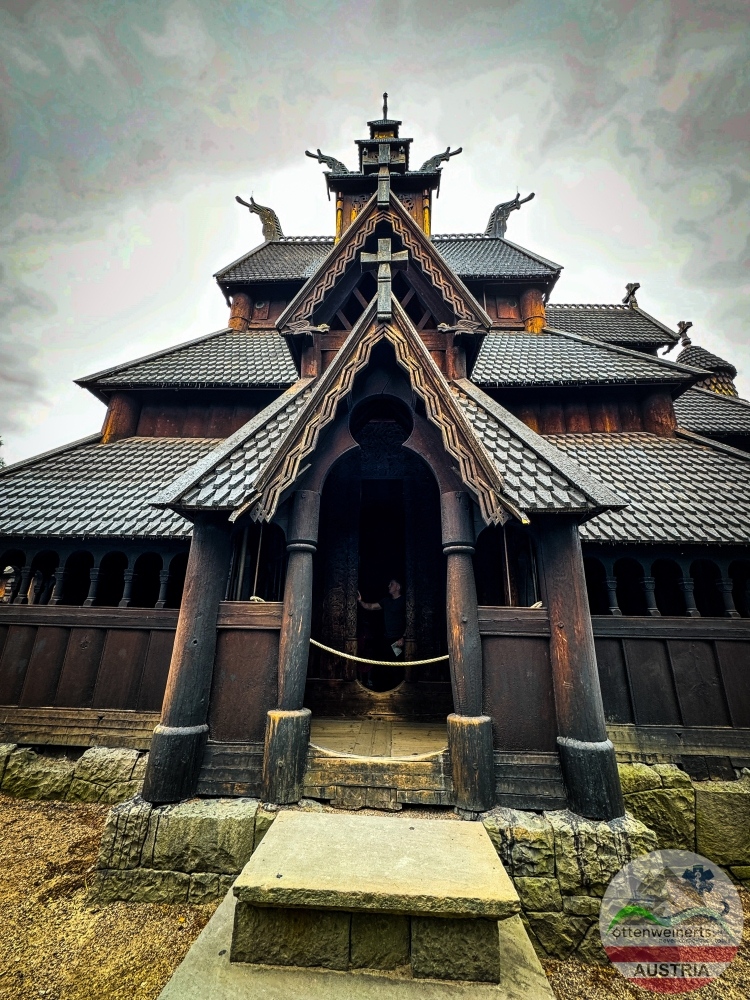
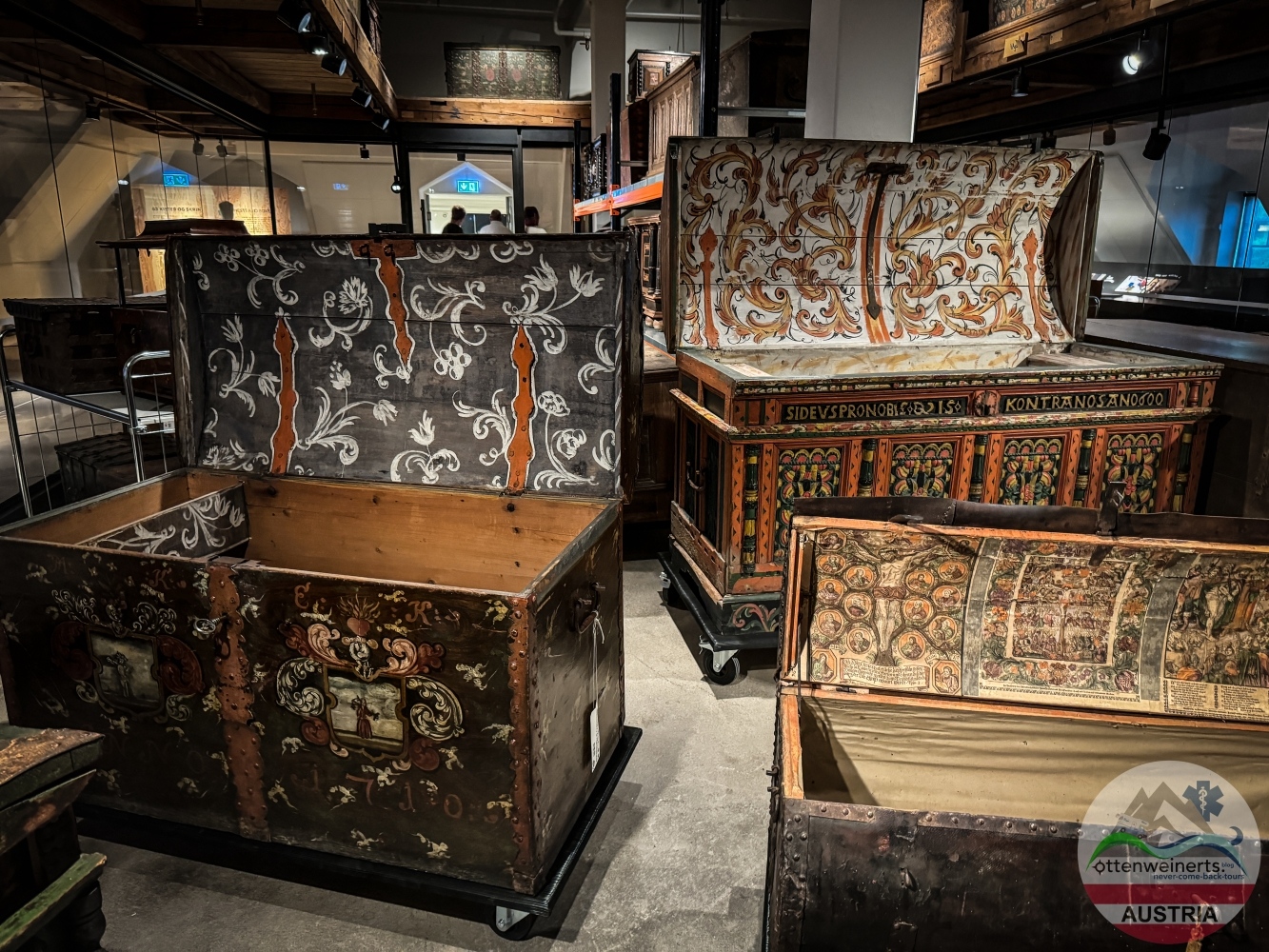
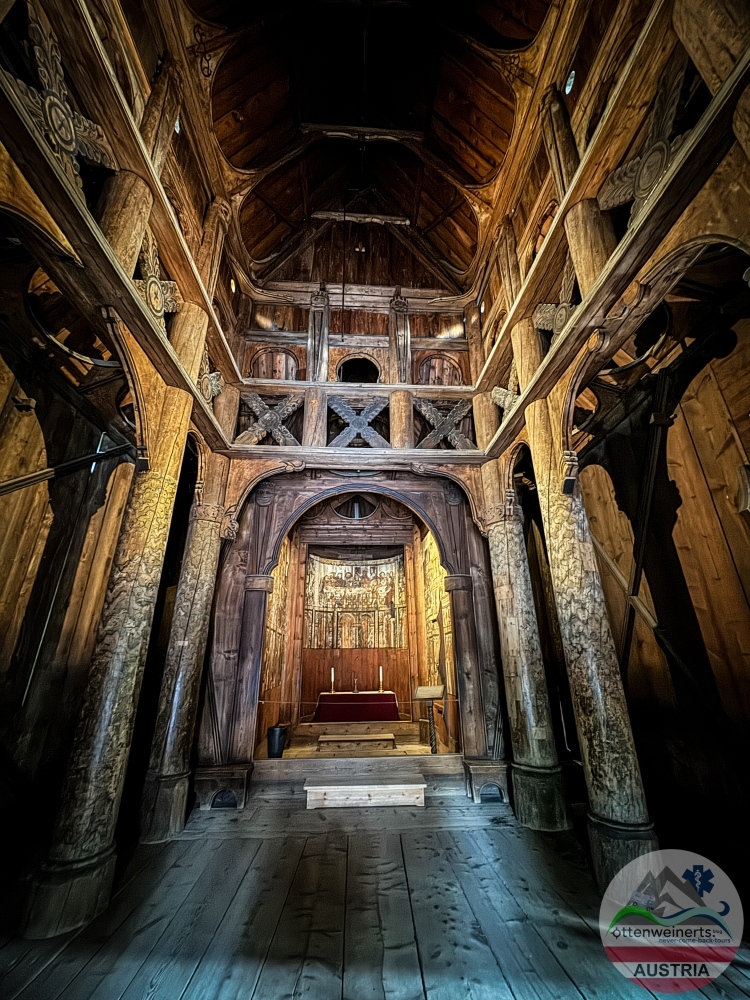
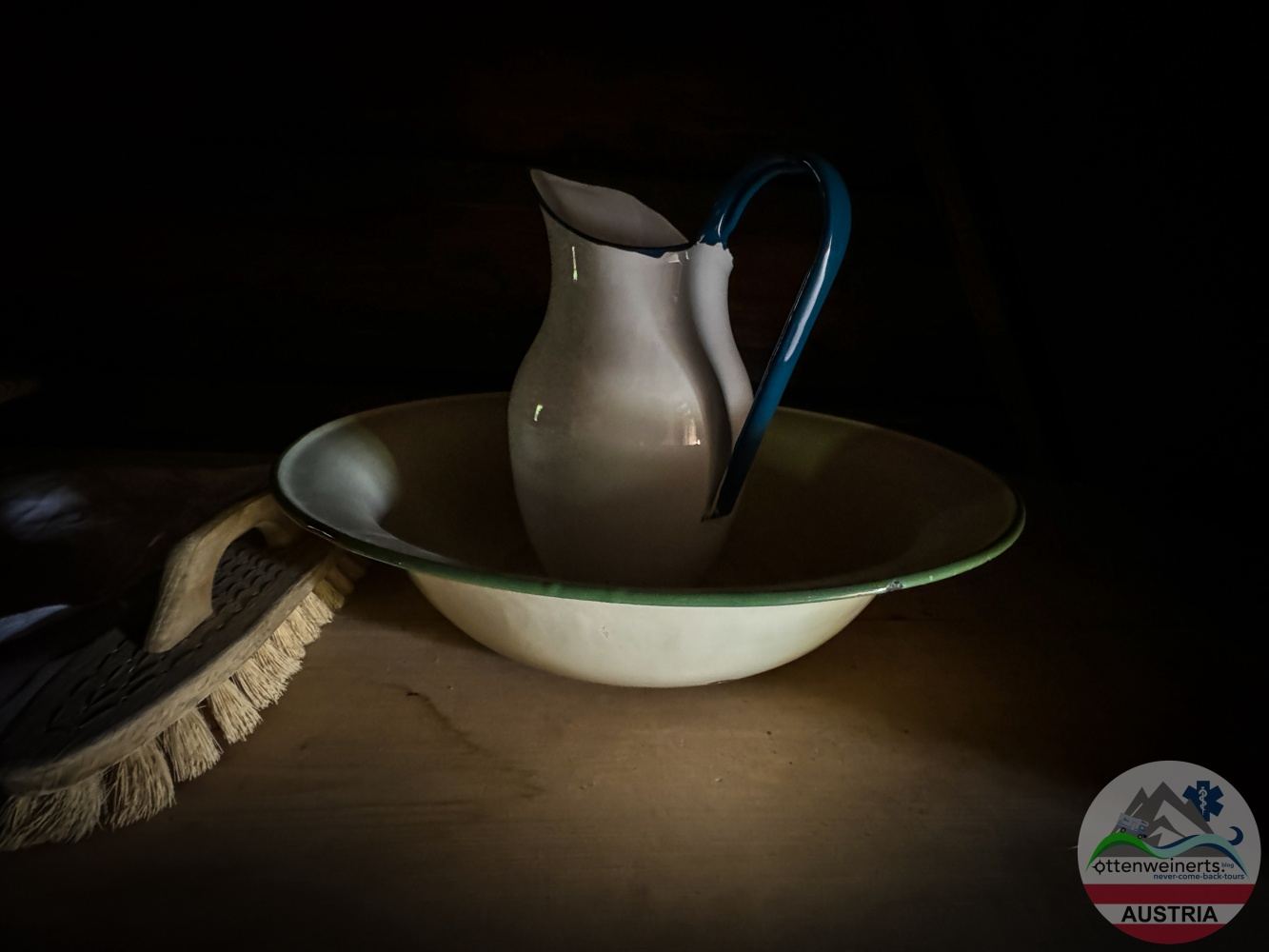
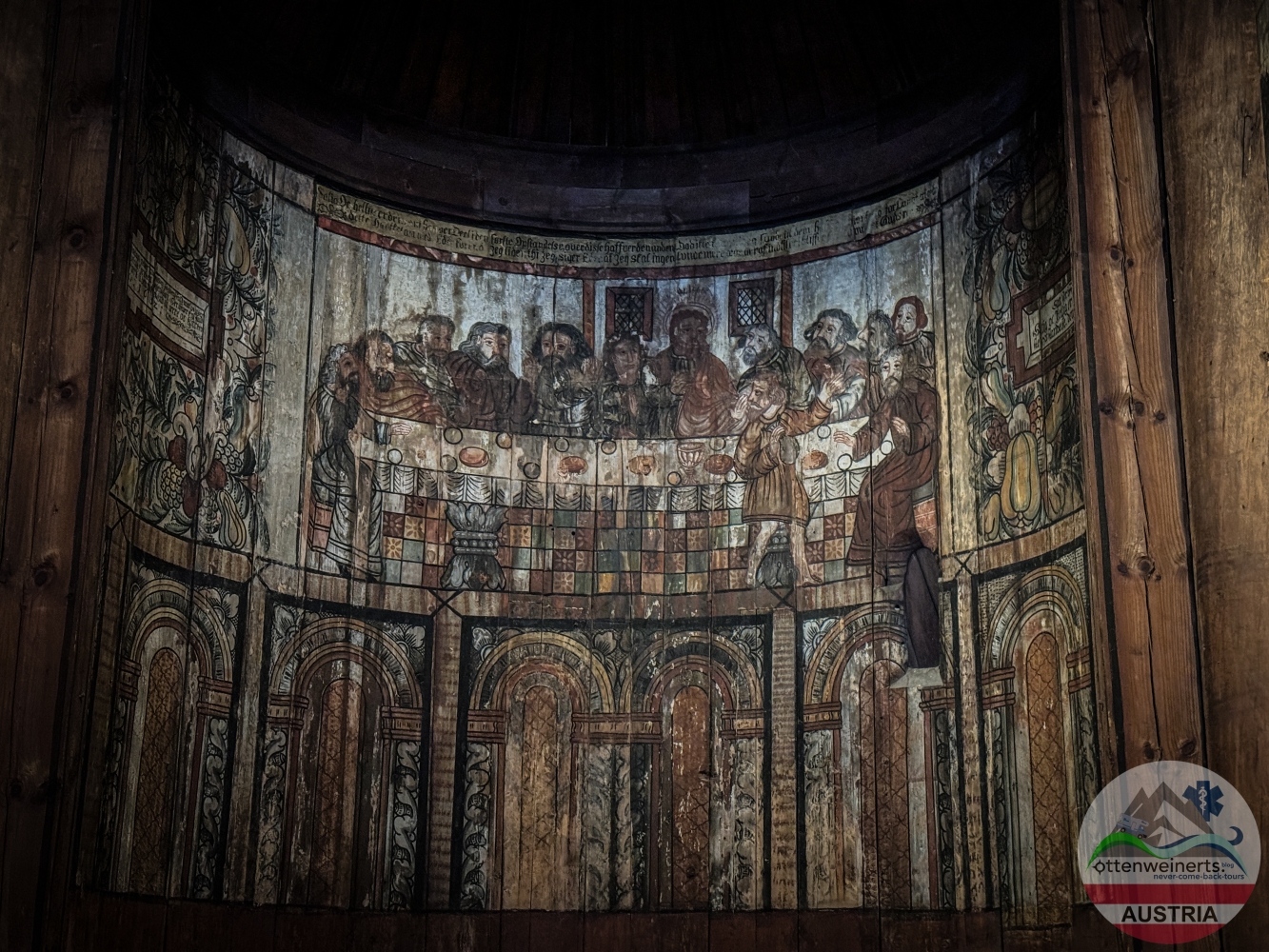
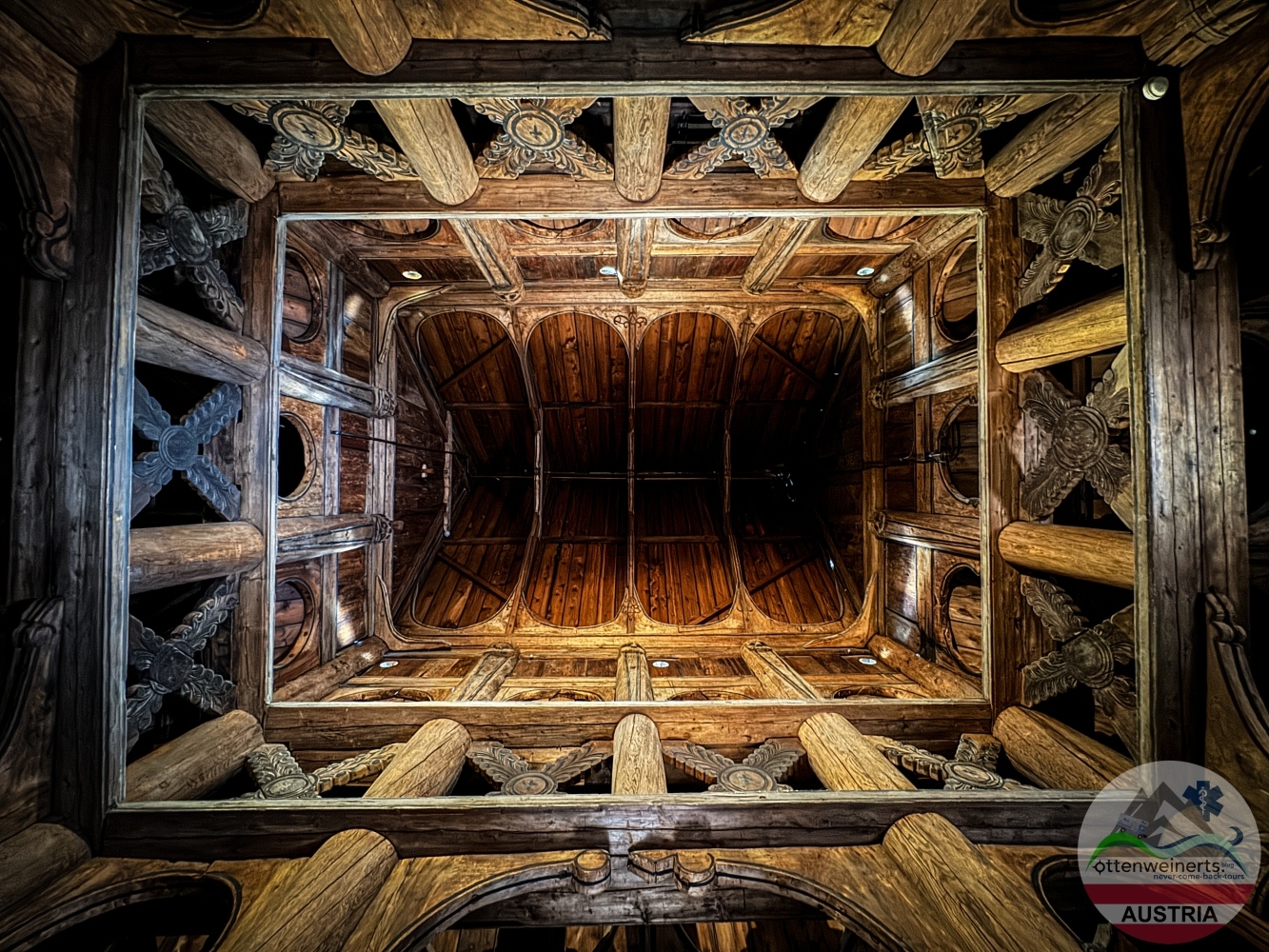
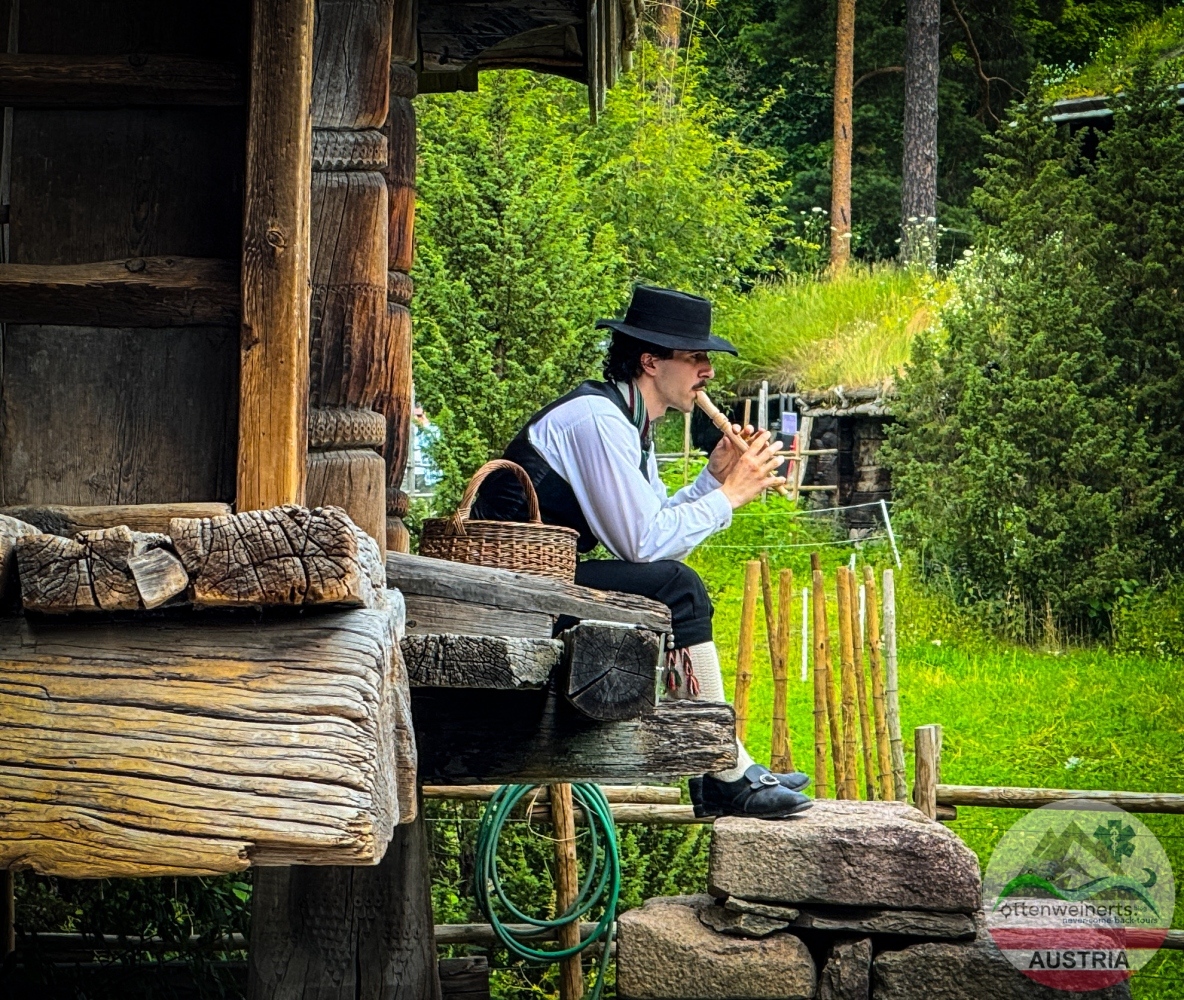
Mit Bus und Zug geht es in die Stadt, bei strahlendem Sonnenschein starten wir im Freilichtmuseum „Norsk Folkemuseum“. Hier sind unter anderem eine wunderschöne Stabkirche sowie viele original Gebäude aus mehreren Jahrhunderten, komplett mit Inneneinrichtung zu besichtigen. Eine Abteilung ist dem Leben der Samen in Norwegens Norden gewidmet, es gibt sakrale Kunst zu sehen, eine alte Apotheke sowie eine tolle Sammlung von schön geschnitzten und geschmückten Truhen.
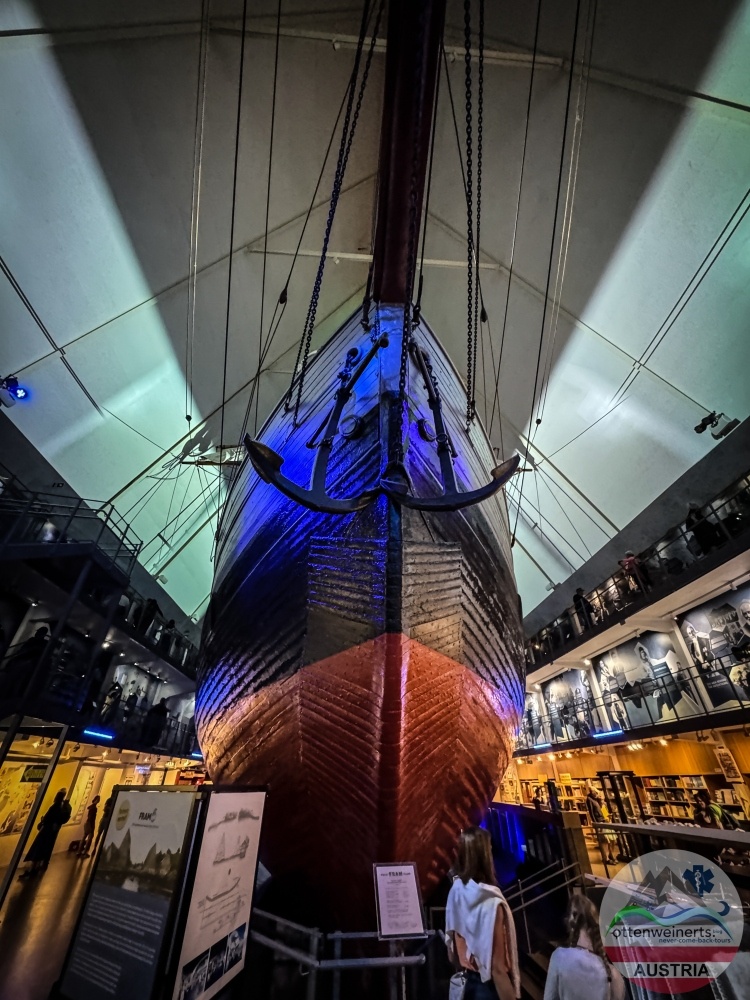
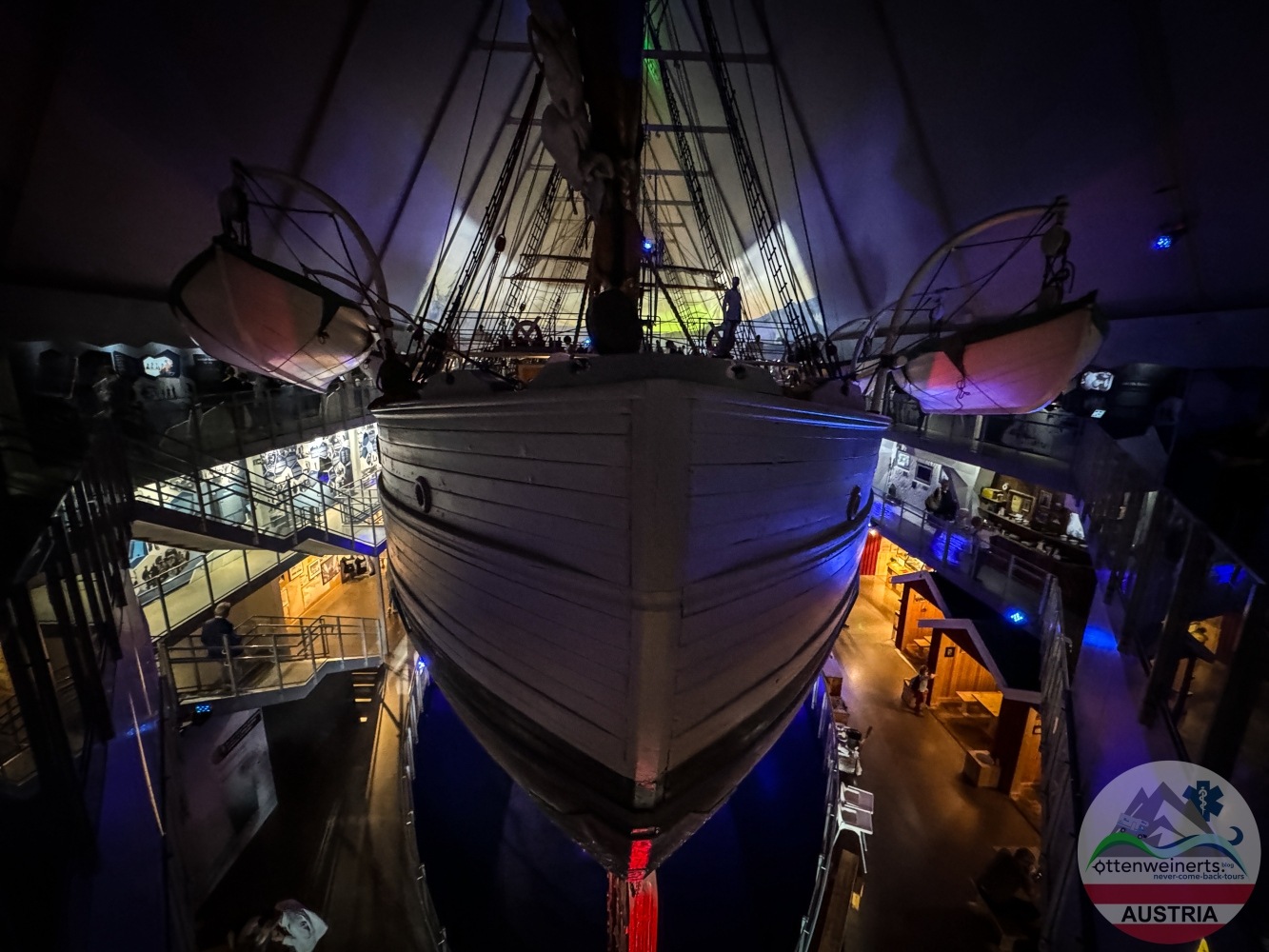
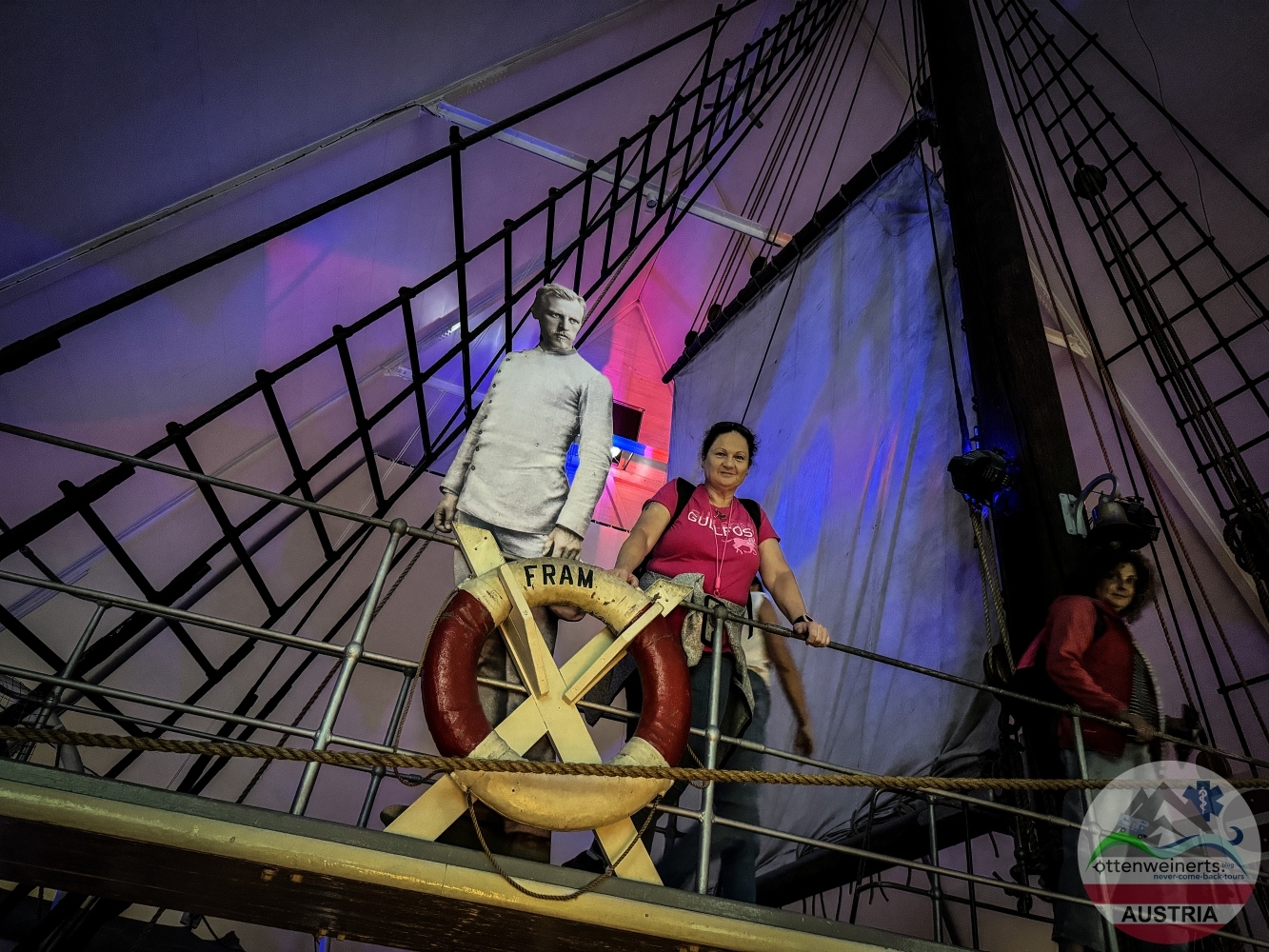
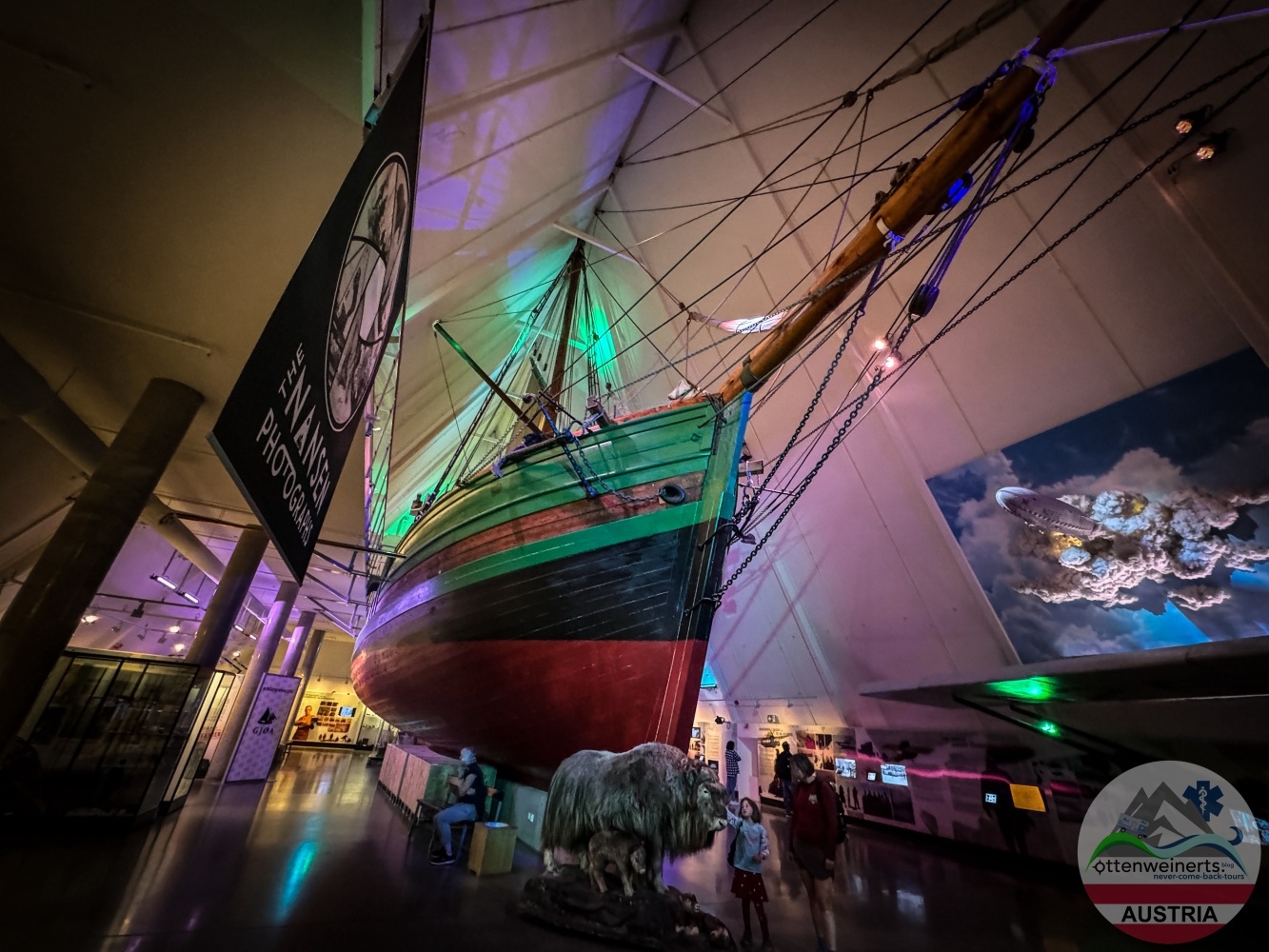
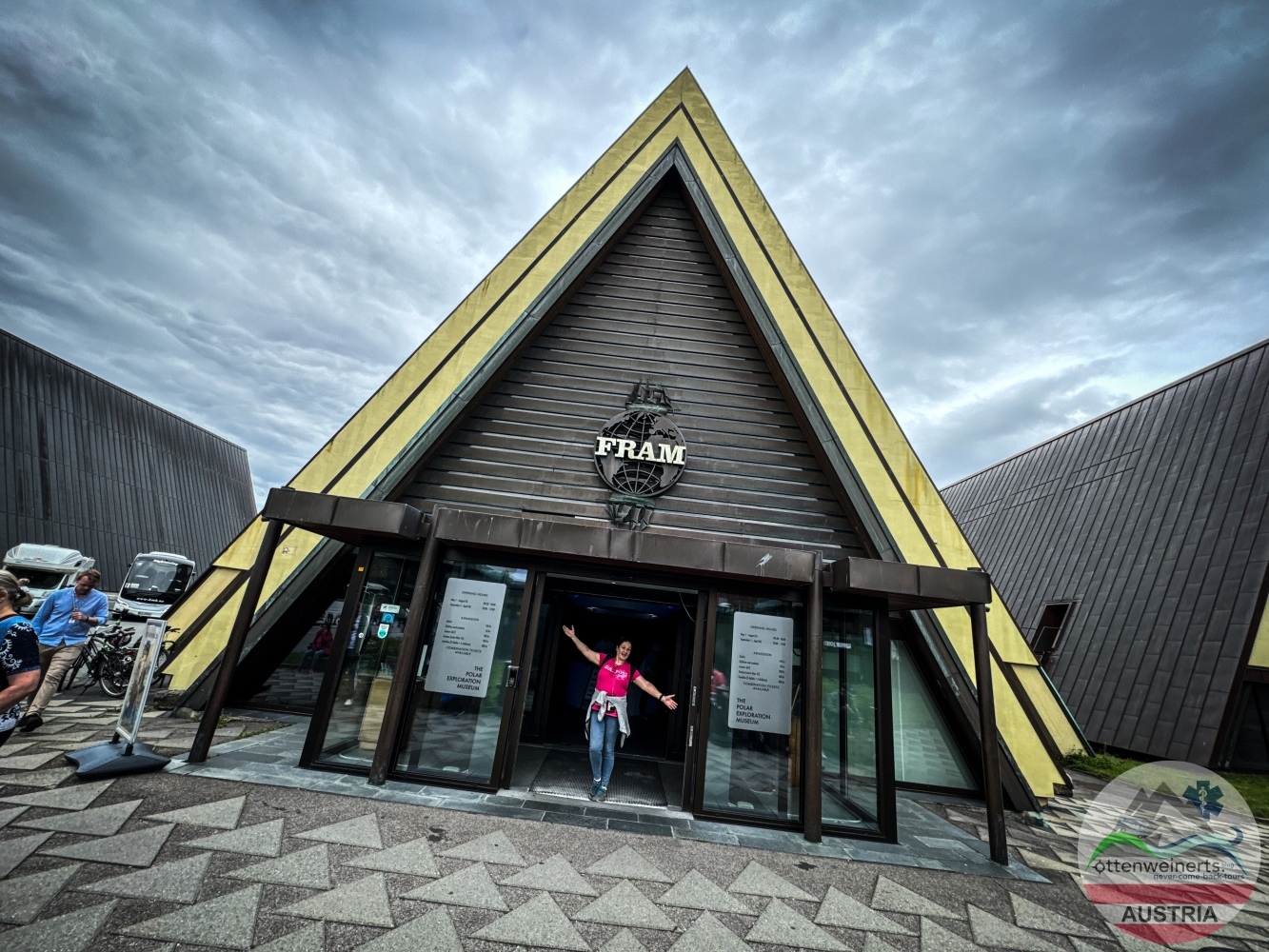
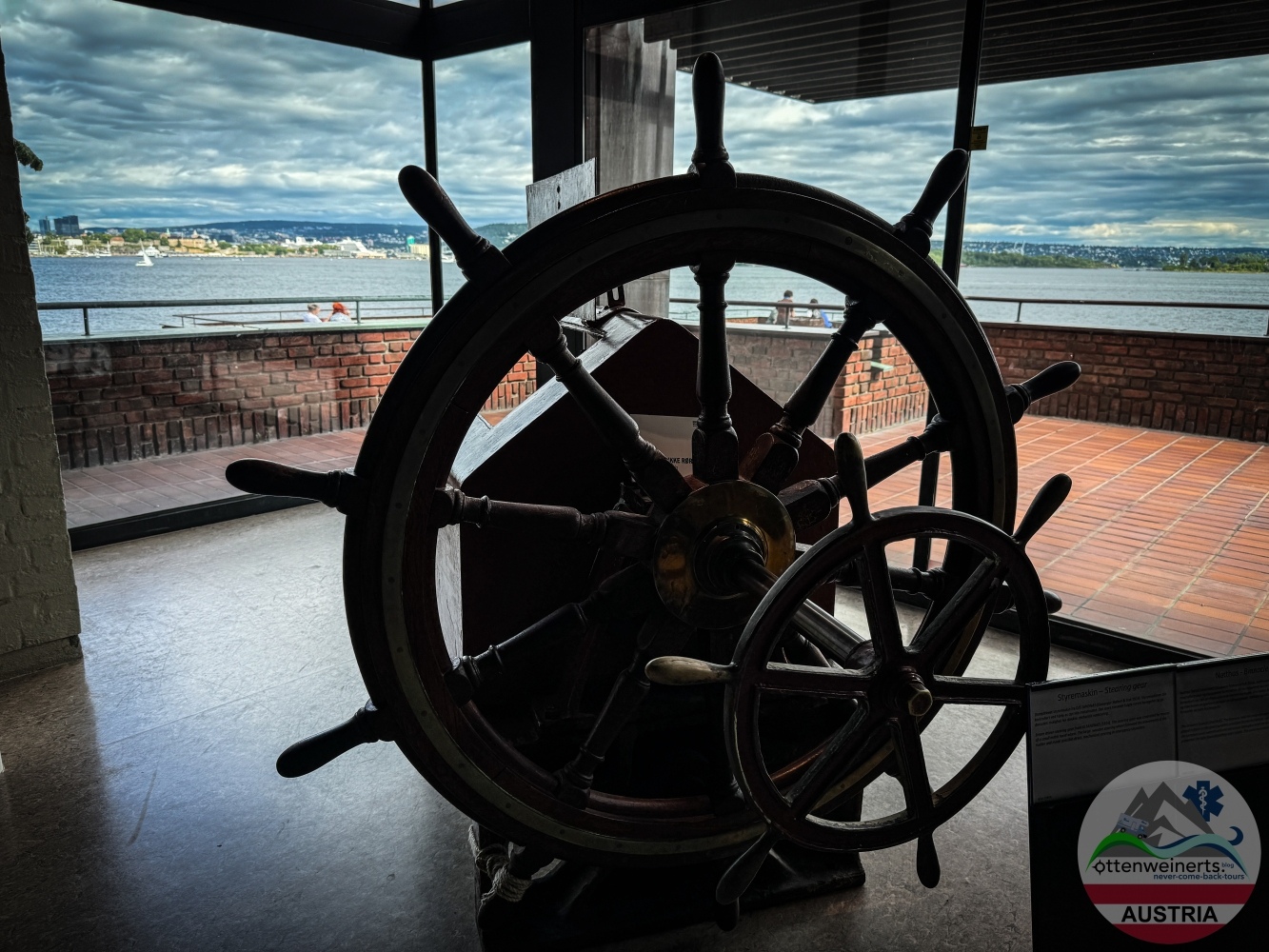
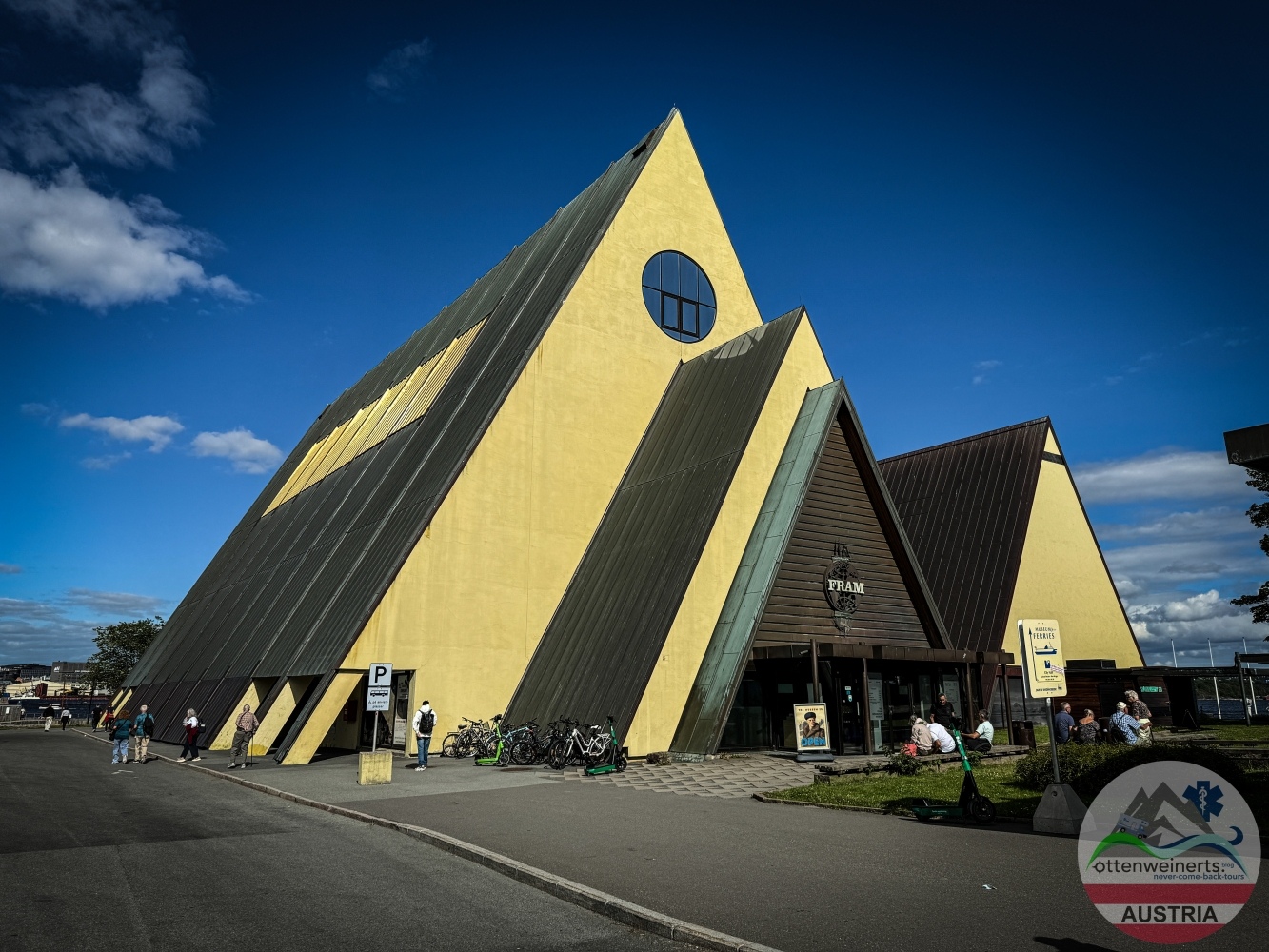
Das Wikingerschiffsmuseum nebenan ist gerade wegen Umbau geschlossen, aber ganz in der Nähe laden das maritime Museum sowie die „Fram“ und die „Kontiki“ zu einem Besuch ein. Sigi war schon oft in Norwegen und auch Oslo, das letzte Mal mit mir, aber das ist mehr als ein Vierteljahrhundert her, und wir können uns beide nicht mehr an viel erinnern. Also auf zu den historischen Schiffen (als ob wir vor 2 Wochen in Hamburg nicht genug Schiffe gesehen hätten…)
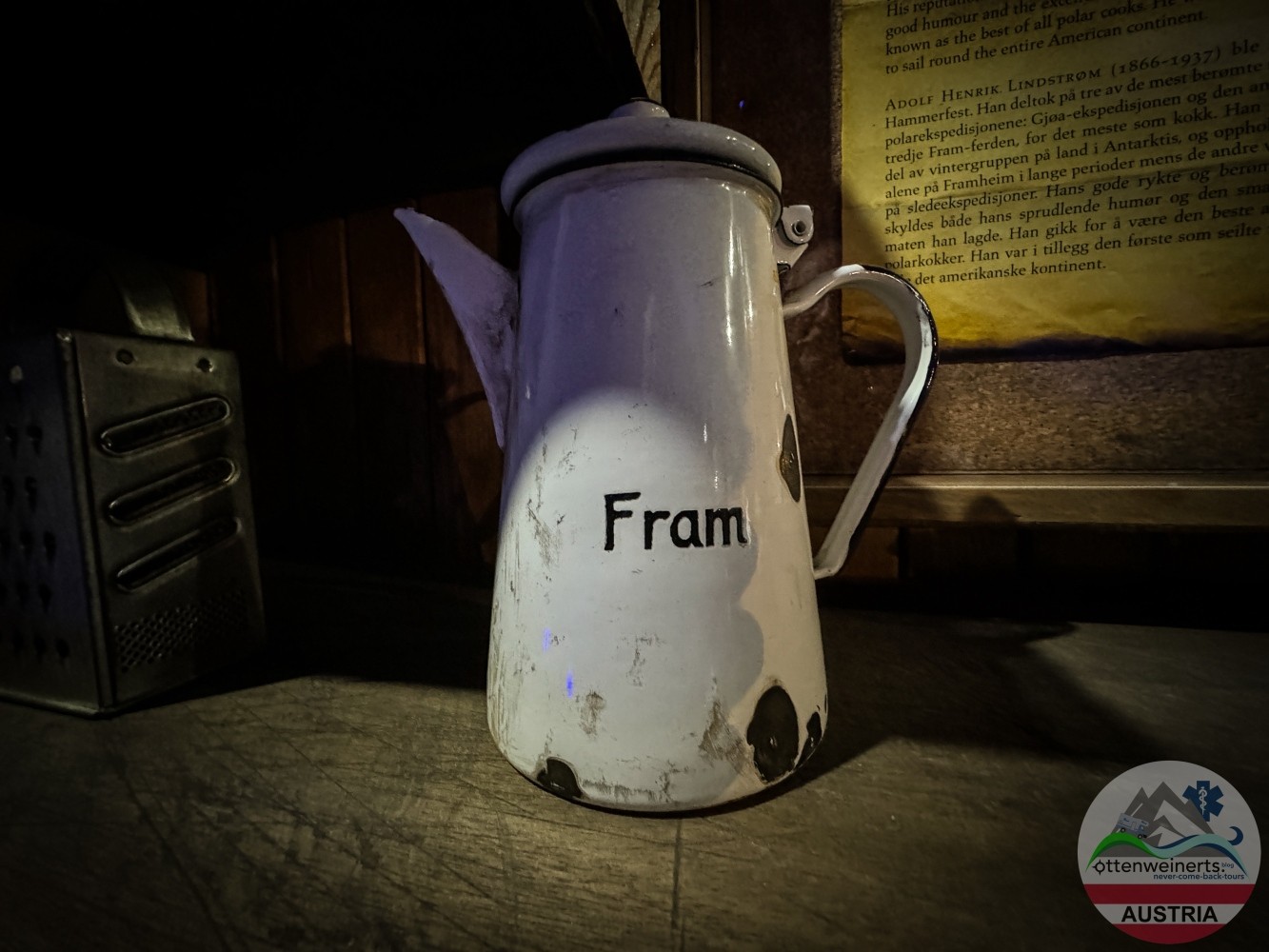
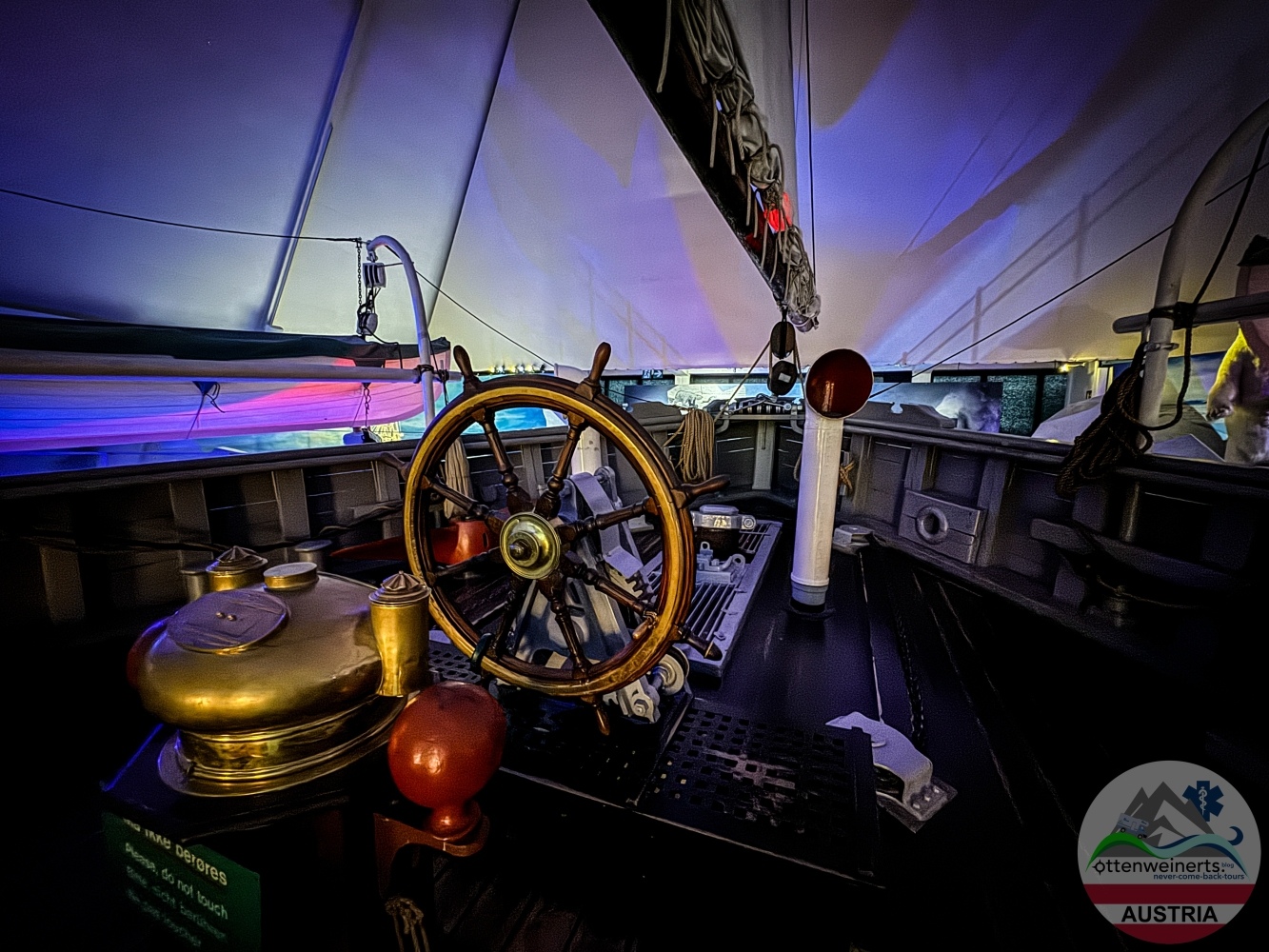
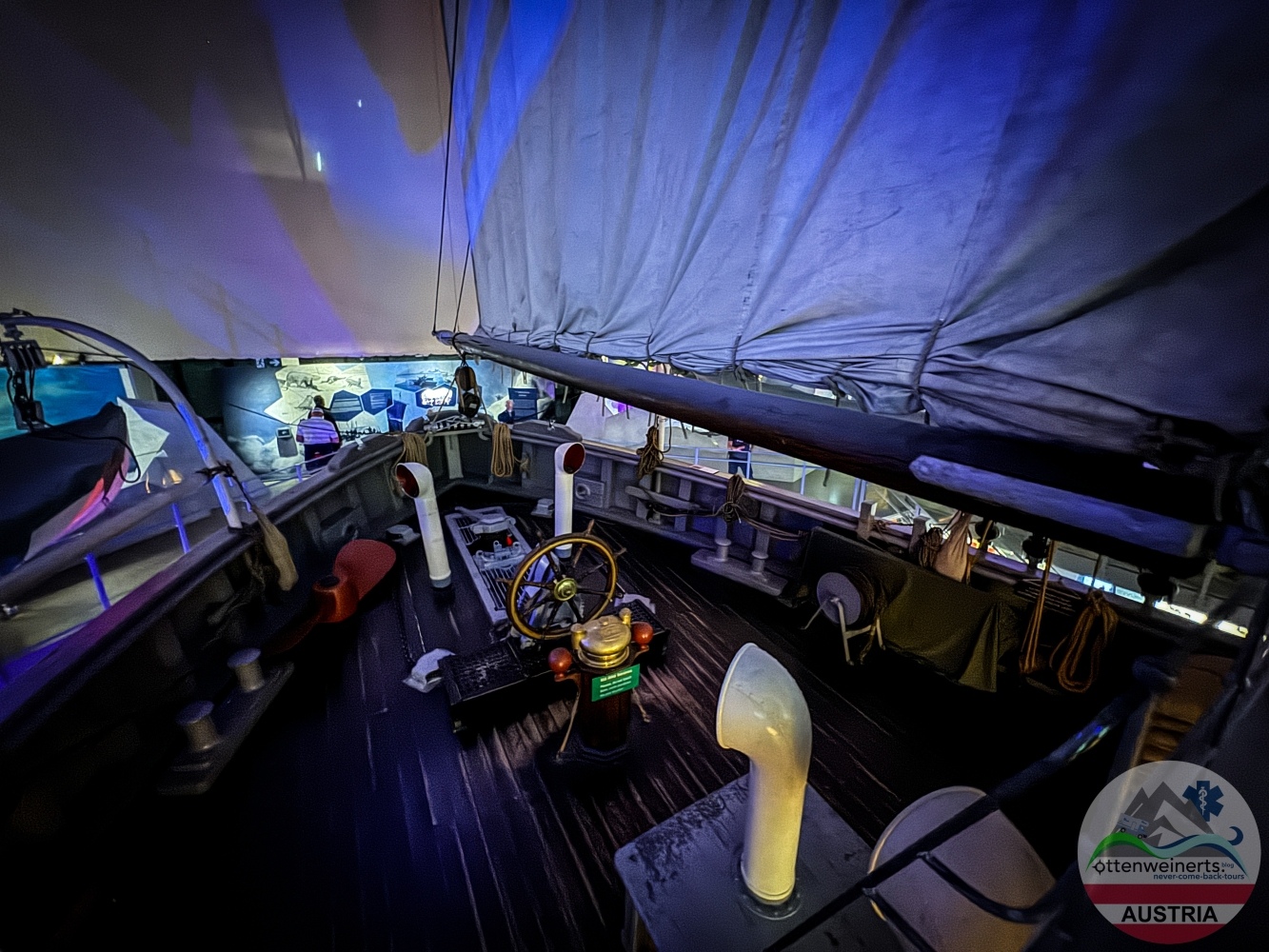
Sowohl die für die eisige Reise zum Nordpol speziell konstruierte „Fram“ als auch das für die Pazifikexpedition gebaute Balsaholzgefährt „Kontiki“ sind faszinierende Zeitzeugen, und die Geschichten der Männer dahinter sind mehr als außergewöhnlich.
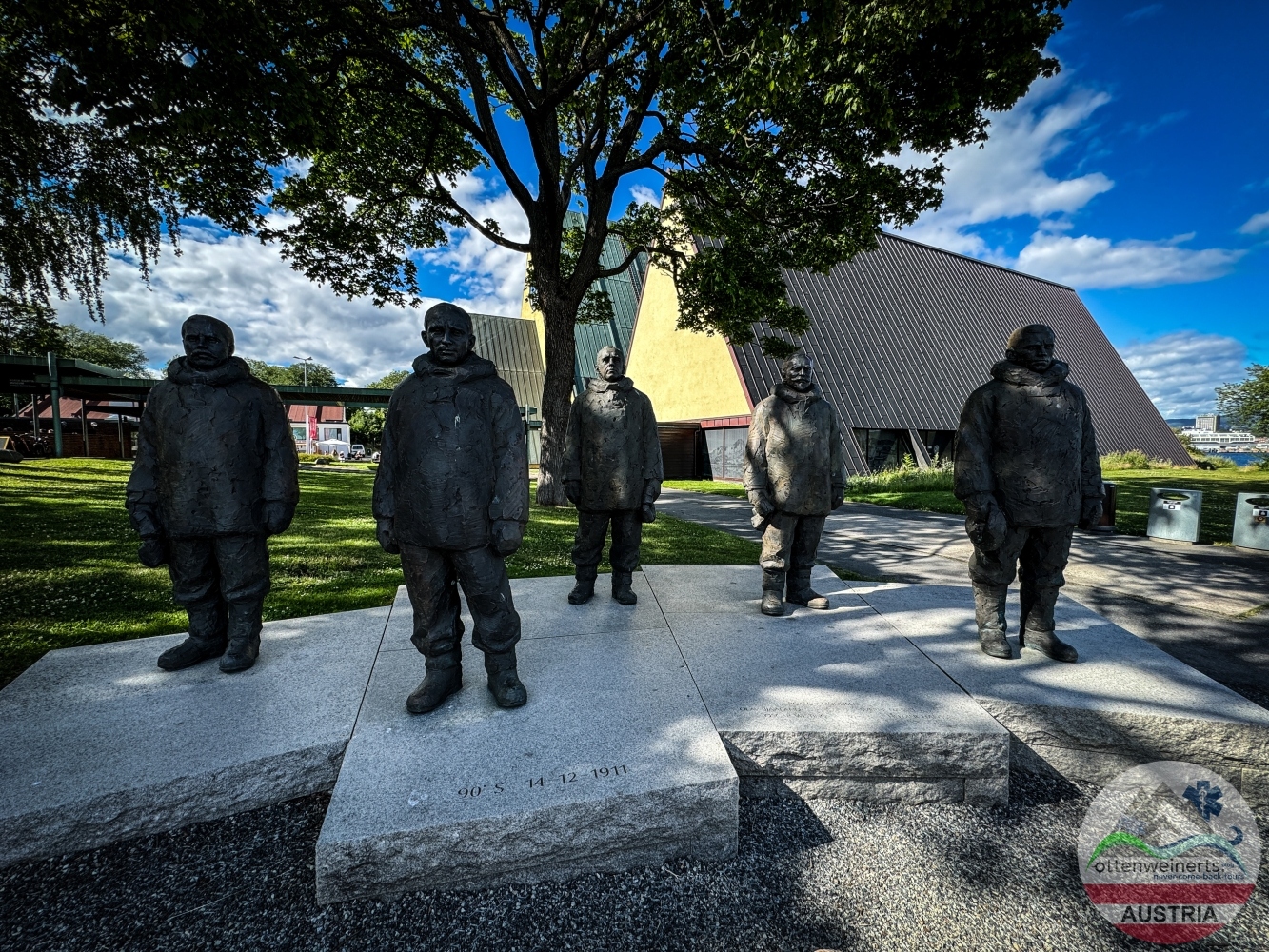
Der Auftraggeber für den Bau der „Fram“, Fridtjof Nansen, war nicht nur Zoologe und Polarforscher, sondern auch Diplomat, der erste Flüchtlingshochkommissar (damals noch beim Völkerbund, dem Vorläufer der UNO) und Friedensnobelpreisträger. Dass sein Kapitän Otto Sverdrup die Fram von ihrer ersten Expedition nach Hause steuerte, weil Nansen unterwegs ausgestiegen war, um den Nordpol mit Hundeschlitten zu erreichen, wird uns hier erst richtig bewusst. Über Roald Amundsen dagegen, der die Fram dann Richtung Südpol gesteuert hat, haben wir voriges Jahr während unserer Antarktis-Reise schon viel gehört und gelernt.
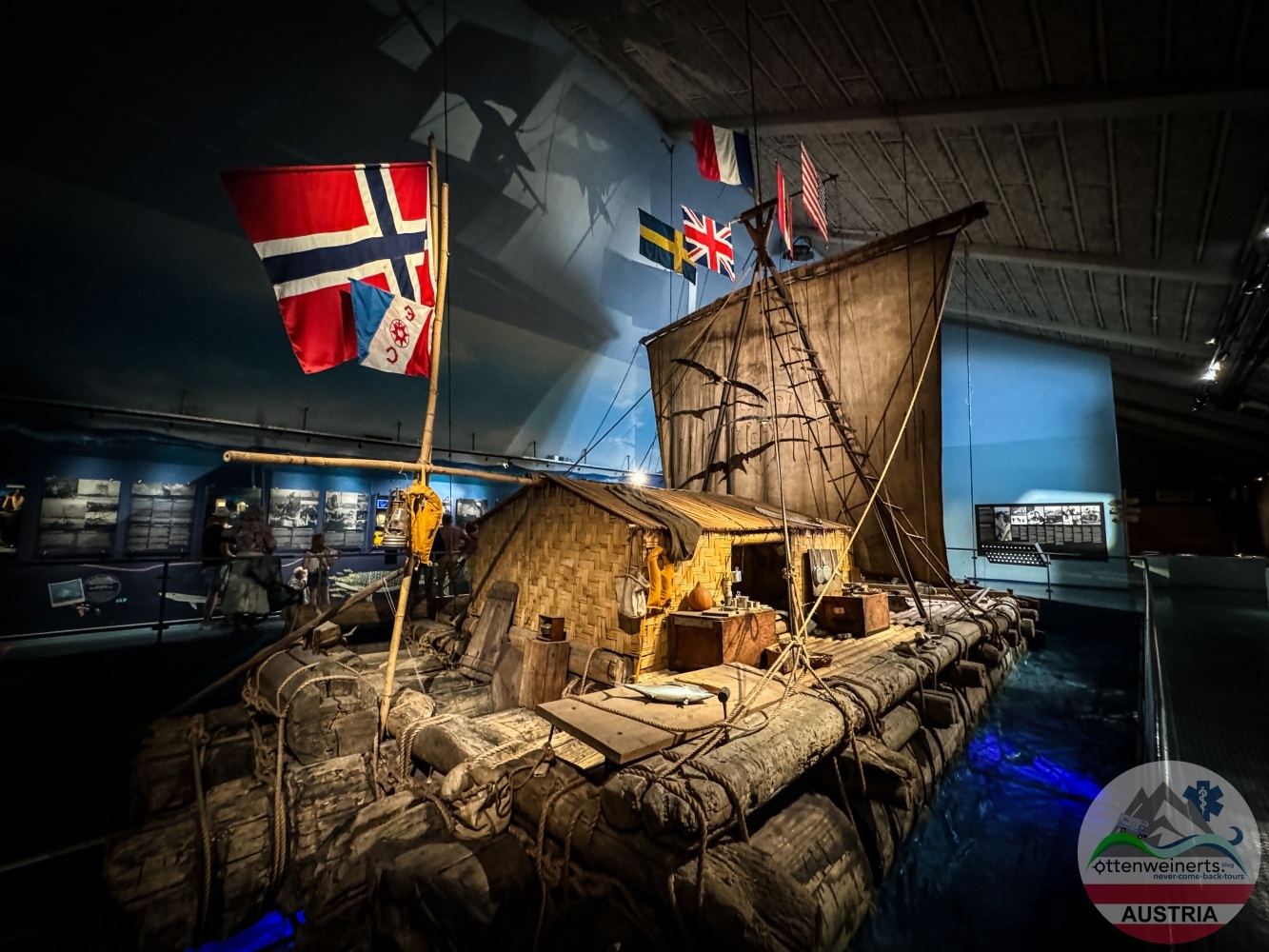
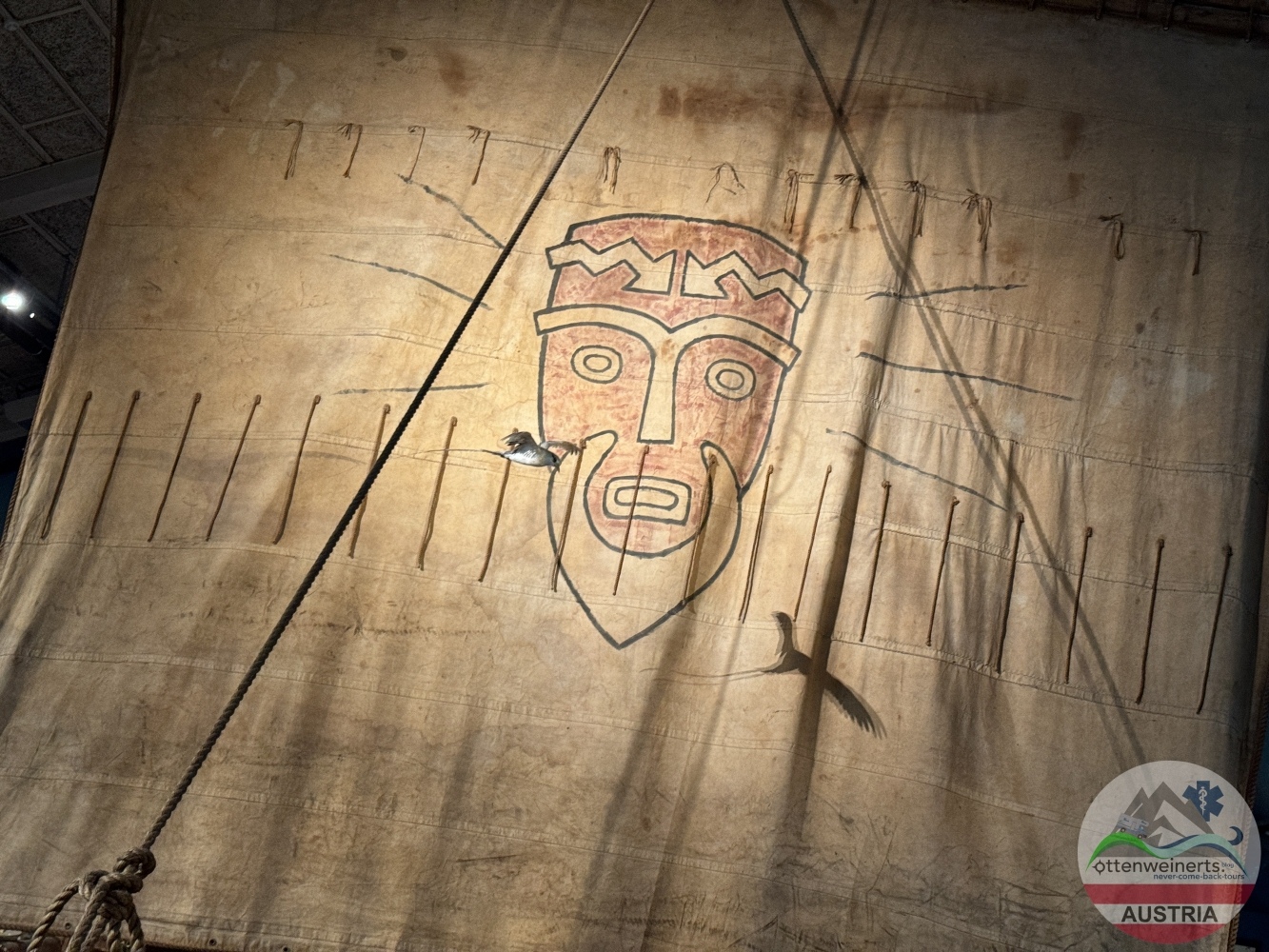
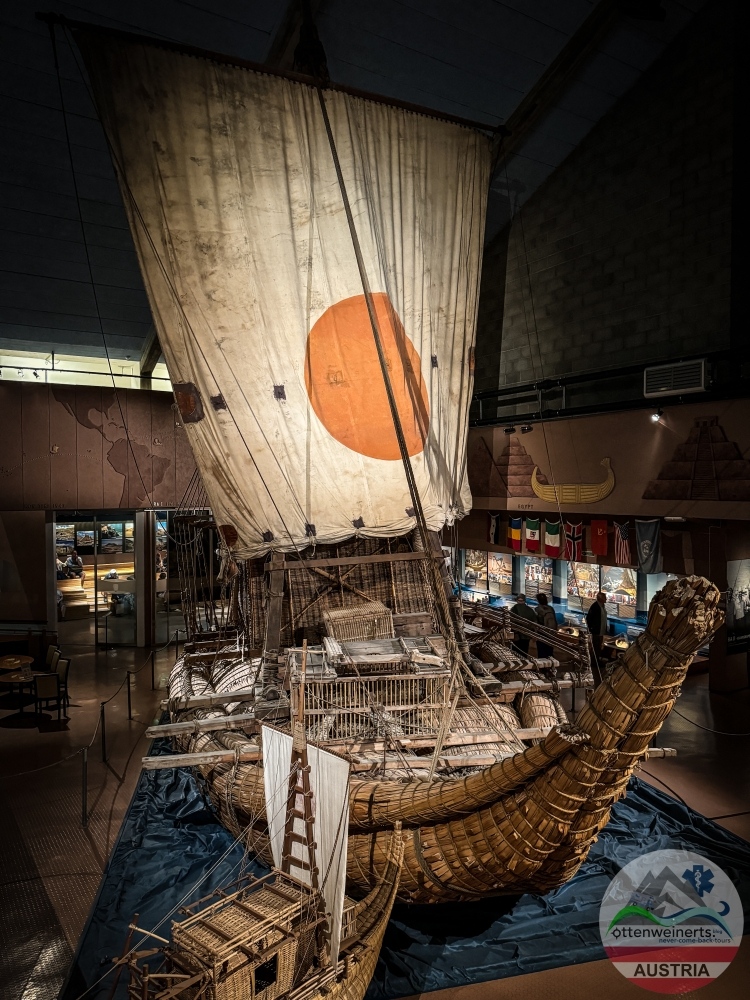
Thor Heyerdahl wiederum hatte es sich in den Kopf gesetzt, mit der „Kontiki“ von Peru aus den Südpazifik zu überqueren, um seine Theorie der Besiedelung der pazifischen Inseln von Osten her zu beweisen, obwohl er unter Aquaphobie litt und kaum schwimmen konnte. Auch spannend.
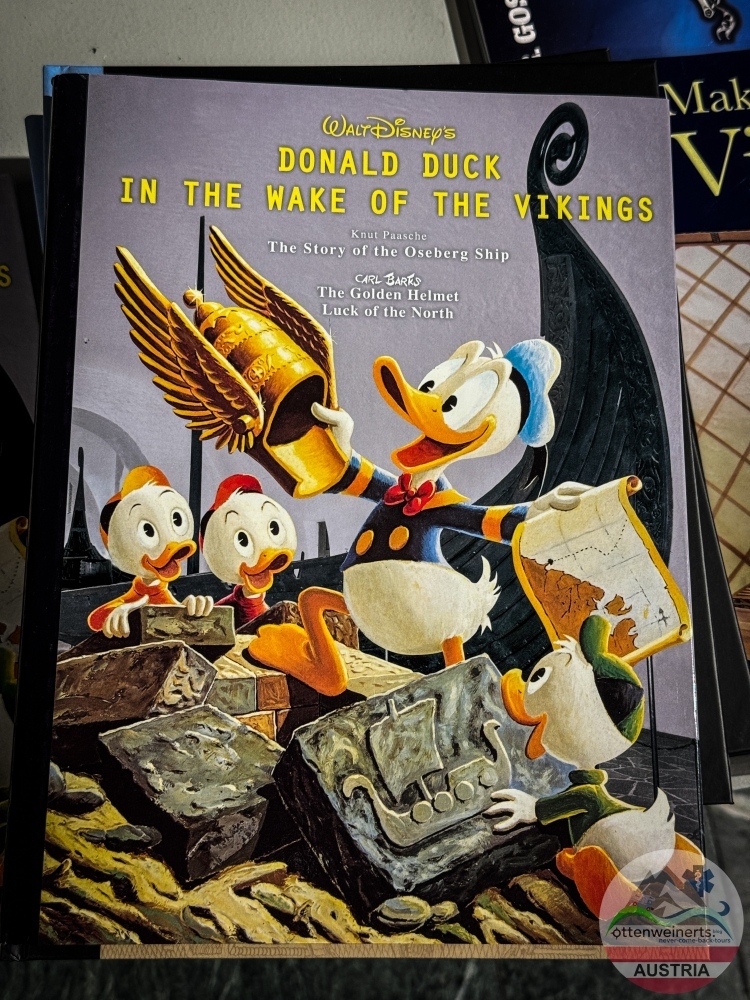
Zum Abschluss schauen wir uns noch das maritime Museum an, und im Shop finden wir eine Disney -Sonderausgabe, Donald Duck und der Wikingerhelm – die muss natürlich mit, für unsere Disney Bibliothek daheim.
MONDAY, July 1st – Oslo – a lot of ships, again
Sunshine and blue sky – we take the bus and the train to the city, where we start at the “Norsk Folkemuseum”, a large open-air museum with an authentic beautiful wooden church and lots of original buildings from different centuries. We learn about the Sami in the north of Norway, we get to see beautiful works of art from old churches, an old pharmacy and a collection of intricate wooden chests of all sorts and sizes.
The Viking Ship Museum next door is closed for construction, but the Maritime Museum, the “Fram” and the “Kontiki” are rather close. Although Sigi has been to Oslo many times in his youth, last time with me in 1998, we don’t remember very much, so we decide to see the famous ships again (as if we hadn’t seen enough ships in Hamburg, Germany, 2 weeks ago).
Both the “Fram”, specially constructed for the icy voyage to the north pole, and the light balsa wood “Kontiki”, made for the Pacific expedition, are fascinating historical witnesses, and the stories of the men connected with these ships are more than extraordinary.
Fritjof Nansen, who had the “Fram” constructed, was not only a zoologist and arctic explorer, he was also a diplomat, the first Refugee High Commissioner (with the League of Nations, the predecessor of the United Nations) and he received the Nobel Prize for Peace. We learn that it was Otto Sverdrup who brought the Fram home from her first expedition after Nansen had left the ship in order to reach the North Pole by dog sleds. About Roald Amundsen on the other hand, who steered the Fram towards the South Pole on her third expedition, we have heard a lot during our adventure in the Antarctic last year.
Thor Heyerdahl’s story has yet some other interesting aspects – he was determined to cross the South Pacific from Peru westwards in order to prove his theory that the Pacific Islands had been populated by people coming from the east – although he suffered from aqua phobia and was barely able to swim. Fascinating story!
Last stop for today: the maritime museum where we find a Disney special edition in the shop: Donald Duck and the Viking Helmet – nice addition to our Disney library at home.