Schlagwort-Archive: ripio

230521 – Flamingooooos >

Sonntag / Sunday, May 21, 2023

Tag 399 / 375 – Flamingooooos

In der Früh versuchen wir, die ungewöhnlichen Gesteinsschichtungen „schlafende Giganten – Gigantes dormidos“ zu fotografieren, aber die Sonne steht ungünstig, die Farben kommen nicht zur Geltung – wir werden das auf der Rückfahrt nochmals probieren. Am stillgelegten Bahnhof von Tres Cruces kommt der ehemalige ÖBBler in Sigi zum Vorschein, es gibt hier viele schöne Fotomotive. Dann folgen wir den Schienen, die parallel zur Ruta 9 verlaufen, bis nach Abra Pampa – und auch hier befinden sich alte Bahnhofsgebäude.

Außerdem gibt es einen netten Hauptplatz, und schöne Wandmalereien, die die Geschichte des Landes erzählen. Die Kirche ist gut besucht, es ist gerade Messe. Leider finden wir keine offene Werkstatt – ist ja Sonntag – also müssen wir die Reparatur erneut verschieben. Wir biegen kurz nach Abra Pampa nach links auf die Ruta 7 ab und bereits nach einigen km im Feuchtgebiet Humedal del Río Miraflores, haben wir die Gelegenheit, Flamingos zu fotografieren. In der Hoffnung auf noch mehr rosa Hühnchen auf Stelzen rattern wir dann 50 km auf wirklich, wirklich schlechter Piste nach Nordwesten, zur Laguna de los Pozuelos.

Unterwegs betrachten uns Lamas neugierig, aber aus sicherer Distanz; Suris ergreifen gleich mal die Flucht, Falken bleiben gelassen auf den Leitungen sitzen, und Maras und Cuis sind sowieso zu schnell für meine Kamera. Bei der Lagune angekommen, wollen wir uns ordnungsgemäß bei der Rangerstation registrieren, aber es ist niemand da, die Tür ist zu, also fahren wir weiter zur Lagune, unterwegs müssen wir dreimal Gatter öffnen und wieder schließen.

Die Lagune wurde zum „Monumento Natural“ und zum Biosphärenreservat erklärt, unzählige Arten Wasservögel sind hier zu Hause, und auch drei verschiedene Arten Flamingos, die wir auch wirklich alle vor die Kamera bekommen: Andenflamingo, Puna oder James´ Flamingo und Chileflamingo. Zufrieden mit der Fotoausbeute machen wir uns auf den Rückweg nach Abra Pampa. Wenige km südlich der Ortschaft gibt es einen netten Übernachtungsplatz, El Huancar, bei Sanddünen (auf 3.600 m!) hinter einem weiteren Tümpel des Río Miraflores, wo auch Flamingos daheim sind. Wir parken uns ein, allerdings geht dort der Wind so heftig, dass unser armes krasses Pferd heftig hin und her schwankt. Wir ergreifen die Flucht, fahren zurück nach Abra Pampas und holen uns im Hotel Suizo (gehört einem Schweizer) die Erlaubnis, die Nacht am Hotelparkplatz zu verbringen. Morgen hat dann hoffentlich der Mechaniker offen.

Day 399 / 375 – Flamingooooos

In the morning we try to take pictures of the unusual rock formations “sleeping giants – Gigantes dormidos” but the timing isn´t right because of the position of the sun. We´ll try again on our way back. At the derelict train station of Tres Cruces Sigi – as former Austrian Federal Train employee – finds a lot of nice photo motives. Then we follow the train tracks which are running parallel to Ruta 9 to Abra Pampa, also leading to old train stations.

Furthermore, there is a nice main plaza, and beautiful murals depict the history of the country. The church is full, it´s mass right now – it´s Sunday. This is also the reason why we can´t find an open car workshop. So we have to postpone the necessary repair work again. Past Abra Pampa we turn left onto Ruta 7, and a few miles later we have to opportunity for some nice flamingo pictures, at the Humedal del Río Miraflores. Hoping to see more pink chicken on stilts, we rattle and shake the 31 miles on the really, really bad dirt road direction north-west to the Laguna de los Puzuelos.

On the way, lamas are eyeing us curiously but from a safe distance; Suris choose to run in the other direction, falcons are sitting on the phone lines, and maras and the little cuis (desert guinea-pigs) are too fast for my camera. Arriving at the lagoon, we first head to the ranger station to register, but no one is there and the door is locked, so we continue towards the water; on the way we have to open and close three gates.

The lagoon has been declared a natural monument and a biosphere reservation; it´s home to an incredible amount of water fowl including three different species of flamingos which we all get to see: the Andean Flamingo, the Puna or James´ Flamingo and the Chilean Flamingo. Happy with what we saw, we start the drive back to Abra Pampa, where we are planning to spend the night a bit south of the town near some picturesque sand dunes (sand dunes at 11.800ft!), a place called El Huancar. There is also another pond formed by Río Miraflores where we see some more flamingos. We choose our parking spot but it is very windy there, our poor Brave Camper is swaying terribly – after 15 minutes we decide to go back to Abra Pampas. At Hotel Suizo (owner is Swiss) we ask for permission to spend the night at the hotel´s parking lot. First thing tomorrow we will visit the mechanic in town.

Route 230521

230417 – im wilden Nordwesten Patagoniens >

Montag / Monday, April 17, 2023

Tag 365 / 341 – im wilden Nordwesten Patagoniens

Die Nacht war tatsächlich ruhig, und wir sind ausgeschlafen. Nach dem Frühstück geht es weiter nach Norden. Am Ortsanfang von Chos Malal steht ein ungewöhnliches Monument, das die Hälfte der Ruta 40 markiert – eine Landkarte, die Argentinien inklusive des Anteils an der Antarktis darstellt (auch die Falklandinseln sind drauf, nach dem Motto: Las Malvinas son Argentinas) – aber die Karte steht am Kopf, der Südpol ist oben. Interessante Darstellung.

In Chos Malal versuchen wir dann, bei Western Union Bargeld zu bekommen – leider vergeblich. Das Postamt hat zwar noch die große Werbetafel vor der Tür, arbeitet aber nicht mehr mit Western Union, man schickt uns weiter. Der nächste Store würde uns gern Bargeld geben, hat aber keines, erst um 19 Uhr am Abend; man schickt uns wieder ein paar Blocks weiter – und dieser Shop hat überhaupt zu. Entnervt geben wir auf, wir haben noch Bargeld für ein paar Tage, aber wenigstens tanken wollen wir. Und hier müssen wir uns zum ersten Mal bei einer Tankstelle anstellen, die Schlange reicht bis zum nächsten Eck – haben wir schon gehört bzw. auf IOverlander gelesen, aber bisher noch nicht selbst erlebt.

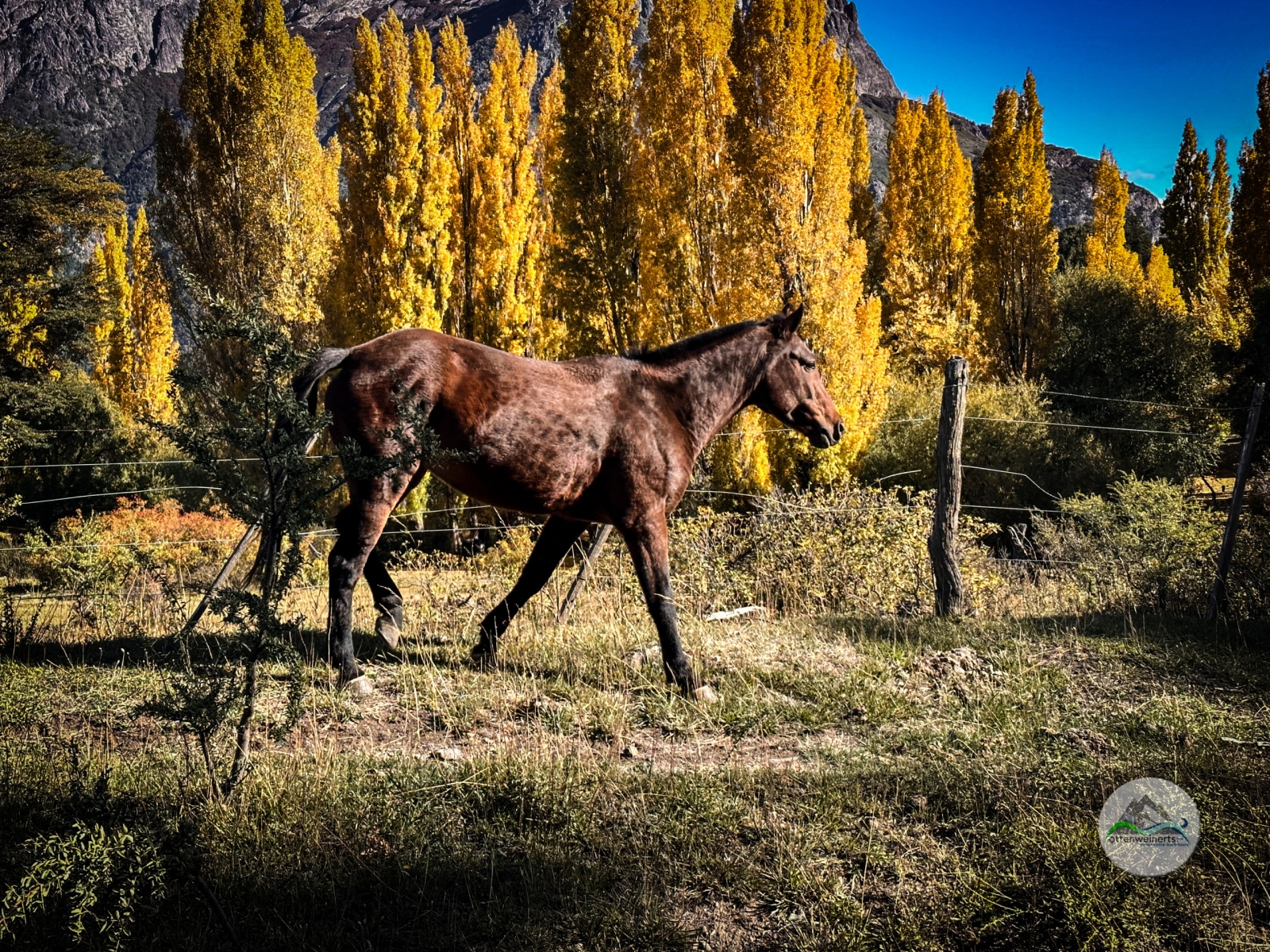
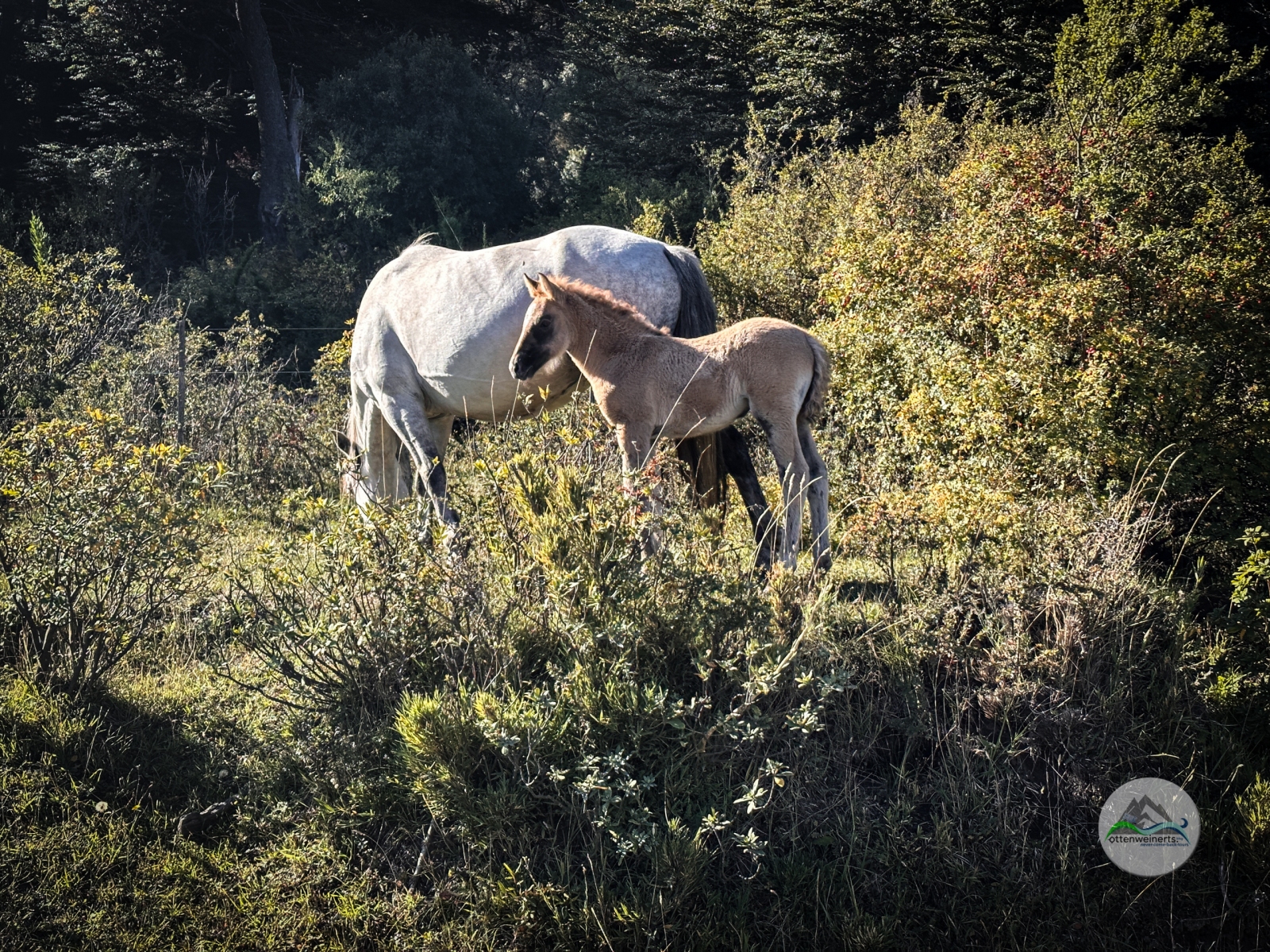
Dann geht es weiter Richtung Nordwesten, und auf der Strecke werden wir mehrfach umzingelt und eingekreist, von bevorzugten Straßenbenutzern. Das sind hier eindeutig Ziegen, Schafe, Rinder, Esel und Pferde, und die Hunde und die Gauchos, die die Herden zusammenhalten und treiben – wie der Almabtrieb bei uns daheim.

In Andacollo überrascht eine riesige Statue – Monumento a la Patria. Las Ovejas („die Schafe“) wird seinem Namen gerecht und begrüßt uns am Ortseingang mit einer Skulpturengruppe von Schafen und Gaucho. Hier holen wir uns noch Infos im Tourismusbüro, und dann ist wieder einmal Schluss mit Asphalt. Beim Aussichtspunkt Las Puntillas bietet sich ein wunderbarer Ausblick über das tiefe Tal des Río Neuquén, die Gestaltung der Infotafeln ist ausgesprochen kreativ – wäre der Area 51 würdig.

Es geht weiter auf der R43, in den letzten nördlichsten Zipfel von Neuquén, die Piste wird immer schlechter, die Gegend wird gebirgiger, der Vulkan Domuyo, mit 4.709 m der höchste Berg Patagoniens, kommt immer näher, wir fahren an großartigen Canyons entlang, steil hinunter, über Furten und auf der anderen Seite wieder steil hinauf. Und irgendwann haben wir rechts UND links Abgrund und die Strecke macht Serpentinen. Wenn wir gewusst hätten, WIE mühsam diese „ripio“ ist, hätten wir auf das Ziel – heiße Quellen, Sandsteinformationen und die einzigen Geysire in Argentinien – verzichtet. Aber jetzt ist es zum Umkehren zu spät, wir würden den Rückweg nicht mehr bei Tageslicht schaffen, abgesehen davon, dass man hier sowieso nirgends umdrehen kann – zumindest nicht mit unserem Krassen Pferd. 

Also quälen wir uns die Strecke bis nach Villa Aguas Calientes, wo wir ganz knapp vor Sonnenuntergang bei der Anlage mit den natürlichen Thermalpools eintreffen. Und dann haben wir auch noch Pech – man darf dort nicht am Parkplatz übernachten, auch nicht mit einem „self-contained“ Fahrzeug wie unserem, es ist bereits 19:30 und um 20 Uhr müssen alle draußen sein. Gut, mieten wir halt eine der Cabañas – geht auch nicht, Saisonende, die Cabañas sind bereits alle zu. Wir hätten uns nach dieser Fahrt die heißen Quellen wirklich verdient, aber es ist zu spät. Also stellen wir uns draußen vor der Einfahrt an die Mauer, hoffen, dass es in der Nacht keinen Sturm gibt und dass wir uns morgen früh dann im heißen Wasser erholen können.

Day 365 / 341 – In Patagonias wild northwest

The night was really quiet, and we feel refreshed. After breakfast, we continue north, first stop: Chos Malal. There, we find an unusual monument, marking the exact half of the famous Ruta 40 – a map, showing Argentina including its Antarctic part (and the Falkland Island, which Argentina still claims for itself– “Las Malvinas son argentinas”). But the map is upside down, the South Pole is on top – an interesting monument.

In Chos Malal, we try to get cash, using Western Union, but in vain. The post office doesn´t offer the service anymore (although there is still a large WU sign in front of the building), they send us to another store. The nice señor there would give us cash – if he had any; he sends us to another place which is closed. We give up, we still have some cash left, but we need to get diesel. And here we have to wait in line for the fuel. We have heard about queueing for fuel and read about it on IOverlander, but for us, it´s a first.

We continue direction northwest, and here we are encircled and surrounded multiple times by privileged road users – meaning goats and sheep, cattle, donkeys and horses, and the Gauchos and their dogs, driving the herds home from the summer pastures. In Andacollo, we are surprised to see a huge statue on a hill, it is a monument for “La Patria”. The nice village Las Ovejas (the sheep) takes pride in its name, greeting the visitors with a group of sheep sculptures including a Gaucho. Here, we get some info at the tourism office and from there on it´s “ripio” again. The mirador Las Puntillas offers a great view over the valley of Río Neuquén, and we smile when we see the info signs – very creative, very Area 51.

On R43 towards the northernmost part of Neuquén, the washboard road is getting worse and worse, the hills turn into mountains, the volcano Domuyo, at 15.450 ft Patagonia´s highest mountain, is getting closer. We drive along fantastic canyons, the road leads steep down into the canyons, across bridges and fords and then up on the other side again. And then we have a precipice on one side and an abyss on the other and the narrow winding road in the middle. If we had known how tedious this track is we might have skipped the plan to see this part of Patagonia, the thermal pools, geysers and rock formations. But it´s too late now to turn back, we wouldn´t be able to make it back to Las Ovejas before sunset; and there isn´t any spot to turn around anyway, at least not with our brave camper.

So, we struggle on, all the way to Villa Aguas Calientes, arriving at the place with the natural hot pools shortly before sunset. But, no luck – no camping on the parking lot, no even with a self-contained vehicle like ours. It is 7:30 pm already, and everyone has to leave by 8 pm. Ok, let´s rent one of the cabañas for tonight – no, not possible, they are already closed, season is over. We were really looking forward to soaking in the hot pools, especially after the long and exhausting drive, but it´s too late – we have to park outside near the entrance. We place our brave camper close to the wall, hoping there won´t be too much wind during the night. The hot pools have to wait till tomorrow.

Route 230417

230415 – Wanderung im Lanín Nationalpark >

Samstag / Saturday, April 15, 2023

Tag 363 / 339 – Wanderung im Lanín Nationalpark

Nach dem Frühstück brechen wir Richtung Wanderweg zum Wasserfall auf, aber wir kommen nicht weit. Die Piste wird wirklich schlecht, mit Steilstücken und riesigen Löchern, die man noch dazu auf der Strecke im Wald mit Wechsel von Licht und Schatten kaum sieht. Unser armes Krasses Pferd mit seiner stolzen Höhe von 3,50 m schwankt angsterregend hin und her. Wir lassen es daher auf dem nächsten Campingplatz stehen und gehen die restlichen 2 km zu Fuß weiter. Das verlängert zwar die geplante Wanderung beträchtlich, aber es schadet uns nicht, wir sitzen ohnehin genug im Auto und das Wetter ist schön, wenn auch noch etwas kühl.

Unterwegs gesellen sich ein paar Einheimische zu uns – ein weißer Wuschel, zwei Schwarzweiße und einer ganz in schwarz. Sie begleiten uns den ganzen Weg zum Wasserfall, jagen hin und wieder ein Kaninchen unter einem Busch hervor und verbellen ein paar Vögel. Der Wanderweg wurde vor über 10 Jahren von einer lokalen Schulklasse gemeinsam mit den Park Rangern angelegt, Hinweistafeln geben Auskunft über Vegetation und Terrain. Beim Wasserfall angelangt, muss ich die Kamera einpacken – die Gischt sprüht bis zur Aussichtsplattform.

Wir treten den Rückweg an, bestaunen die Baumriesen und das Panorama über den See und verabschieden uns dann von unseren vierbeinigen Begleitern – sie haben uns tatsächlich bis zu unserem Krassen Pferd am Campingplatz begleitet. An unserem Übernachtungsplatz von gestern legen wir eine späte Mittagspause ein und 35 km „ripio“ später verlassen wir den Nationalpark, den Vulkan Lanín sehen wir noch lange im Rückspiegel.

Dann müssen wir uns entscheiden, welche Strecke wir nach Plaza Huincul, unserem nächsten Ziel, nehmen. Die landschaftlich schöne, aber nicht durchgehend asphaltierte R23 nach Aluminé und dann die R13, auch teilweise nicht asphaltiert, oder doch die asphaltierte, wesentlich kürzere und schnellere, aber langweiligere Ruta 40? Gestern und heute „ripio“ reicht erstmal, wir nehmen die R40 und hoffen, wenigstens noch 200 km bis nach Zapala zu kommen. Aber das schaffen wir nicht mehr bei Tageslicht – in der Hälfte bremsen wir uns beim einzigen Shop an der ganzen Strecke ein und fragen höflich, ob wir hier am Parkplatz übernachten dürfen? Ja, gar kein Problem, sagt der nette Señor, der sein Geschäft gerade schließt – und wenn wir sonst irgendetwas benötigen, sollen wir einfach klopfen. Und einen Wachhund bekommen wir auch noch gratis dazu (naja, ein paar Leckerli müssen schon sein).

Day 363 -339 – Walking in Lanín National Park

After breakfast, we start towards the trail to the waterfall, but we don´t get very far. The dirt track leads through the forest, with steep slopes and huge potholes which we can barely see due to the change of light and shadows. Our poor brave camper is swaying from one side to the other, and we feel rather uncomfortable. So we drop our vehicle at the next campsite and walk the remaining distance – that was not the plan, but it doesn´t hurt, we need the exercise anyway, and the weather is beautiful although a bit chill.

On the way, we get company – some locals join us; one of the white with curls, two black and white ones and one pitch-black. The guide us to the waterfall, chasing some rabbits along the way and barking at birds. The trail was established more than 10 years ago by a local school class together with the park rangers, wooden signs offer information about vegetation and terrain. As we arrive at the waterfall, I have to hide my camera, the spray is reaching the viewing platform. 

We start the descend, admiring the huge trees and the great panorama, and then we have to say good-bye to our four-legged companions – they actually stayed with us all the way to our brave camper at the campsite. At the place where we spent the last night, we stop for a late lunch break, and 22 “ripio”-miles later we leave the National Park with the Lanín Volcano still visible in the rear mirror.

Then we have to decide which route to take to our next destination, Plaza Huincul. The nicer, but not completely paved R23 to Aluminé and then R13, also partly unpaved, or the far shorter, faster and completely paved Ruta 40 although leading through less interesting landscape? We´ve had enough “ripio” yesterday and today, so we choose Rute 40, hoping to get at least to Zapala, 125 miles north. But we are not fast enough, it is dusk already as we stop at the only store on the route, and ask the nice owner if we may stay on the parking lot for tonight? Yes, absolutely no problem – the señor is just closing his shop for the night but if we need something we should just knock on the door. Additionally, we get a guard dog free of charge (well, he works for a few treats).

Route 230415

230414 – Junín de los Andes und Parque Nacional Lanín >

Freitag / Friday, April 14, 2023

Tag 362 / 338 – Junín de los Andes und Parque Nacional Lanín

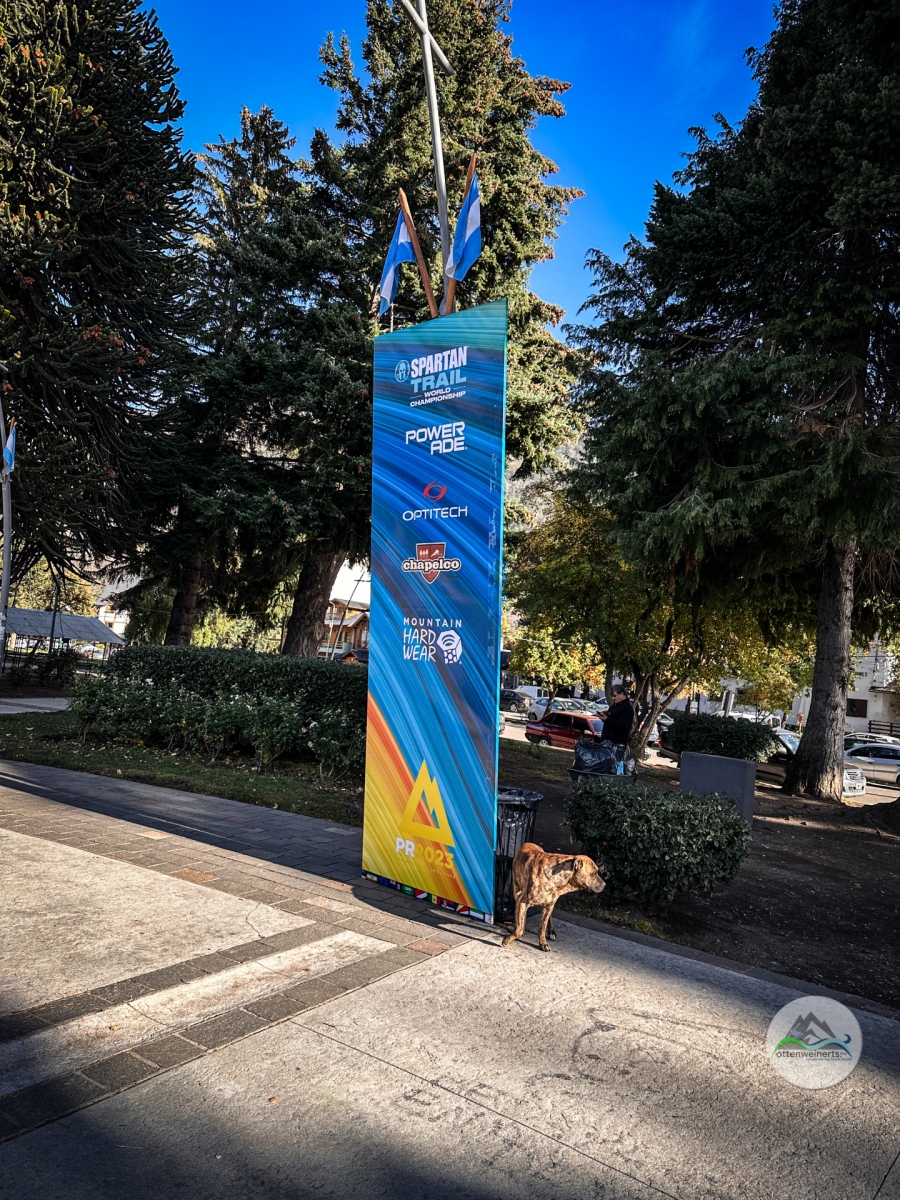
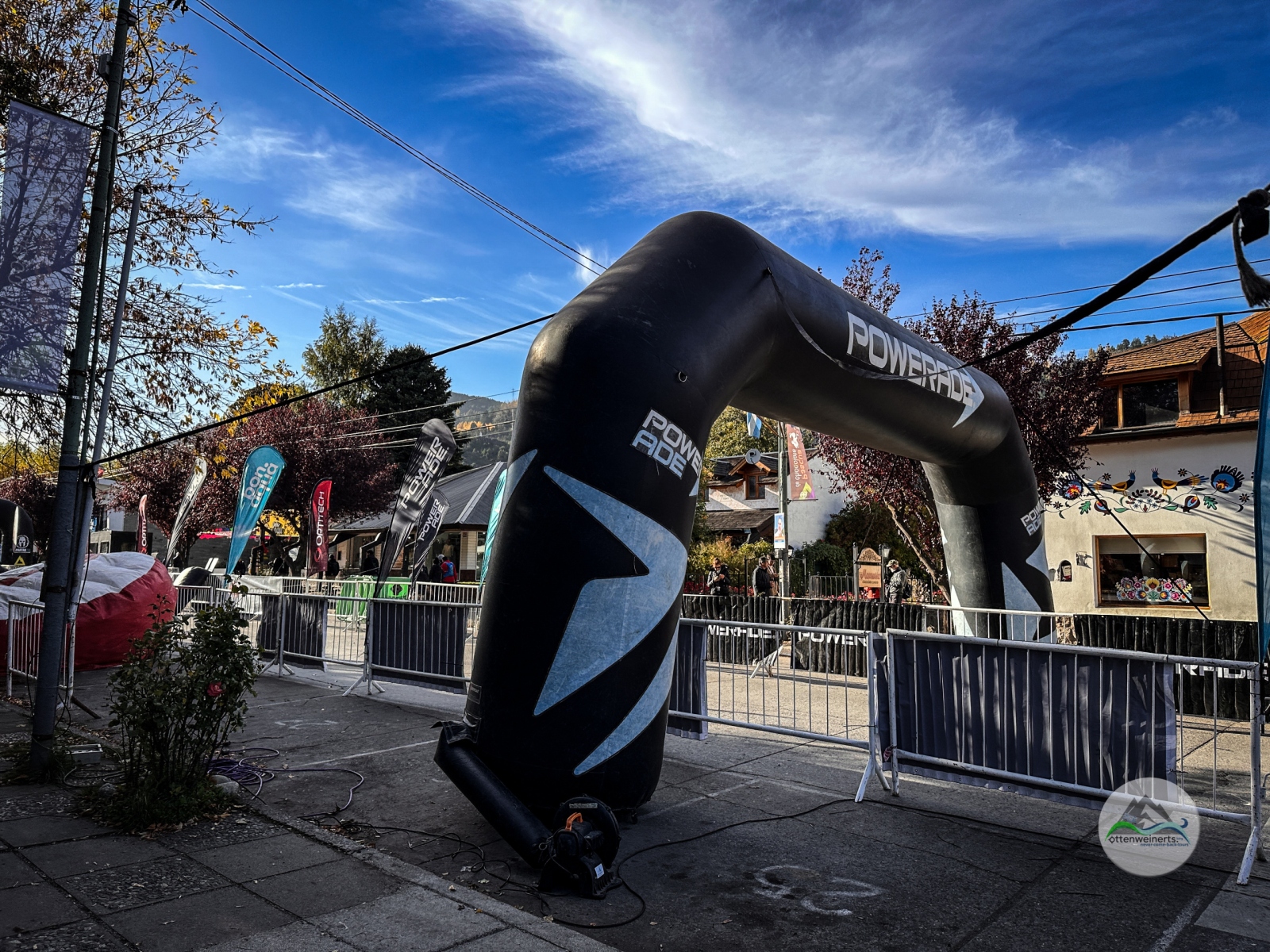
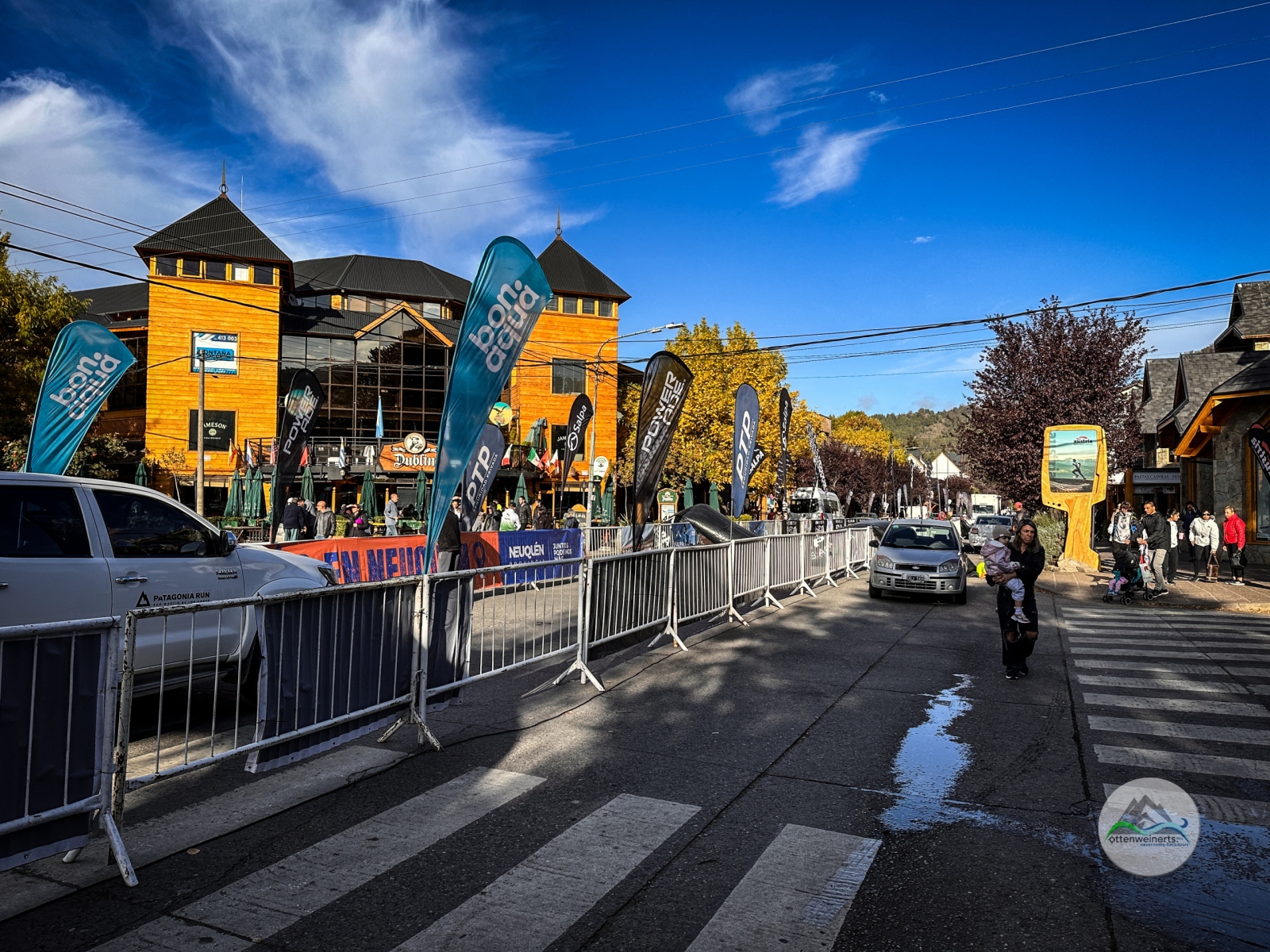
In der Früh holen wir uns im Tourismusbüro noch Info über den Lanín Nationalpark, und dann beeilen wir uns, aus der Stadt herauszukommen. In San Martín wuselt es heute, Straßen sind abgesperrt, Zieleinläufe und Bühnen aufgebaut, und die meisten Leute auf den Straßen sind in Sportkleidung und Laufschuhen unterwegs – offensichtlich findet heute eines der Hauptevents vom Spartan-Trail World Championship statt. 

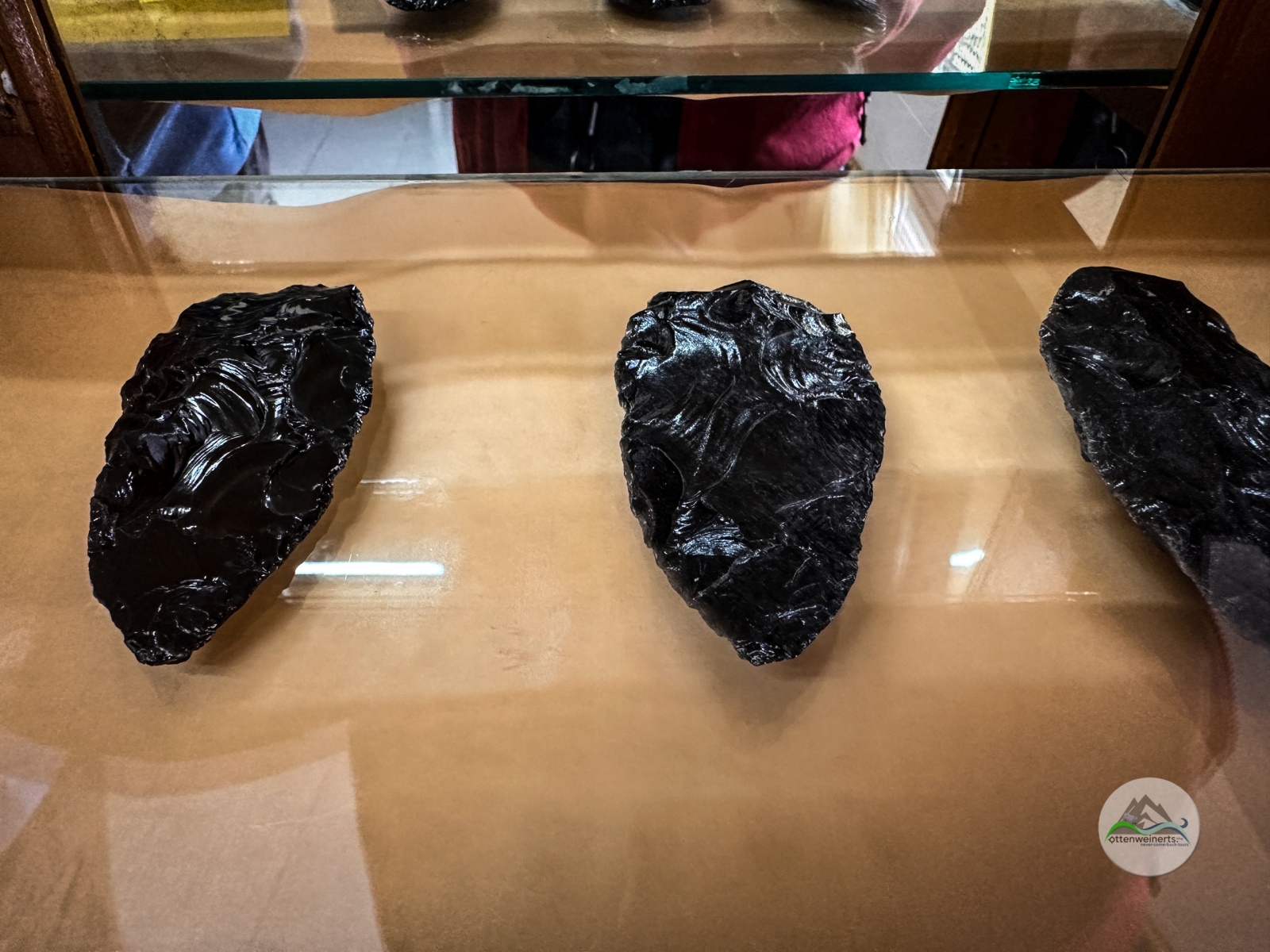
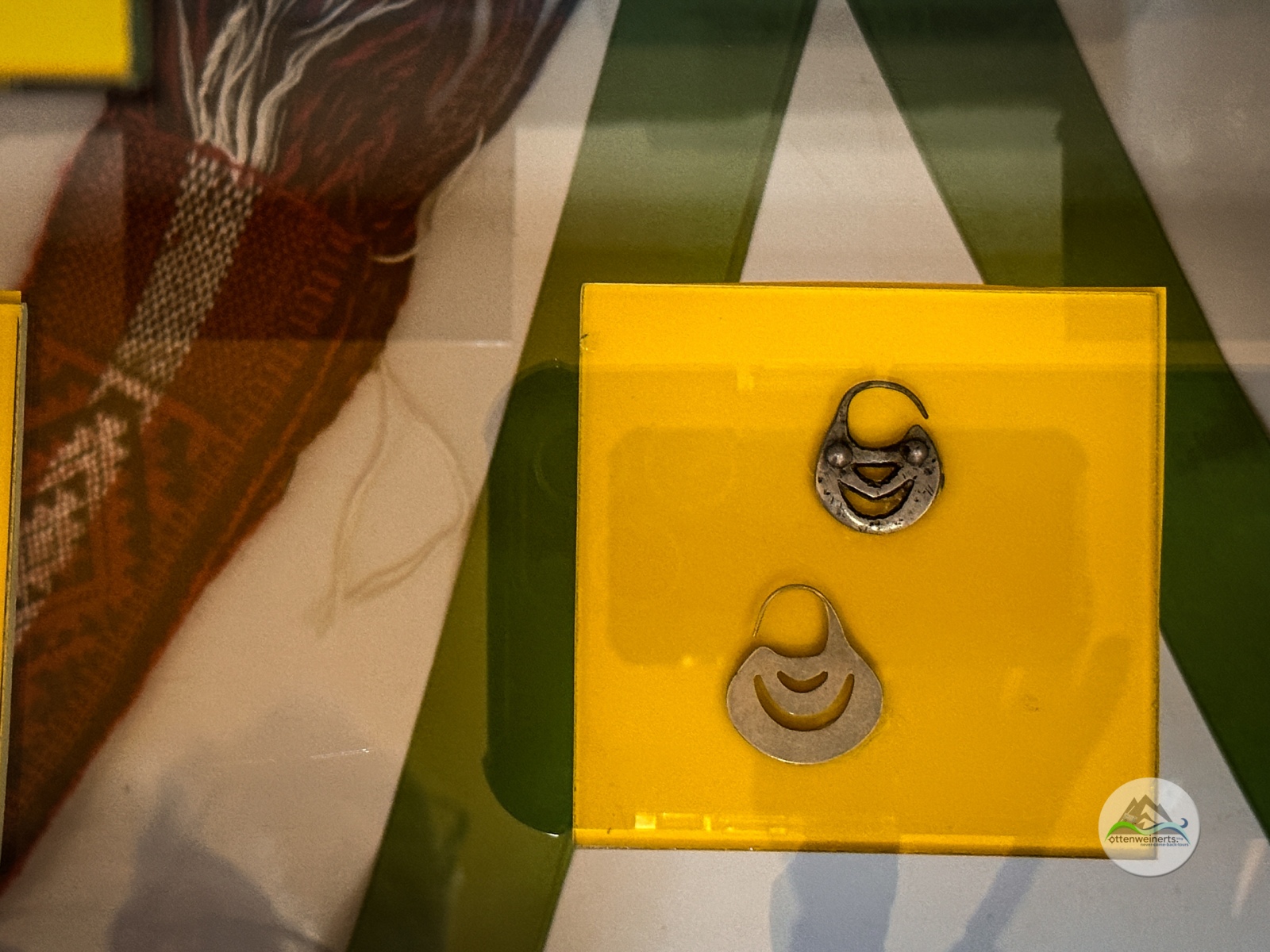
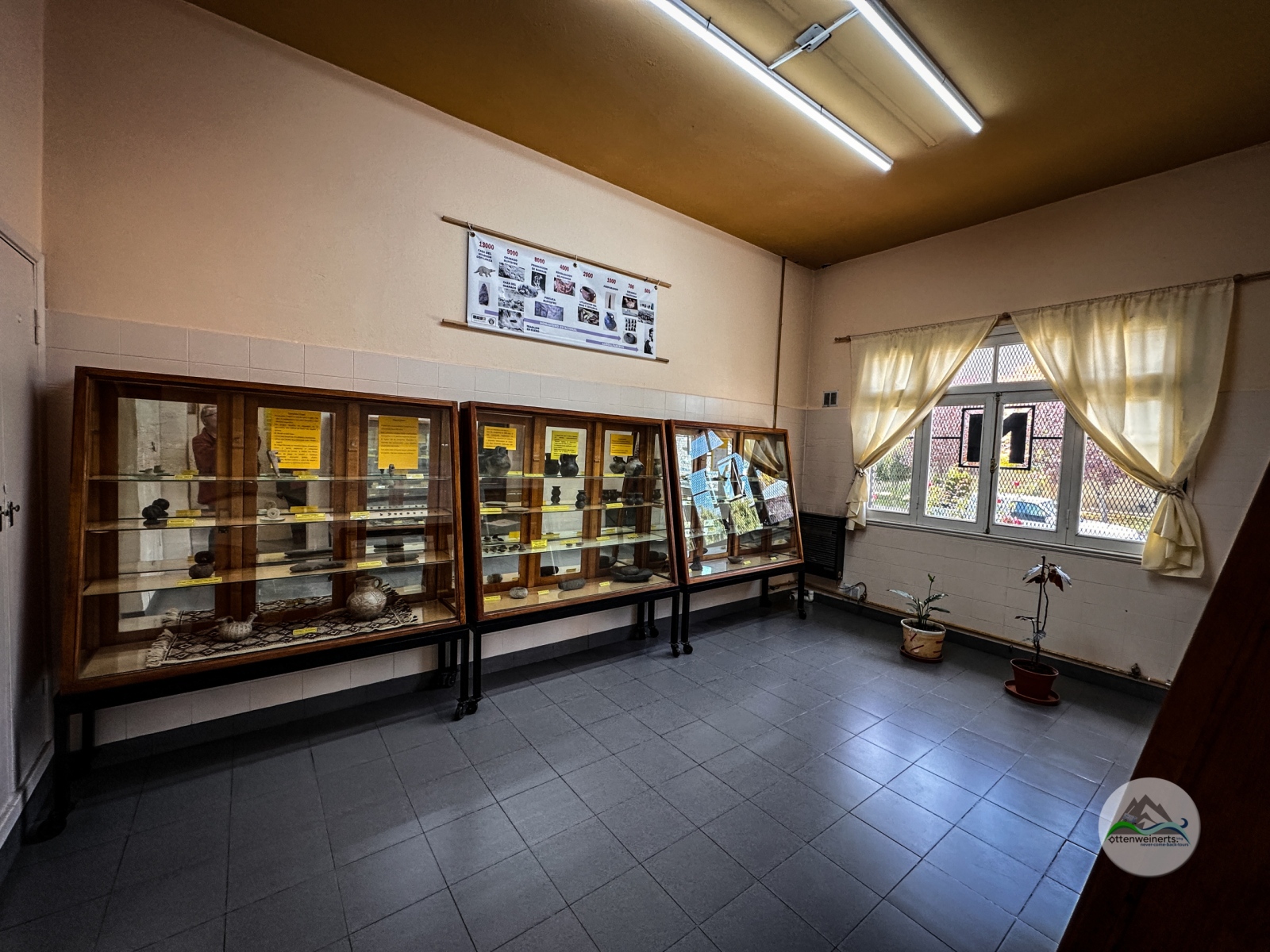
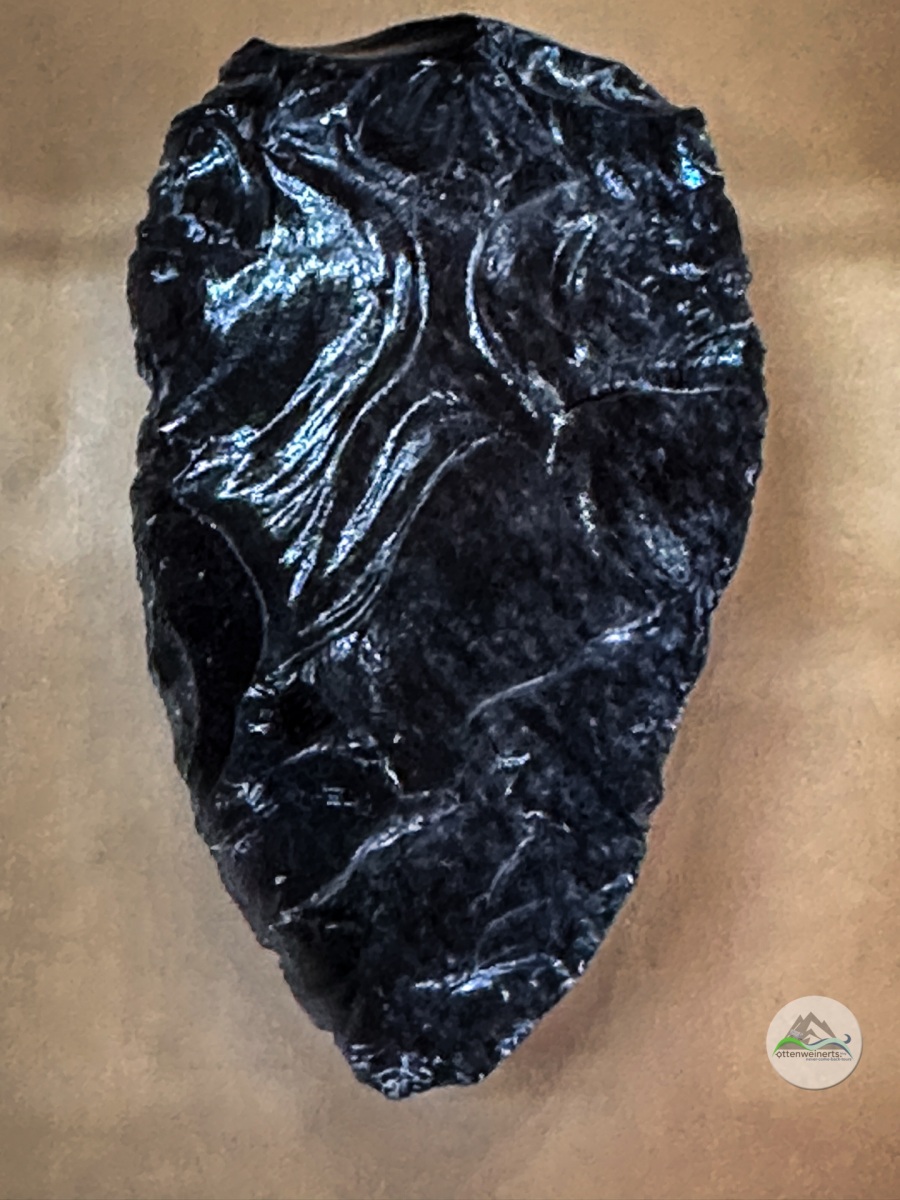
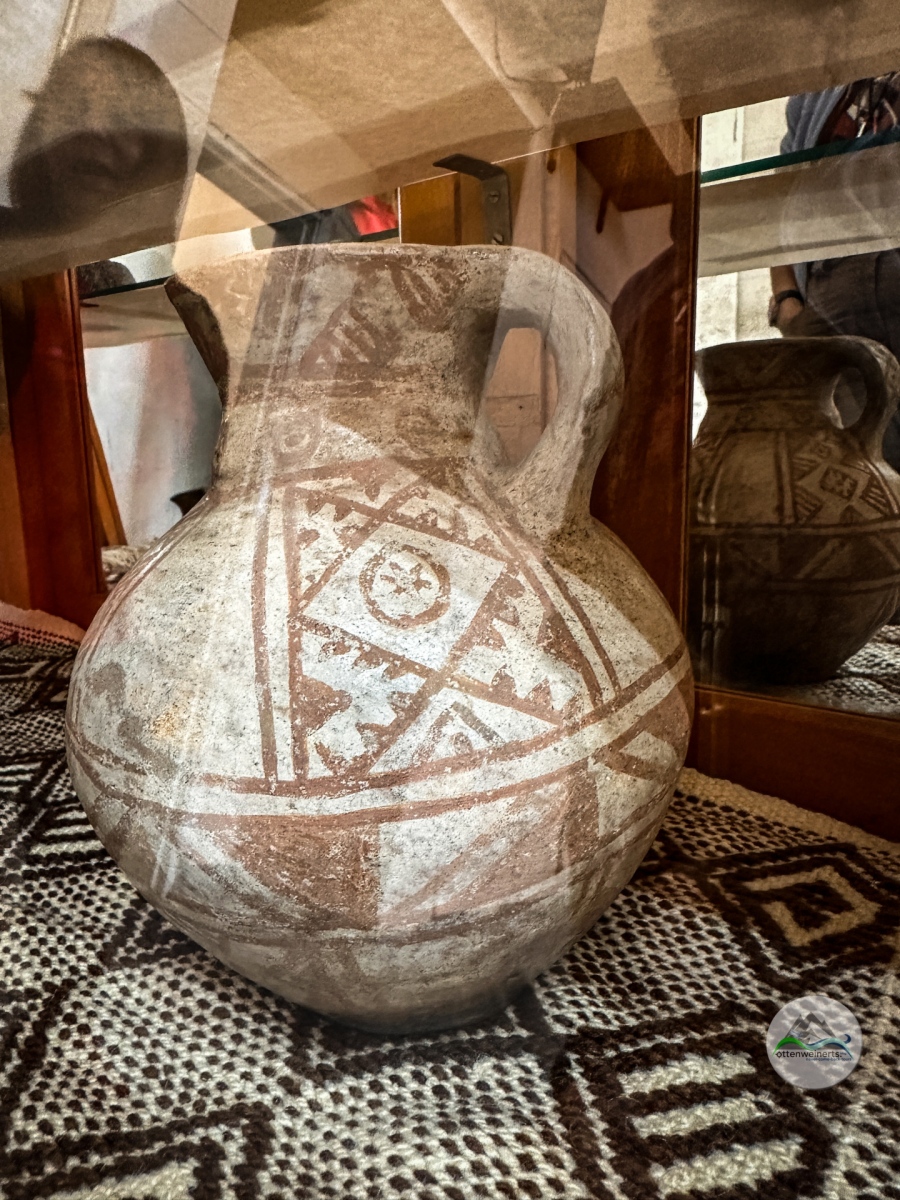
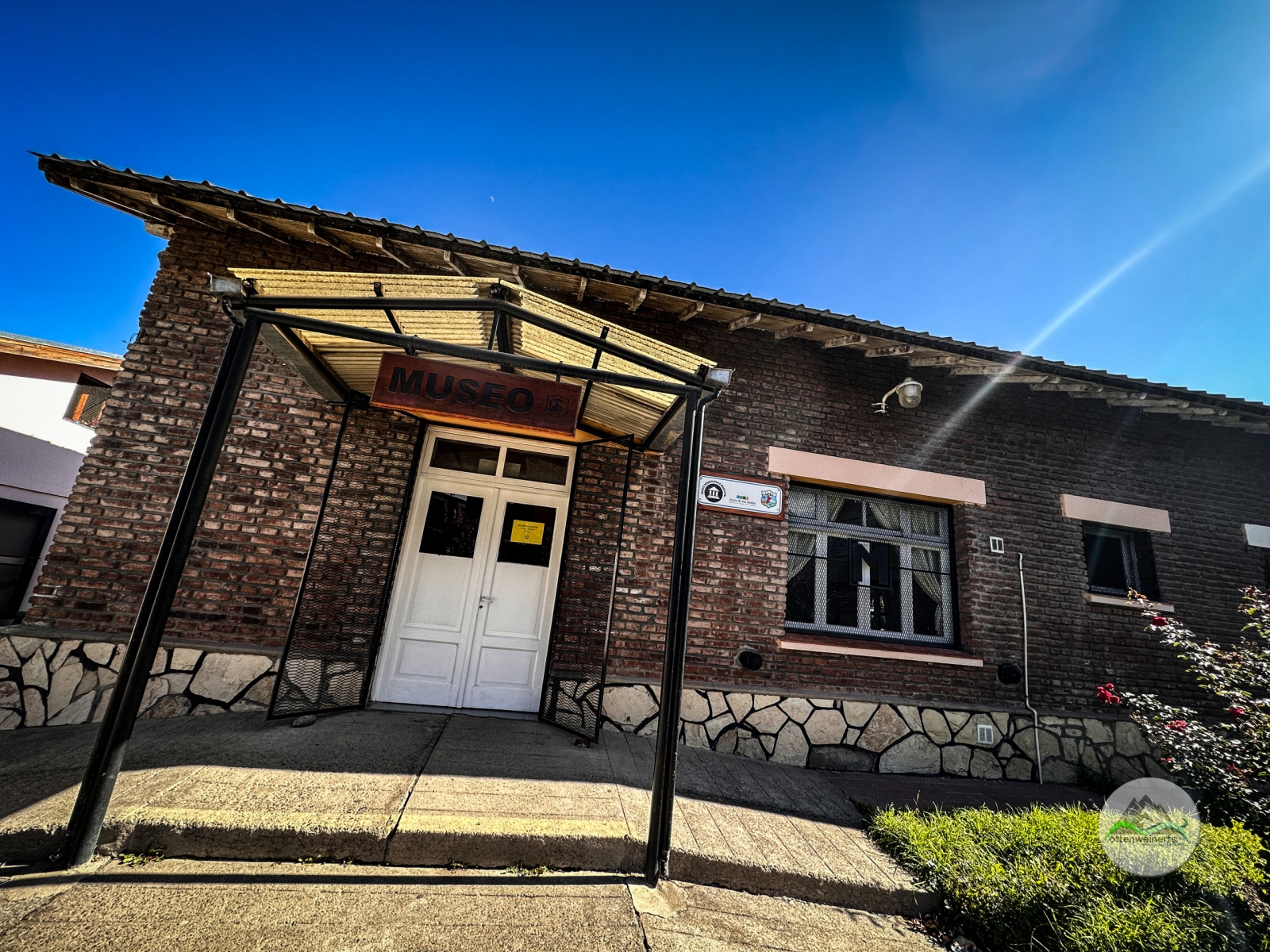
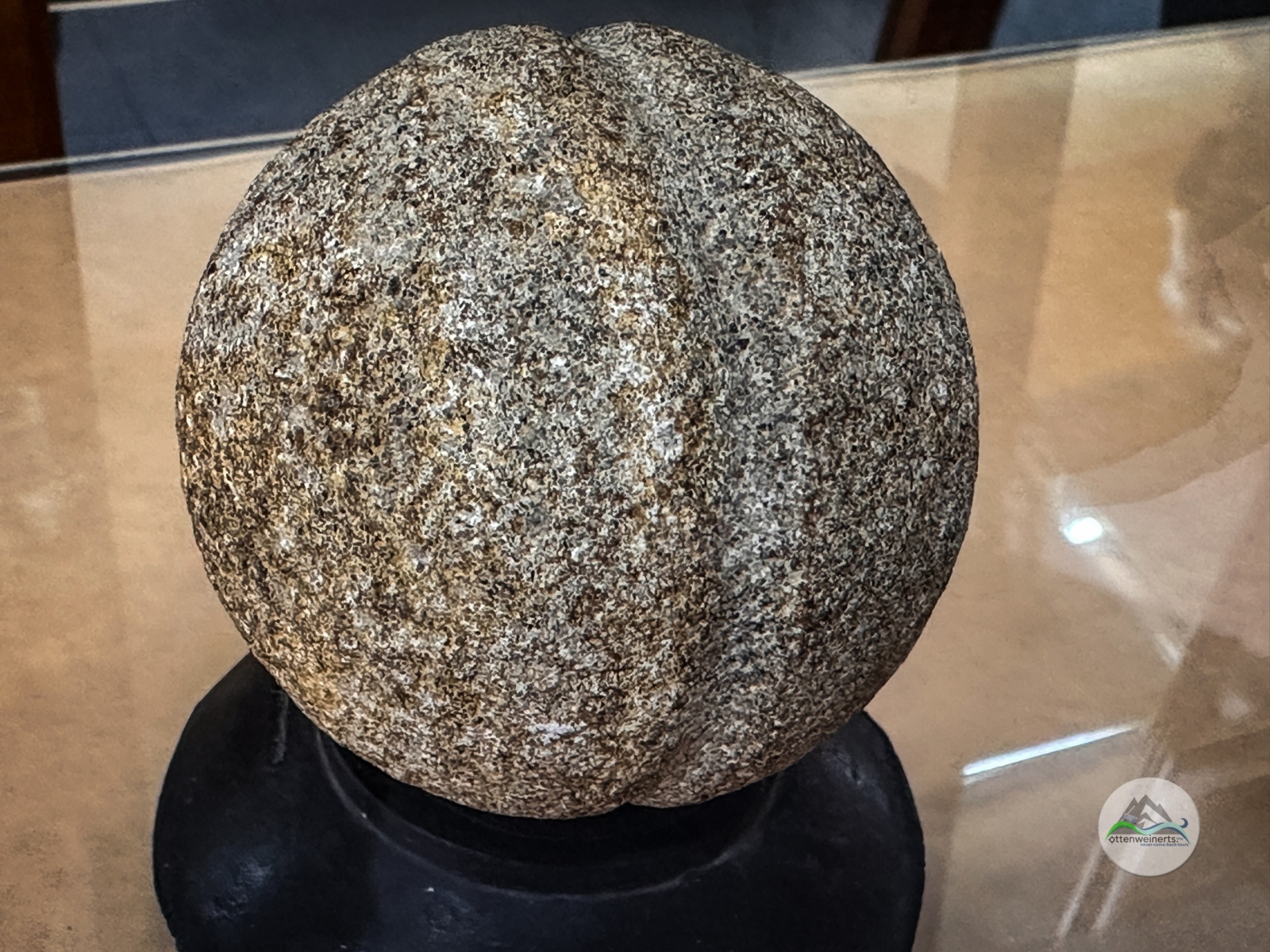
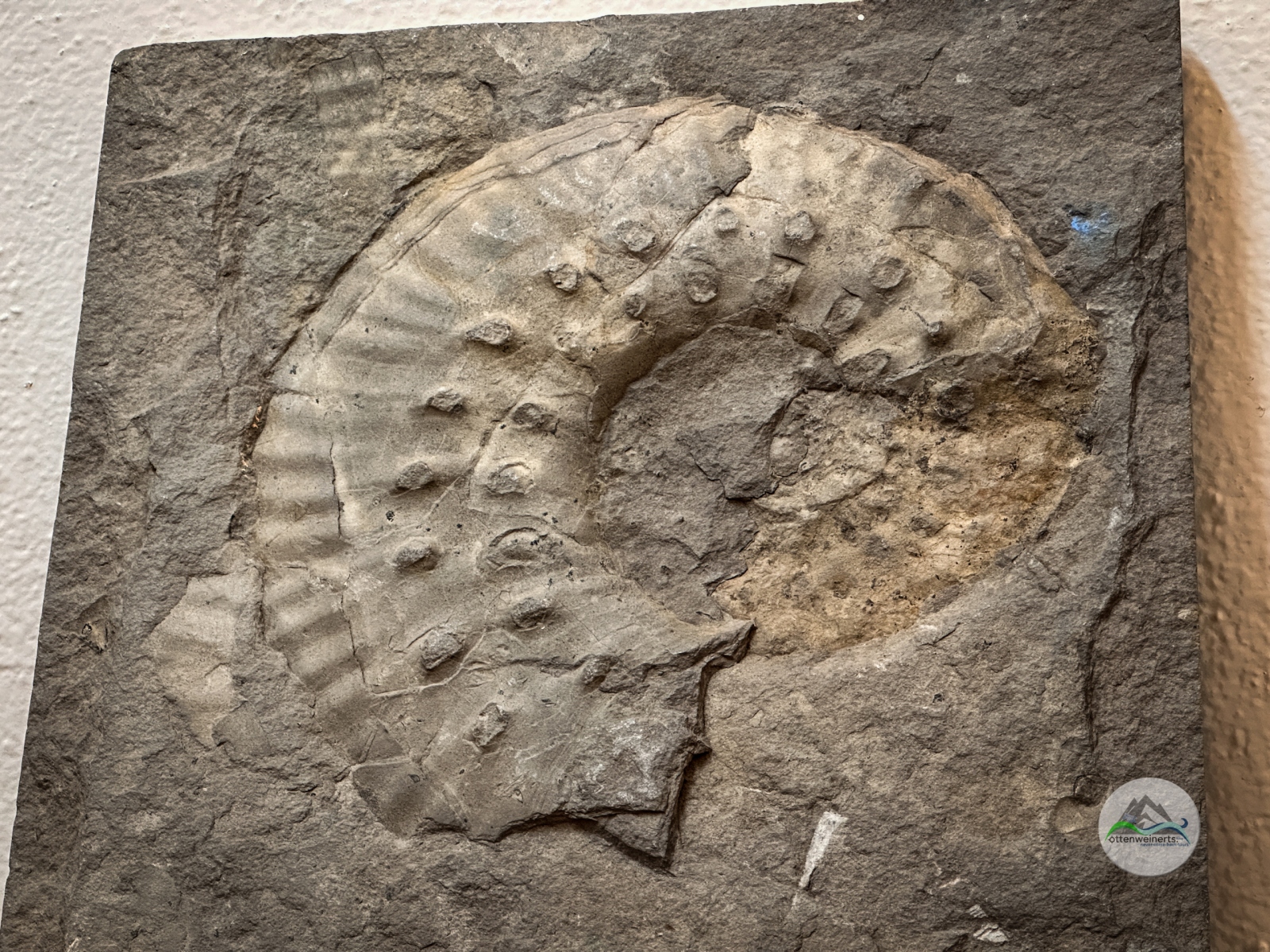
40 km weiter nördlich, in Junín de los Andes, geht es dagegen ganz gemächlich zu. Wir suchen das kleine örtliche Museum Archeológico / Mapuche auf, wir sind die einzigen Besucher und bekommen eine Privatführung. Wir haben auf unserer Reise diese kleinen Heimatmuseen schätzen gelernt – liebevoll zusammengetragene Stücke mit Lokalbezug, in der Umgebung gefundene Artefakte, und MitarbeiterInnen, die zu jedem Exponat eine Geschichte zu erzählen wissen. Hier begeistern uns 70 Millionen Jahre alte Oberschenkelknochen von Riesensauriern, daneben gibt es 10.000 Jahre alte Pfeilspitzen aus Obsidian, viele hundert Jahre alte Zeremonialgefäße aus Keramik und kontemporäre handgemachte hölzerne Musikinstrumente, die von den Mapuche in der Umgebung nach wie vor verwendet werden.

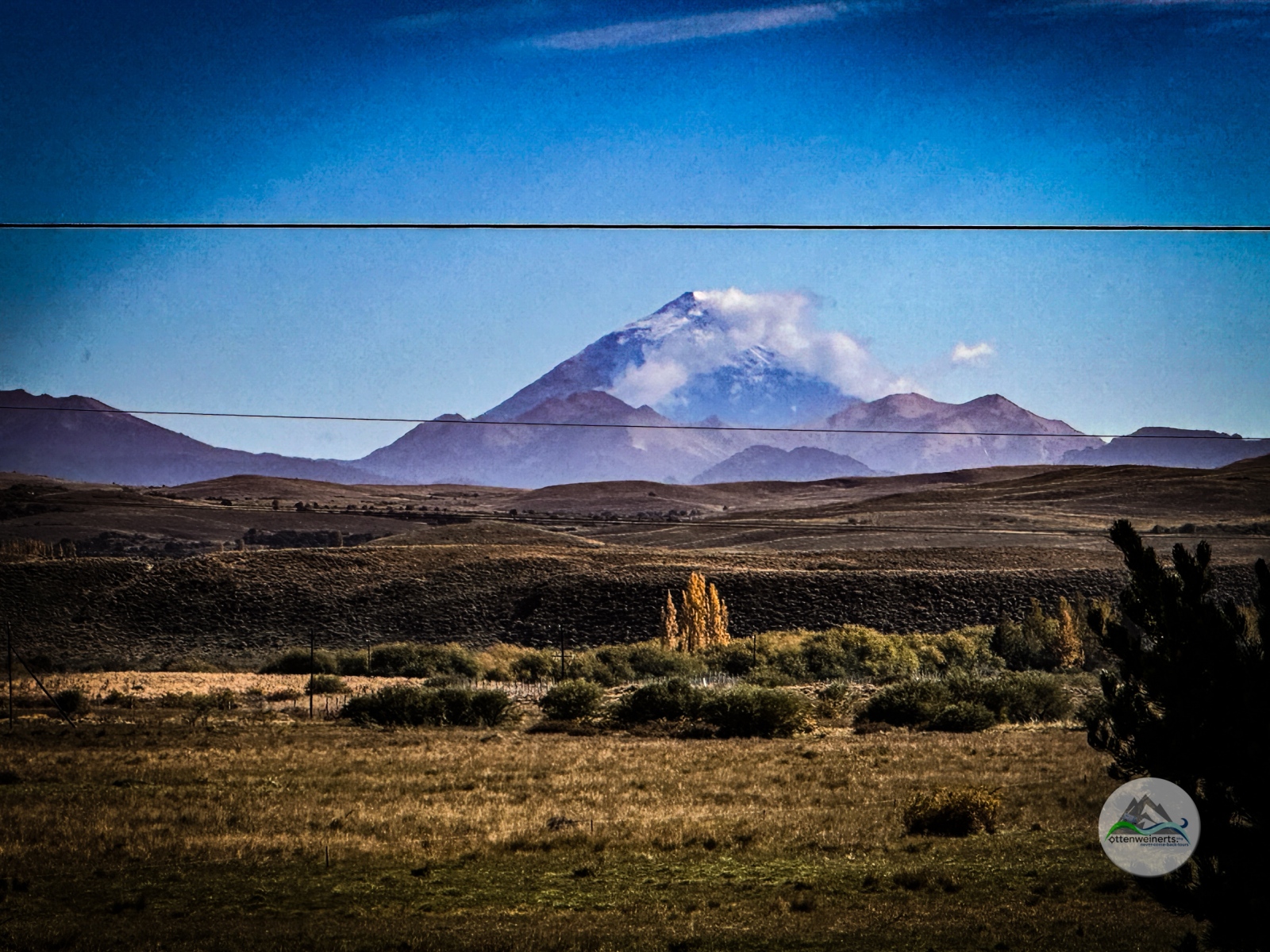
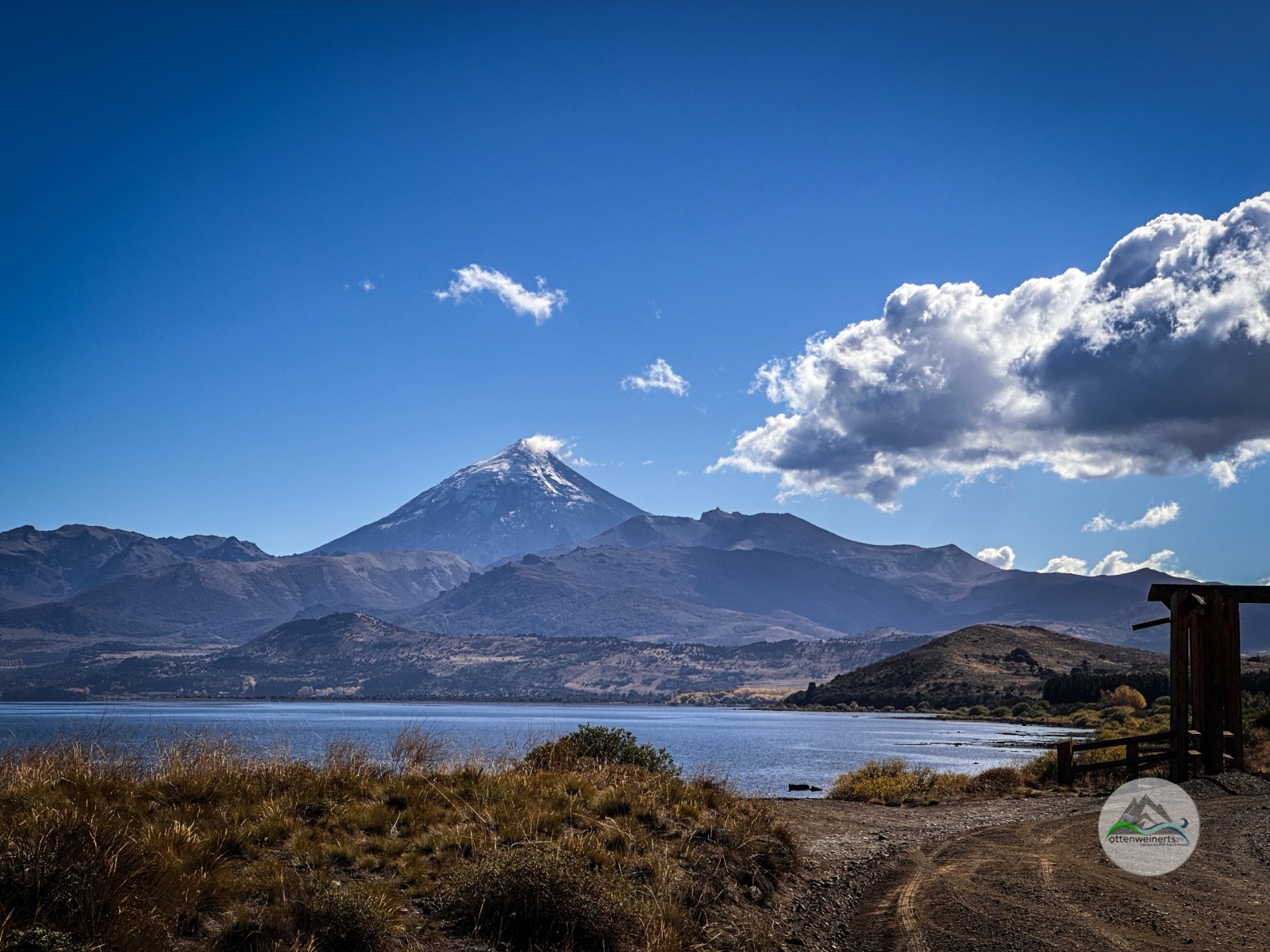
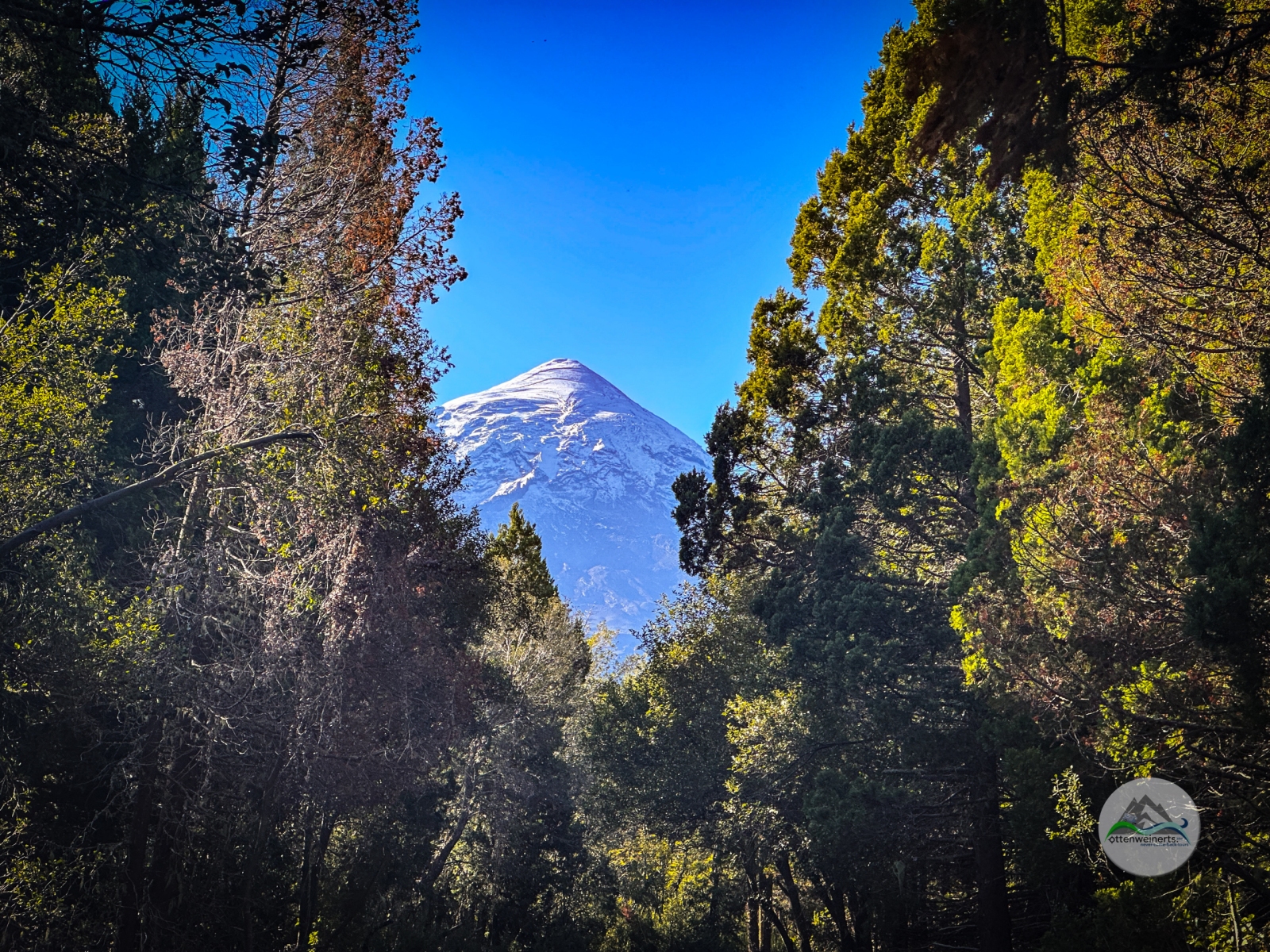
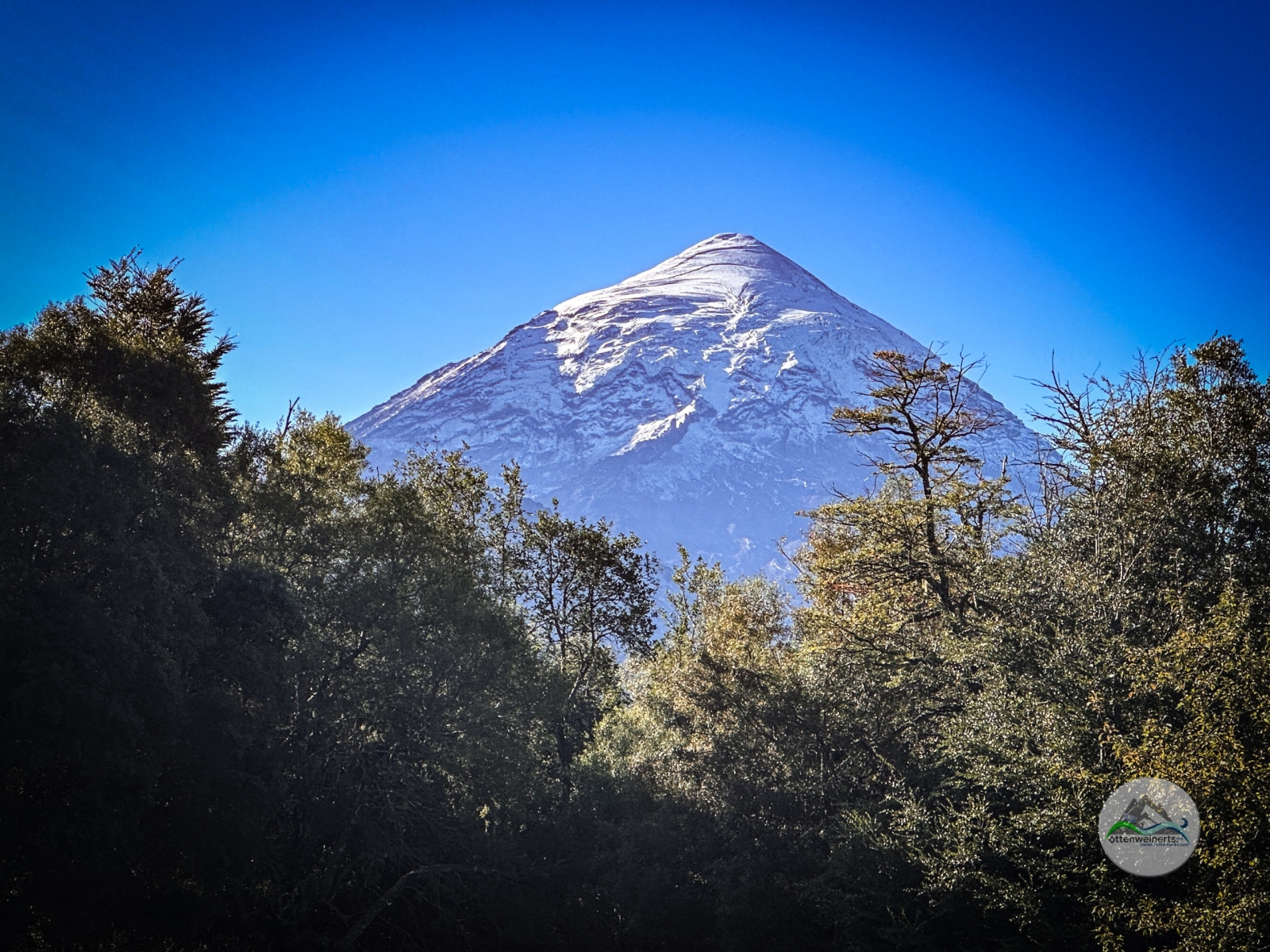
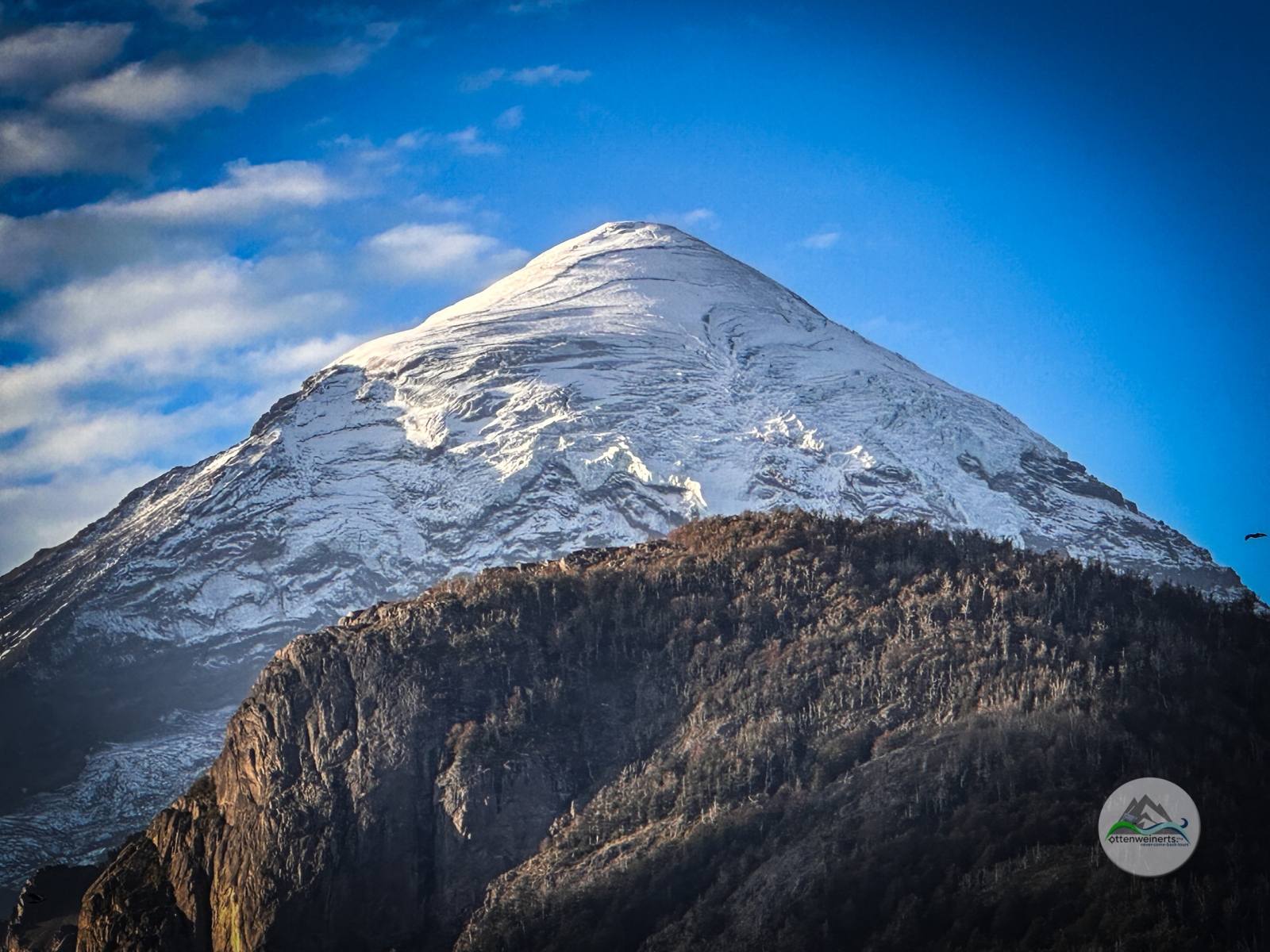
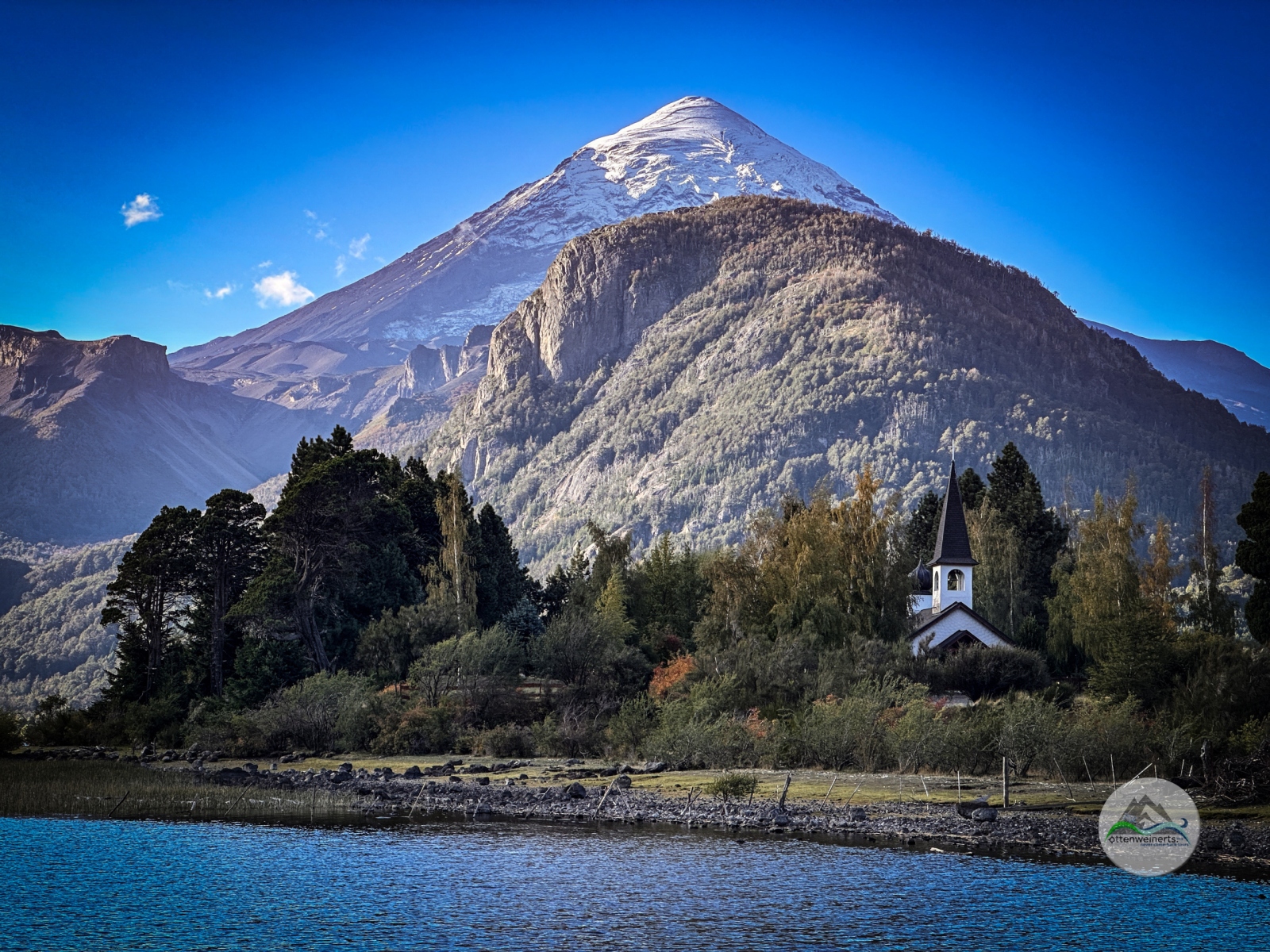
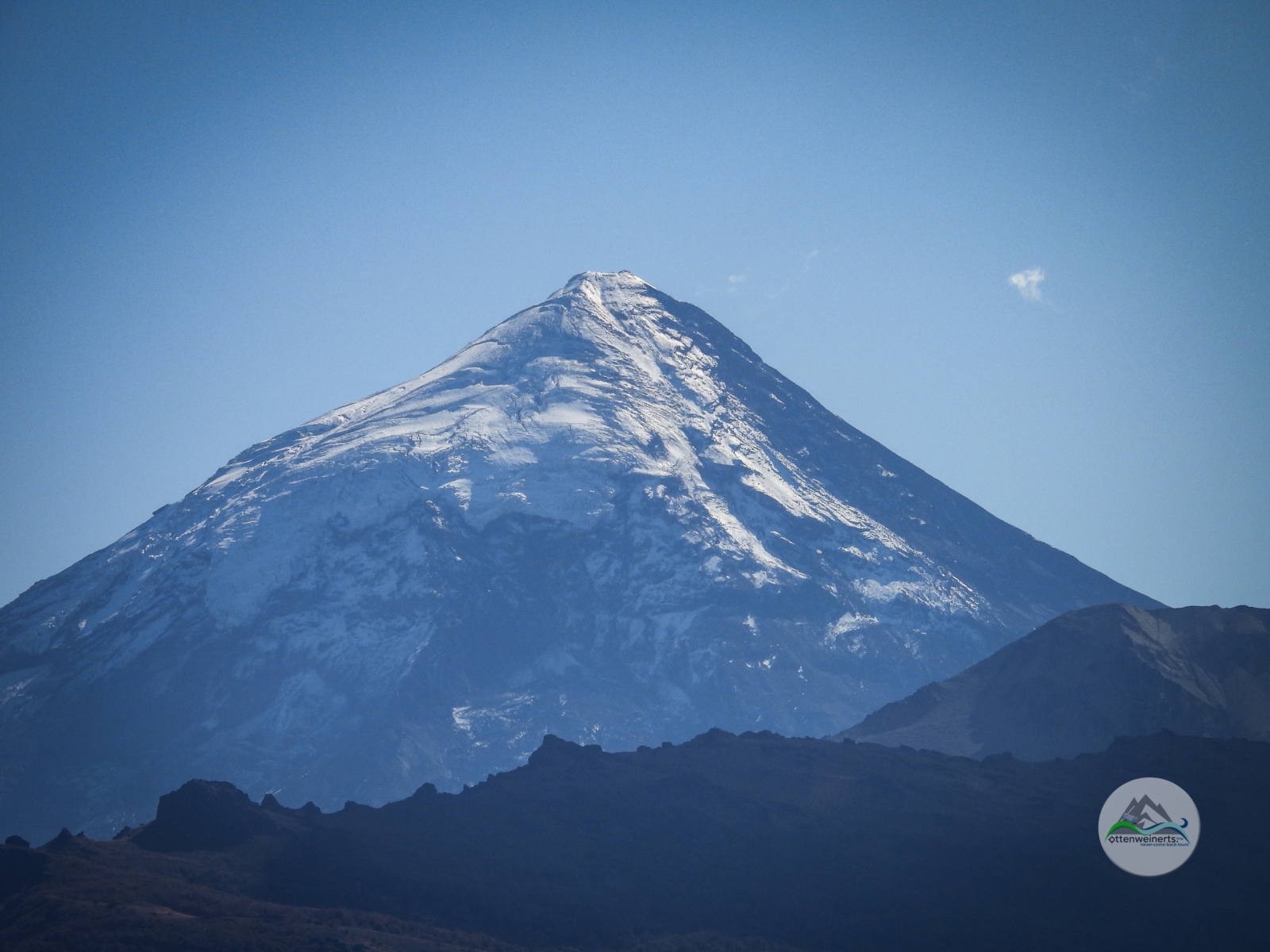
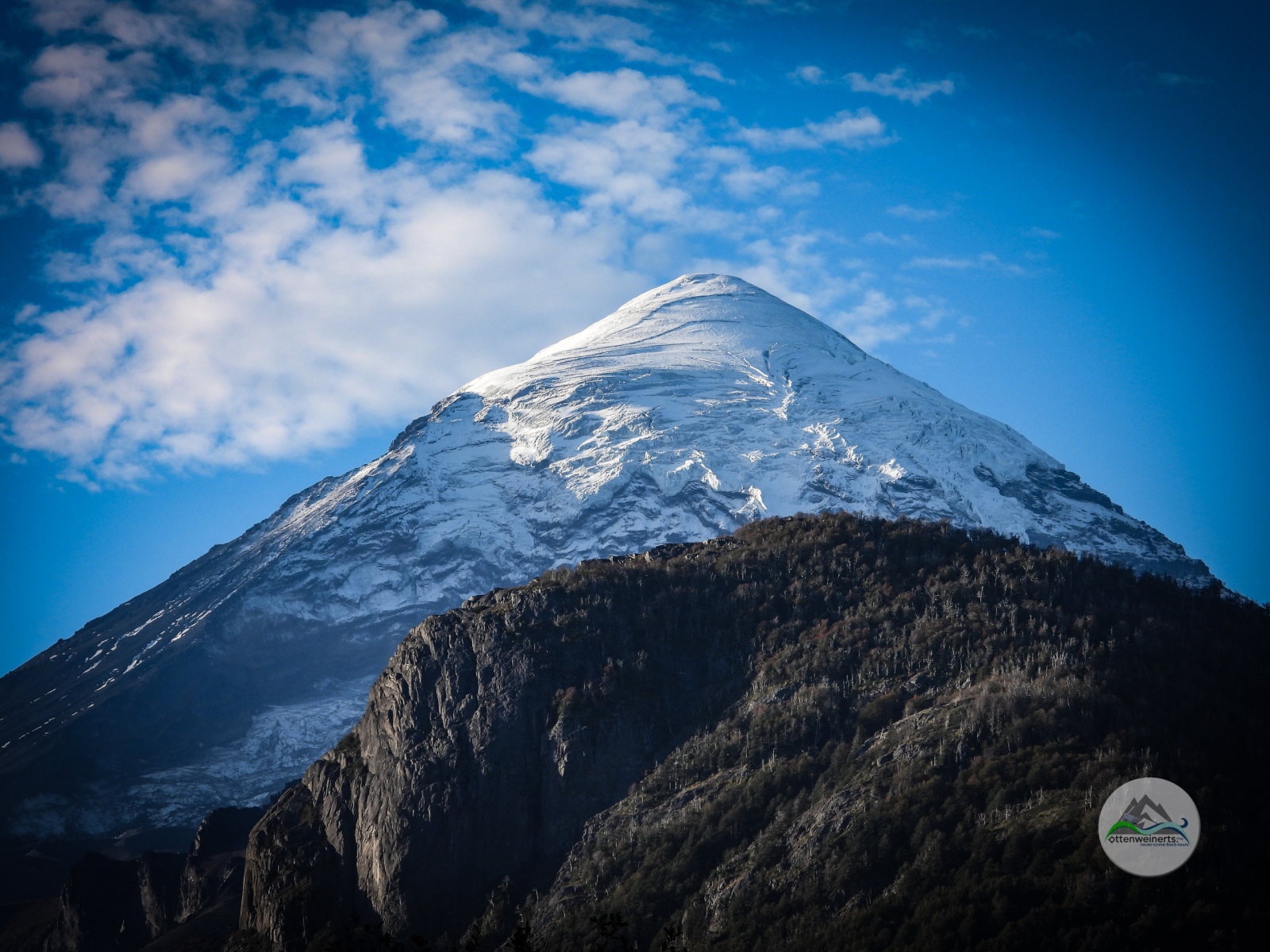
In der Mittagspause stecken wir – ganz altmodisch – die Köpfe über den Papierplänen zusammen, die wir im Tourismusbüro bekommen haben. Über die Ruta 40 weiter und direkt nach Plaza Huincul (mehr Saurierknochen), oder doch nach links in den Nationalpark Lanín mit seinem Bilderbuch-Vulkan abbiegen und dafür viele Kilometer ungepflasterte Piste erdulden? Wir haben den Vulkan bereits auf der Strecke von San Martín nach Junín aus der Ferne gesehen, er sieht einfach toll aus; die Sonne scheint und es sind kaum Wolken am blauen Himmel. Also auf in den Nationalpark – bei Regen oder Nebel wäre die Entscheidung anders ausgefallen, aber das Wetter ist einfach zu schön.

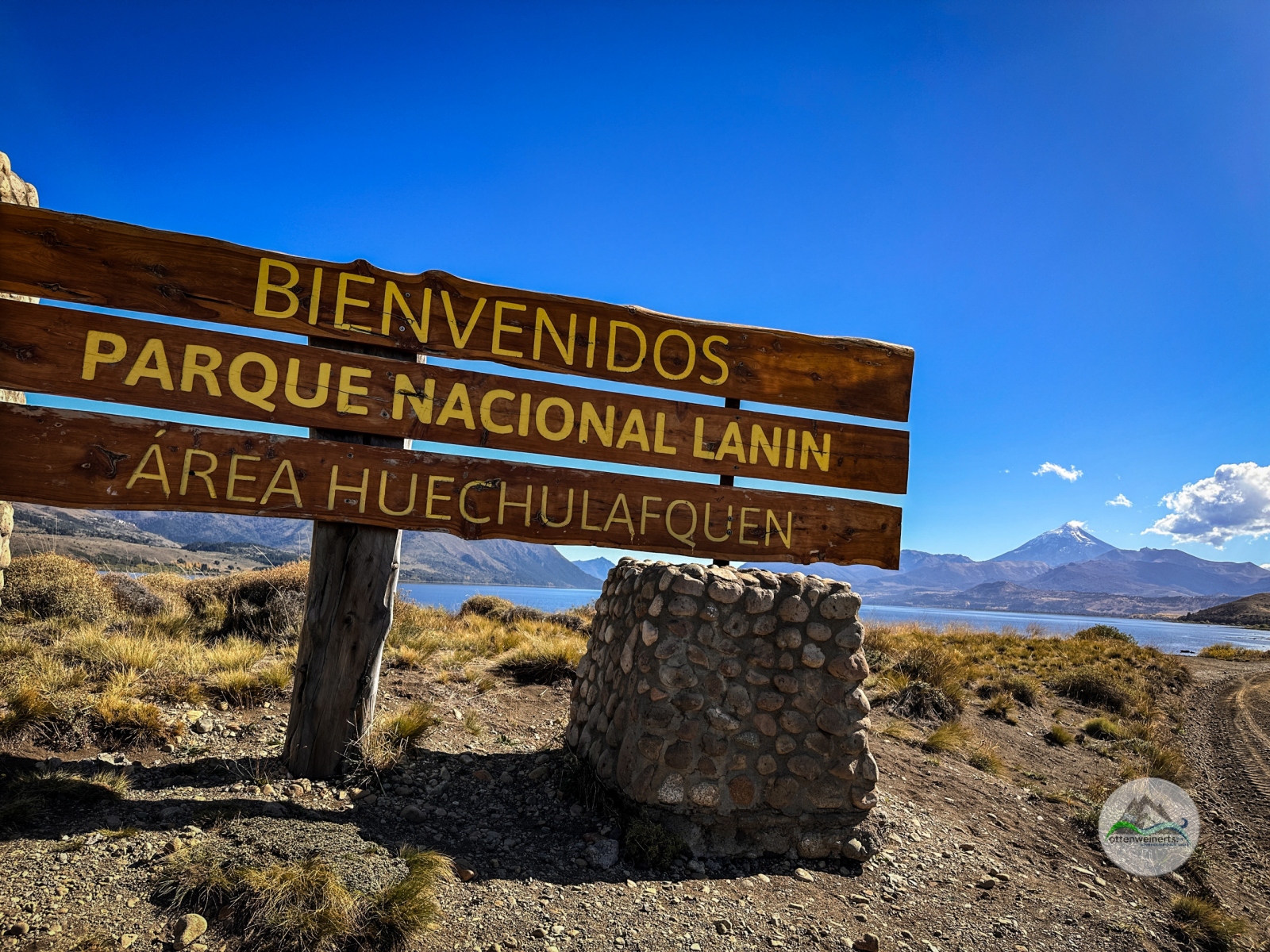
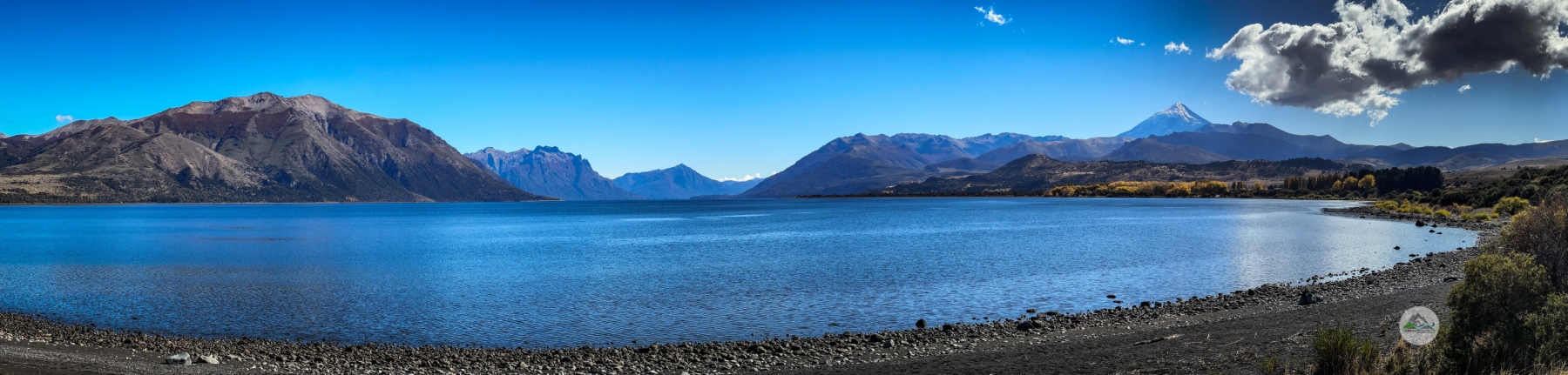
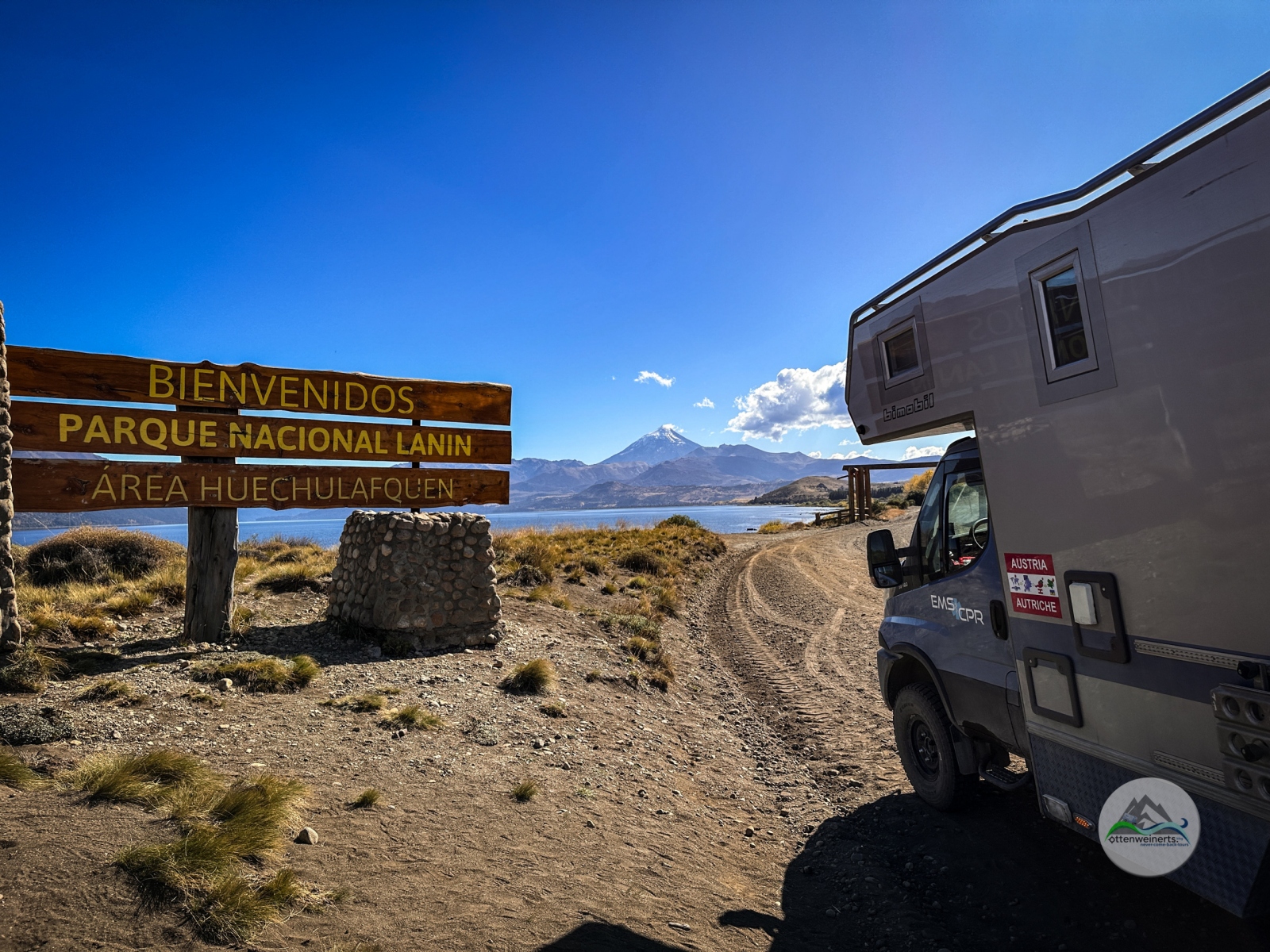
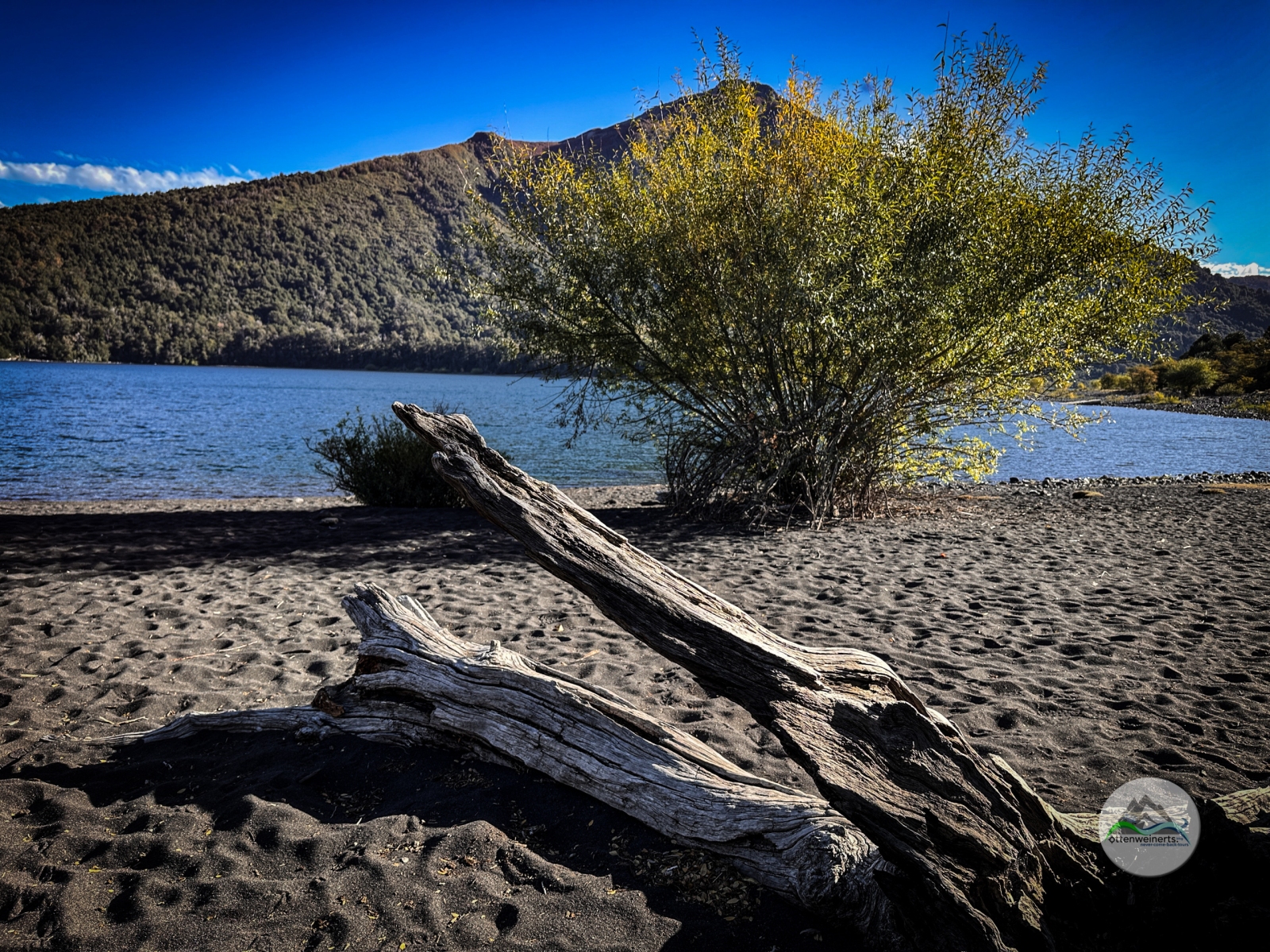
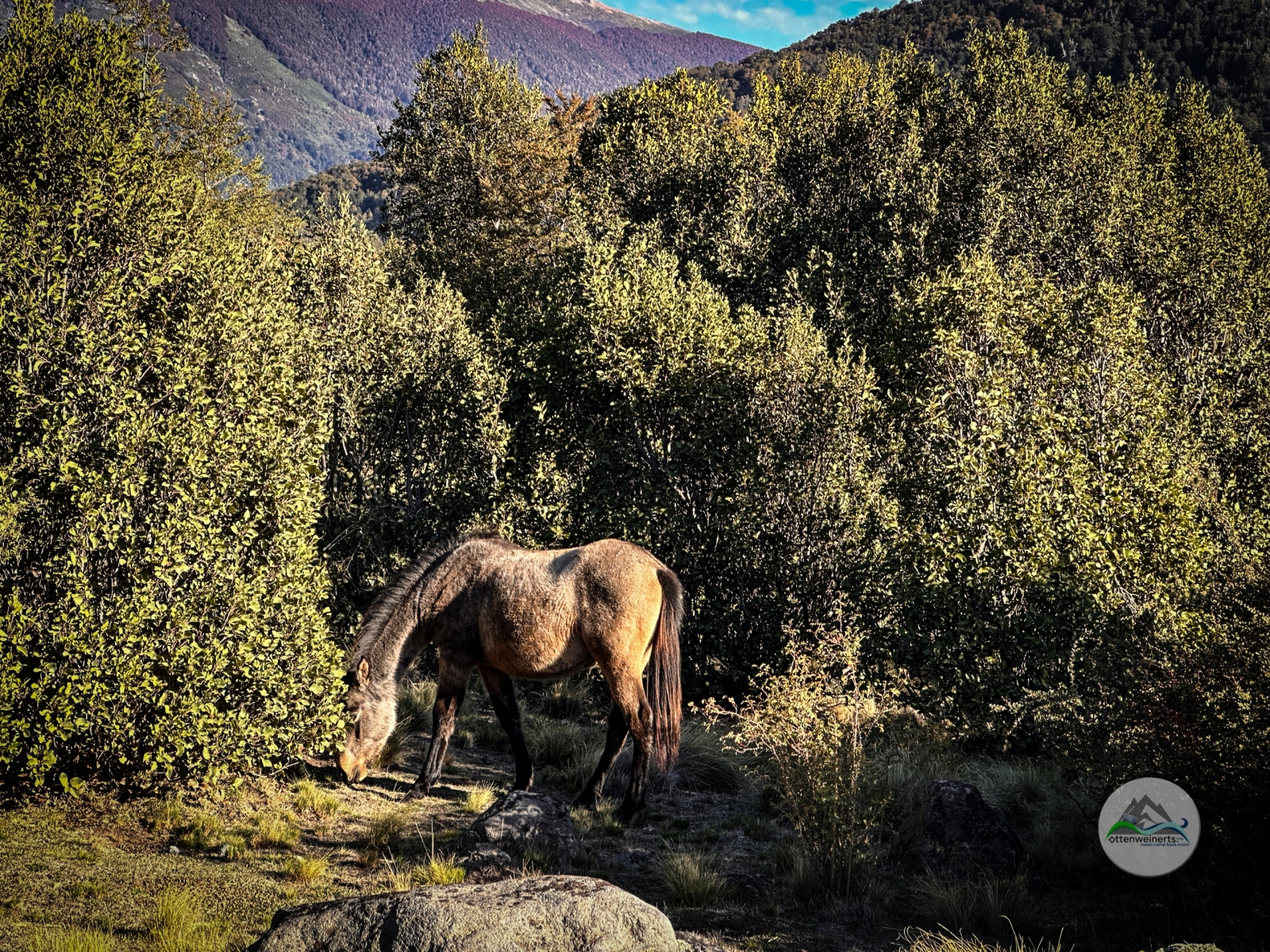
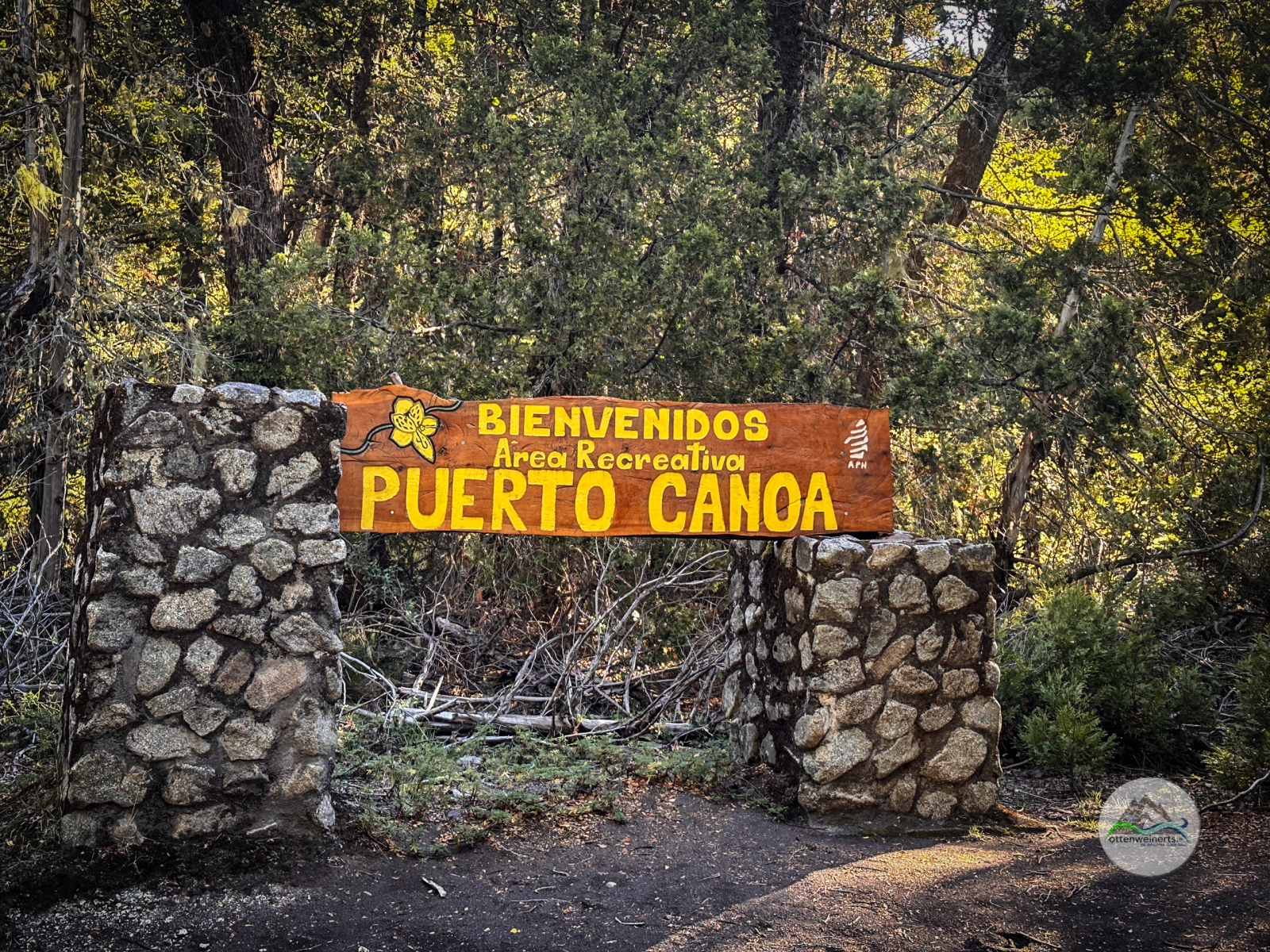
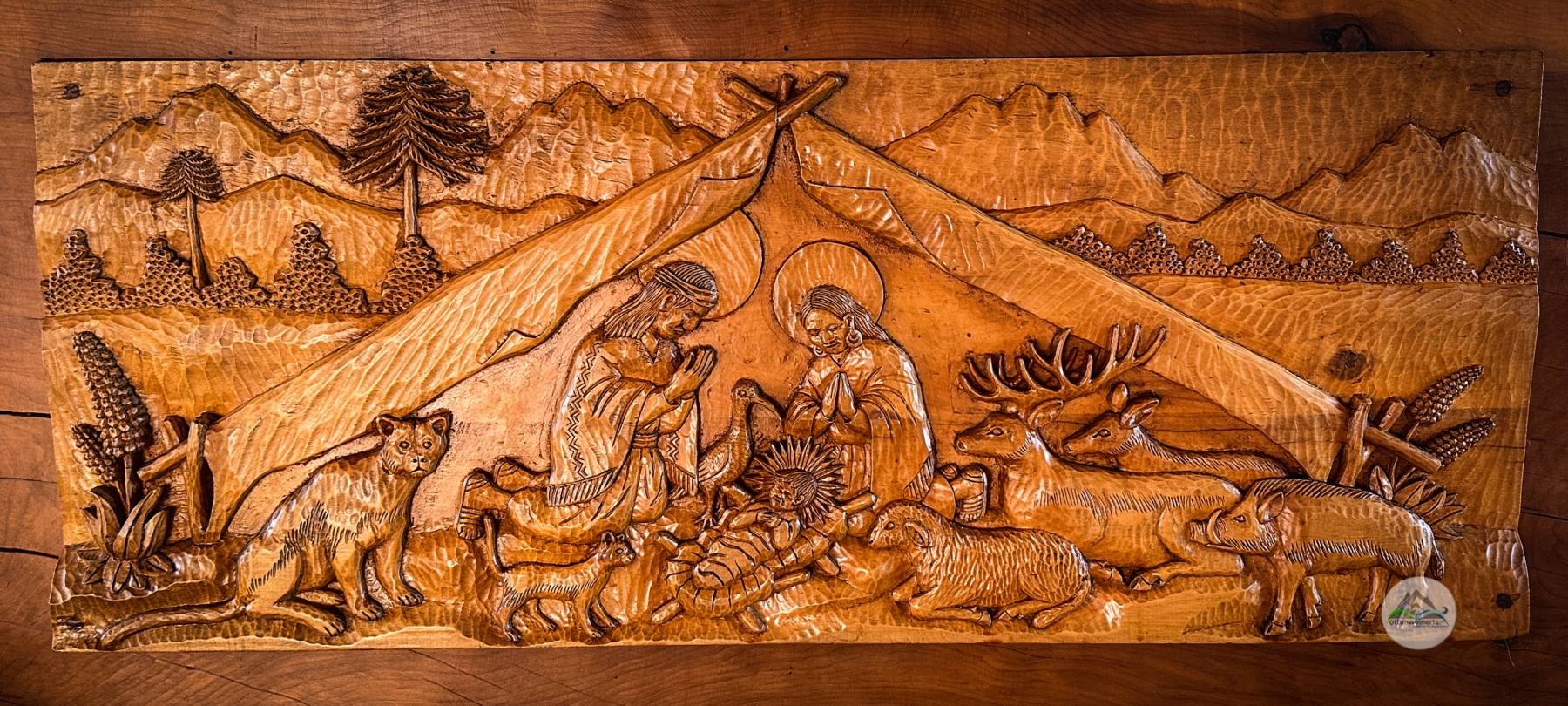
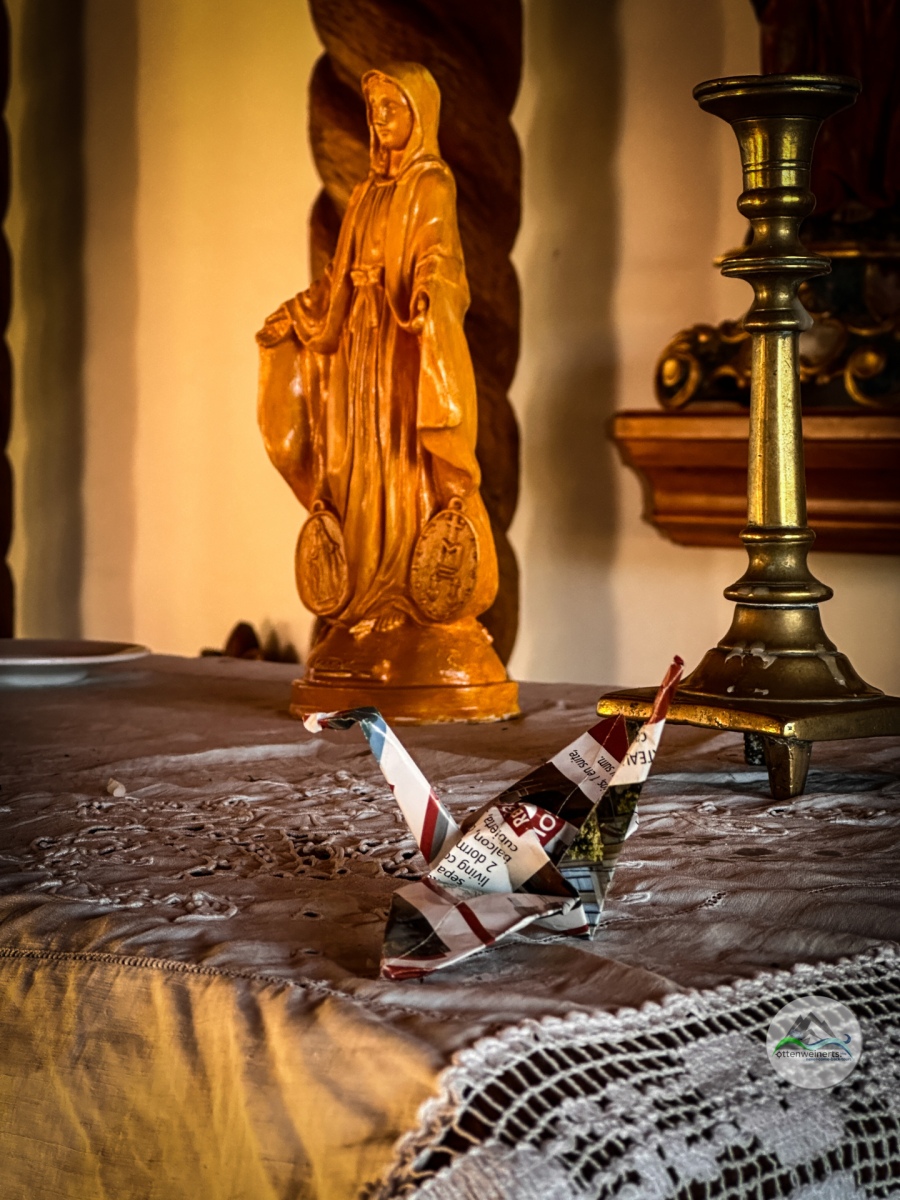
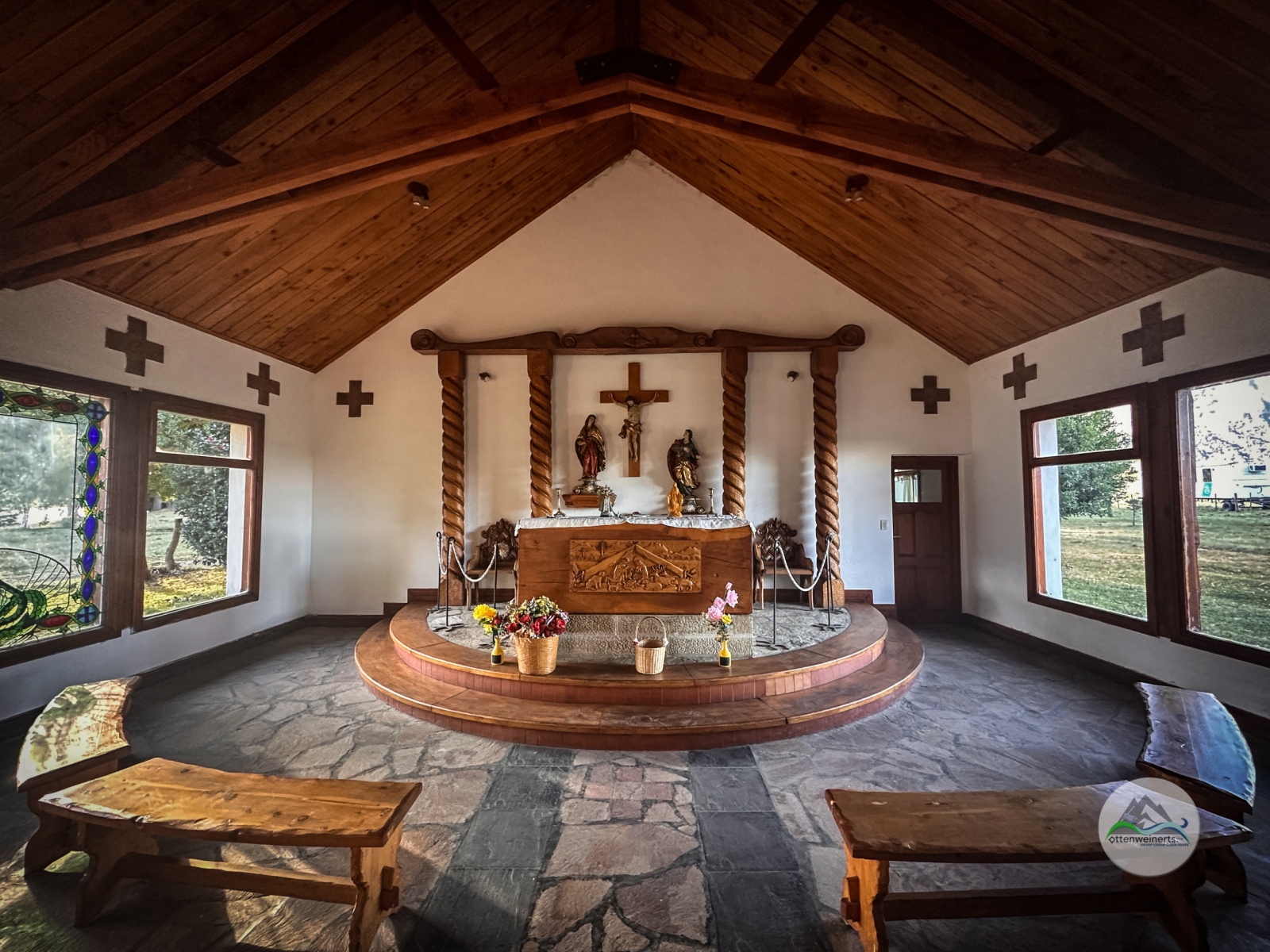
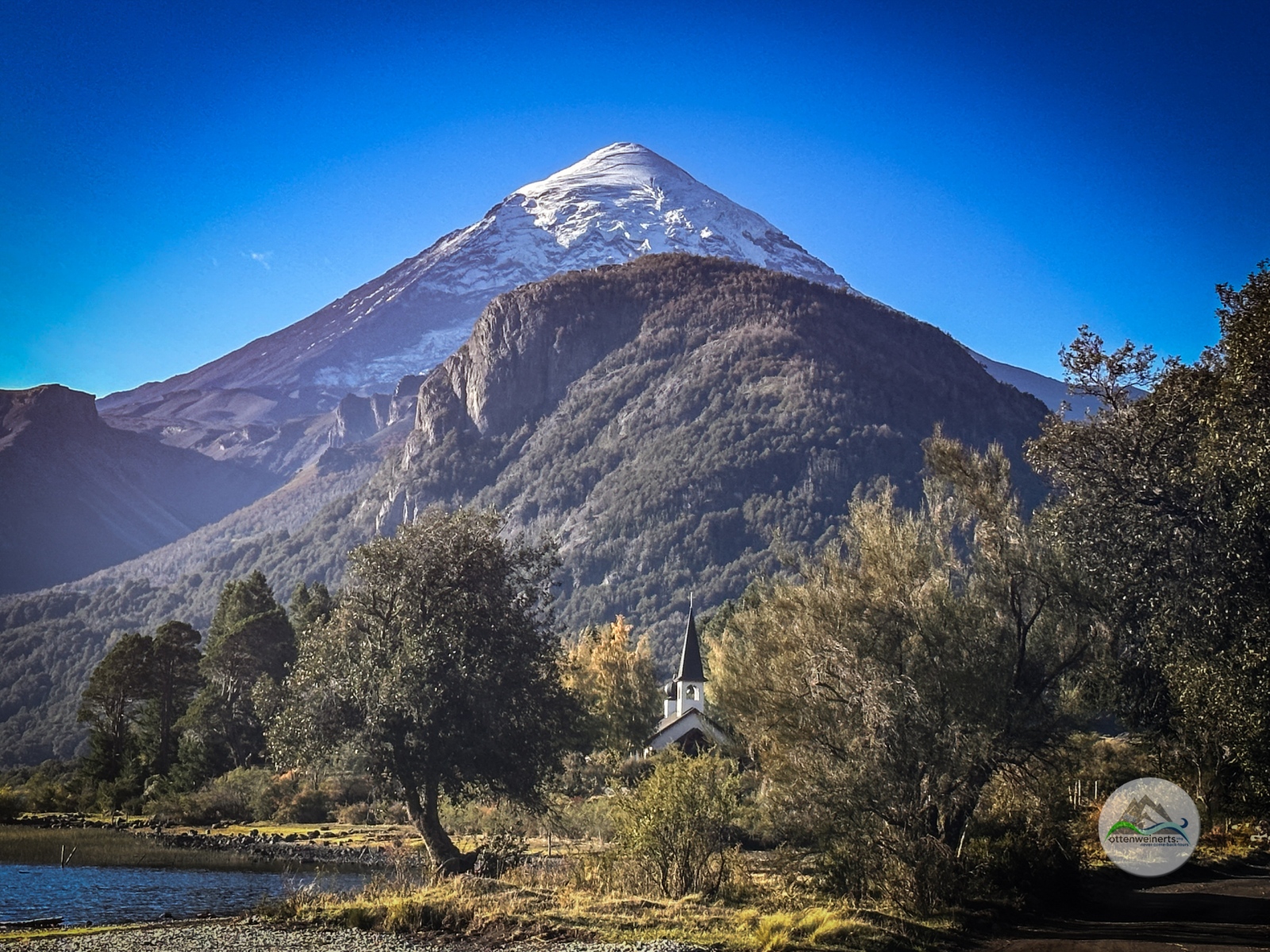
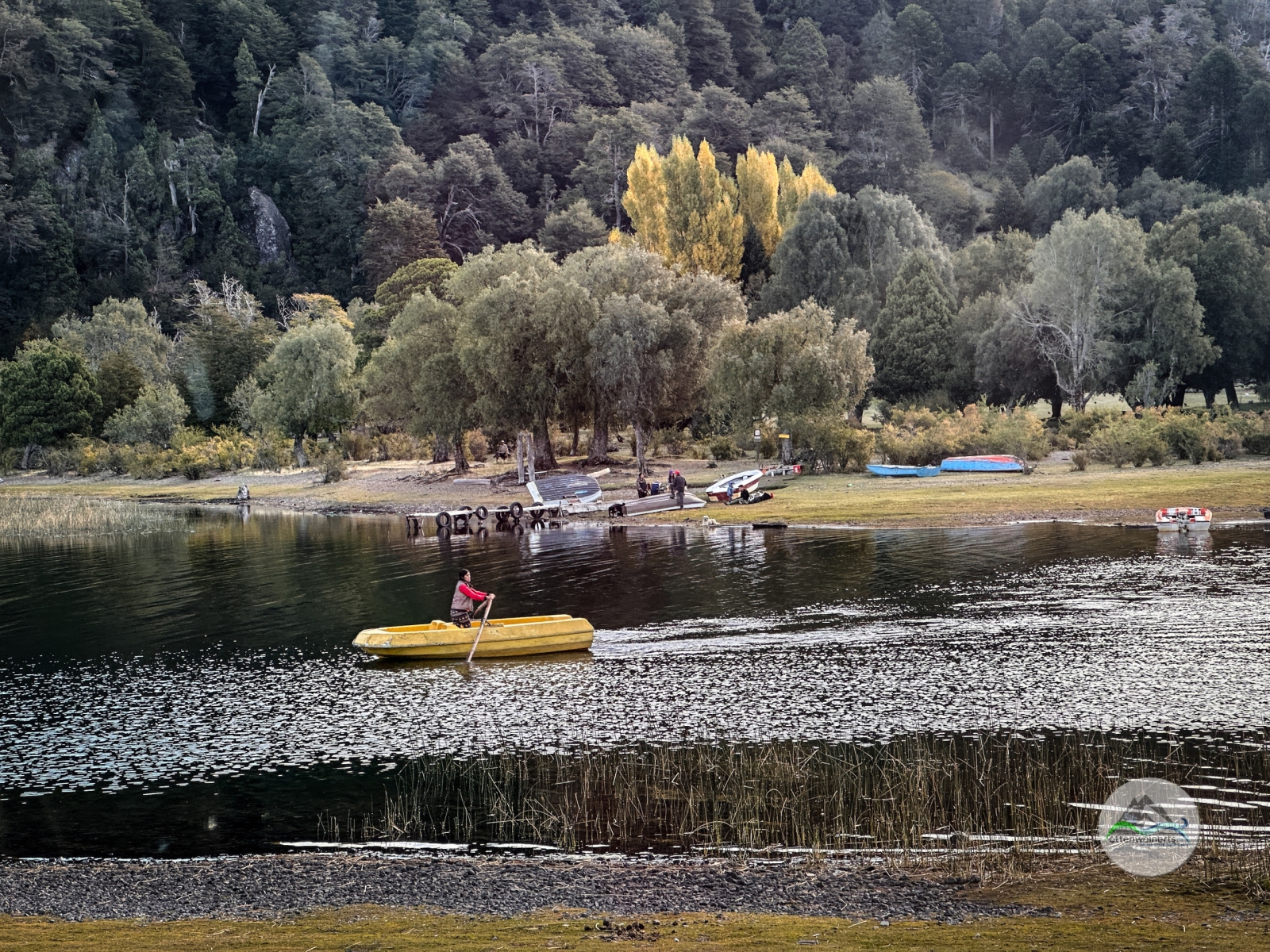
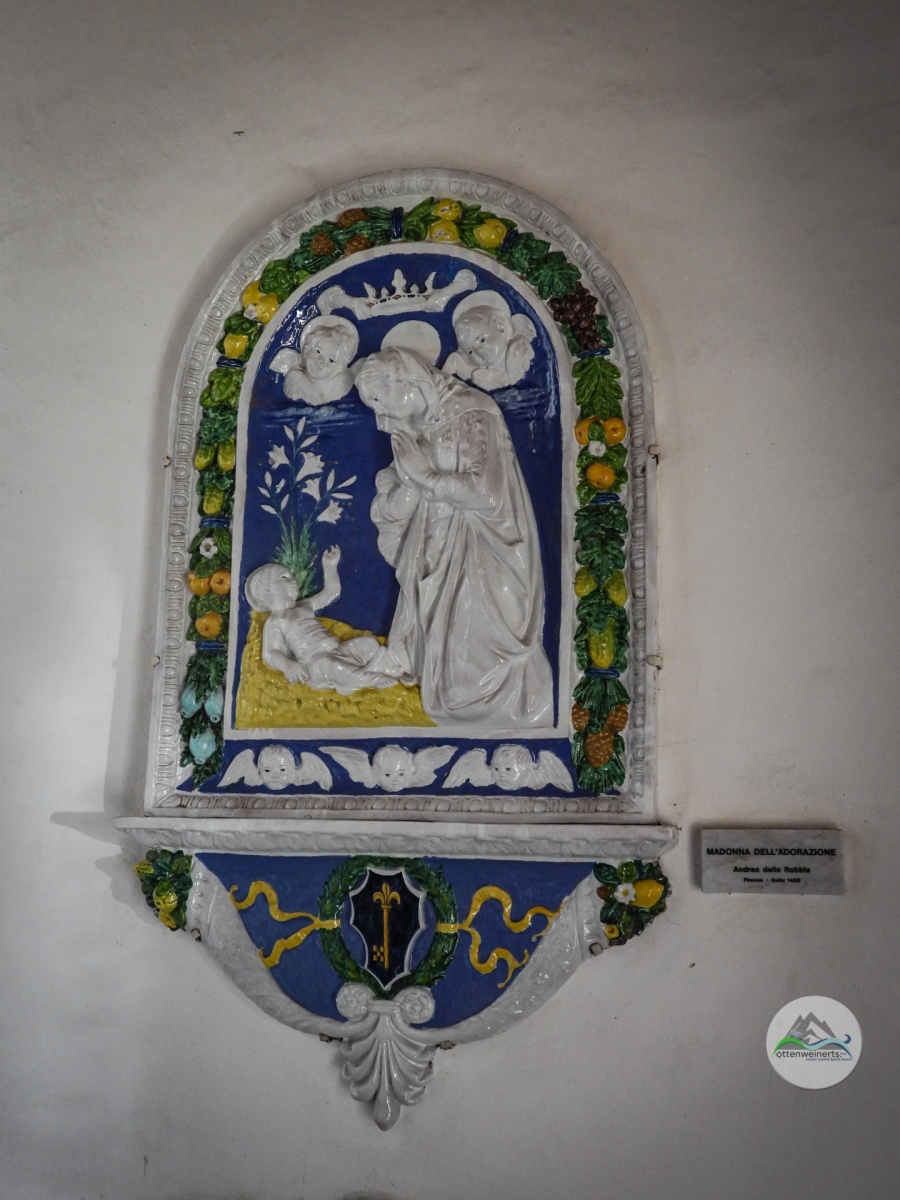
Also fahren wir eineinhalb Stunden „ripio“, den Großteil der Strecke am malerischen Lago Huechulaufquen entlang bis nach Puerto Canoa. Die Sommersaison dürfte ziemlich vorbei sein, die Bootsanlegestelle ist verwaist und das Restaurant hat geschlossen; außer uns sind eigentlich nur Kühe und Pferde, ein paar Hunde und viele Vögel unterwegs. Wir fahren noch ein Stück weiter zur Capilla Maria Auxiliadora, wo wir im holzgeschnitzten Altarbild die lokale Fauna entdecken – Hirsche, Puma, Wildschwein, Schaf und Bandurria scharen sich um die Krippe.

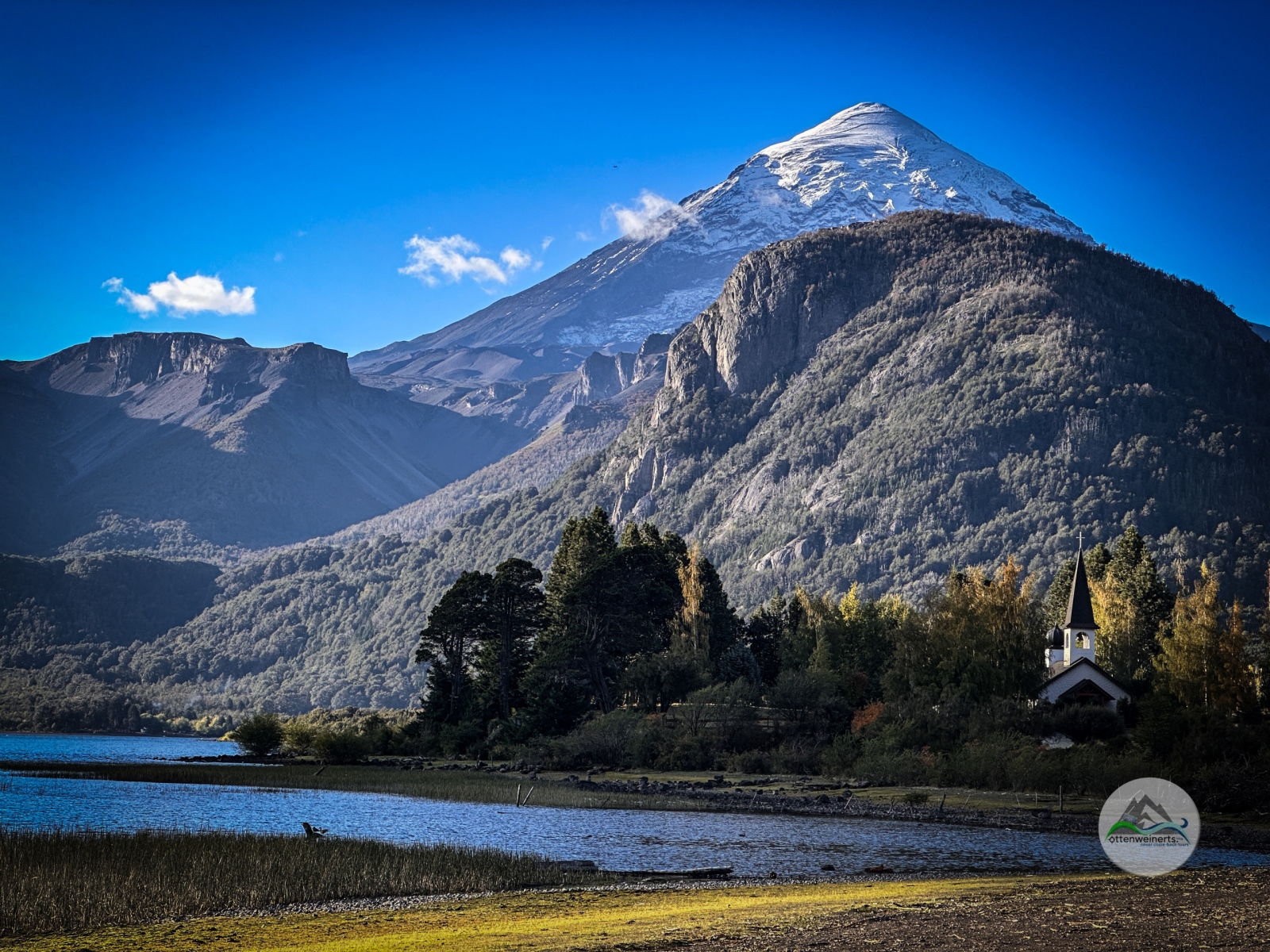
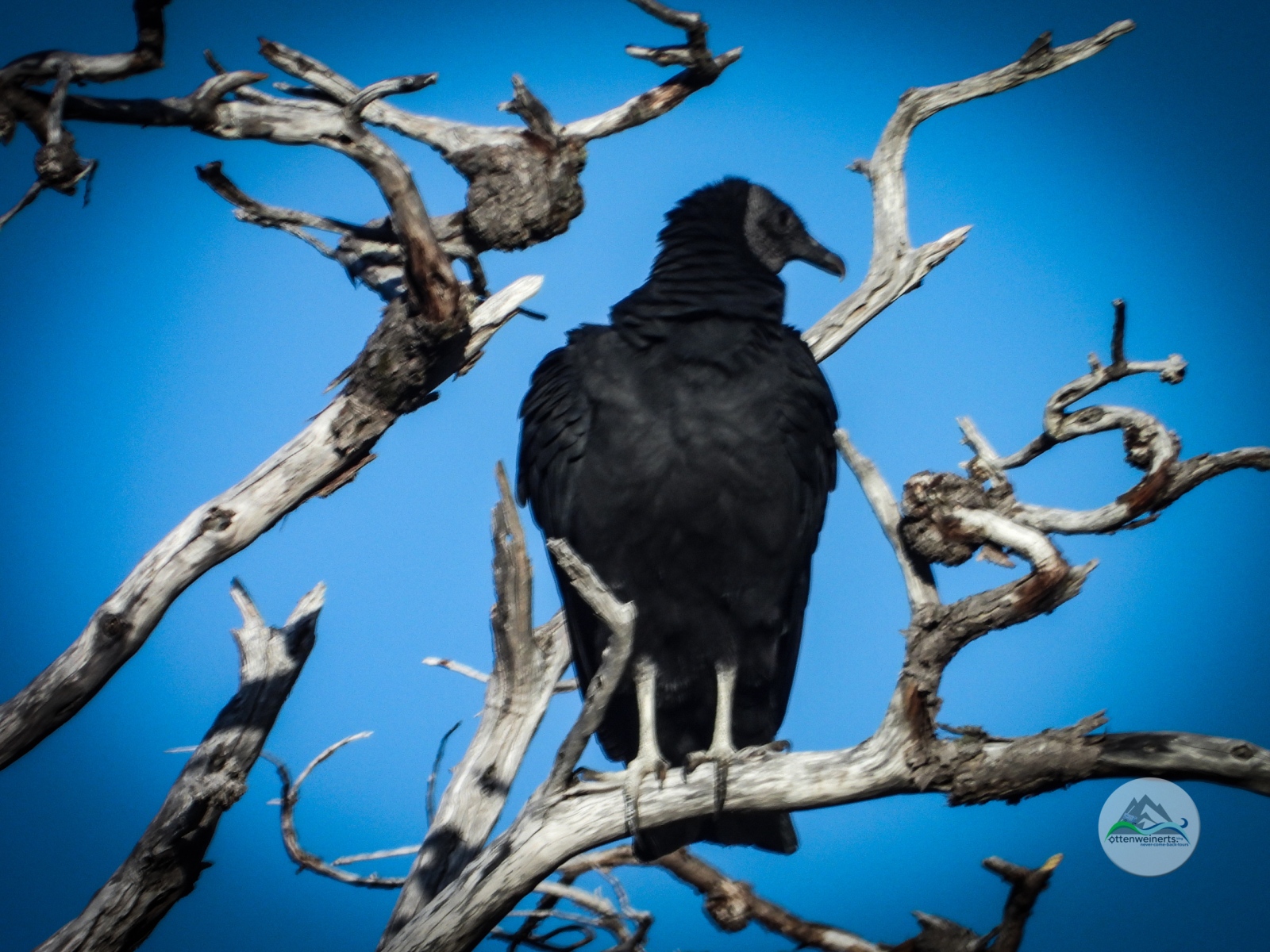
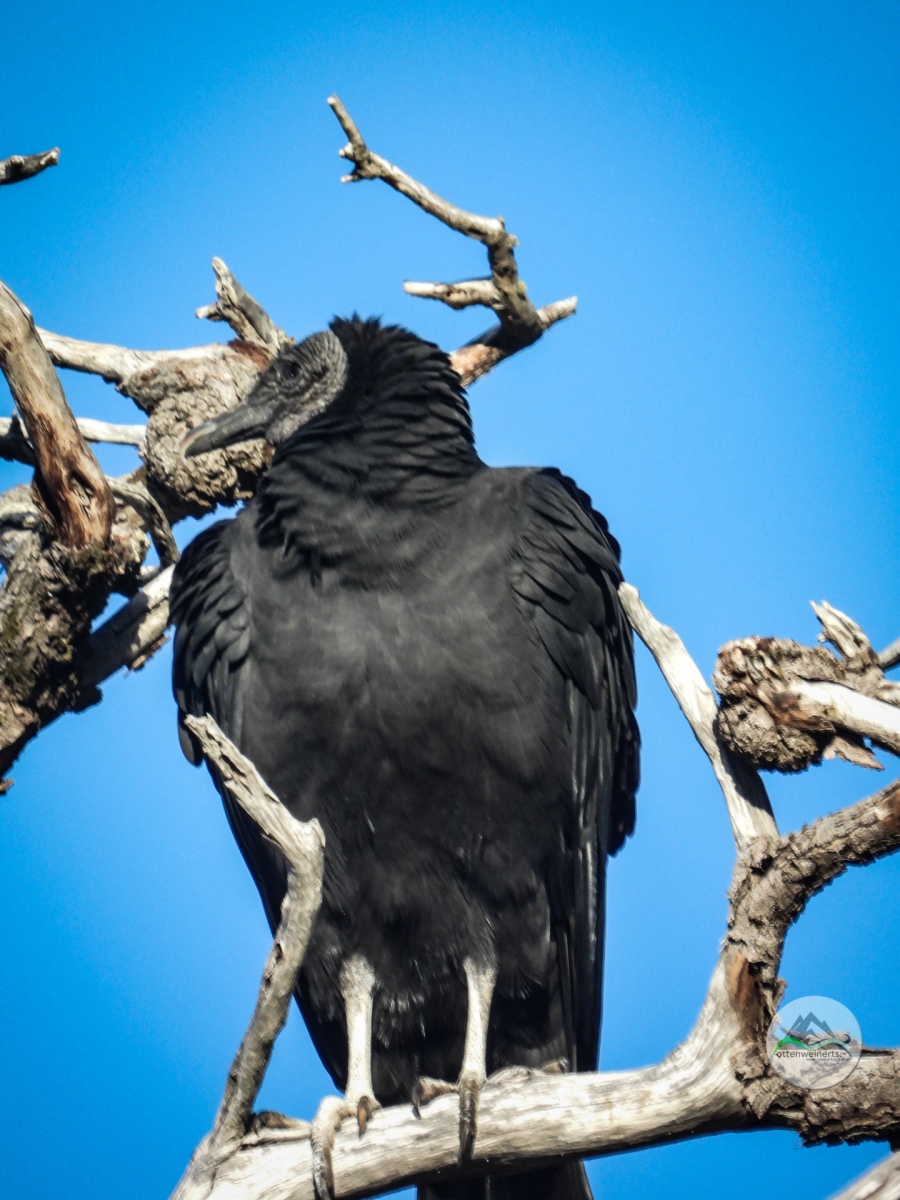
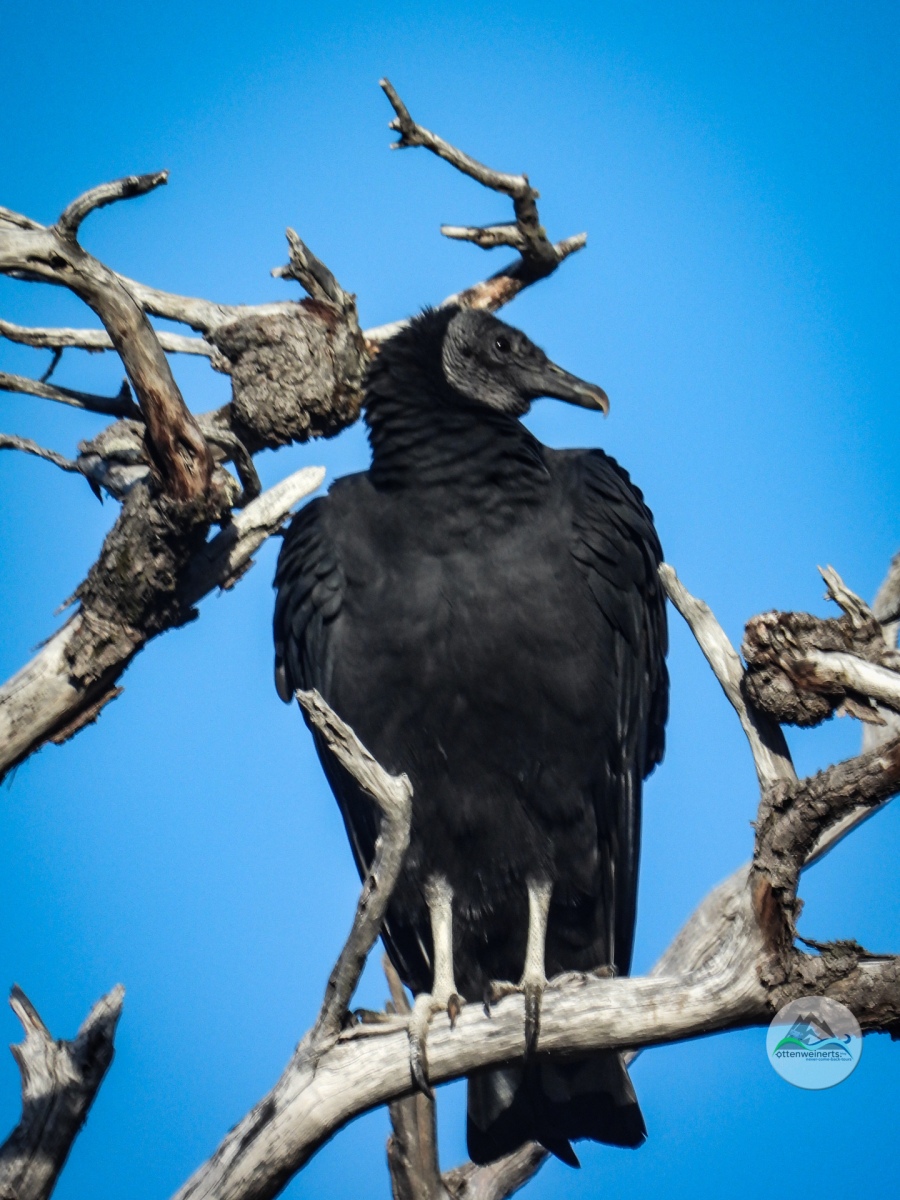
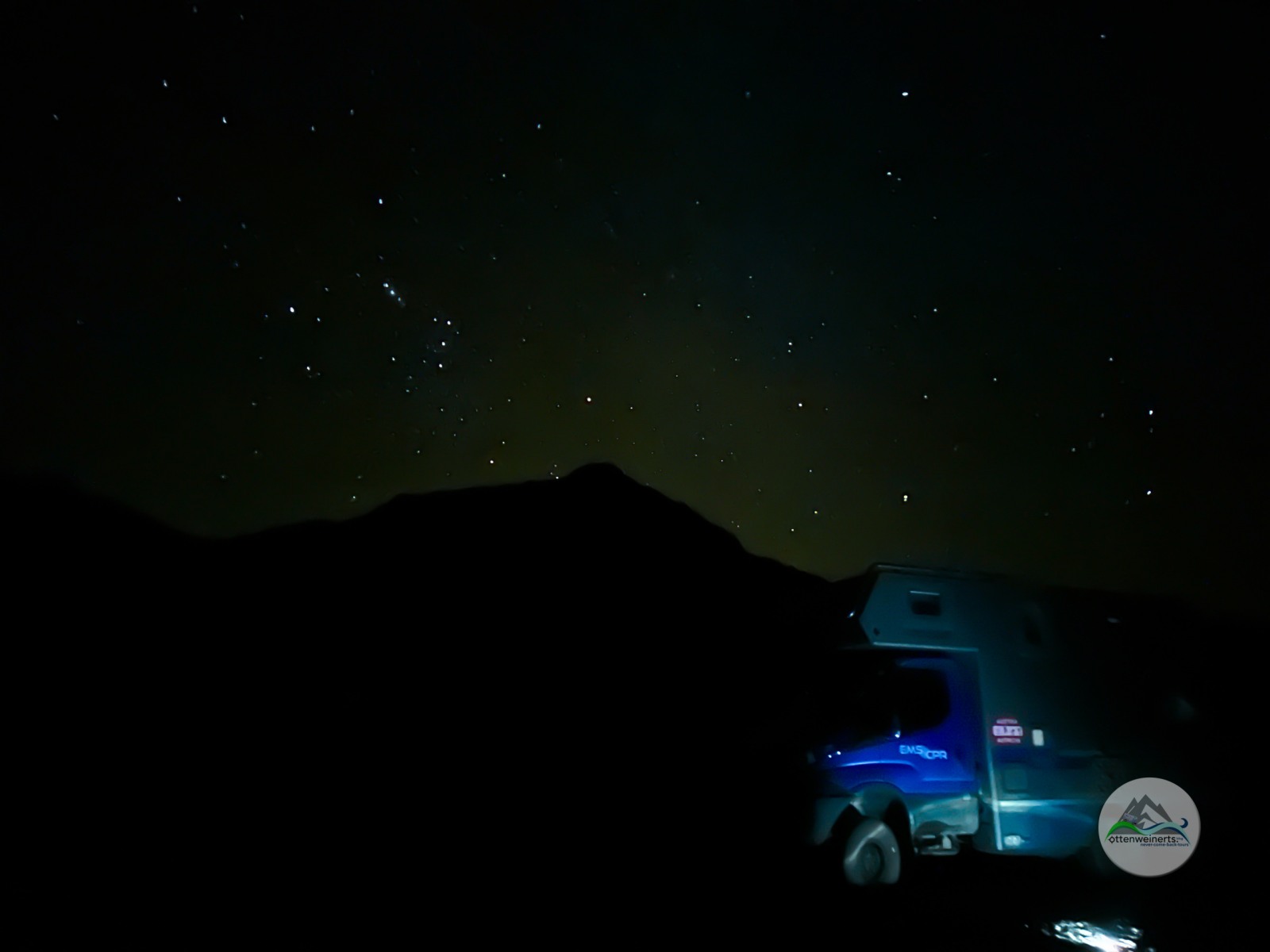
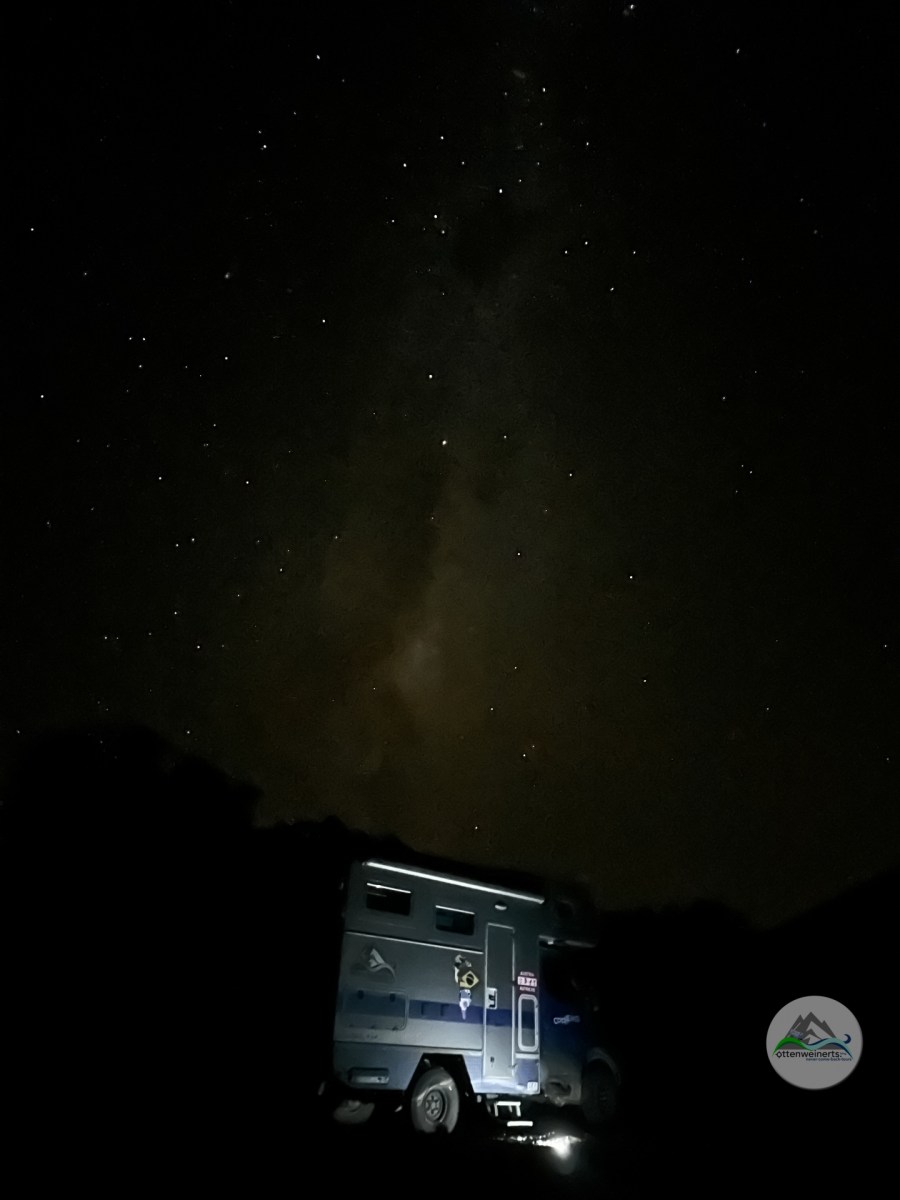
Hier befindet sich auch die Engstelle zwischen dem Lago Huechulaufquen und dem Lago Paimún; es gibt einen Strand, einen Bootspier und einen Picknickplatz, Hasen und kleine Vögel flitzen über die Wiese, zwei Geier betrachten die Szene gelangweilt von oben – viel zu lebendig alles für ihren Geschmack. Für uns ist es genau richtig, wir parken uns am Strand ein, genießen das Farbenspiel des Sonnenuntergangs auf der schneebedeckten Spitze des Lanín aus unserem Wohnzimmerfenster und später in der sternenklaren Nacht einen unbeschreiblich schönen Sternenhimmel.

Day 362 / 338 – Junín de los Andes and Parque Nacional Lanín

In the morning, we walk to the tourist office to get some info about the Lanín National Park, then we try to get out of town as fast as possible. There is a lot going on in San Martín today, streets are closed, finish lines and stages are prepared, and most people on the streets are wearing sports gear and running shoes – obviously, one of the main events of the Spartan-Trail World Championship will take place today.

25 miles further north, in Junín de los Andes, the atmosphere is far more relaxed. We visit the tiny archeological and Mapuche museum, we are the only visitors and we are treated to a private guided tour. During our journey, we have learned to value these small local history museums, full of carefully selected exhibits of local origin, artefacts which have been found in the area, and museum staff who know a lot about each and every piece and its history. We are excited to see 70 million years old femurs of giant dinosaurs, 10.000 years old arrow heads made of obsidian, many hundred years old ceremonial ceramics as well as contemporary wooden music instruments which are still being used by the local Mapuche communities.

At lunch, we study the paper maps (how old school!) we received at the tourism office in San Martín – continue on Ruta 40 directly to Plaza Huincul to see more dinosaur fossils, or turn left into Parque Nacional Lanín with its picturesque volcano, enduring many miles of unpaved road? We have seen the Lanín Volcano from afar, driving from San Martín to Junín – the volcano looks spectacular, the sun is shining and there are almost no clouds in the sky. So, national park it is; with rain and or clouds, the decision would have been different, but the weather is too good to pass this opportunity.

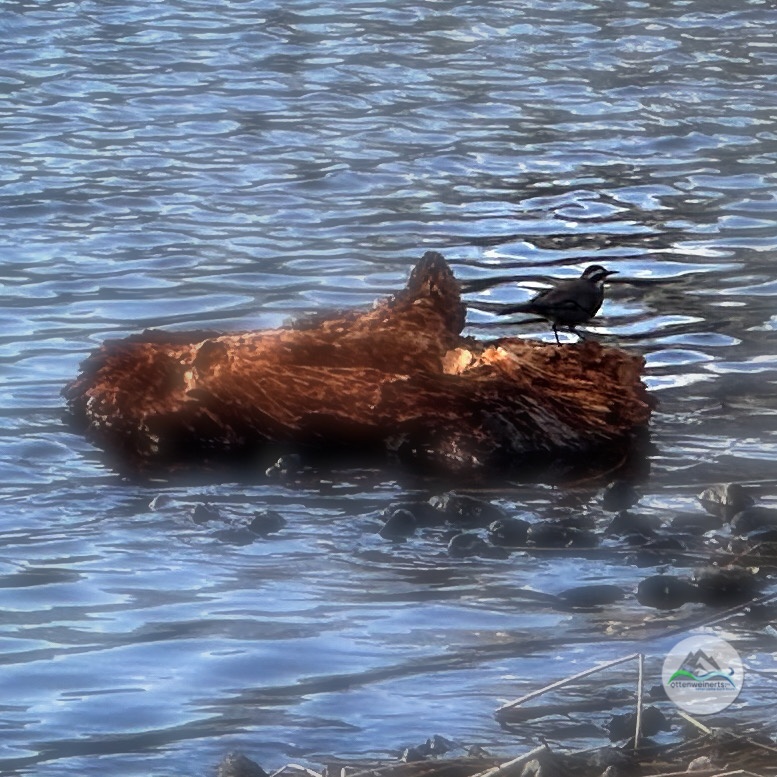
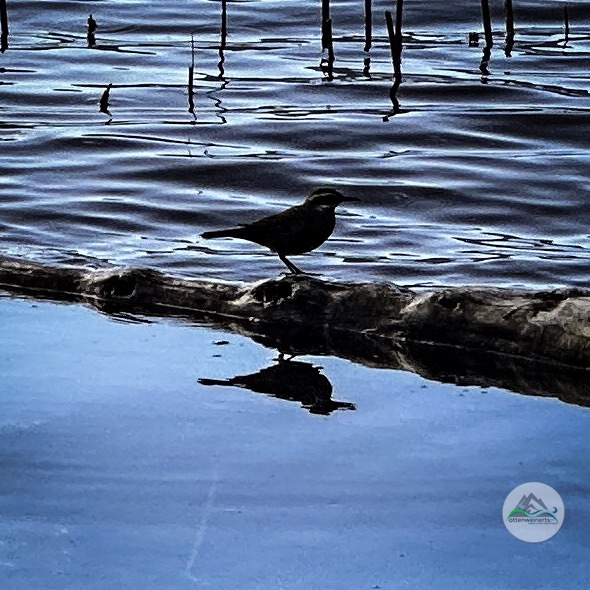
So, we suffer for one and a half hour on the “ripio” road, most of it along the picturesque Lago Huechulaufquen, till we arrive at Puerto Canoa. The summer season seems to be over, a lonely boat without crew is moored at the pier and the restaurant is closed. There are only cattle and horses, some dogs and lots of birds around. We continue about a mile to the Capilla Maria Auxiliadora; the wood carving at the altar shows local fauna – deer, puma, boar, sheep and bandurria, the Patagonian ibis, gather around the cradle.

This is also the place where Lago Huechulaufquen and Lago Paimún meet, there is a beach, a pier and a picknick area. Rabbits and birds are all around, two vultures in a tree are watching the scene from above, very bored – too much life for their taste. But for us, it´s just right here. We park our brave camper at the beach, enjoy the sunset painting the snow-covered peak of Volcano Lanín pink and later at night an incredibly beautiful starry sky.

Route 230414