Mittwoch/Wednesday, July 13, 2022
Tag 87 – Alabama
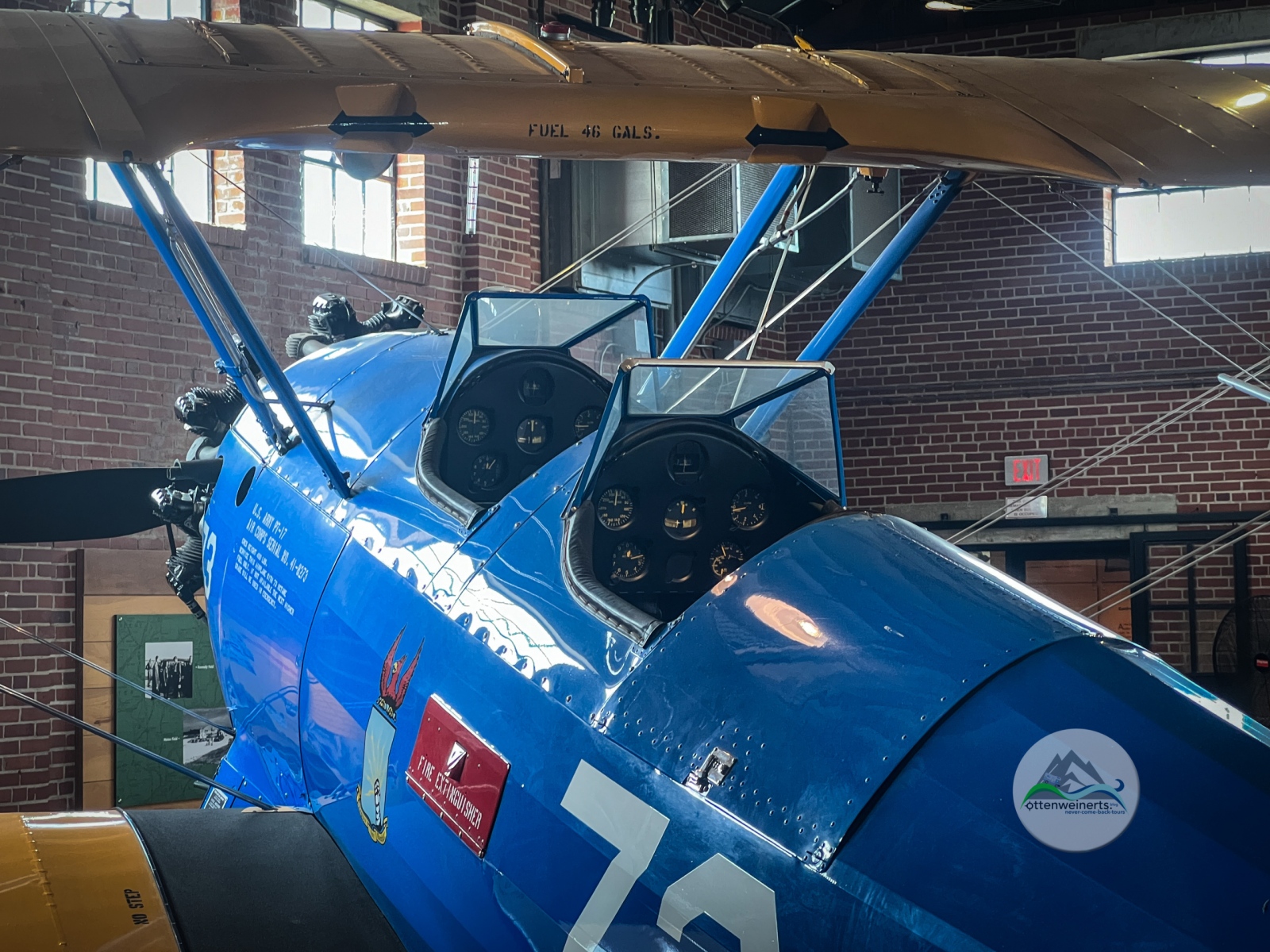
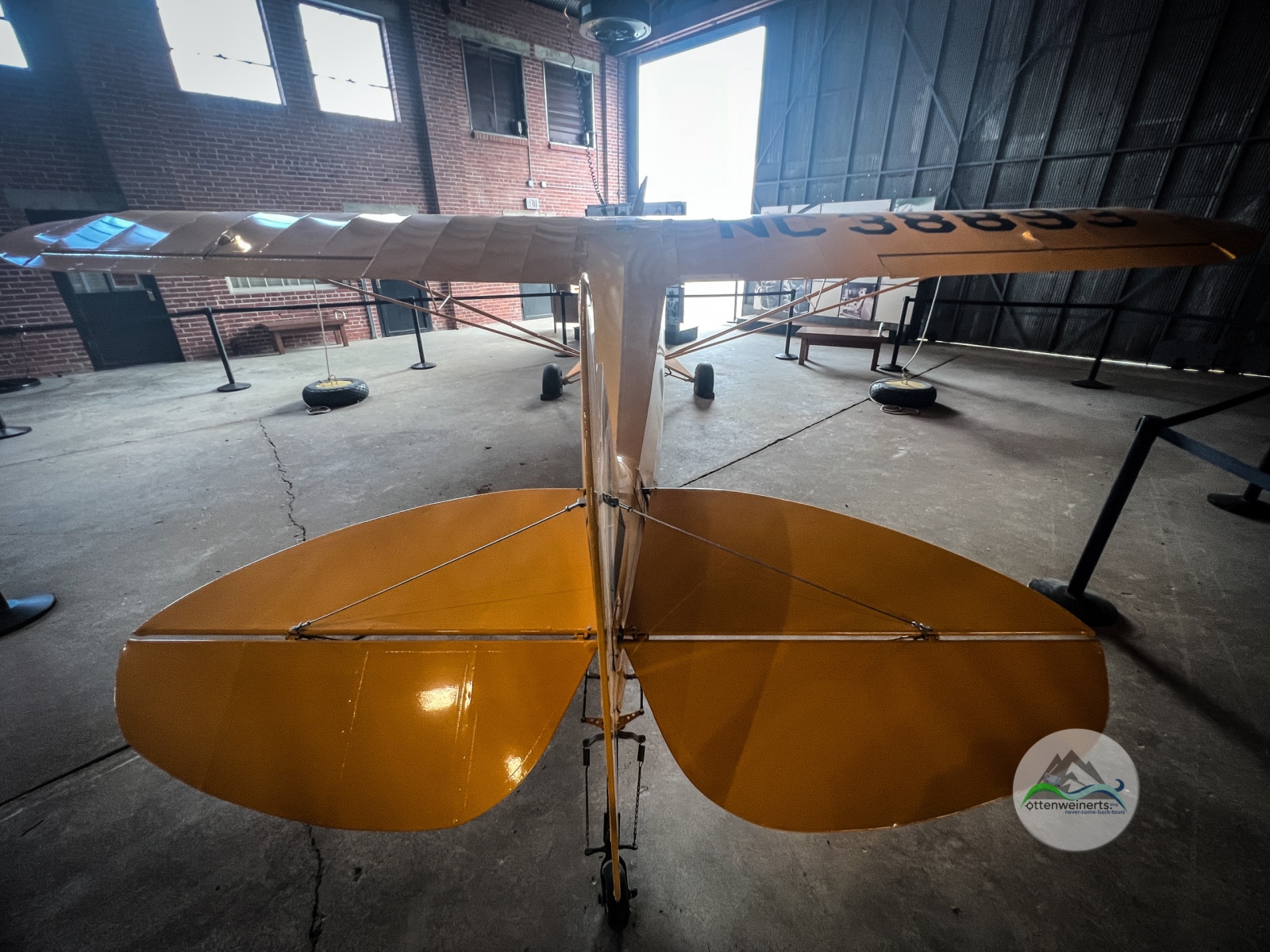
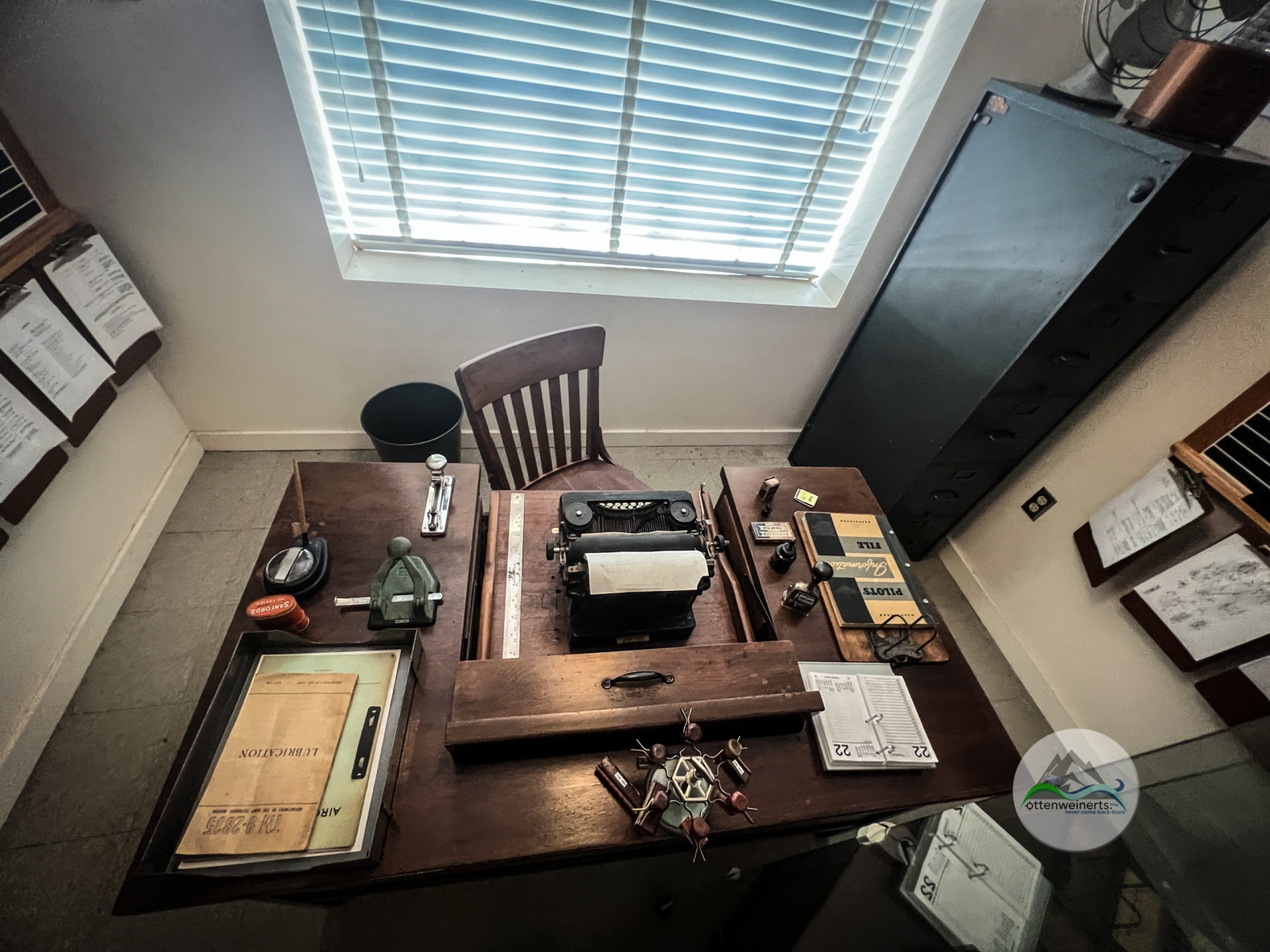
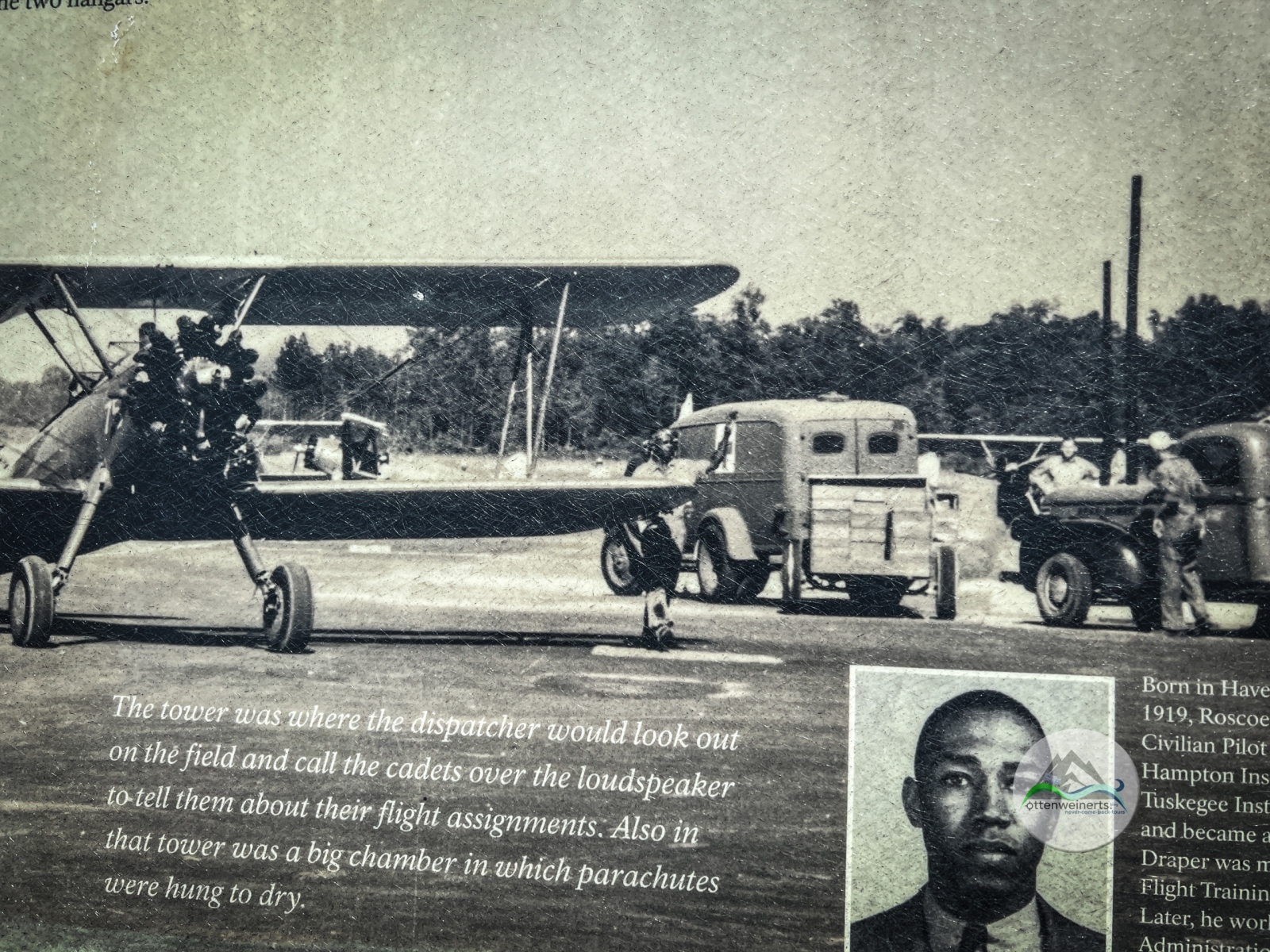
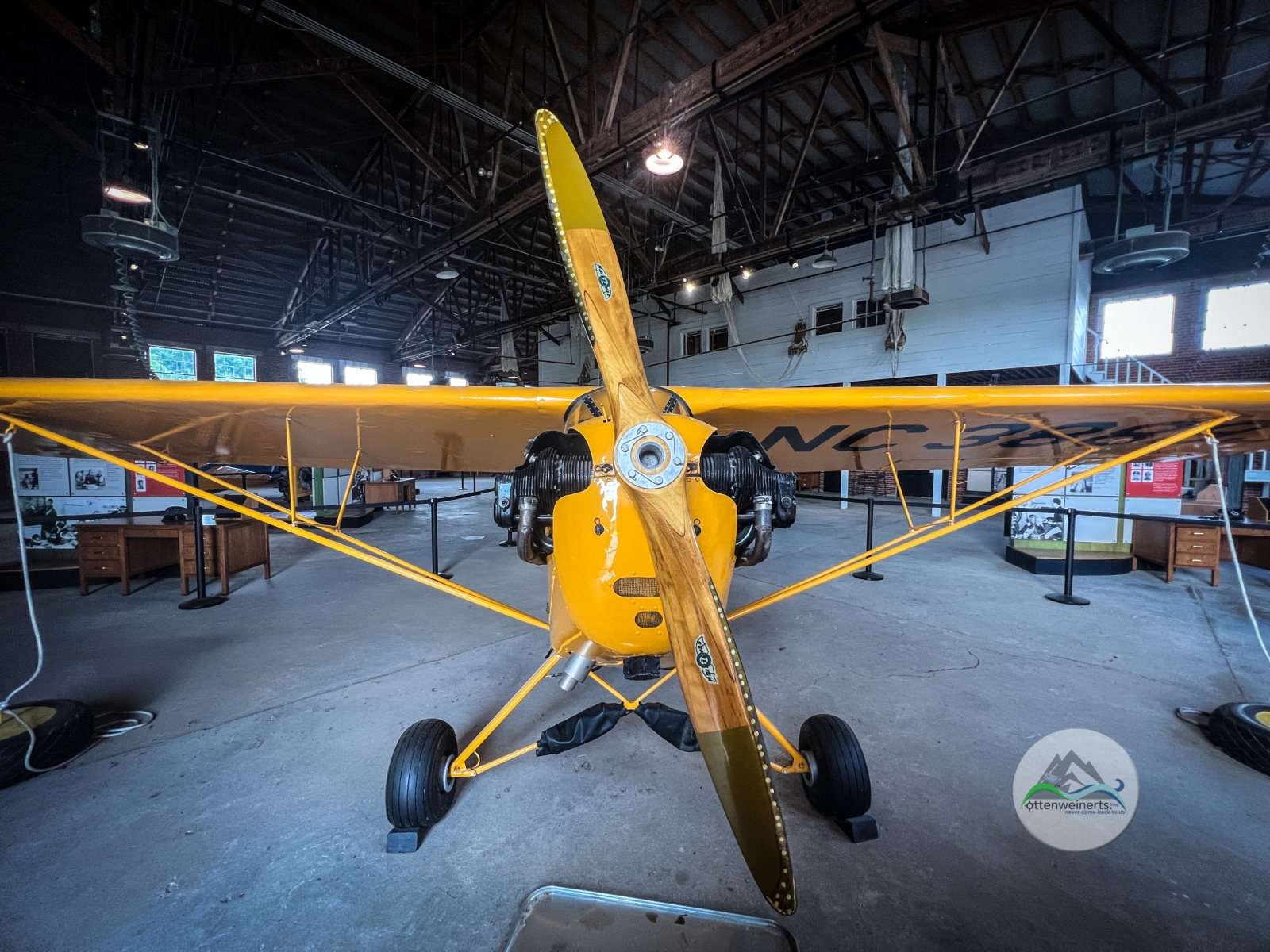
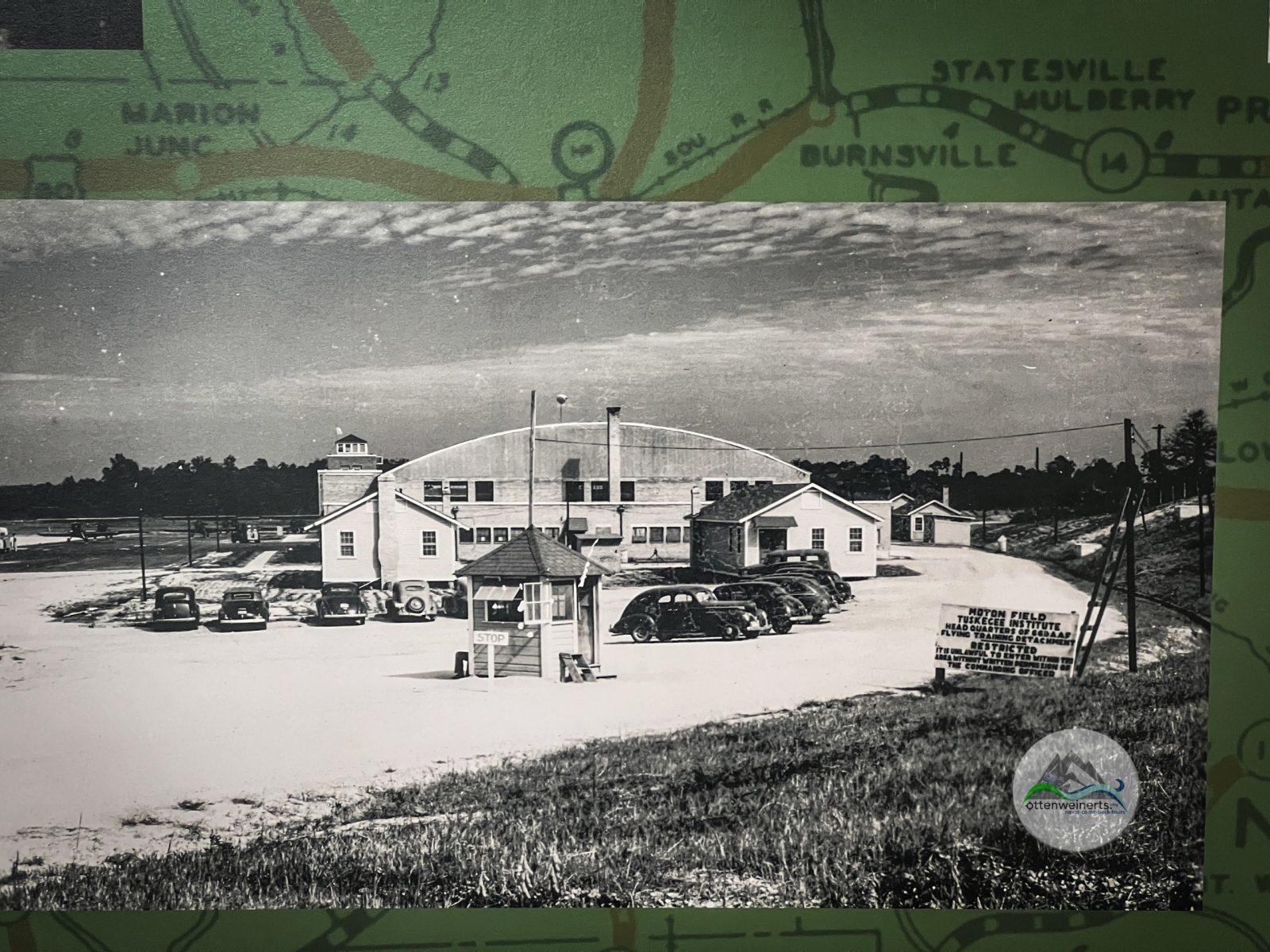
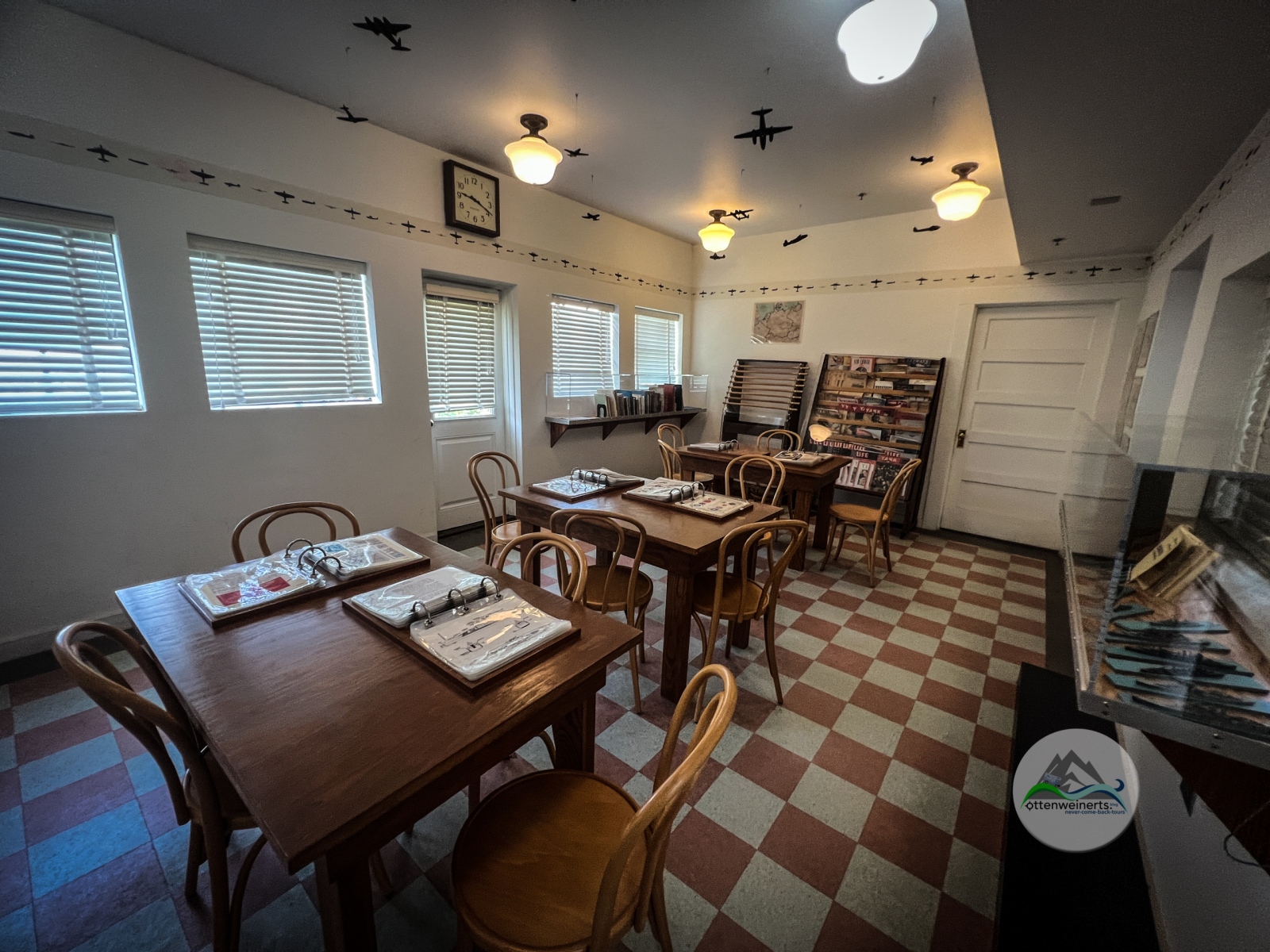
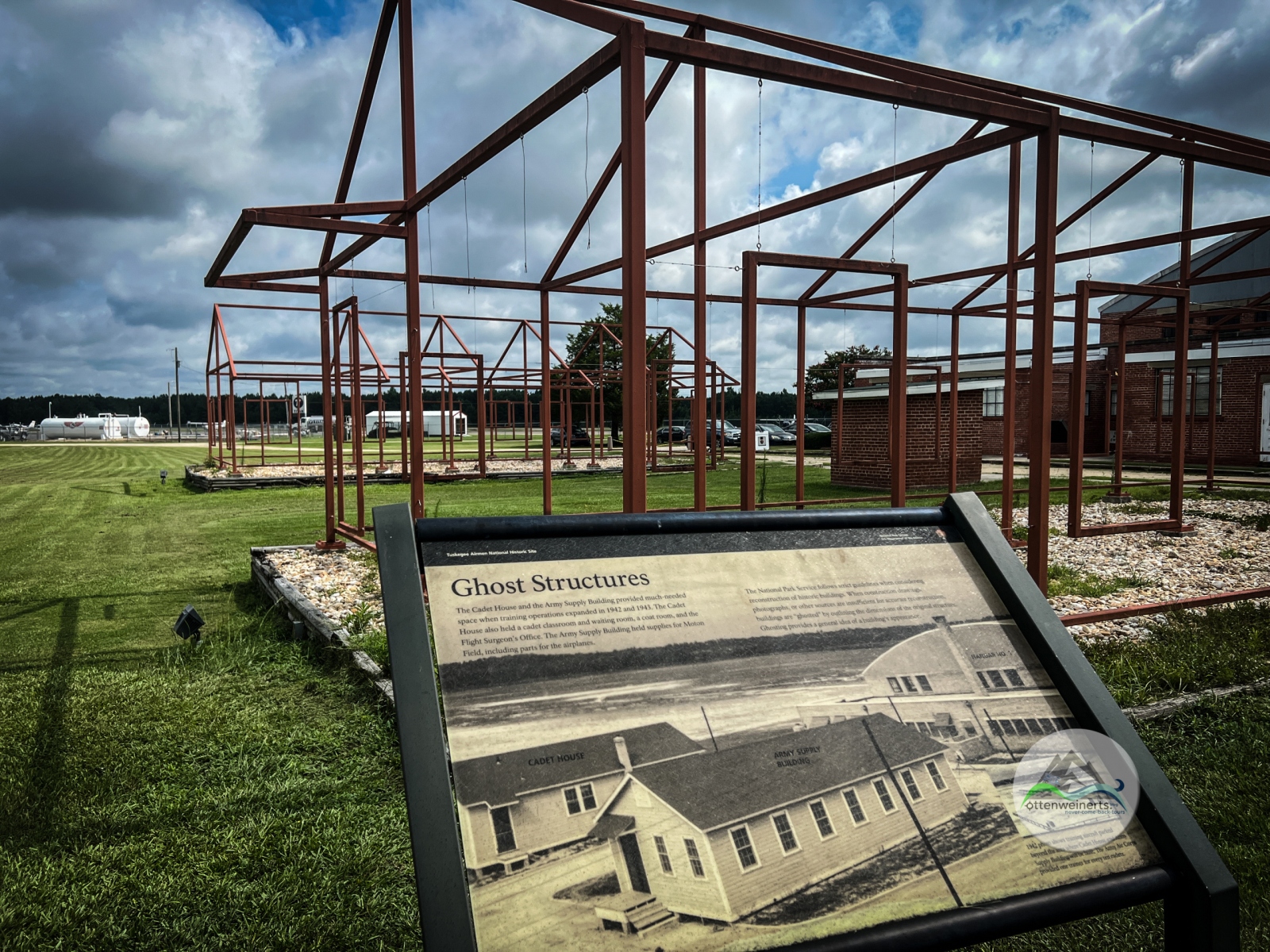
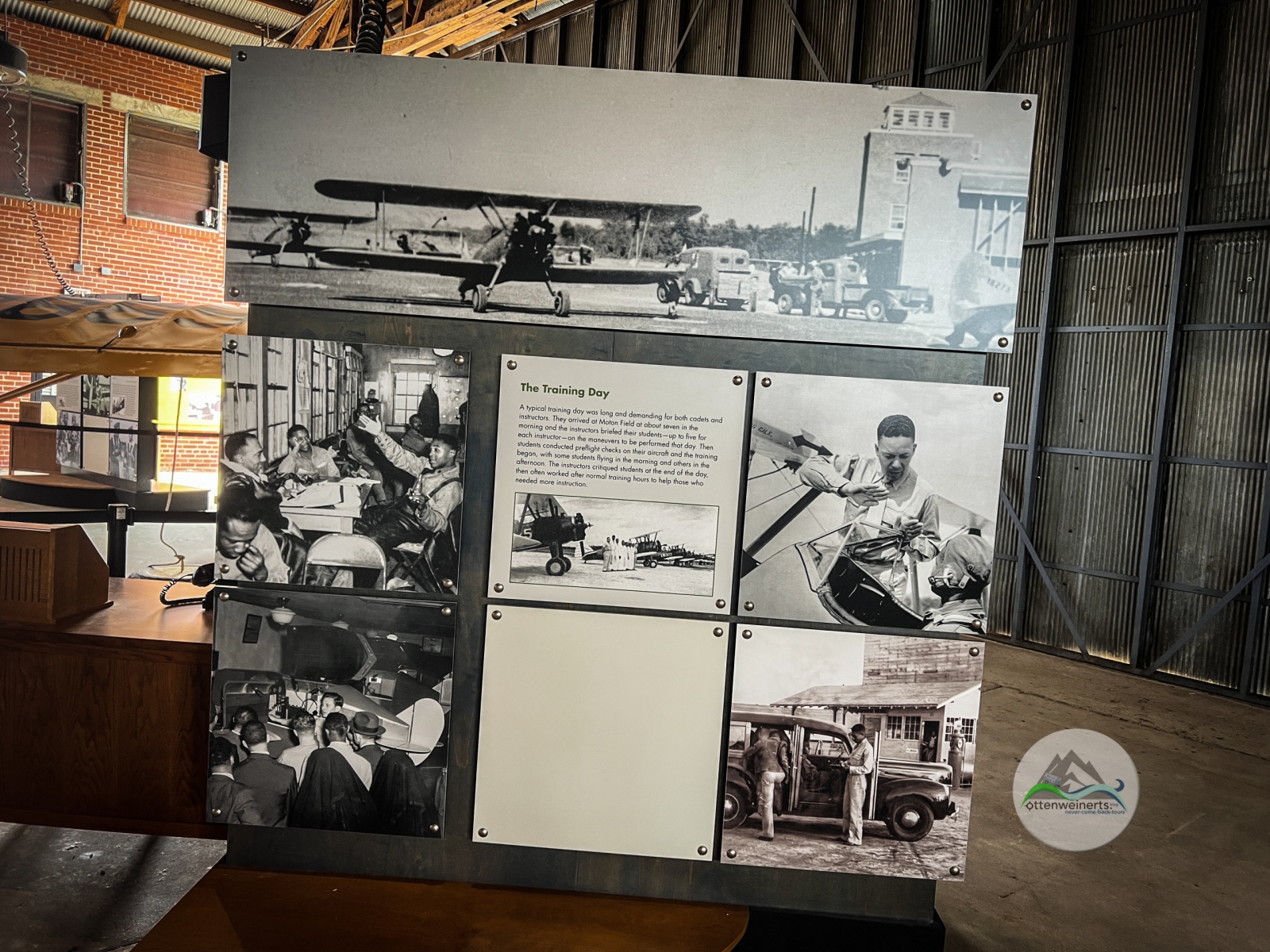
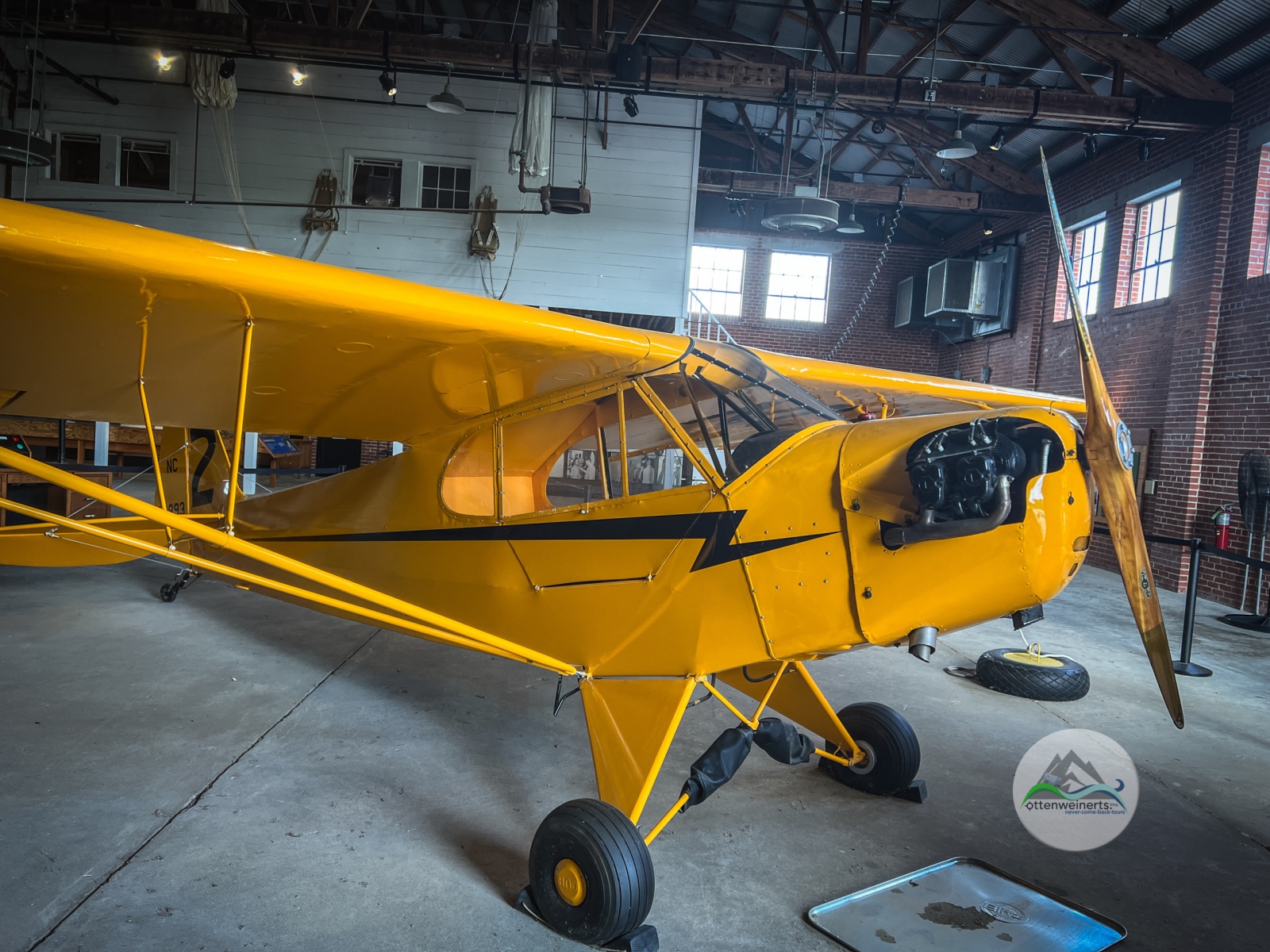
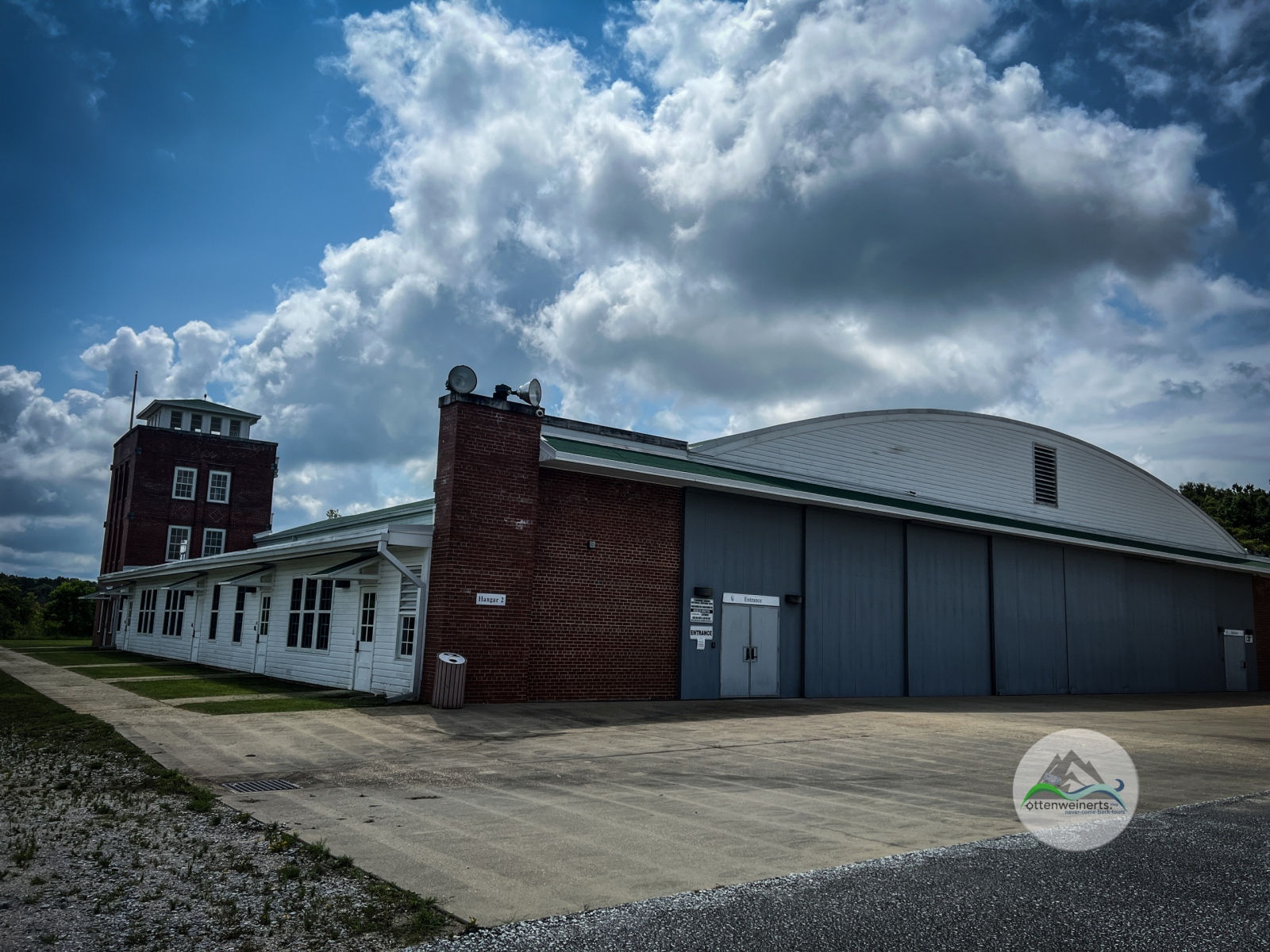
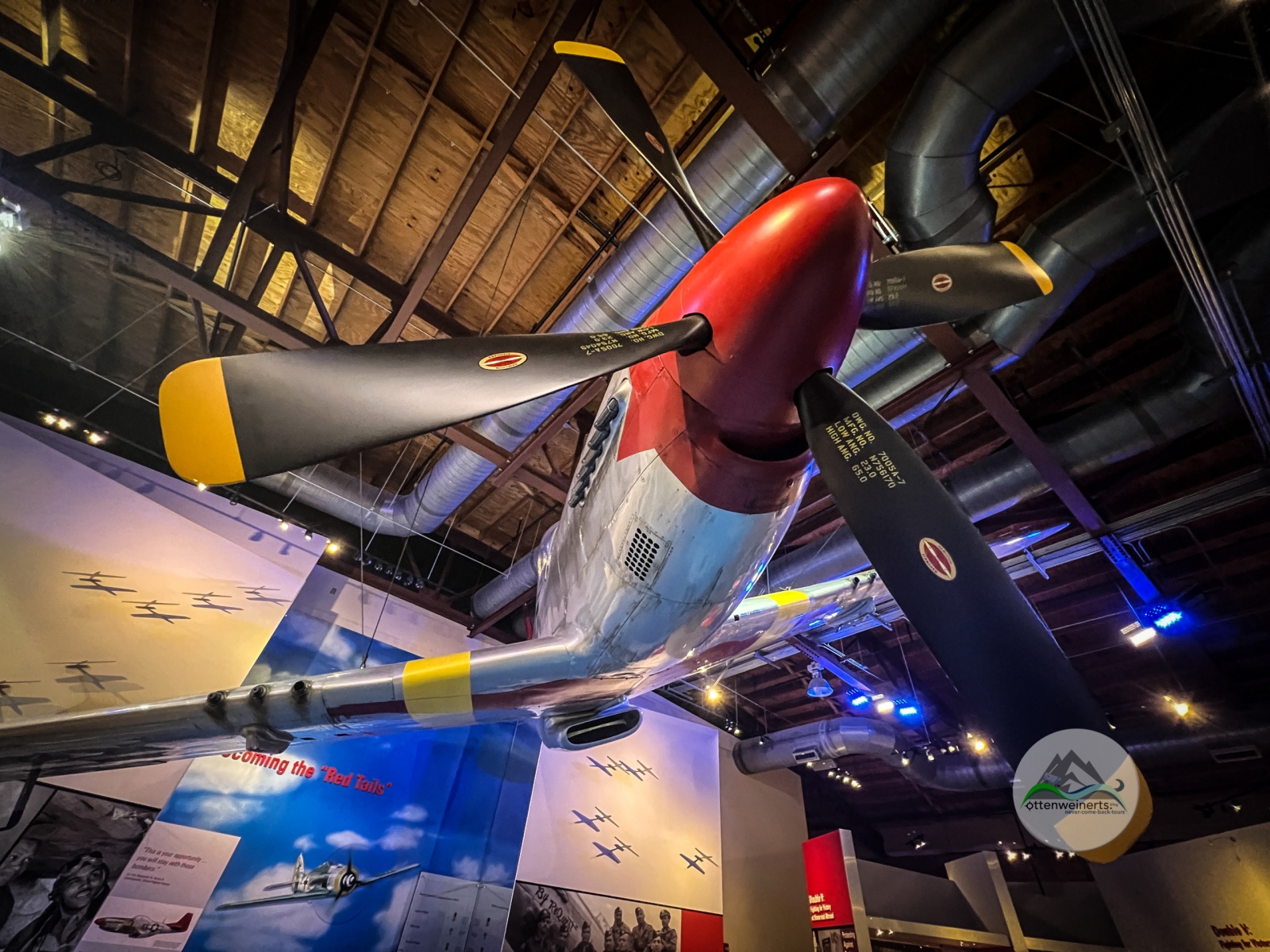
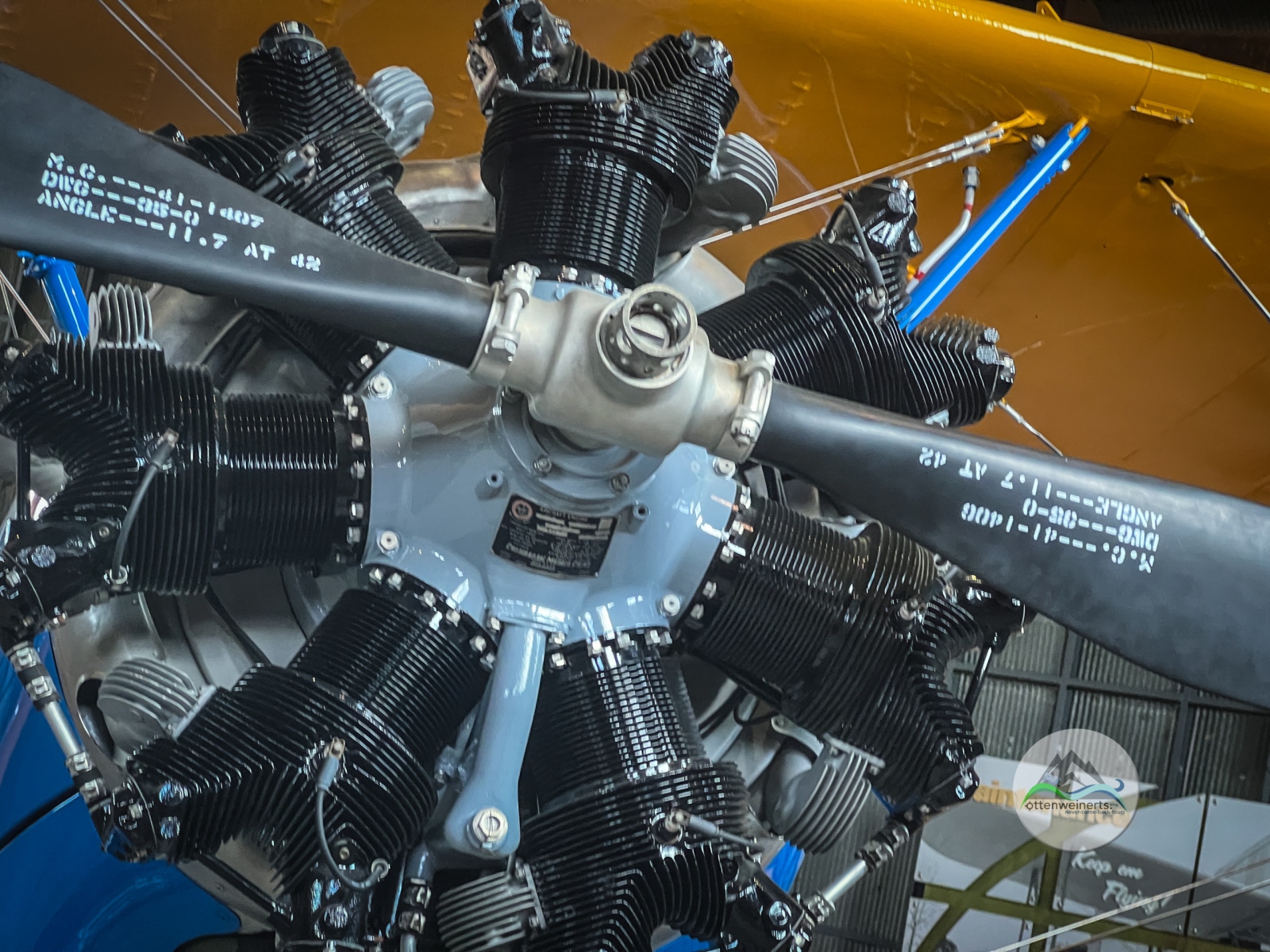
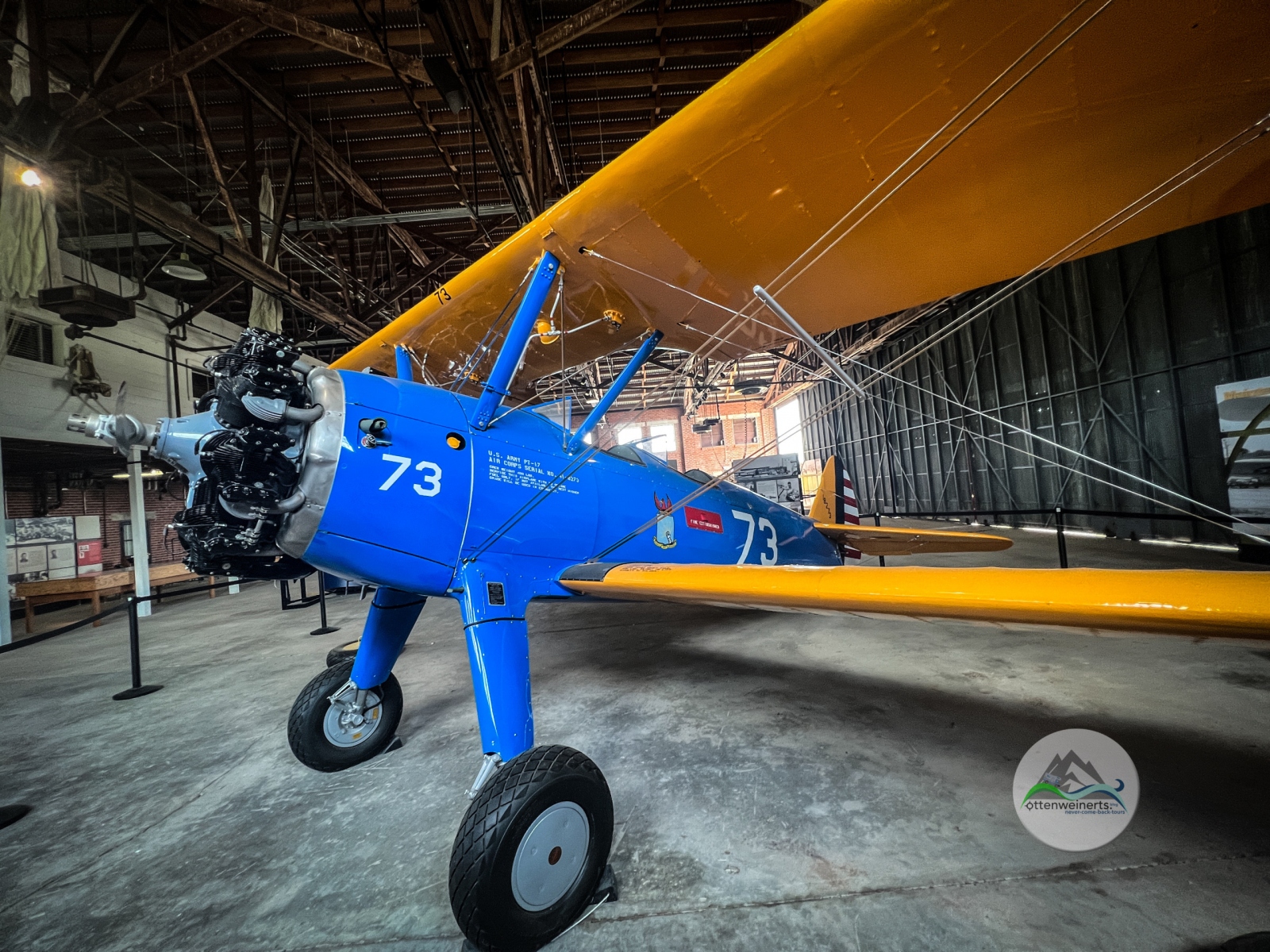
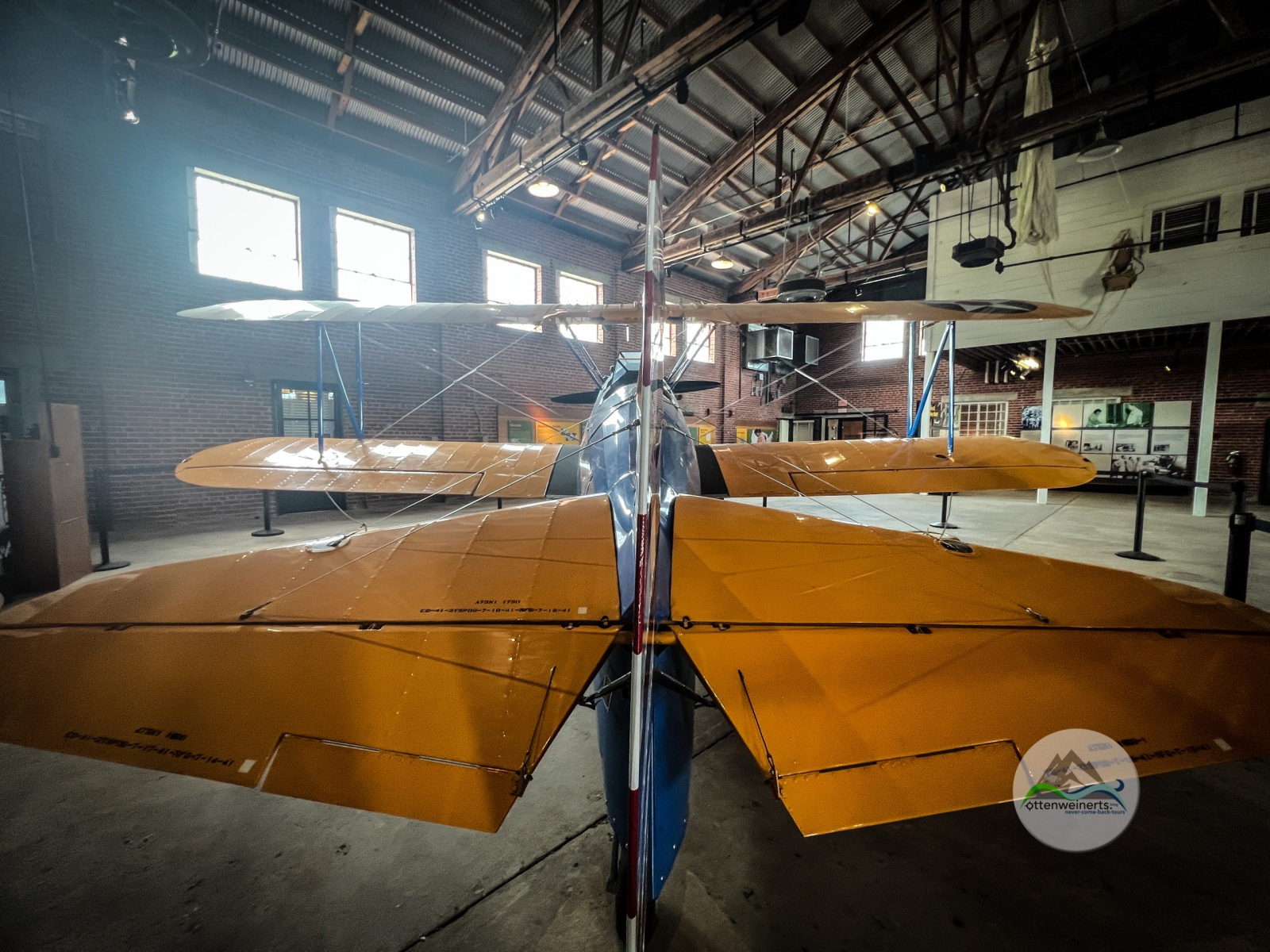
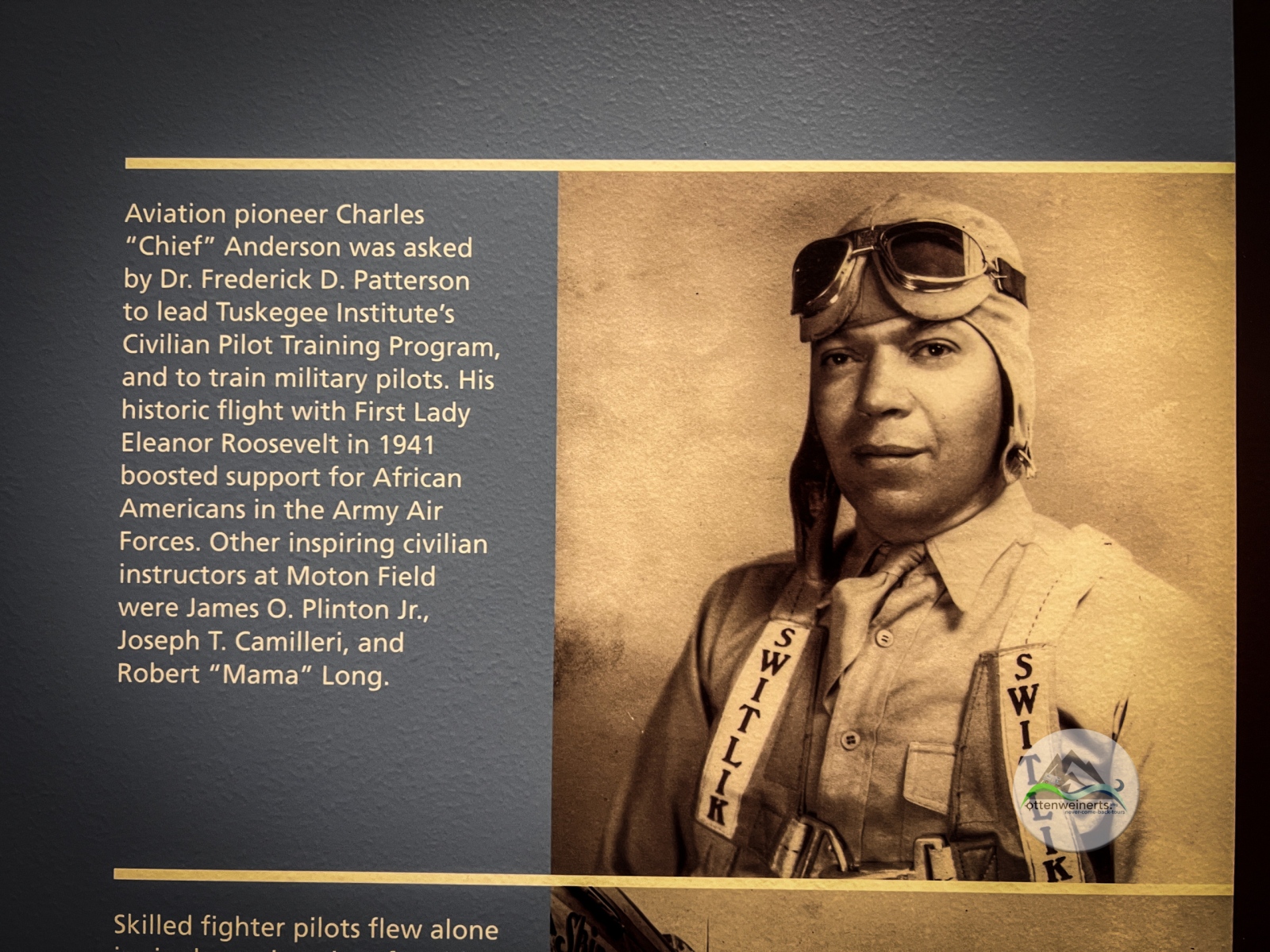
Erster Stopp heute: die Tuskegee Airmen National Historic Site. Als im Verlauf des 2. Weltkrieges das Personal knapp wurde, durften hier erstmals Afroamerikaner die Airforce-Pilotenausbildung absolvieren. Eine der großen Befürworterinnen des Projekts war übrigens Eleanor Roosevelt, wie wir bereits in FDR´s Museum in Hyde Park, NY, erfahren haben. Allerdings fand die komplette Ausbildung unter strenger Rassentrennung statt – die Kampfpiloten kamen in Europa gegen die Faschisten zum Einsatz, daheim sahen sie sich Rassismus ausgesetzt. Nach den großen Erfolgen der afroamerikanischen Squadronen wurde die Rassentrennung in der Airforce schließlich 1948 durch Präsident Truman aufgehoben.
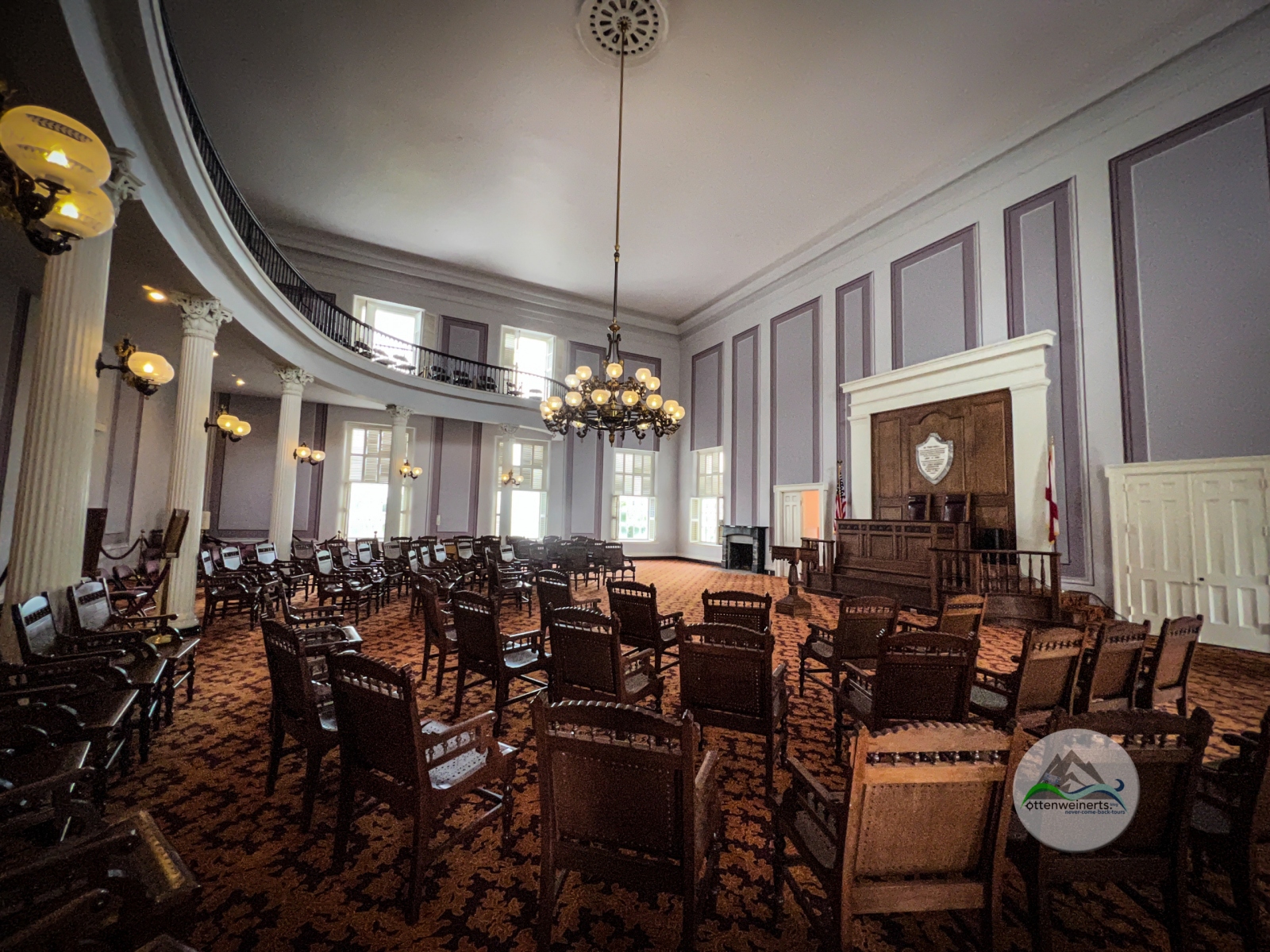
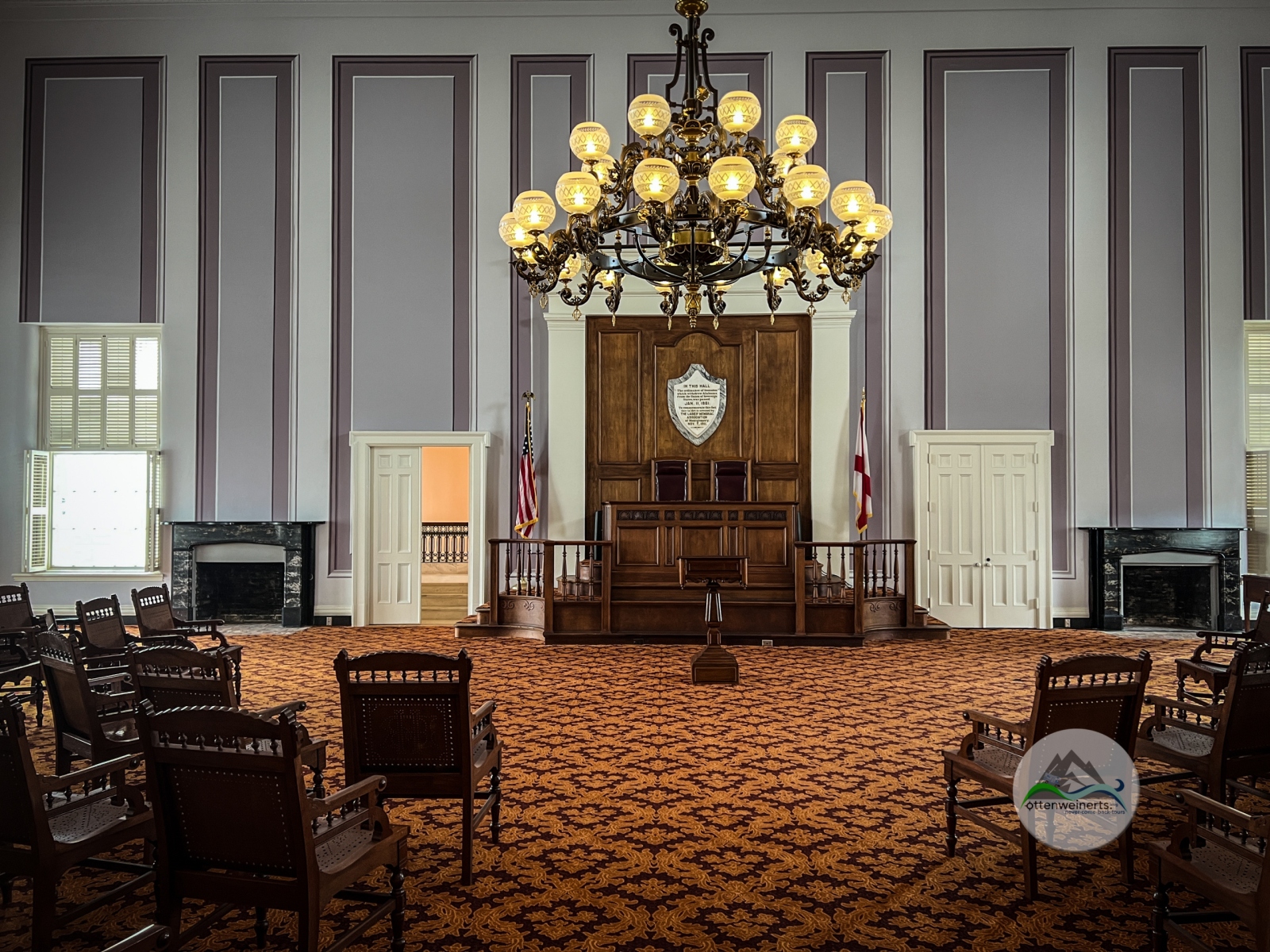
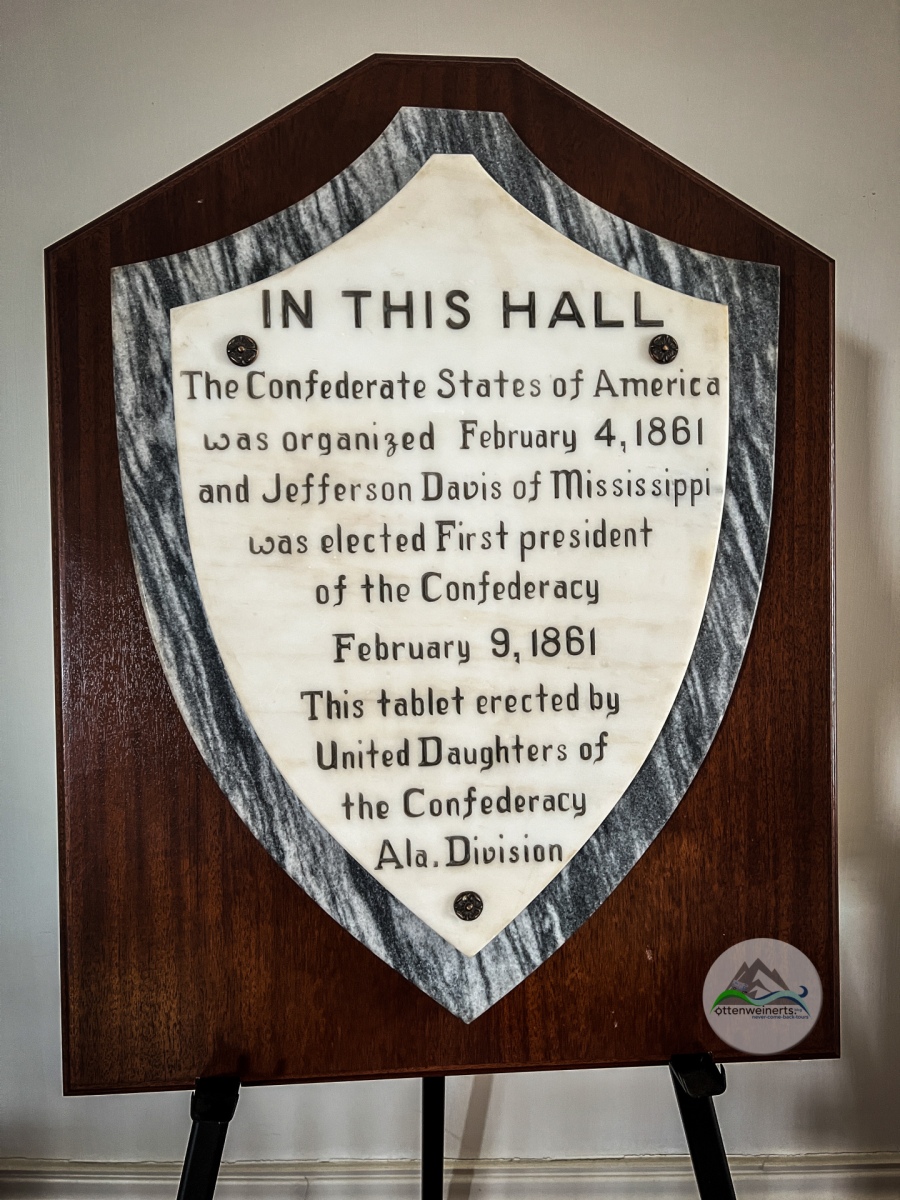
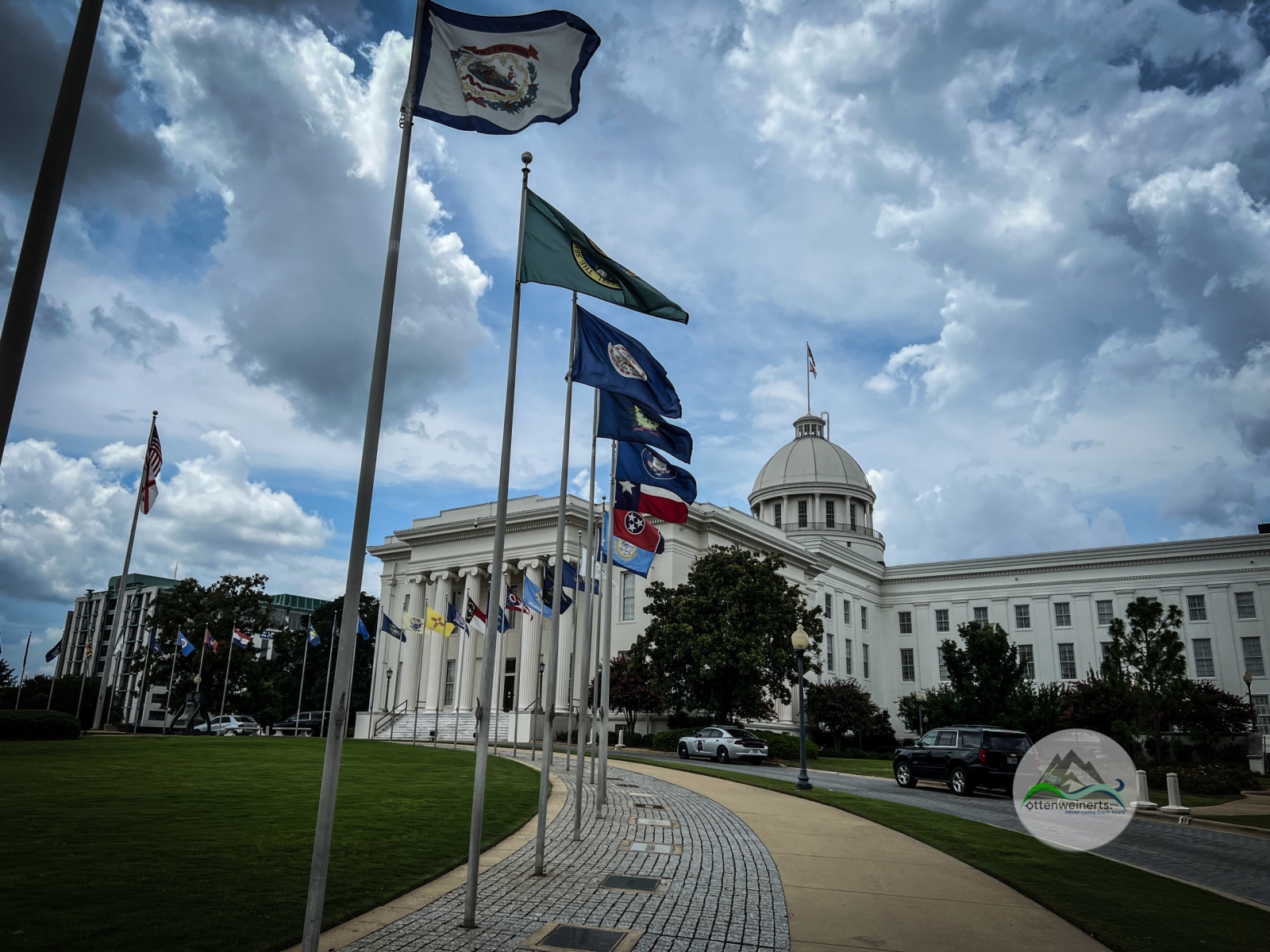
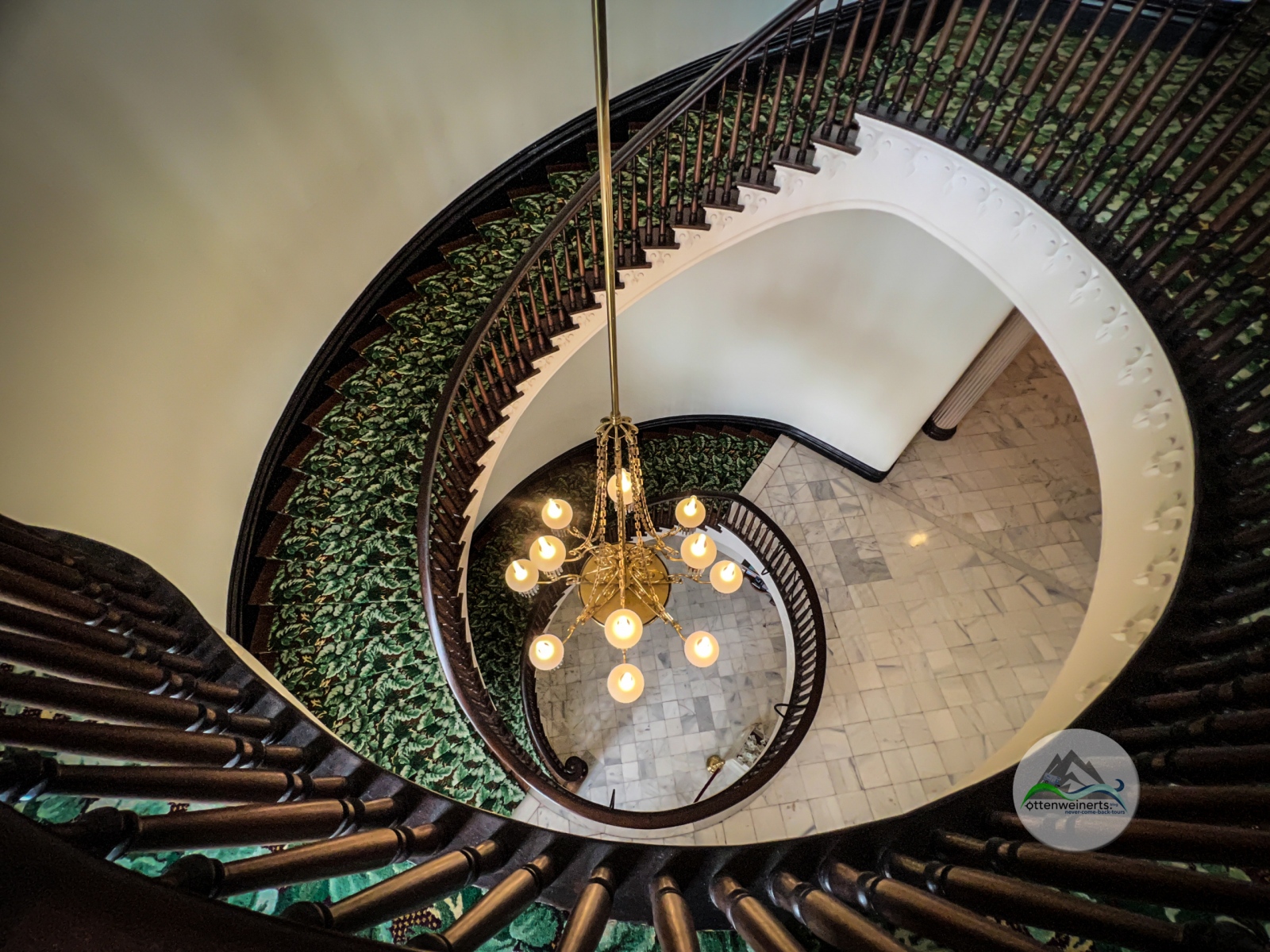
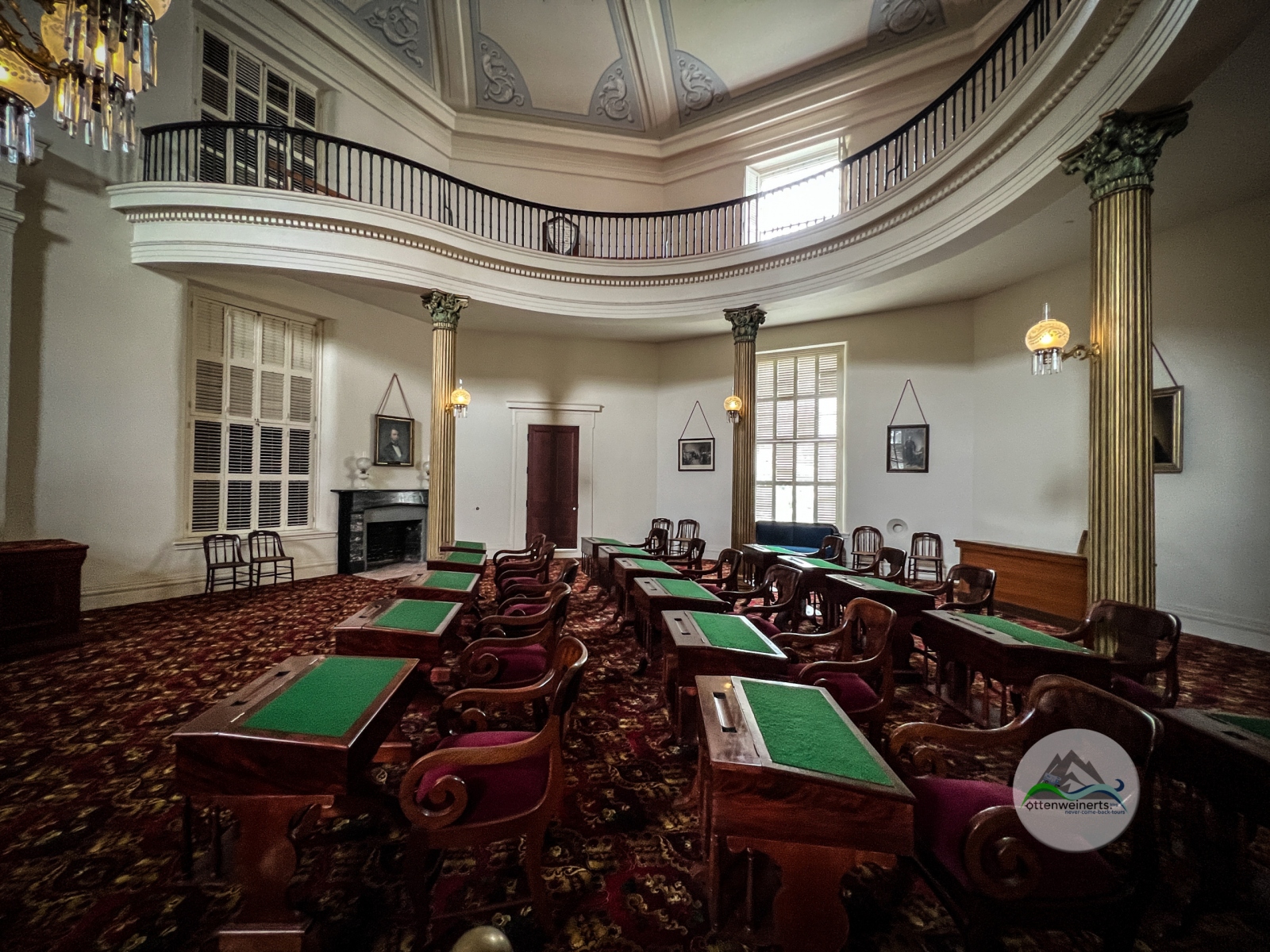
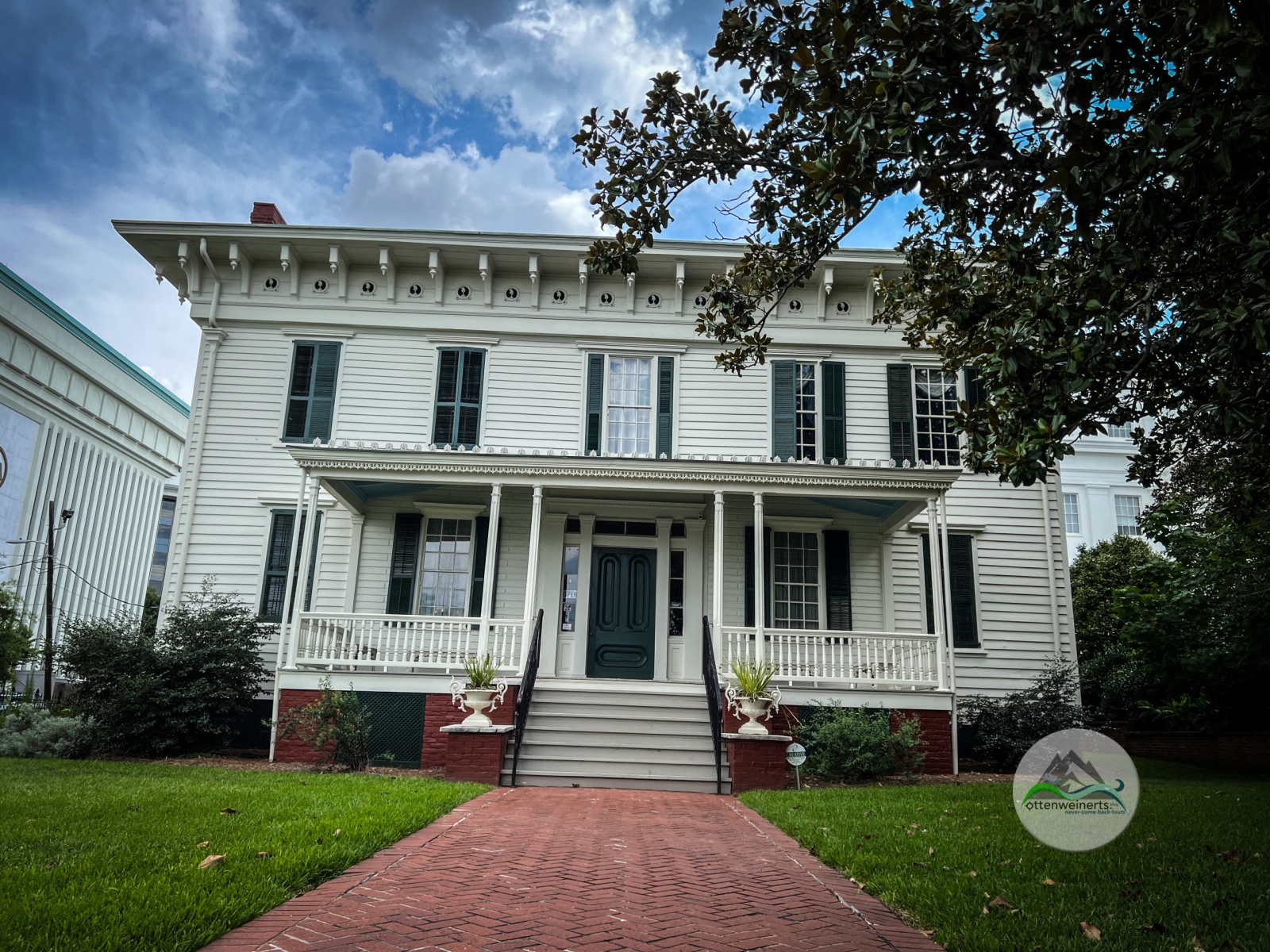
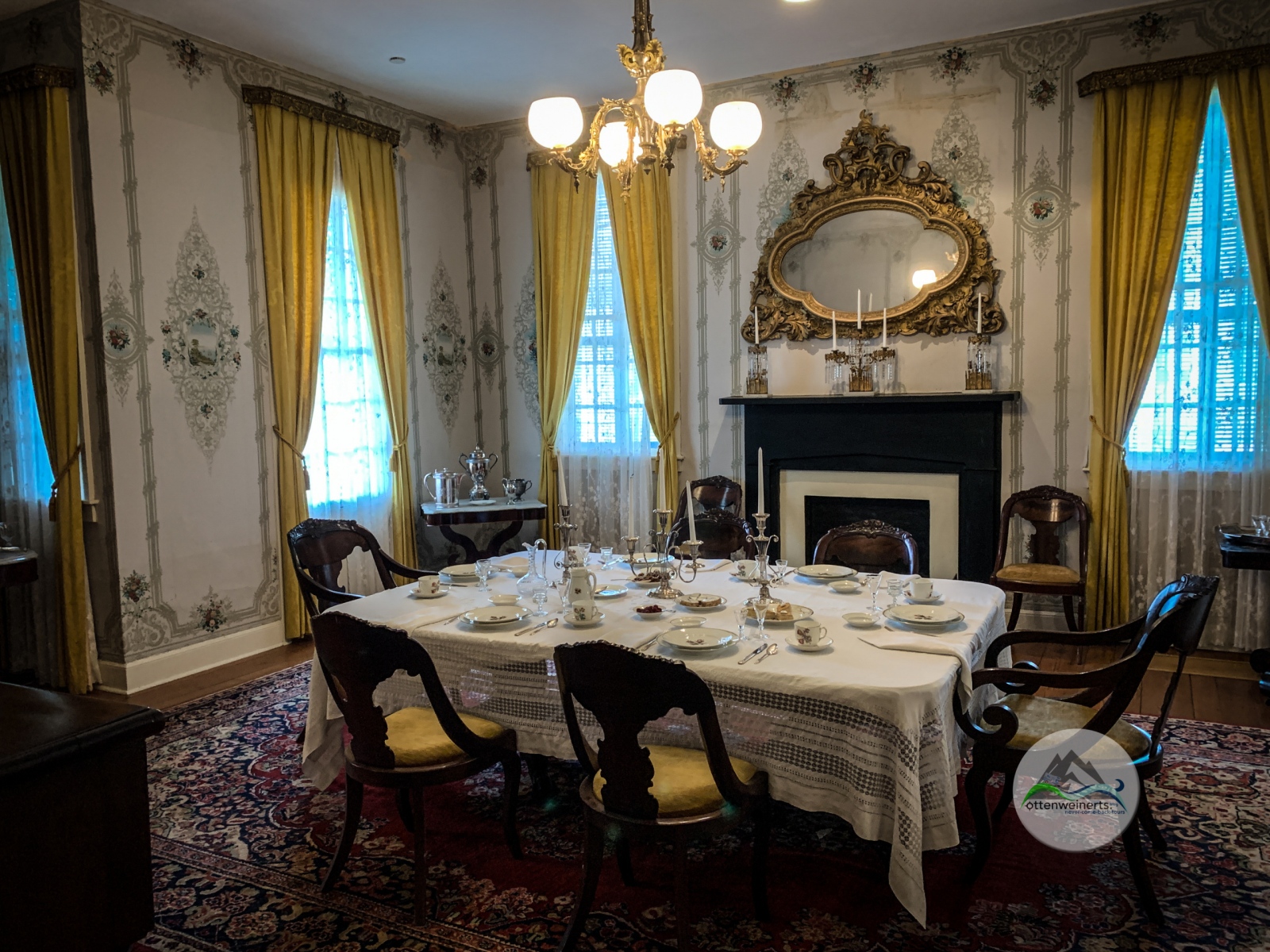
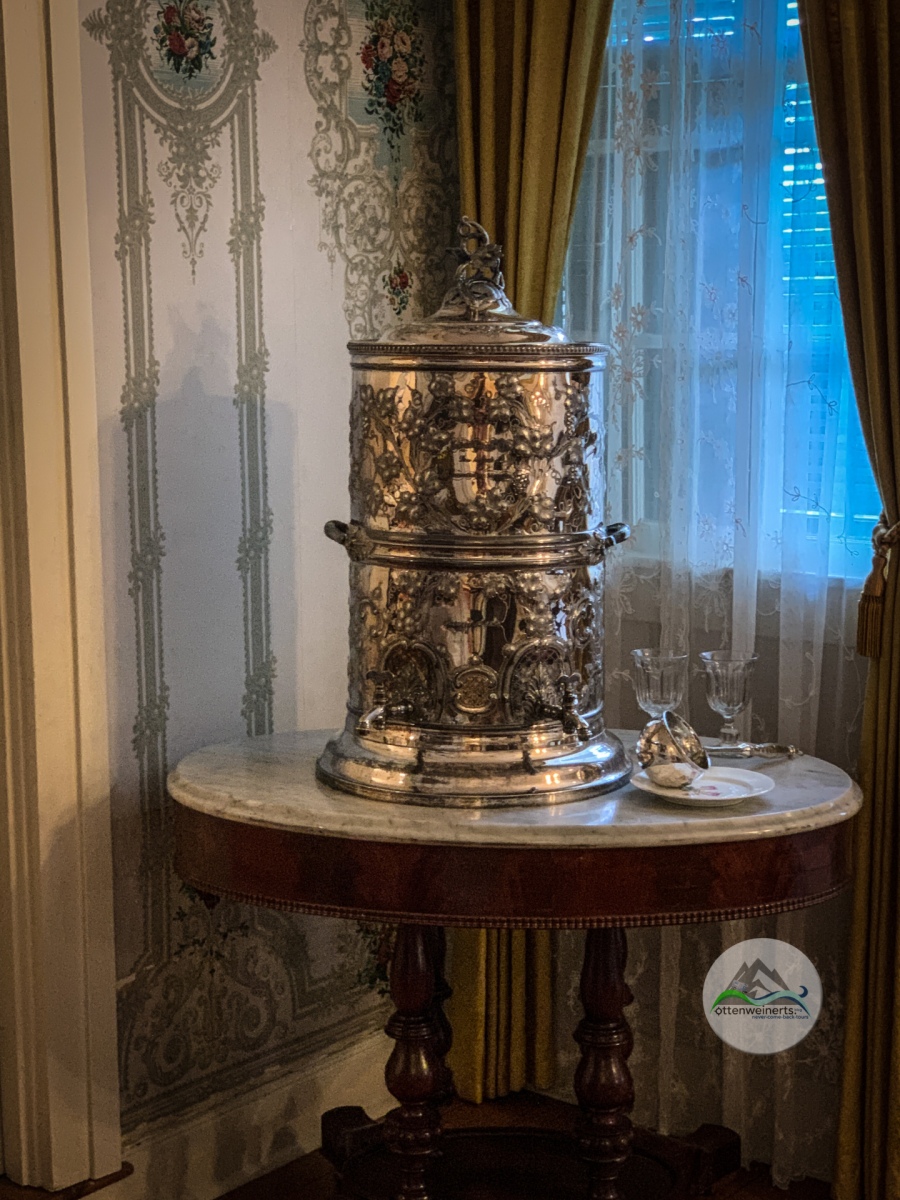
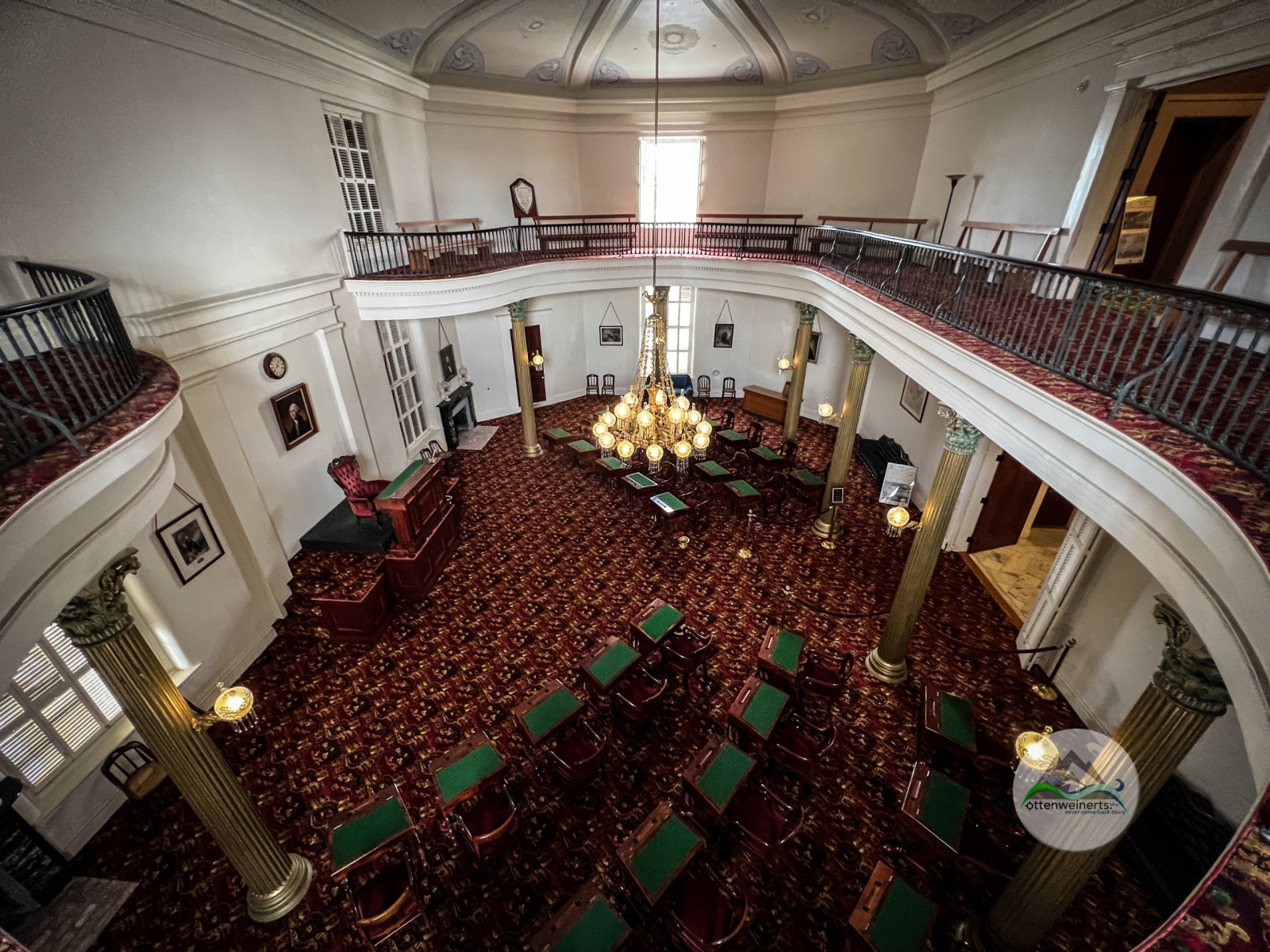
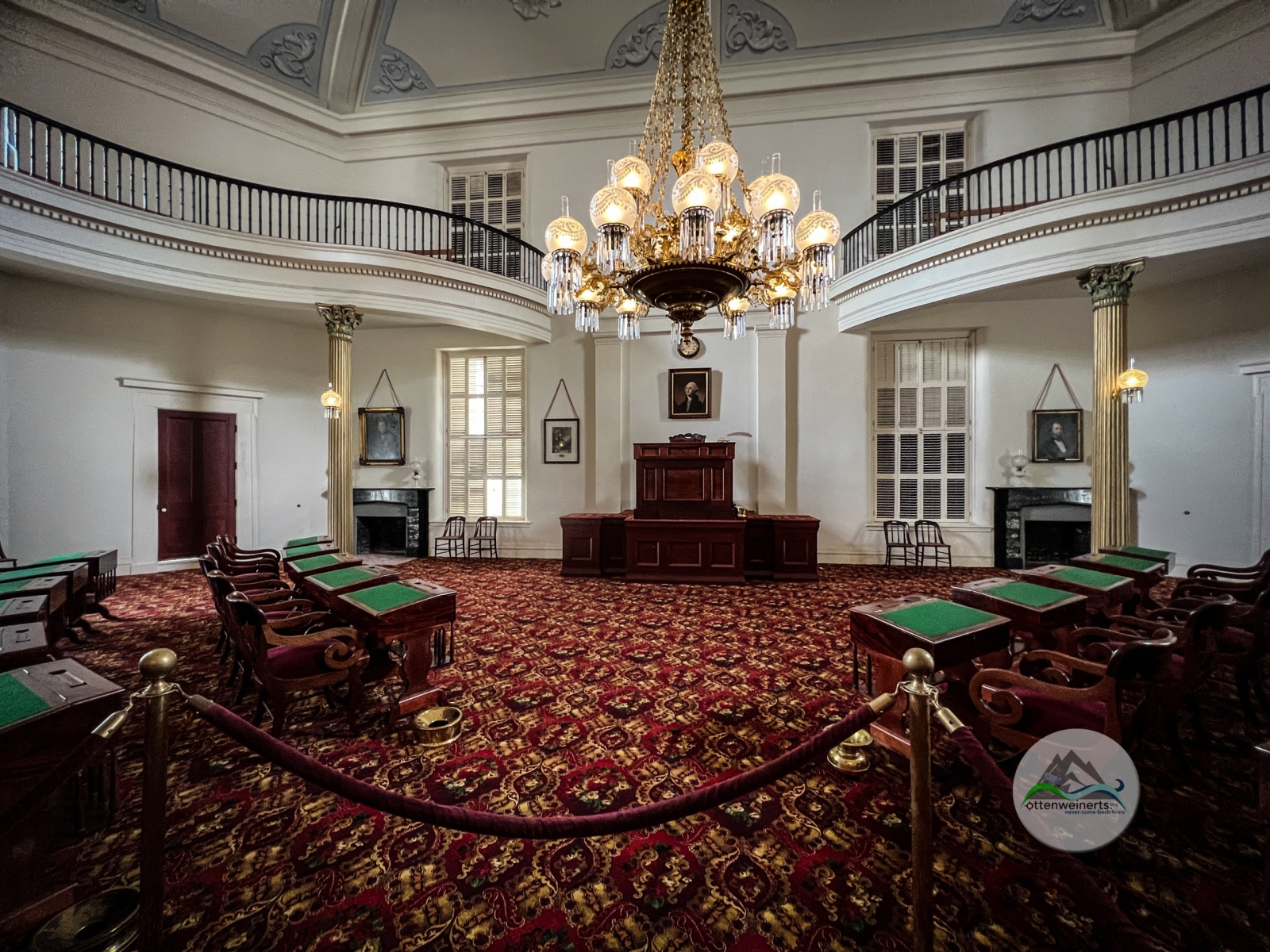
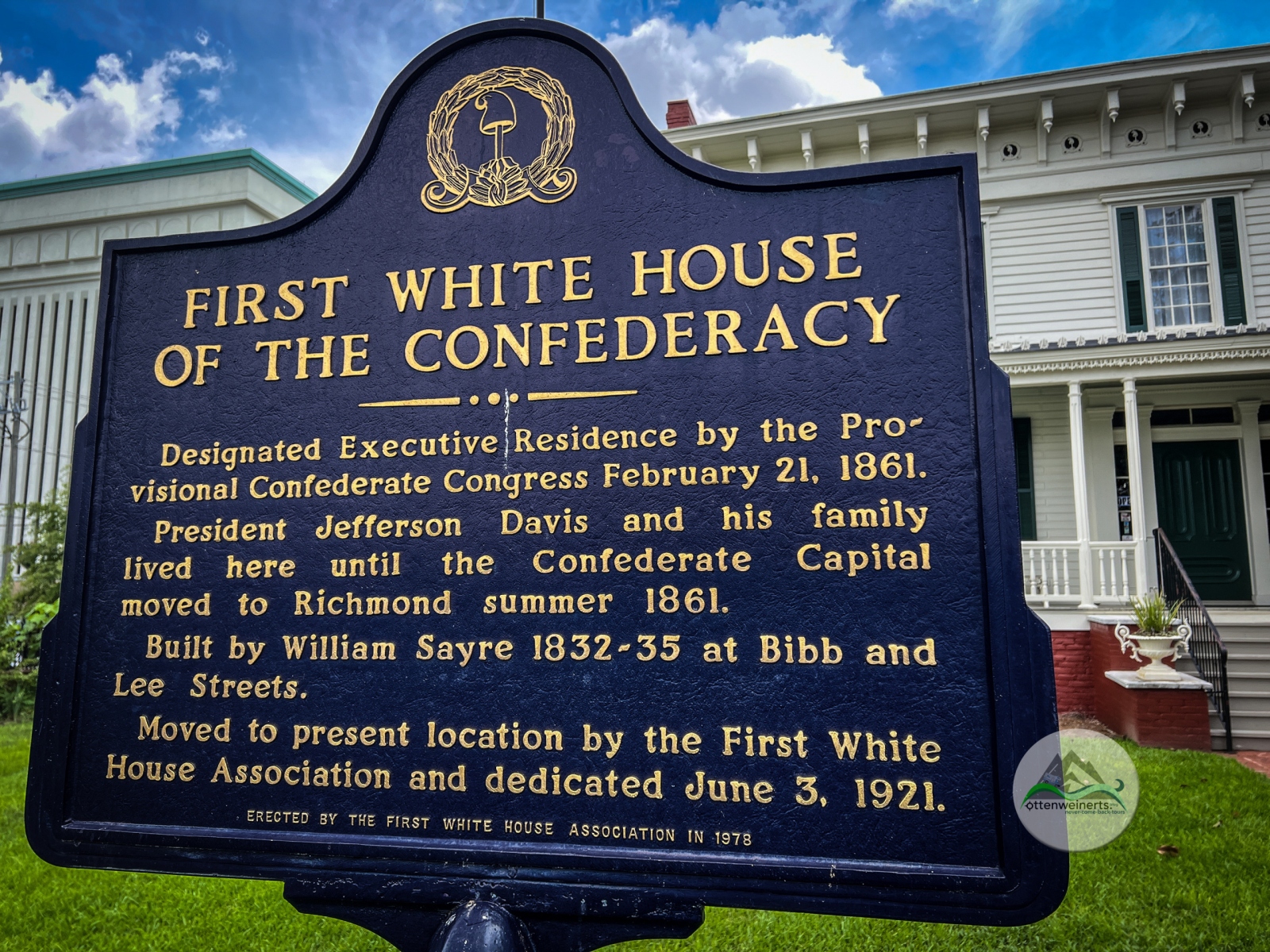
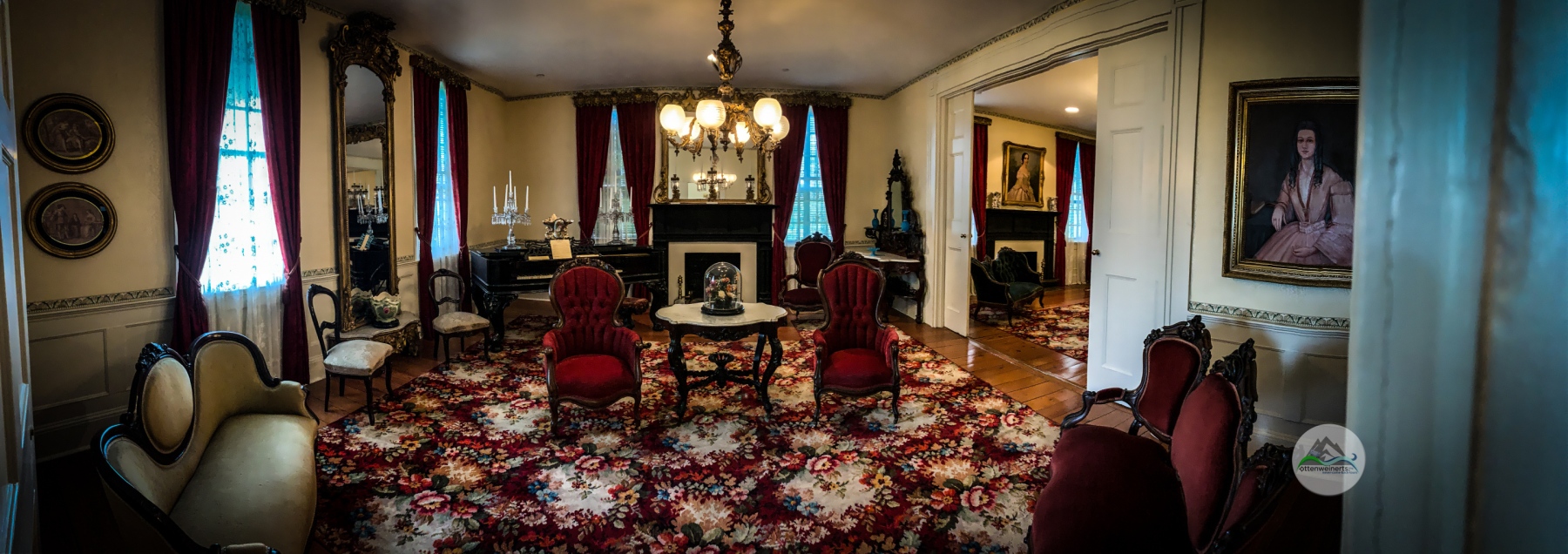
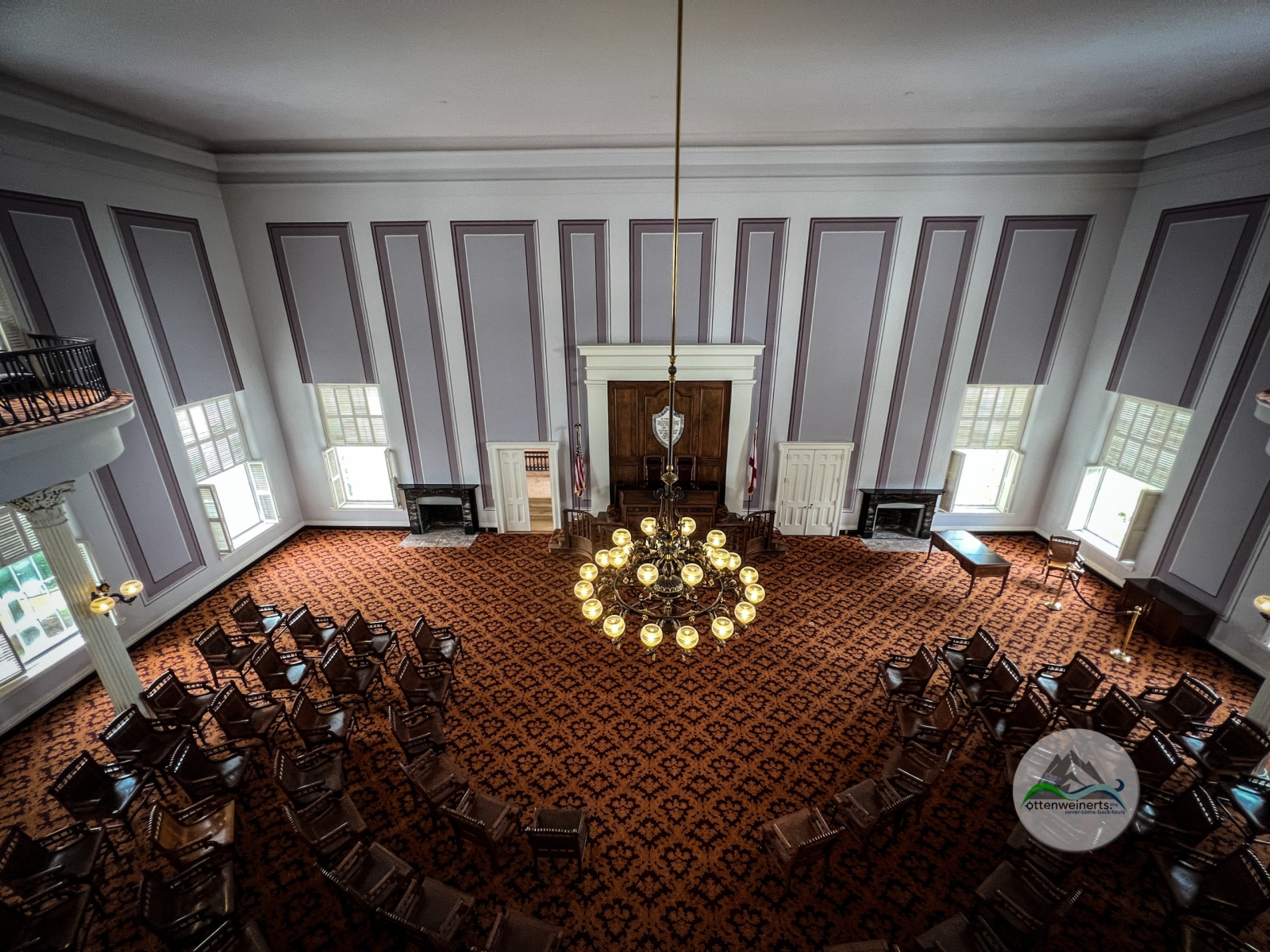
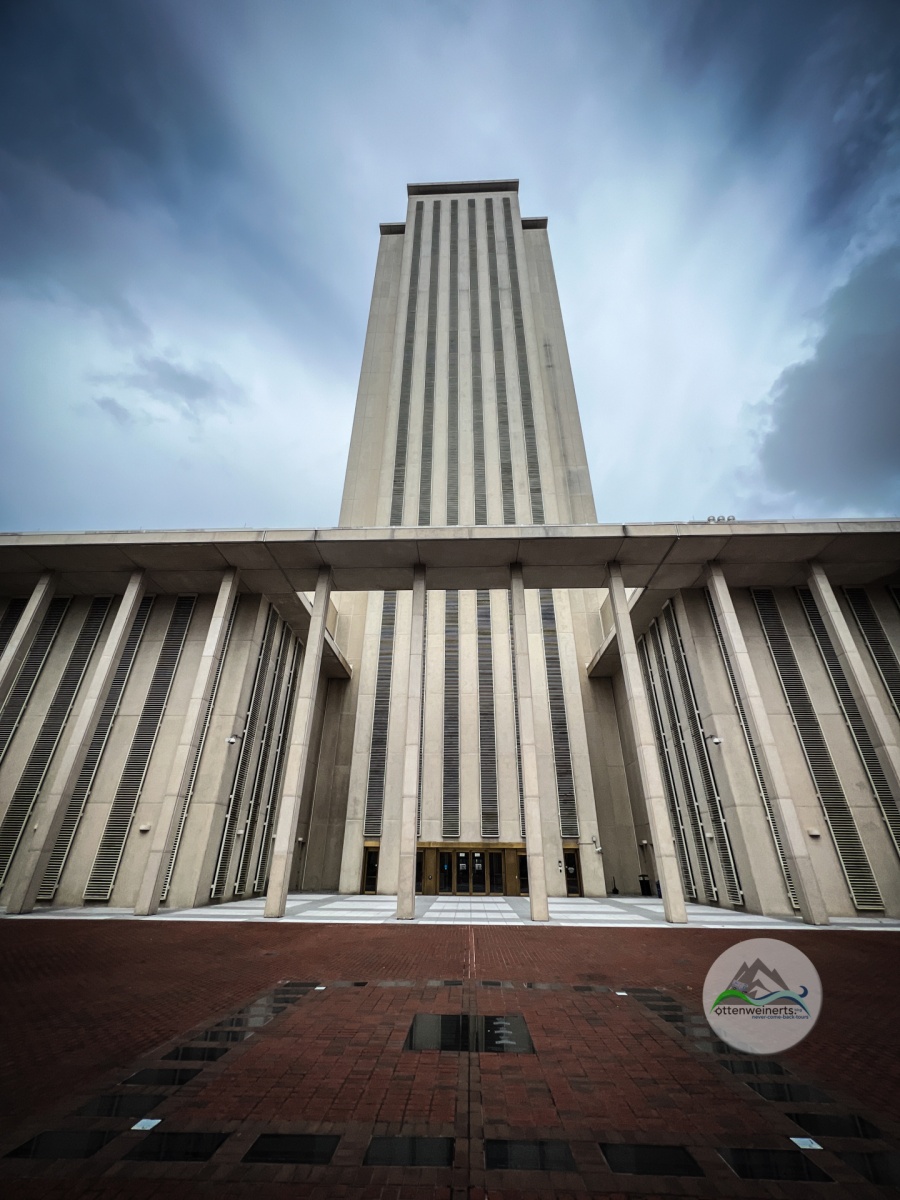
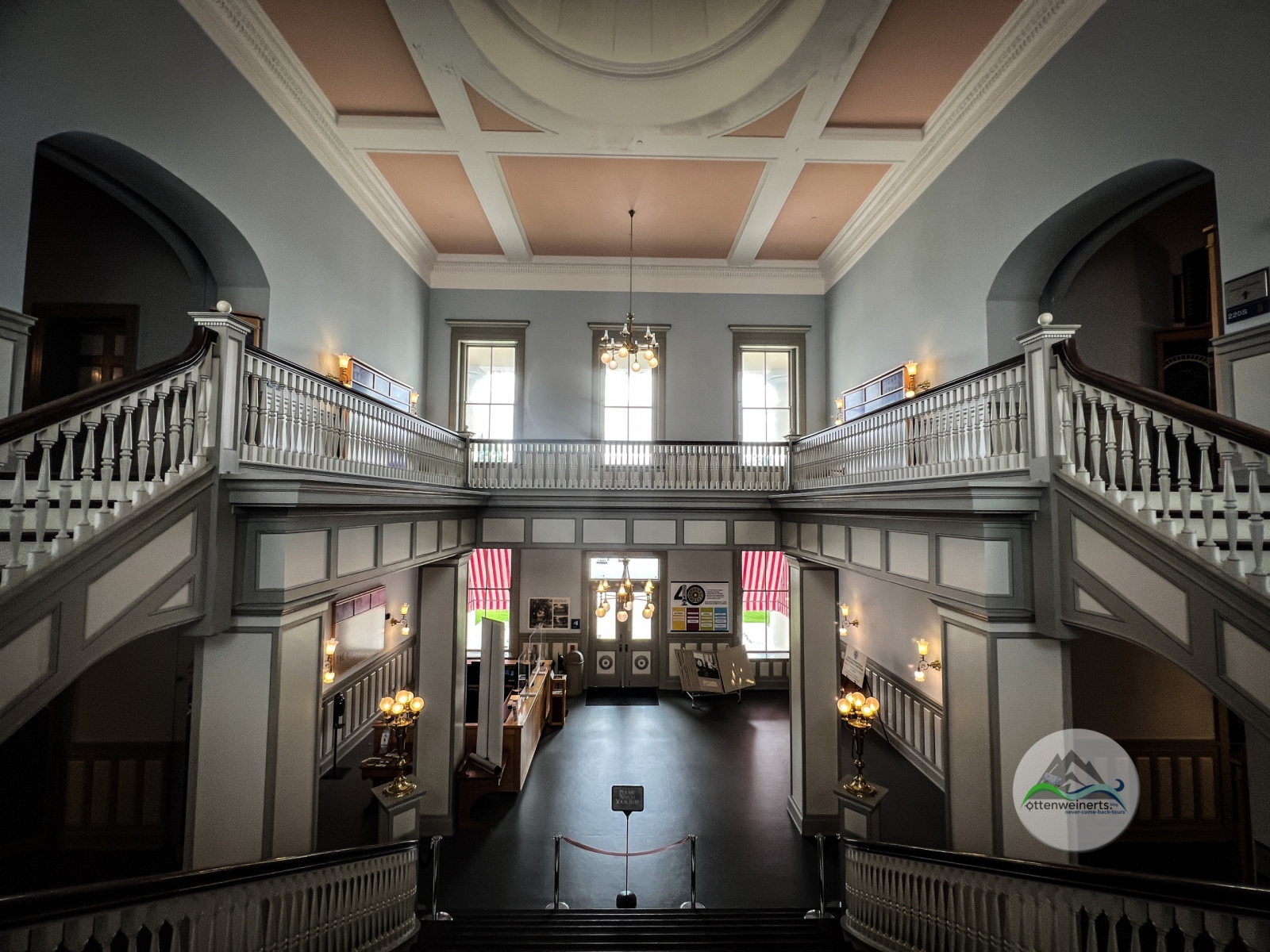
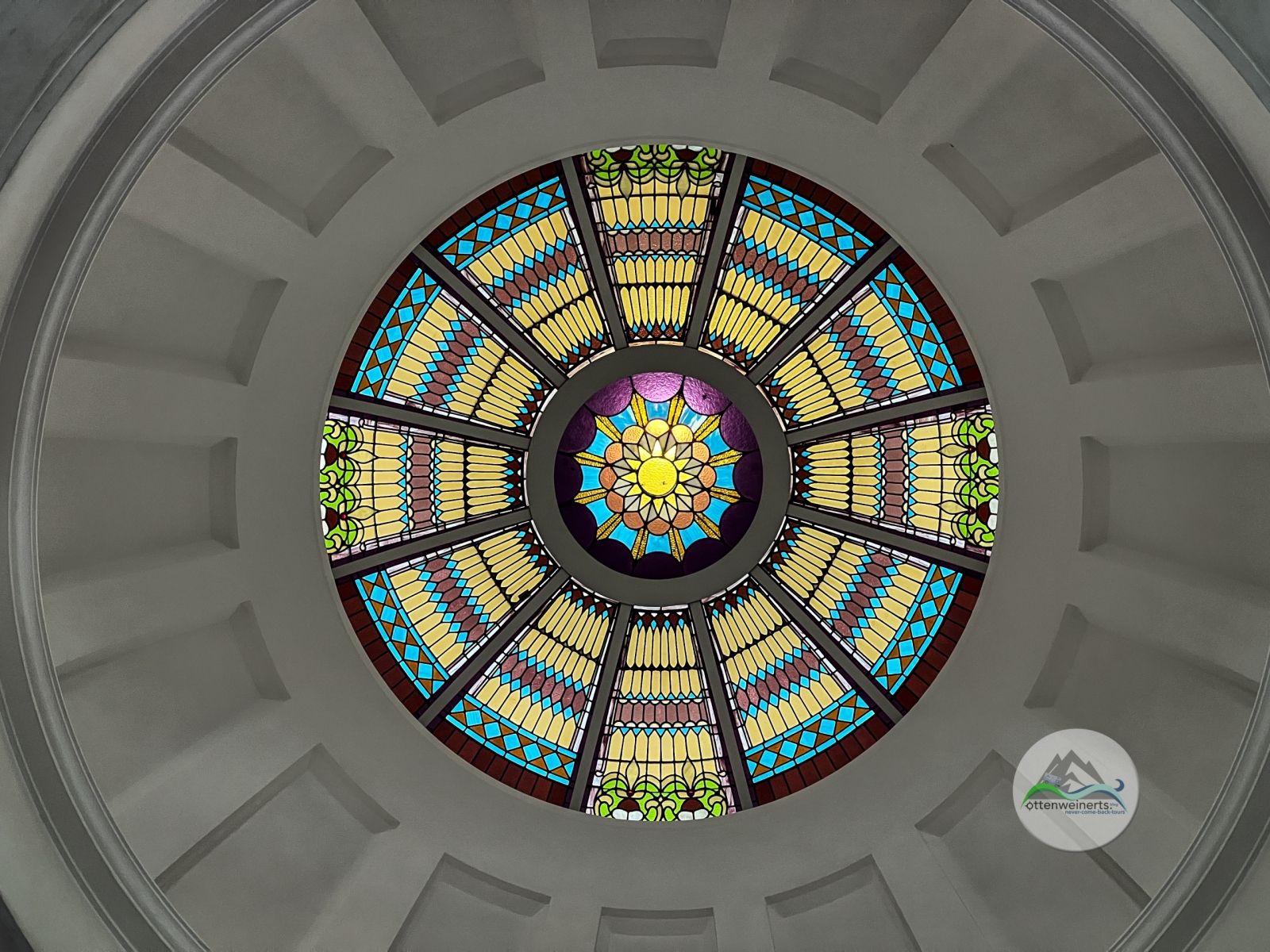
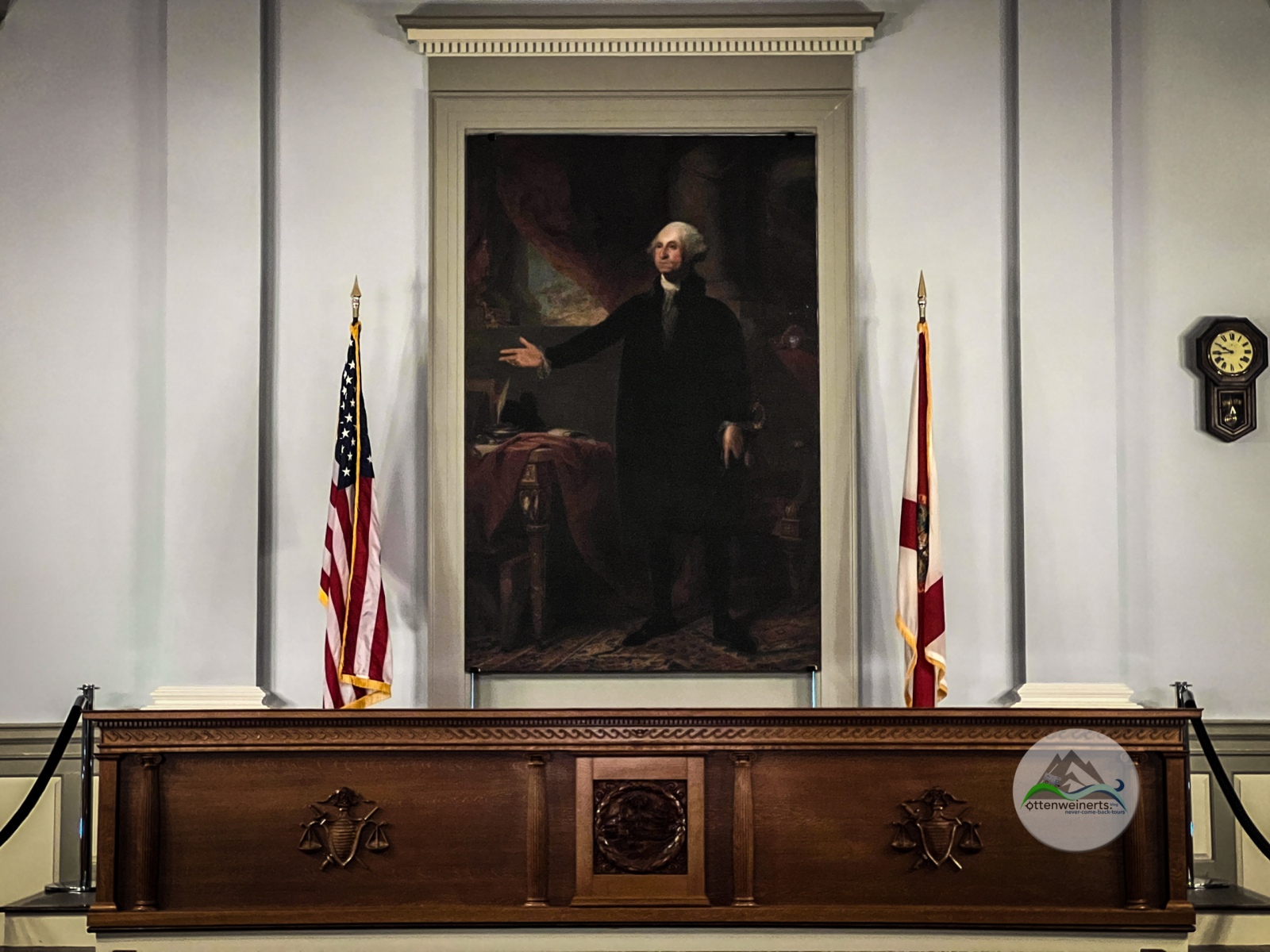
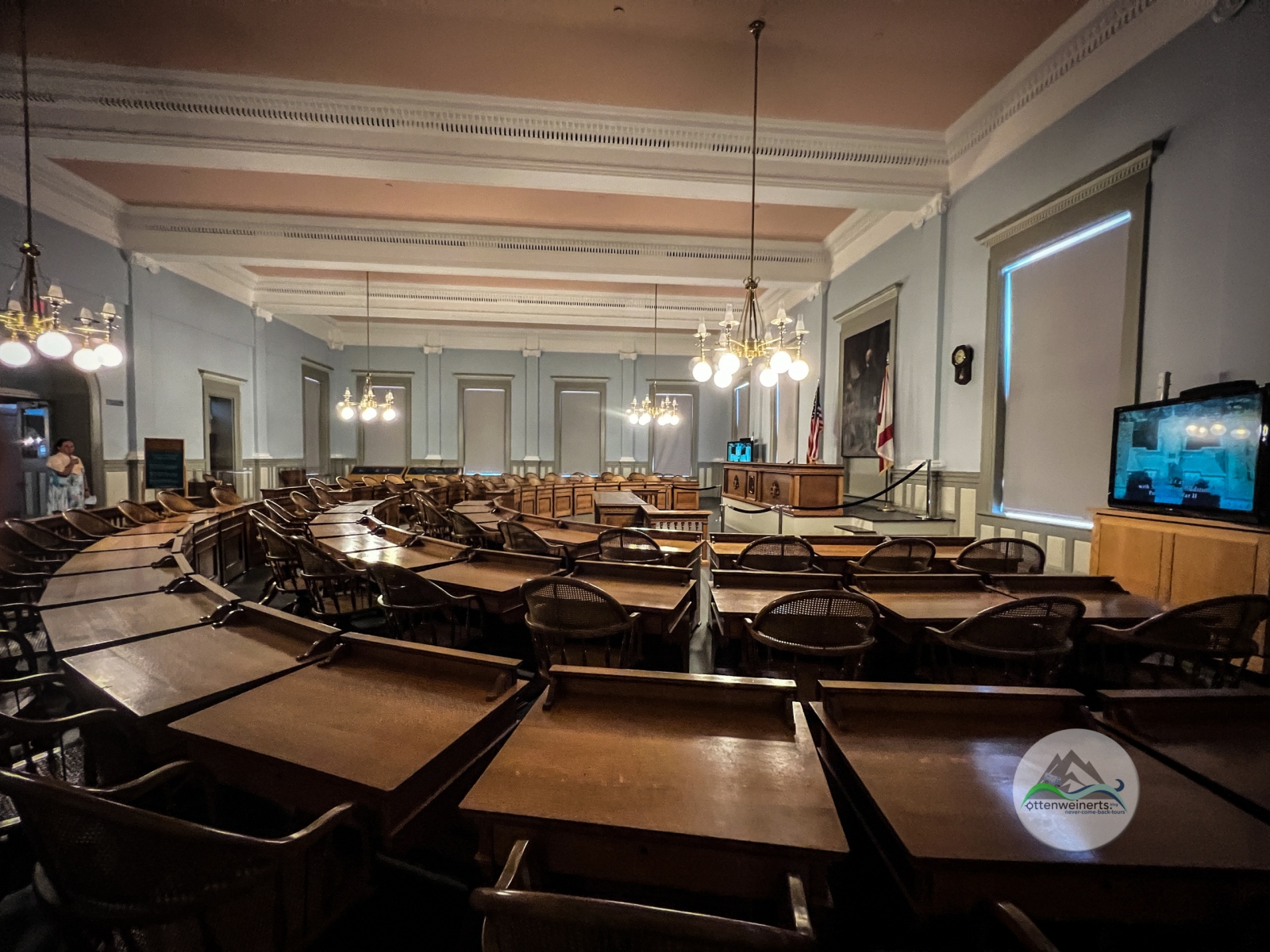
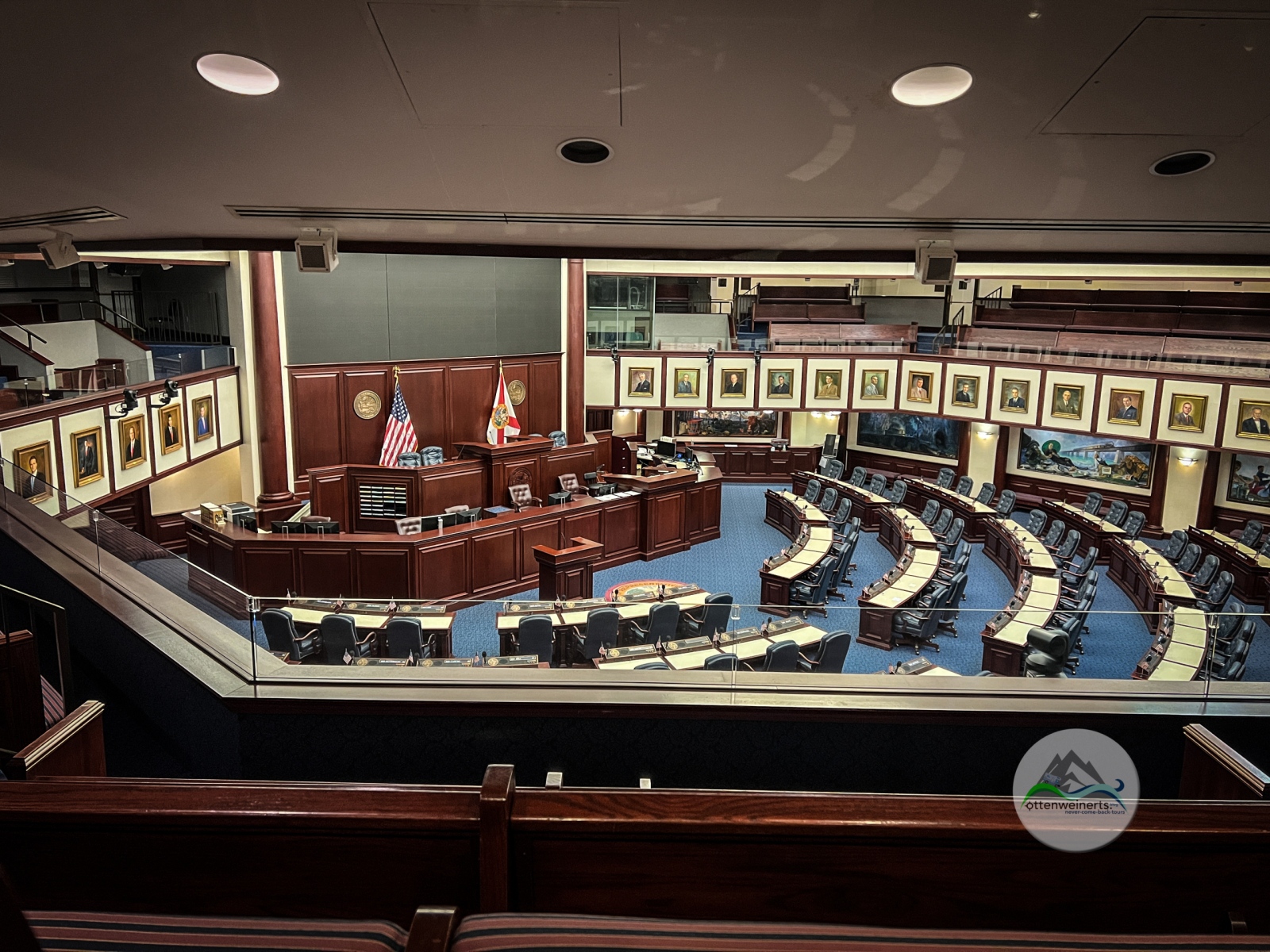
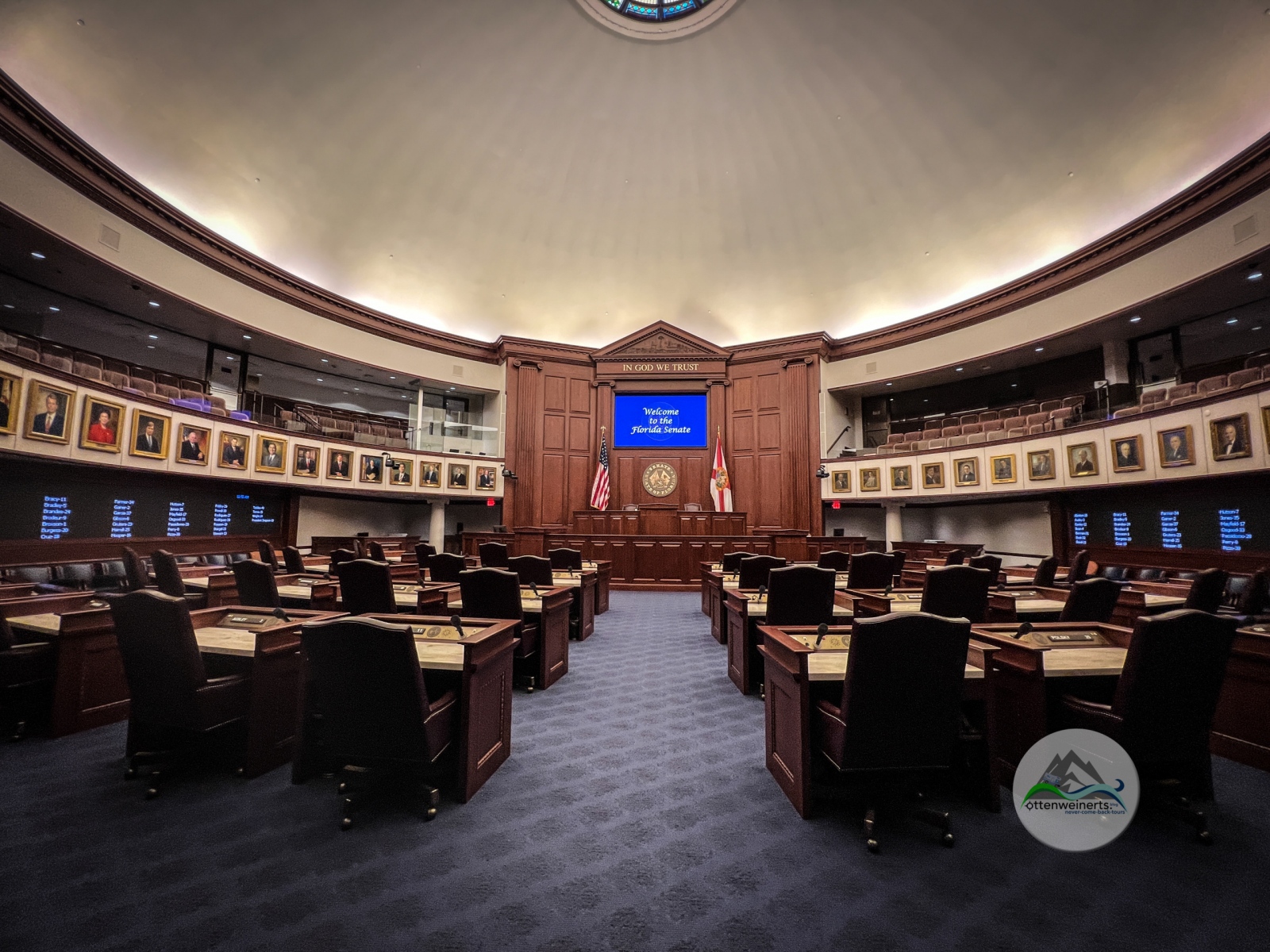
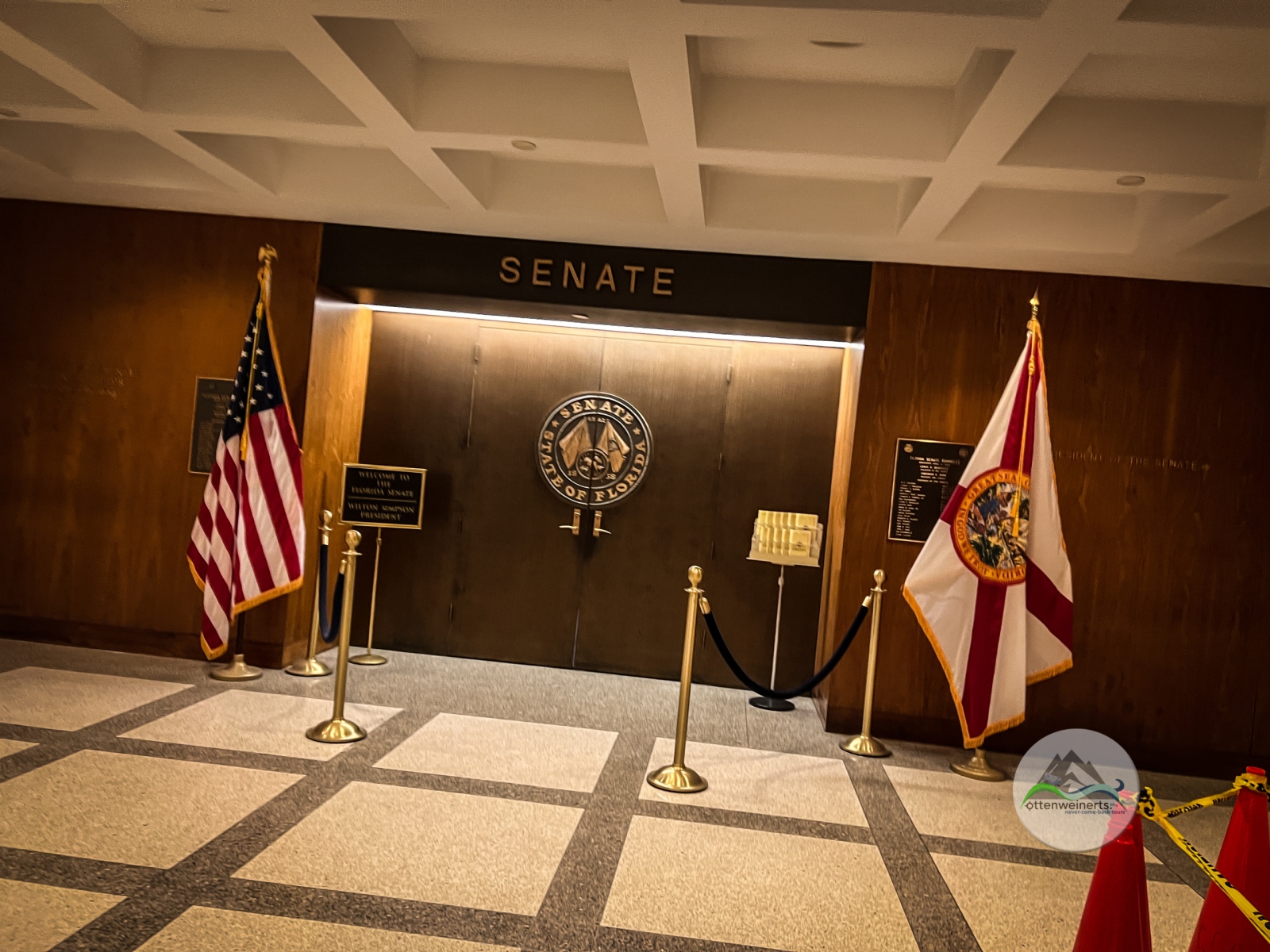
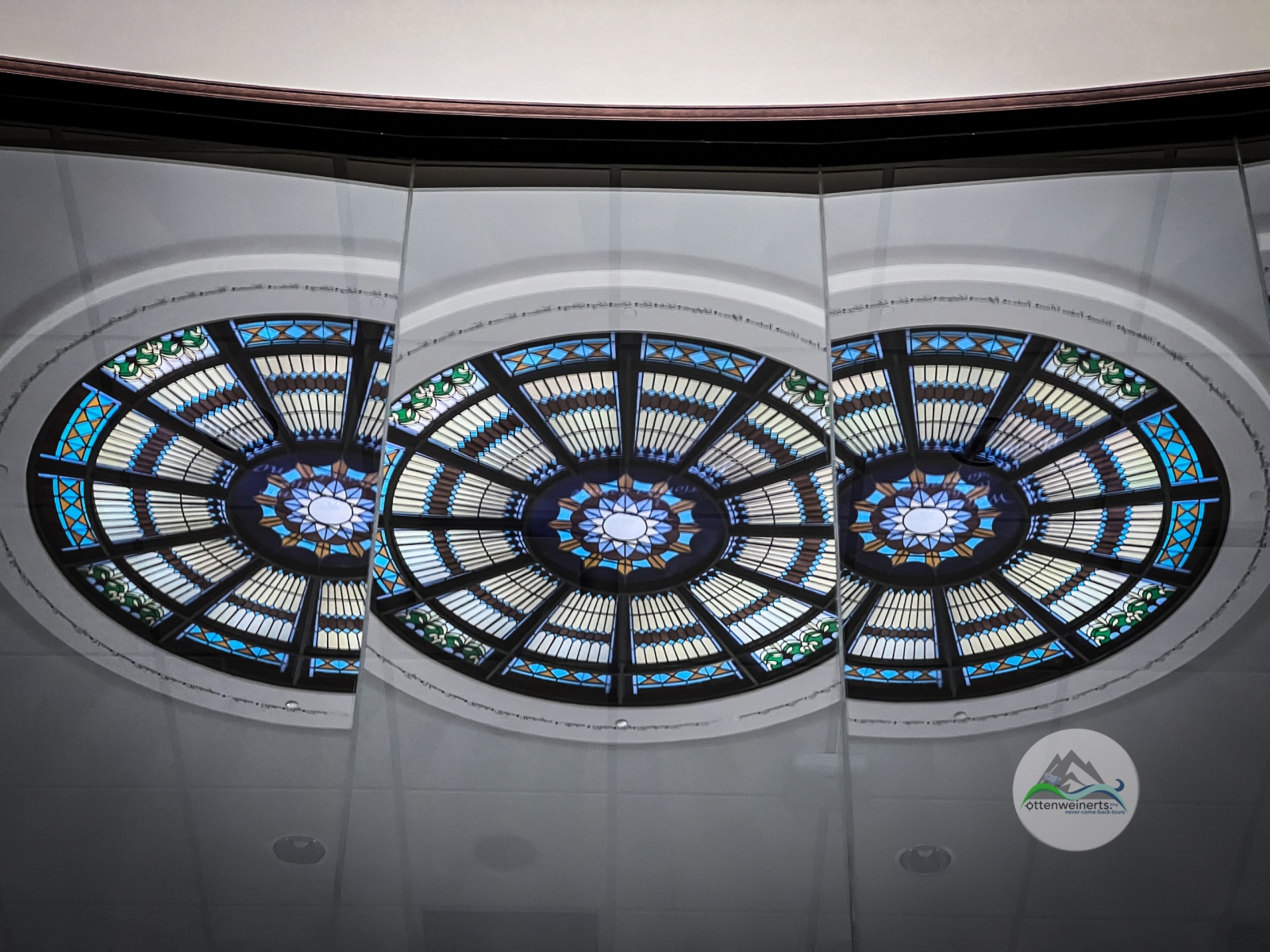
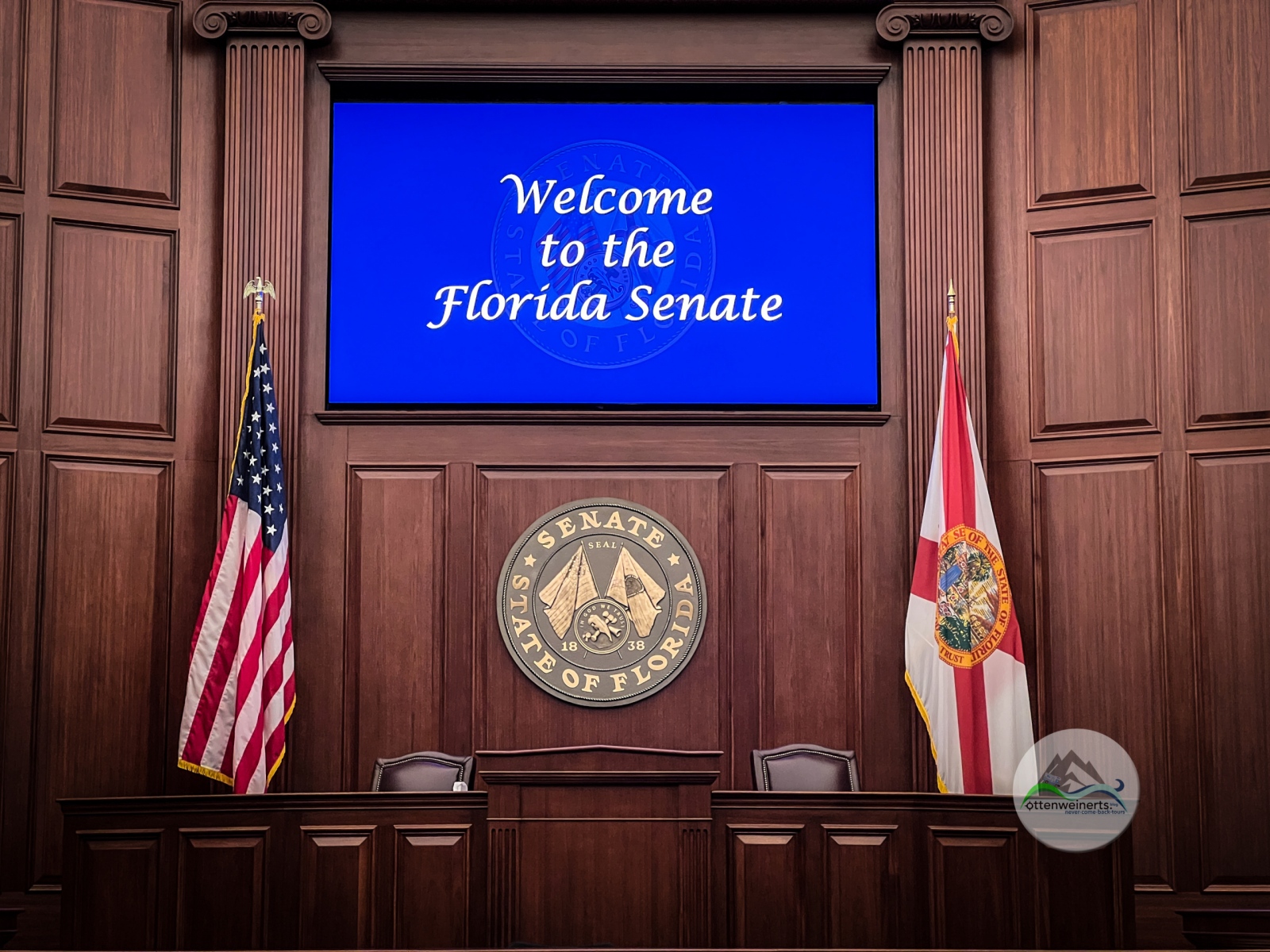
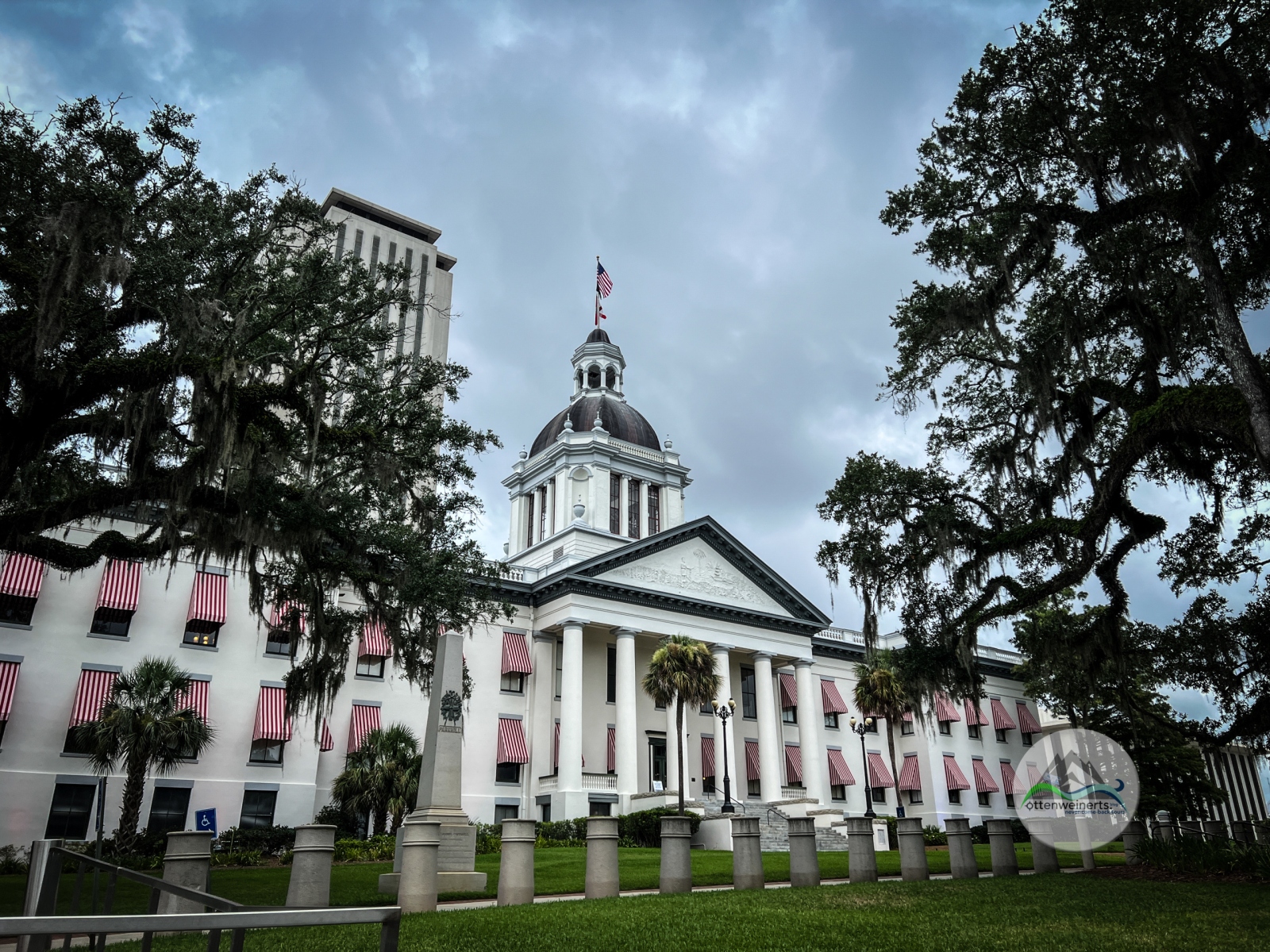
Im Kapitol in Montgomery, Alabamas Hauptstadt, wurden im Februar 1861die Konföderierten Staaten ausgerufen, eine Plakette im Senatssaal erinnert daran. Senat und Abgeordnetenhaus sind möglichst originalgetreu restauriert; die pfirsichfarbene Rotunde enthält Wandmalereien aus der Geschichte Alabamas. Gegenüber dem Kapitol steht das Weiße Haus, Residenz von Jefferson Davis, dem ersten, letzten und einzigen Präsidenten der Konföderierten Staaten, mit original Mobiliar, Kleidung und anderen Ausstellungsstücken von Davis und seiner Familie.
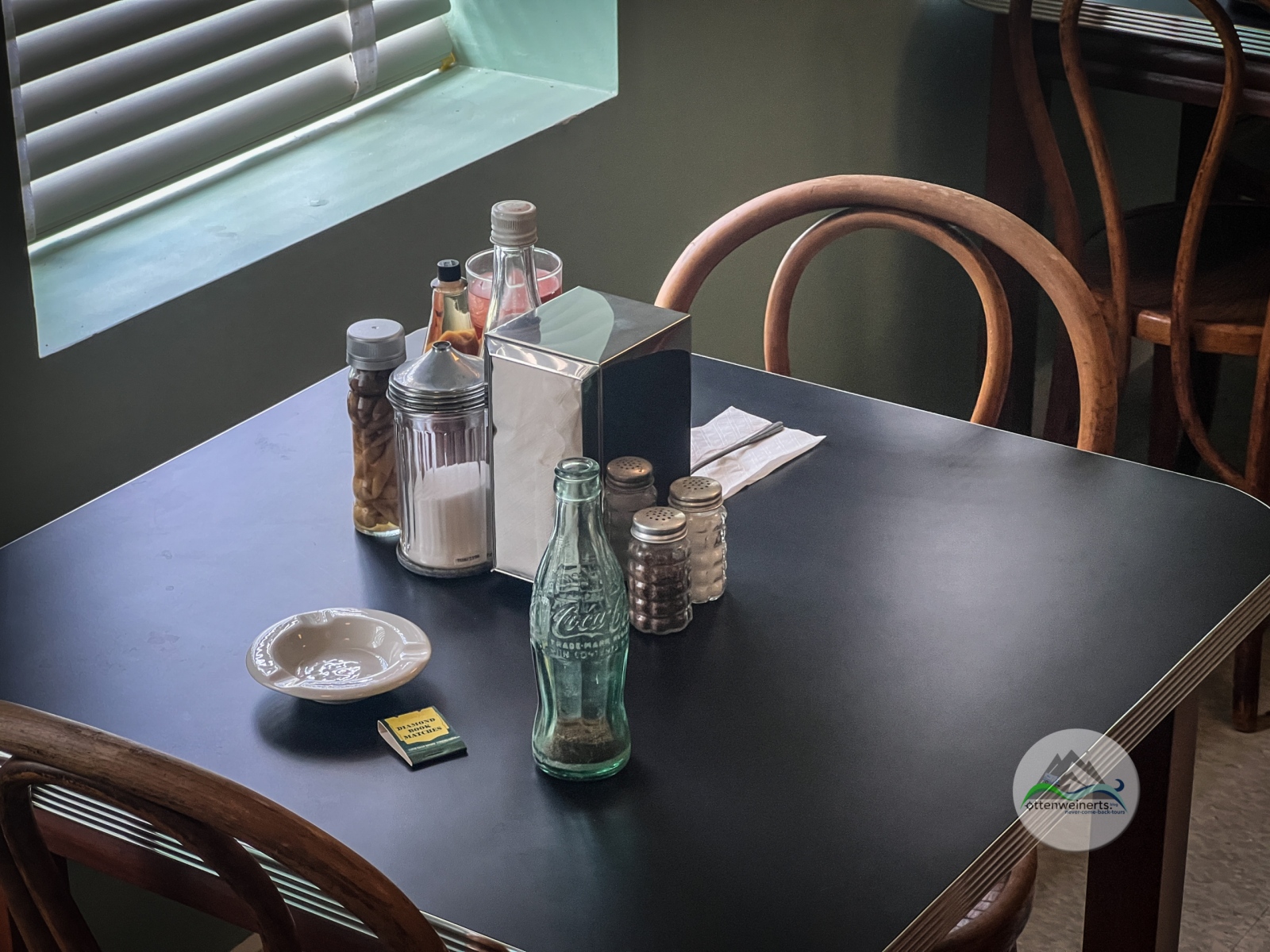
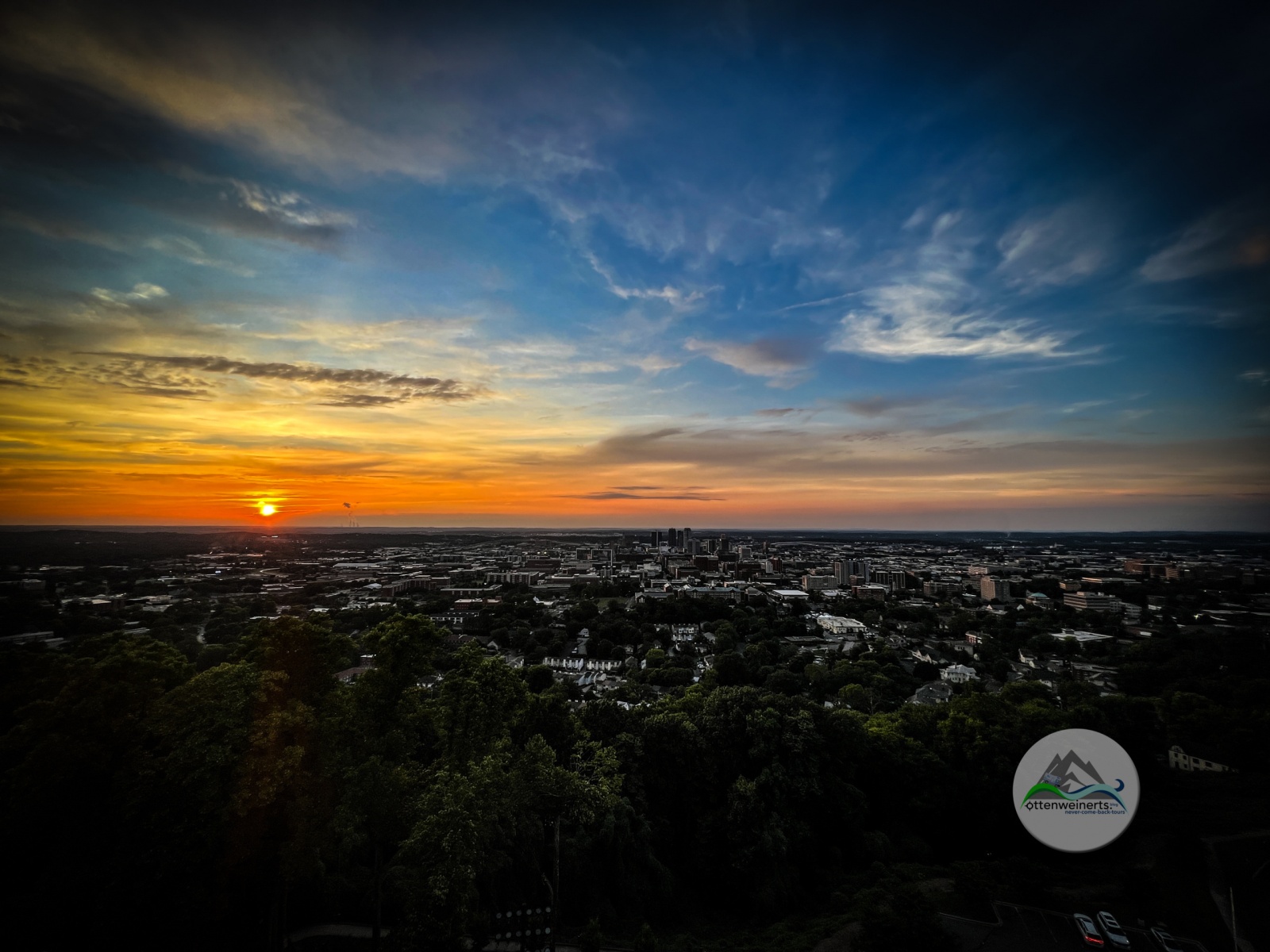
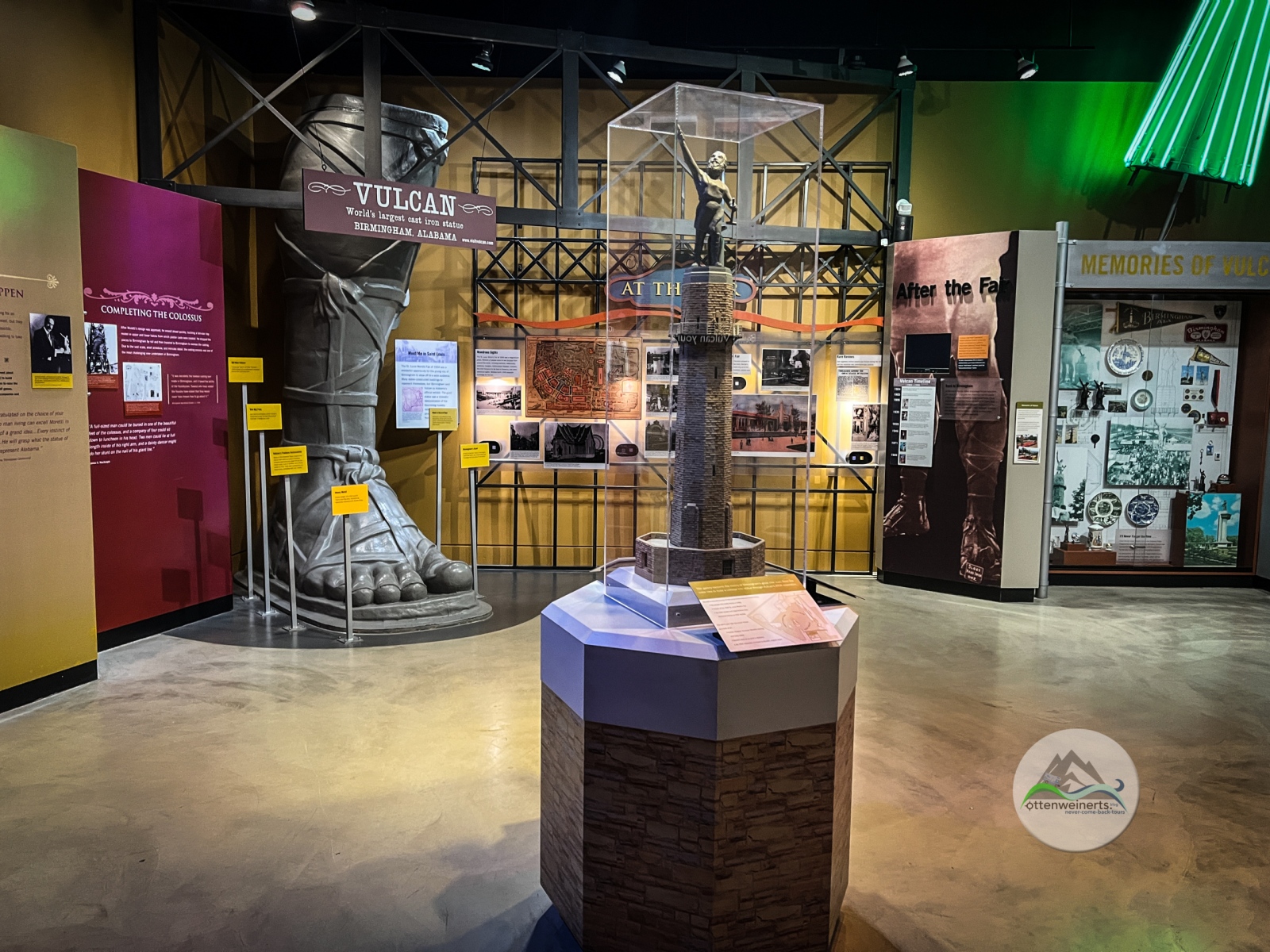
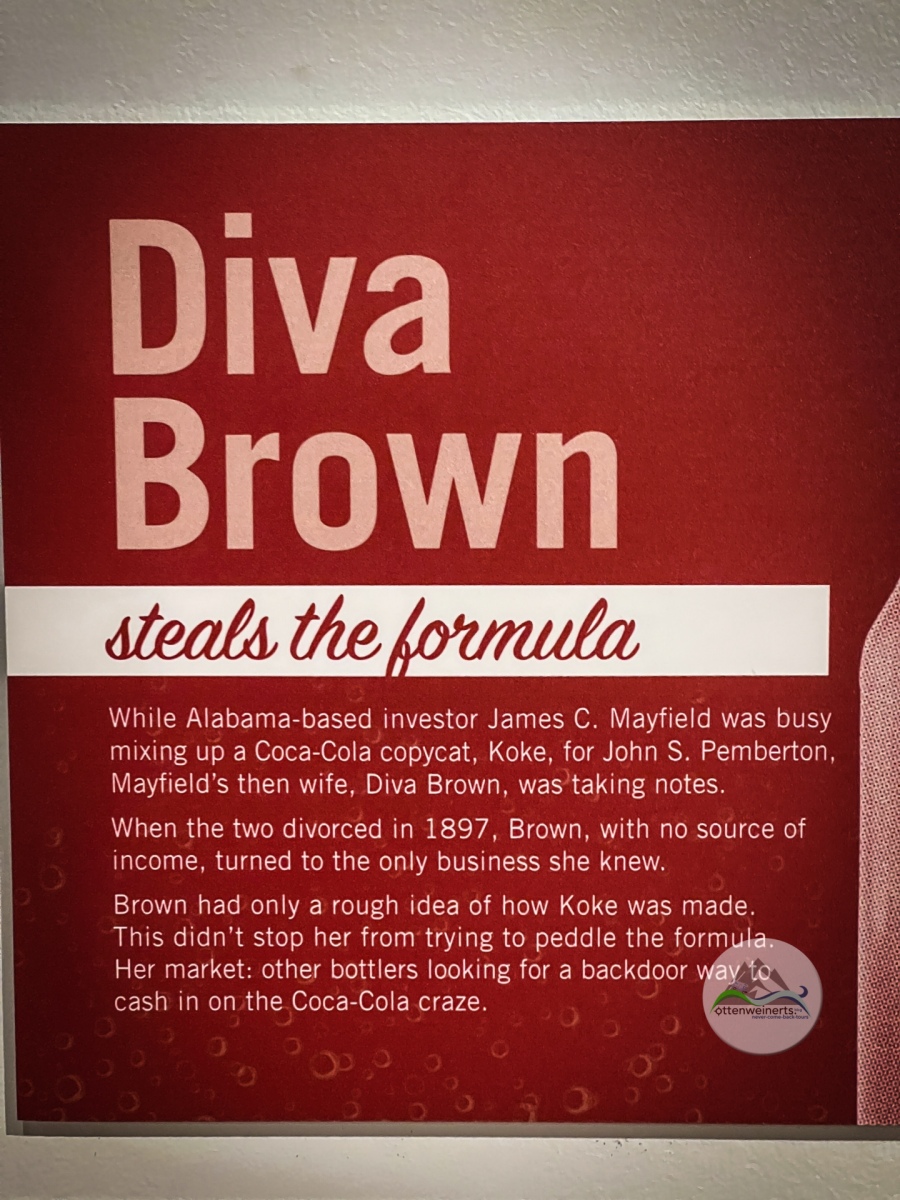
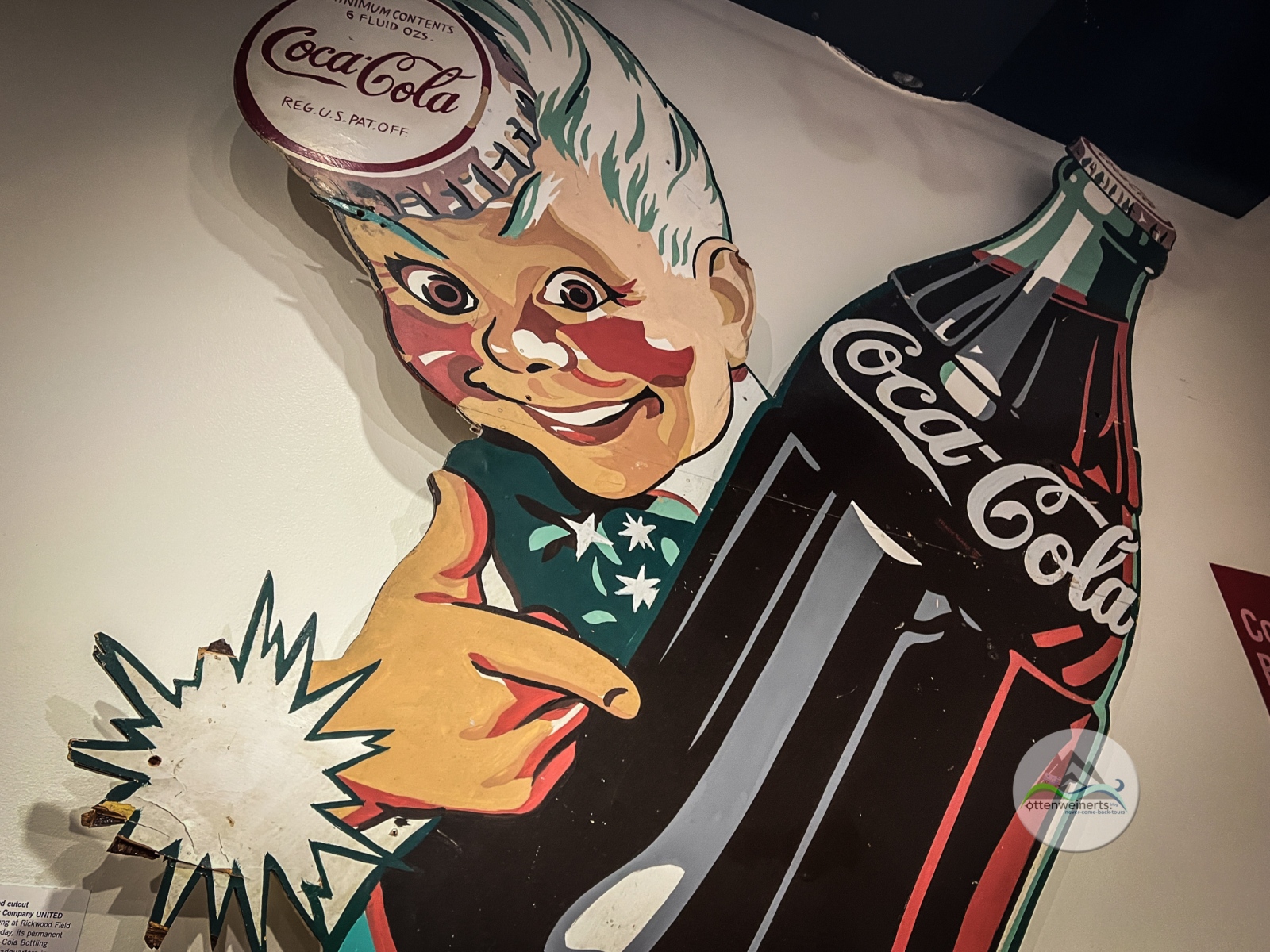
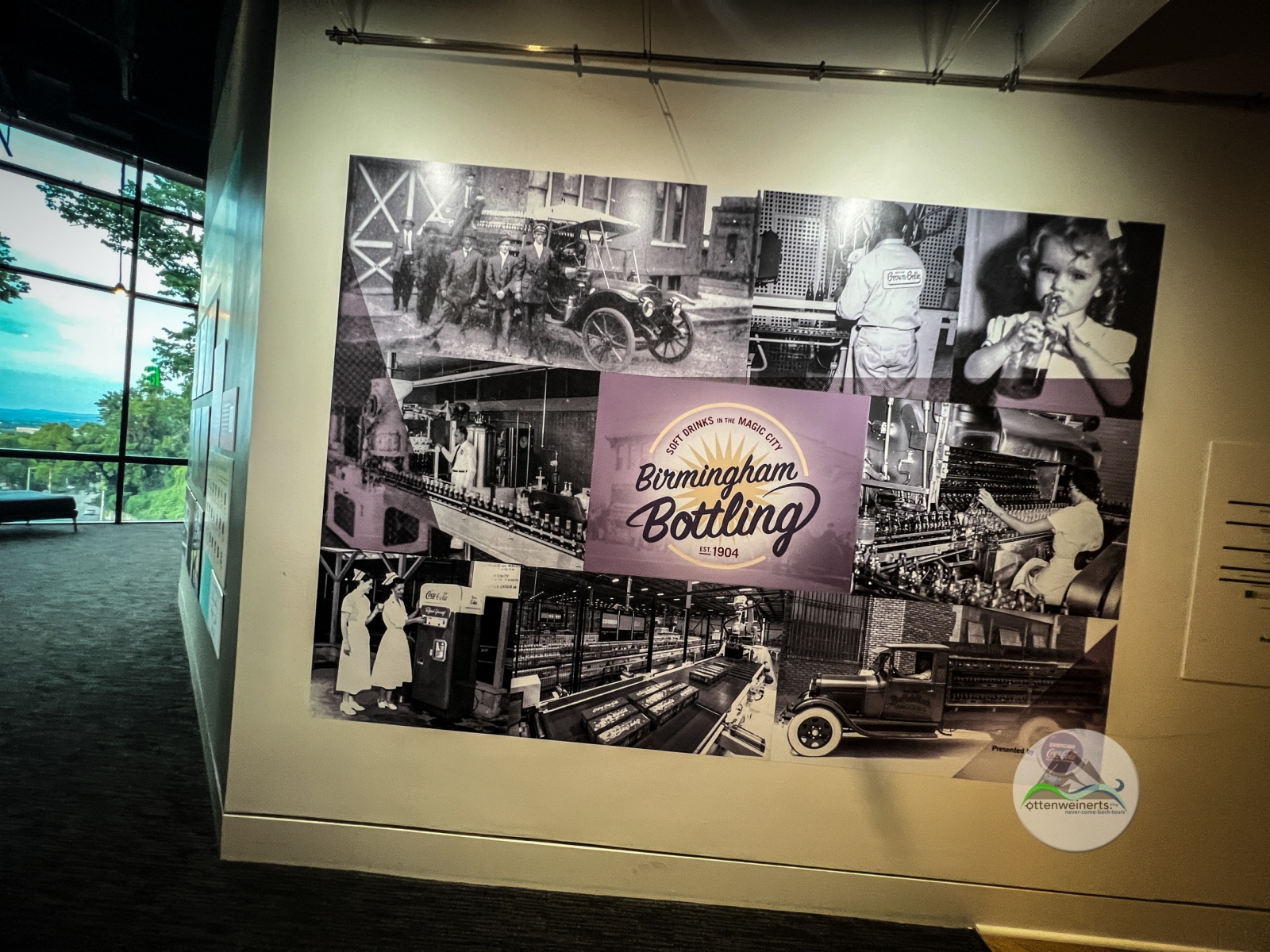
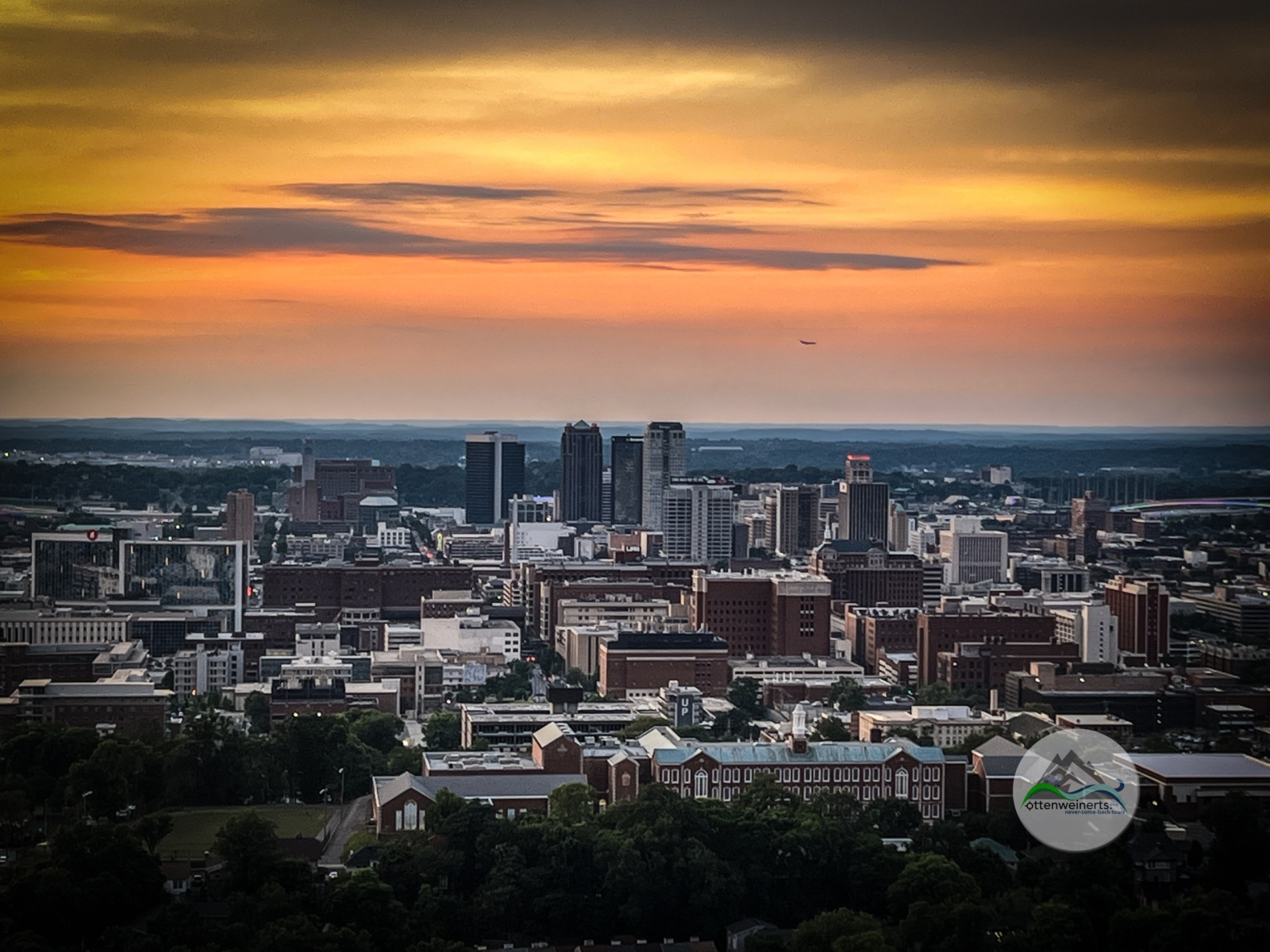
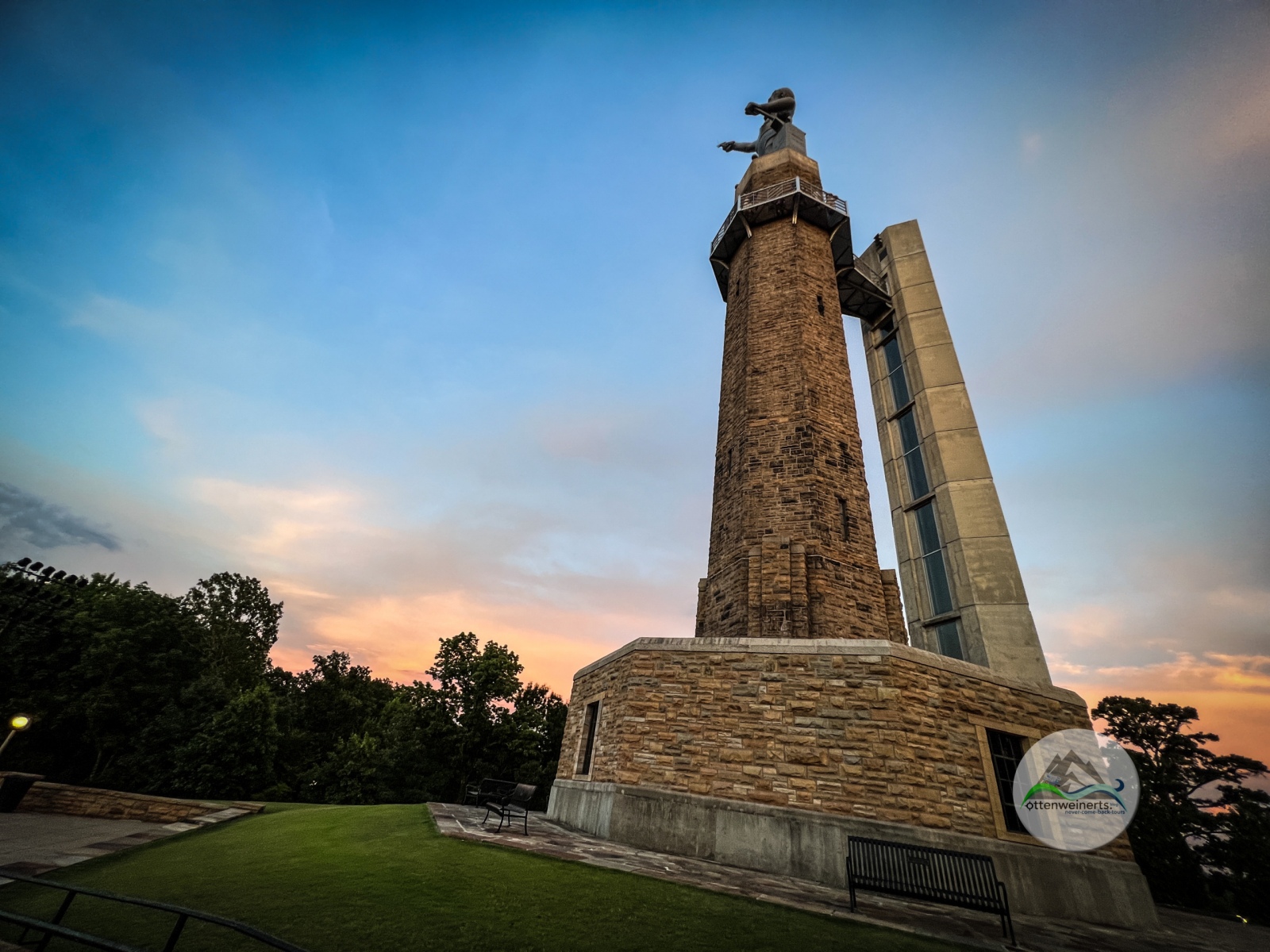
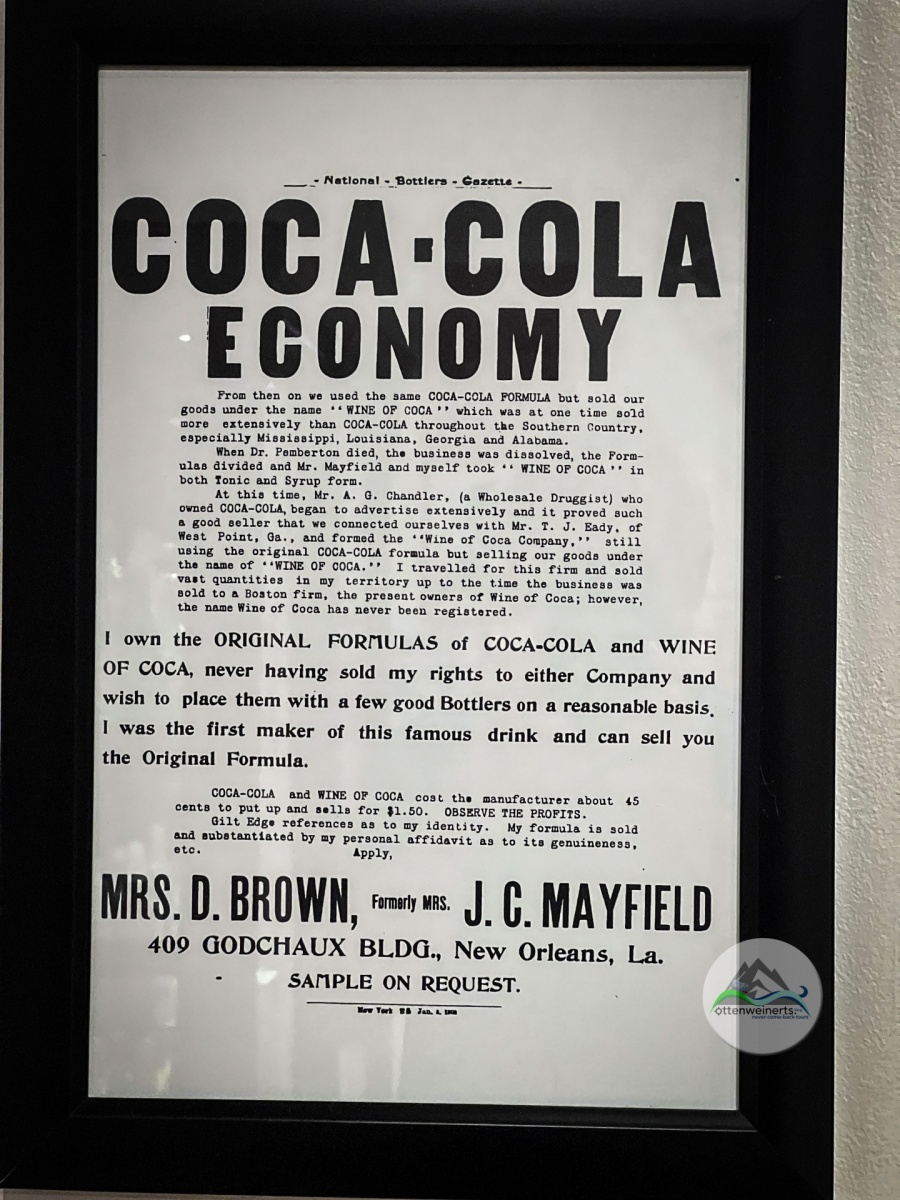
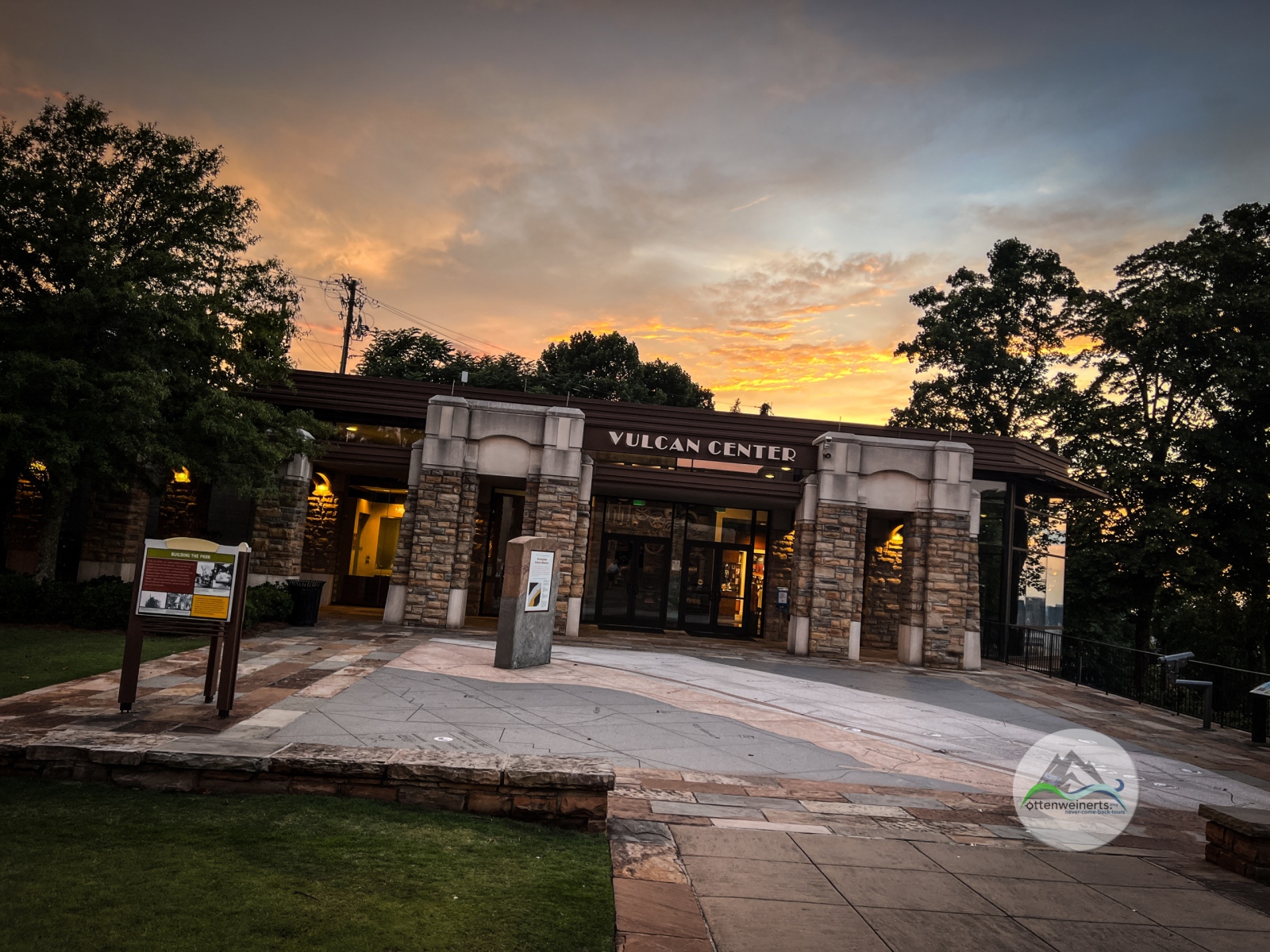
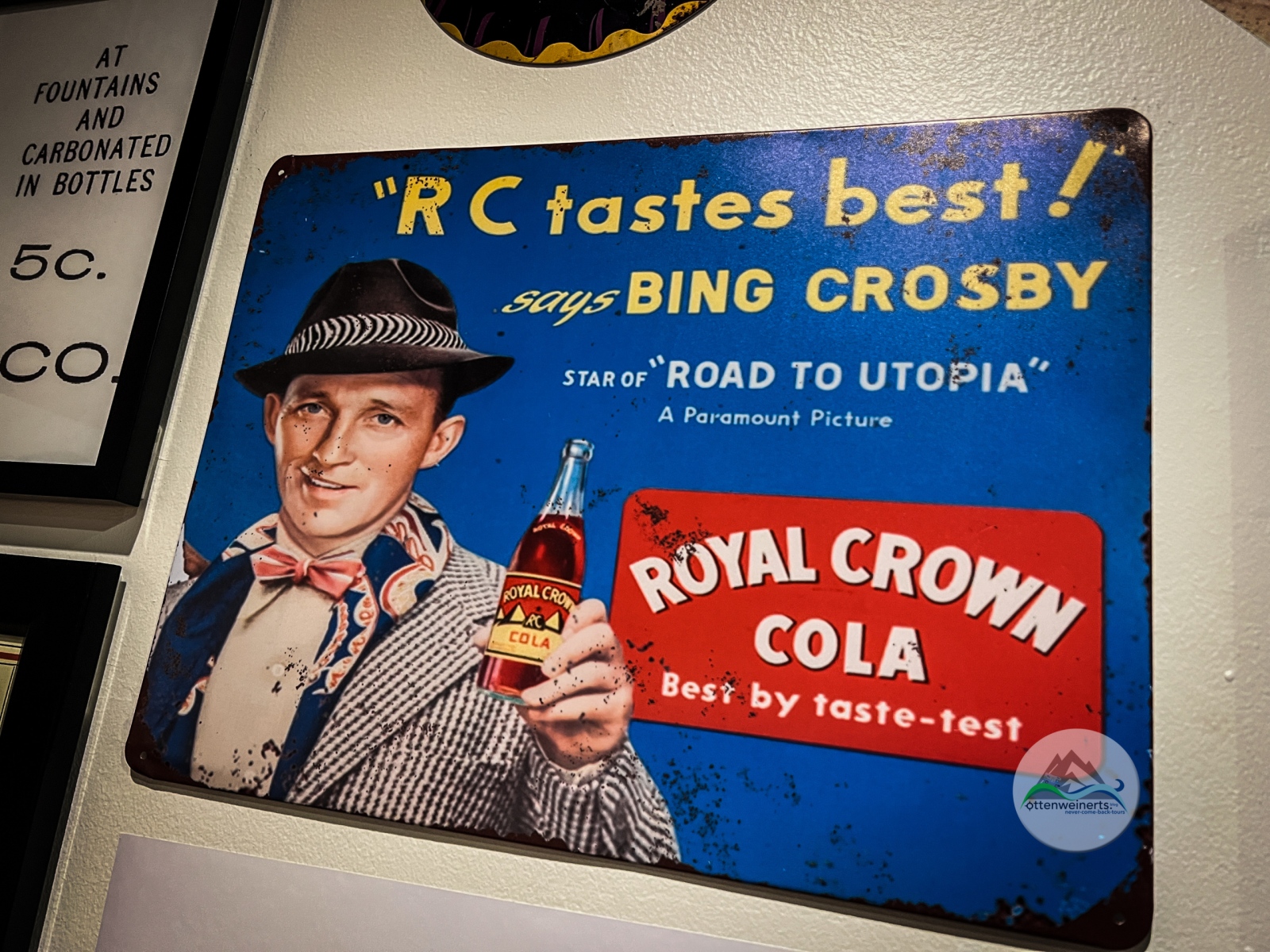
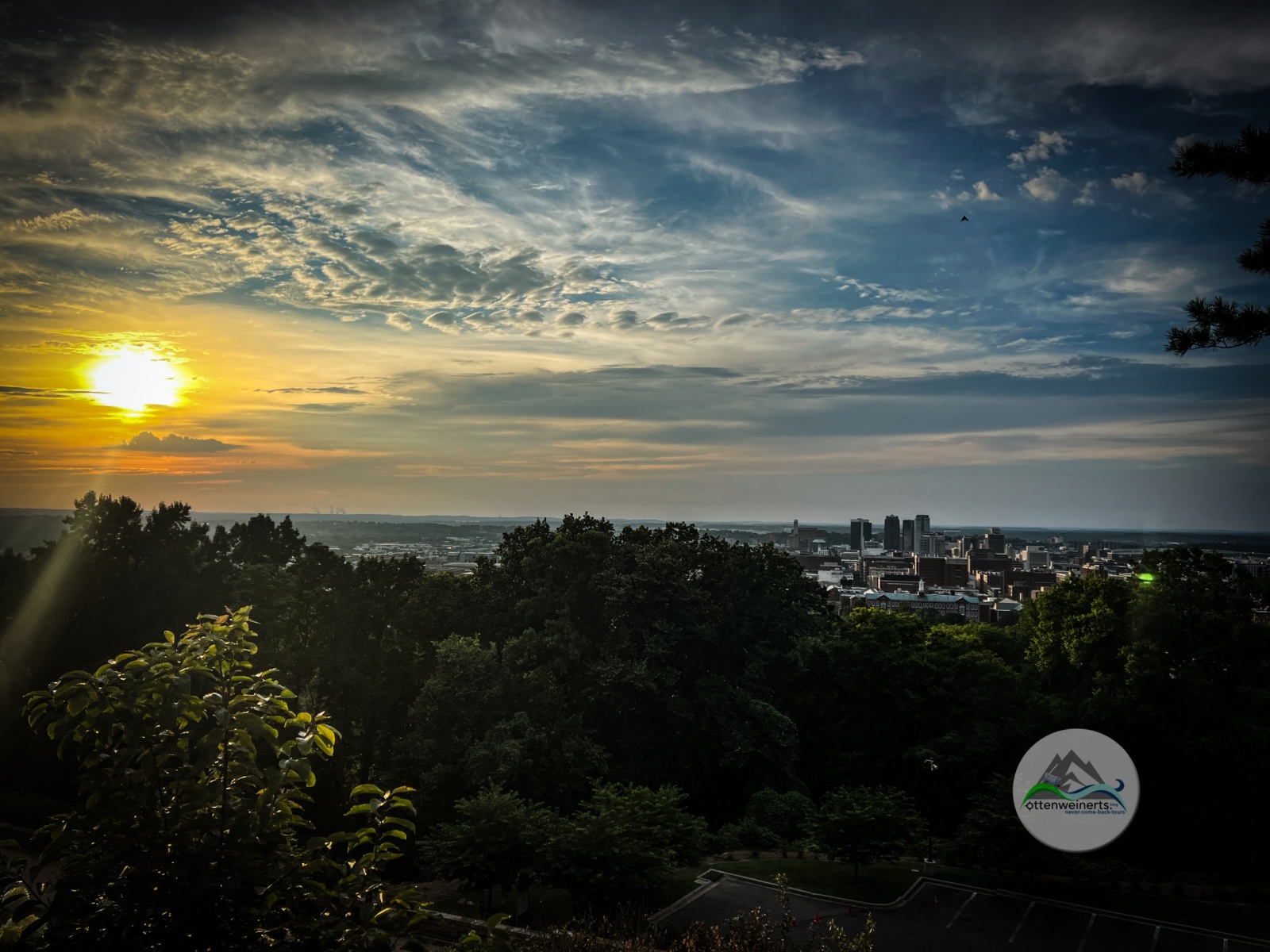
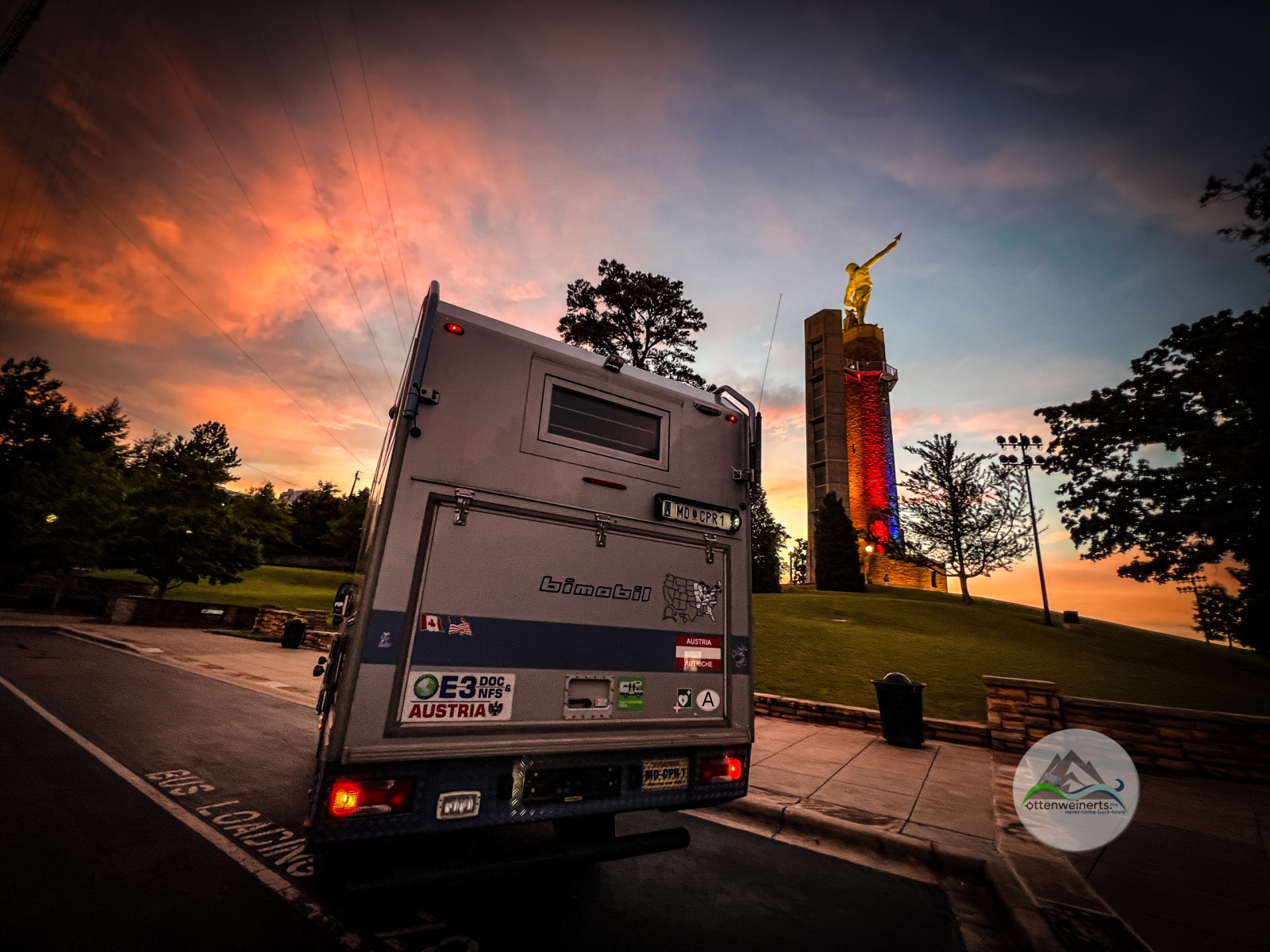
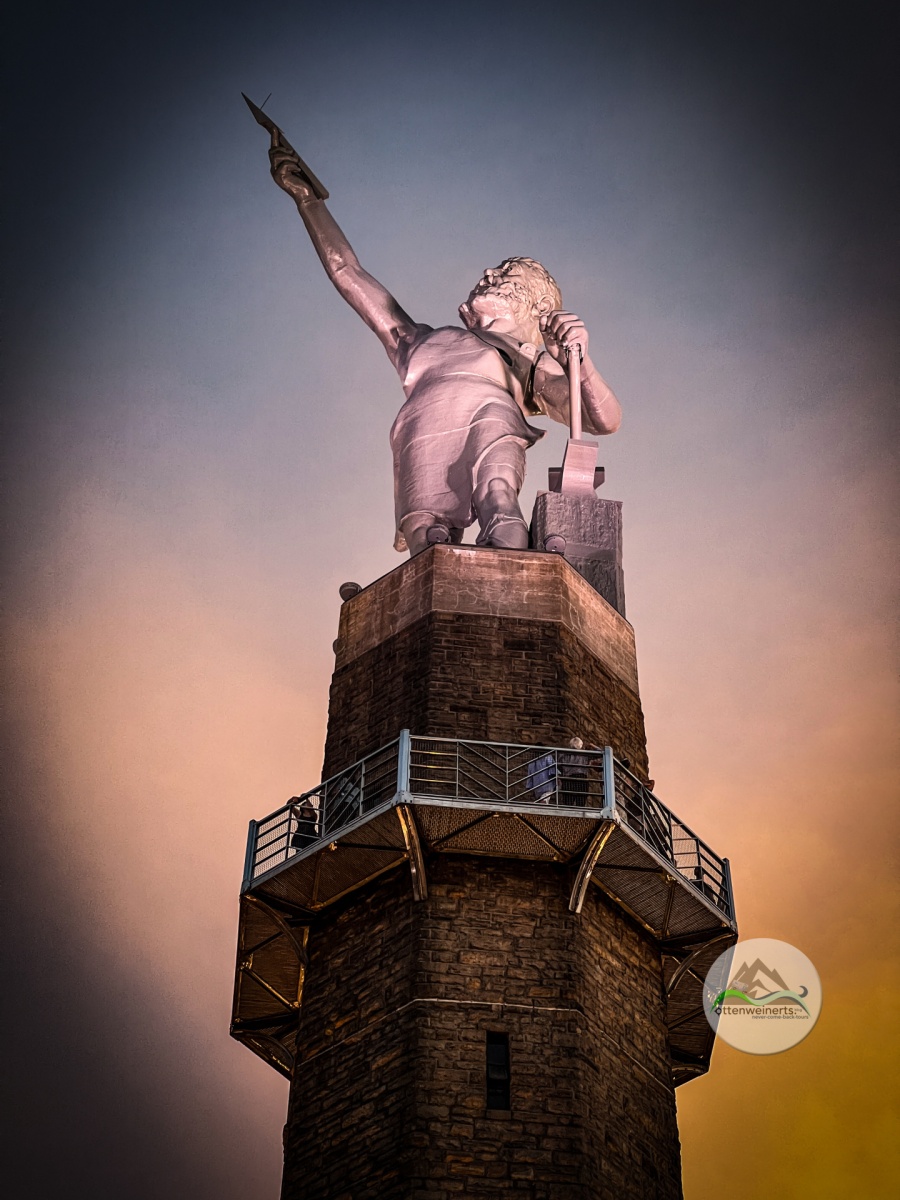
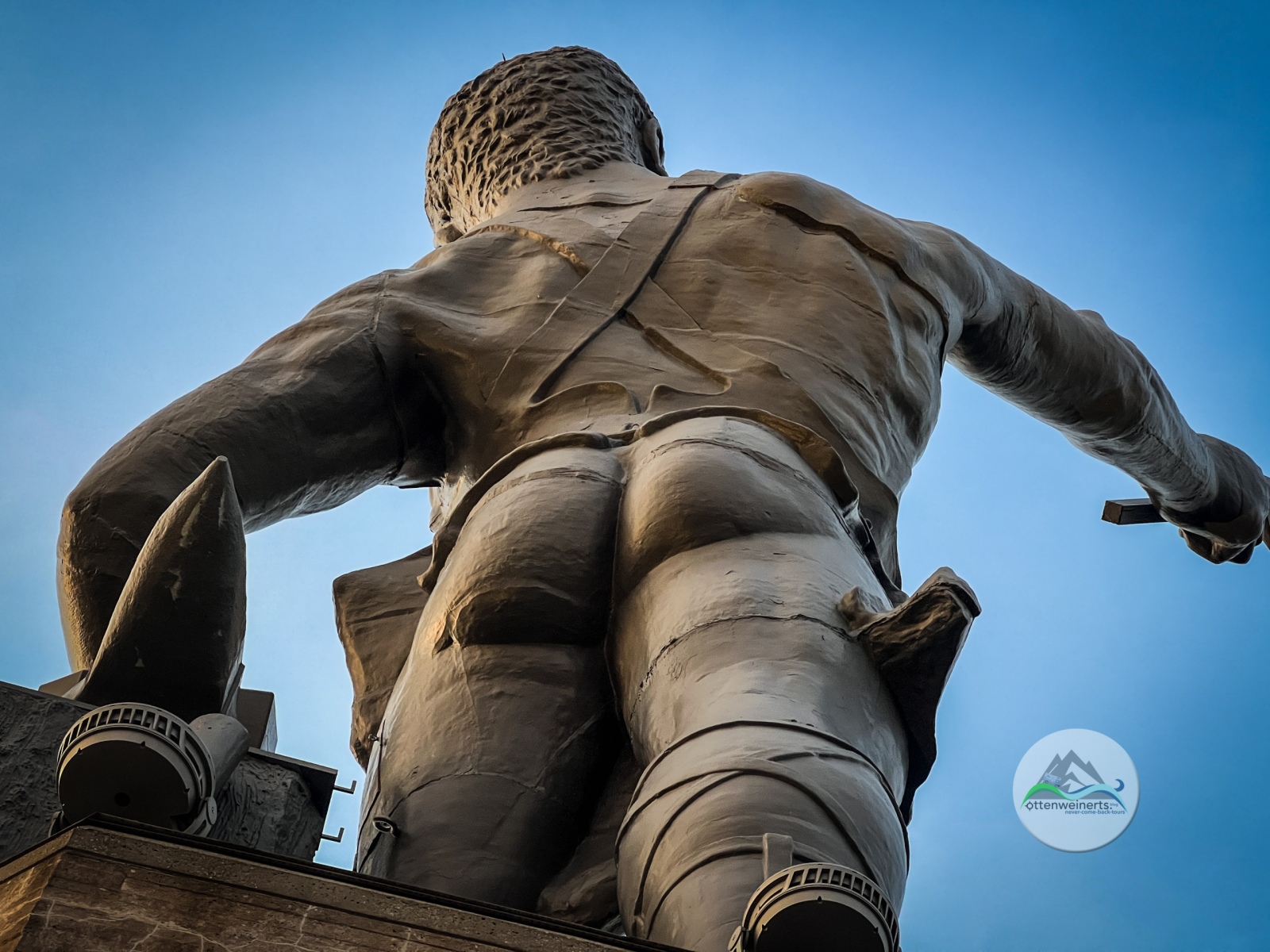
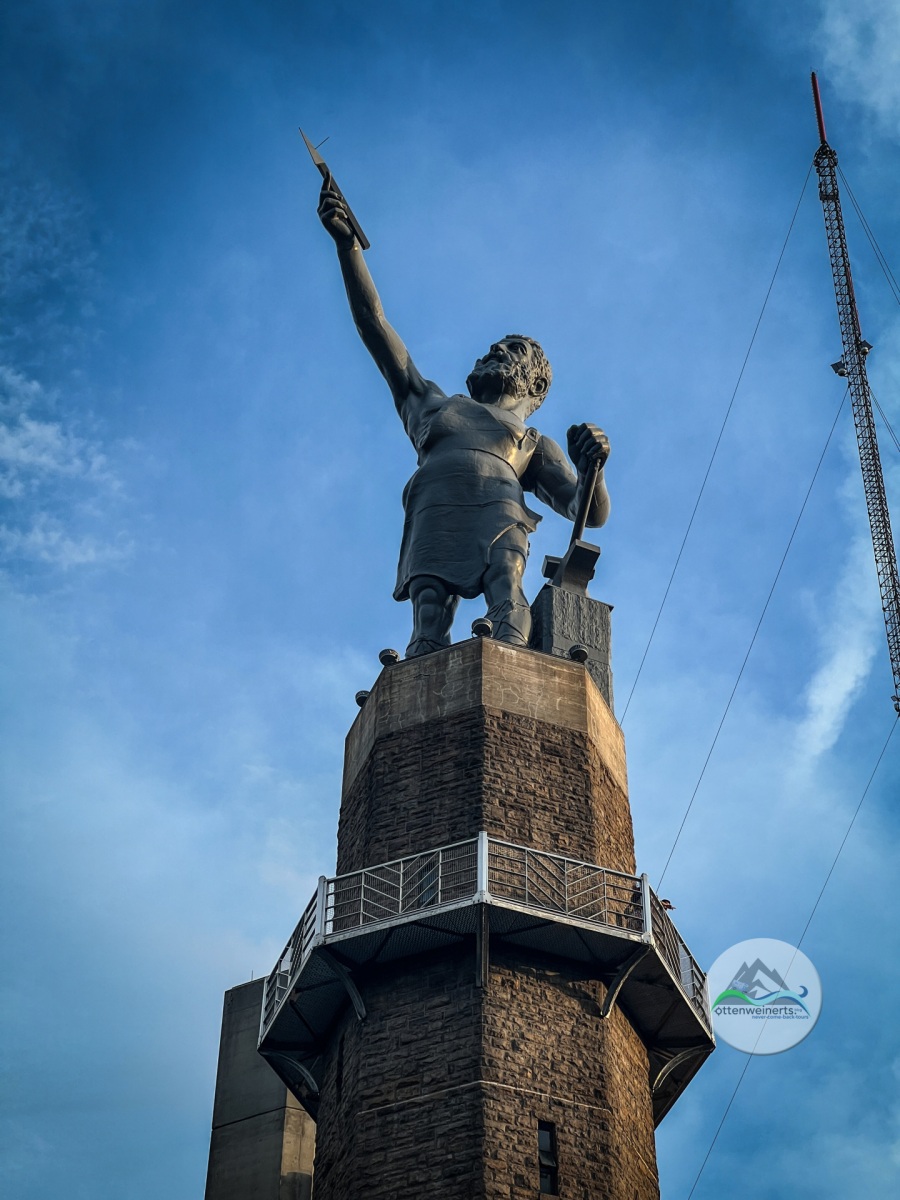
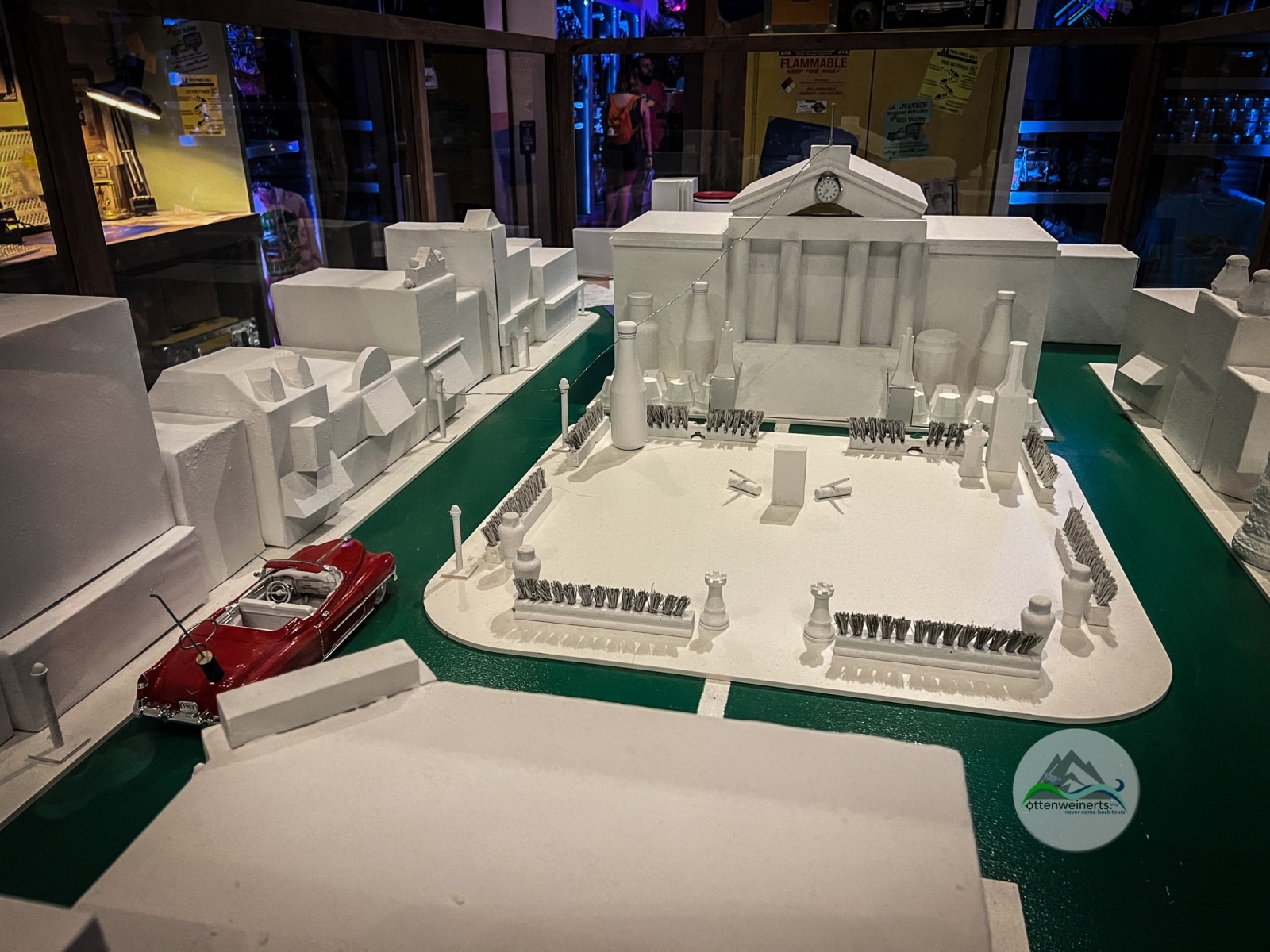
Letzter Stopp für heute: Vulcan Park und Museum in Birmingham, Alabama. Die 56 Fuß hohe Statue wurde 1904 als Repräsentant der Eisenerz- und Bergbaustadt Birmingham für die Weltausstellung in St. Louis geschaffen, und fand Jahrzehnte später ihr endgültiges Heim in den Red Mountains, mit einer großartigen Aussicht über die Stadt. Im angeschlossenen Museum erfährt man nicht nur Wissenswertes über die Geschichte der Stadt und der Statue, sondern auch Interessantes über den Kampf um die Coca-Cola-Formel und die Entwicklung der Abfüllanlagen.
Day 87 – Alabama
First stop today: the Tuskegee Airmen National Historic Site. During WWII personnel became scarce, so here, for the first time, African Americans got the chance to become Airforce pilots. We already knew from our visit to FDR´s home and museum in Hyde Park, NY, that Eleanor Roosevelt was one of the advocates for the Tuskegee Project. What we didn´t know, was that segregation was still in effect – the pilots were sent to Europe to fight the fascists, but at home they had to face racism. After the achievements of the Afro-American squadrons, an executive order by President Harry S. Truman´s finally ended segregation in the Airforce in 1948.
The Confederate States were born in February 1861 in the Senate of the Capitol in Montgomery, AL. Senate and House have been restored to their original appearance as closely as possible; the rotunda shows murals with scenes from Alabama´s history. Right across the street there is the White House of the Confederacy, the executive residence of President Jefferson Davis, showing original furniture, clothes and other exhibits of the Davis family.
Last stop for today: Vulcan Park and Museum in Birmingham, AL. The 56 ft statue was created in 1904 to represent the iron ore and mining town Birmingham at the World Fair in St. Louis; decades later Vulcan found his final home in the Red Mountains, with a great view over the city. The museum offers interesting details about the history of the city and the statue, and also insight into the war for the Coca-Cola formula and the evolution of botteling plants.