Dienstag / Tuesday, December 20, 2022
Tag 247 – Isla del Sol, Titicaca-See
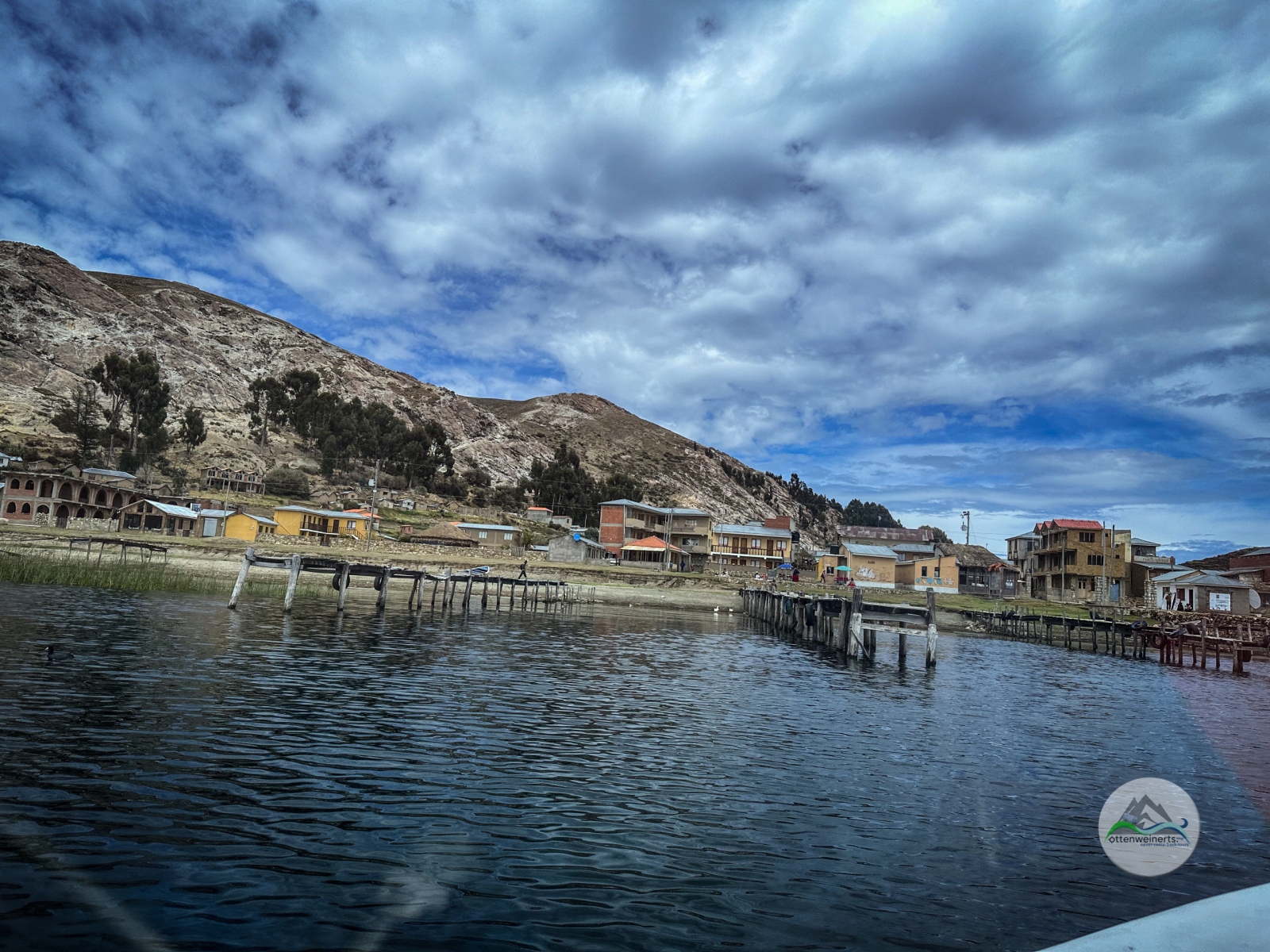
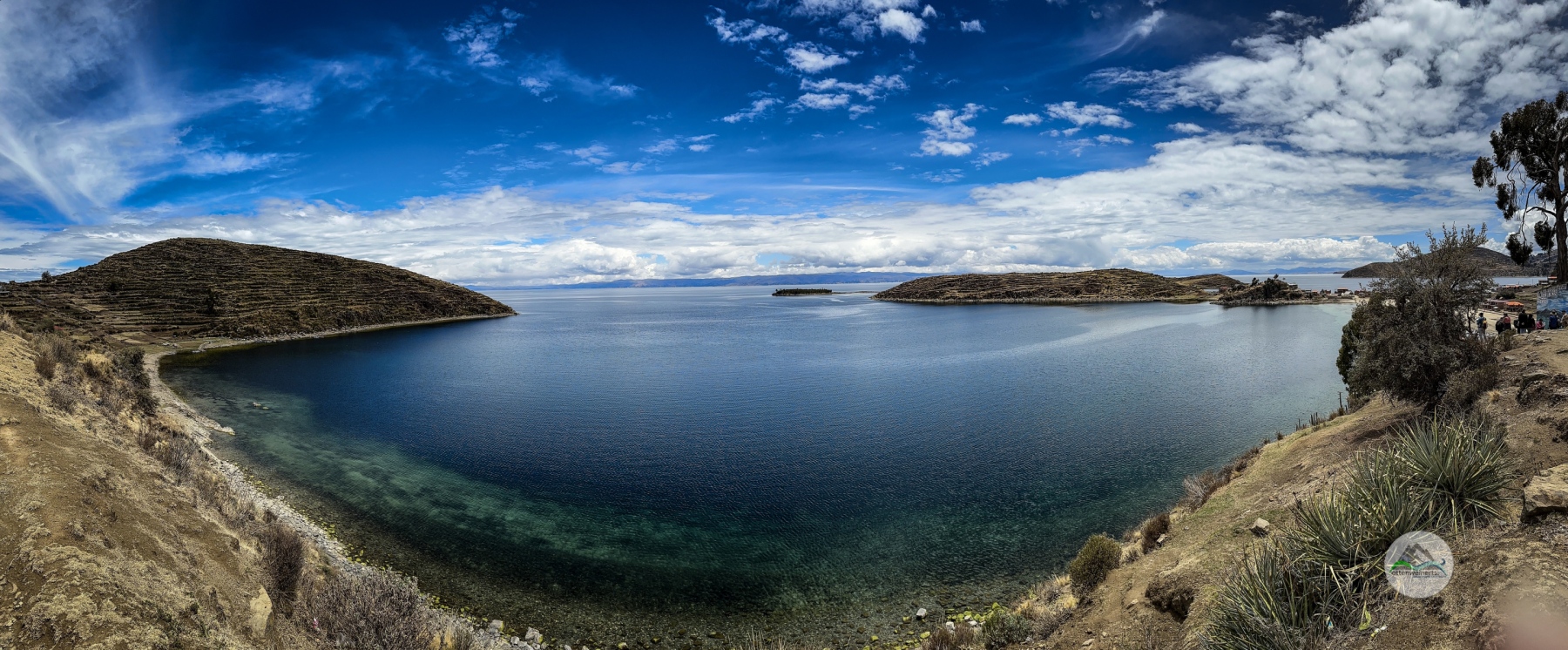
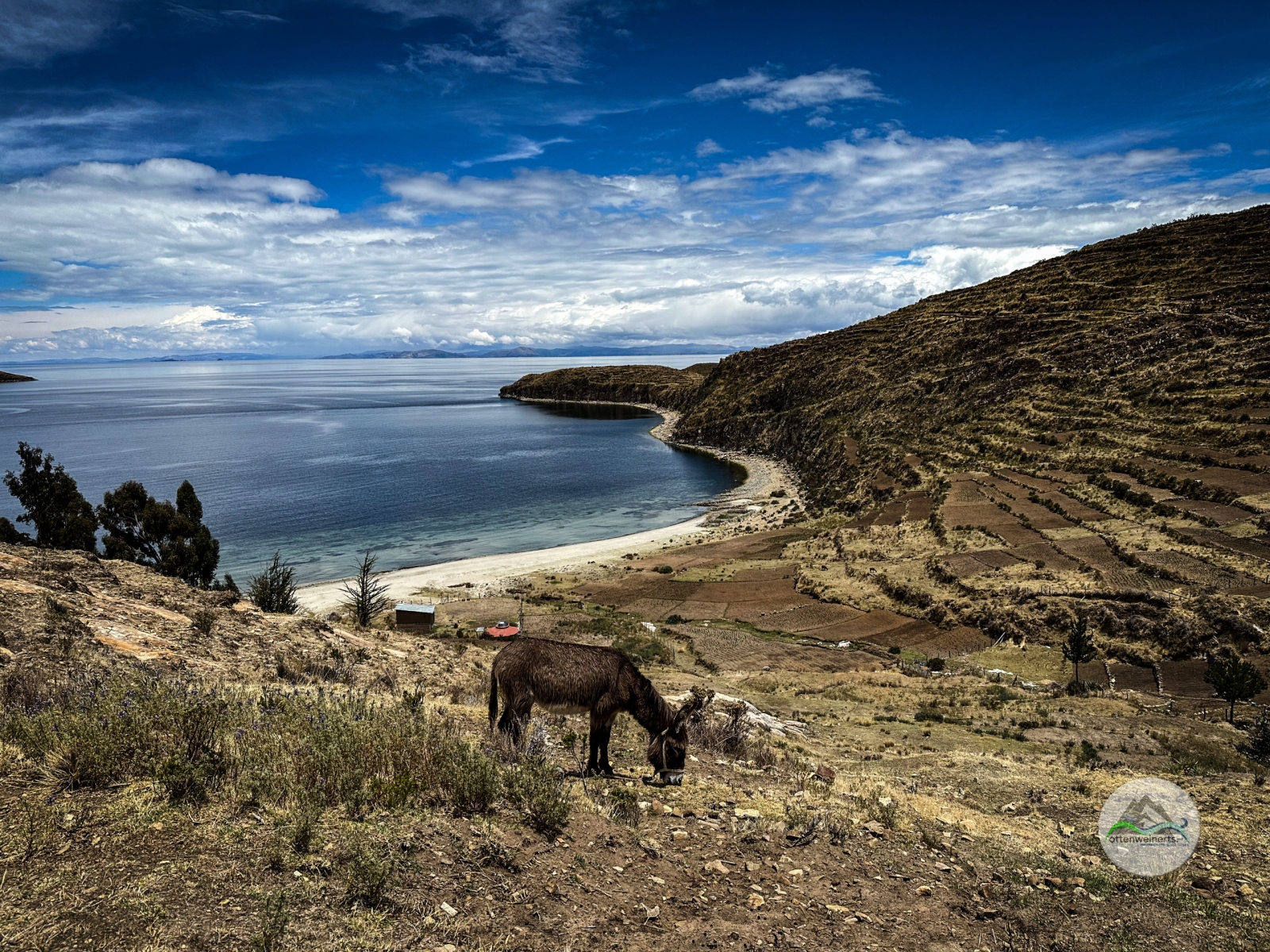
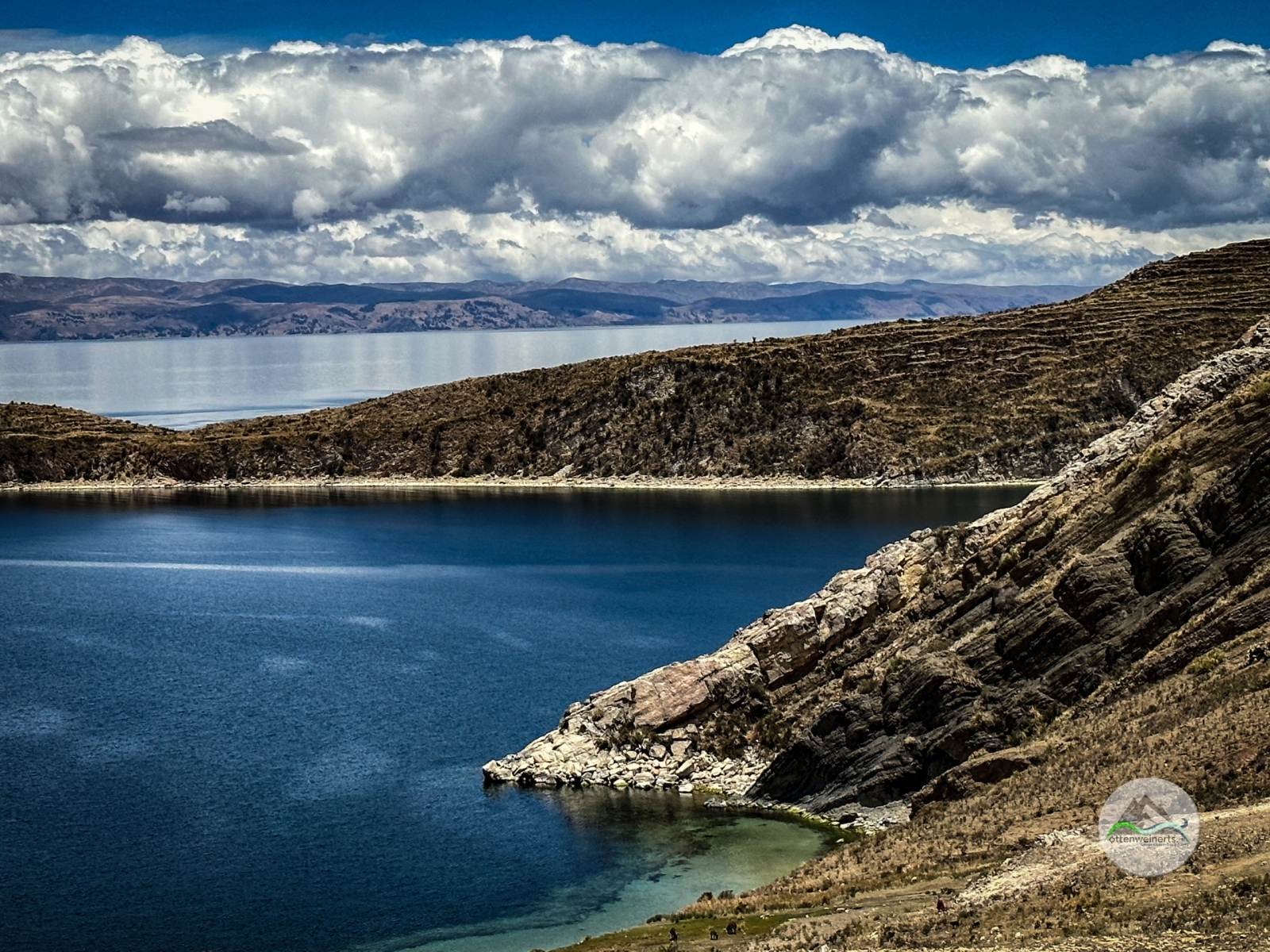
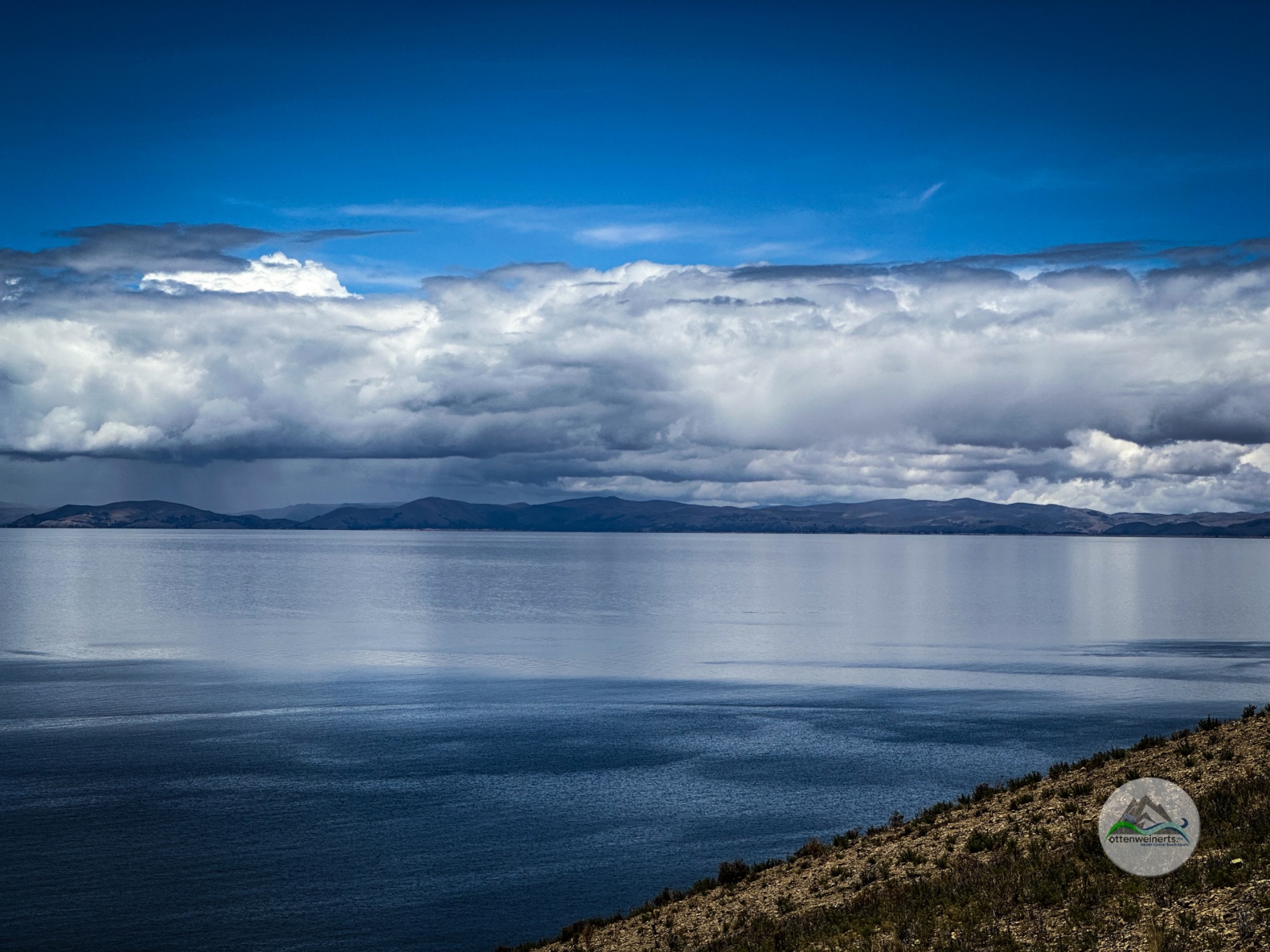
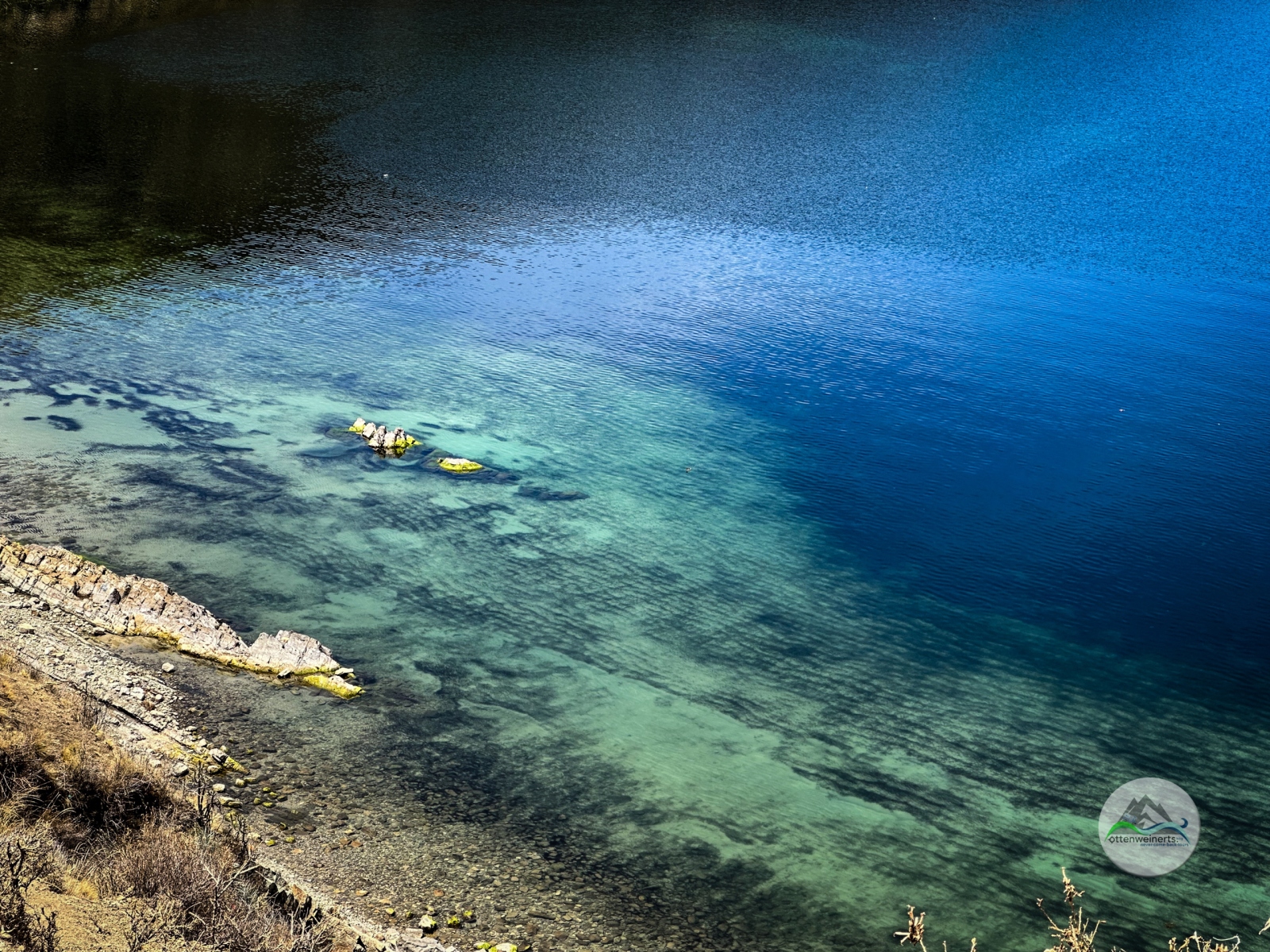
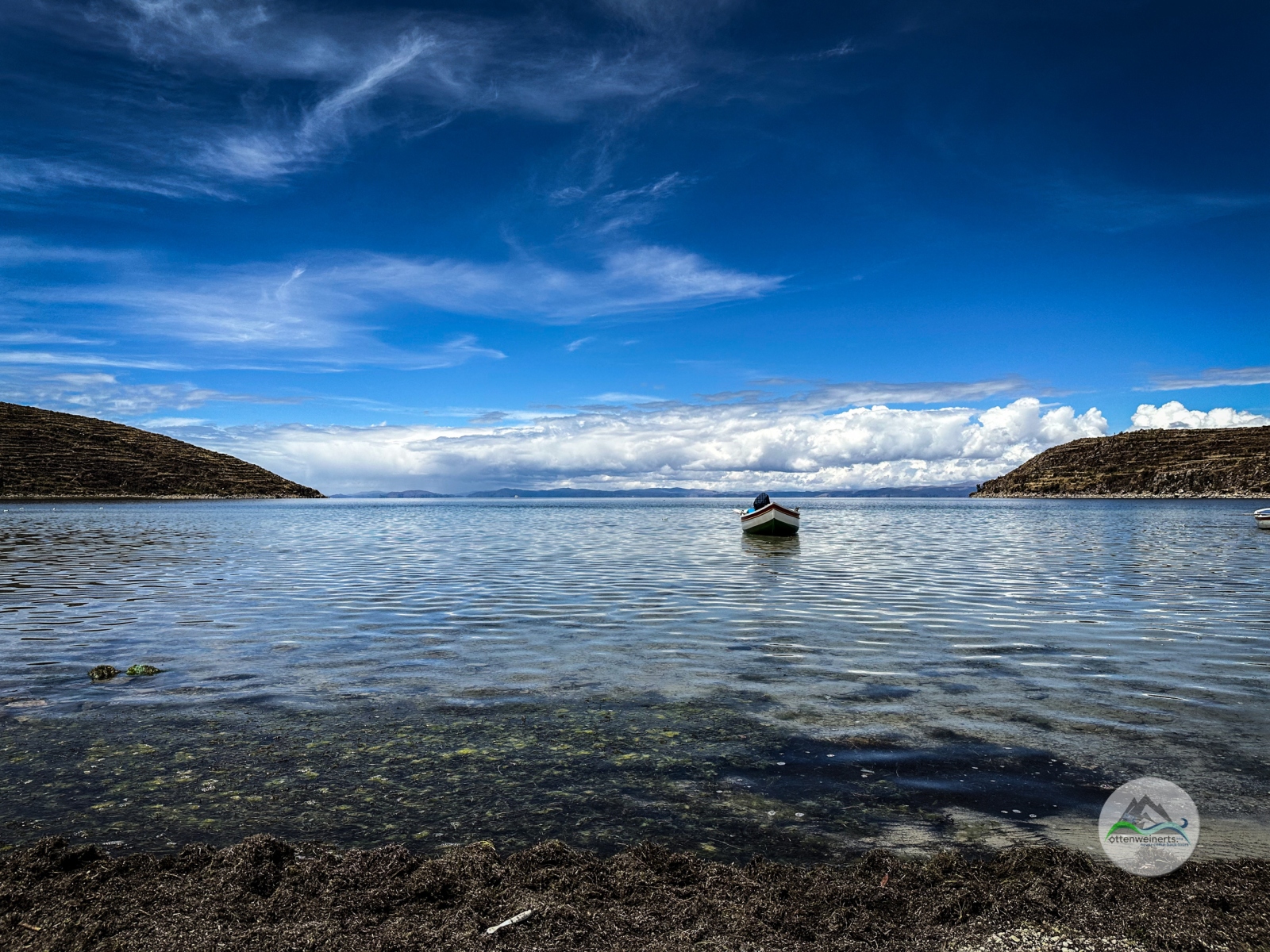
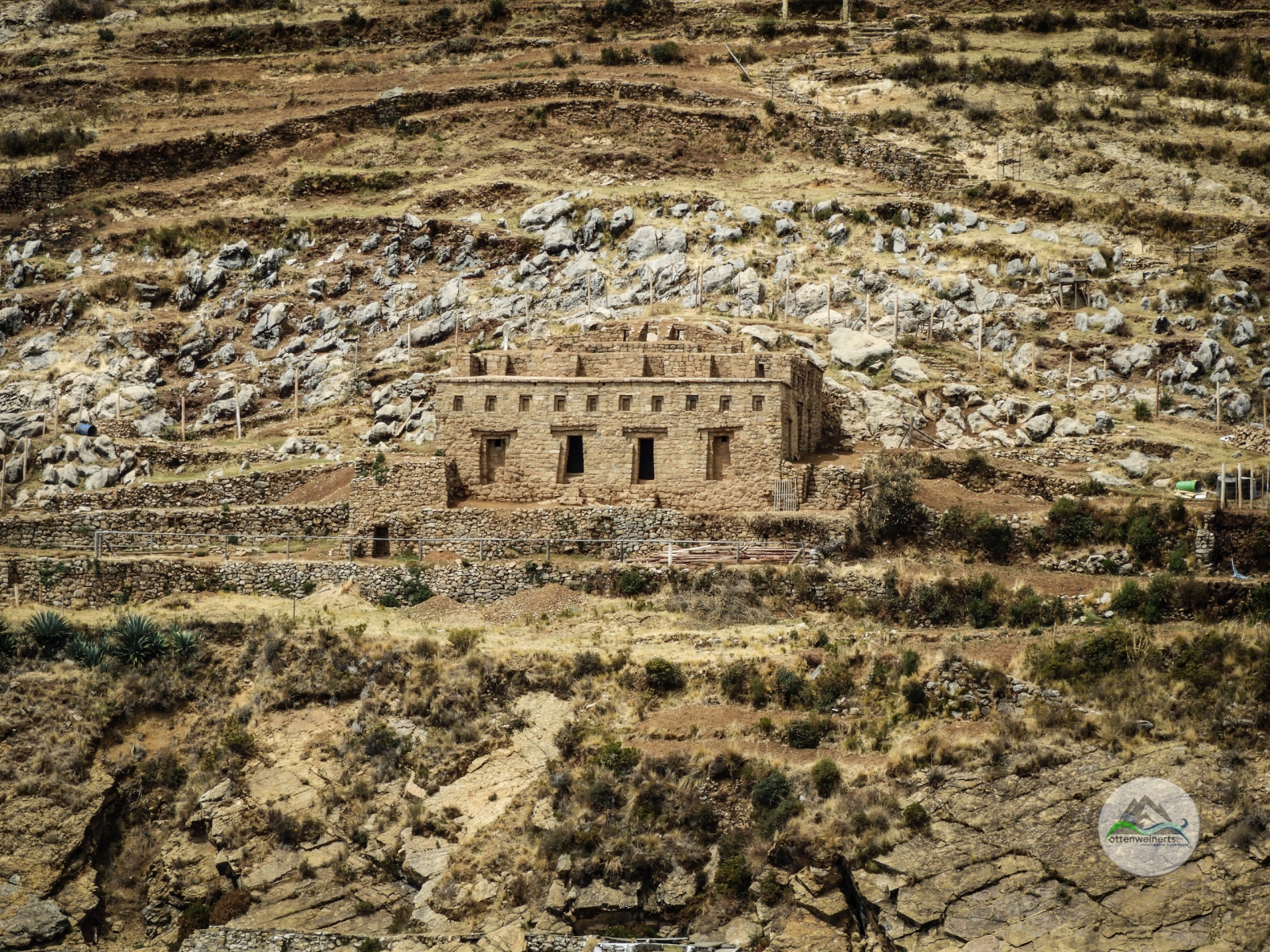
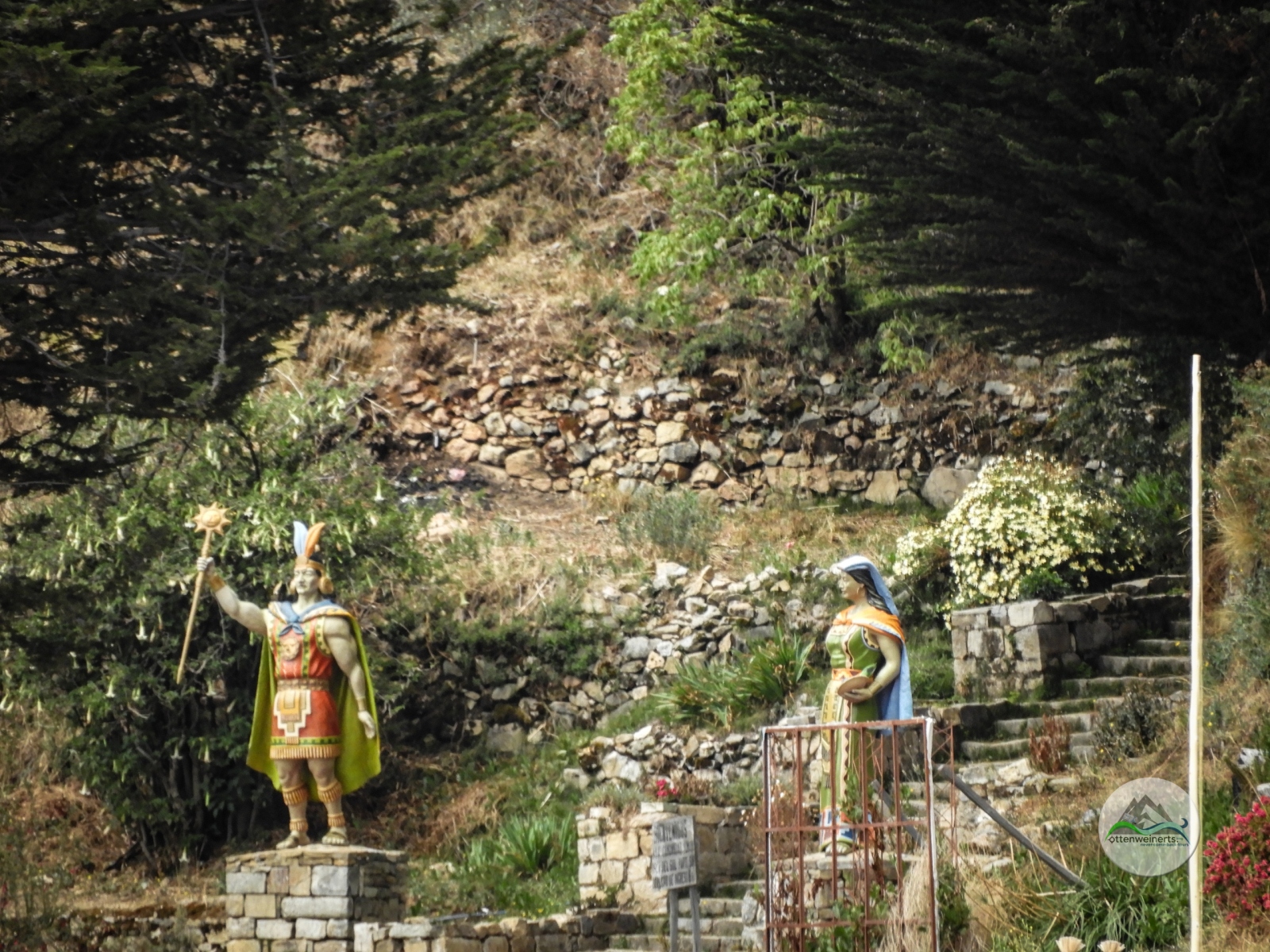
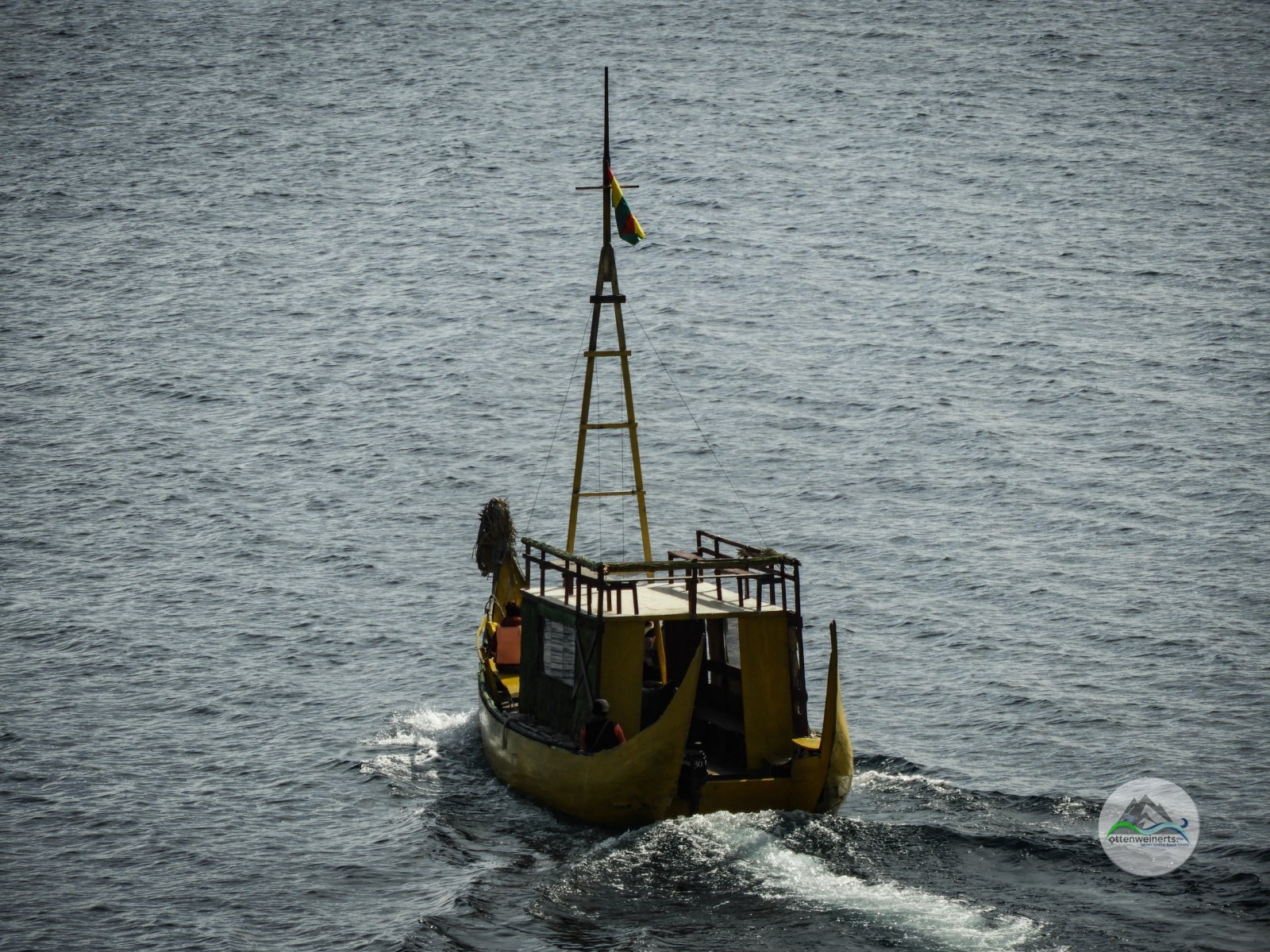
Die “Insel der Sonne” ist mit 11 km Länge die größte Insel im Titicaca-See, und auch die bedeutendste. Hier schickte – der Legende nach – der Sonnengott Inti seine beiden Kinder auf die Erde, die von hier aus das Inka-Imperium gründeten. Wir fahren an der Südspitze der Insel vorbei, sehen einen Inka-Palast und die Inka-Stiege vom Boot aus. Leider kann man derzeit nicht Süd- und Nordteil der Insel an einem Tag besuchen, da die beiden Orte miteinander und / oder mit dem Dorf in der Mitte der Insel im Streit liegen (das ändert sich alle paar Wochen).
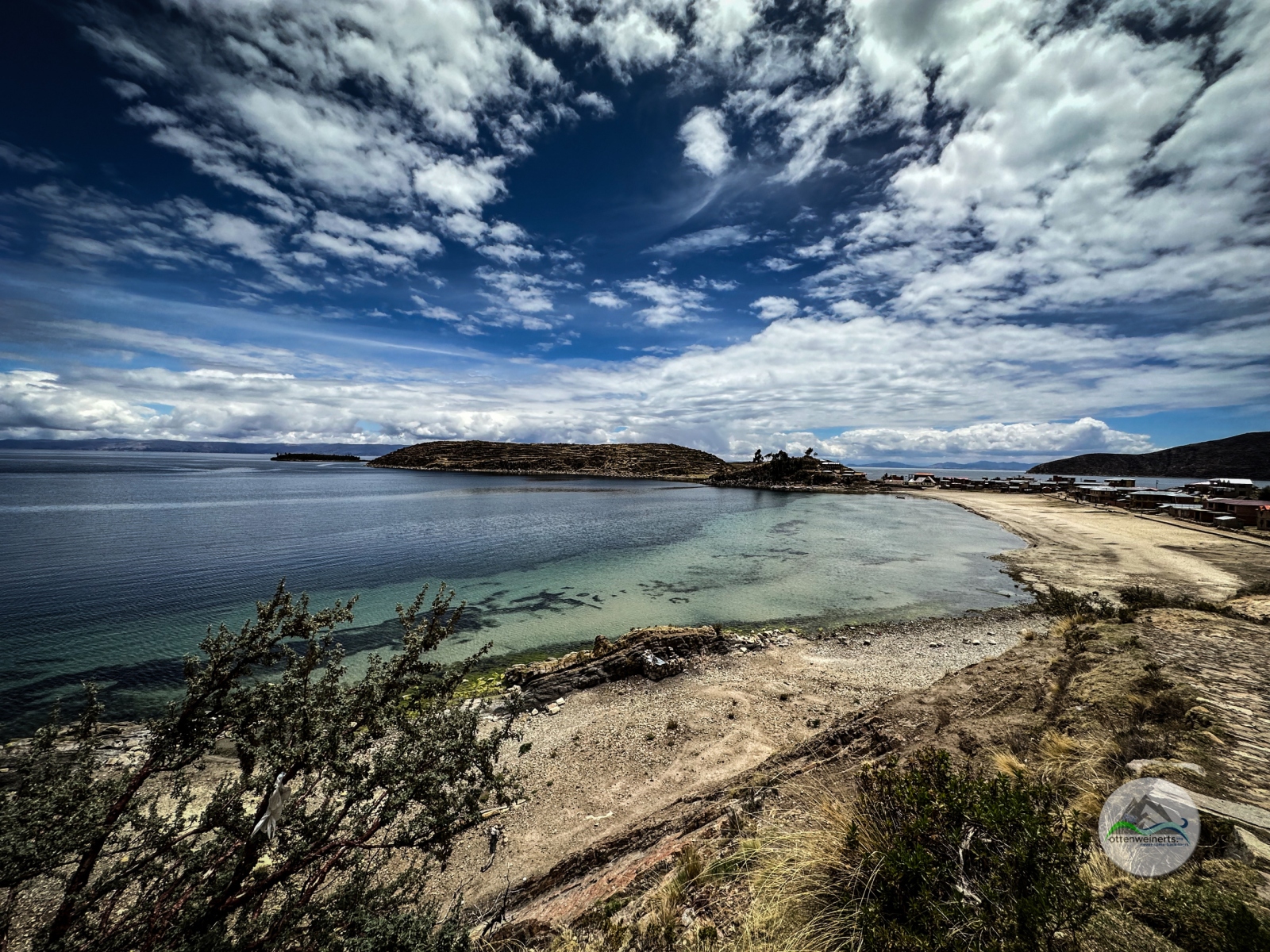
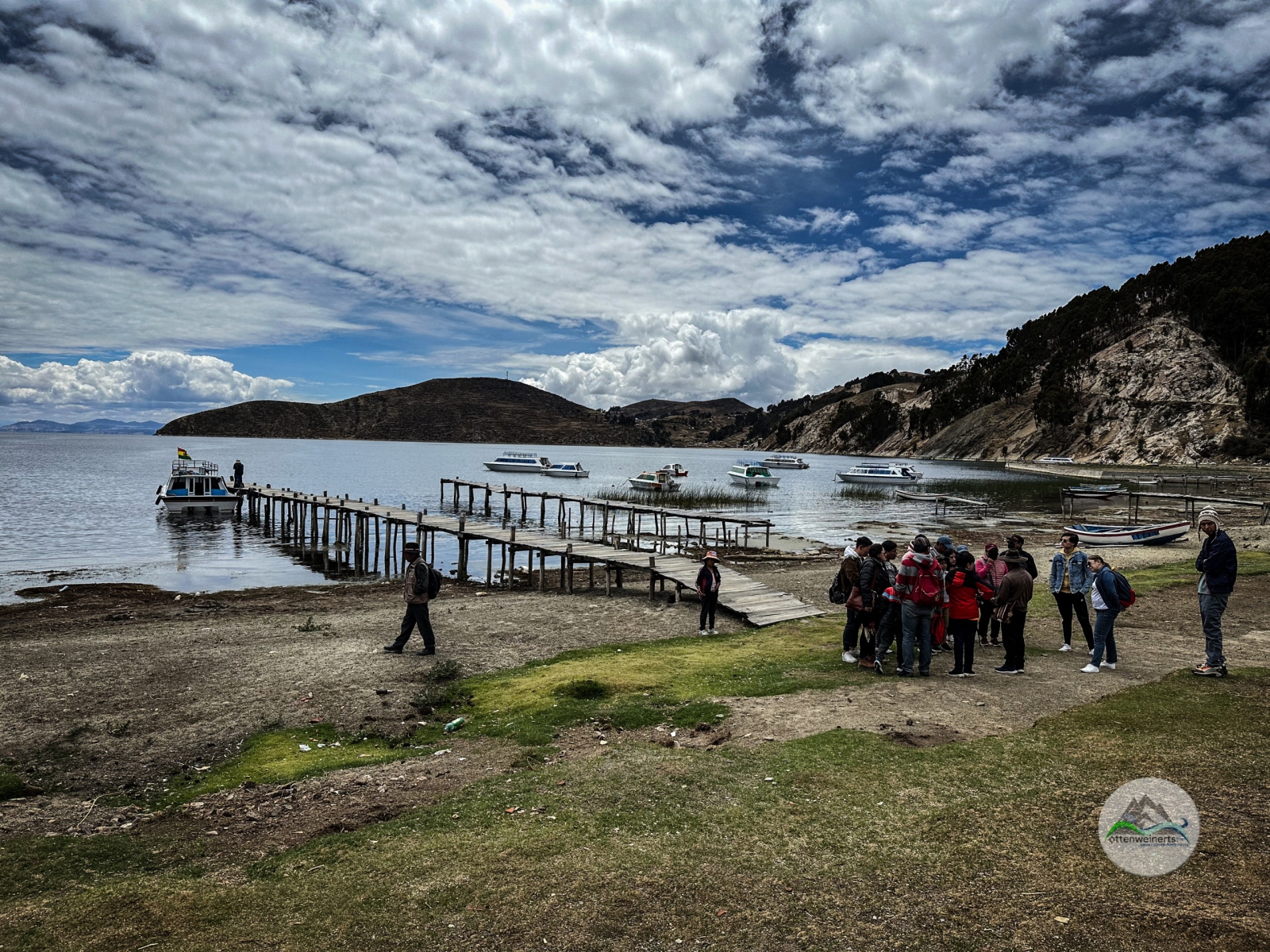
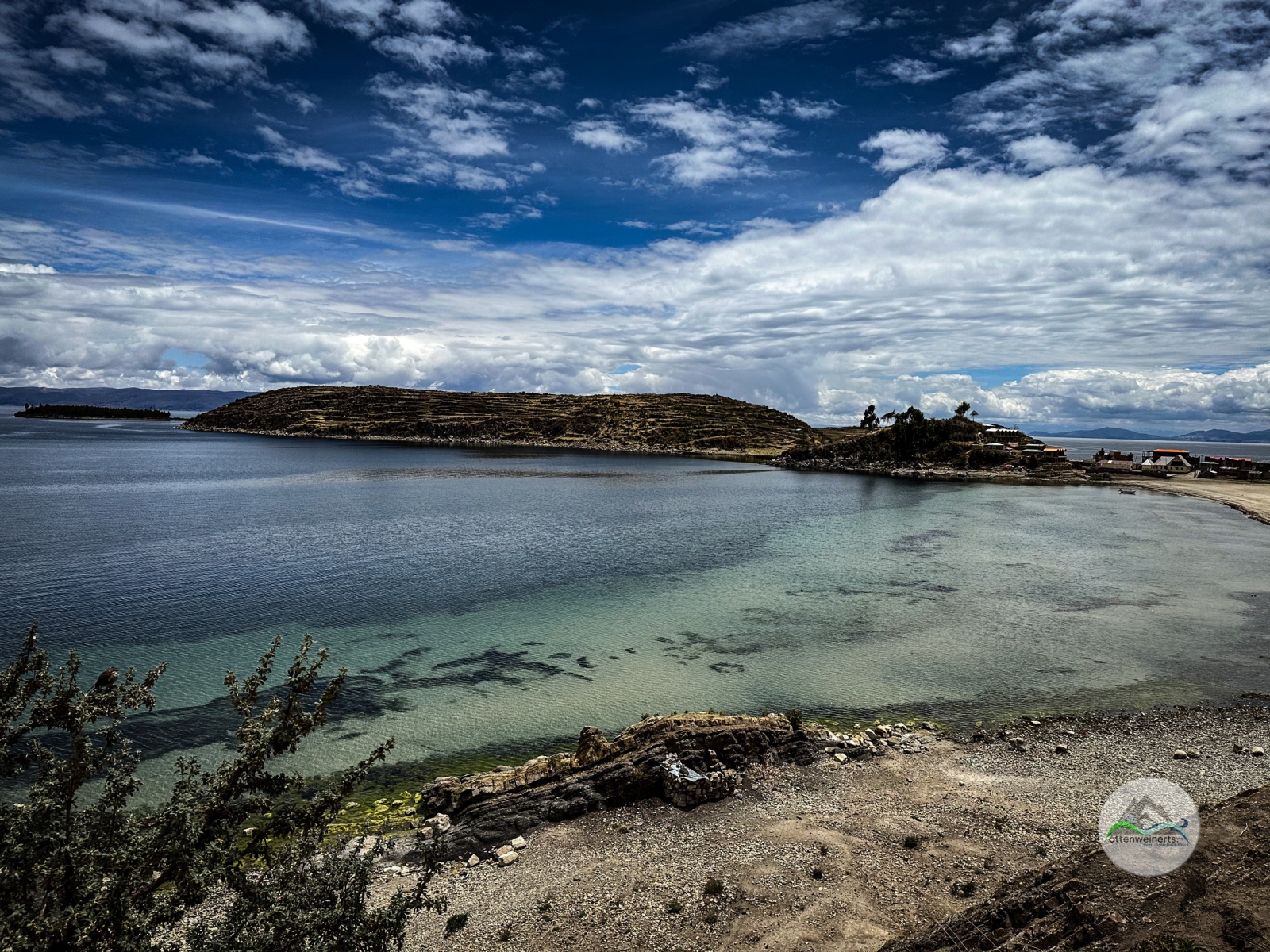
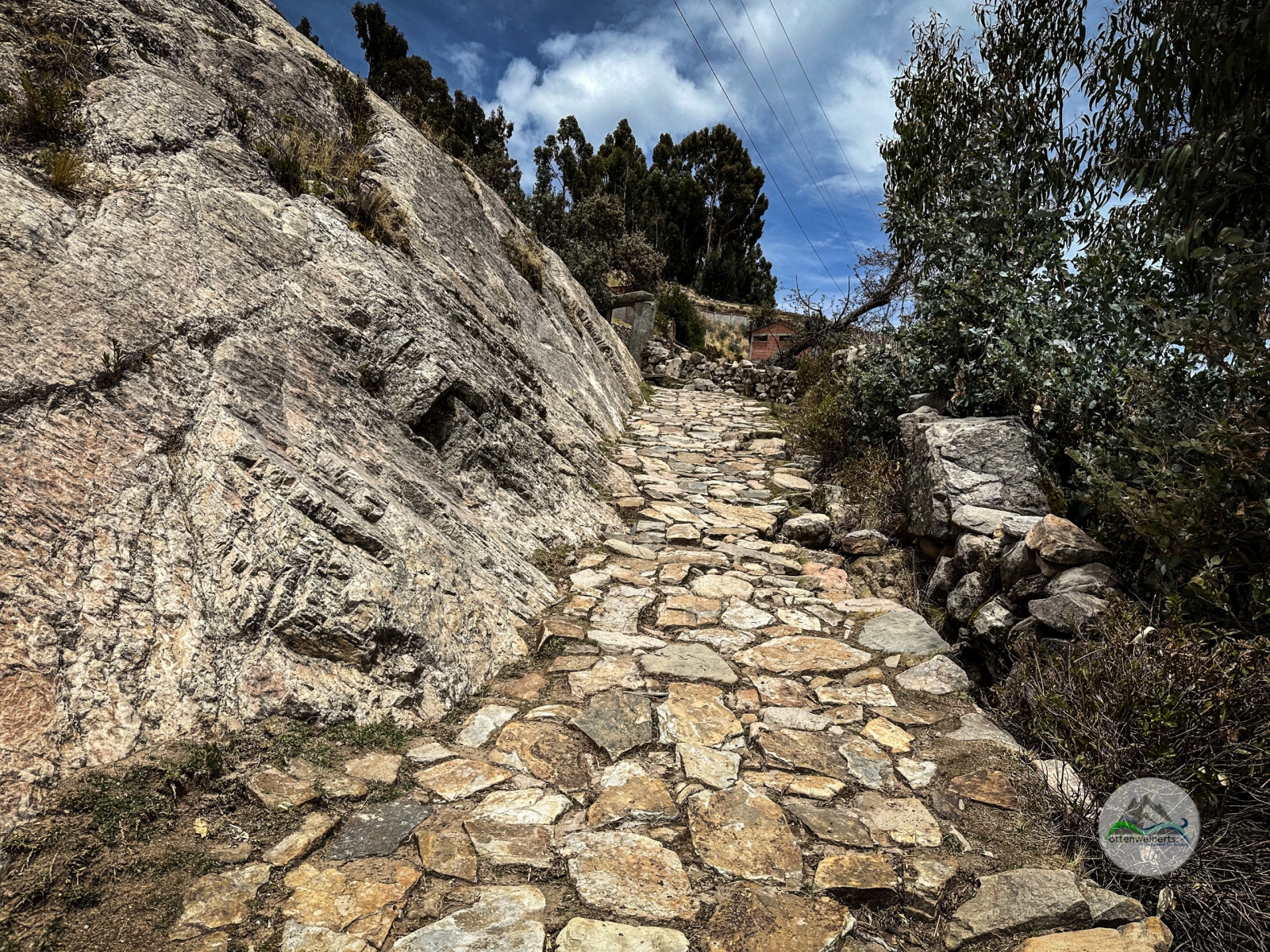
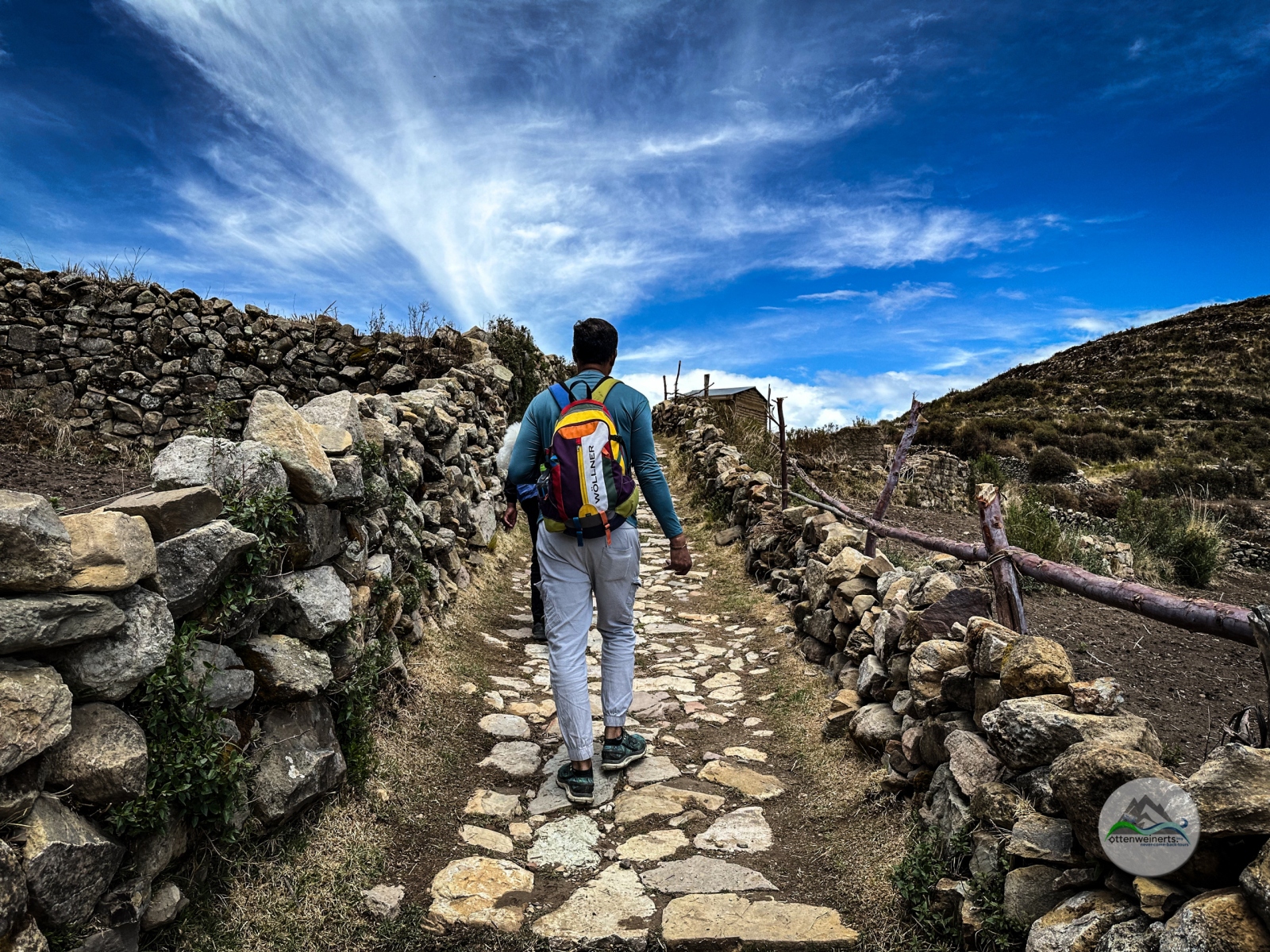
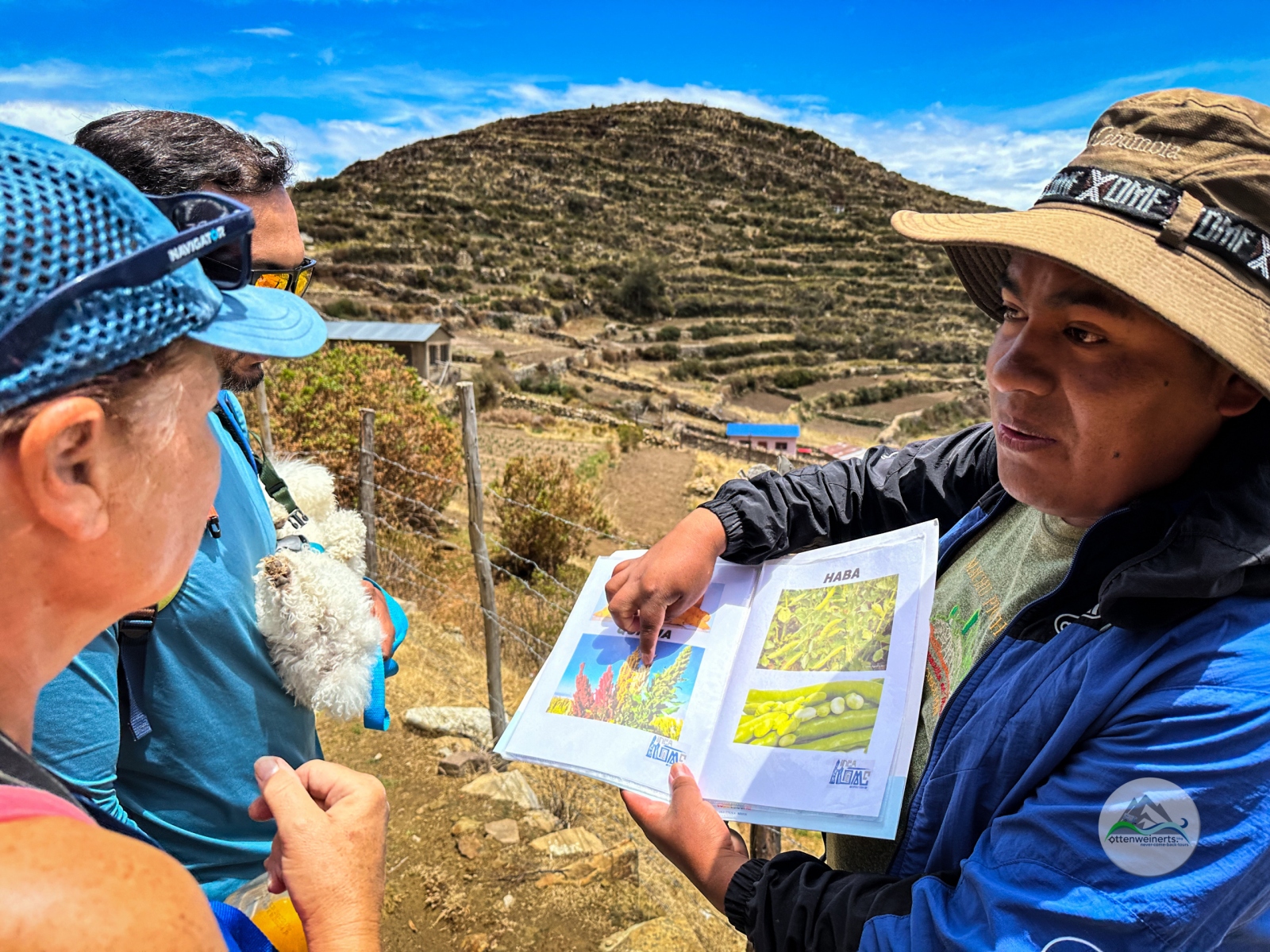
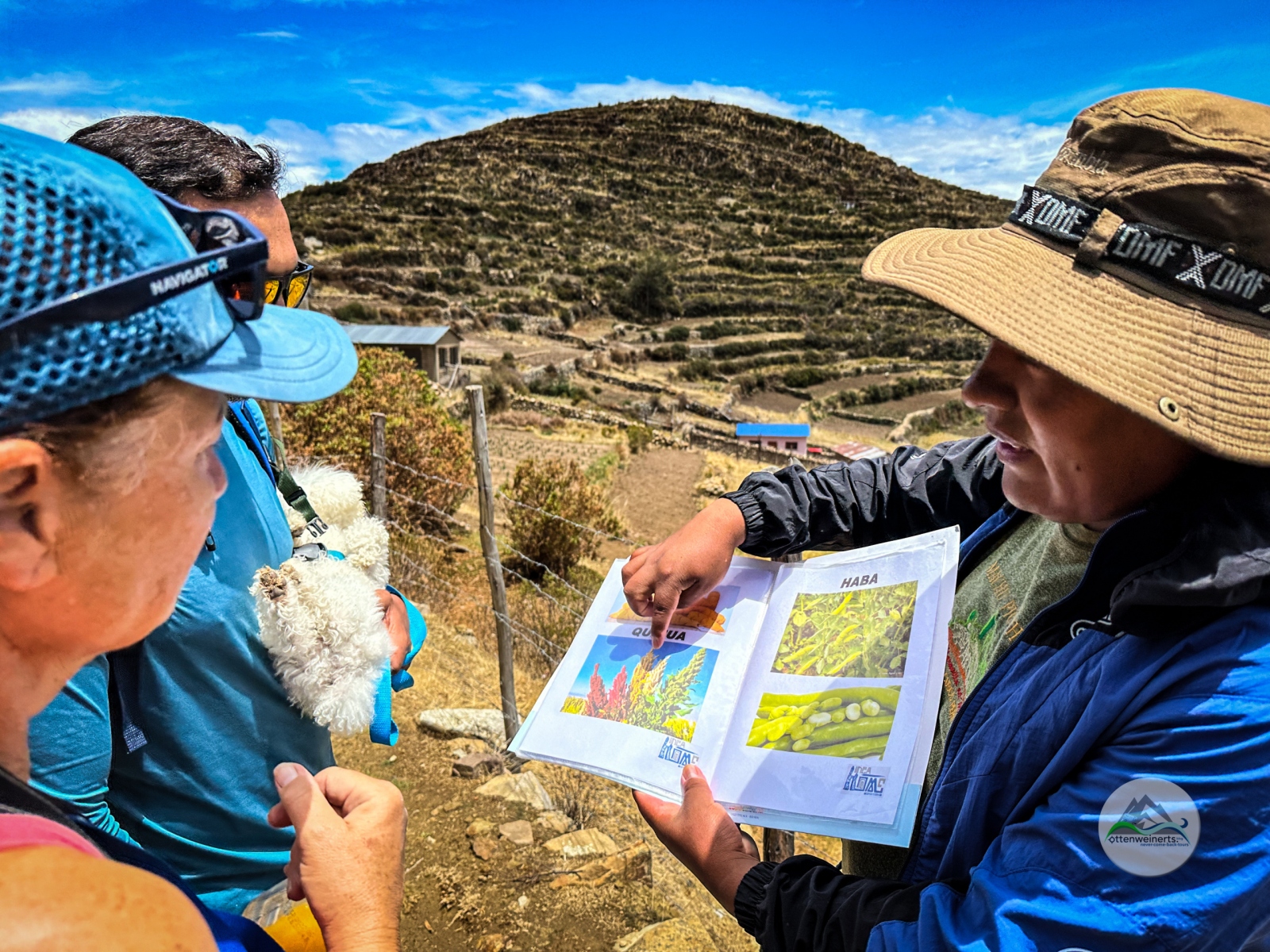
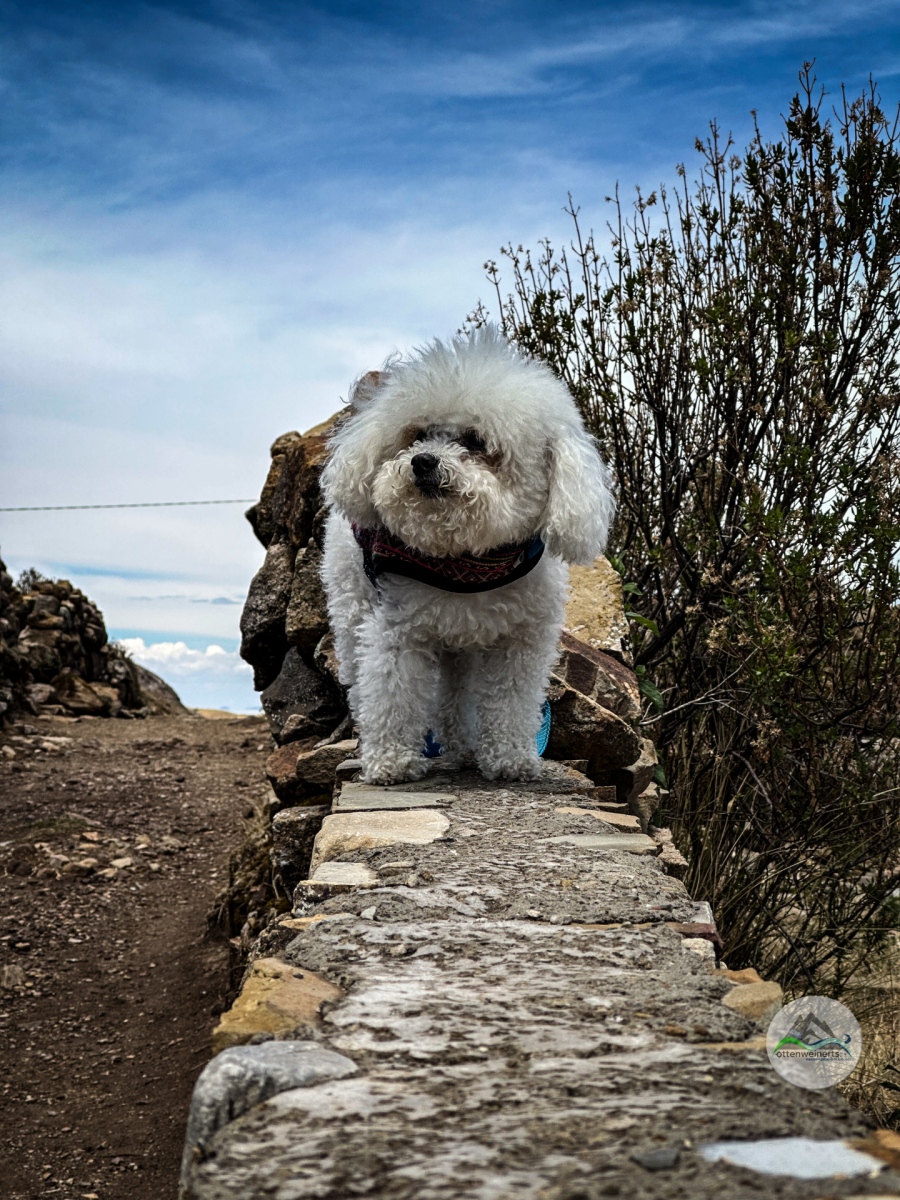
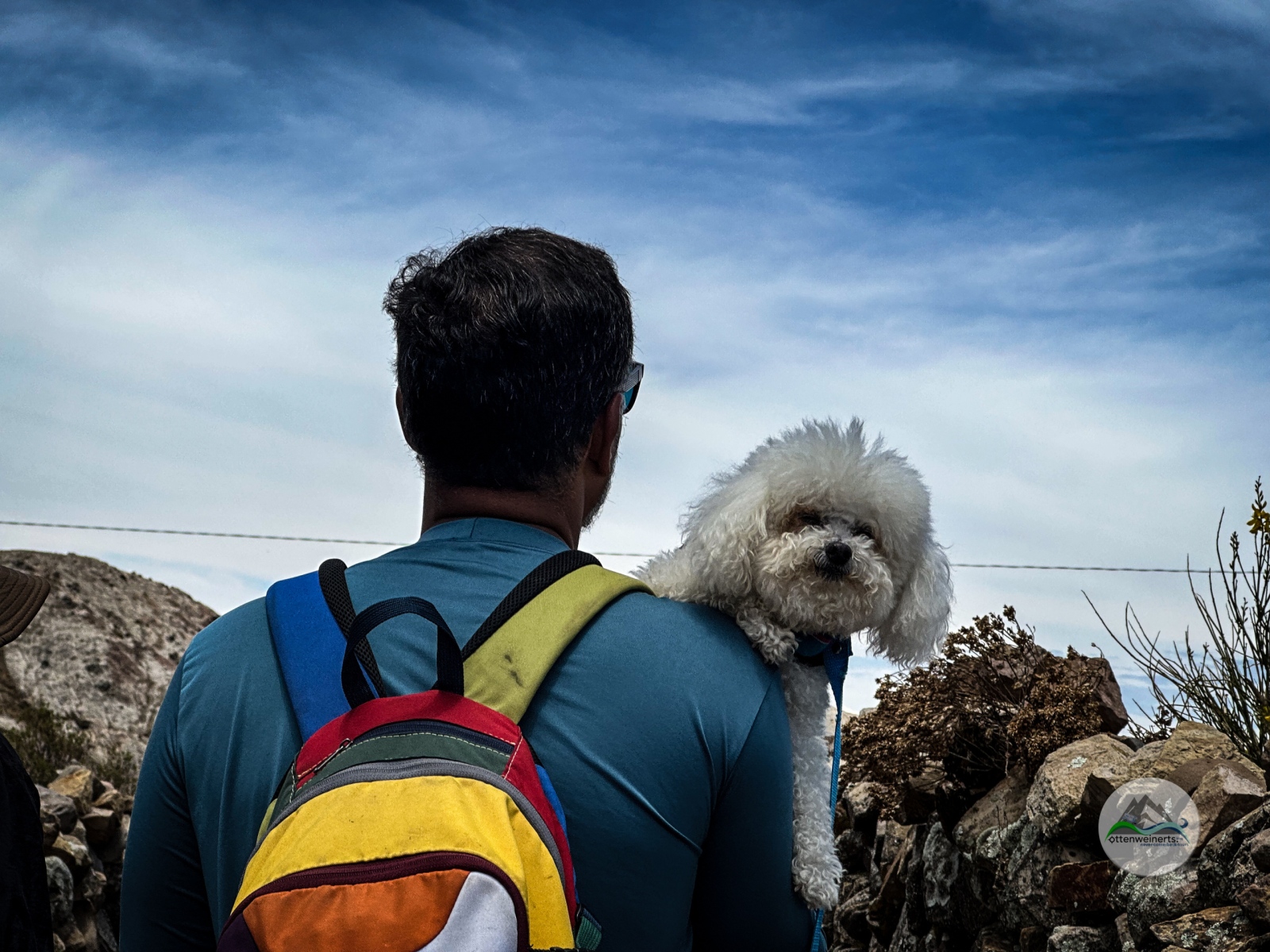
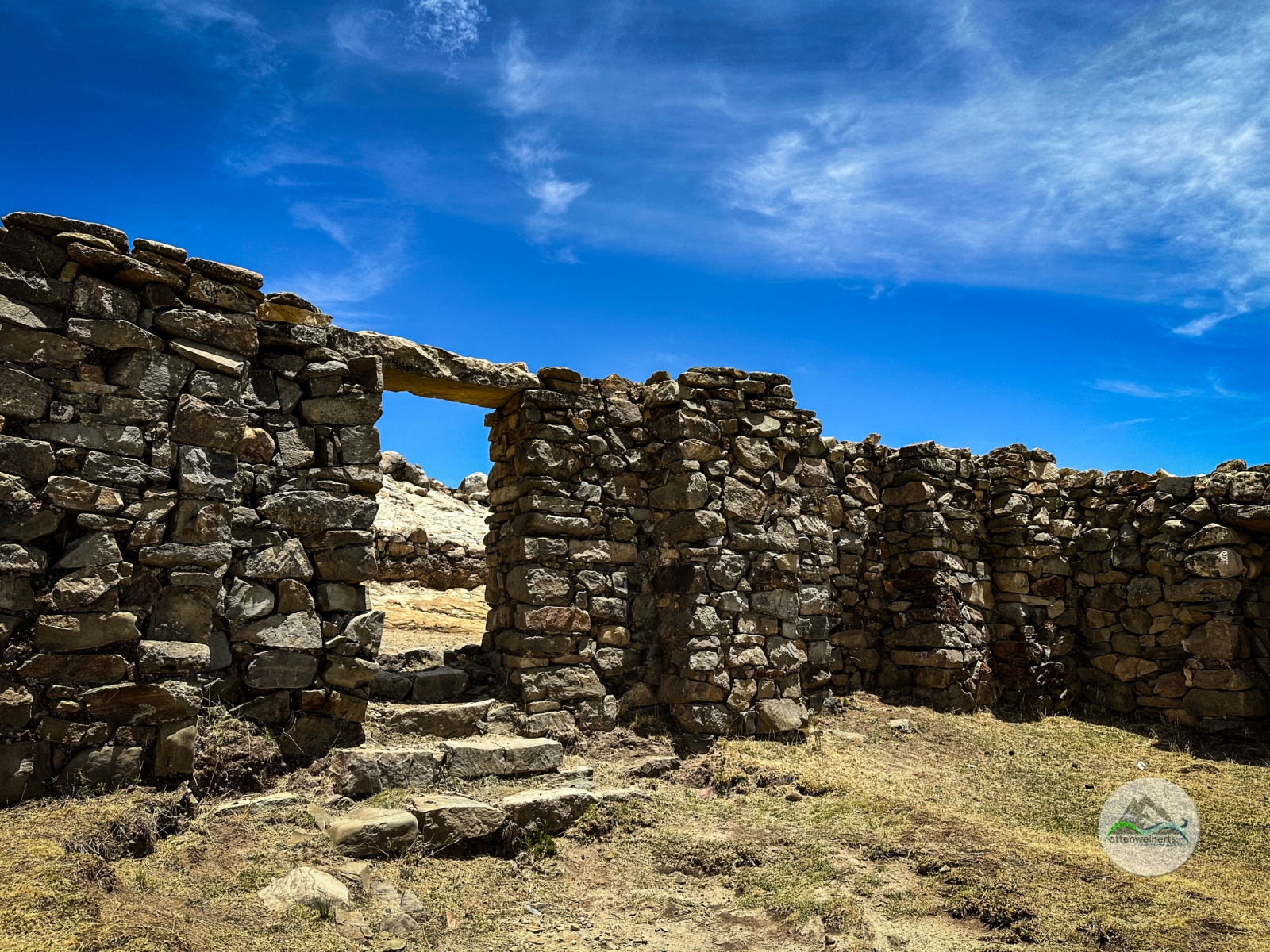
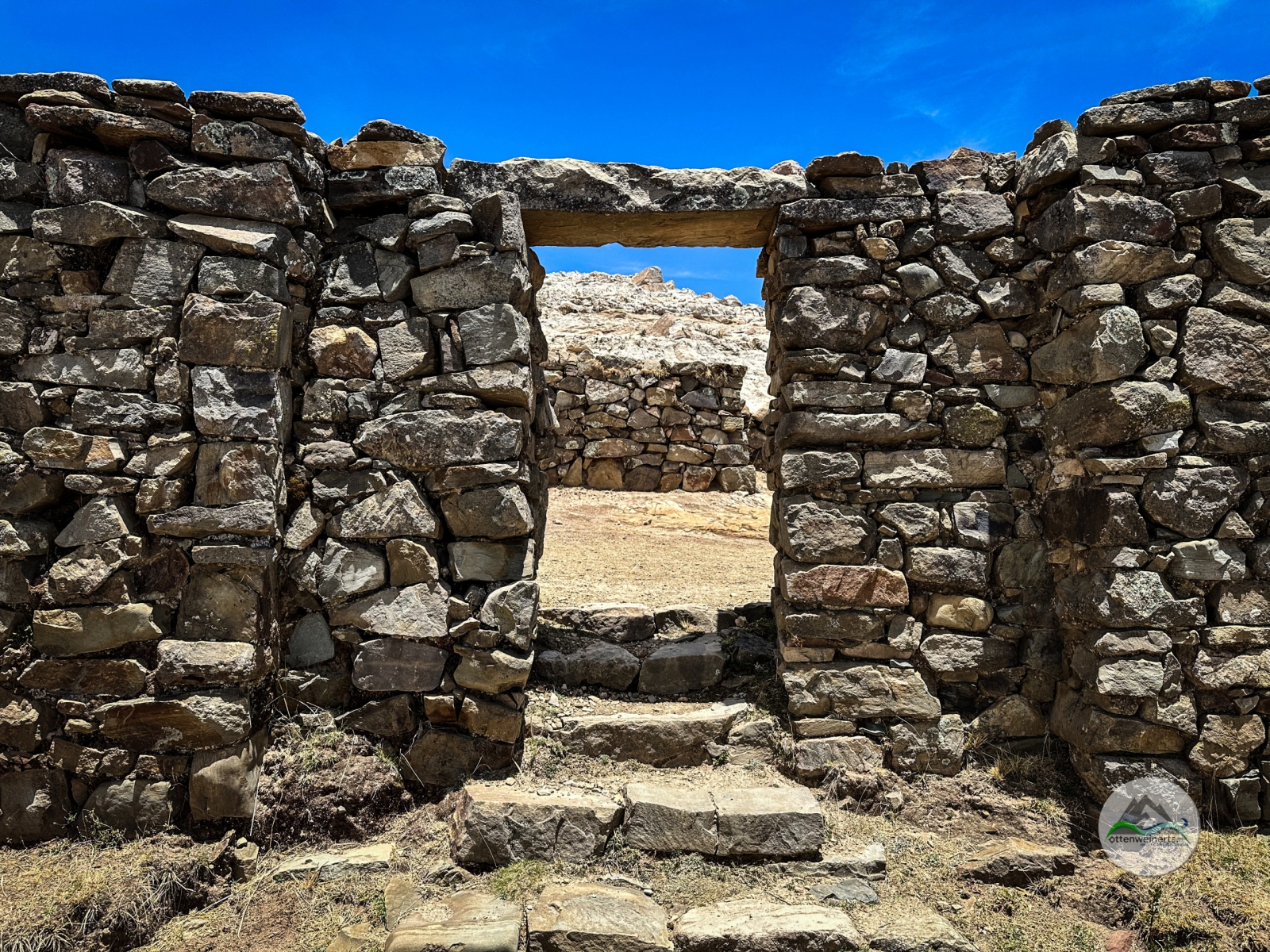
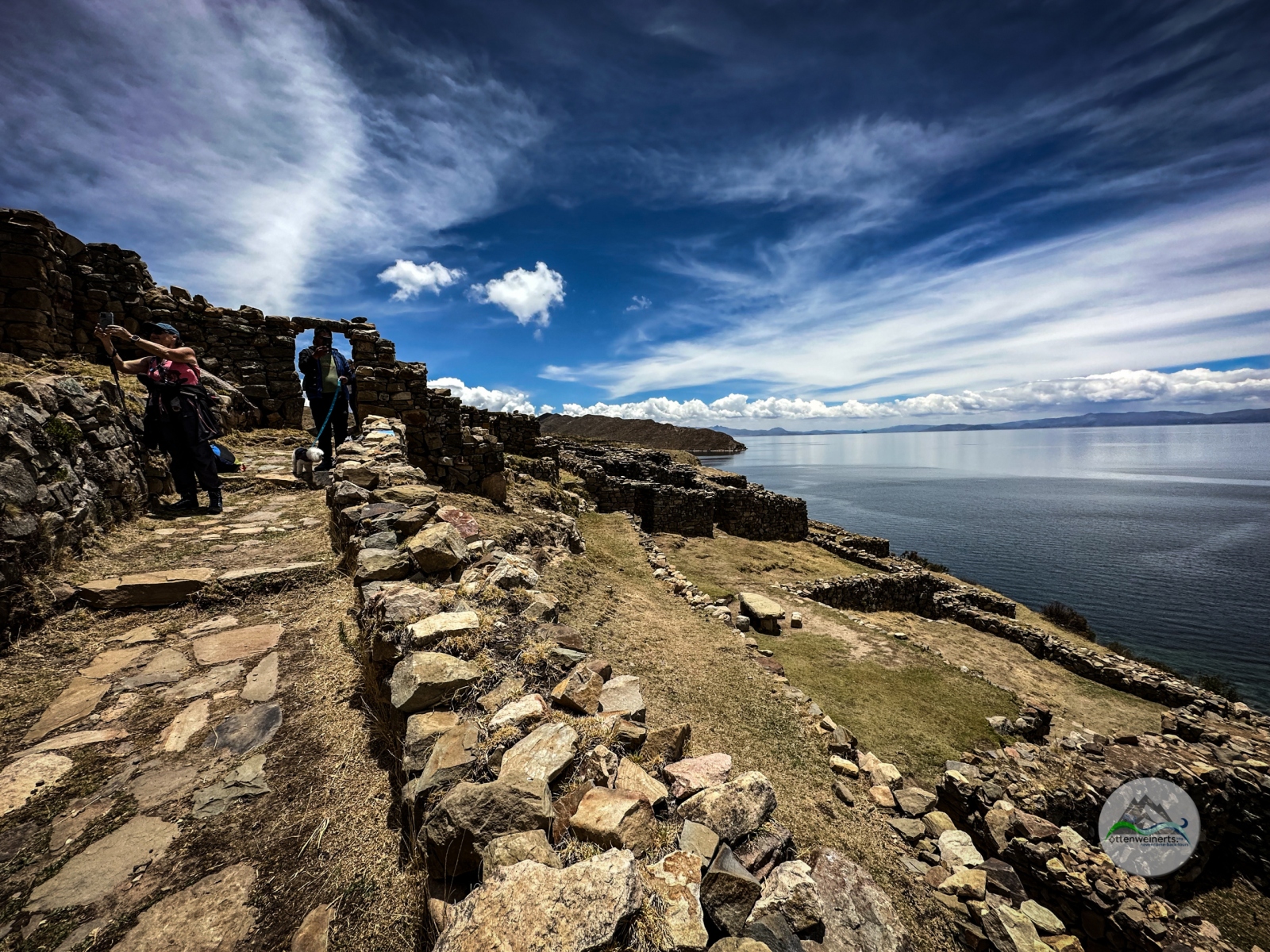
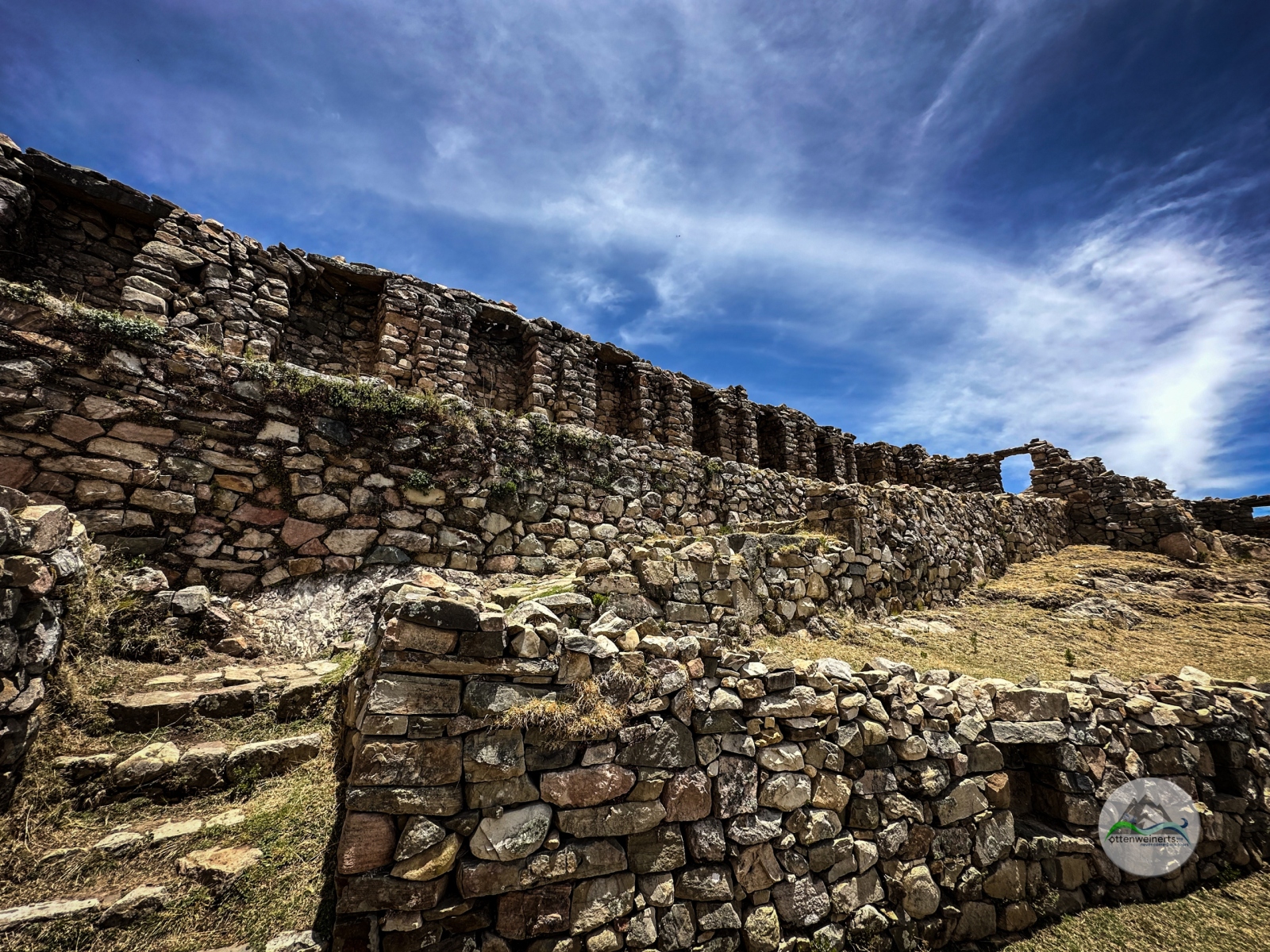
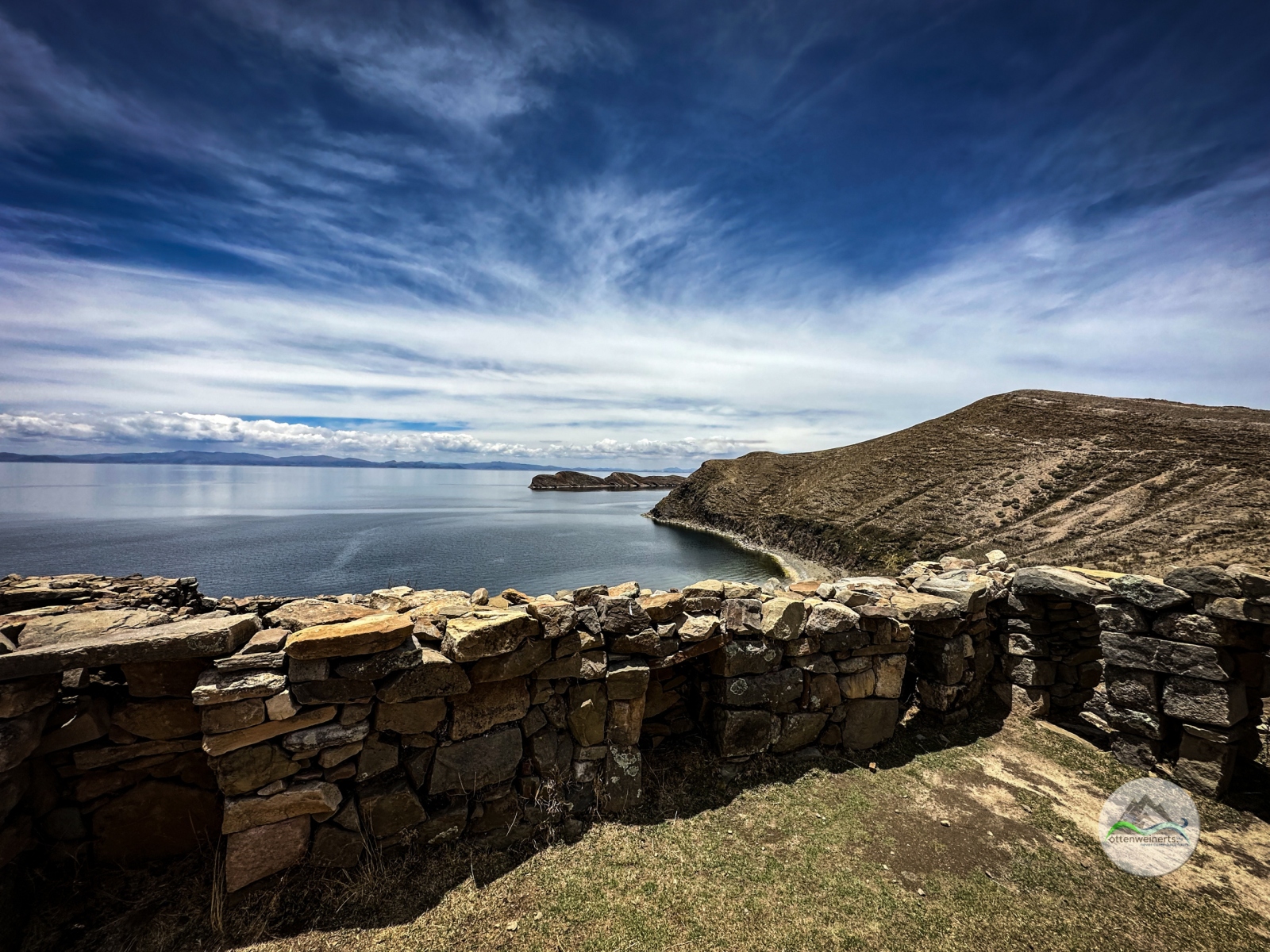
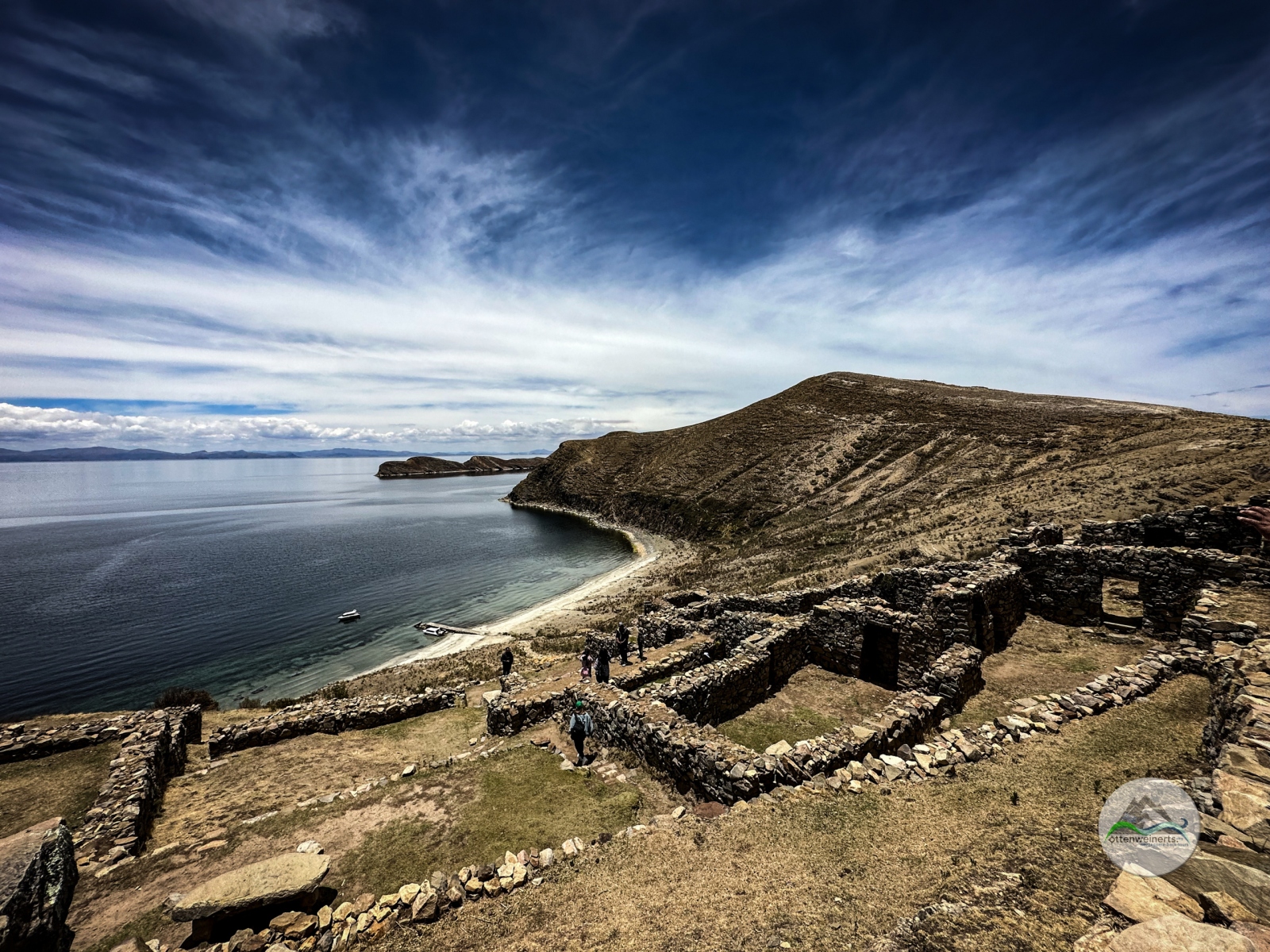
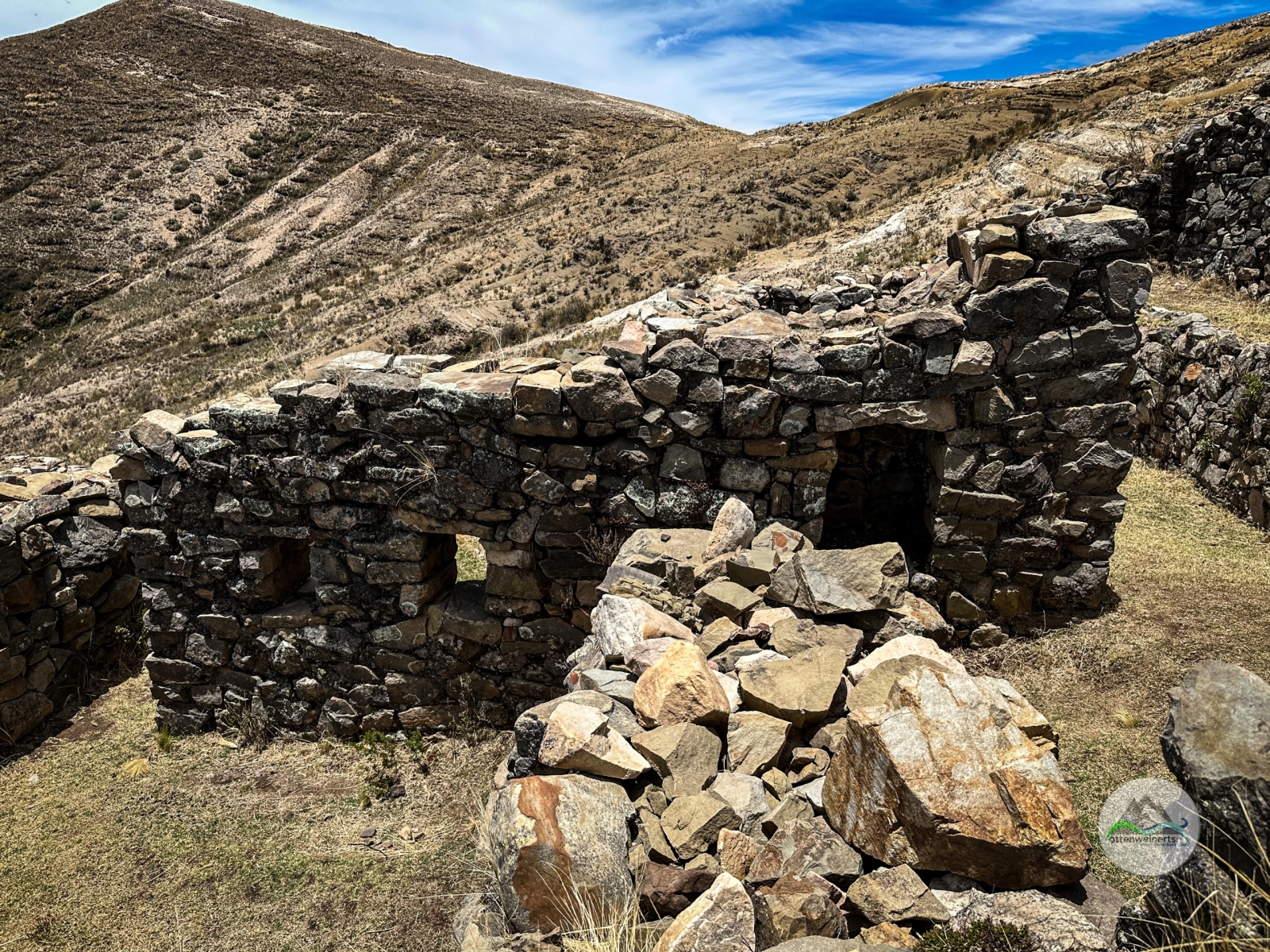
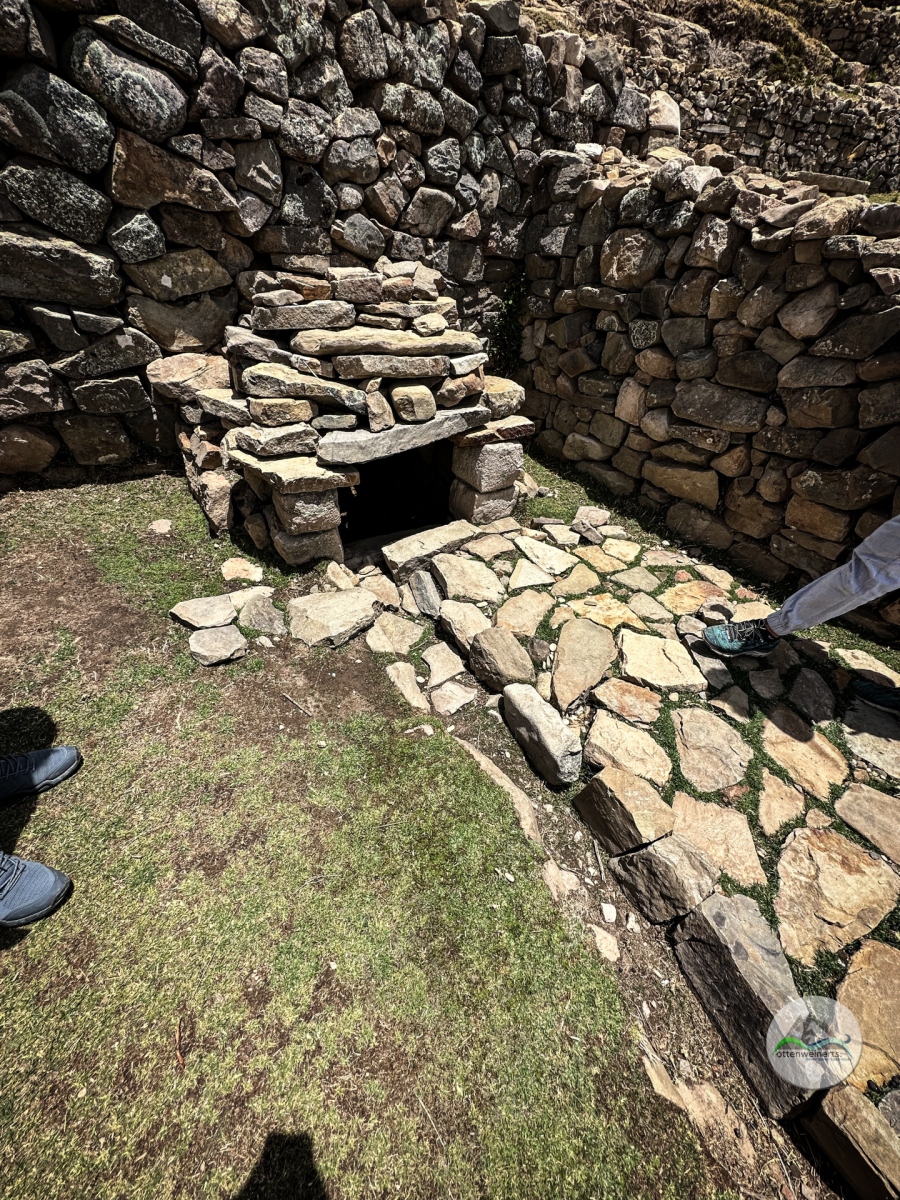
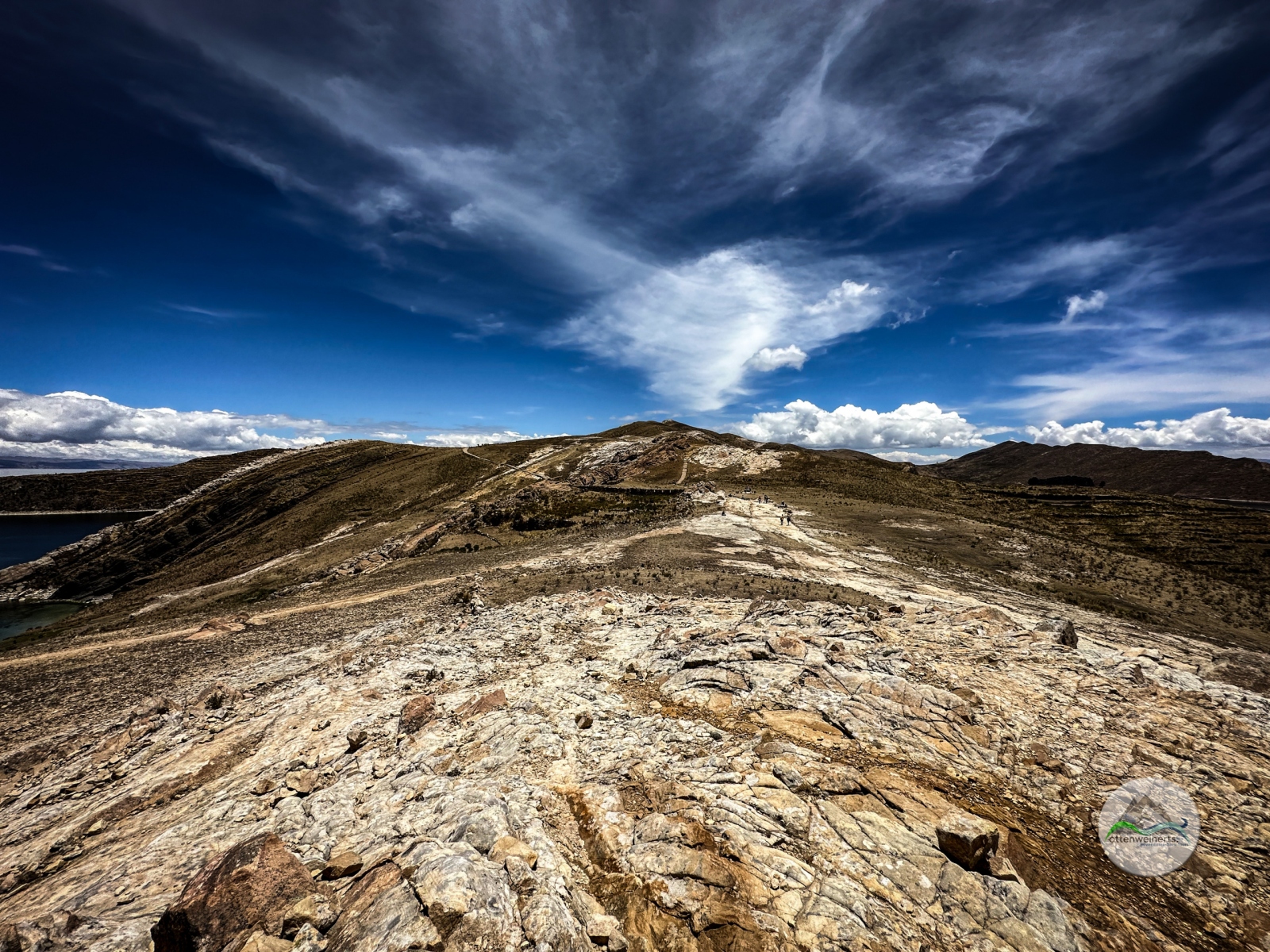
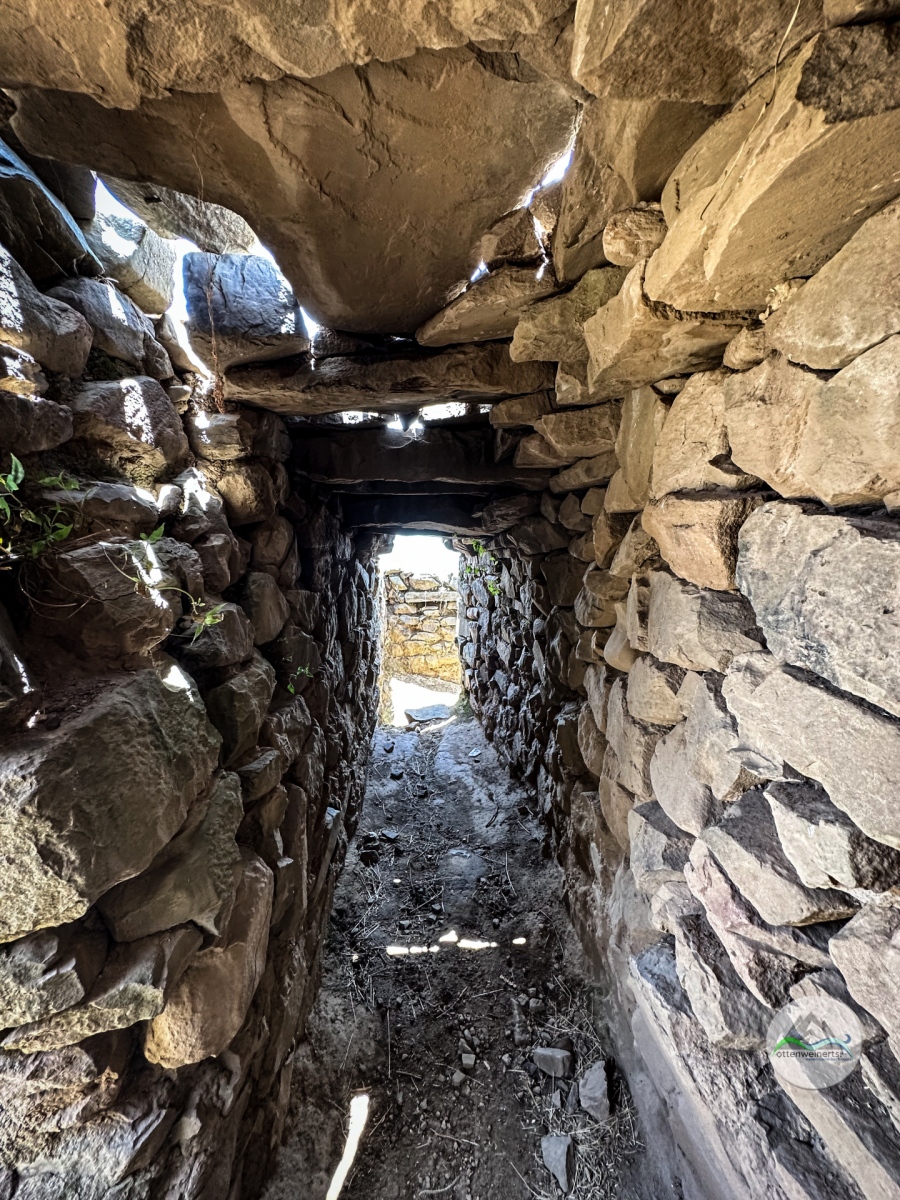
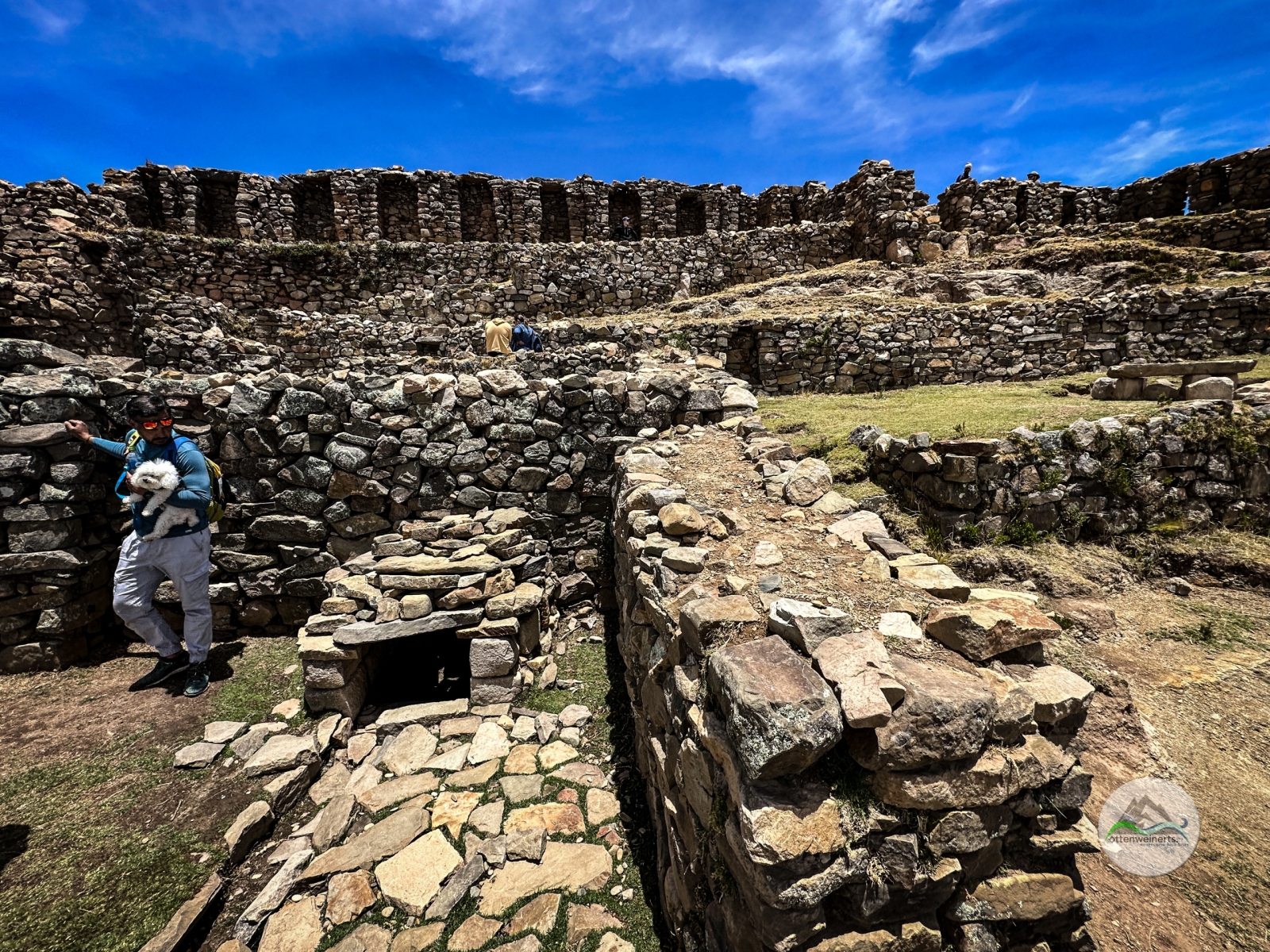
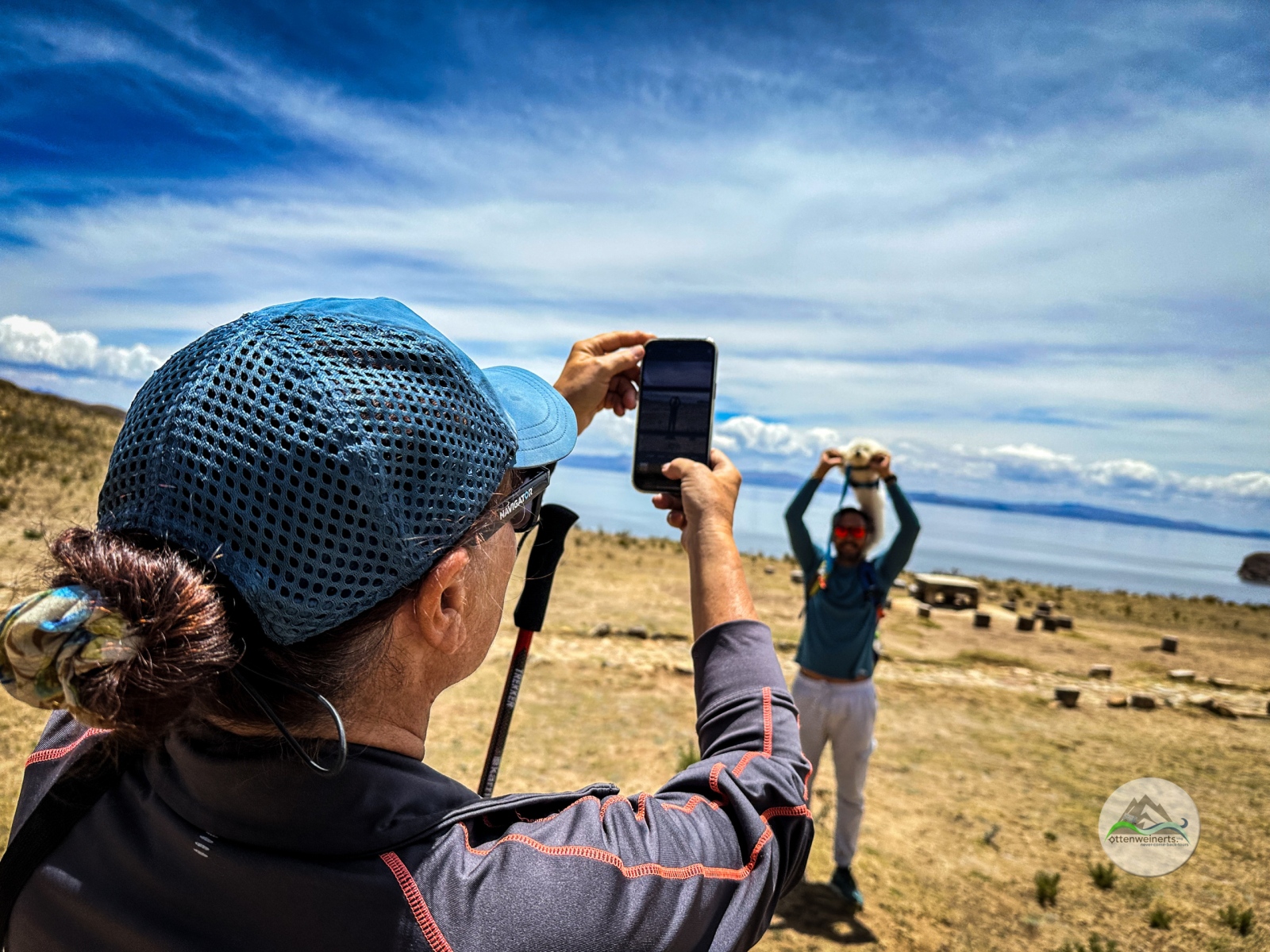
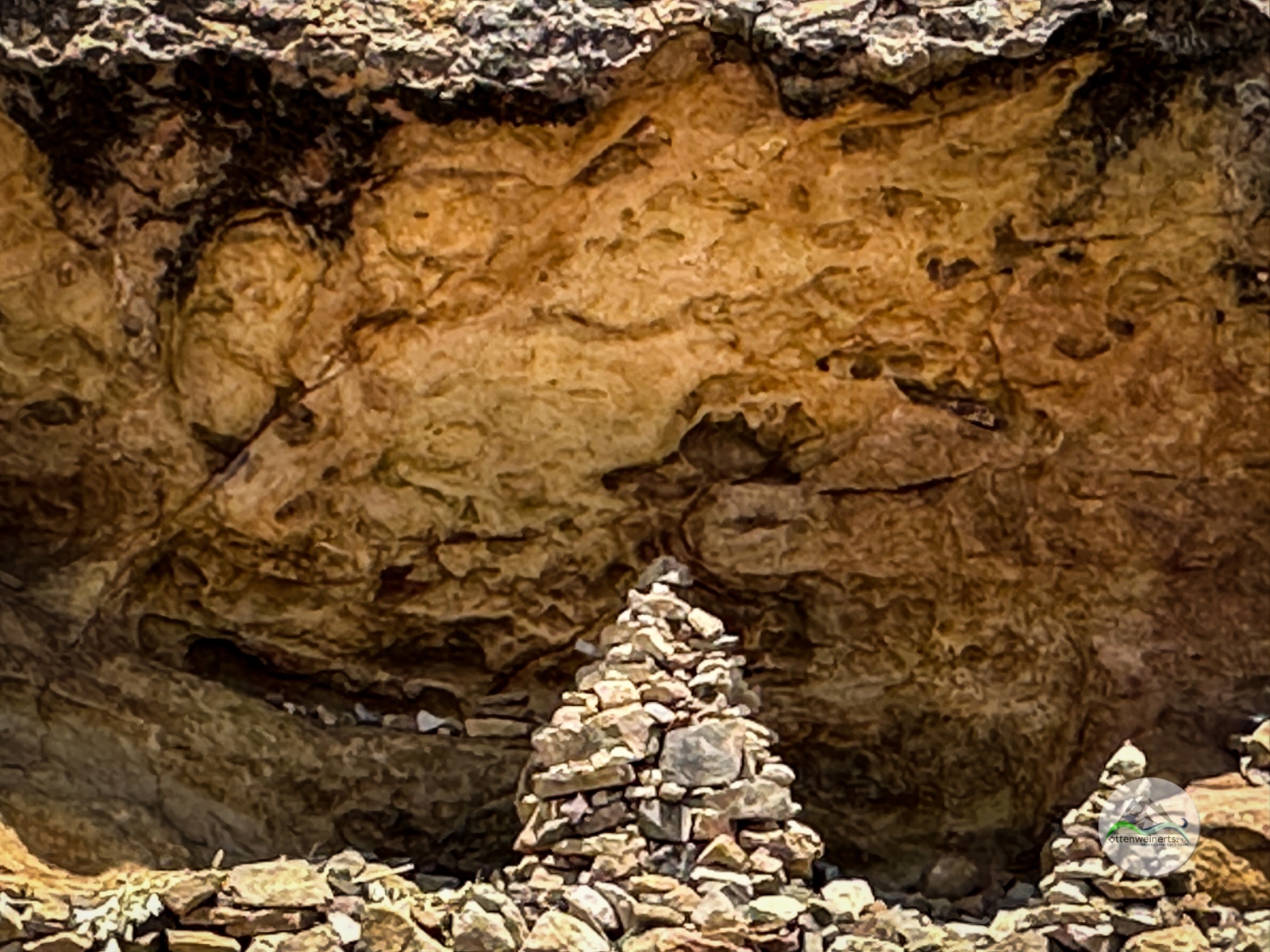
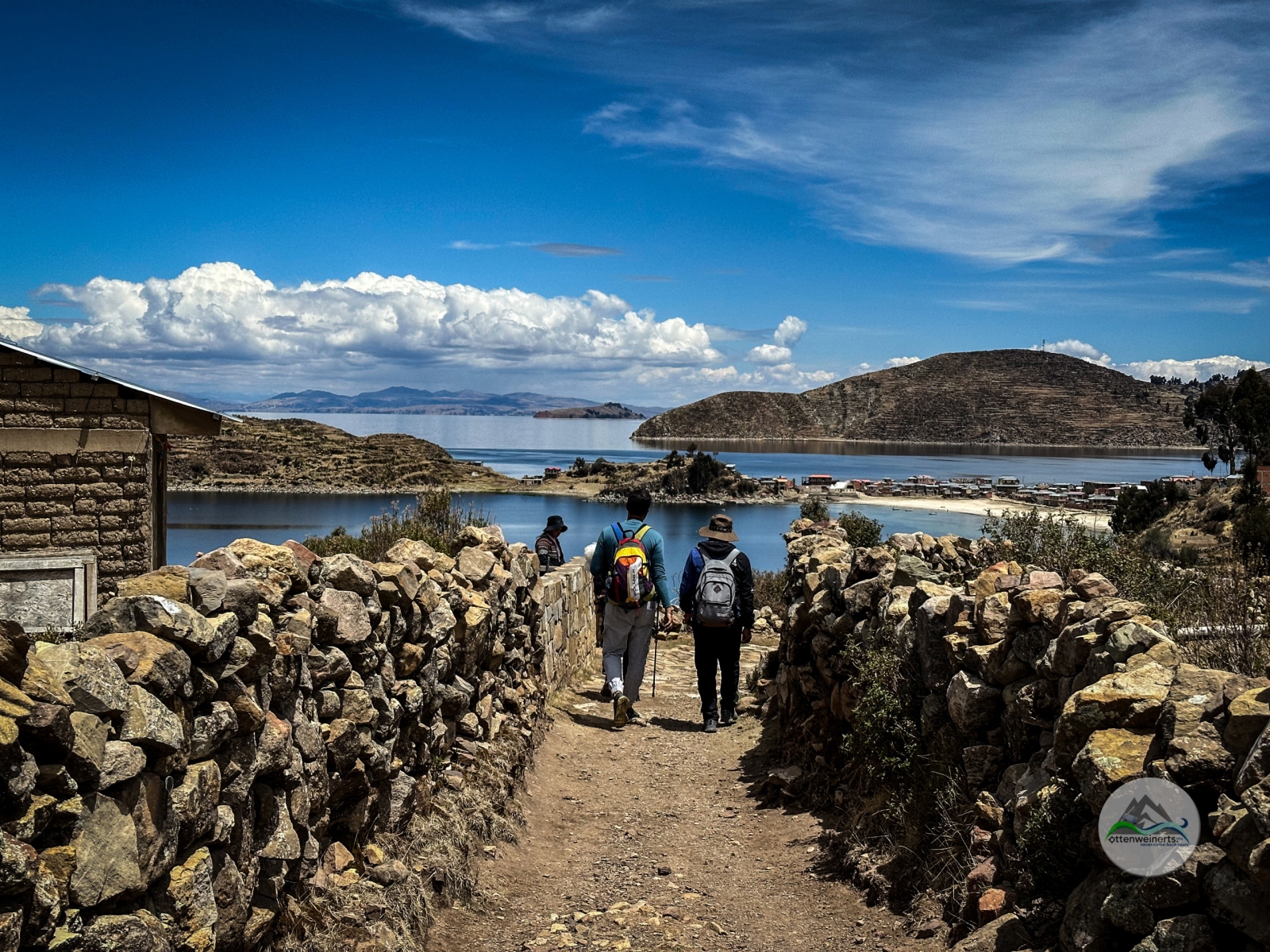
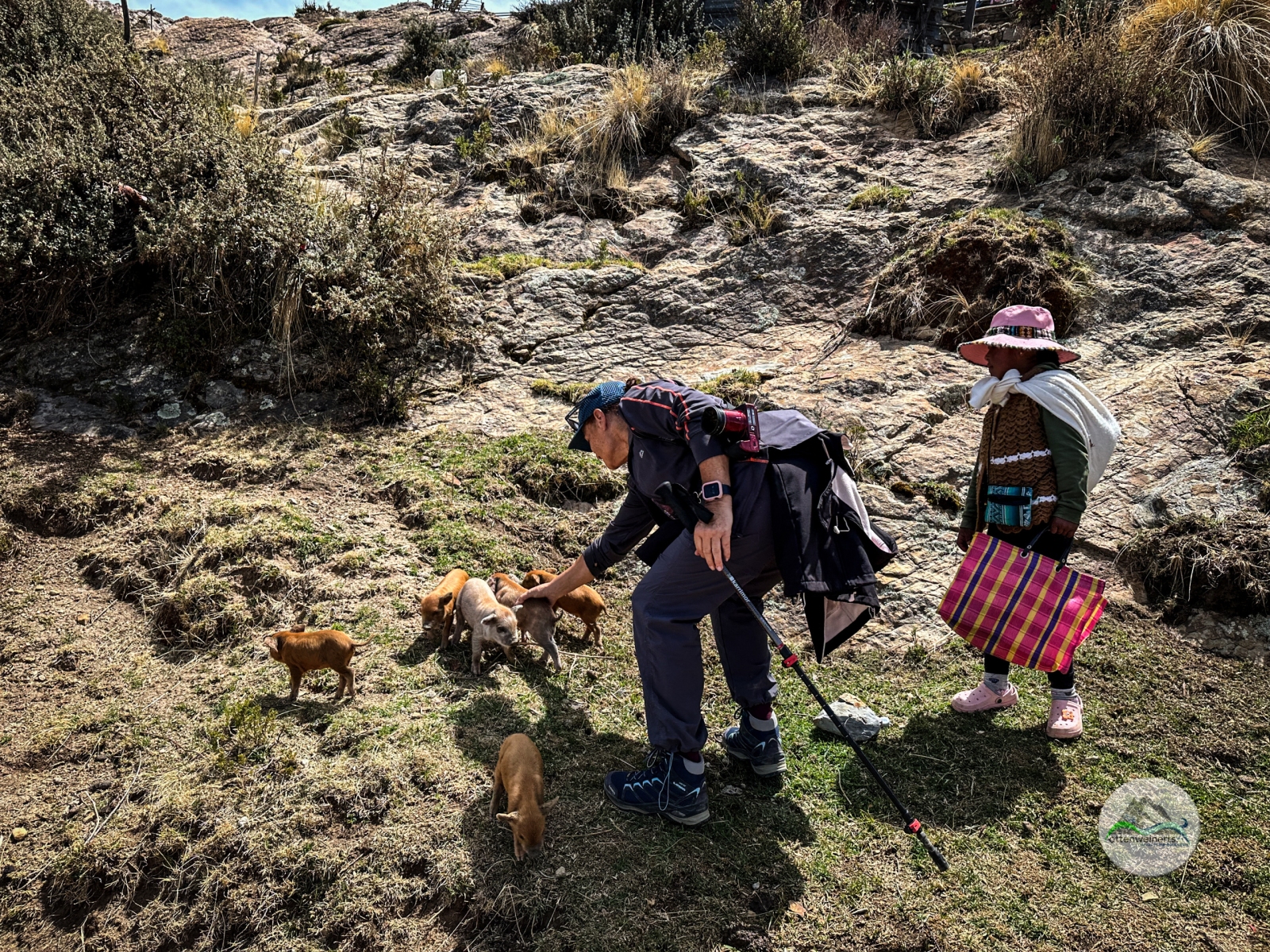
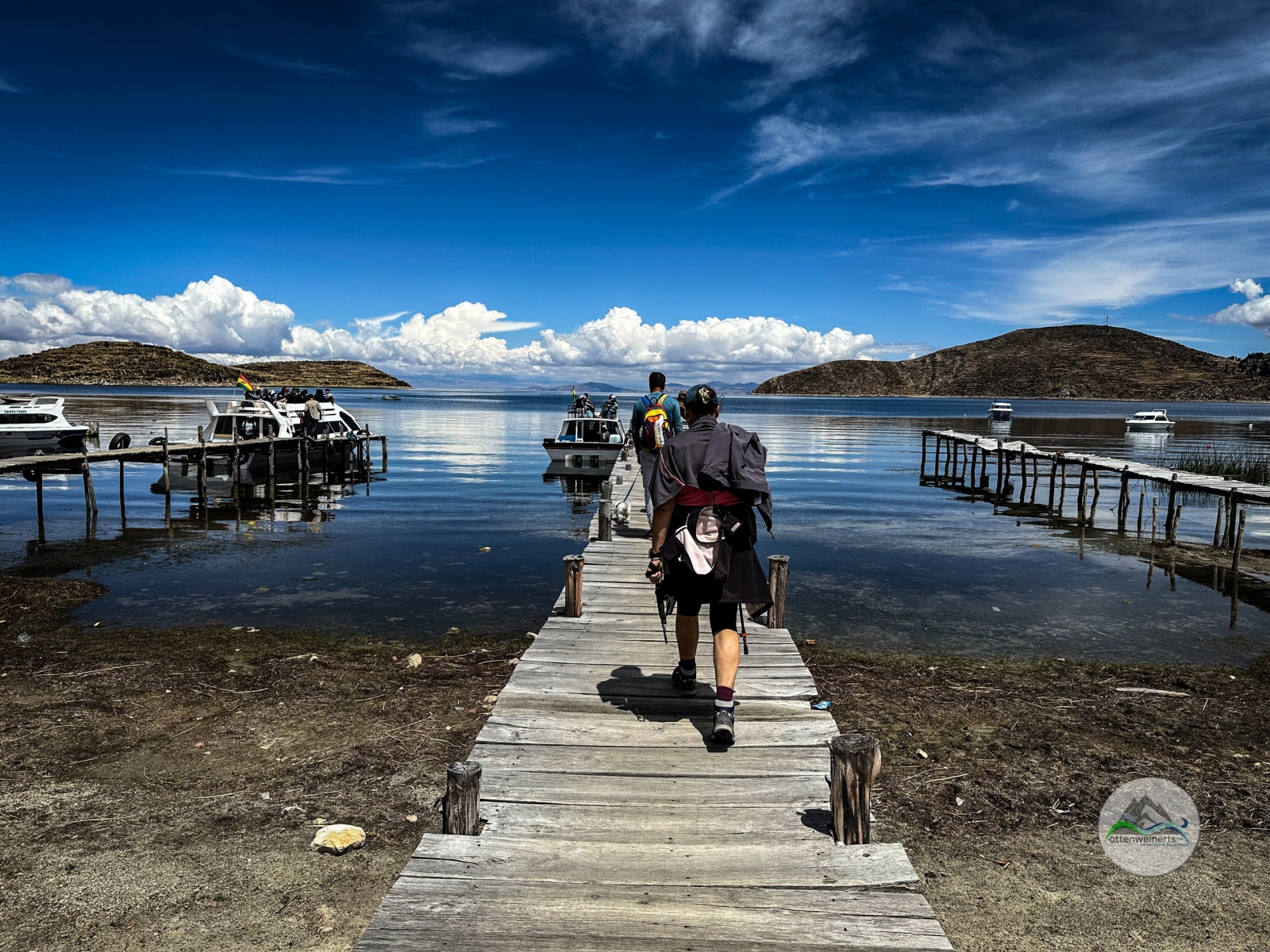
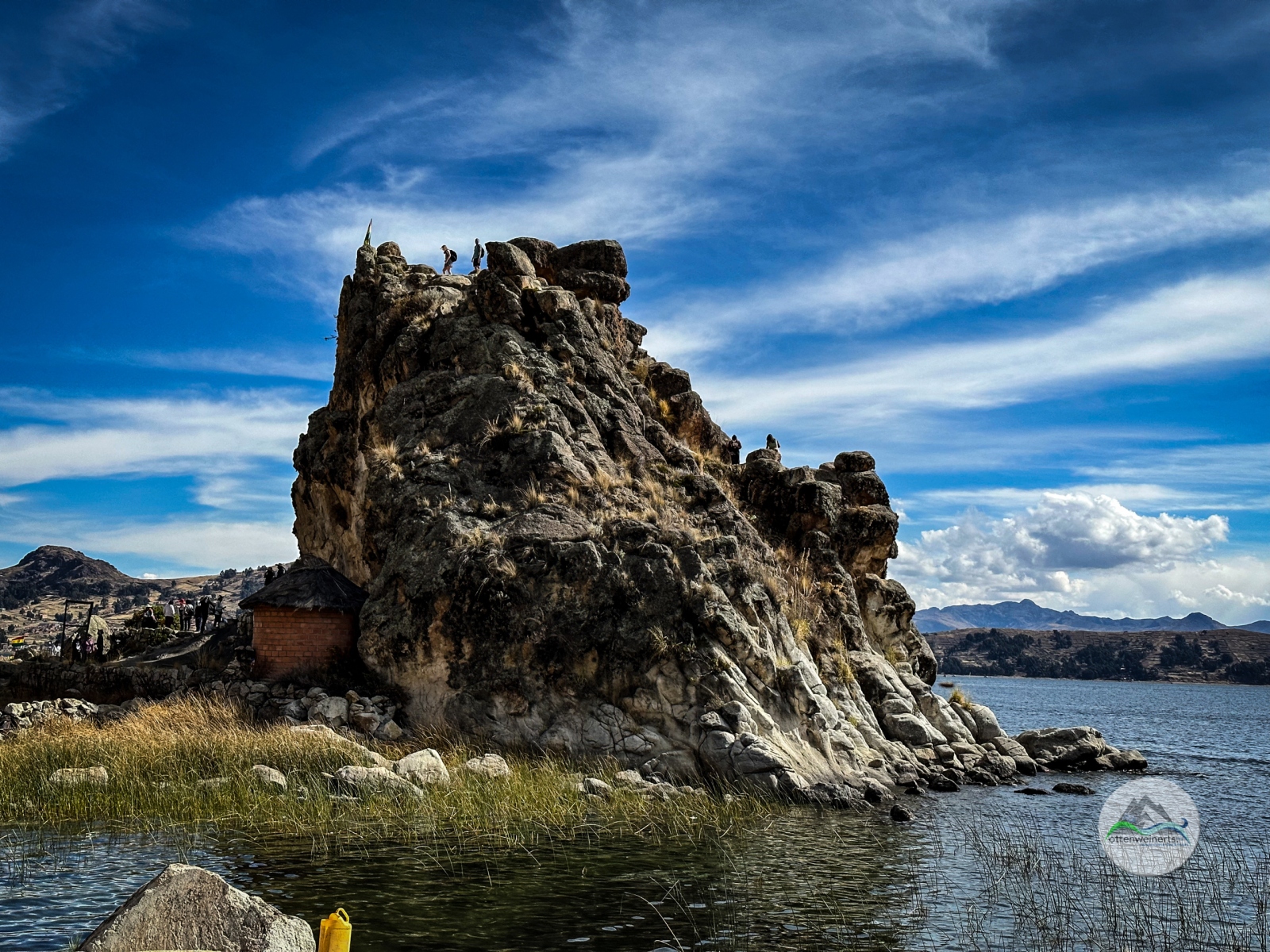
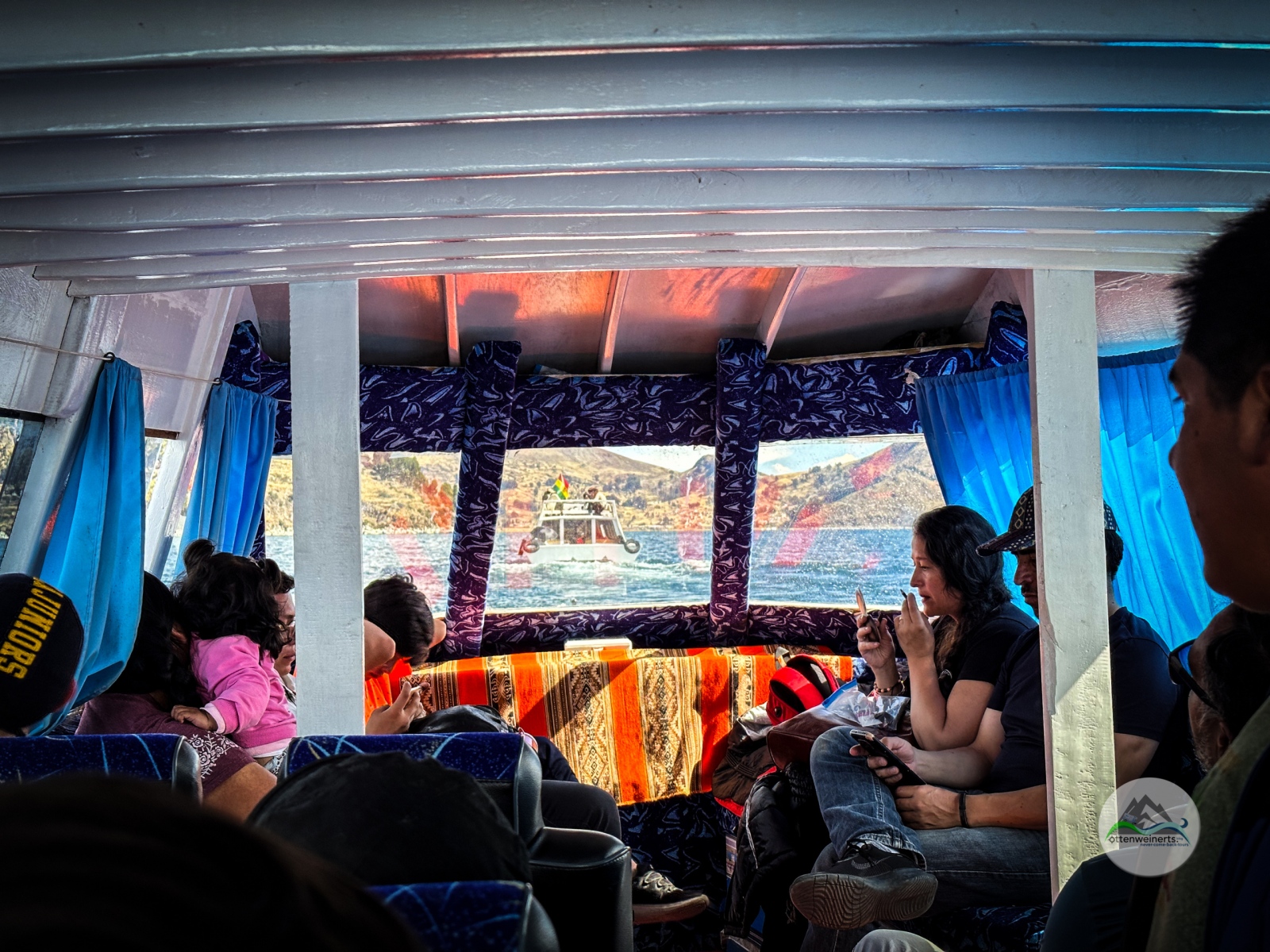
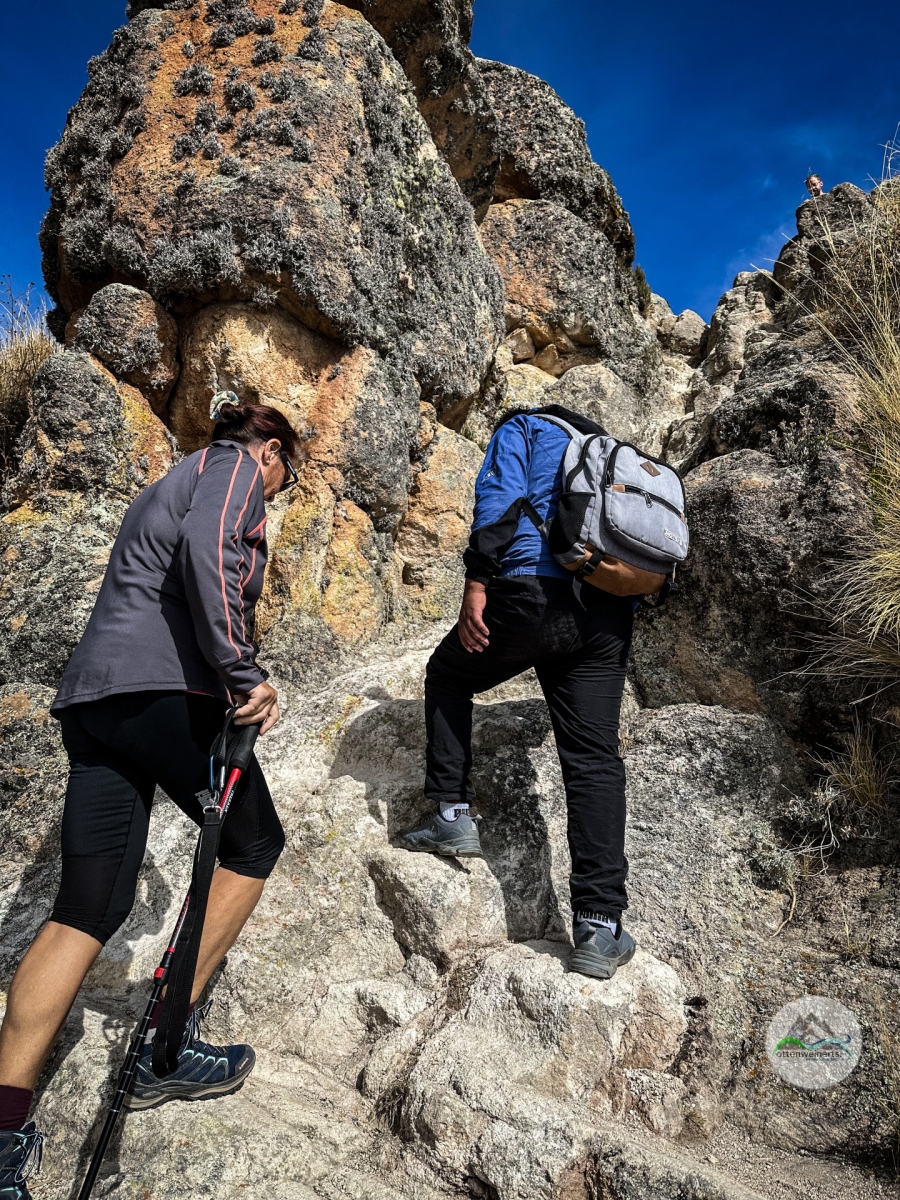
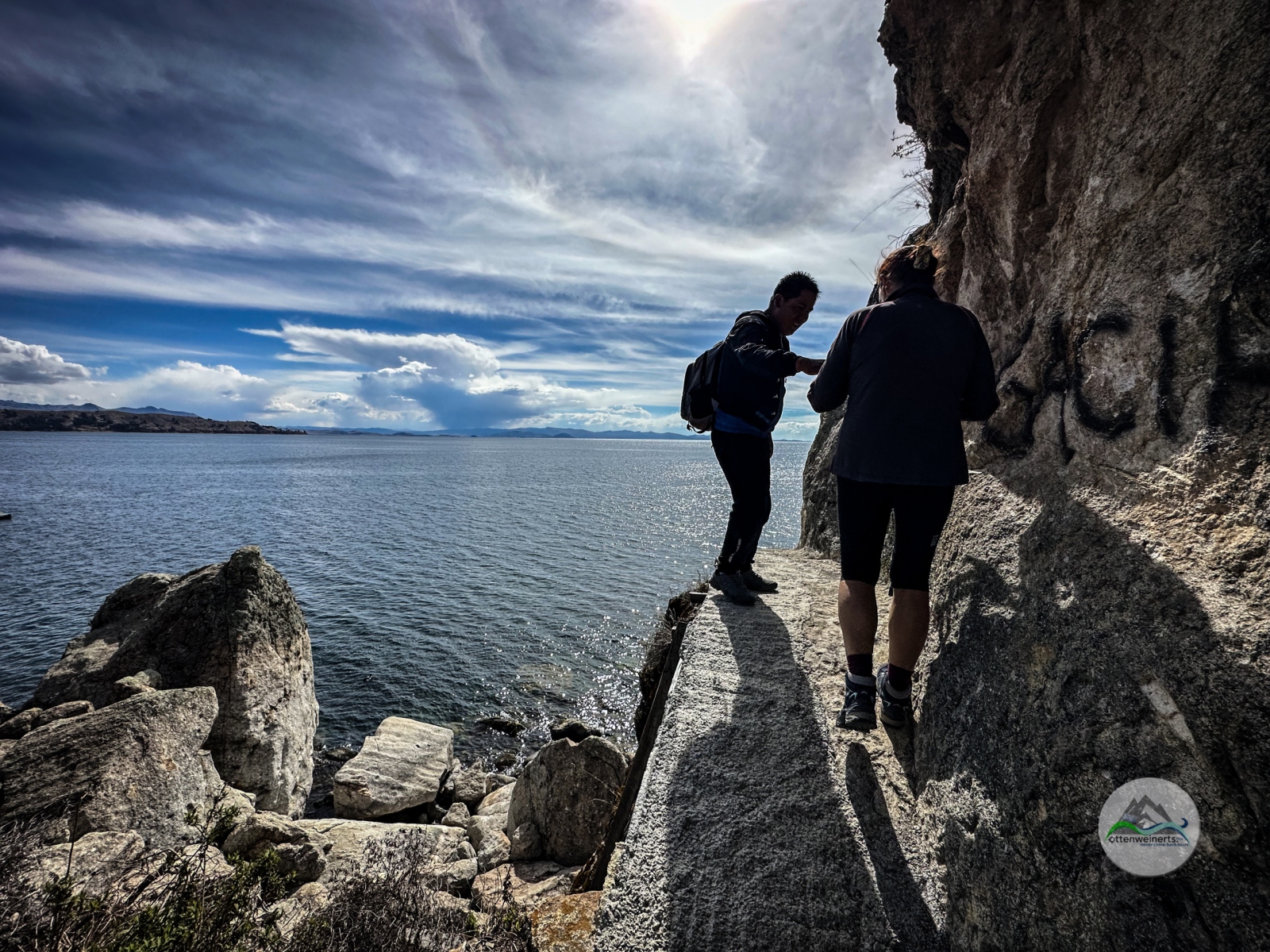
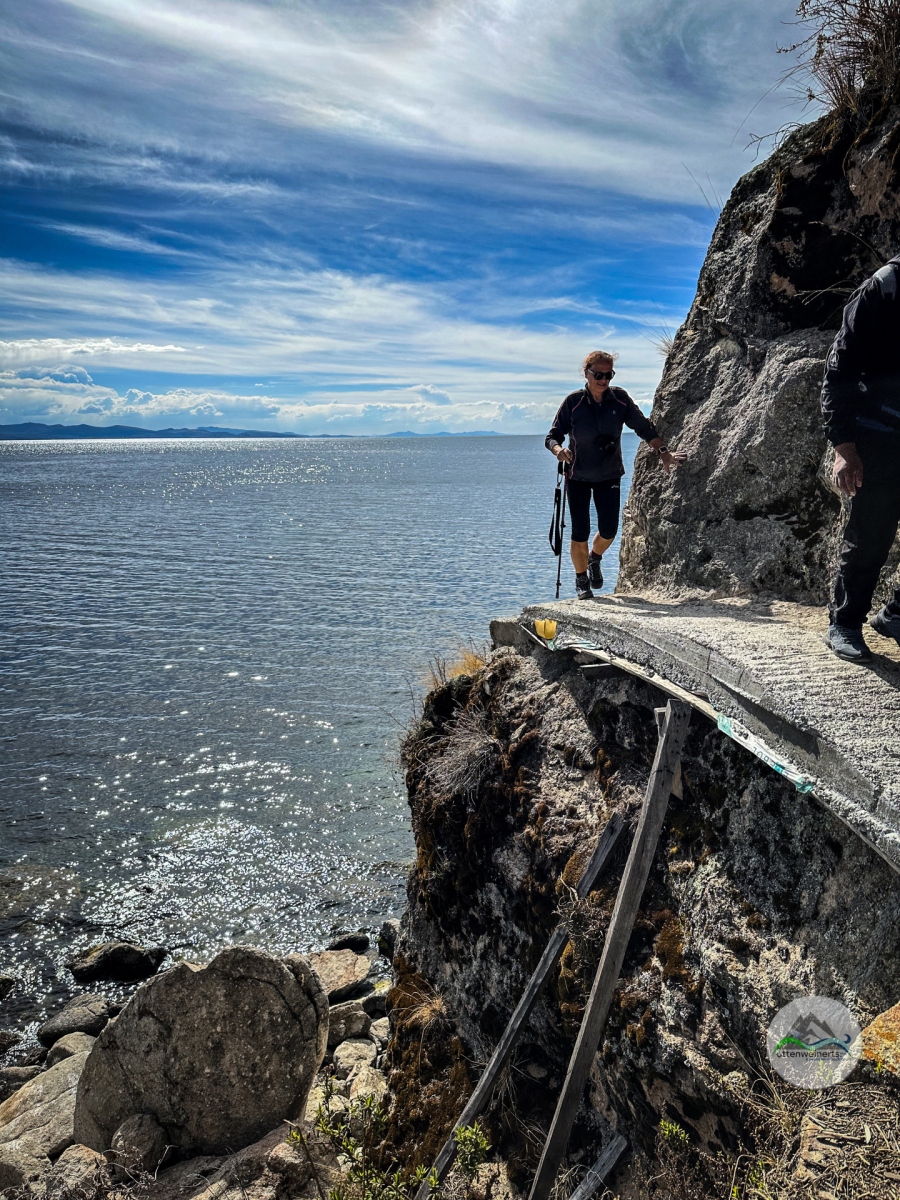
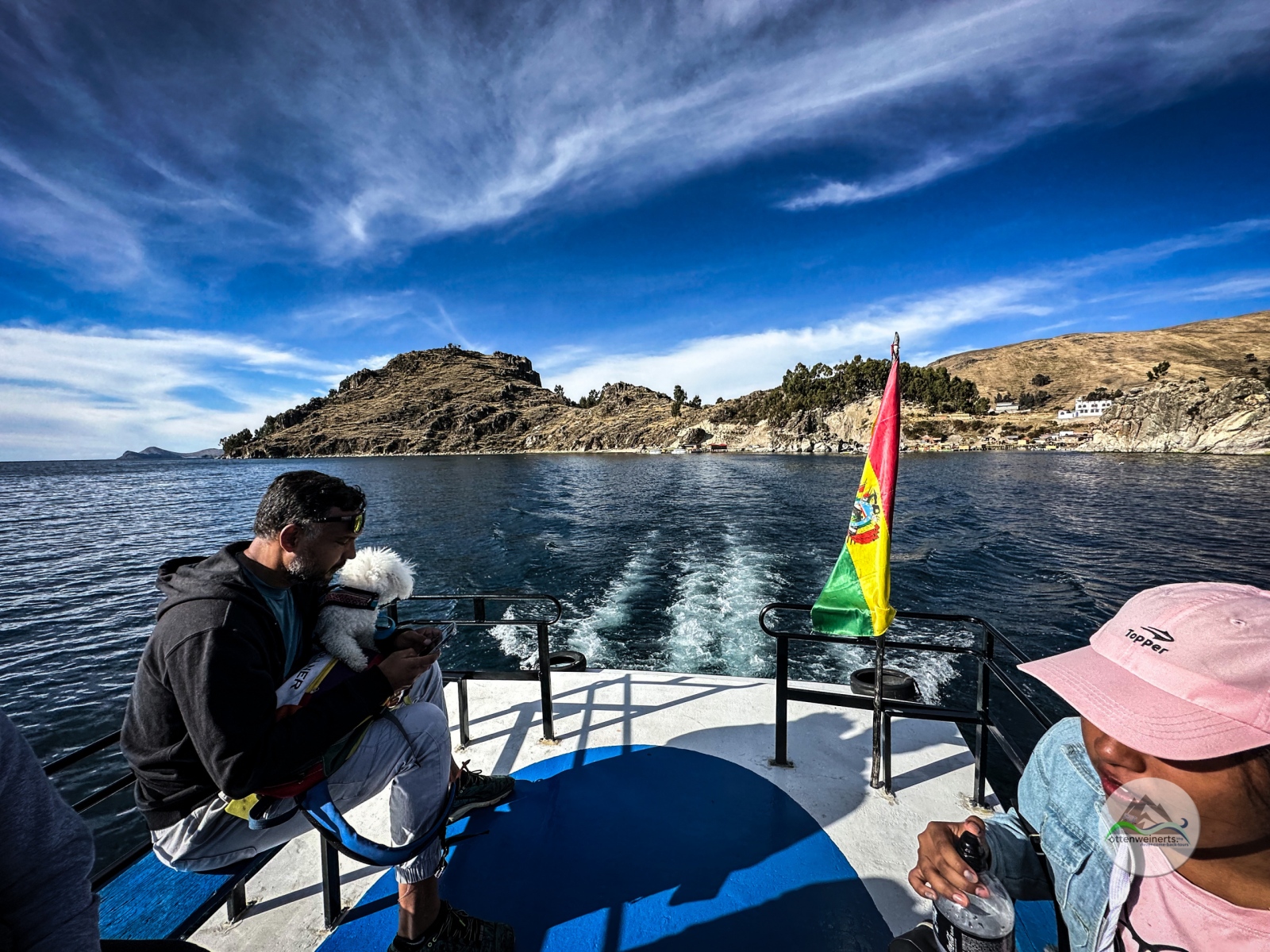
Nach knapp eineinhalb Stunden Bootsfahrt gehen wir an der Nordspitze der Insel an Land und stapfen bergauf. Mit dabei sind auch Elton, Overlander aus Brasilien mit seinem Begleiter Nick, ein 14 Jahre alter Mini-Pudel. In den Ruinen des Chincana-Palastes zeigt uns unser Guide Vidal architektonische Spuren sowohl der Inka als auch der früheren Tiwanaku-Kultur (deren Dächer etwa waren aus Stein) und einen Eingang zu einem Tunnelsystem. Ob diese Tunnel wirklich unter dem Titikaka-See durch bis nach Cuzco führen, wagen wir allerdings zu bezweifeln. Vidal erklärt uns die Bedeutung des heiligen Steins und des Puma-Felsens, und zeigt uns die Fußspuren der Sonne – hier wurde der Legende nach der Sonne und dem Mond befohlen, in den Himmel aufzusteigen.
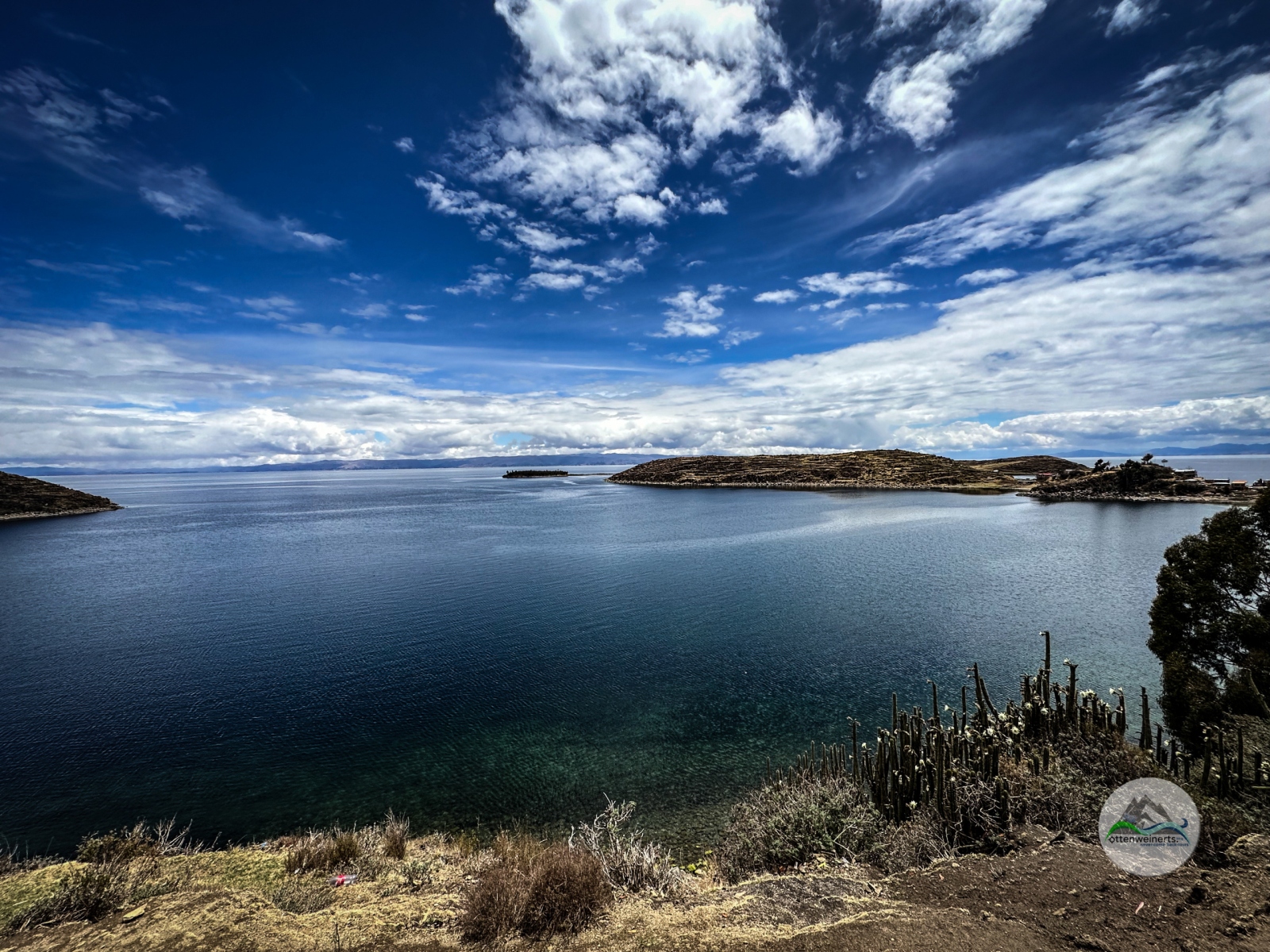
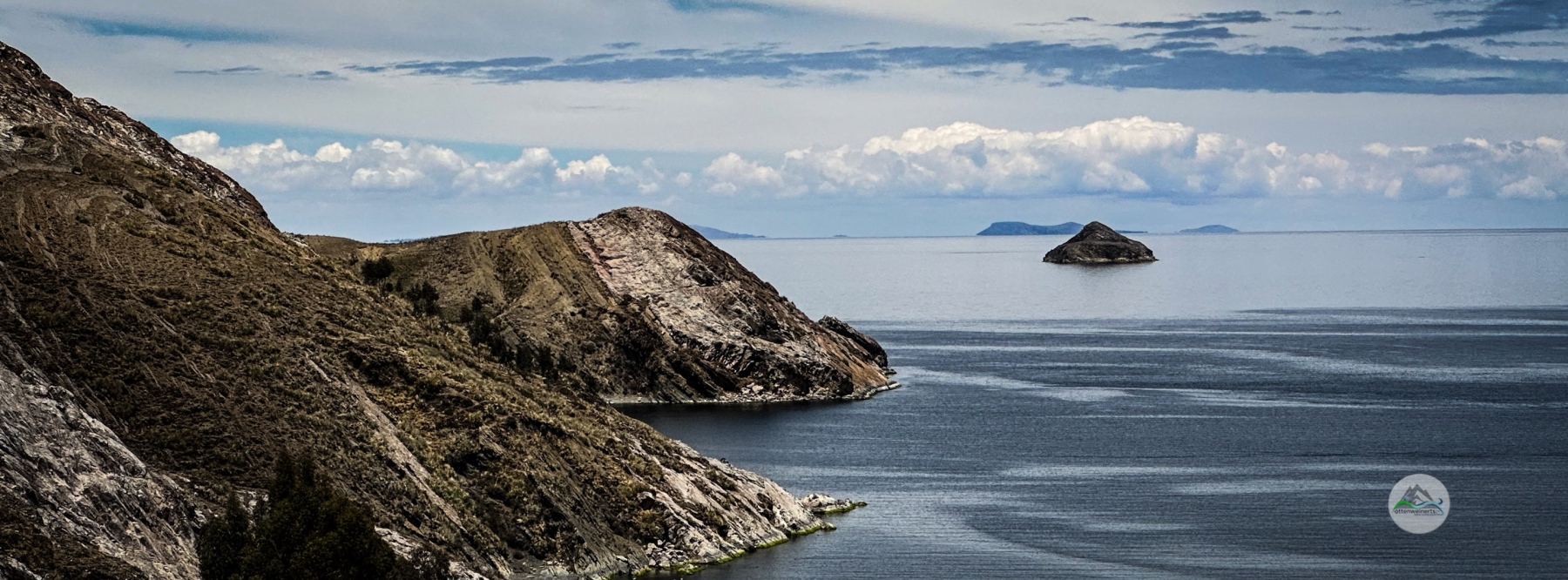
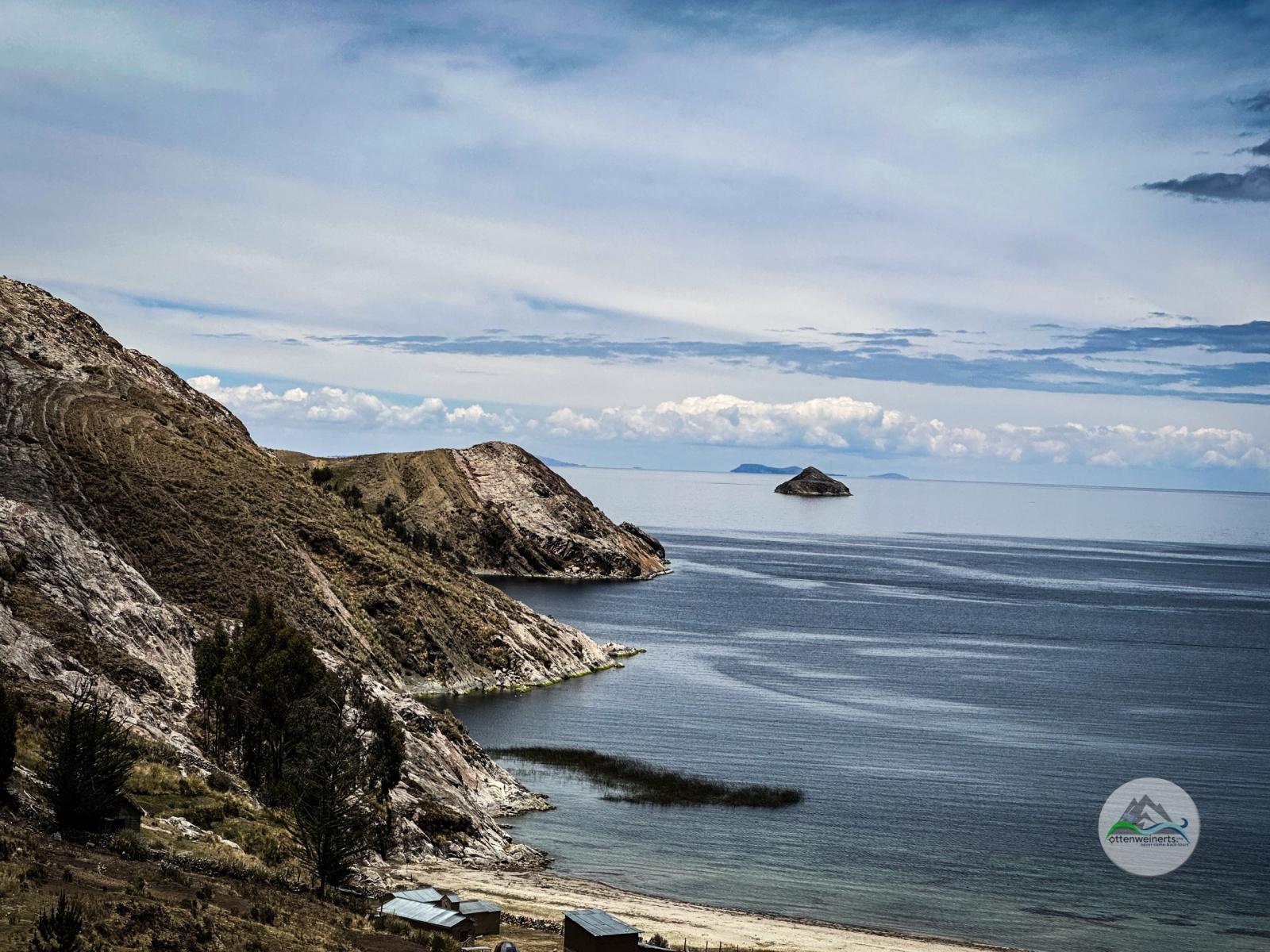
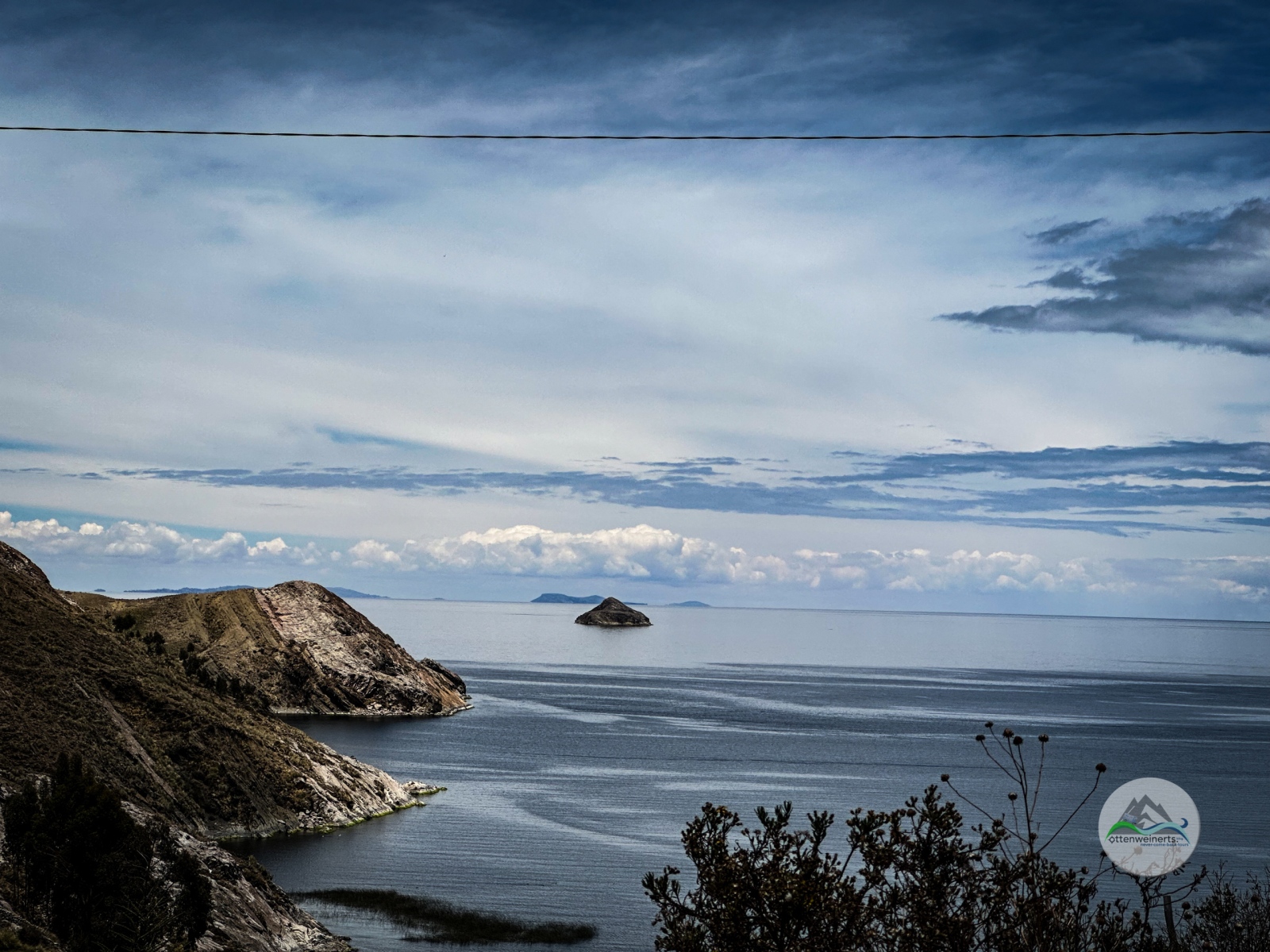
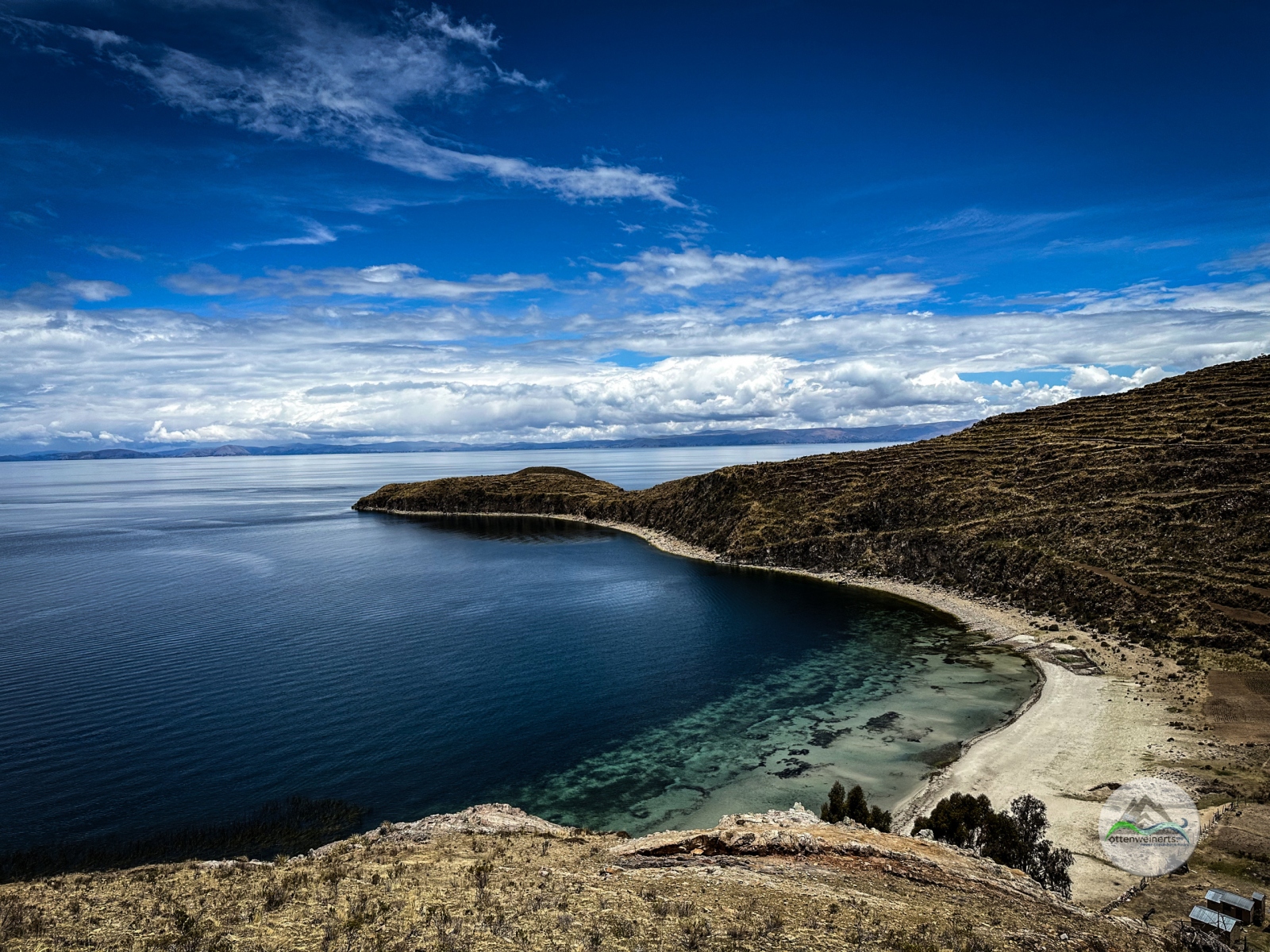
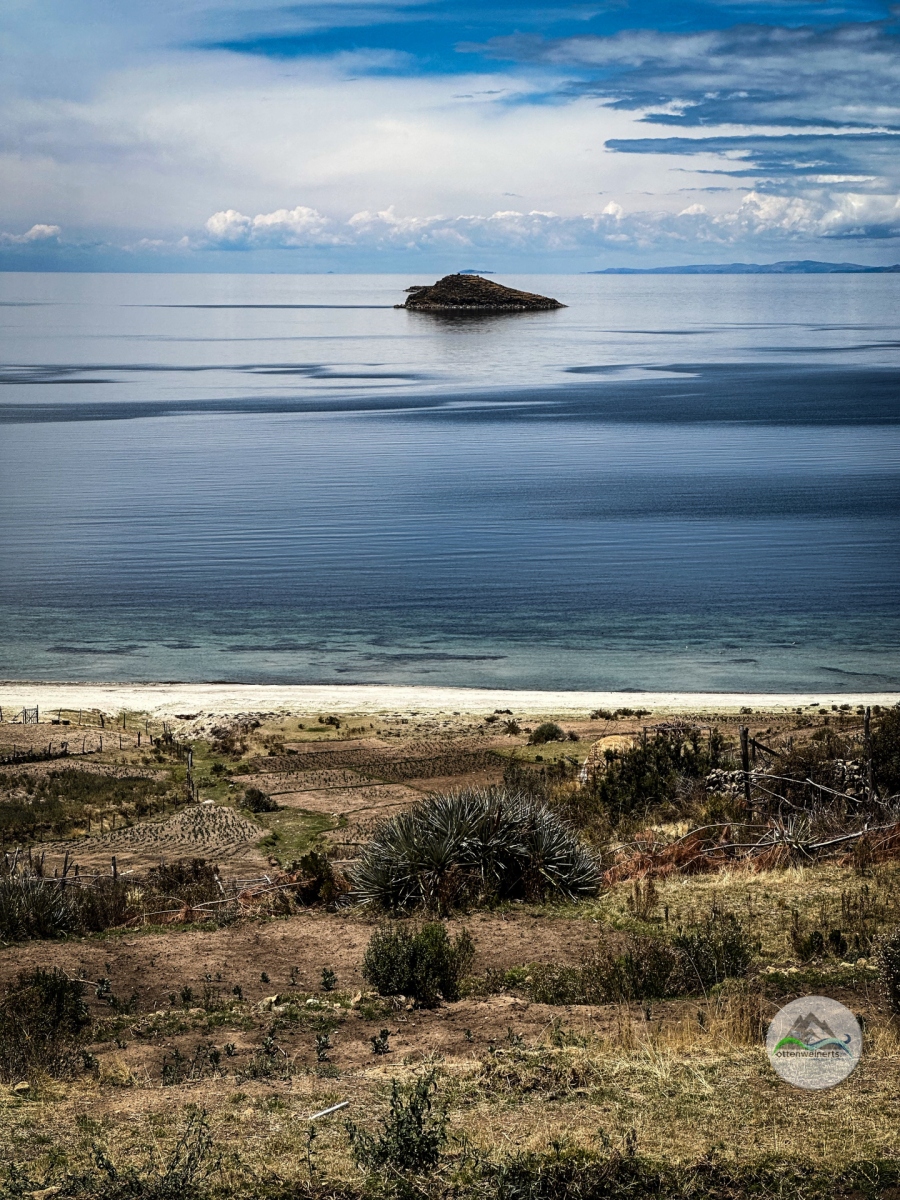
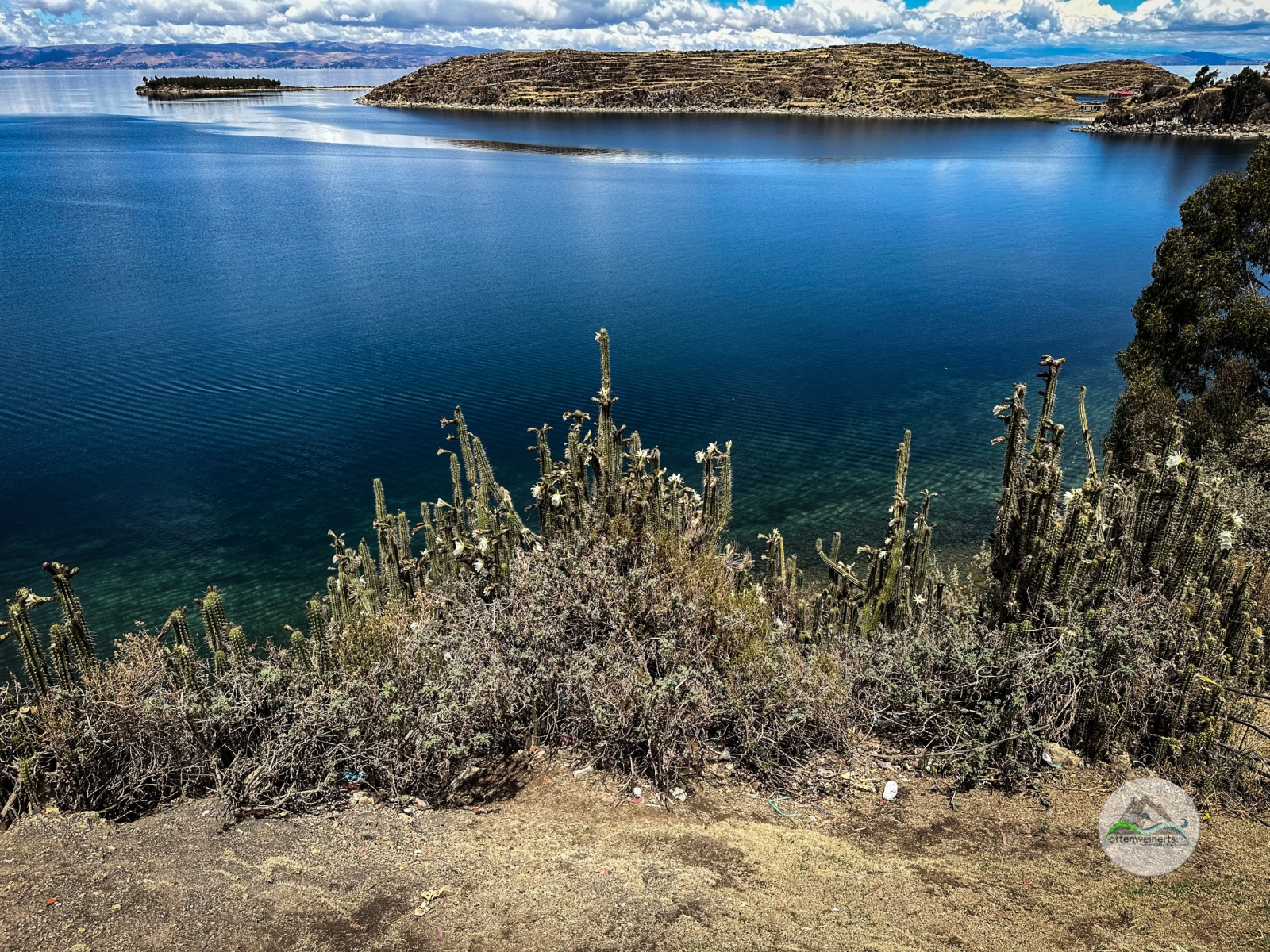
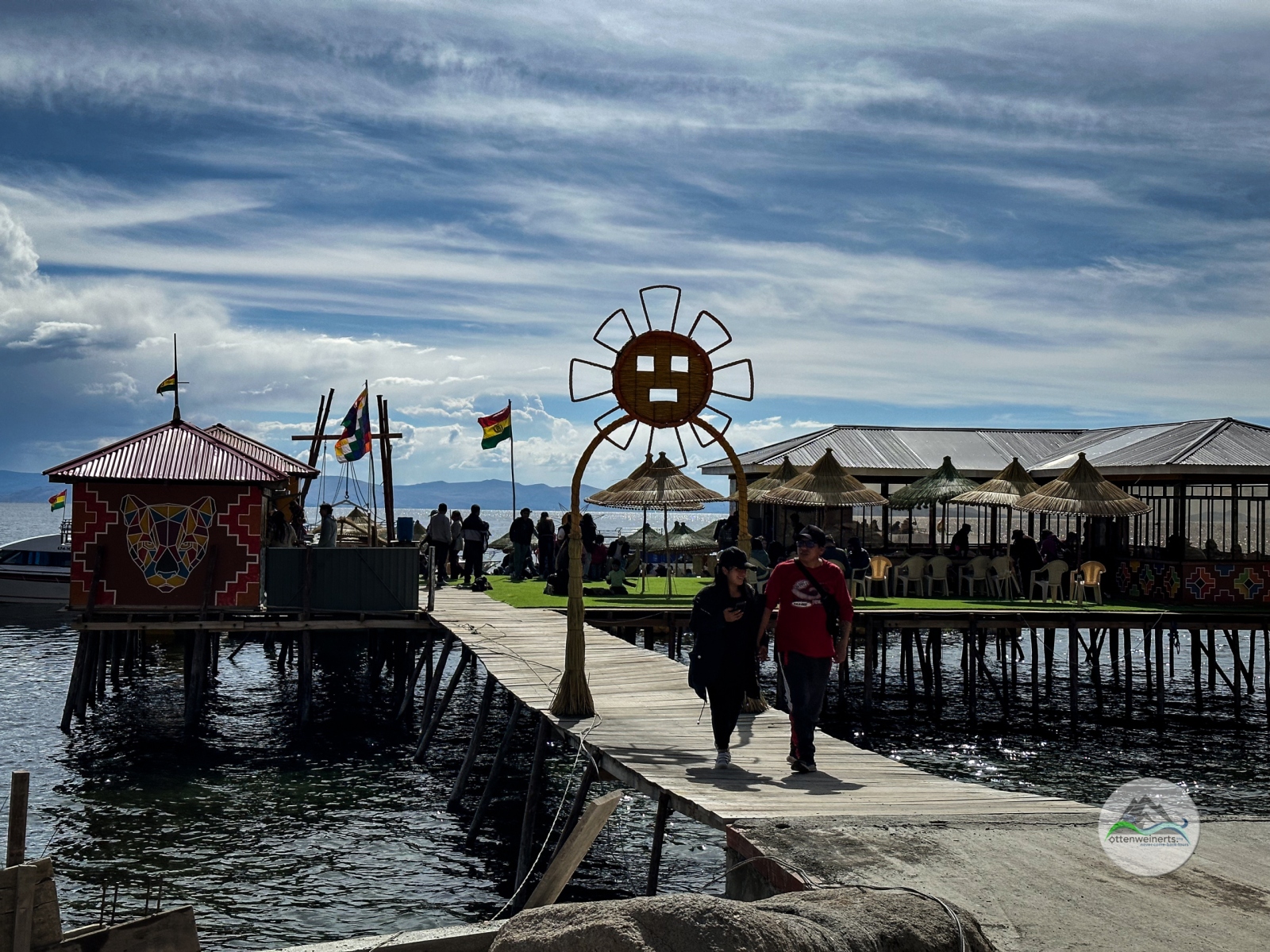
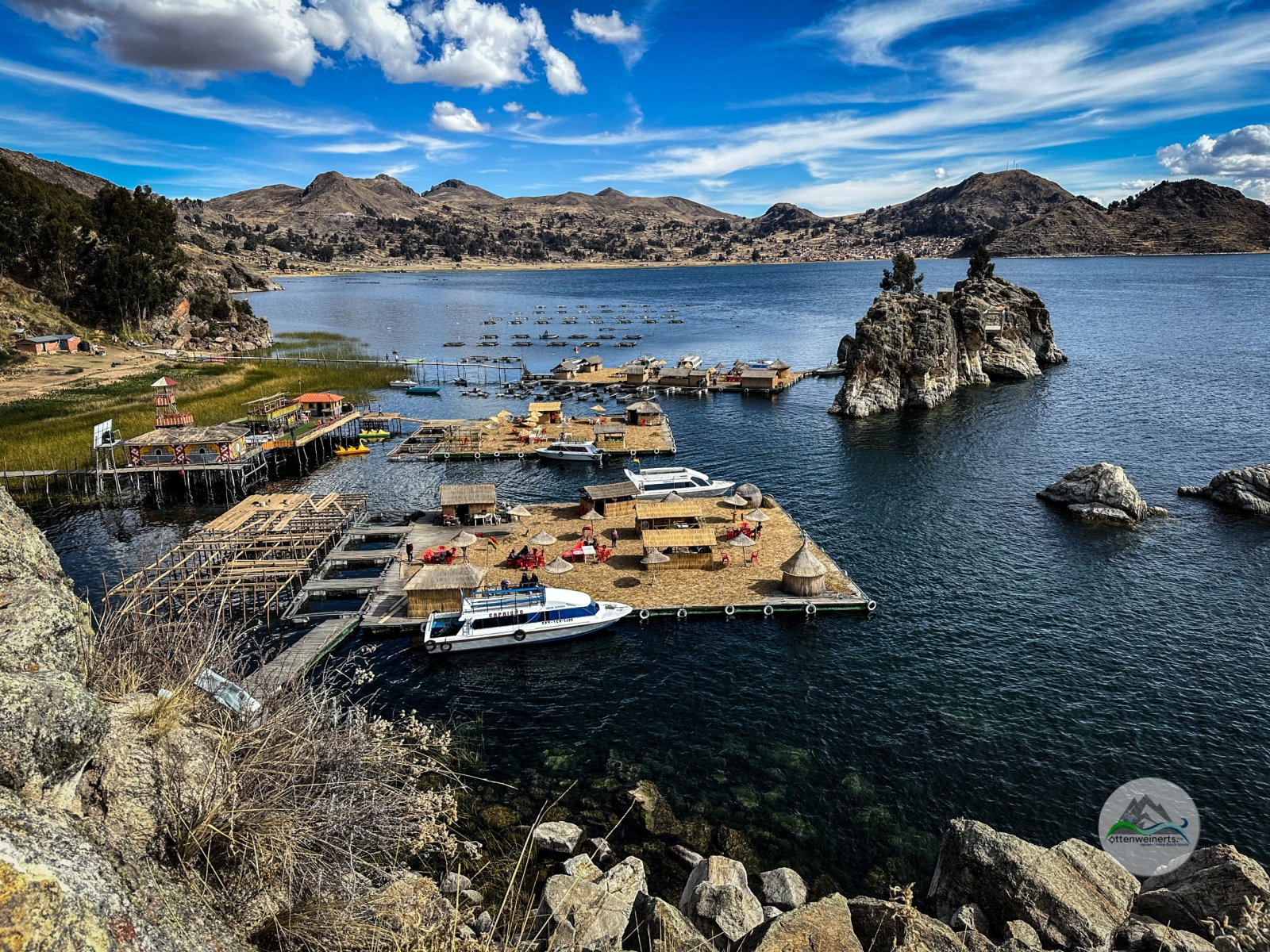
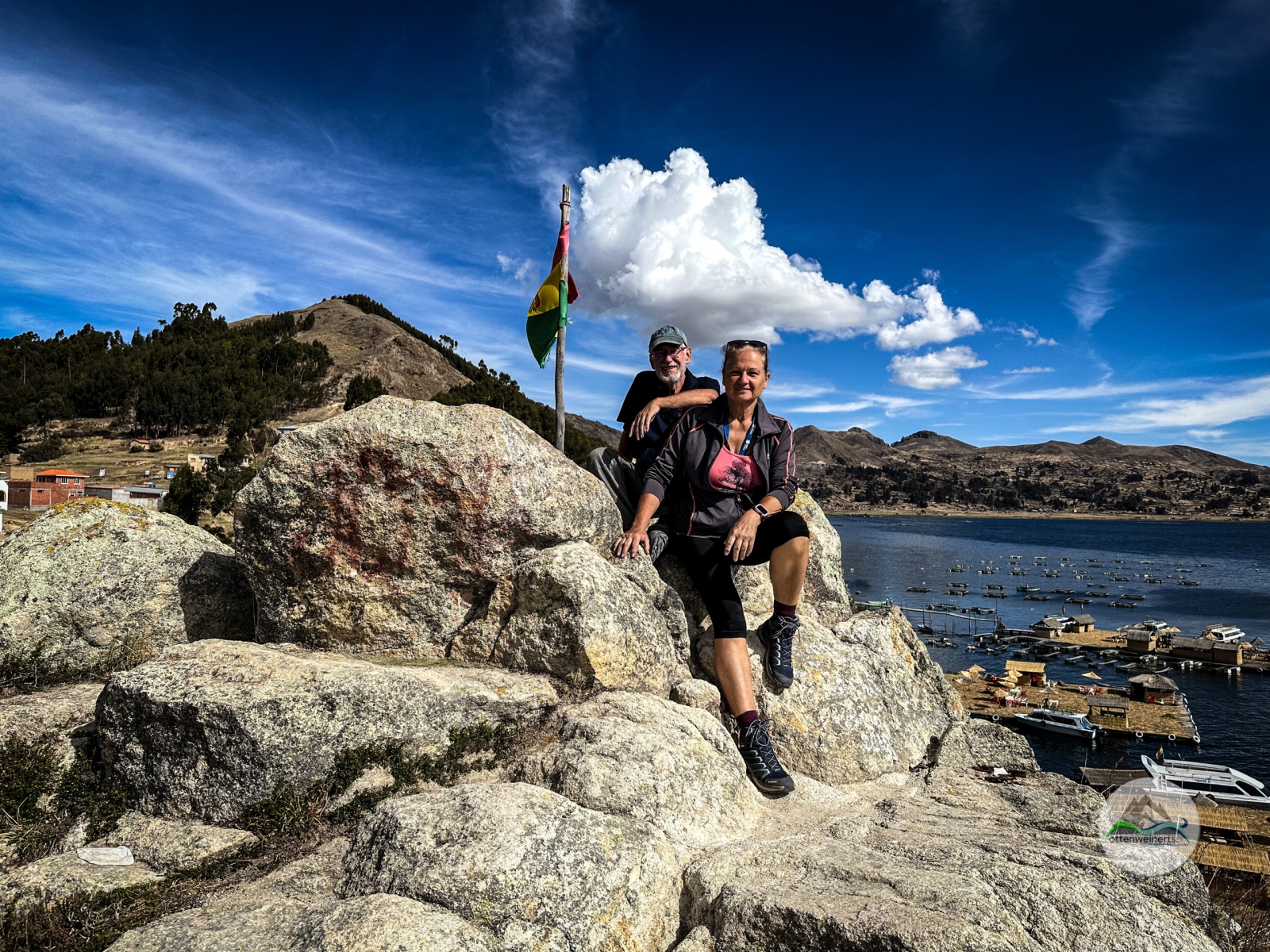
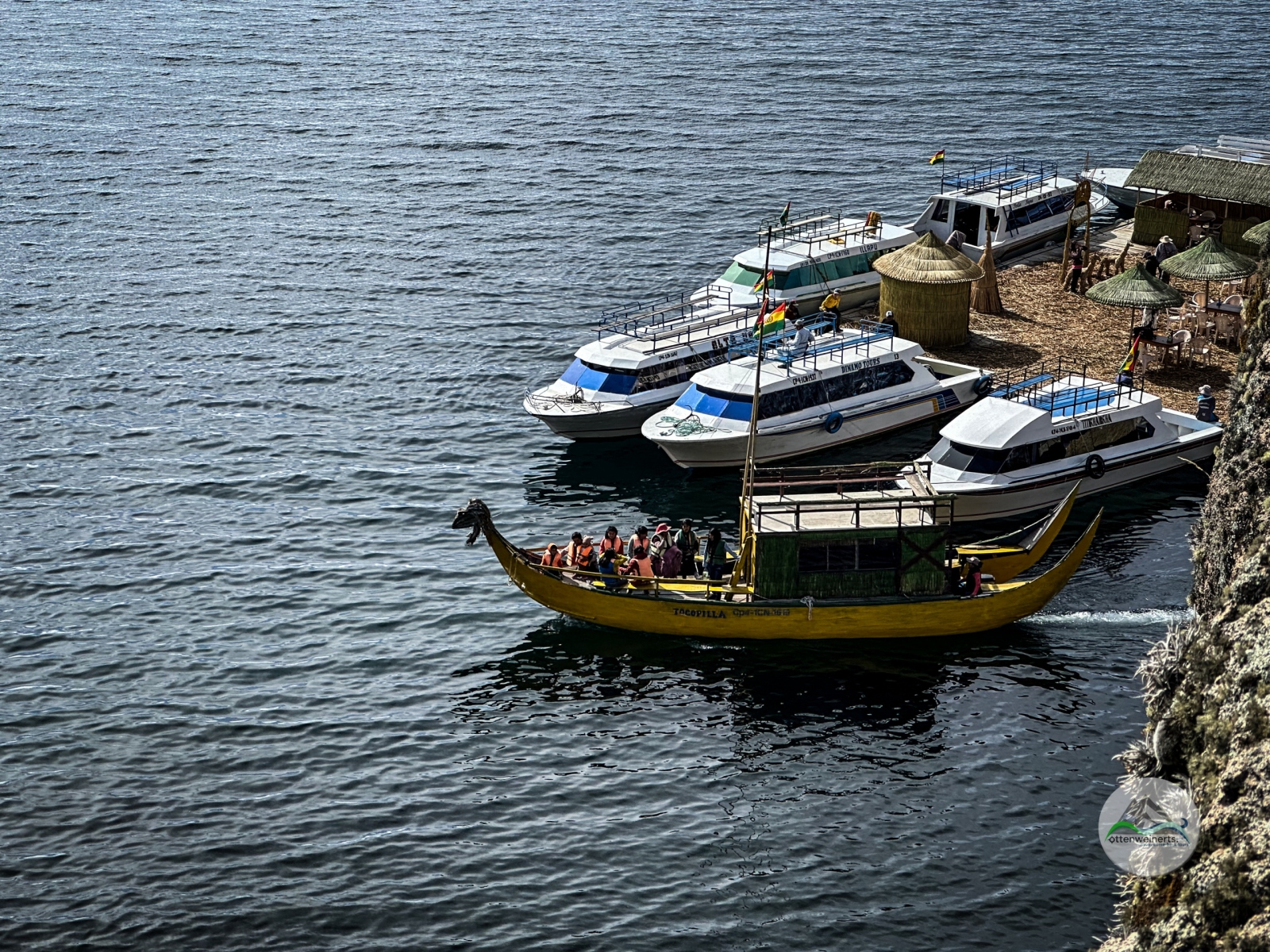
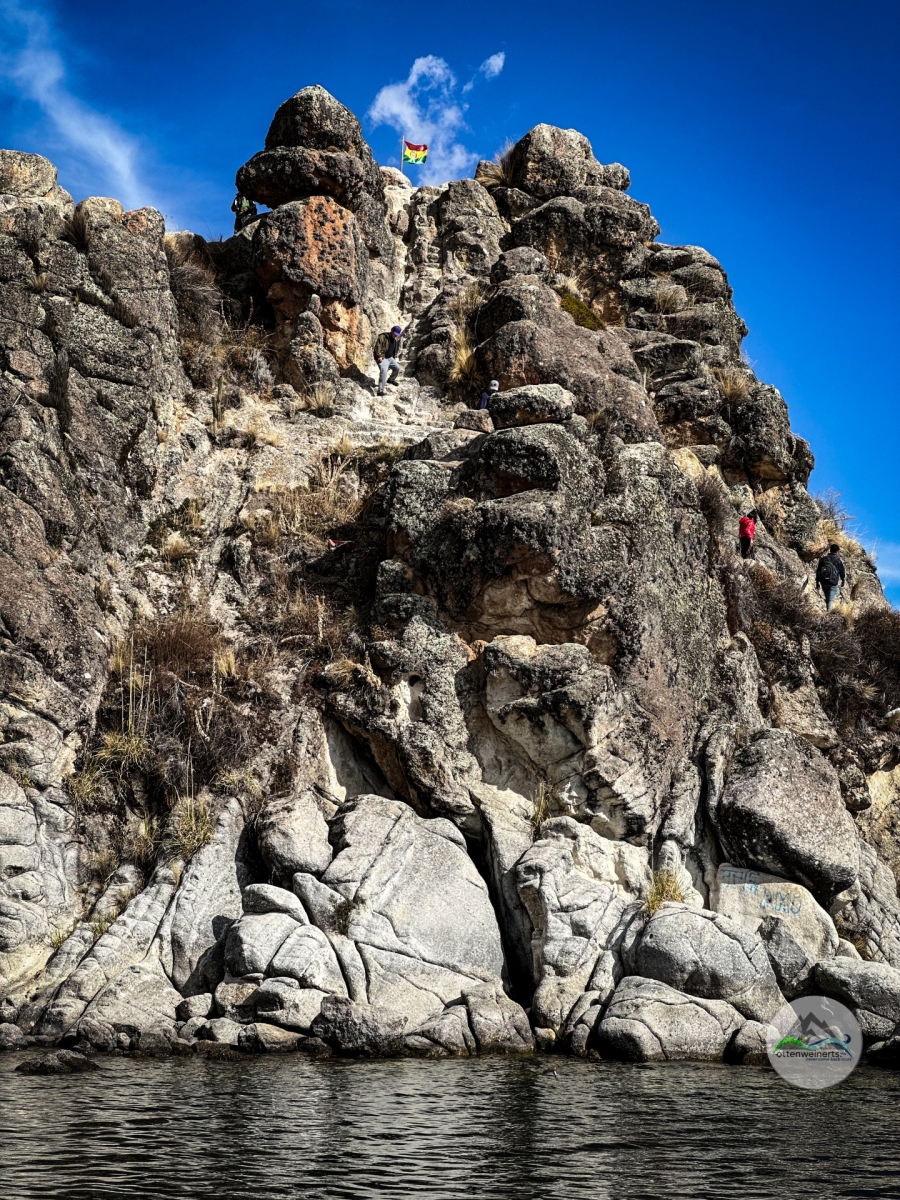
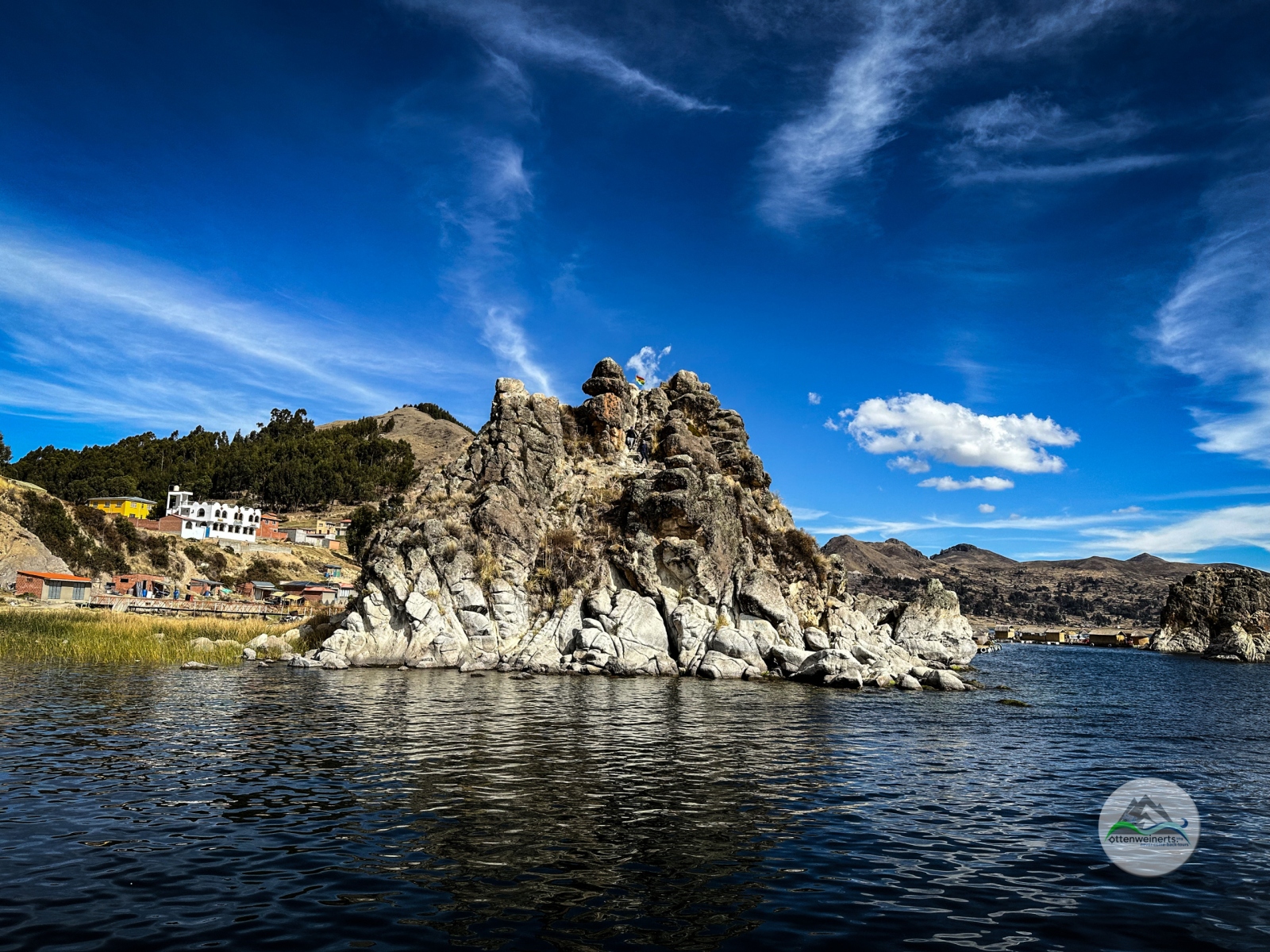
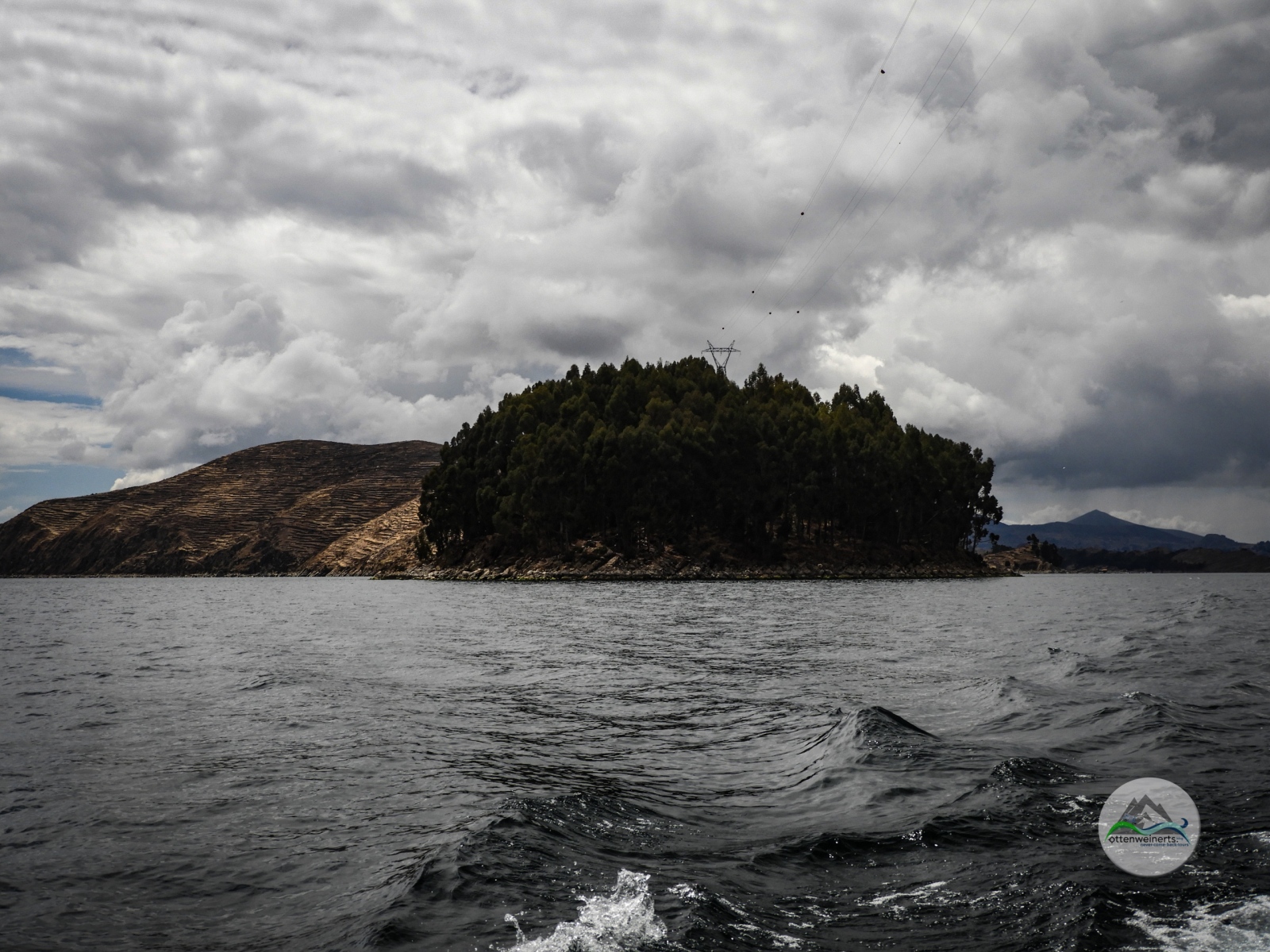
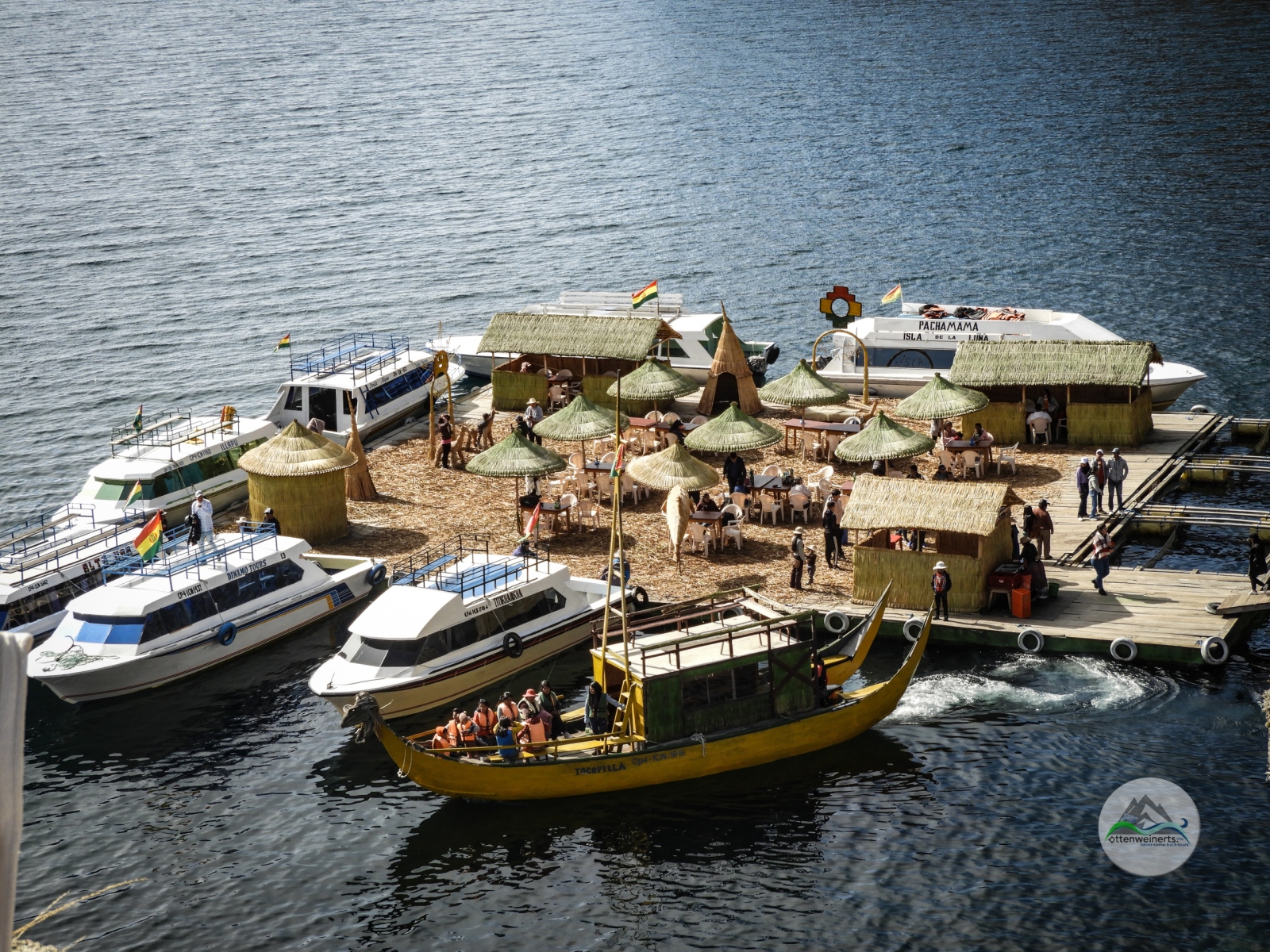
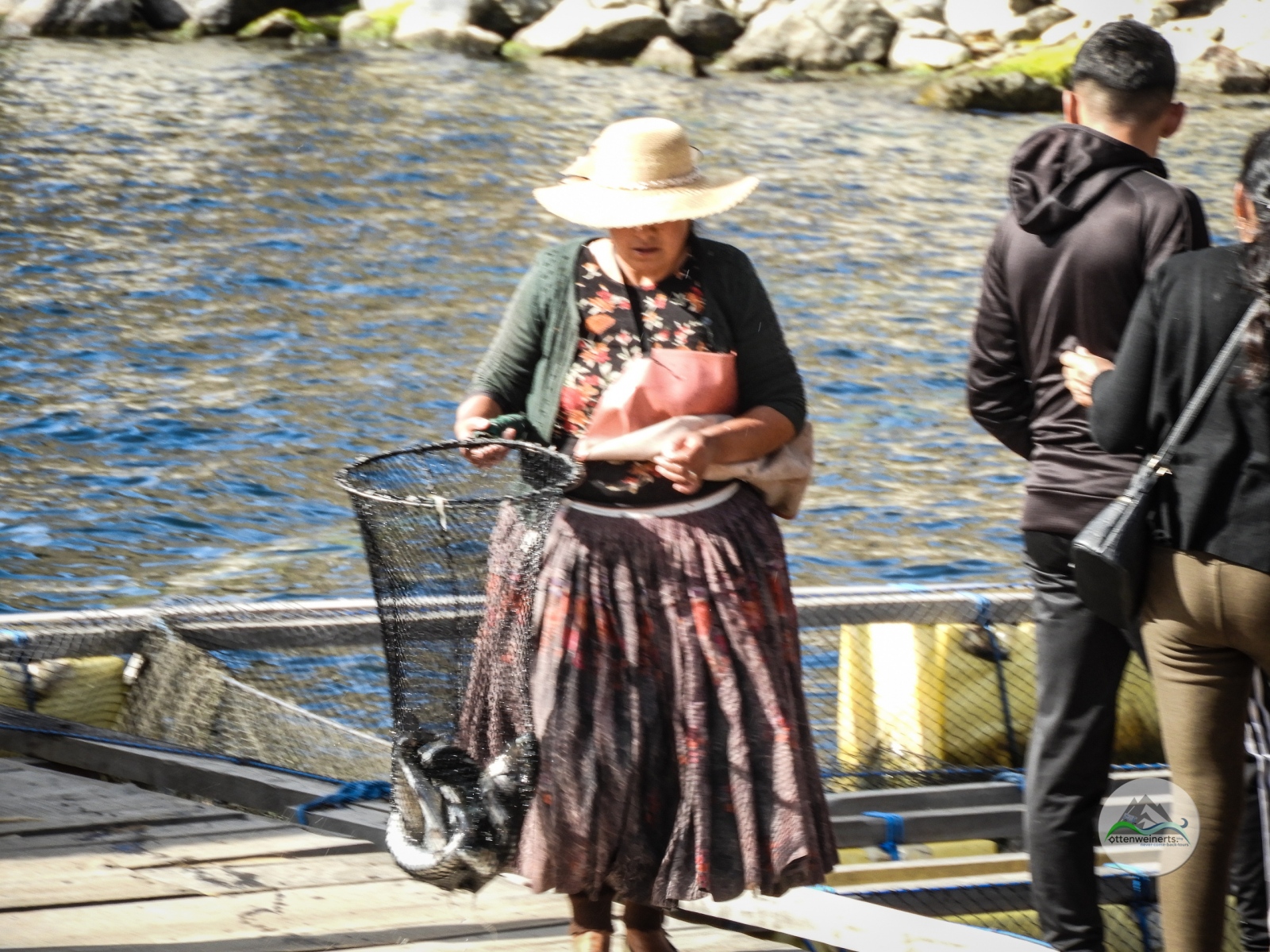
Anschließend fahren wir weiter, an der Isla de la Luna, der Mondinsel, vorbei zu einer der schwimmenden Totoro-Schilfinseln. Das sind zwar nicht die berühmten Originale (die befinden sich am nördlichen See Ende, vor Puno – mussten wir leider wegen der Situation in Perú auslassen), erfreuen sich aber dennoch großer Beliebtheit wegen der regionalen Spezialität – frische Forellen. Der Andrang ist so groß, dass wir aufs Essen verzichten – außerdem bringen wir es nicht übers Herz, uns eine lebende Forelle auszusuchen, die dann vor unseren Augen ihr Leben lassen muss. Stattdessen klettern wir auf den nahen Felsen, der eine schöne Aussicht über den See und einige der Pseudo-Totoro-Schilfinseln bietet.
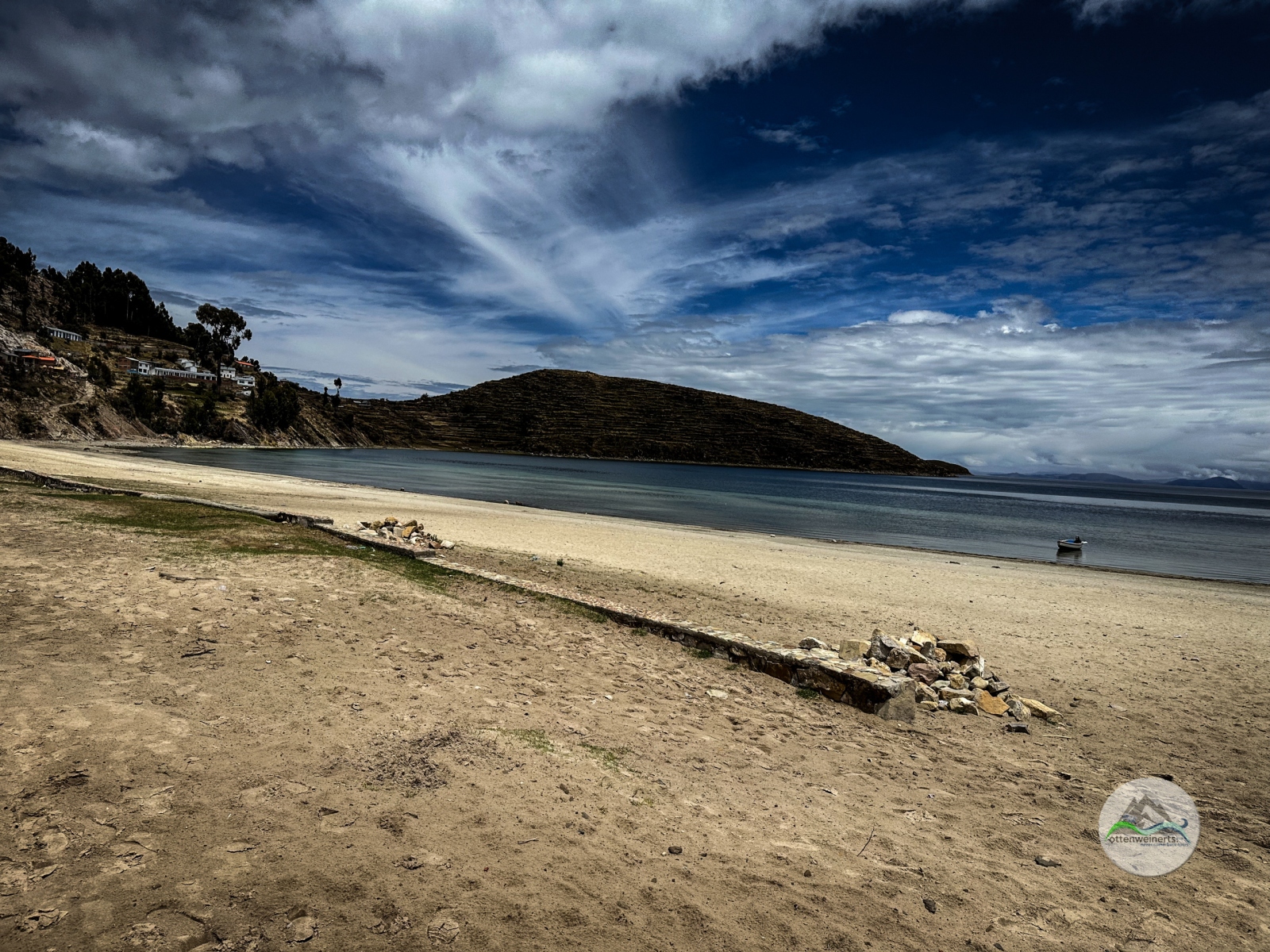
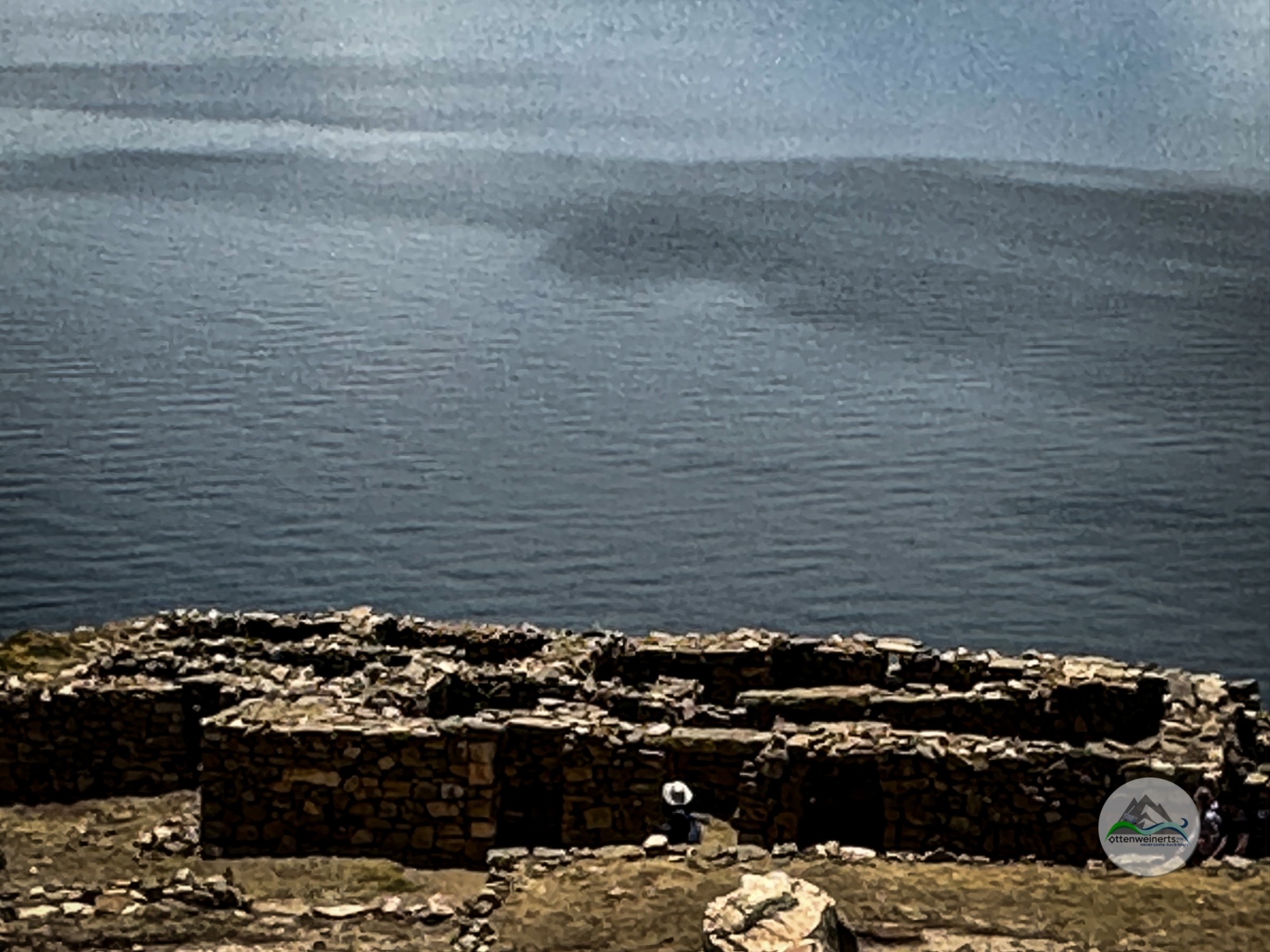
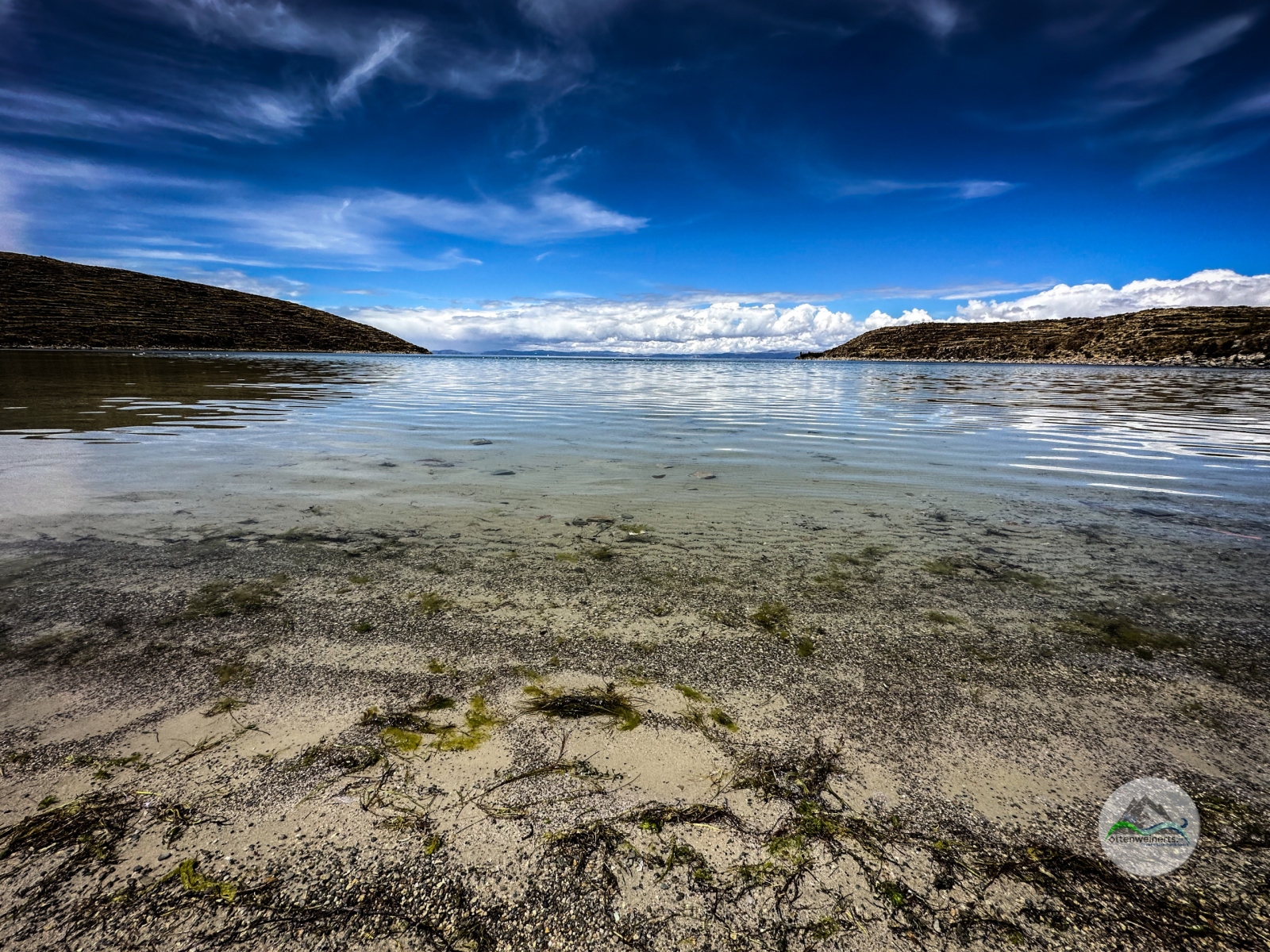
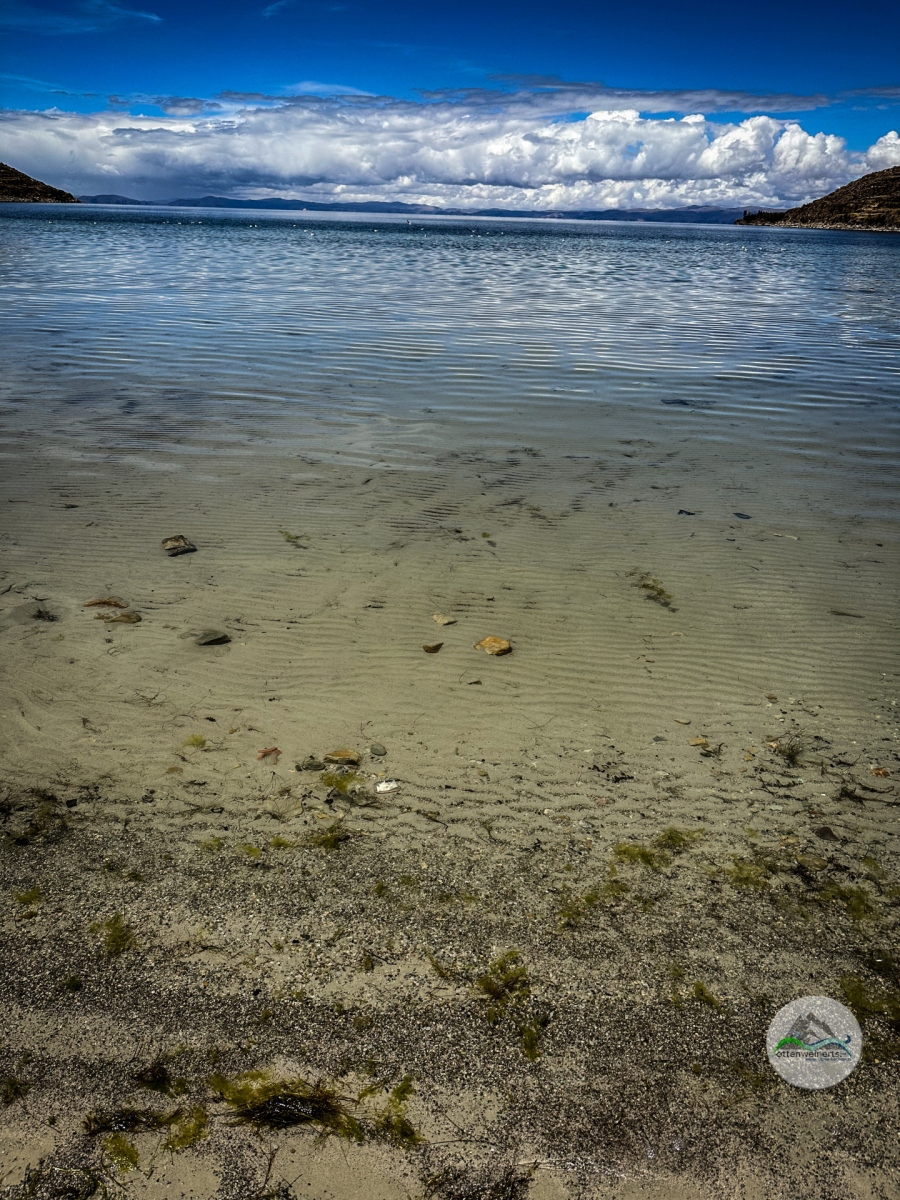
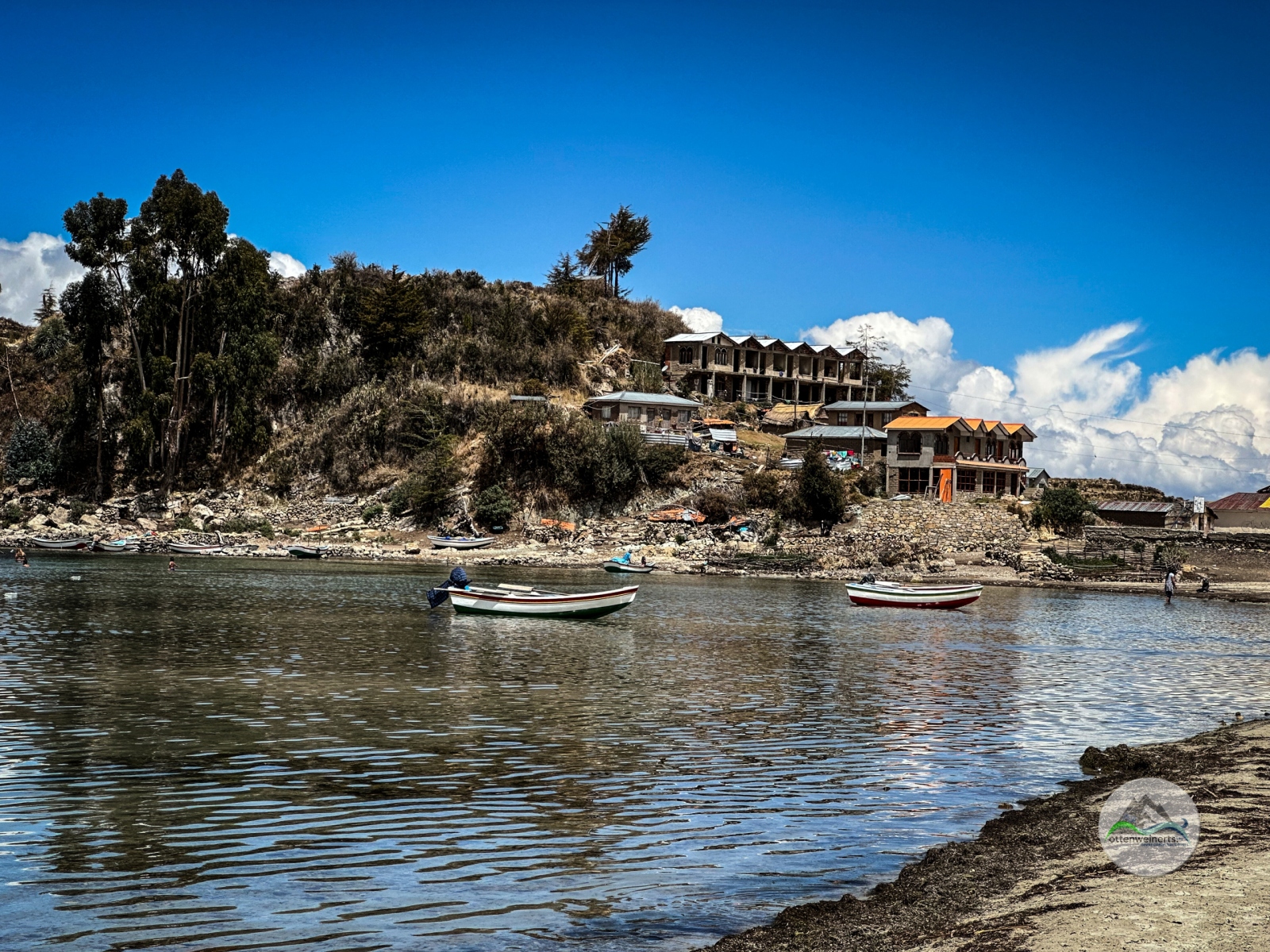
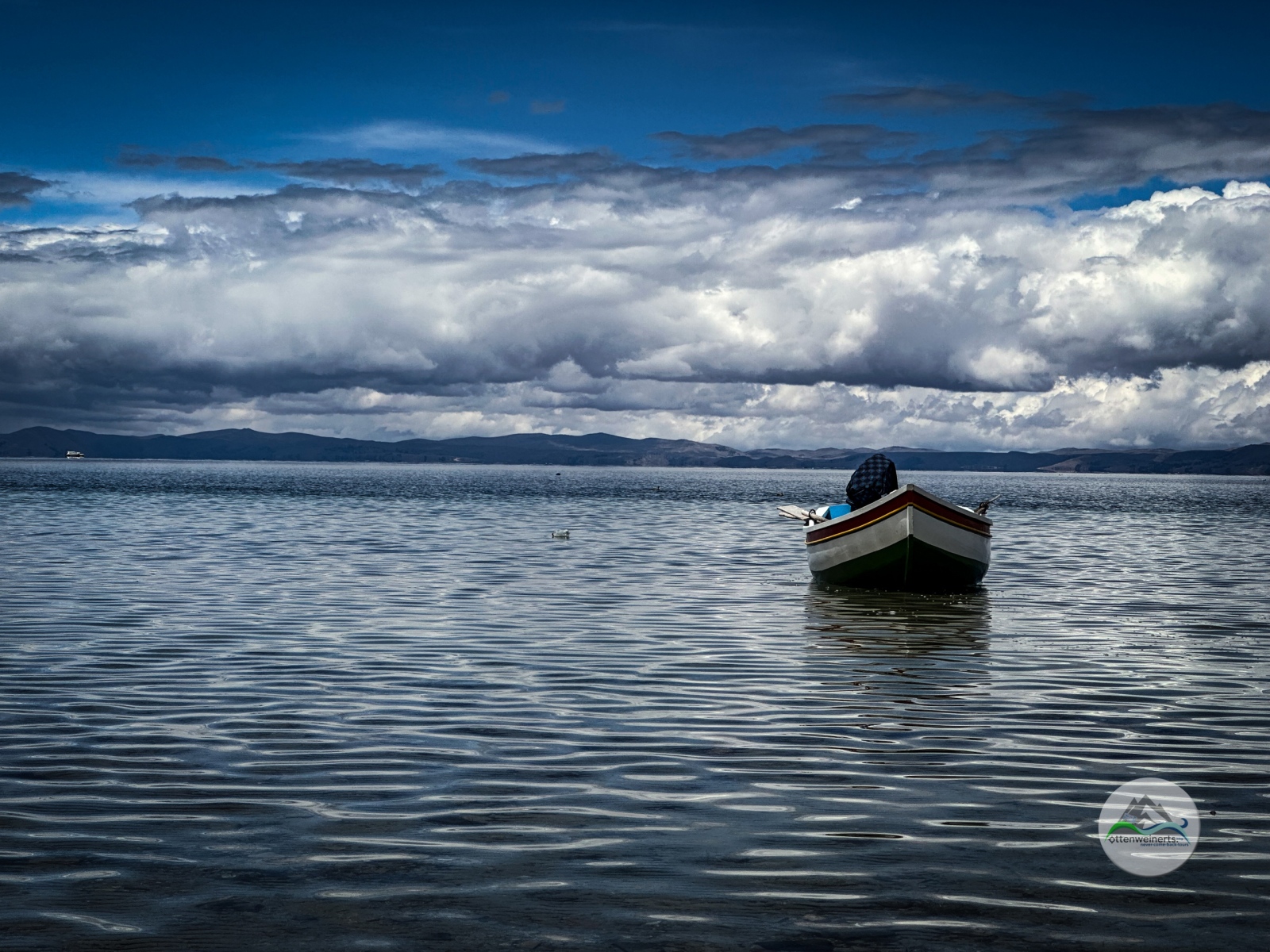
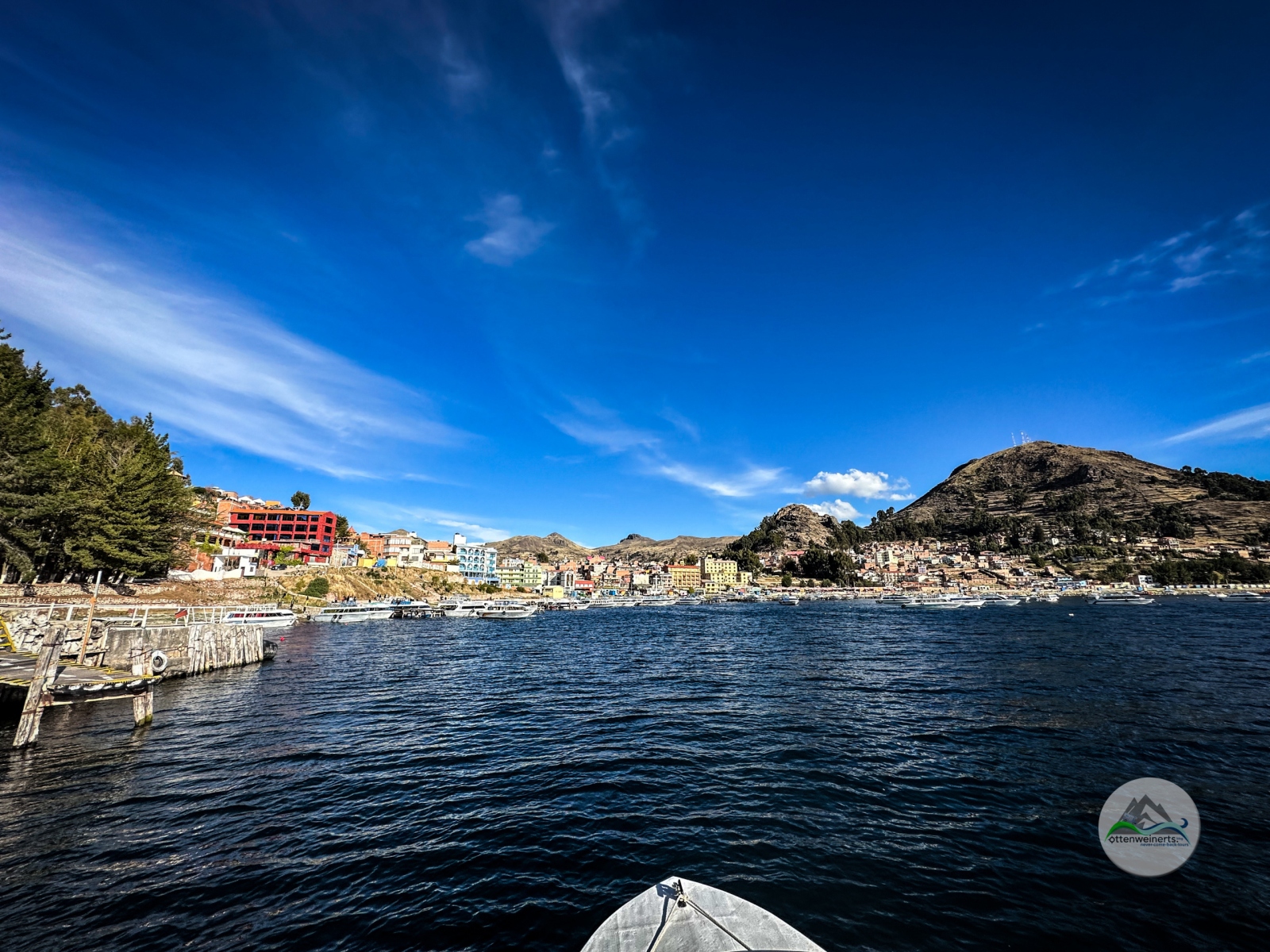
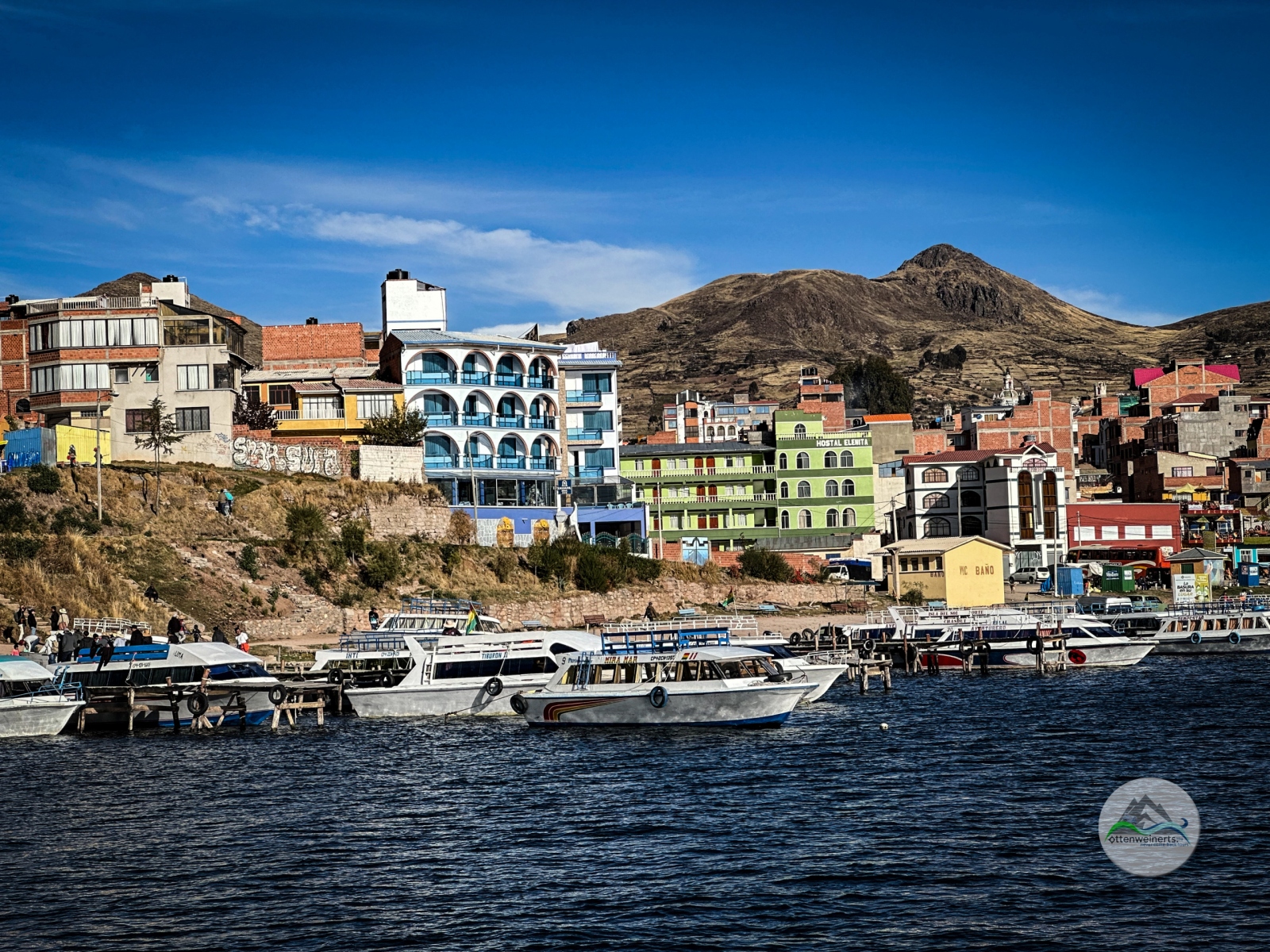
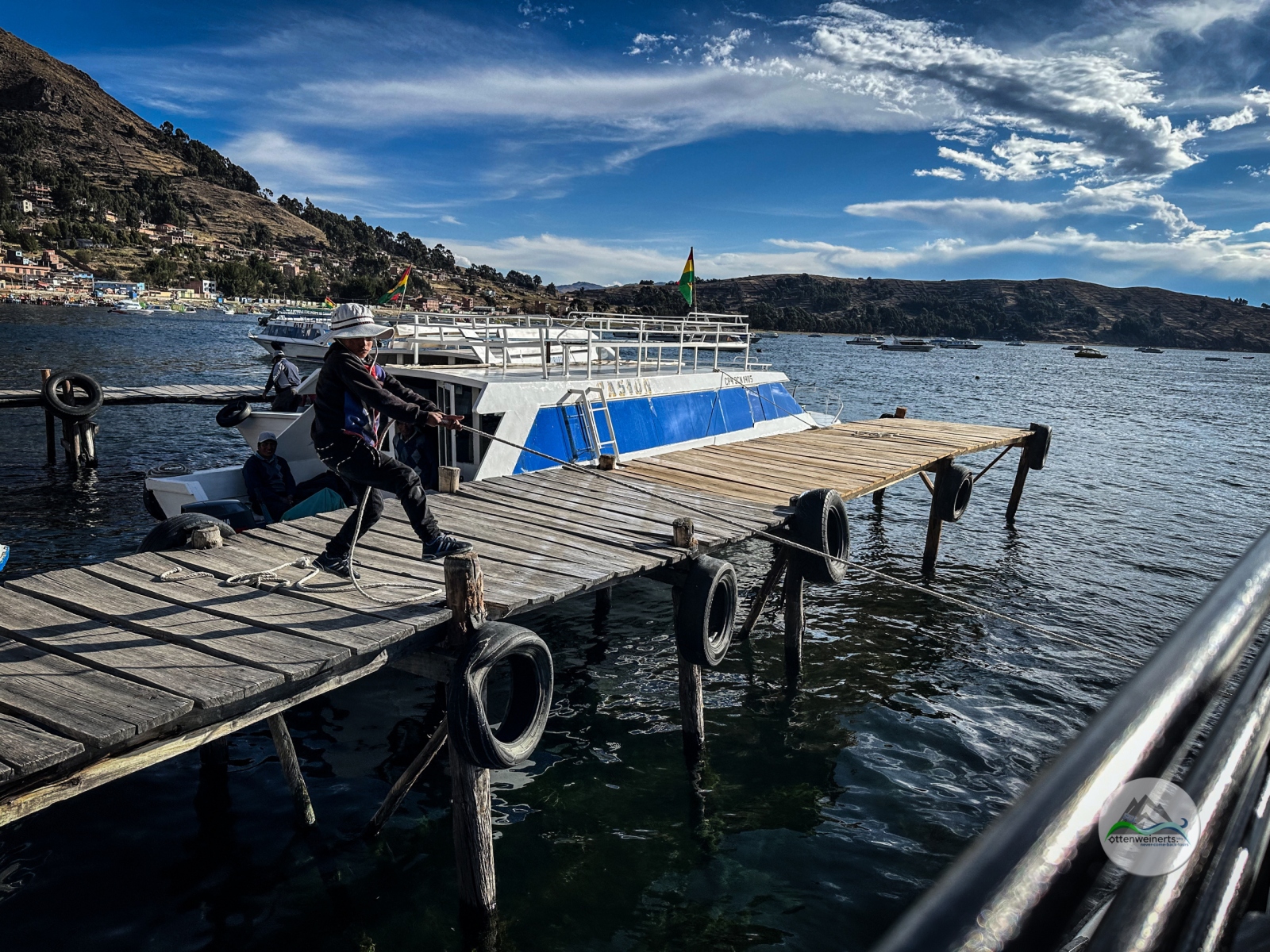
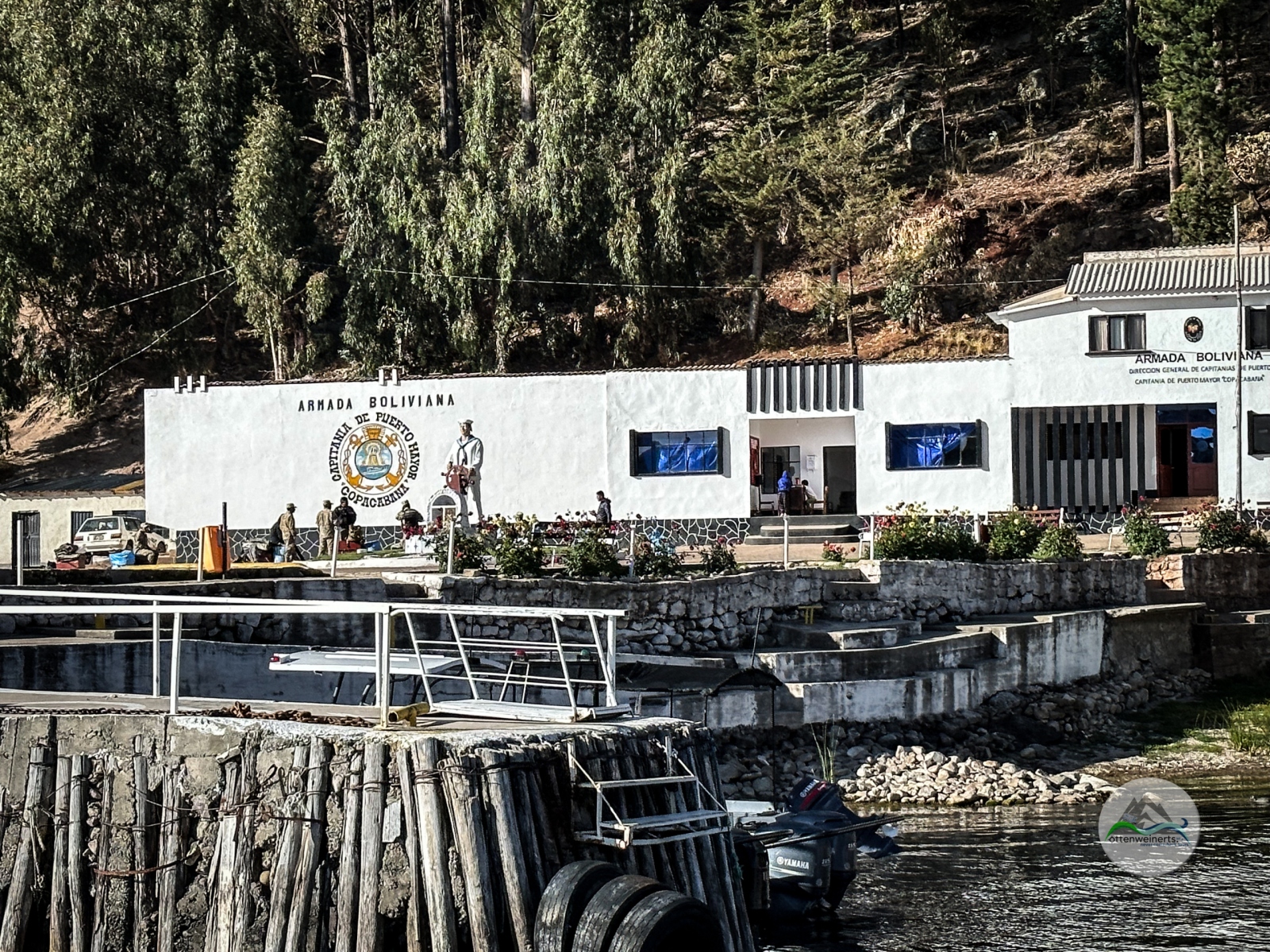
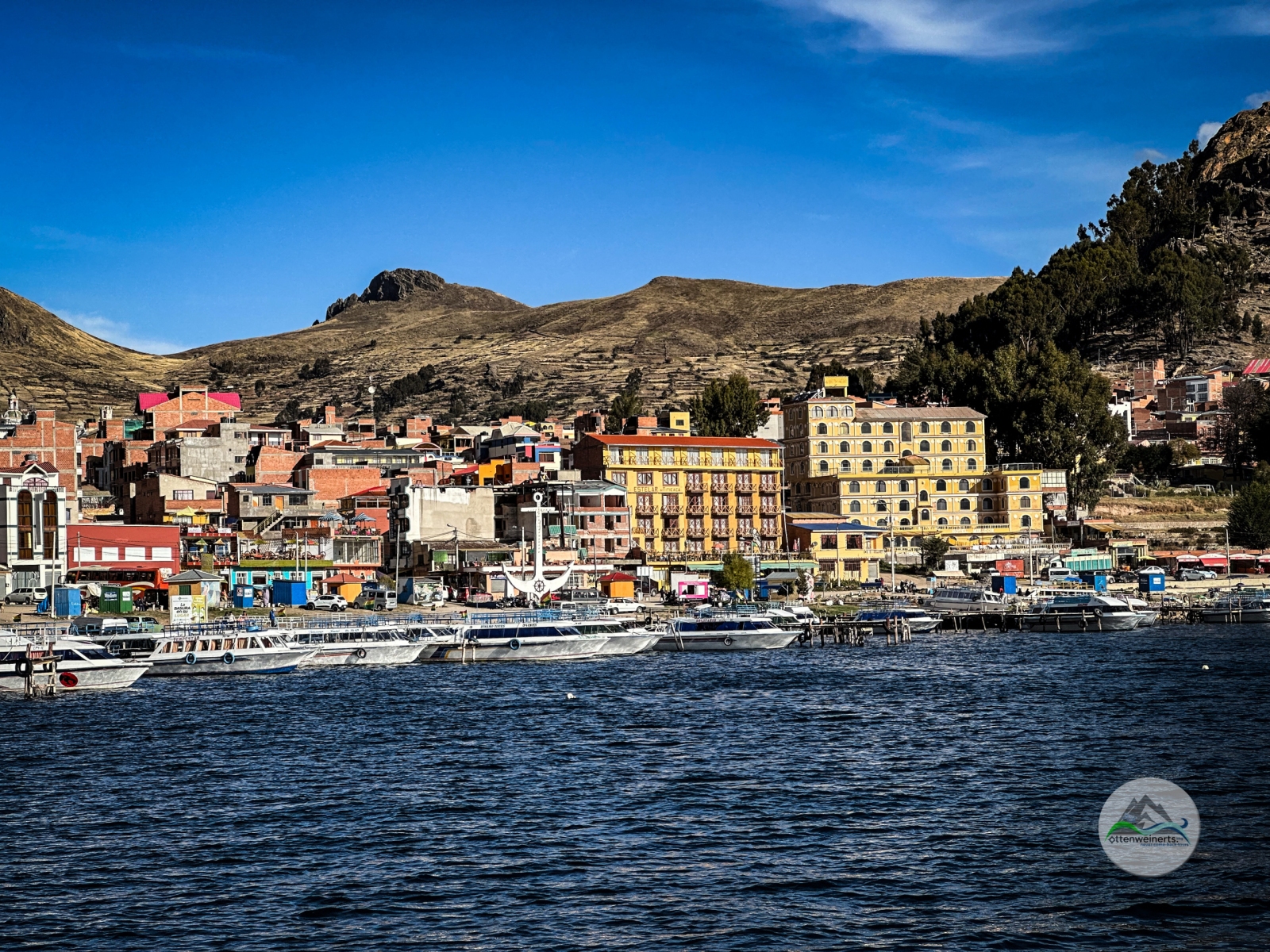
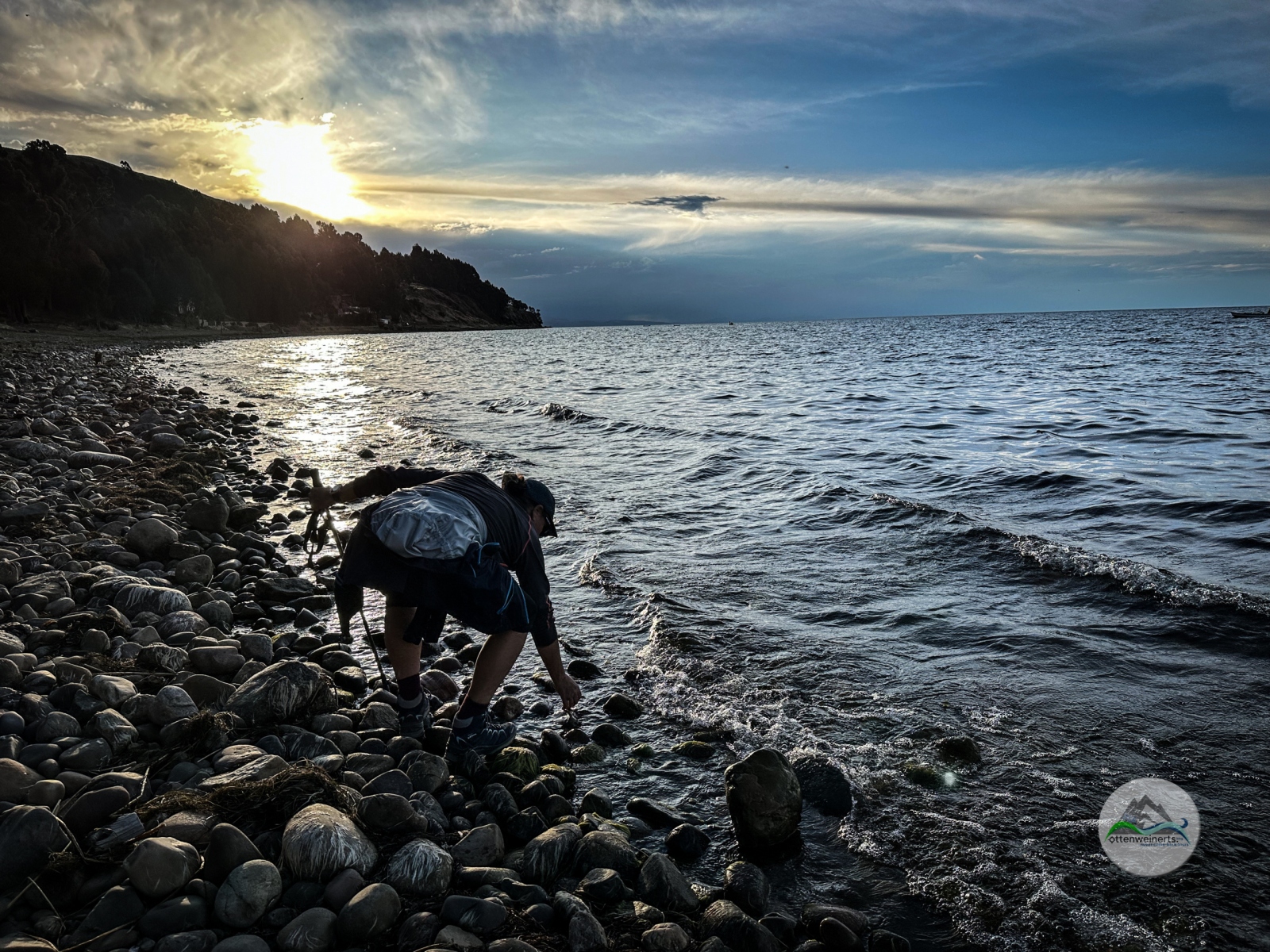
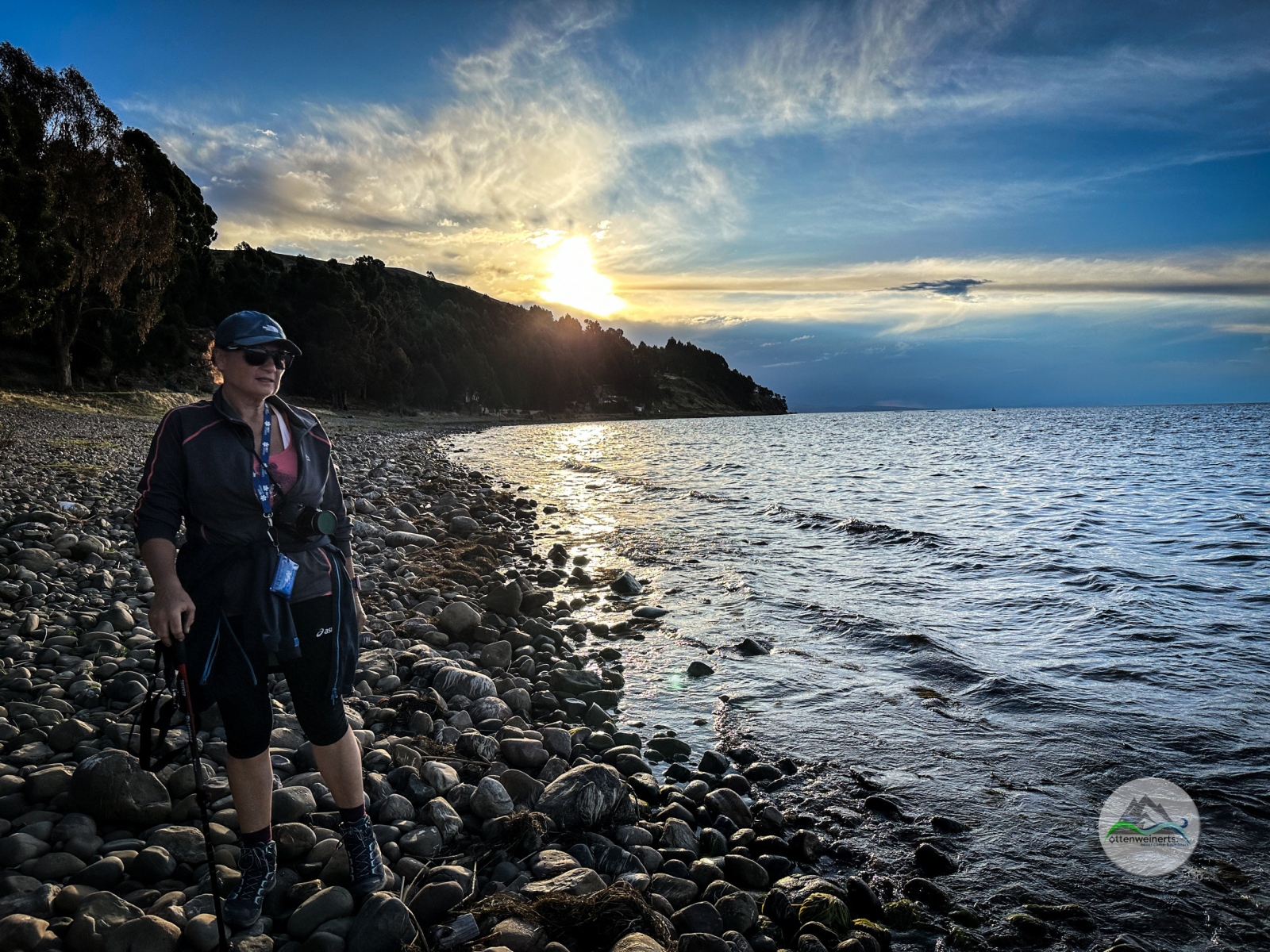
Dann geht es zurück in den Hafen von Copacabana, vorbei an einer Station der Bolivianischen Marine. Bolivien hat zwar seit dem Salpeterkrieg Ende des 19. Jhd. keinen Zugang mehr zum Meer, leistet sich aber trotzdem noch eine Marine. Man soll die Hoffnung nie aufgeben. Es ist später geworden als geplant, der See ist deutlich kühler als gedacht, und ich verzichte auf das „ich war im Titicaca-See schwimmen“-Foto. Wir kehren zurück zum Campingplatz, den wir mit anderen Overlandern teilen – eine Familie aus Solingen, D, mit drei Kleinkindern in einem Hanomag, der fast so alt ist wie wir; ein weiteres Pärchen aus Deutschland in einem kleinen Geländewagen; die vierköpfige spanische Familie, die uns den Tipp mit dem Campingplatz gegeben hat; und Elton mit Pudel Nick aus Balneário Camboriú, Santa Catarina, Brasilien, in ihrem „NicKombi“, einem VW-Bus-Camper. Morgen geht es Richtung El Alto / La Paz weiter, in der Hoffnung, eine Werkstatt zu finden, die unsere Probleme mit der Schaltung beheben kann.
Day 247 – Isla del Sol, Lake Titicaca
The “island of the Sun” is the largest and the most important of all islands in Lake Titicaca. Legend has it that the sun good Inti sent his two children to this place on earth, from where the founded the Inka empire. Our Boot passes the Inka palace and the Inka stairs on the south tip of the island – unfortunately it isn´t possible to visit both north and south on the same day because the villages are fighting with each other and / or with the one in the middle of the island (situation changing every few weeks).
After 90 minutes boat ride we alight at the northern tip of the island and start walking uphill. We are a small group – Elton, overlander from Brazil and his 14 years-old mini poodle Nick, our guide Vidal and the two of us. In the ruins of the Chincana palace Vidal shows us the different architectural styles of the Inka and the Tiwanaku culture (who built their roofs with stones for example) and points out the entry to a tunnel system. These tunnels are believed to lead beneath Lake Titicaca north to Cuzco – not sure if we believe that. Vidal also explains the significance of the sacred stone and the puma rock and the footprints of the sun – here sun and moon were ordered to ascend to the sky, according to legend.
Then we continue, passing the Isla de la Luna, the Moon Island, and stop at one of the swimming Totoro-reed islands. These are not the original, famous ones (these are located on the northern end of Lake Titicaca, near Puno which we couldn´t visit due to the political situation in Perú), but they are famous for their local specialty – grilled trout. There are so many people in line waiting for their food that we decide to skip lunch – and we also don´t have the heart to choose a live trout which then has to die for our lunch right in front of us. Instead, we climb up a nearby rock – from the top we have a great view of the lake and several pseudo-Totoro-reed islands.
Then we return to the harbor of Copacabana, passing a complex of the Bolivian Marine corps. Due the War of the Pacific of late 19th century, Bolivia does not have access to the Pacific anymore – but it never gave up hope and still has a marine. It´s later than expected, the lake temperature is way lower than anticipated, and I decide to skip the “I went swimming in Lake Titicaca” picture. We return to our camping place which we share with several other overlanders – a family with three small kids from Solingen in Germany in a blue Hanomag truck which is almost as old as we are; another couple from Germany in a smaller off-road vehicle; the family of four from Spain who gave us the tip for this camping place; and Elton and poodle Nick from Balneário Camboriú, Santa Catarina, Brazil, in their “NicKombi”, a Volkswagen camper. Tomorrow we will continue towards El Alto / La Paz, hoping to find a mechanic who can solve the problems with our gear shift.