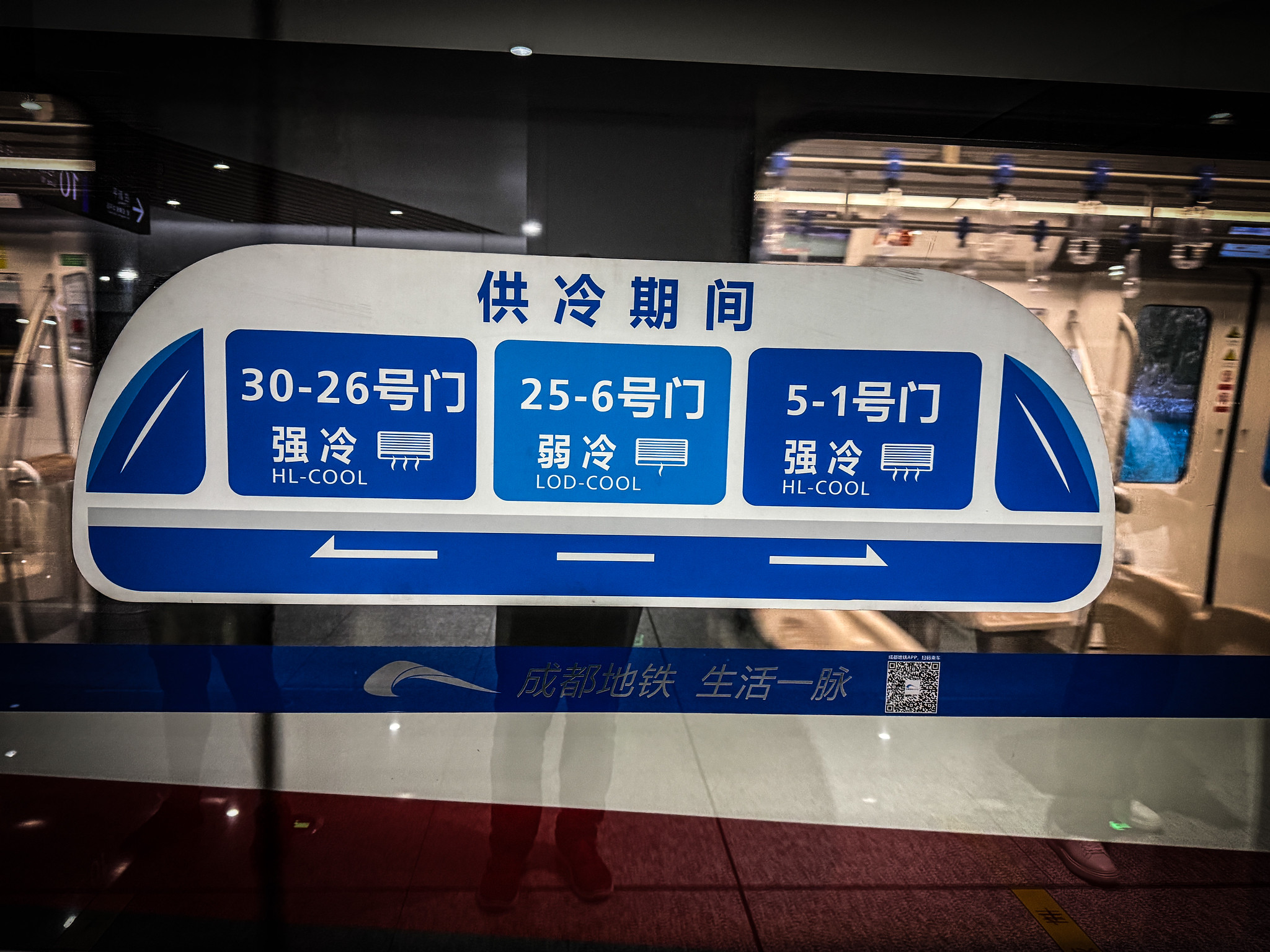
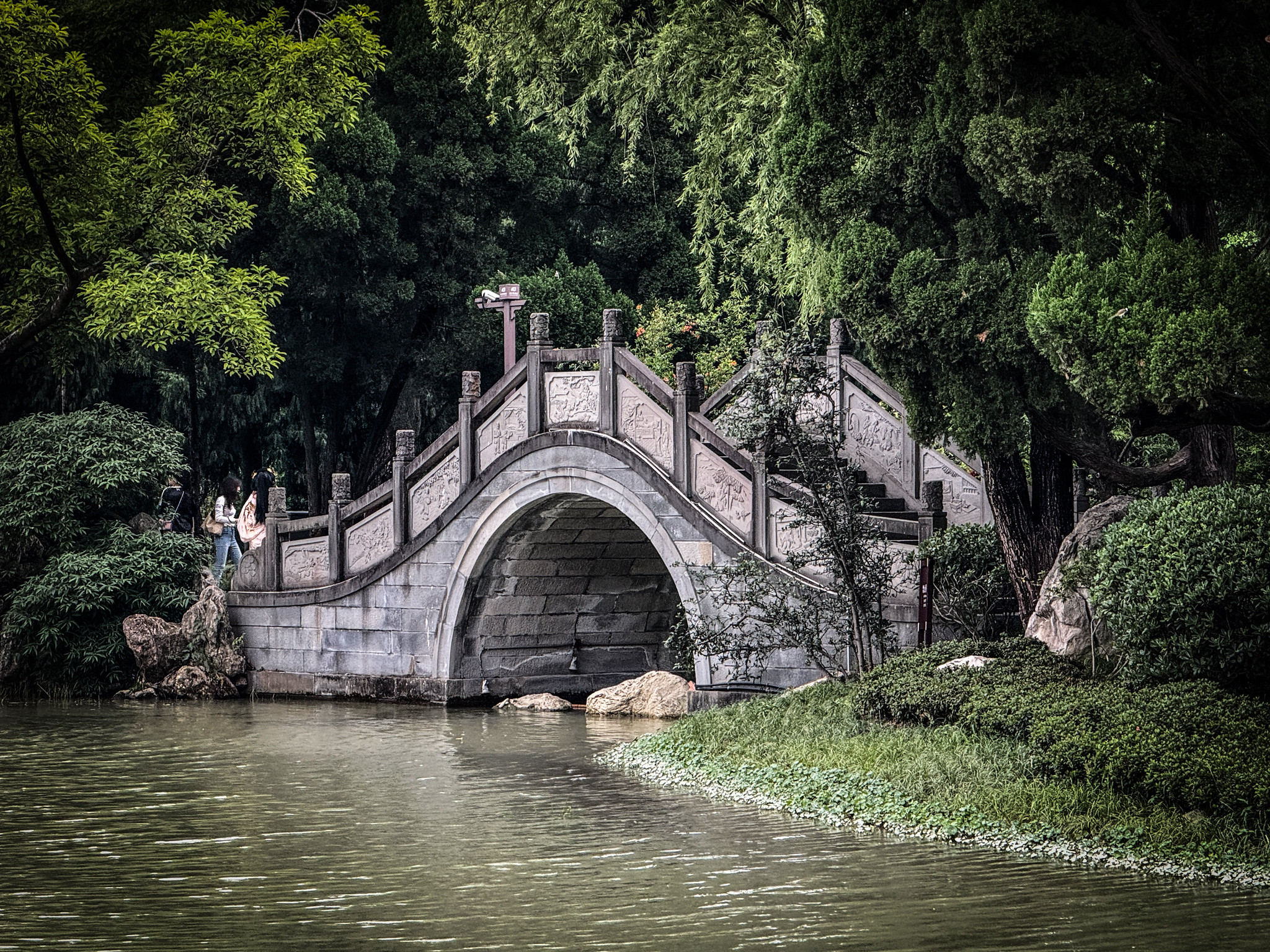
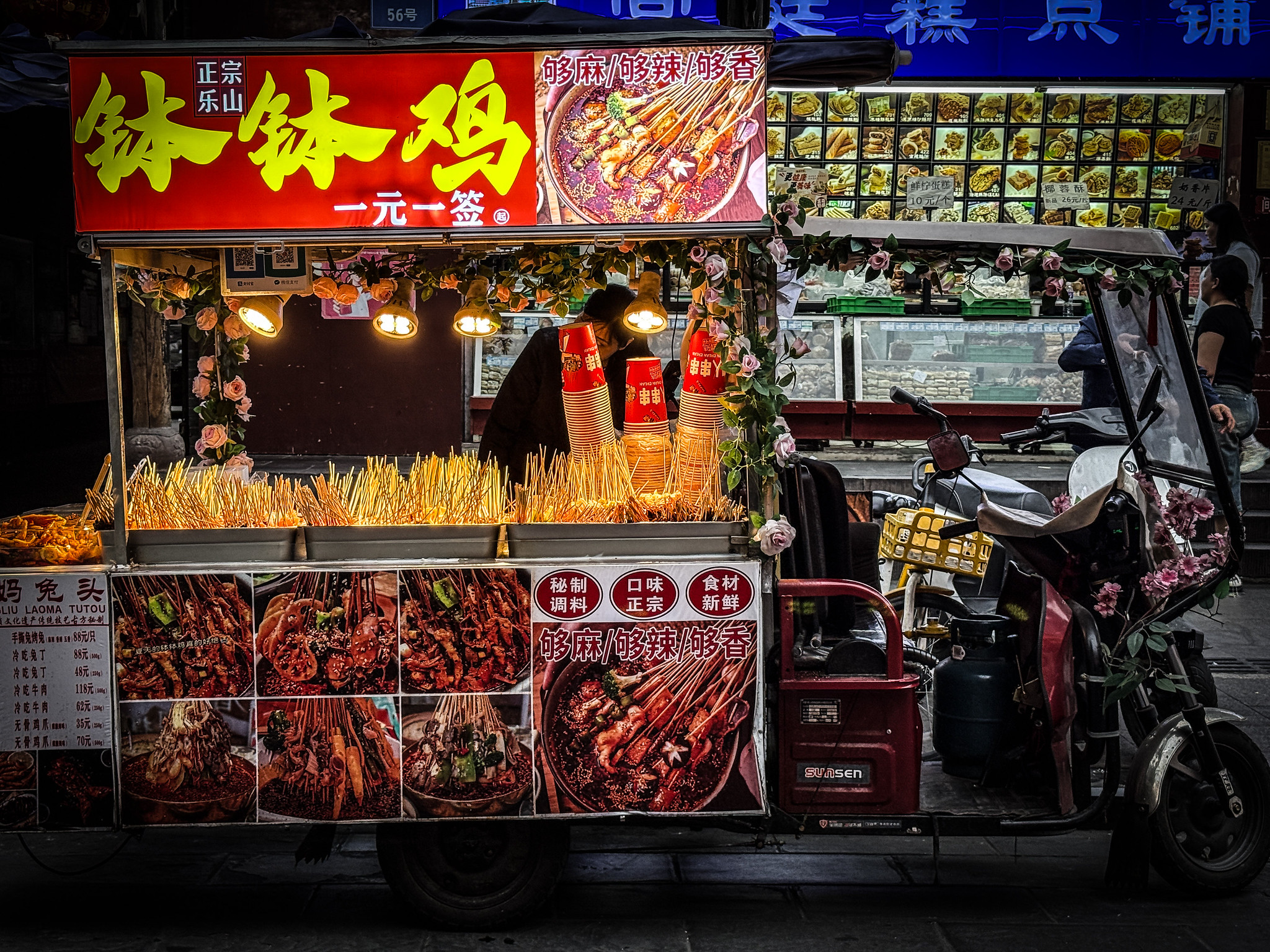
Die letzte unserer vier geplanten Zugfahrten bringt uns in 1,5 Stunden von Chengdu nach Chongqing, auch diesmal klappt alles wieder bestens. Insgesamt ist das Reisen mit dem Zug in China angenehm, stressfrei und bequem, auch in der 2. Klasse. Und niemand hat sich für den Inhalt oder die Größe unserer Koffer interessiert – im Vorfeld hatten wir Befürchtungen, da im Internet maximale Kofferabmessungen sowie Beschränkungen bei Flüssigkeiten wie etwa Toilettenartikel angegeben waren. Dass man Spraydosen wie zum Beispiel Deosspray nicht mitnehmen darf, wussten wir ja schon.
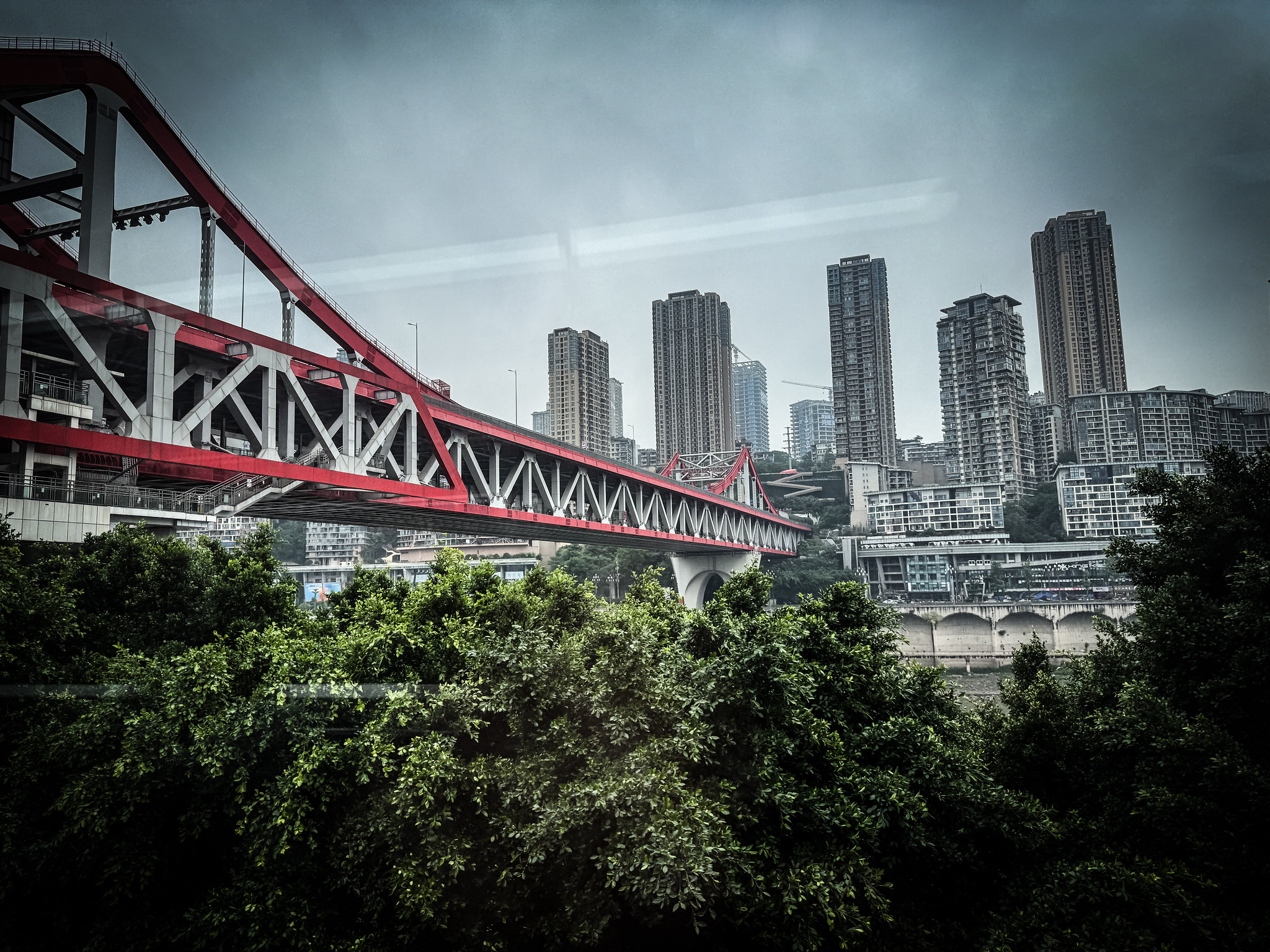
Vom Bahnhof geht es mit der U-Bahn Richtung Stadtzentrum, wir müssen einmal umsteigen, und da gibt es die erste Überraschung: hier fährt eine Monorail, so wie in Walt Disney World! Wir bekommen einen ersten Eindruck von der Stadt – sehr hügelig, und viele viele, architektonisch sehr interessante Wolkenkratzer.
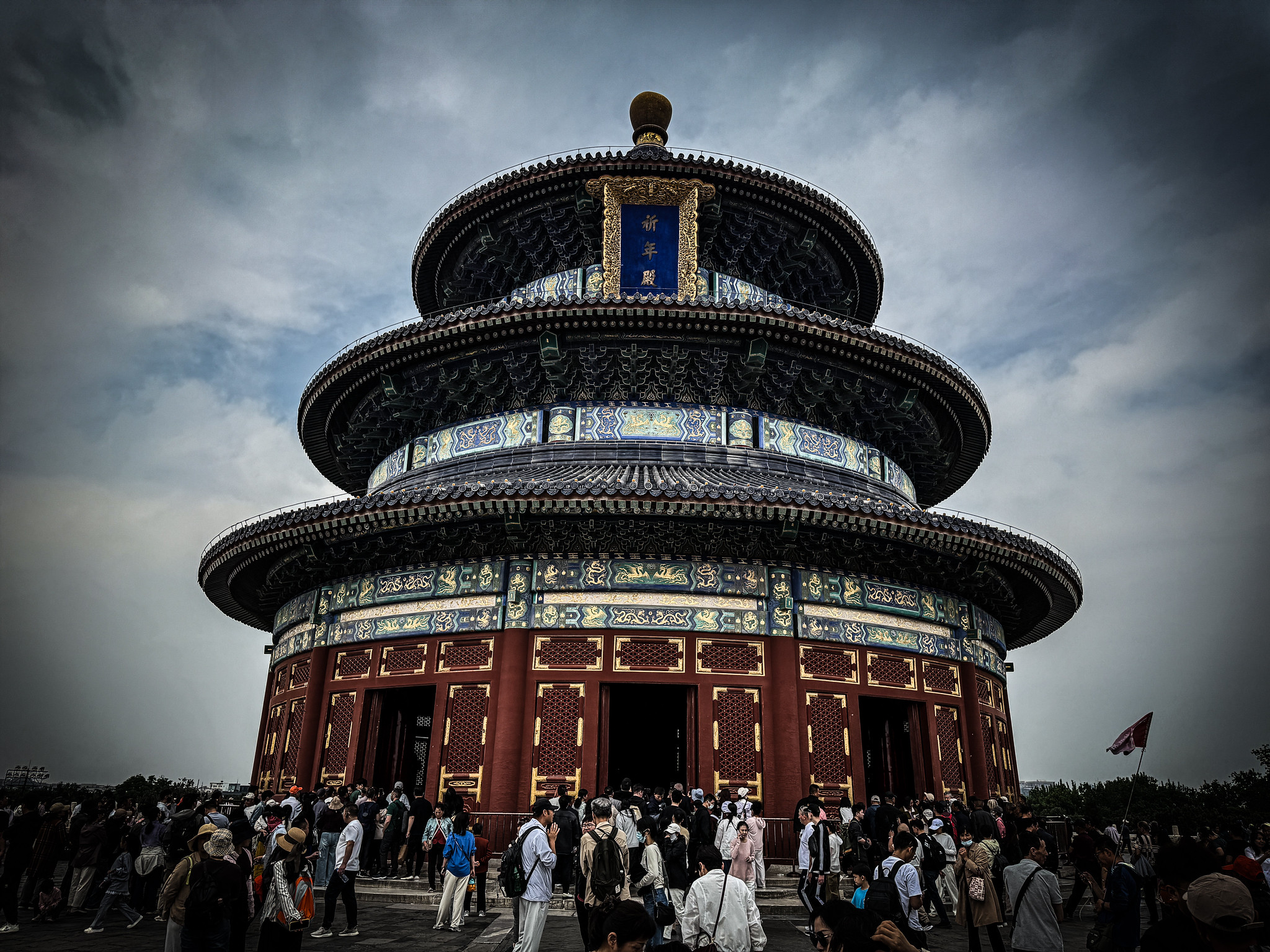
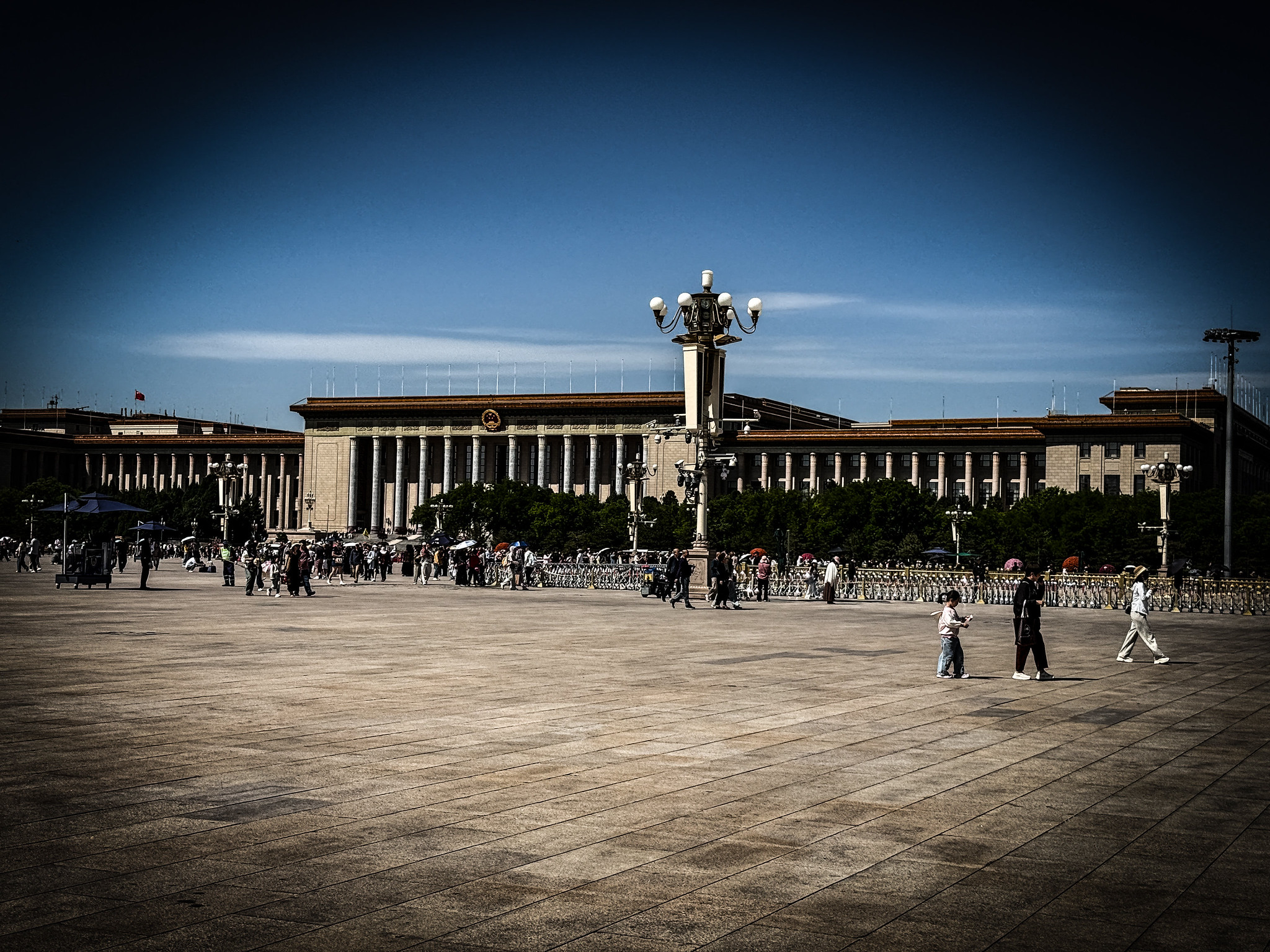
Unser Hotel liegt im quirligen Stadtzentrum, nach dem Checkin geht es gleich Richtung People‘s Square mit der monumentalen Halle des Volkes, architektonisch dem Himmelstempel in Beijing nachempfunden. Über 4000 Besucher passen ins Auditorium, welches für Versammlungen und Theateraufführungen genutzt wird – und manchmal von ermatteten Touristen einfach auch für ein Schläfchen zwischendurch.
Und auf der anderen Seite des Platzes steht das Dreischluchten Museum, wieder ein riesiges Museum mit freiem Eintritt, aber reservierungspflichtig; und diesmal – wir sind ganz stolz auf uns – haben wir die online Reservierung auf WeChat in Chinesisch auch ganz allein geschafft.
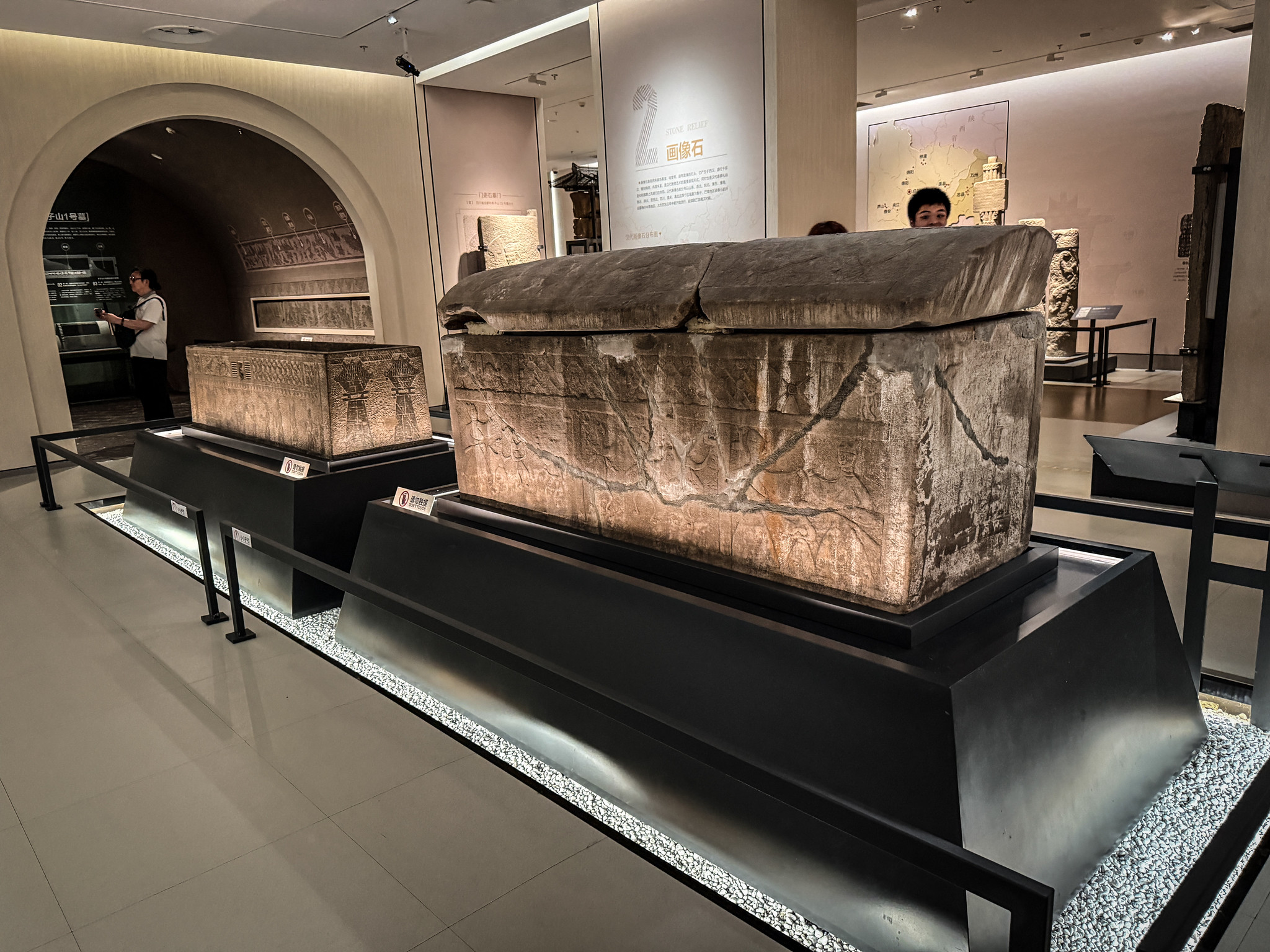
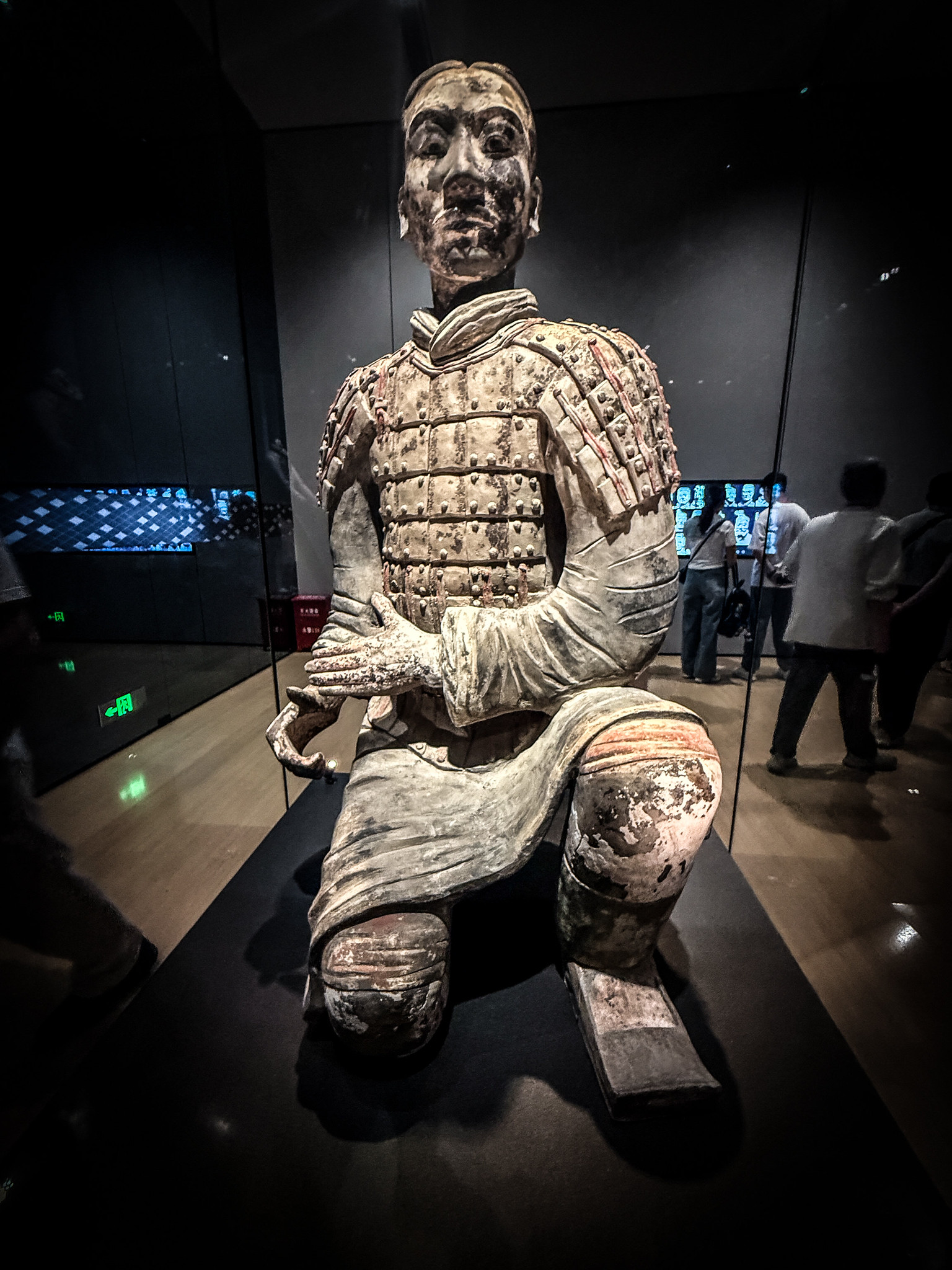
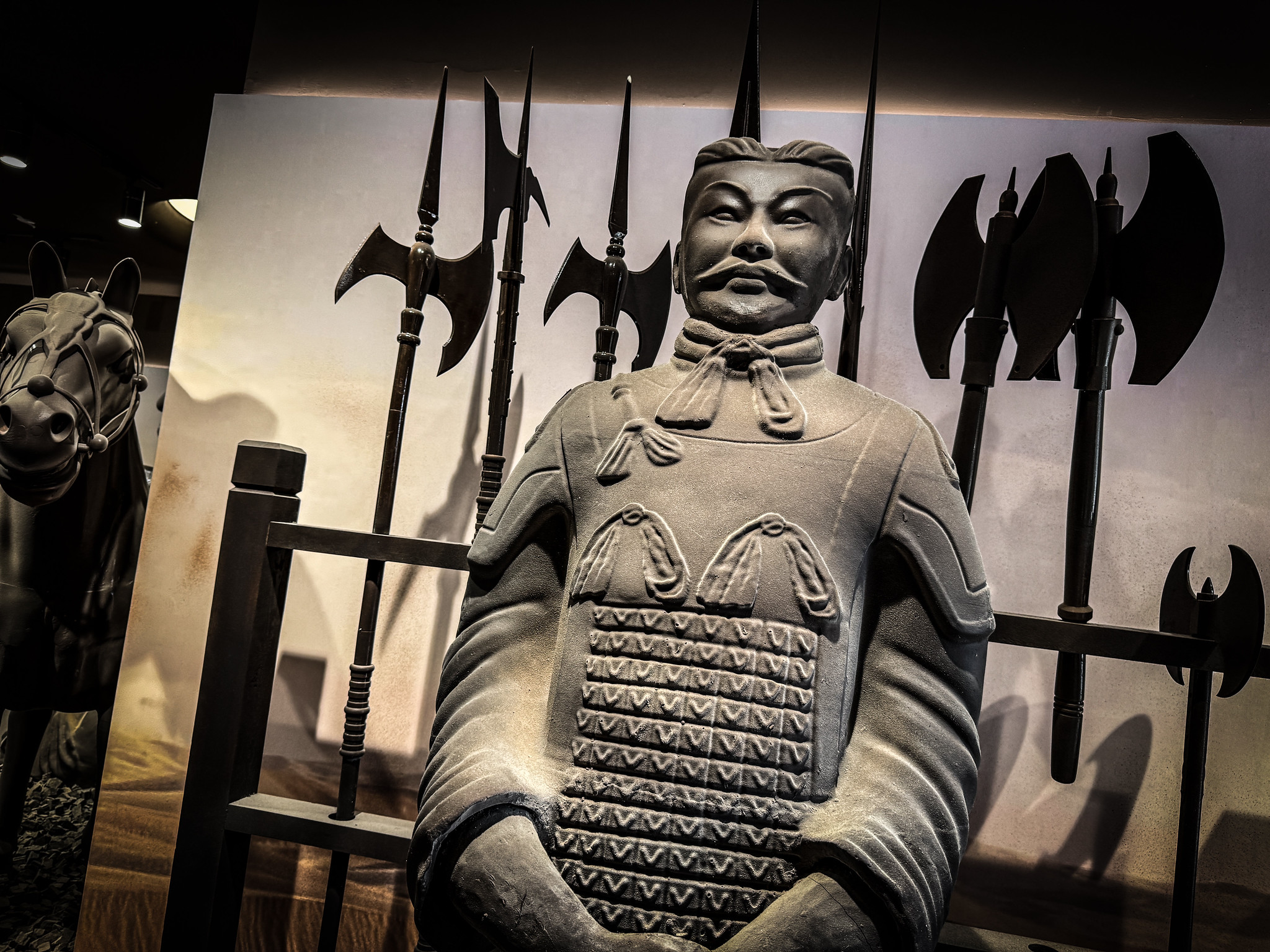
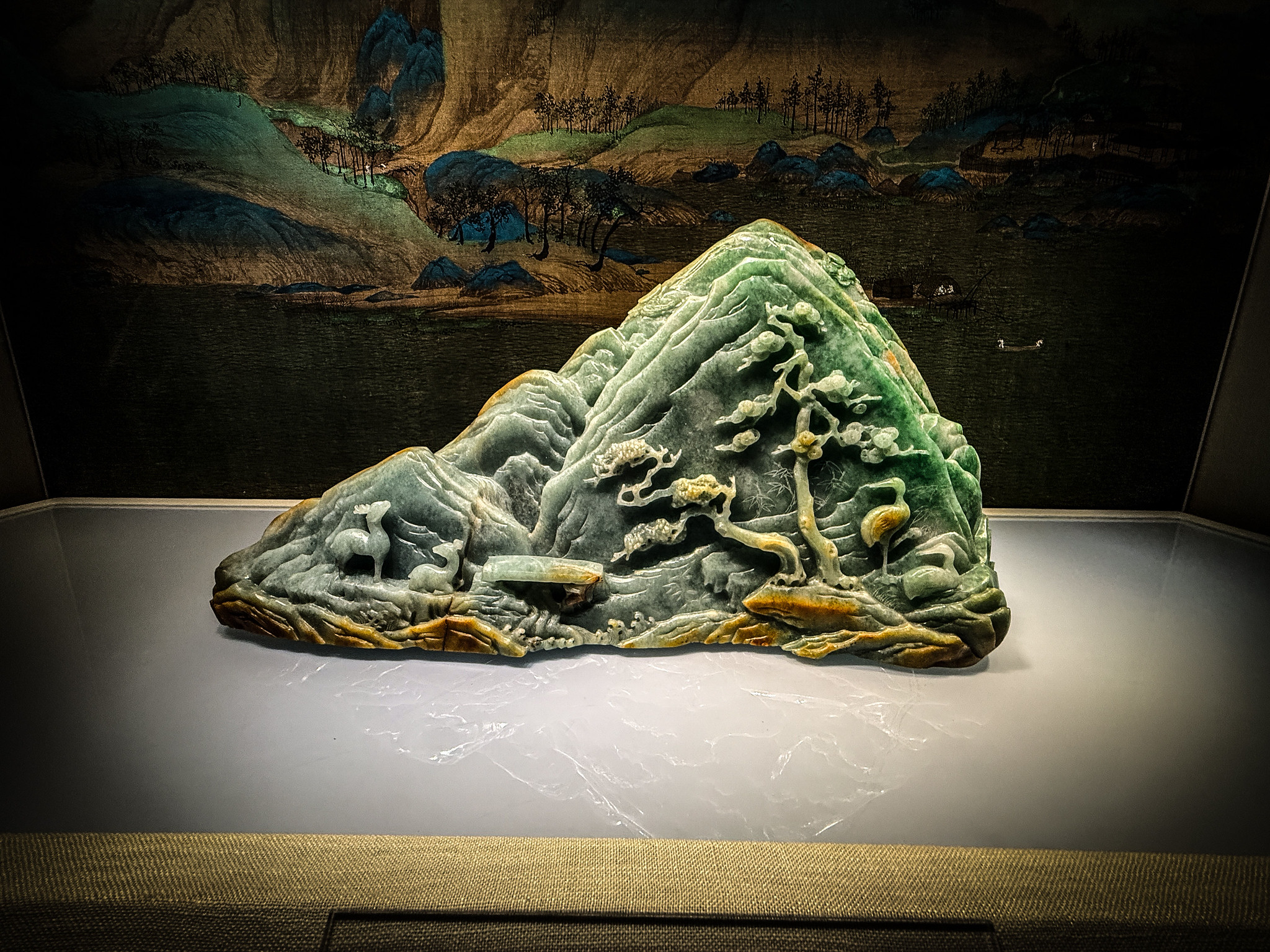
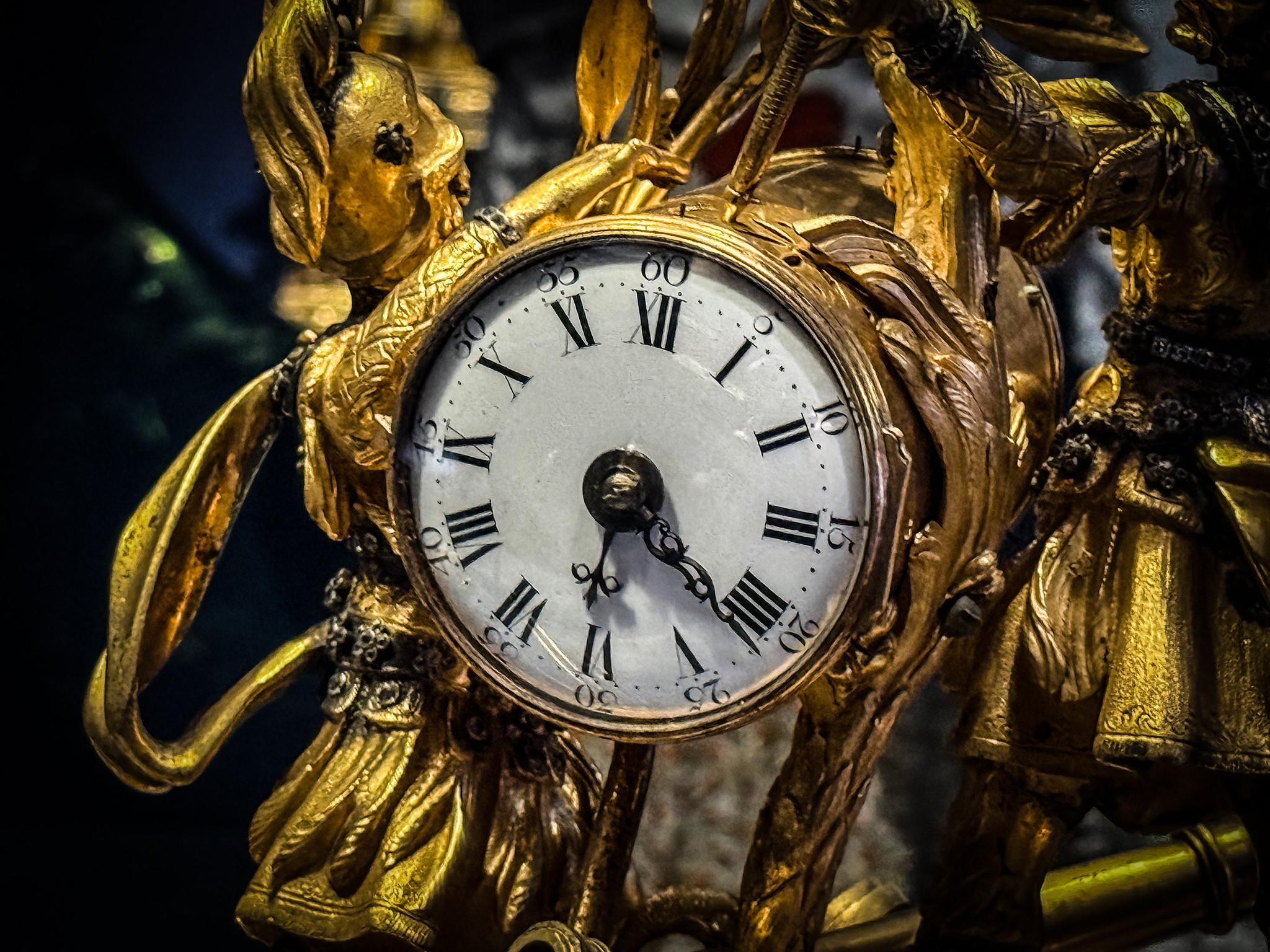
Das Museum bewahrt tausende Artefakte auf, die ansonsten durch Überflutung durch den Bau des drei Schluchtendamms unwiederbringlich verloren gewesen wären. Wir sehen kunstvolle Bronzegefässe und Goldornamente bis hin zu Haarschmuck der Damen von vor 2000 Jahren, ein Prunkstück ist die Hu-Krone mit dem Adler auf der Spitze; alte Münzen beziehungsweise Währungen und Zahlungsmittel in der Form von Muscheln oder Metallplättchen; Tonfiguren und Skulpturen, wie etwa einen Wachtturm – ein Beweis für Modellbau vor 2000 Jahren.
Weitere Ausstellungen zeigen Chinesisches Porzellan wie Krüge, Vasen und kunstvolle Urnen aus vergangenen Dynastien – die Porzellanherstellung begann bereits im 17. Jhd. v. Chr. in der Shang Dynastie. Auch die verschiedenen Ethnien im Südwesten Chinas, sind mit ihren Kostümen, Schmuck und Bräuchen in einer eigenen Ausstellungen repräsentiert.
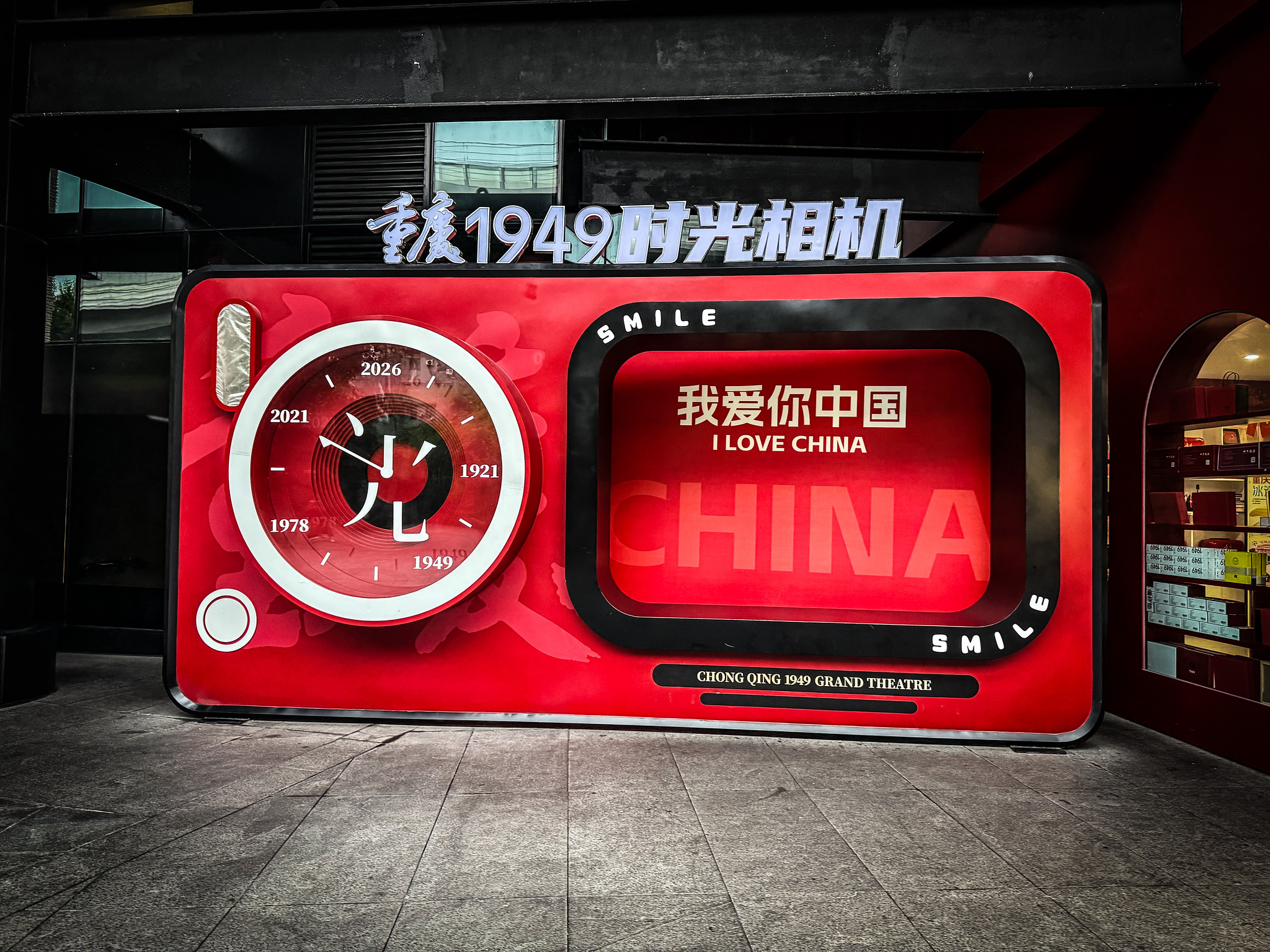
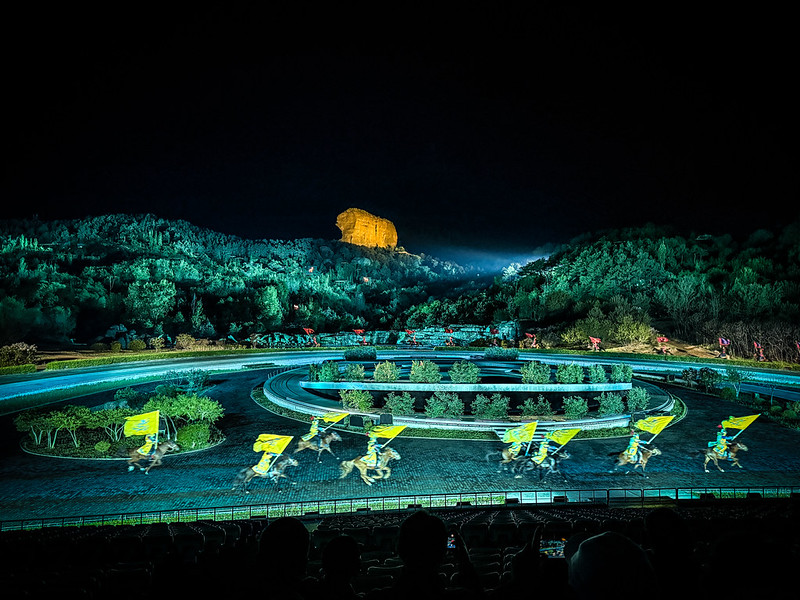
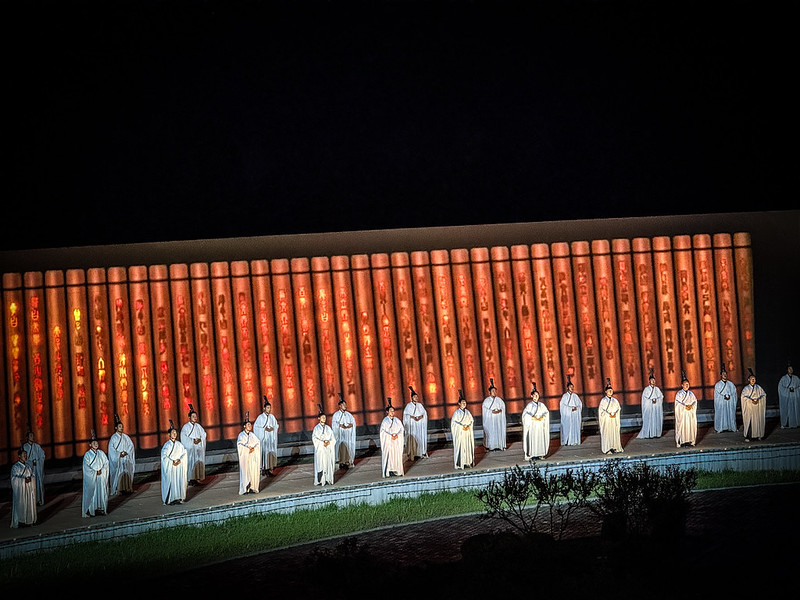
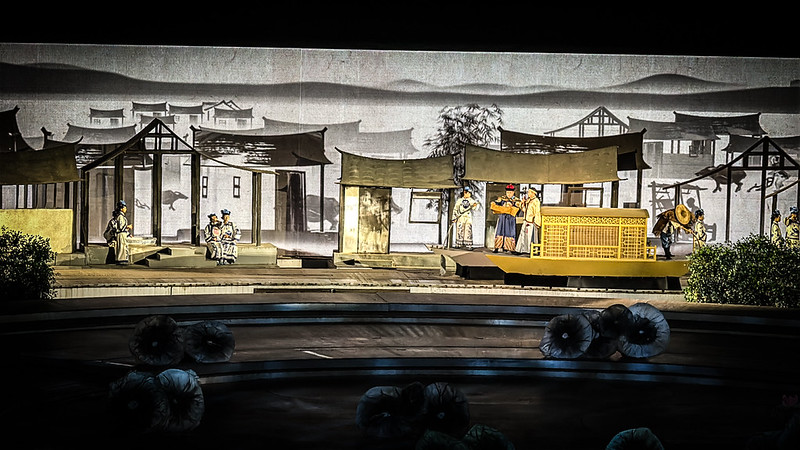
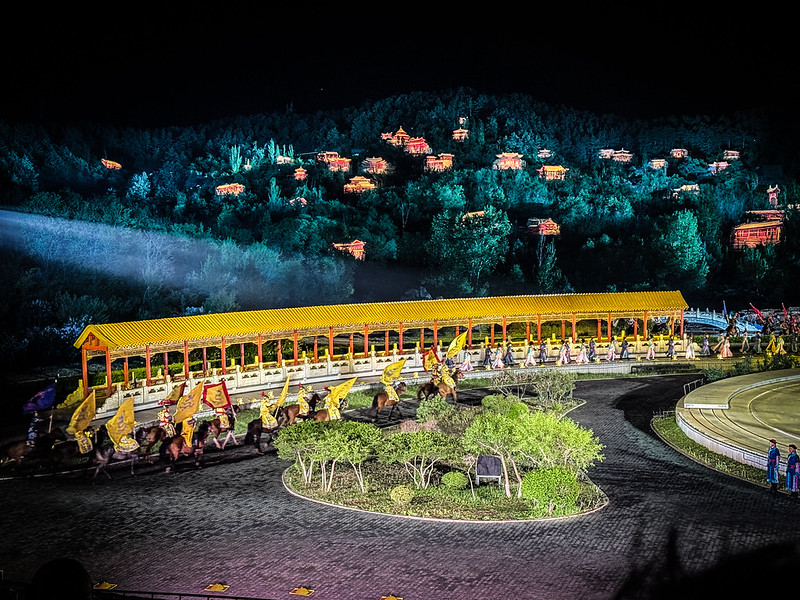
Und ganz besonders interessant ist die Stadtentwicklung von Chongqing, die auch die historische Rolle der Stadt im Widerstand gegen die Okkupation durch Japan beleuchtet. Und daran schließt sich nahtlos unser Abendprogramm an: wir schauen uns die Show „Chongqing 1949“ an, eine Mischung aus Bühnenstück und Musical mit sensationeller Bühnentechnik. Die Show ist zwar auf chinesisch, aber wir bekommen Kopfhörer mit englischer Übersetzung, die Bühne dreht sich, das Auditorium dreht sich, die Darsteller seilen sich von der Decke ab, und es war ein unvergessliches Erlebnis. Und wem verdanken wir das alles? Dem nächsten unglaublichen Zufall, nämlich einem lieben Rot-Kreuz-Kollegen, der Sigis Posts auf Instagram verfolgt hat.
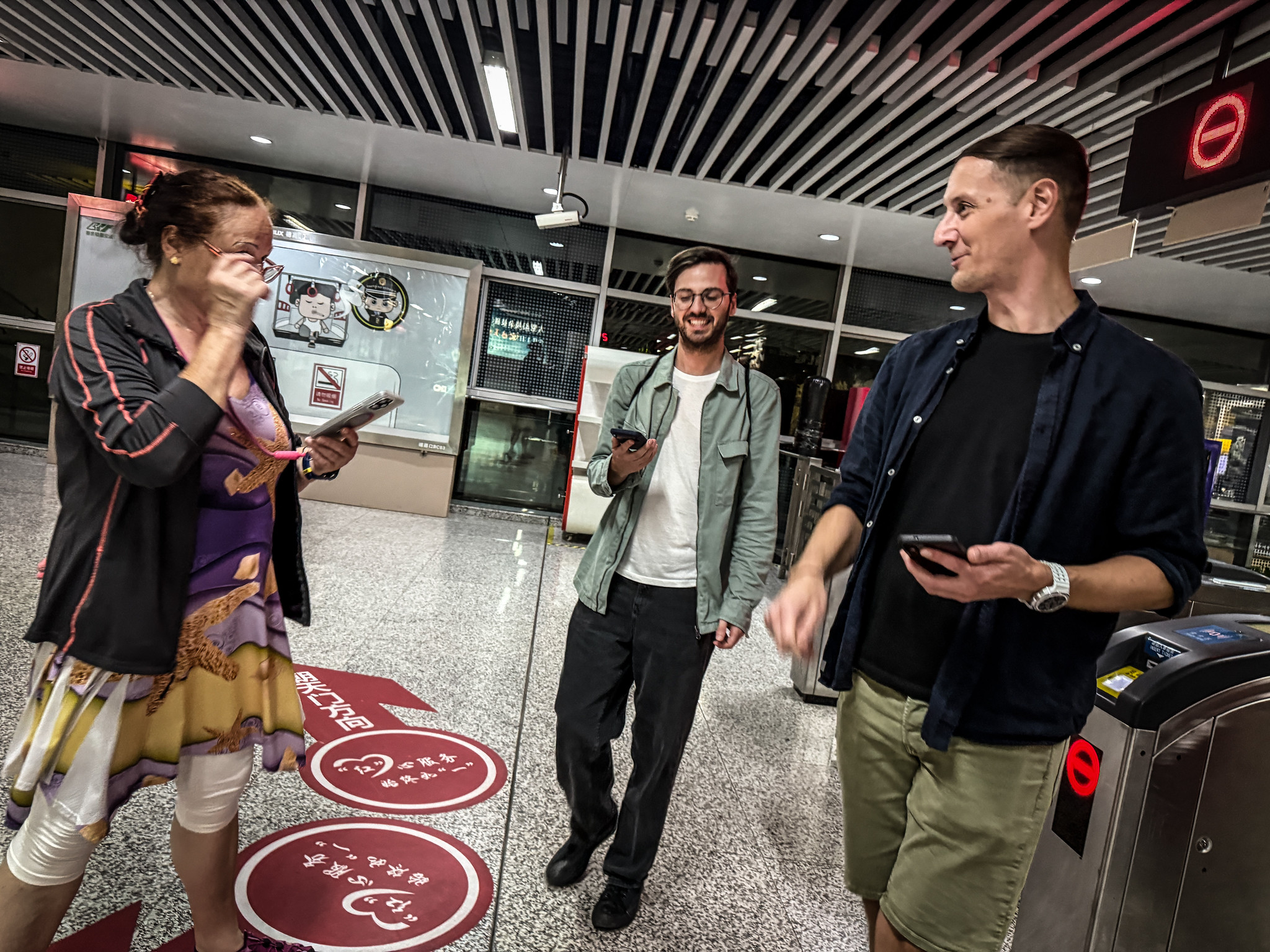
Stephan und Benedikt sind zwei Wochen in China unterwegs, und genau jetzt genau hier – sie haben für heute Abend Tickets für diese Show gebucht und wir schließen uns einfach spontan an, um den Abend gemeinsam zu verbringen. Wenn wir uns das vorher ausgemacht hätten, hätte es sicher nicht geklappt…
Unsere heutige sportliche Leistung war durchschnittlich : 19.940 Schritte oder 11,6 km.

Saturday, May 16 – A Museum, a Musical, and an Evening with Friends –
The last of our four planned train journeys takes us from Chengdu to Chongqing in 1.5 hours, and once again everything works perfectly. Overall, traveling by train in China is pleasant, stress-free, and comfortable—even in second class. And no one is interested in the contents or size of our suitcases. Before the trip, we had concerns because online information listed maximum luggage dimensions and restrictions on liquids such as toiletries. We already knew, however, that spray cans like deodorant are not allowed.
From the train station, we take the subway toward the city center. We have to change lines once, and that’s where the first surprise awaits us: they have a monorail here—just like in Walt Disney World! We get our first impression of the city: very hilly, and full of fascinating, architecturally impressive skyscrapers.
Our hotel is located in the bustling city center. After checking in, we head straight toward People’s Square with its monumental Great Hall of the People, architecturally modeled after the Temple of Heaven in Beijing. More than 4,000 visitors fit into the auditorium, which is used for assemblies and theater performances—and sometimes simply by exhausted tourists for a quick nap in between.
On the other side of the square there is the Three Gorges Museum, once again a huge museum with free admission, but reservations are required. And this time—we’re quite proud of ourselves—we managed to make the online reservation in Chinese on WeChat completely on our own.
The museum preserves thousands of artifacts that otherwise would have been irretrievably lost due to flooding caused by the construction of the Three Gorges Dam. We see ornate bronze vessels and gold ornaments, including women’s hair accessories from 2,000 years ago. One of the highlights is the golden Hu crown with an eagle on top. There are also ancient coins and other forms of currency and payment, including shells and metal plaques; clay figures and sculptures, such as a watchtower—a testament to model-making 2,000 years ago.
Other exhibitions display Chinese porcelain—jugs, vases, and elaborately decorated urns from past dynasties. Porcelain production began as early as the 17th century BC during the Shang Dynasty. Various ethnic groups of southwestern China are also represented in their own exhibition, featuring costumes, jewelry, and customs.
Particularly fascinating is the exhibition on the development of Chongqing itself, which also sheds light on the city’s historical role in resisting Japanese occupation. And that connects seamlessly with our evening program: we attend the show “Chongqing 1949,” a mixture of stage play and musical with sensational stage technology. The show is in Chinese, but we receive headphones with English translation. The stage rotates, the auditorium rotates, performers descend from the ceiling— an unforgettable experience. And who do we have to thank for all this? The next incredible coincidence: a dear Red Cross colleague who had been following Sigi’s Instagram posts.
Stephan and Benedikt are traveling through China for several weeks, and at exactly this moment they are exactly here—they have booked tickets for tonight’s show, and we spontaneously join them to spend the evening together. If we had tried to arrange it beforehand, it probably never would have worked out…
Today’s athletic achievement was average: 19,940 steps or 11.6 km (7.2 miles).