Freitag / Friday / Viernes, Oktober 28, 2022
Tag 194 – Villa de Leyva und Santa Sofia
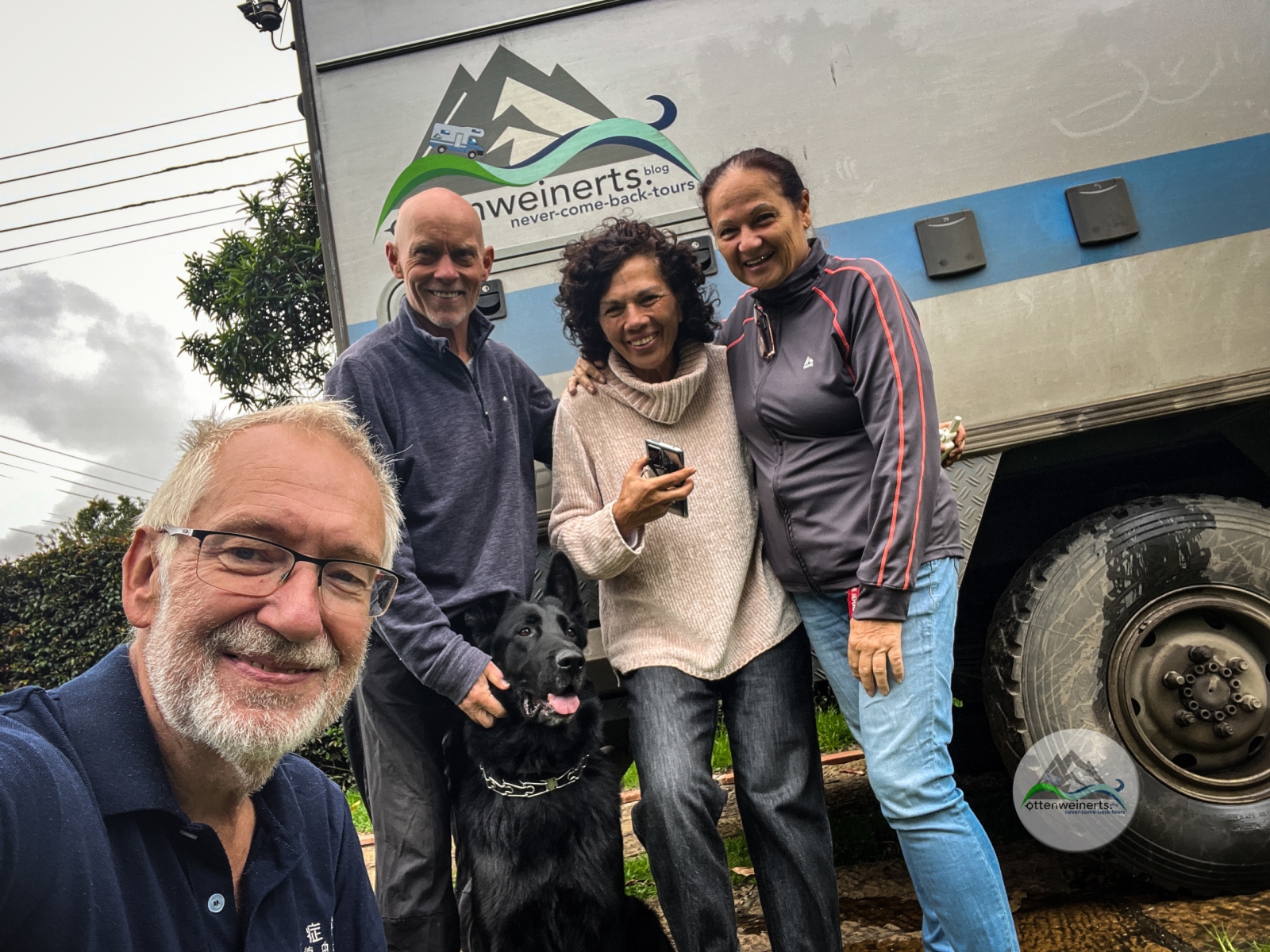
Nach dem Frühstück verabschieden wir uns von Martha, Øvin und Black und fahren nach
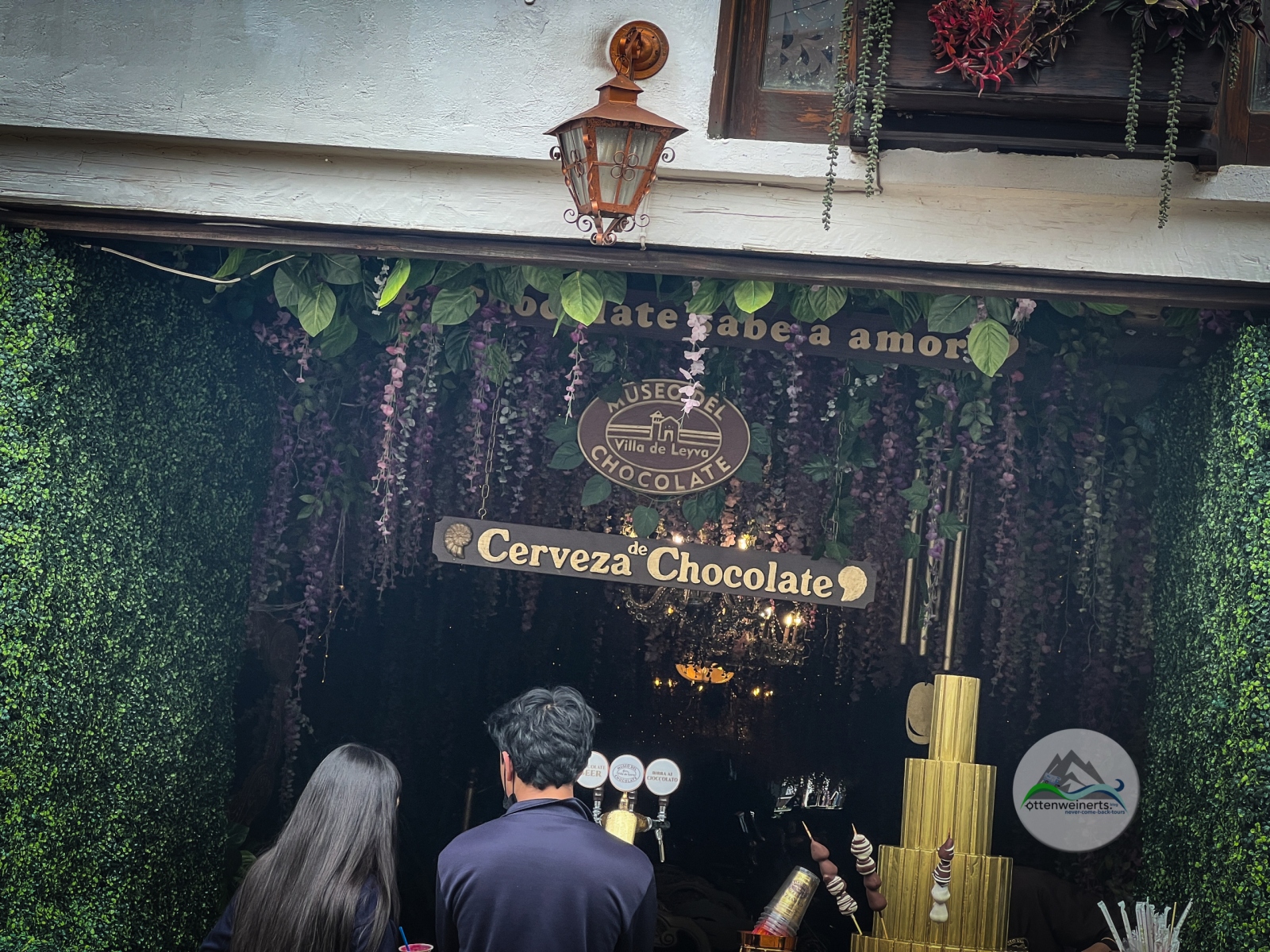
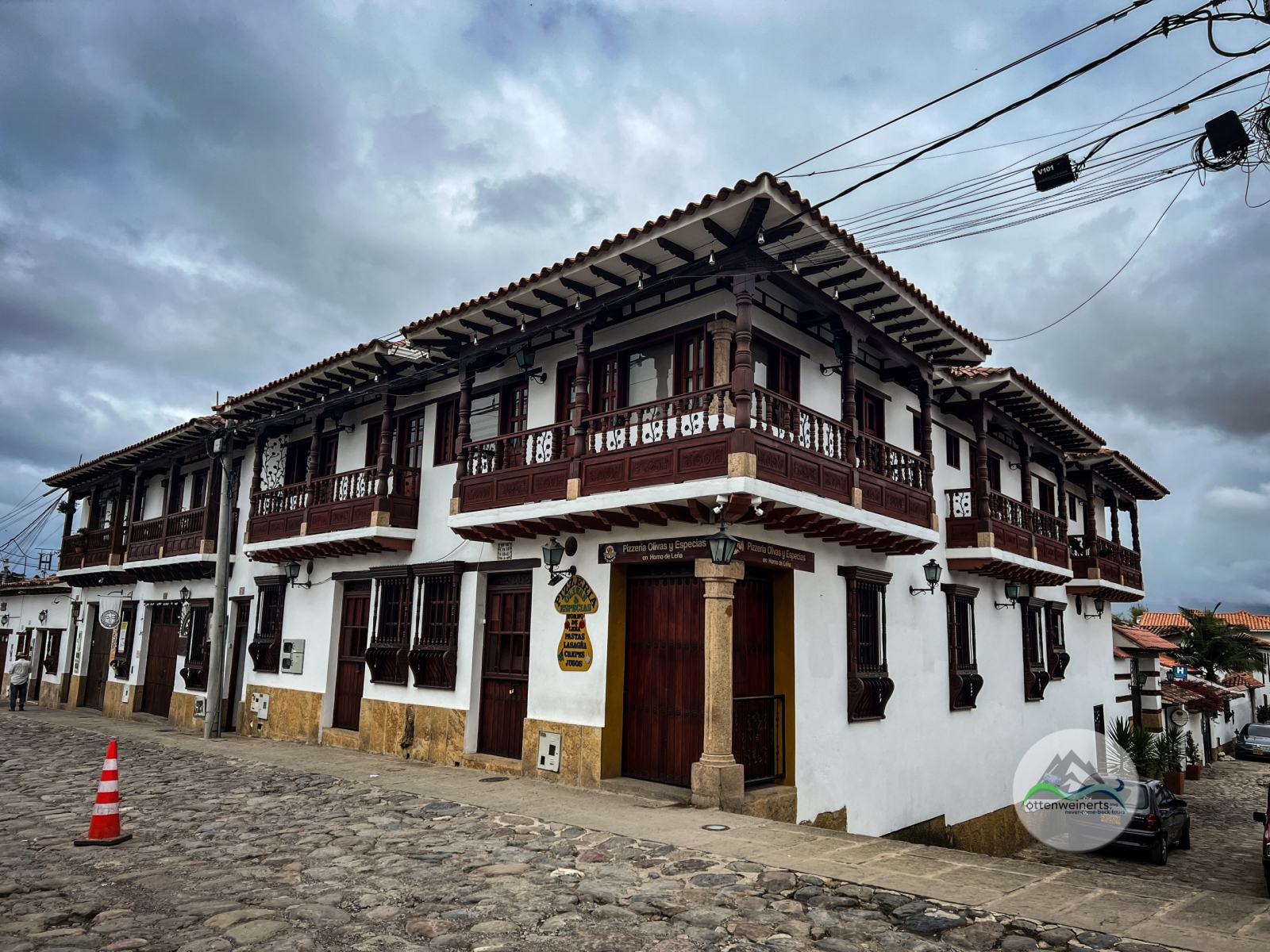
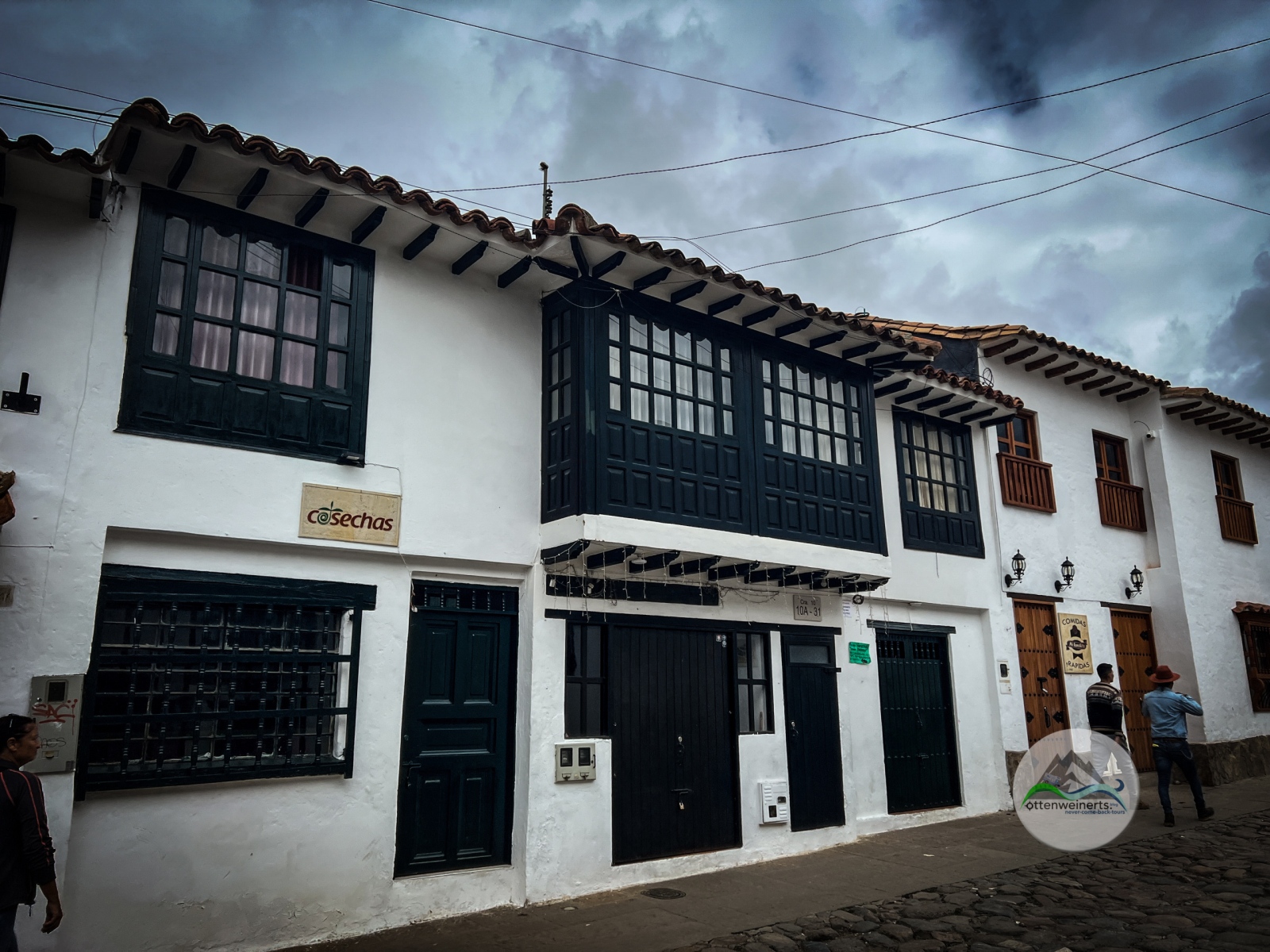
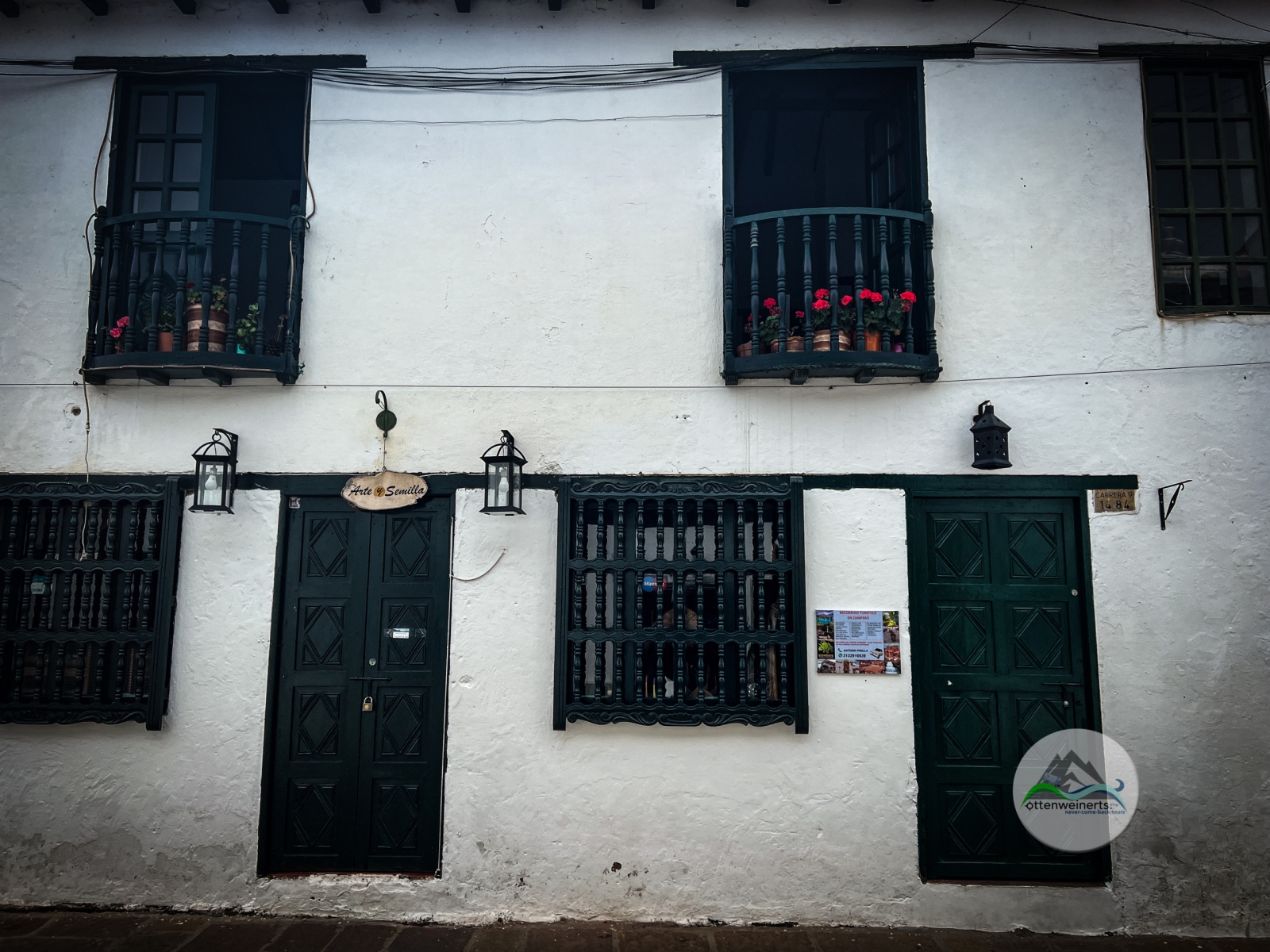
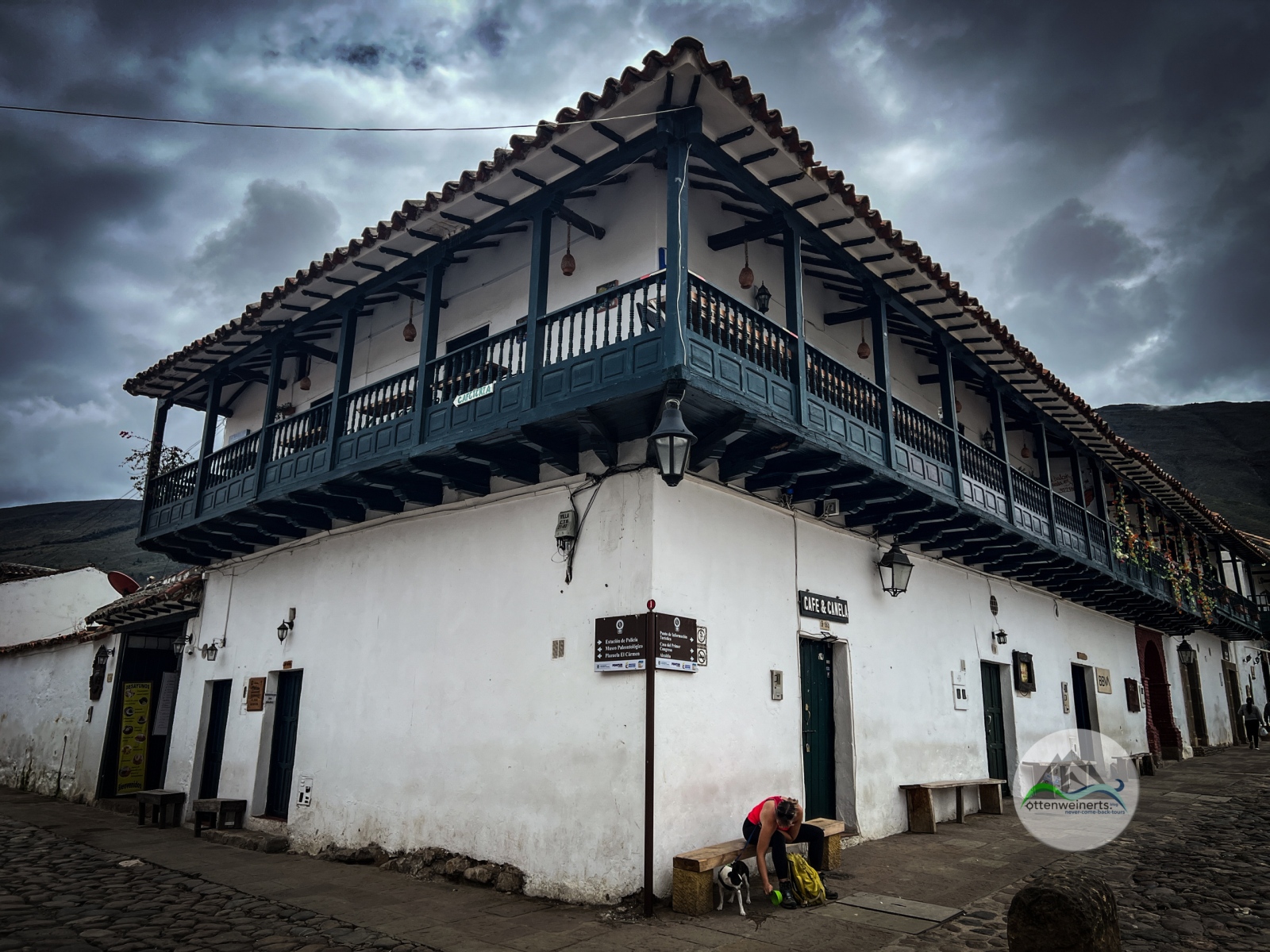
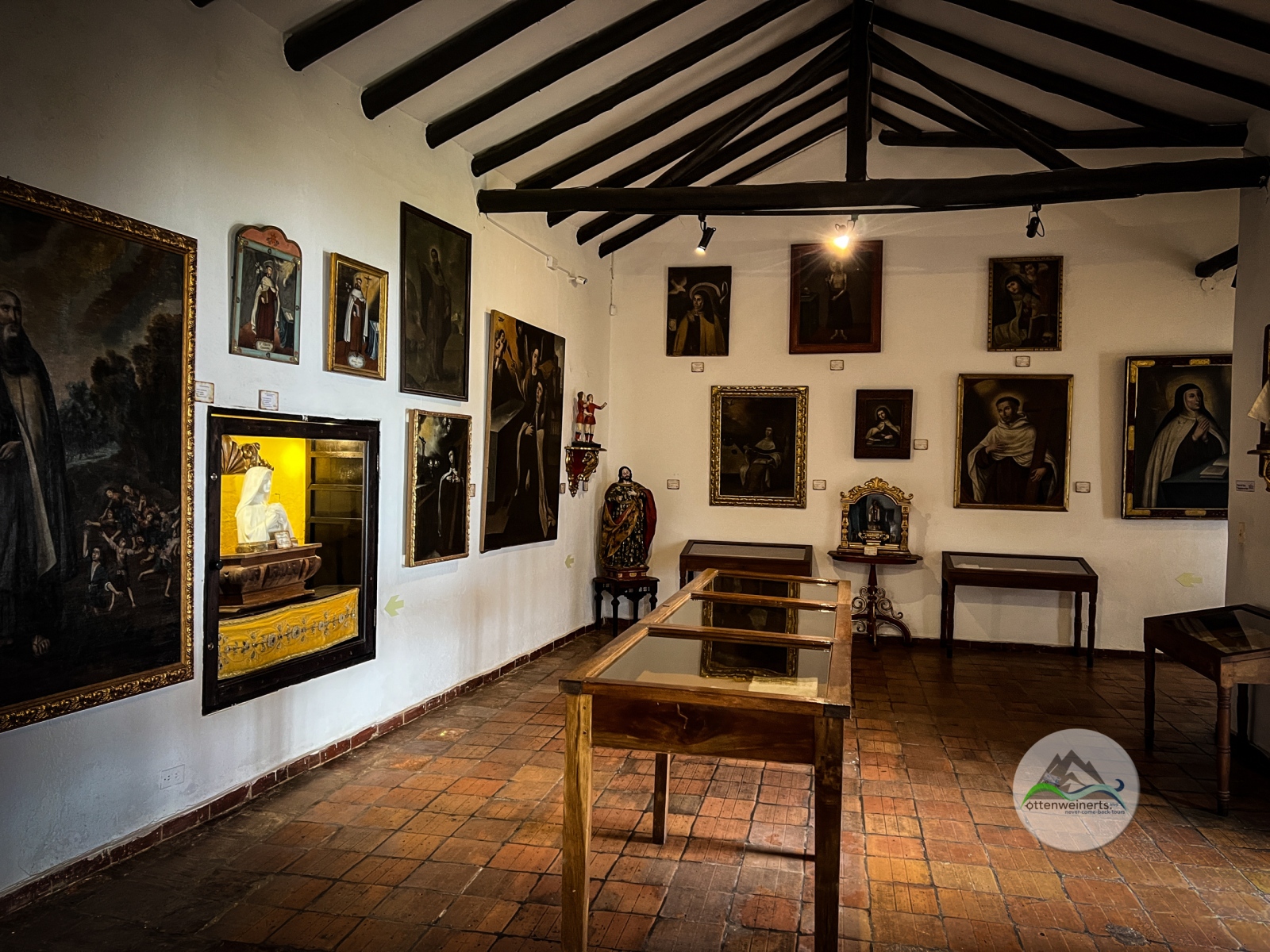
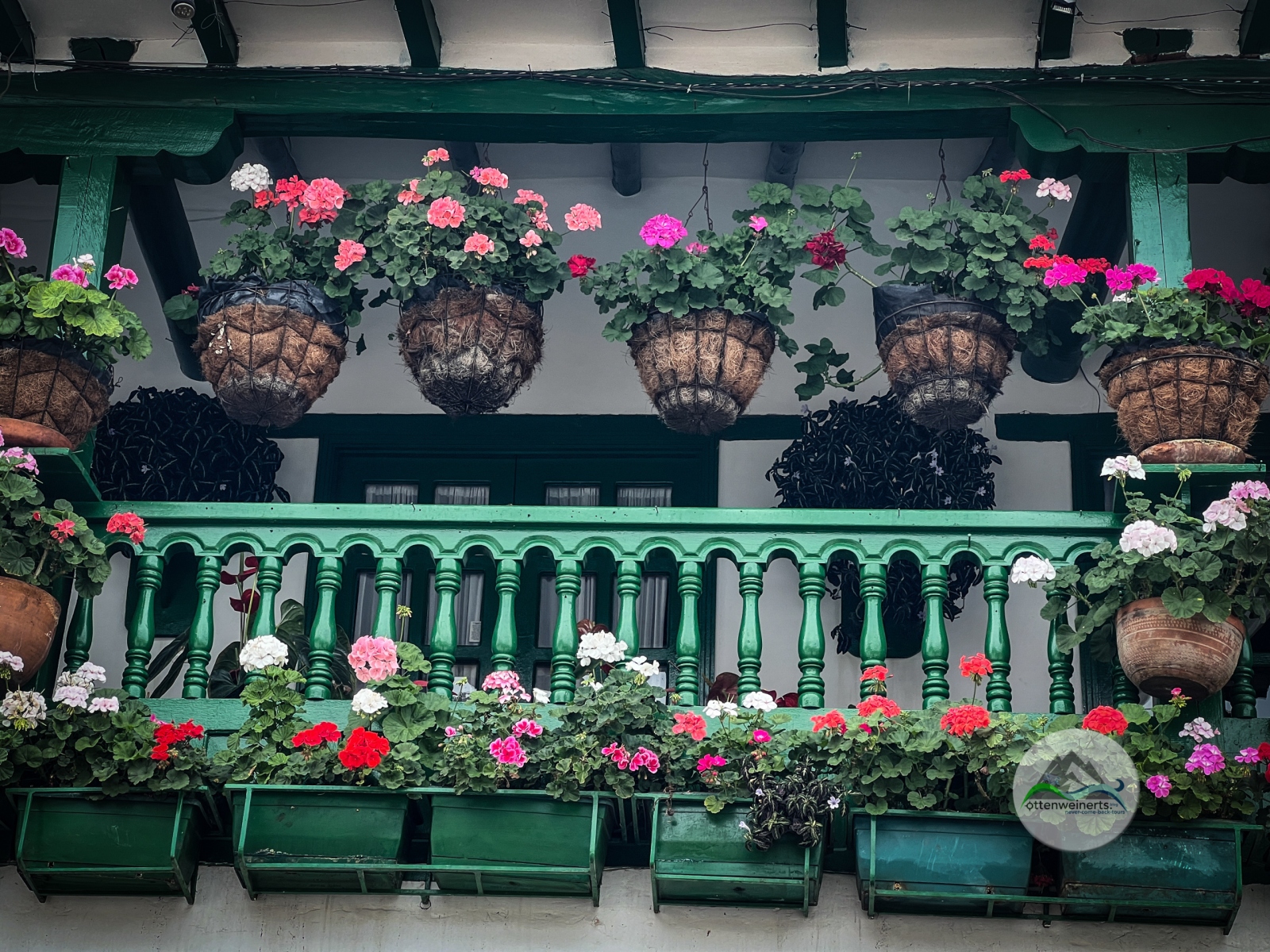
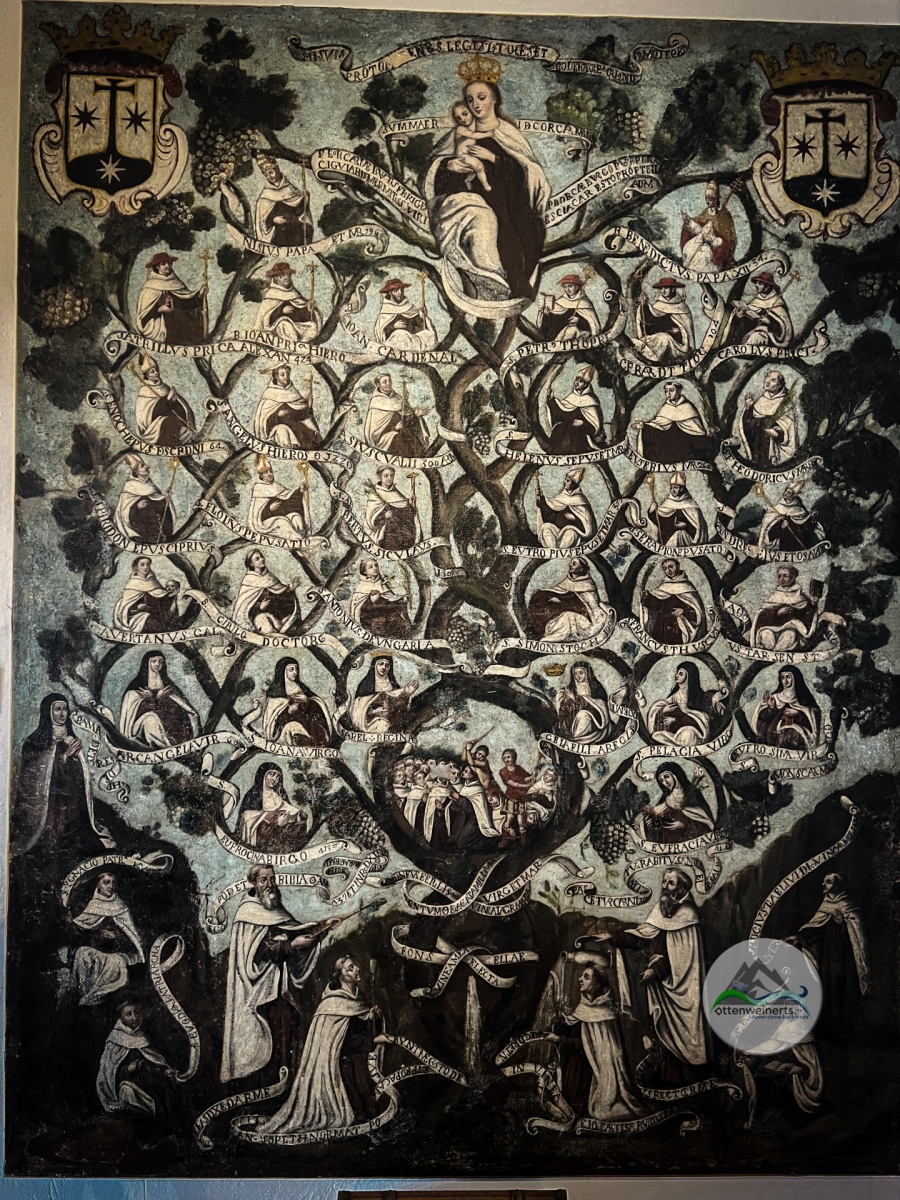
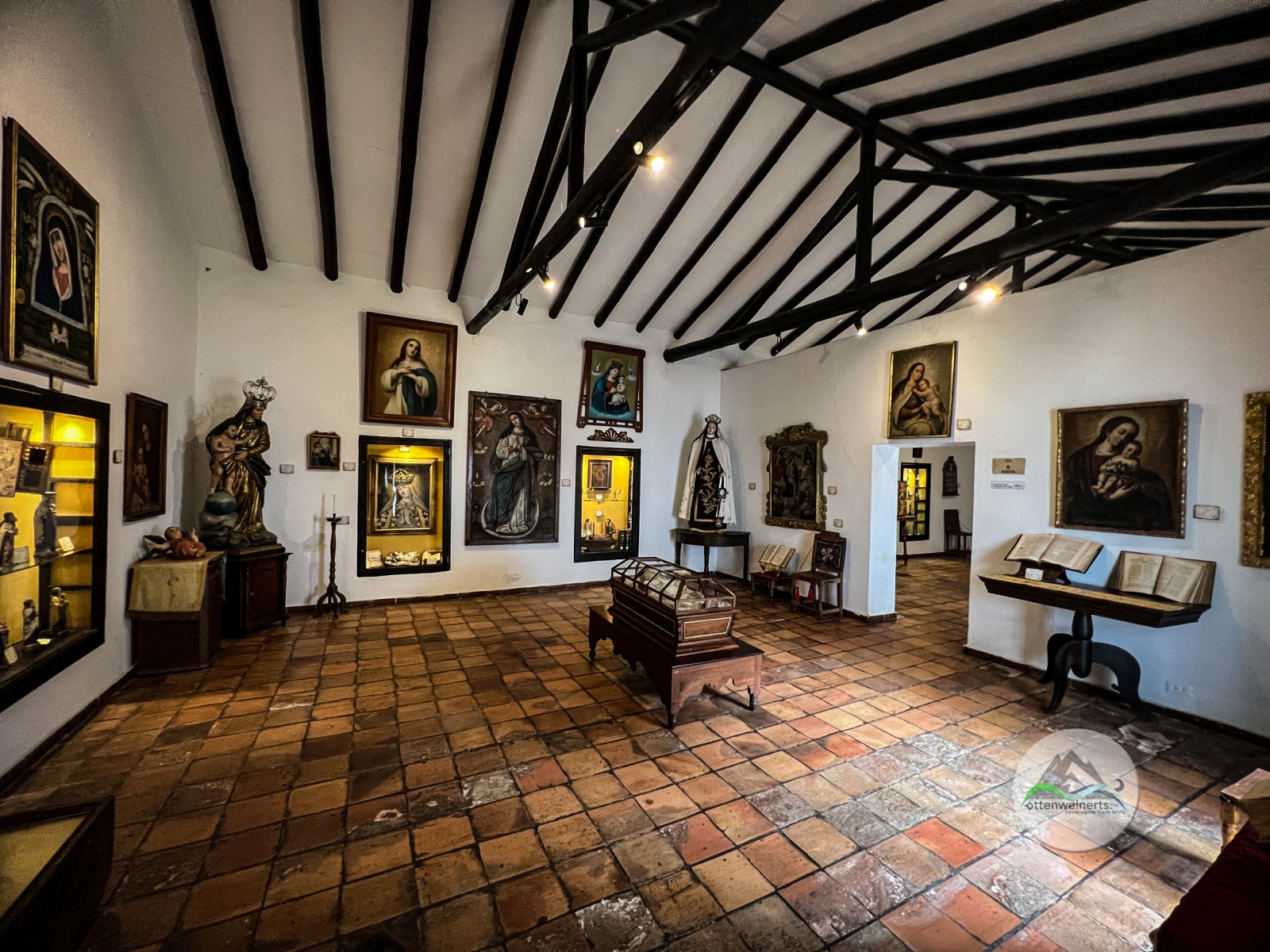
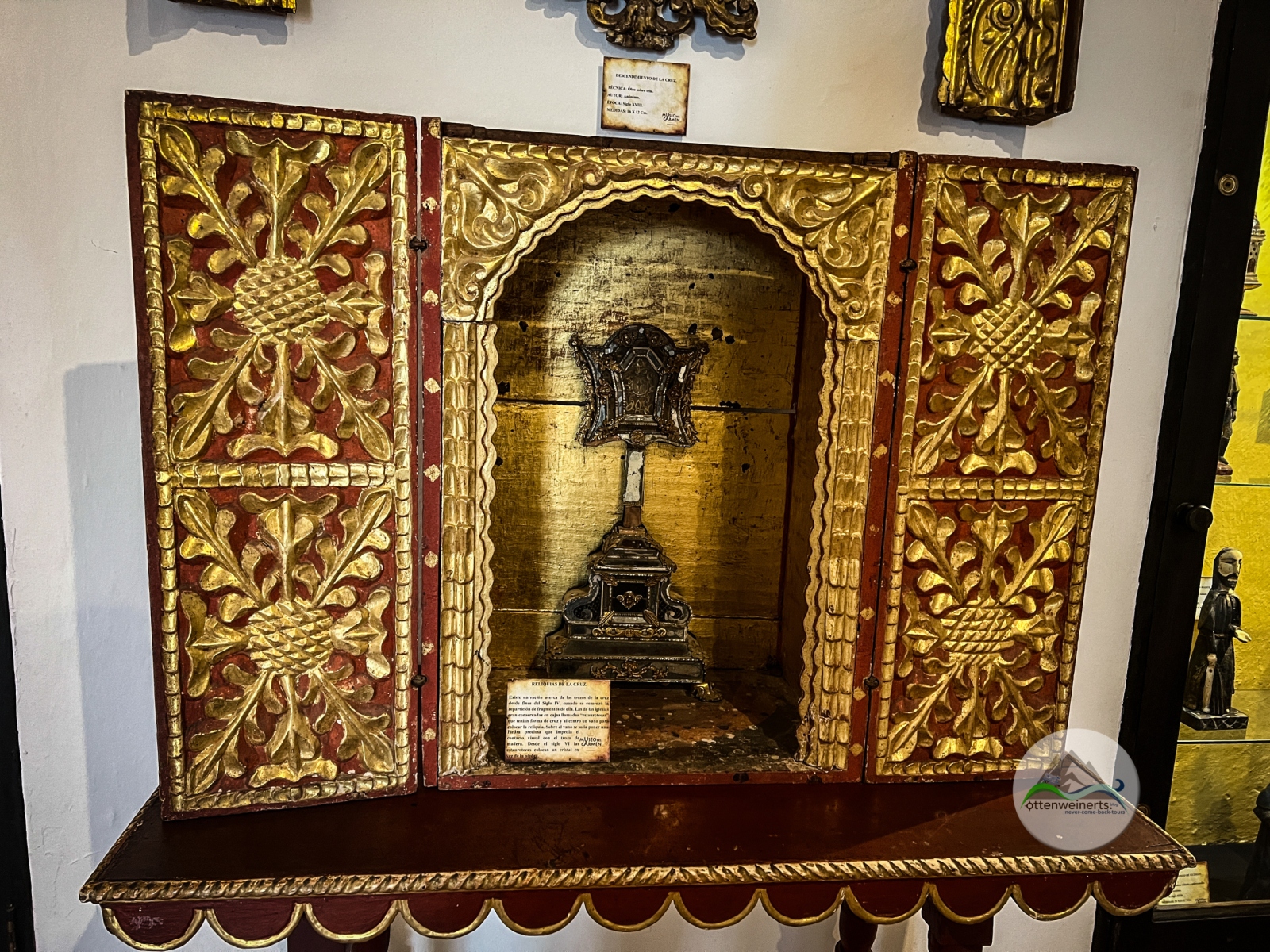
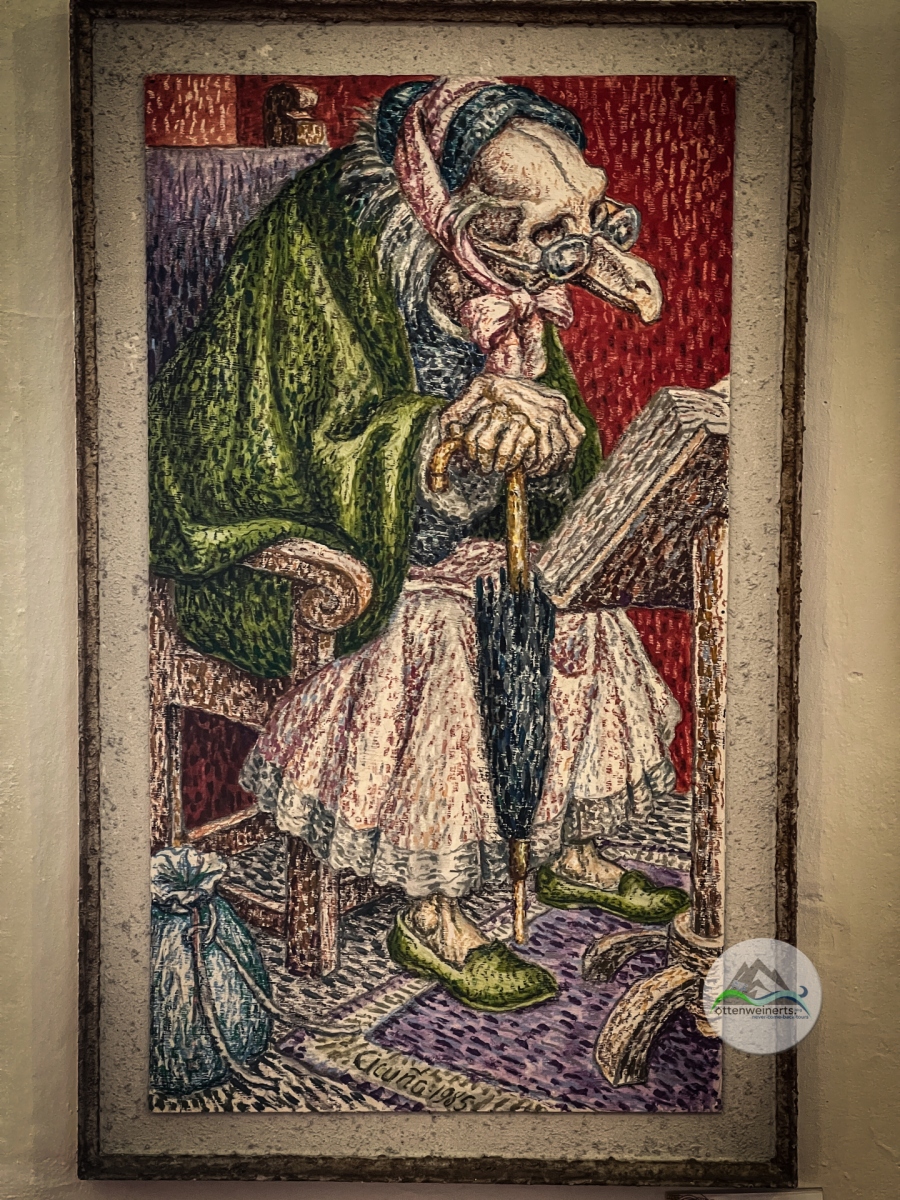
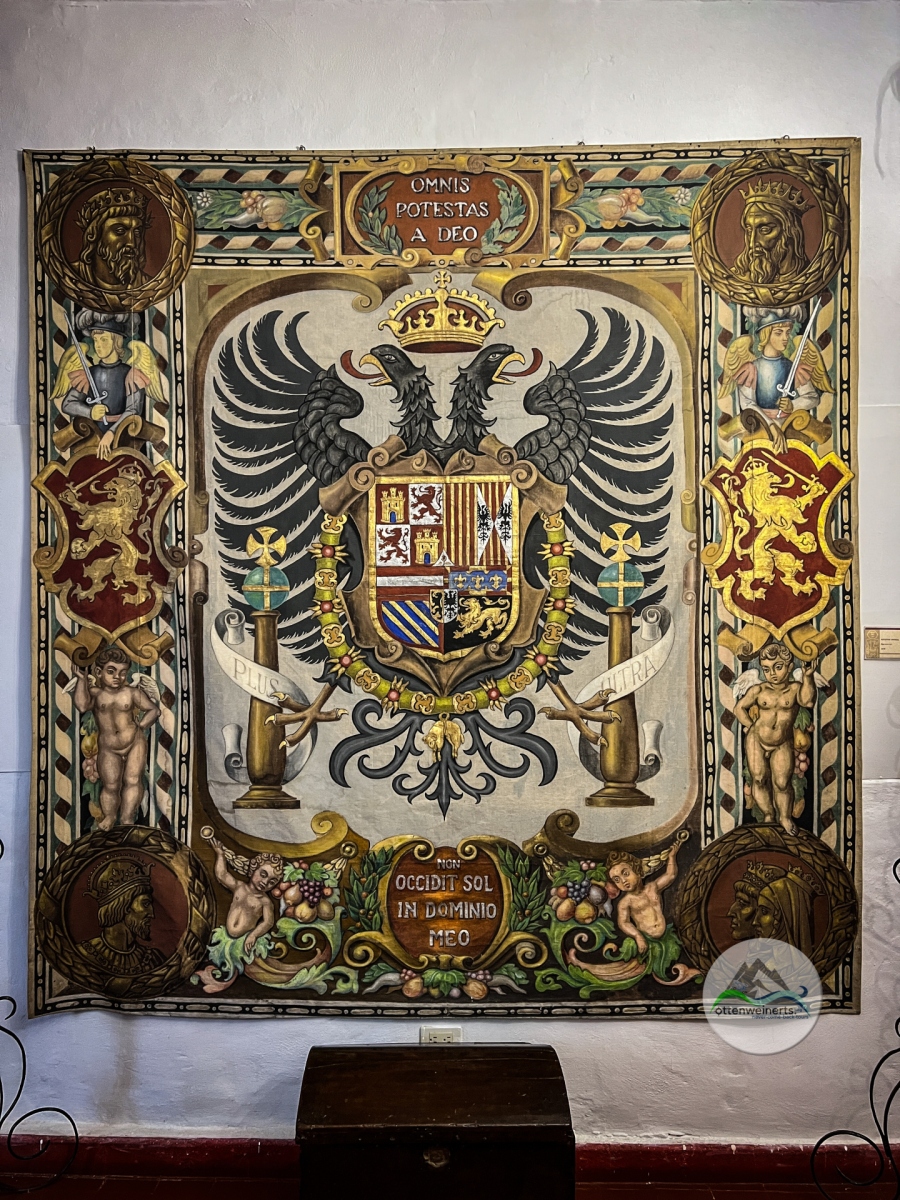
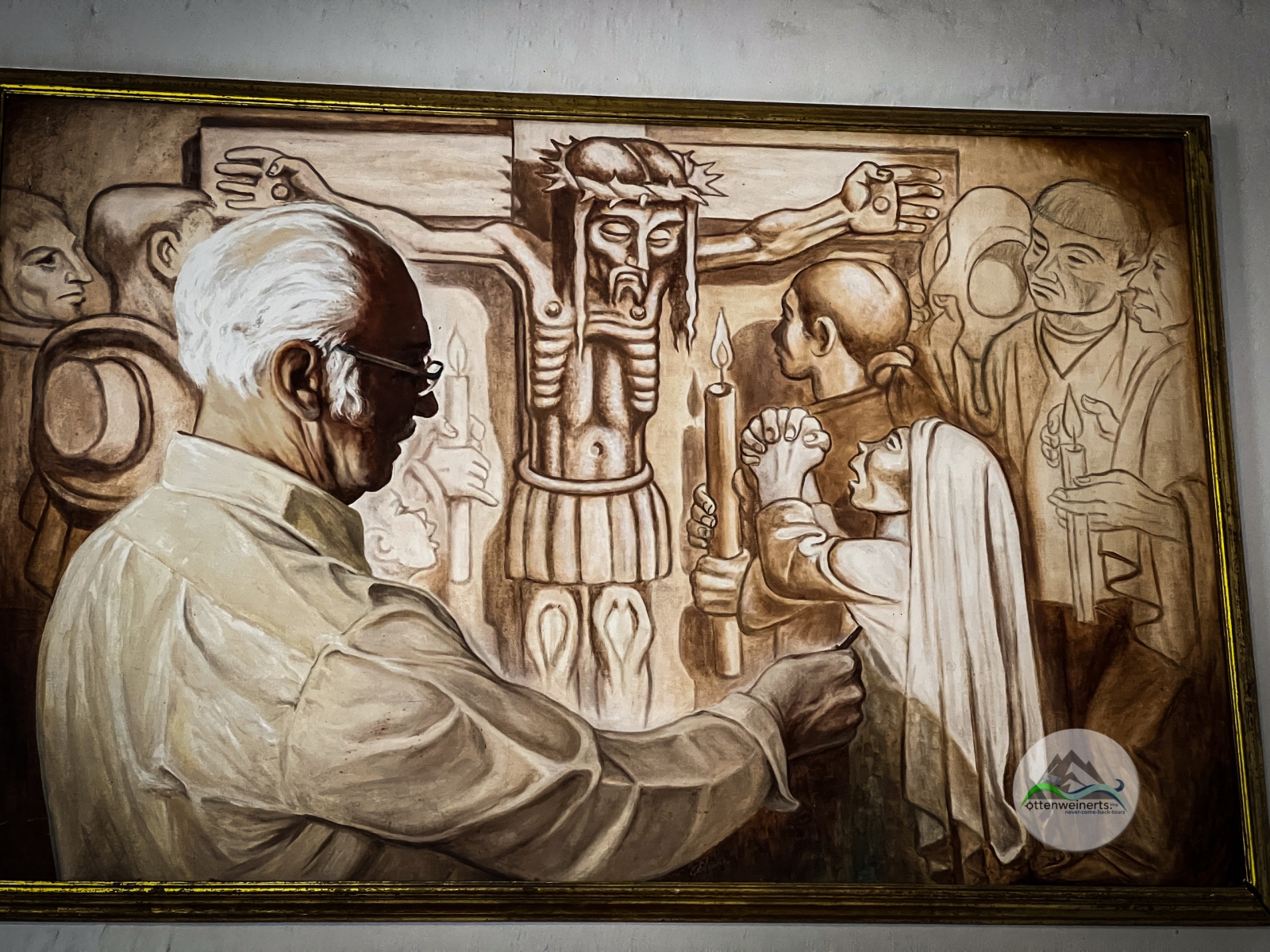
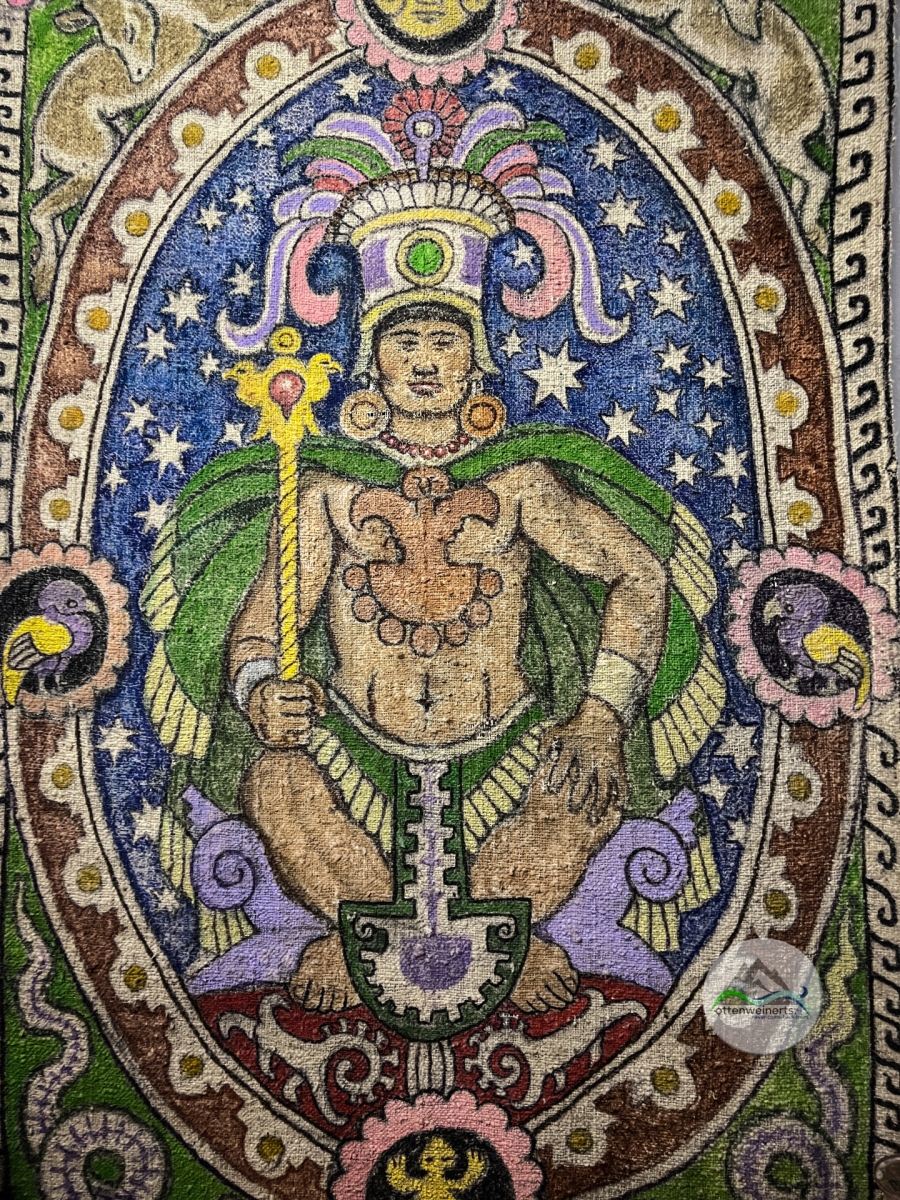
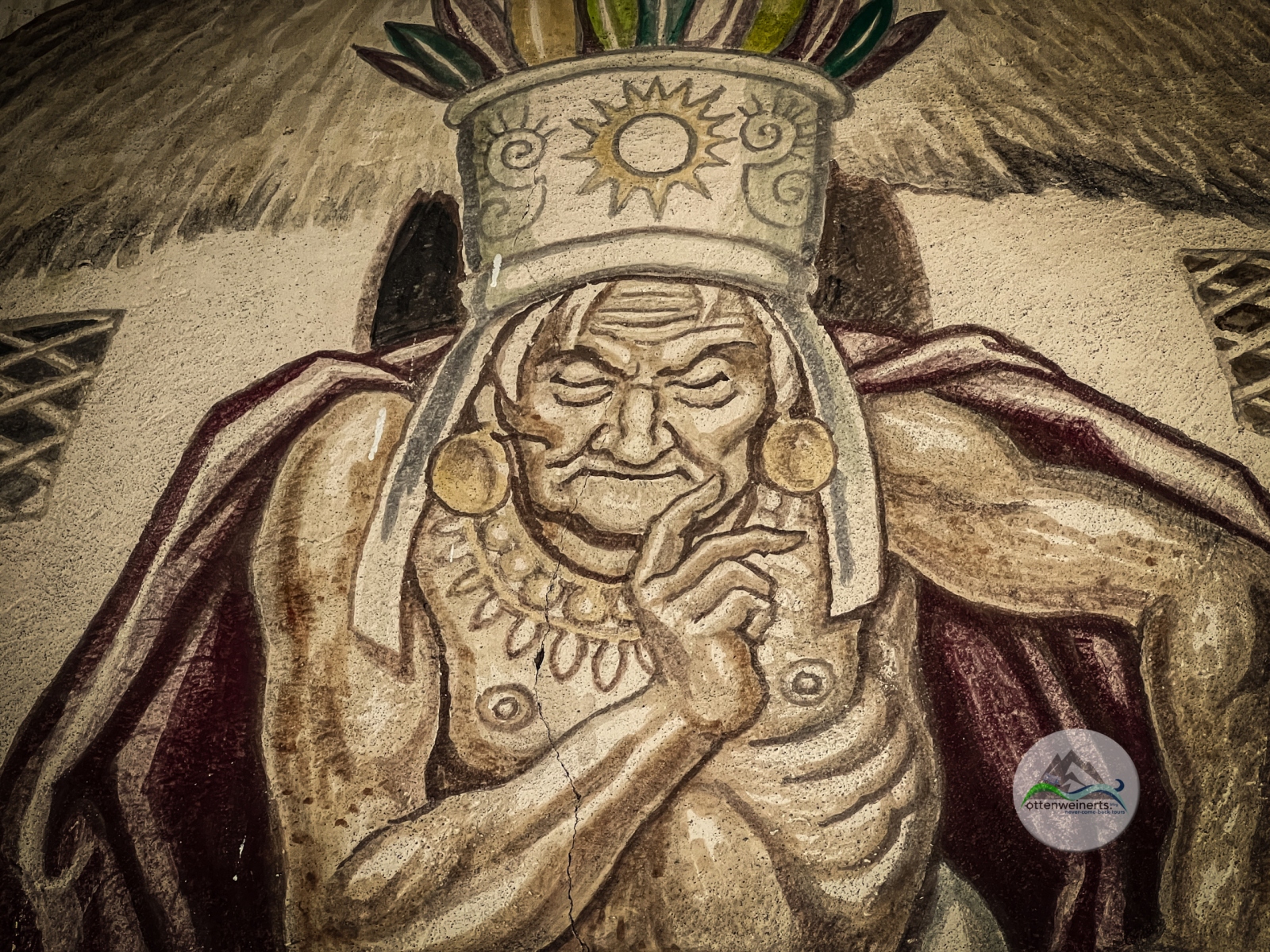
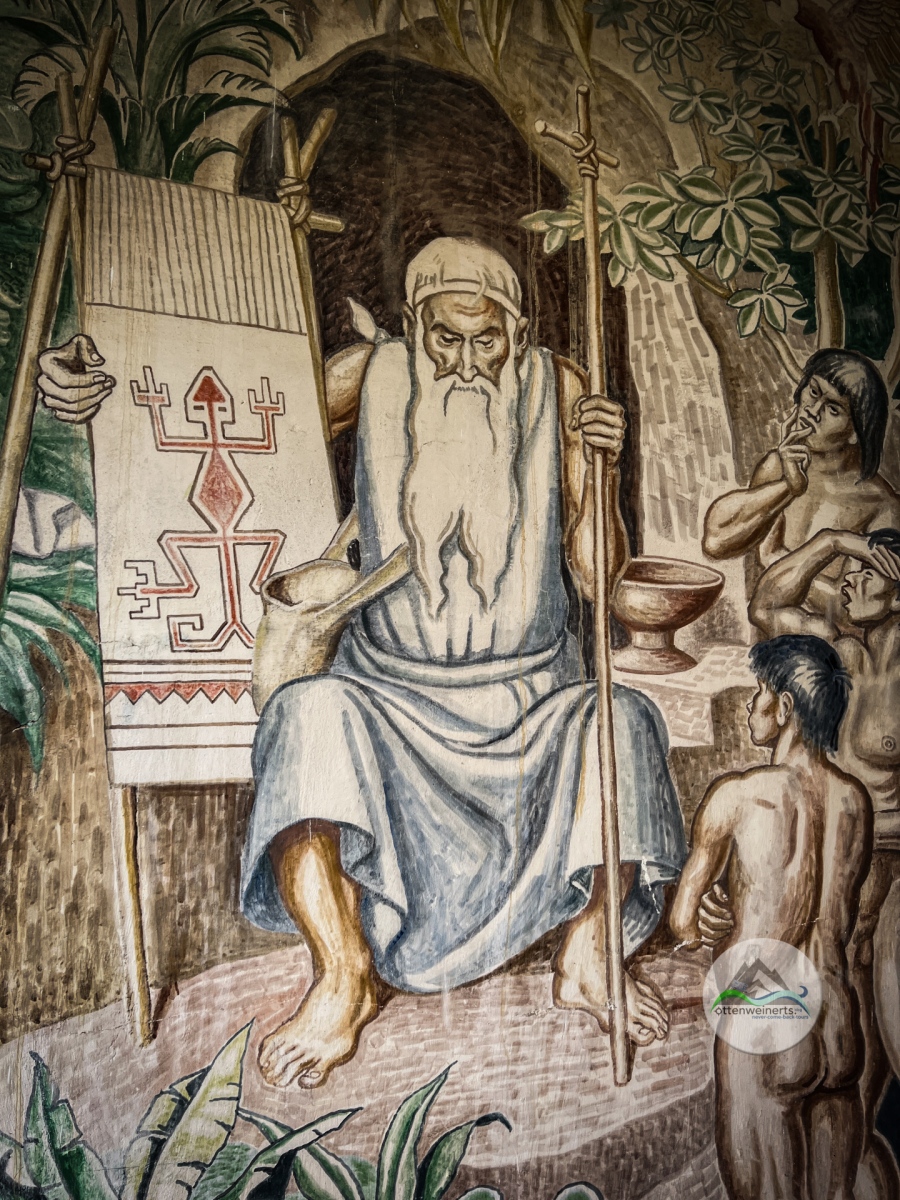
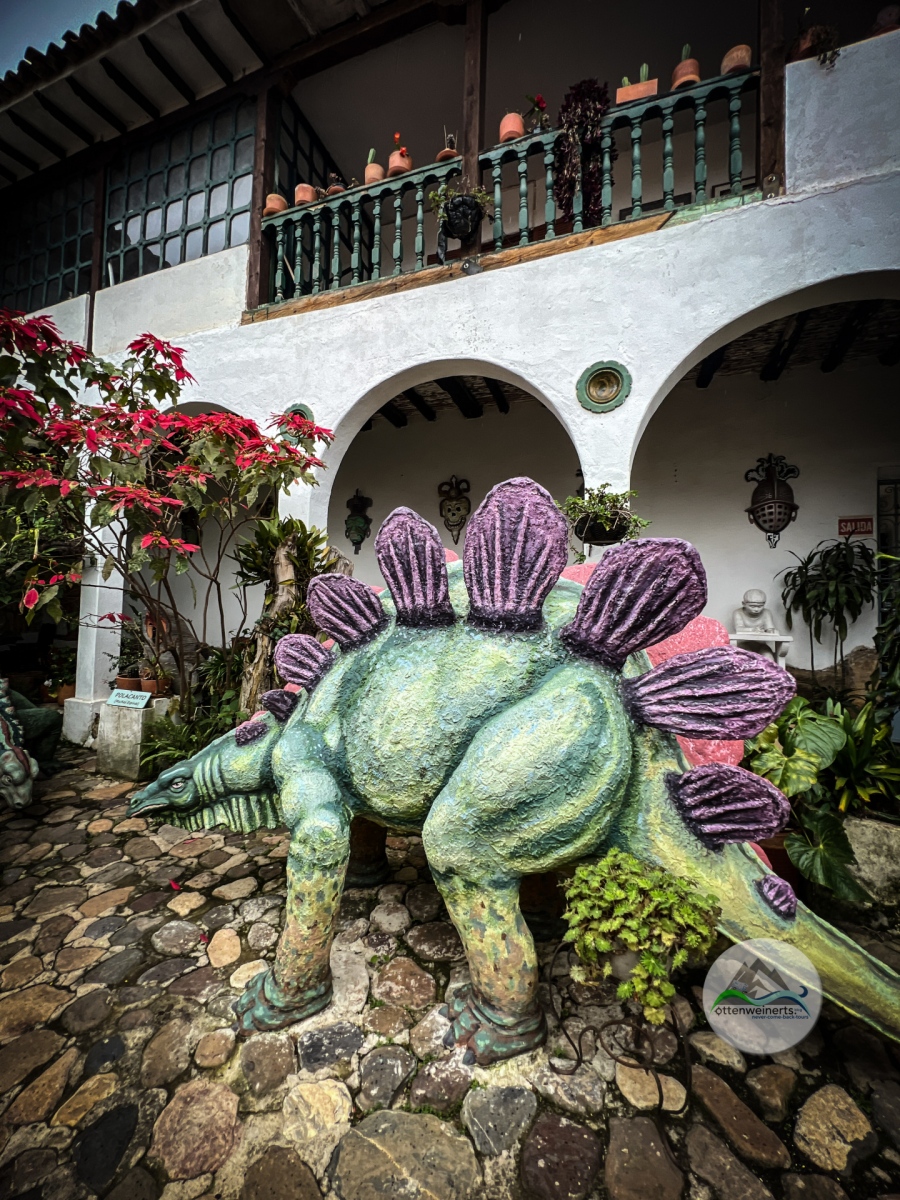
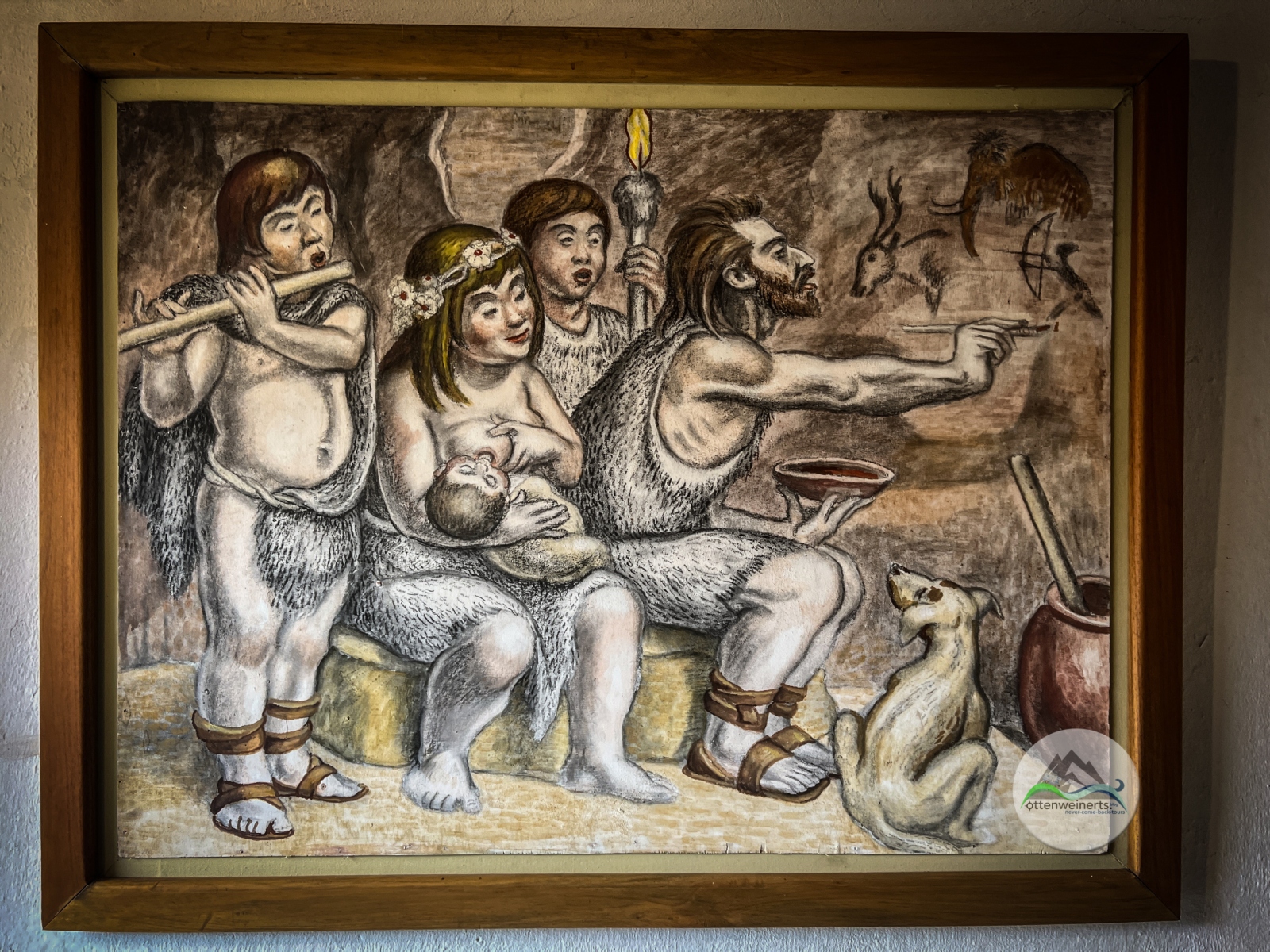
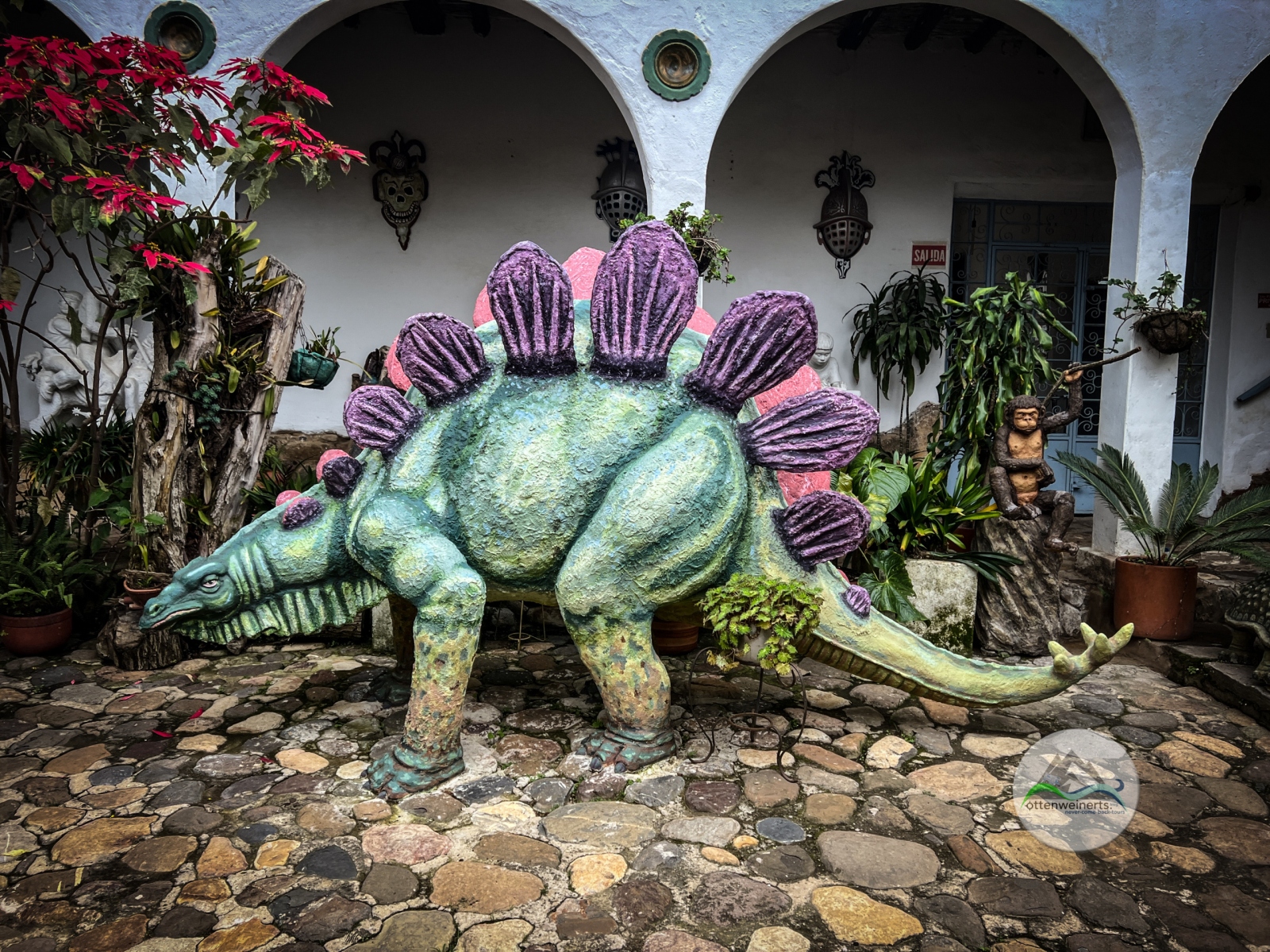
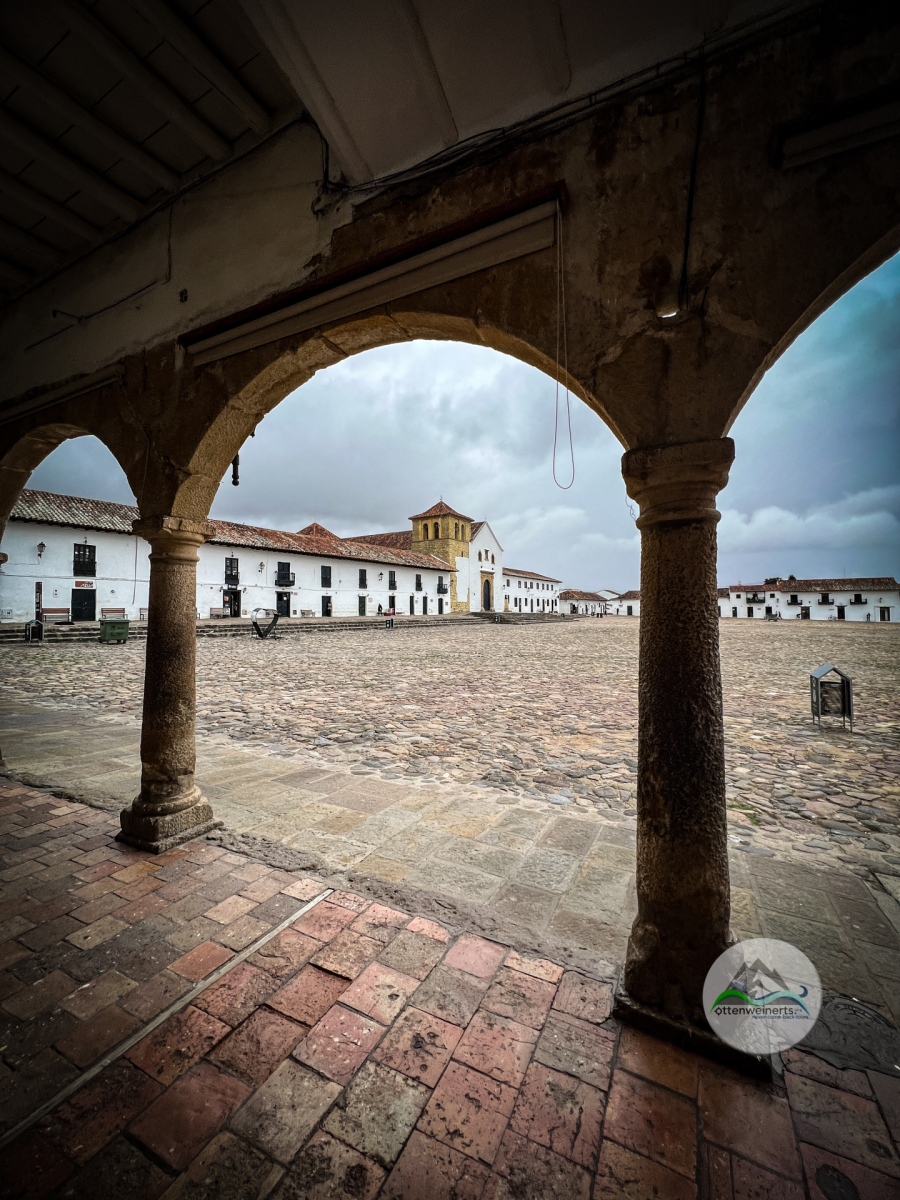
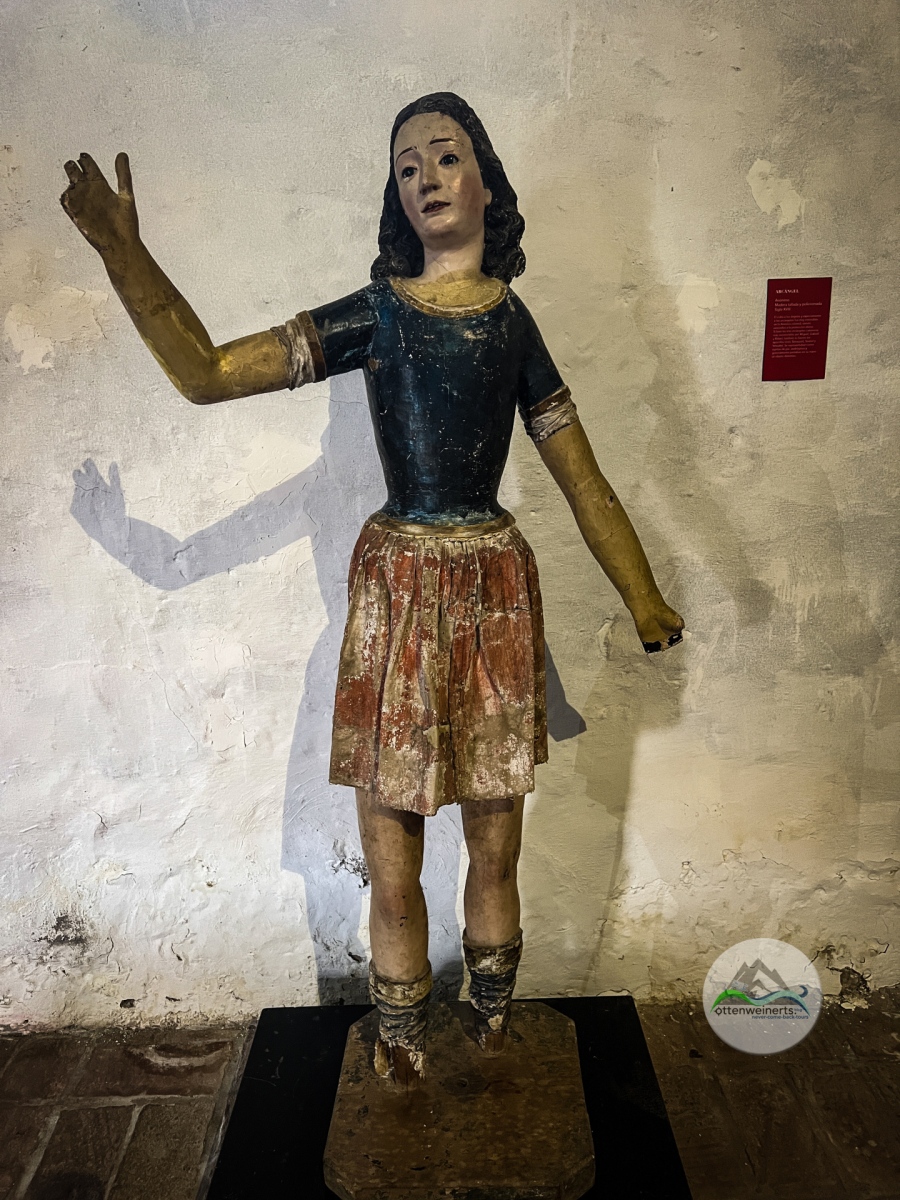
Villa de Leyva mit seinem reizenden kolonialen Stadtkern, der allerdings schon etwas touristifiziert ist. Der Hauptplatz heißt schlicht “Plaza Mayor”, ausnahmsweise mal nicht “Plaza Bolívar”. Das Museo del Carmen im Karmeliterinnenkloster zeigt eine hervorragende Ausstellung sakraler Kunst mit Gemälden (unter anderem den Stammbaum der Karmeliterinnen), Altarbildern, Schnitzereien und wertvollen Büchern. Das Museo de Louis Alberto Acuña ist in dem Haus untergebracht, in welchem Acuña, einer der bedeutendsten Maler und Bildhauer, seine letzten Lebensjahre verbracht hat. Die umfangreiche Sammlung präsentiert Bilder und Skulpturen aus allen Schaffensperioden, sowie viele Objekte aus seiner persönlichen Sammlung.
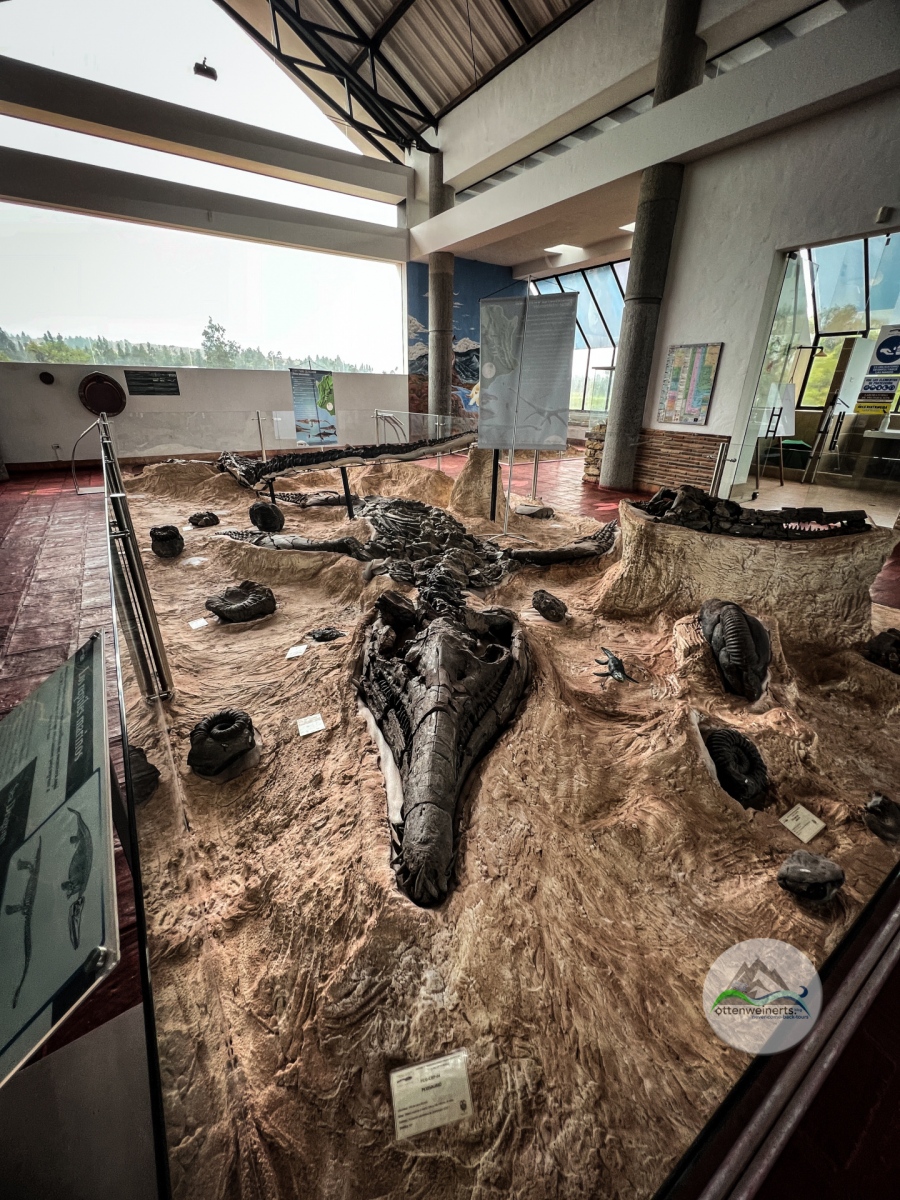
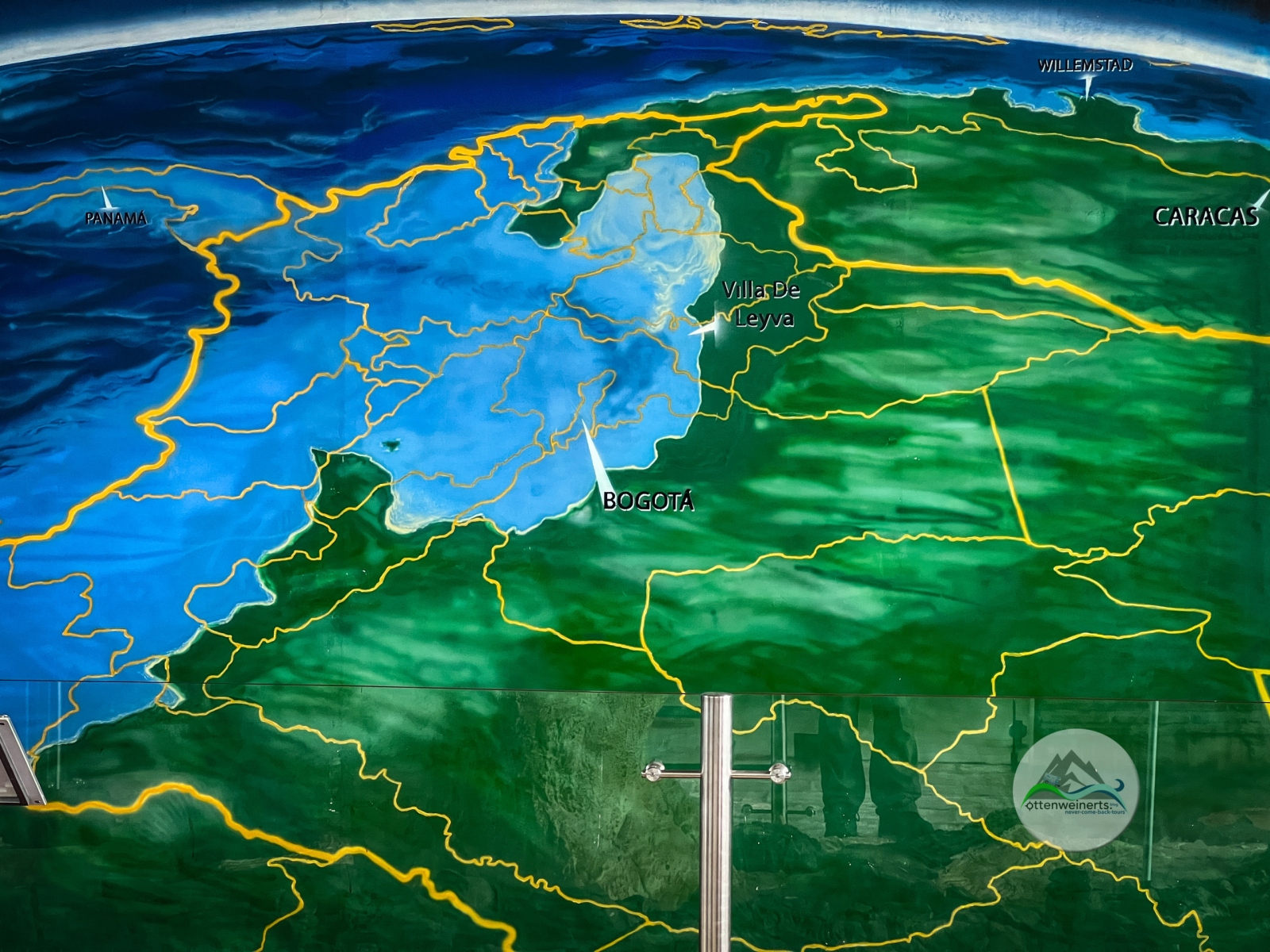
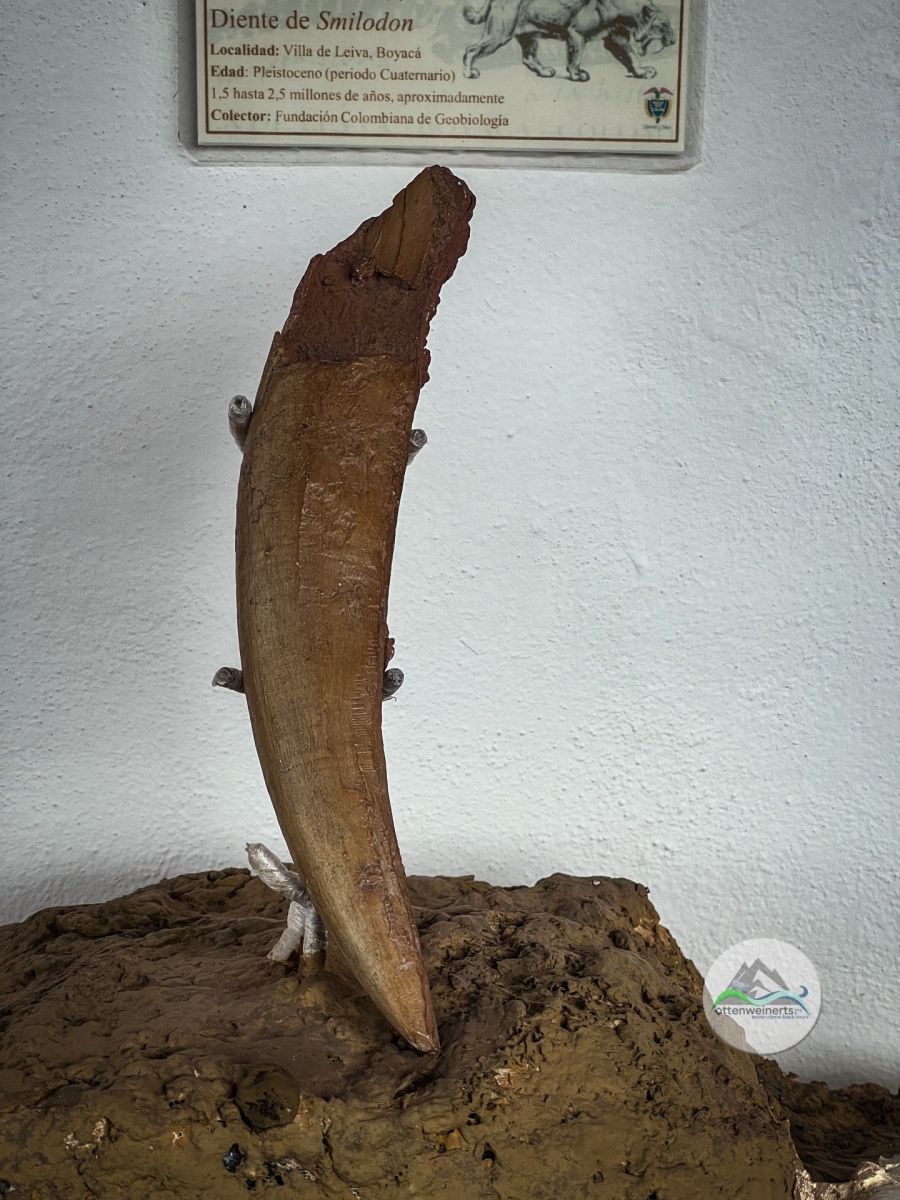
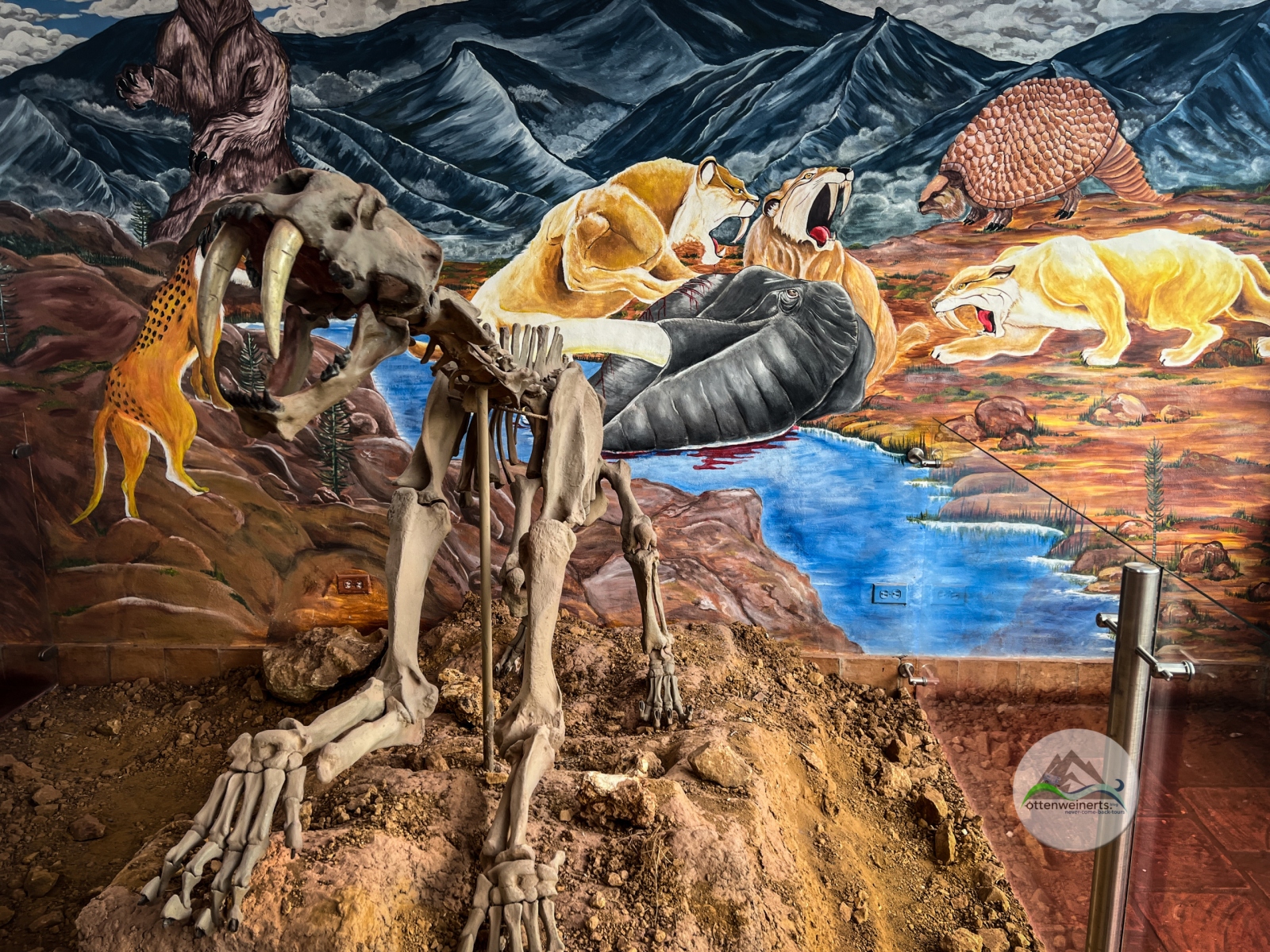
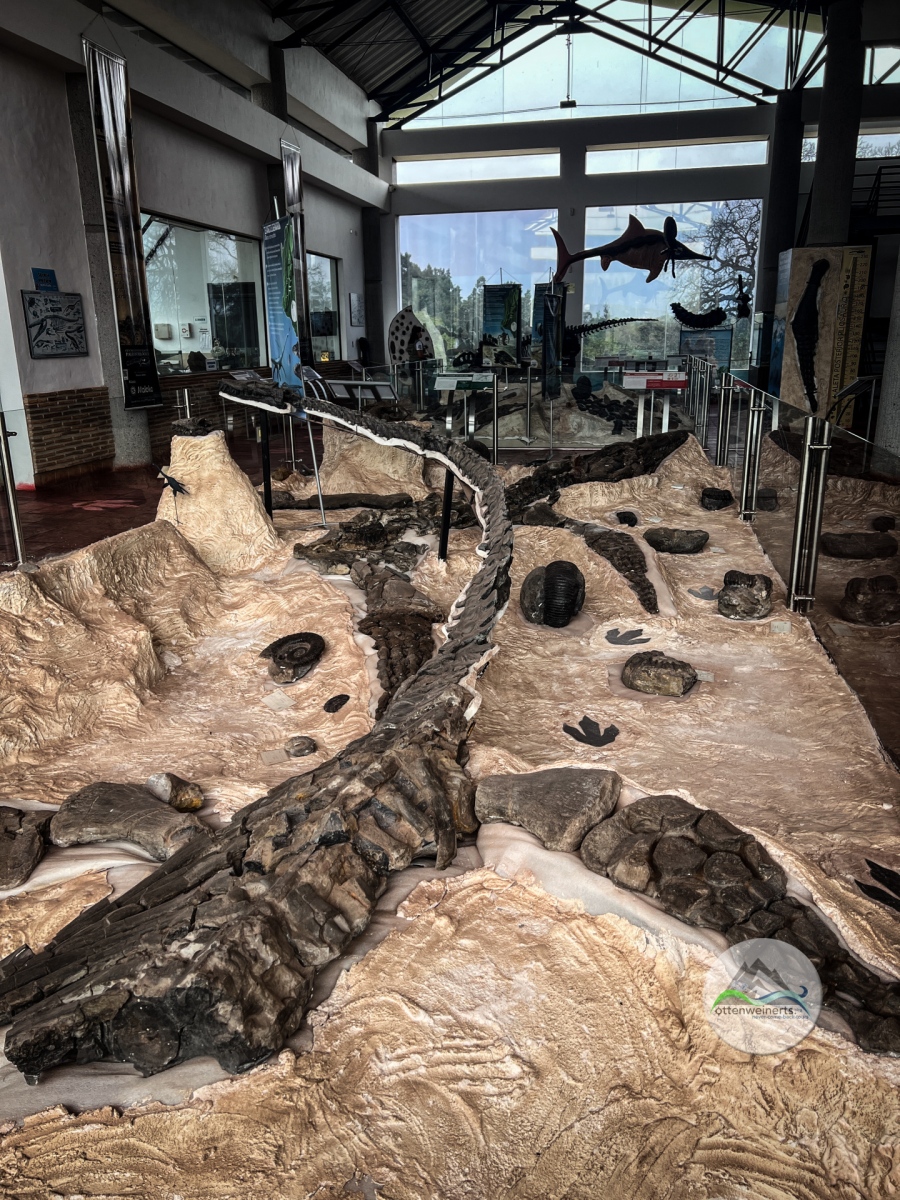
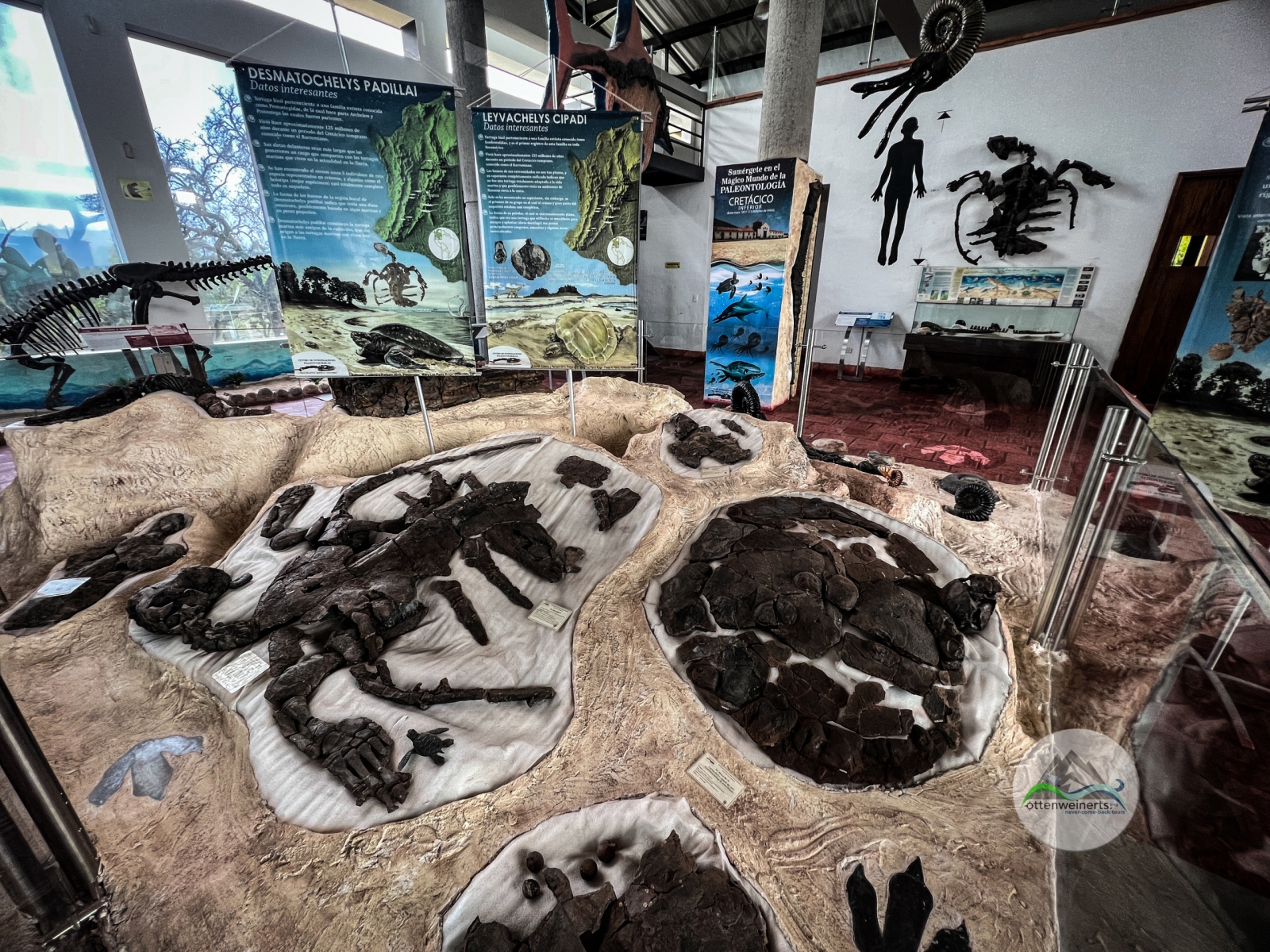
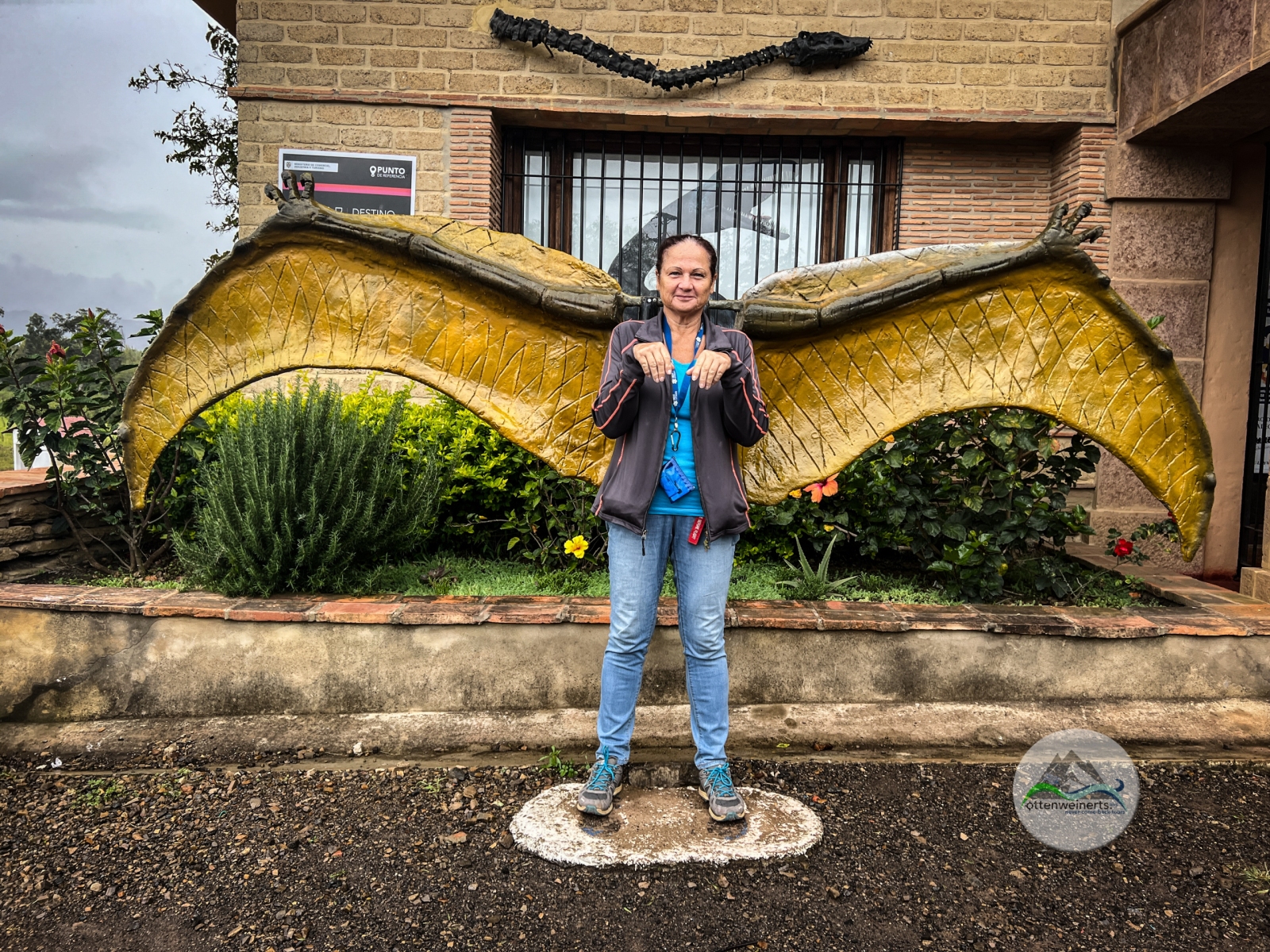
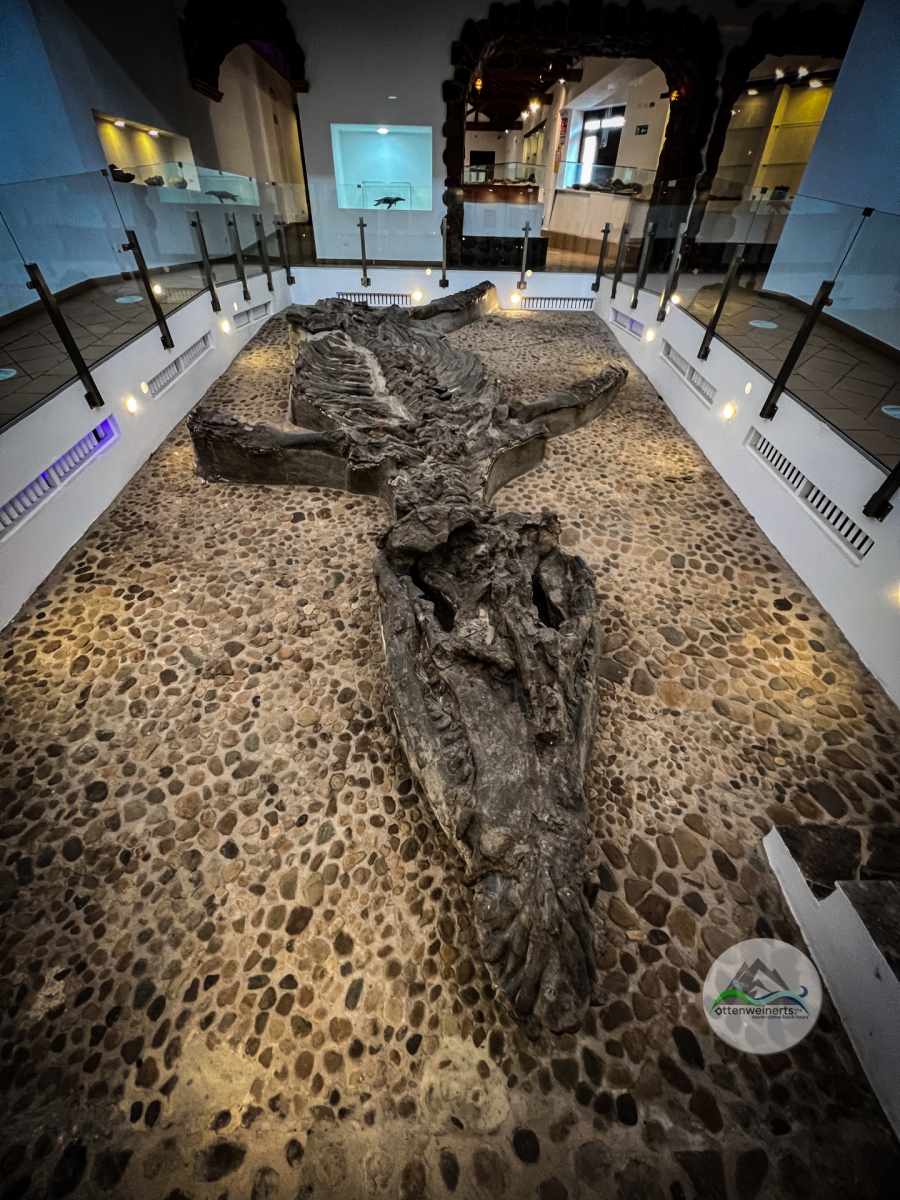
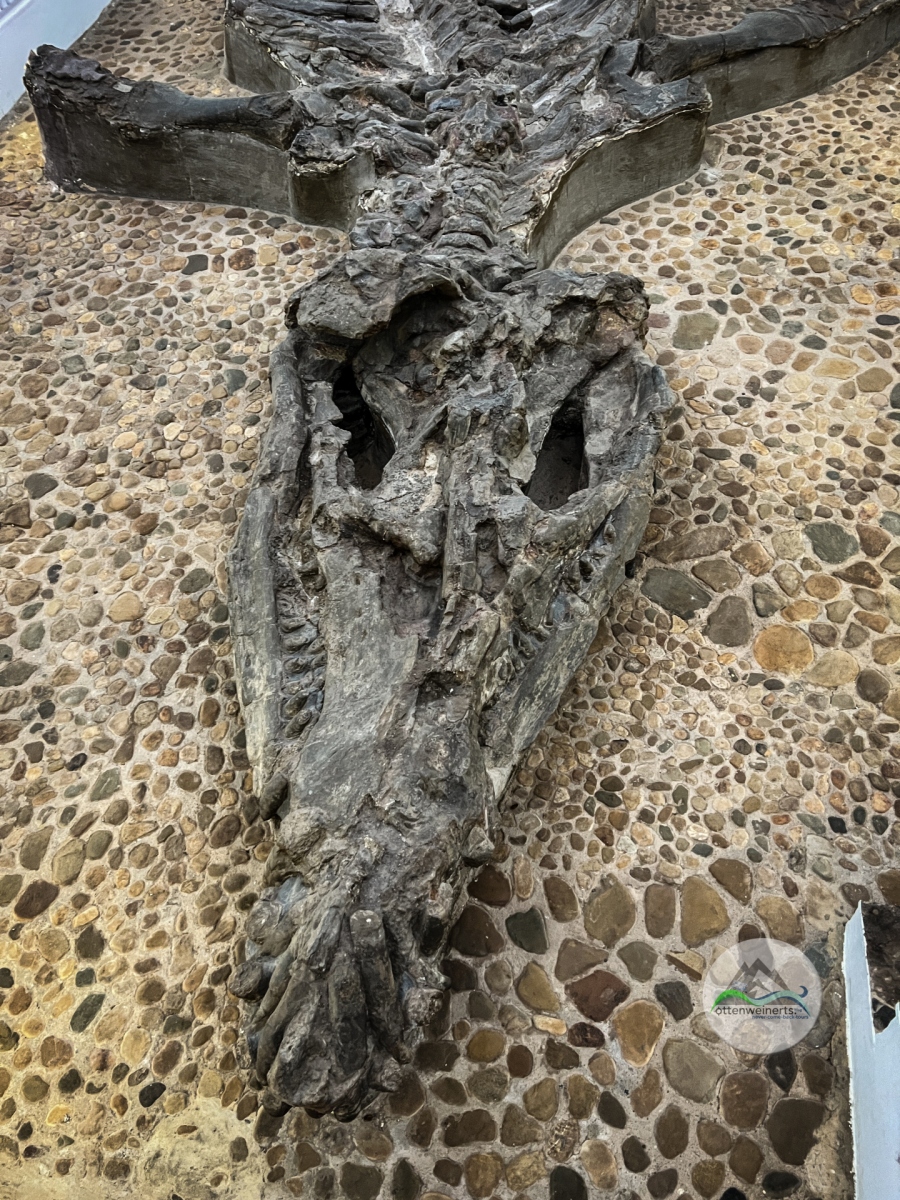
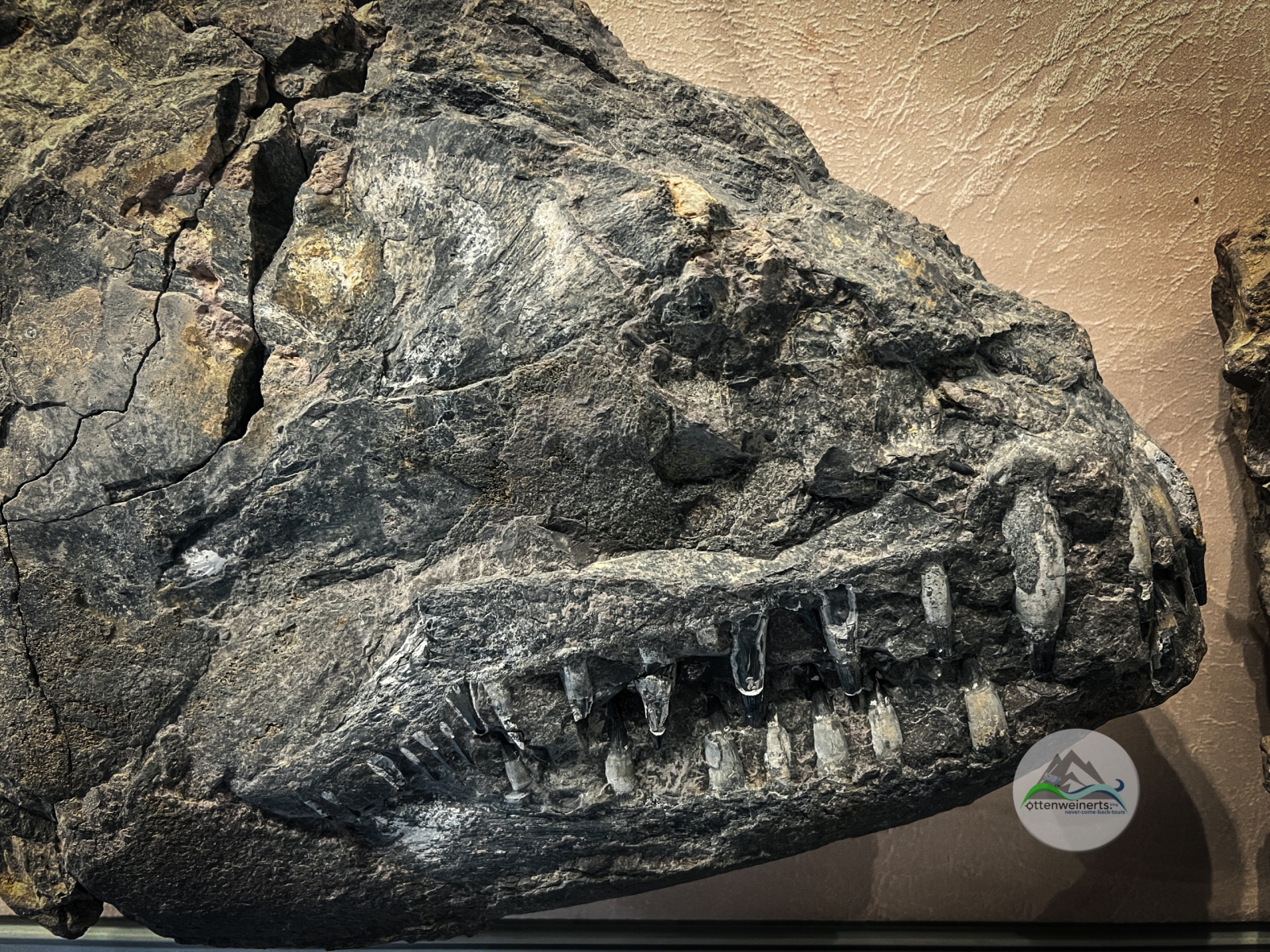
Die ganze Umgebung von Villa de Leyva, einstmals von Meer bedeckt, ist eine Fundgrube für Paläontologen. In Santa Sofia bekommt man im „Centro de Investigaciones Paleontológicas“ ziemlich vollständige Skelette von Plesiosauren zu sehen, riesige Schildkrötenfossilien und den einzigen Säbelzahntiger-Zahn, der je in Kolumbien entdeckt wurde. 100 m weiter, auf der anderen Straßenseite, wurde 1977 das fast vollständige, versteinerte Skelett eines Kronosaurus gefunden – schlicht „El Fósil“ genannt. Man hat es an Ort und Stelle belassen, im Laufe der Zeit wurde ein Museum darüber errichtet.
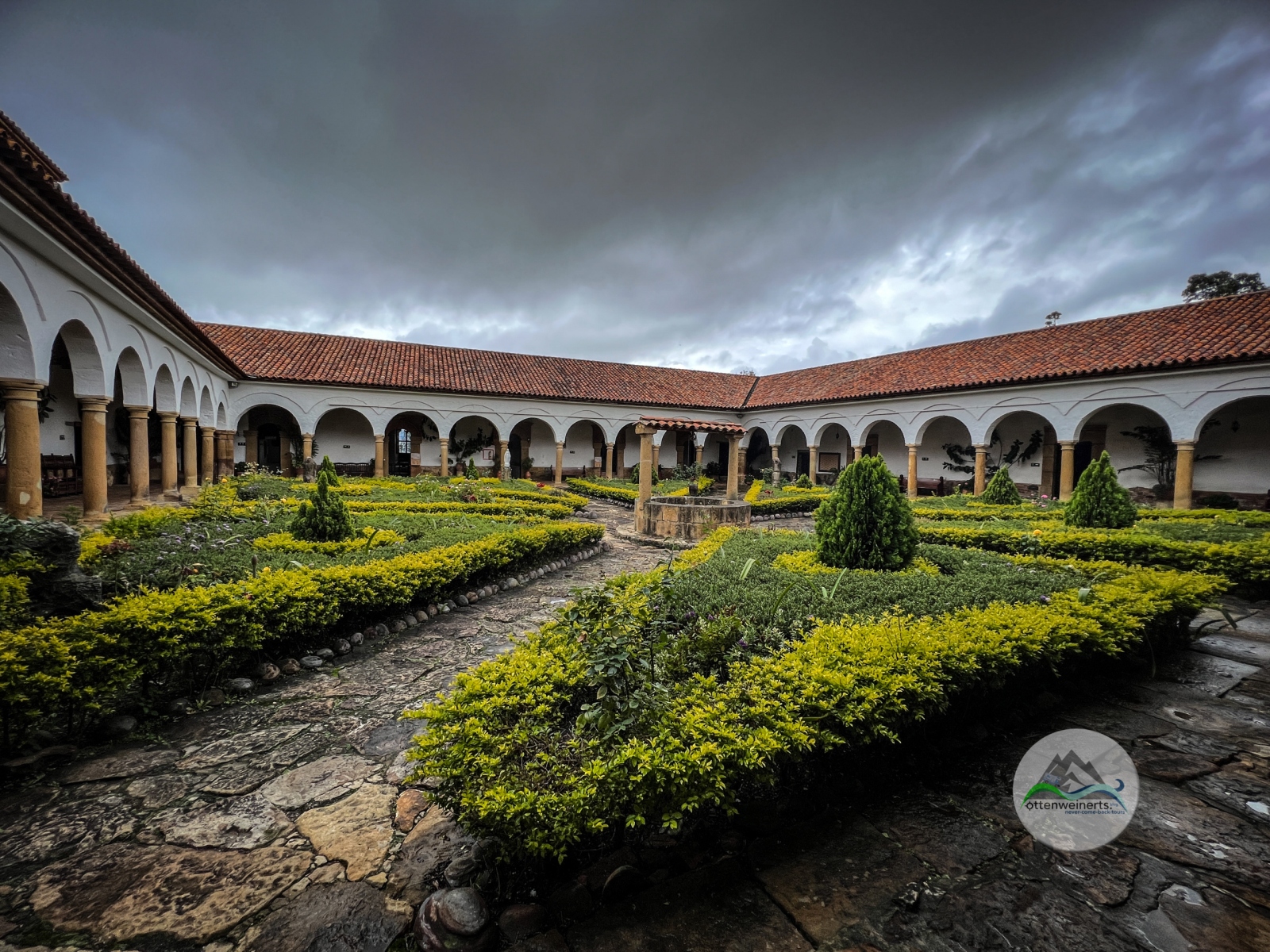
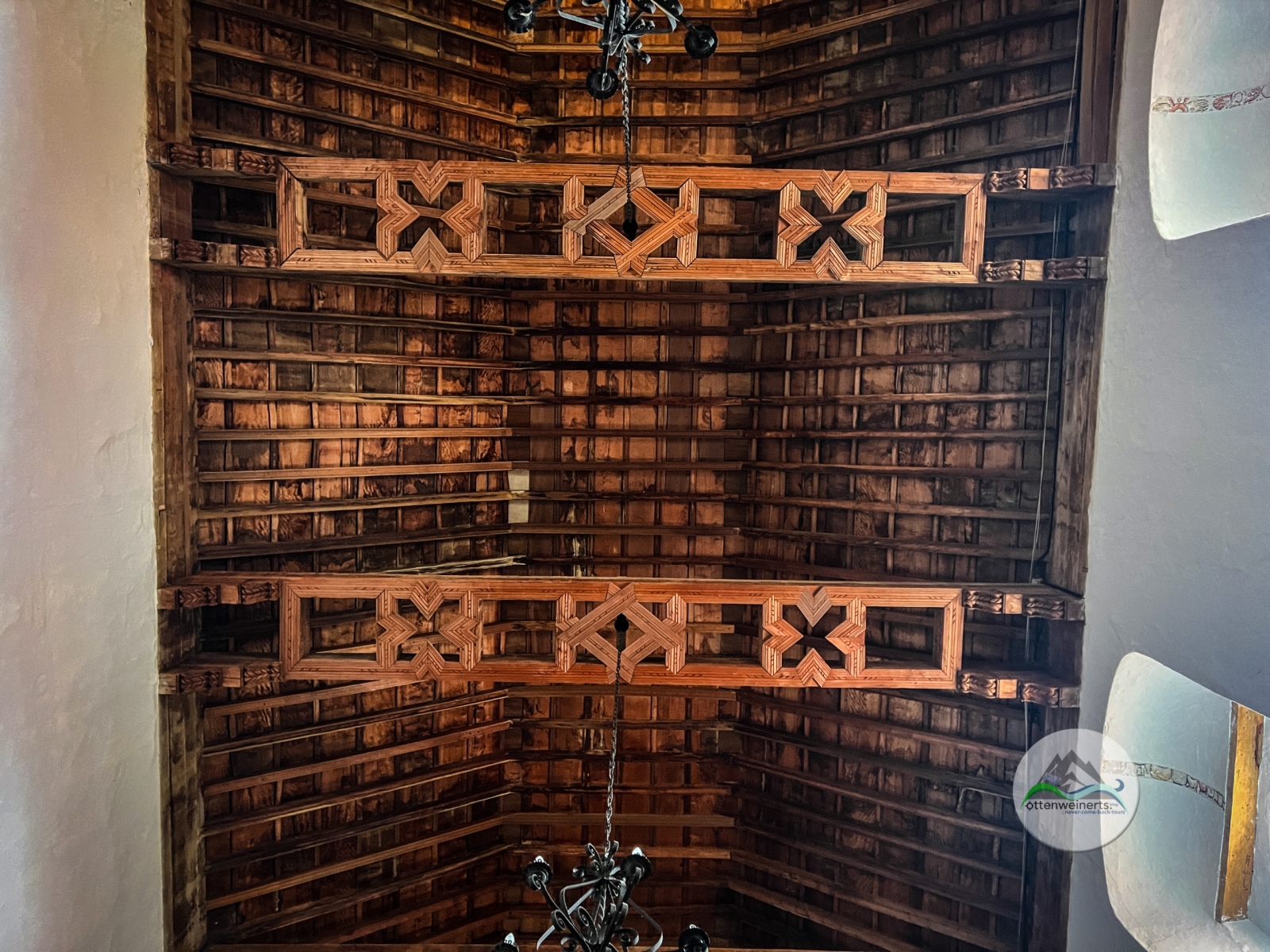
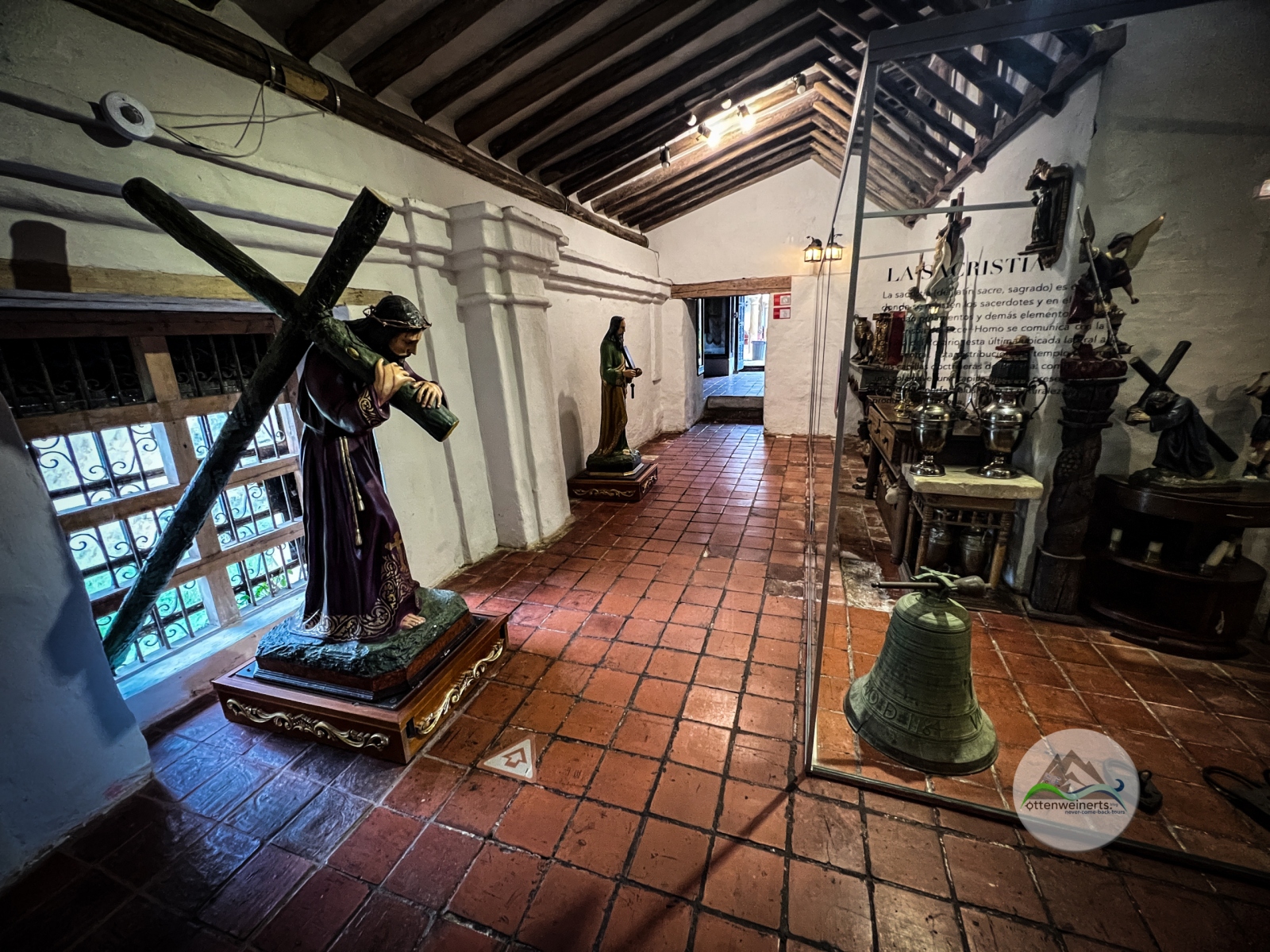
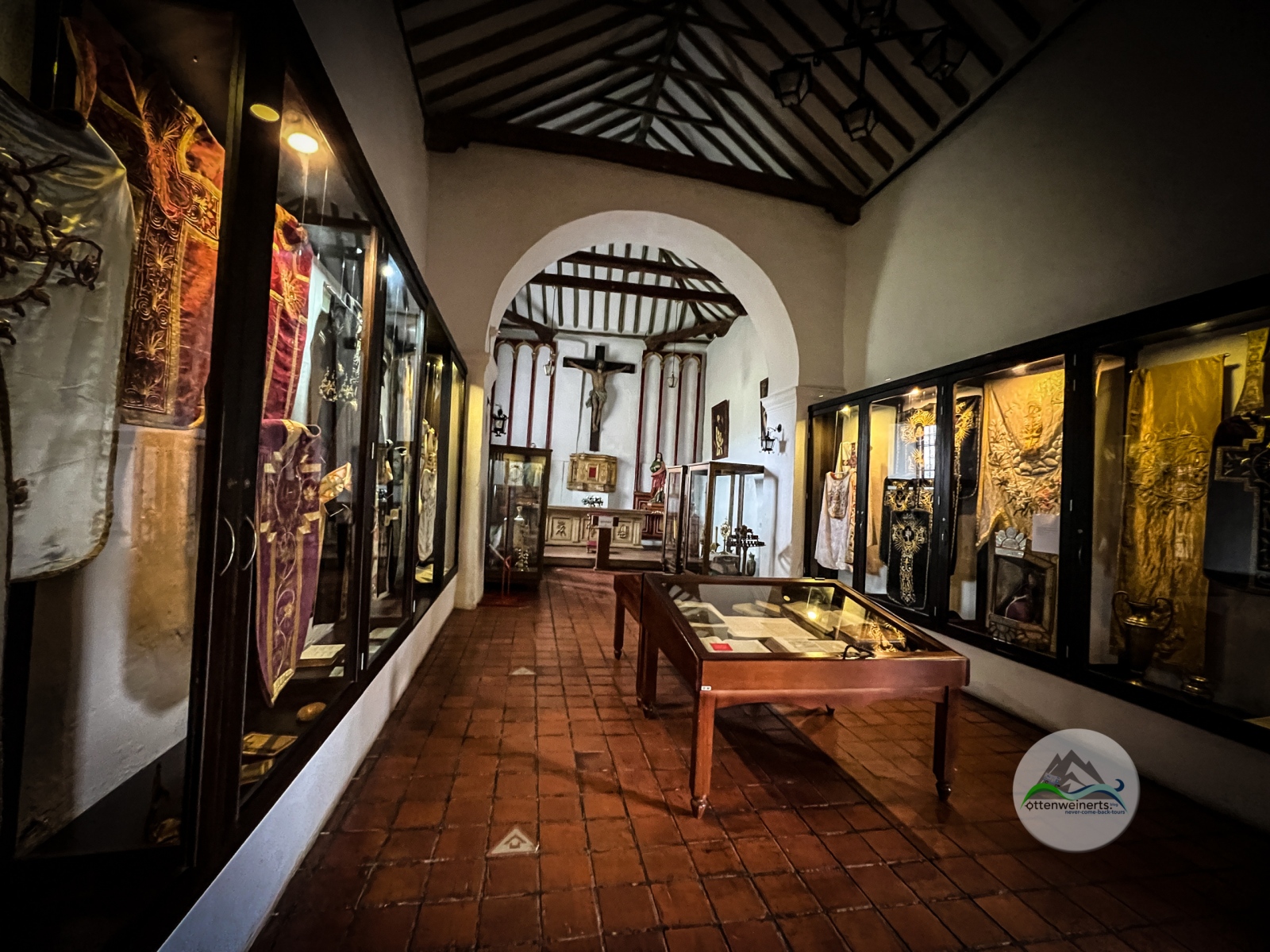
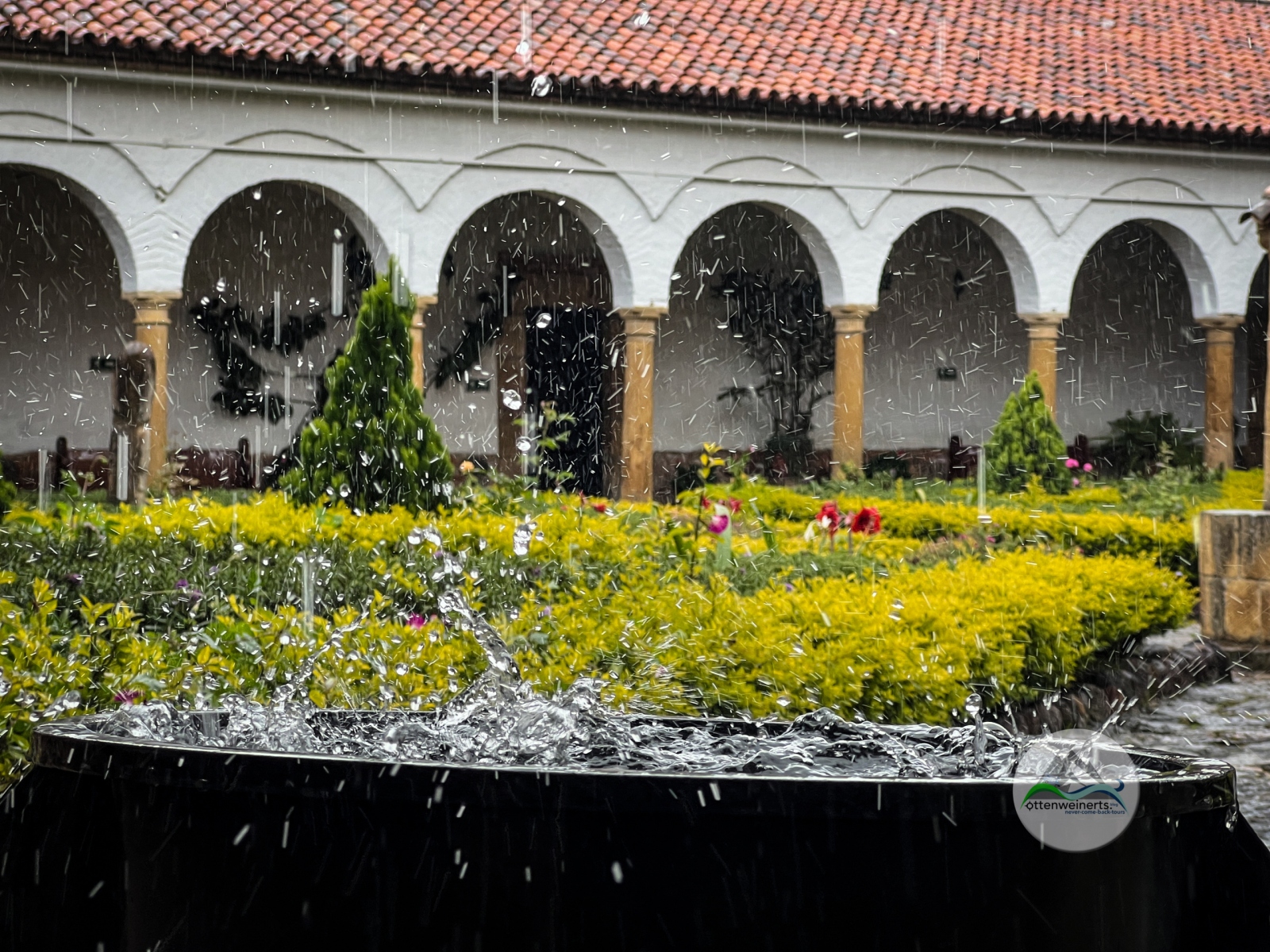
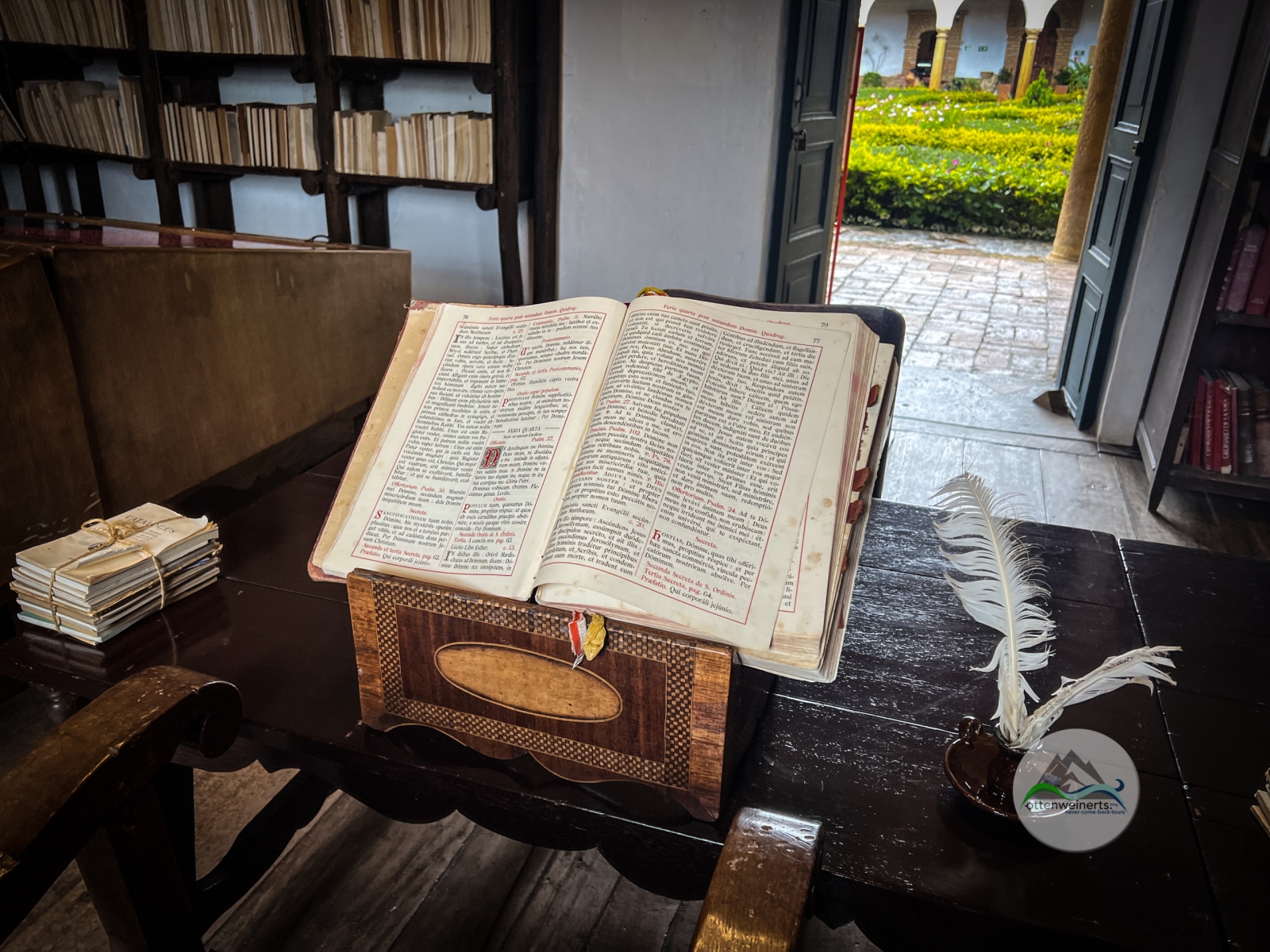
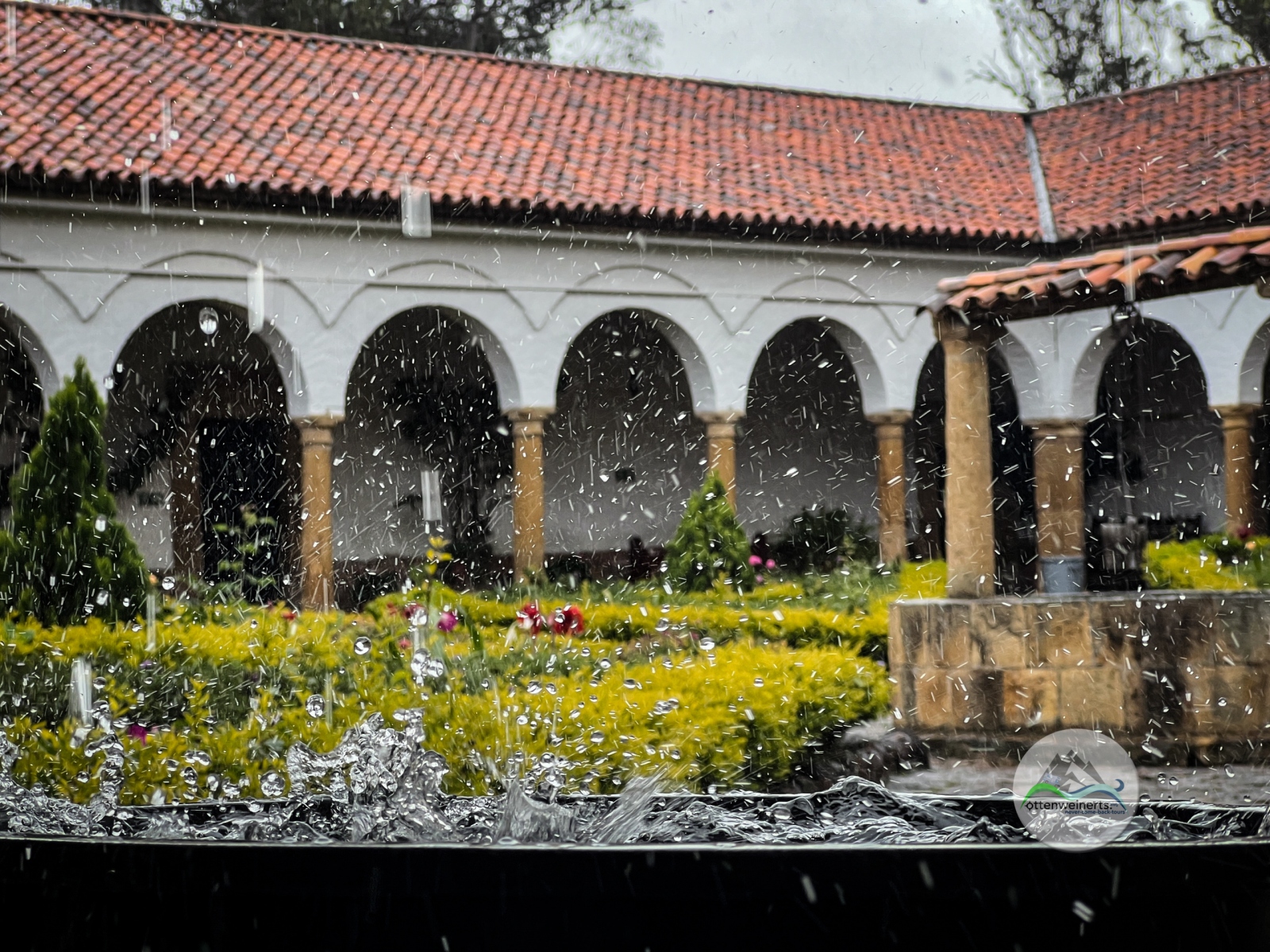
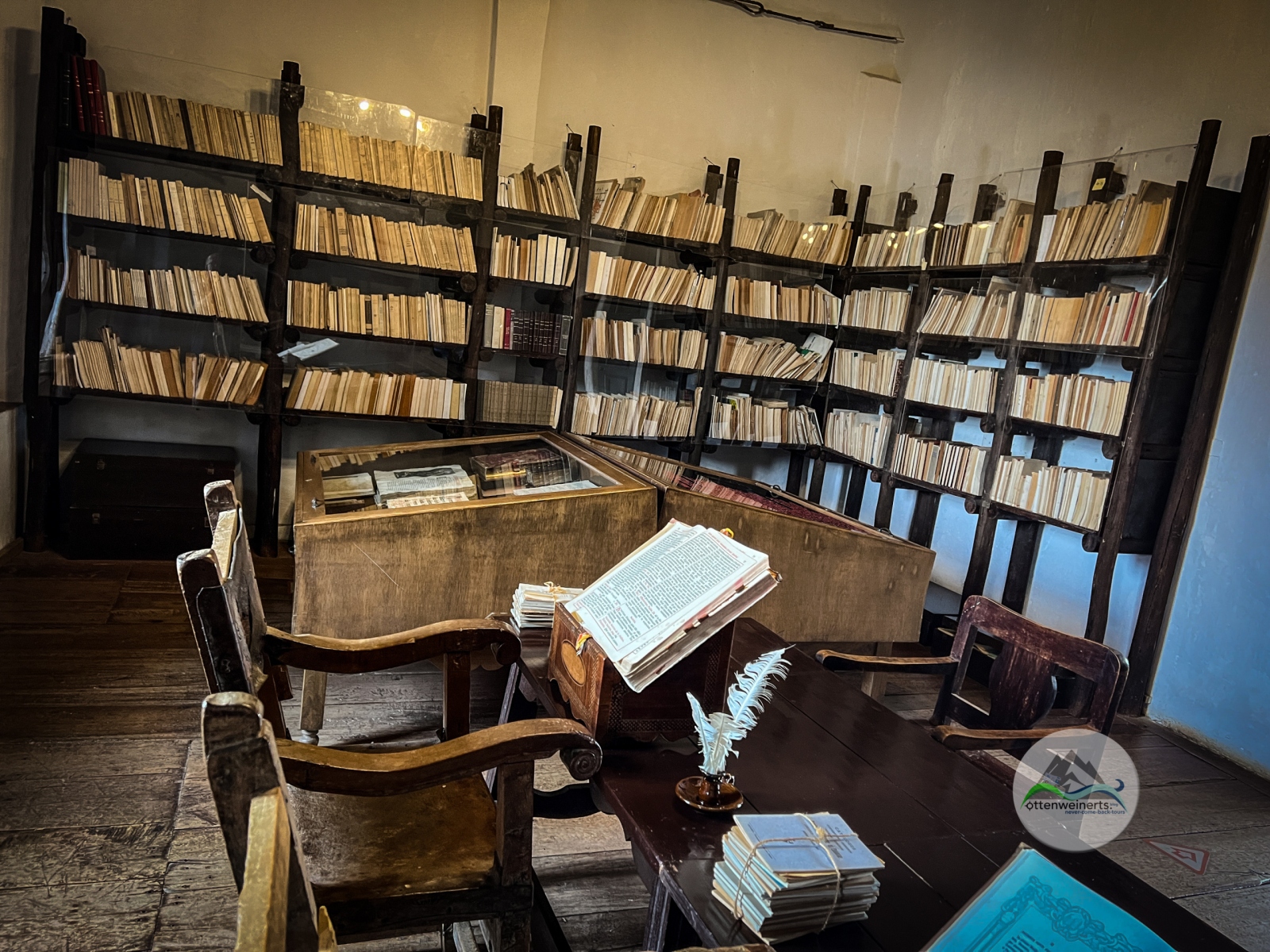
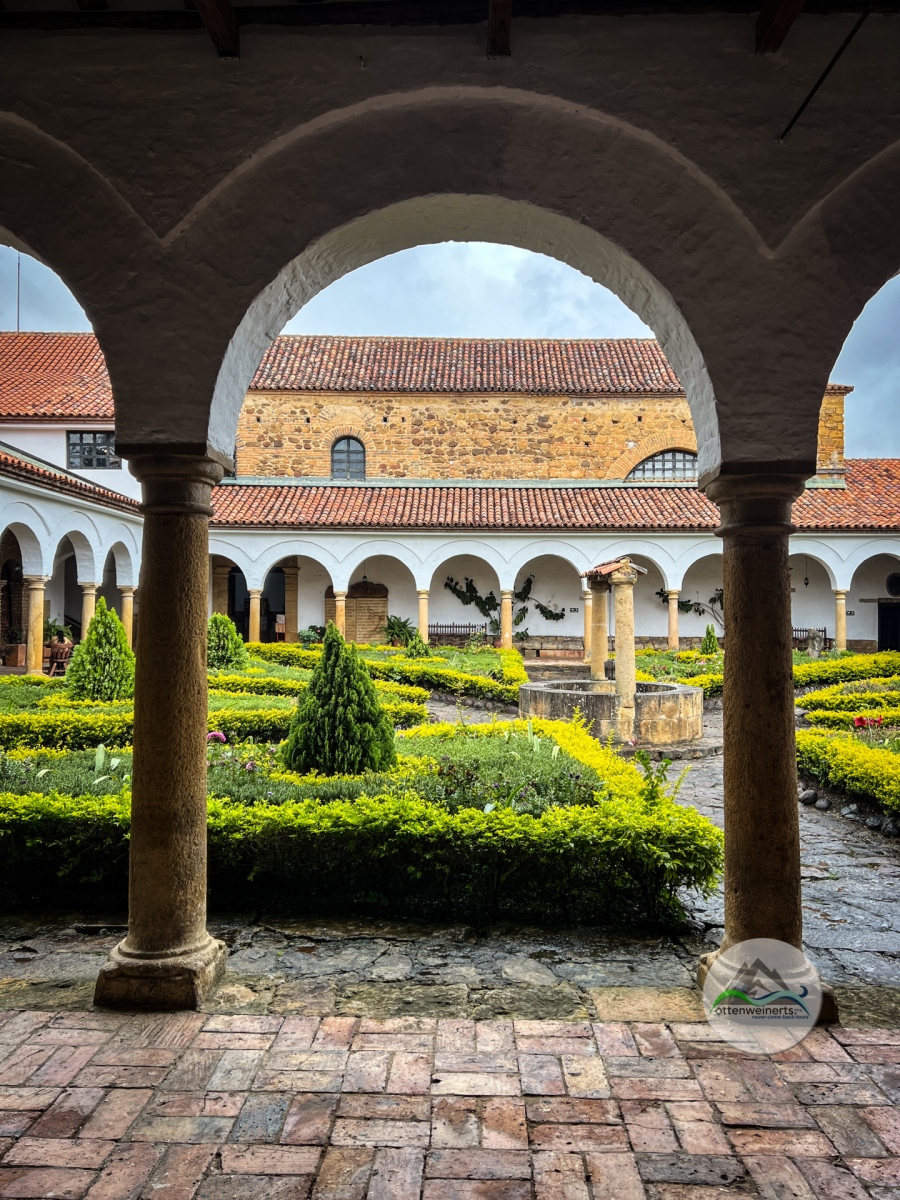
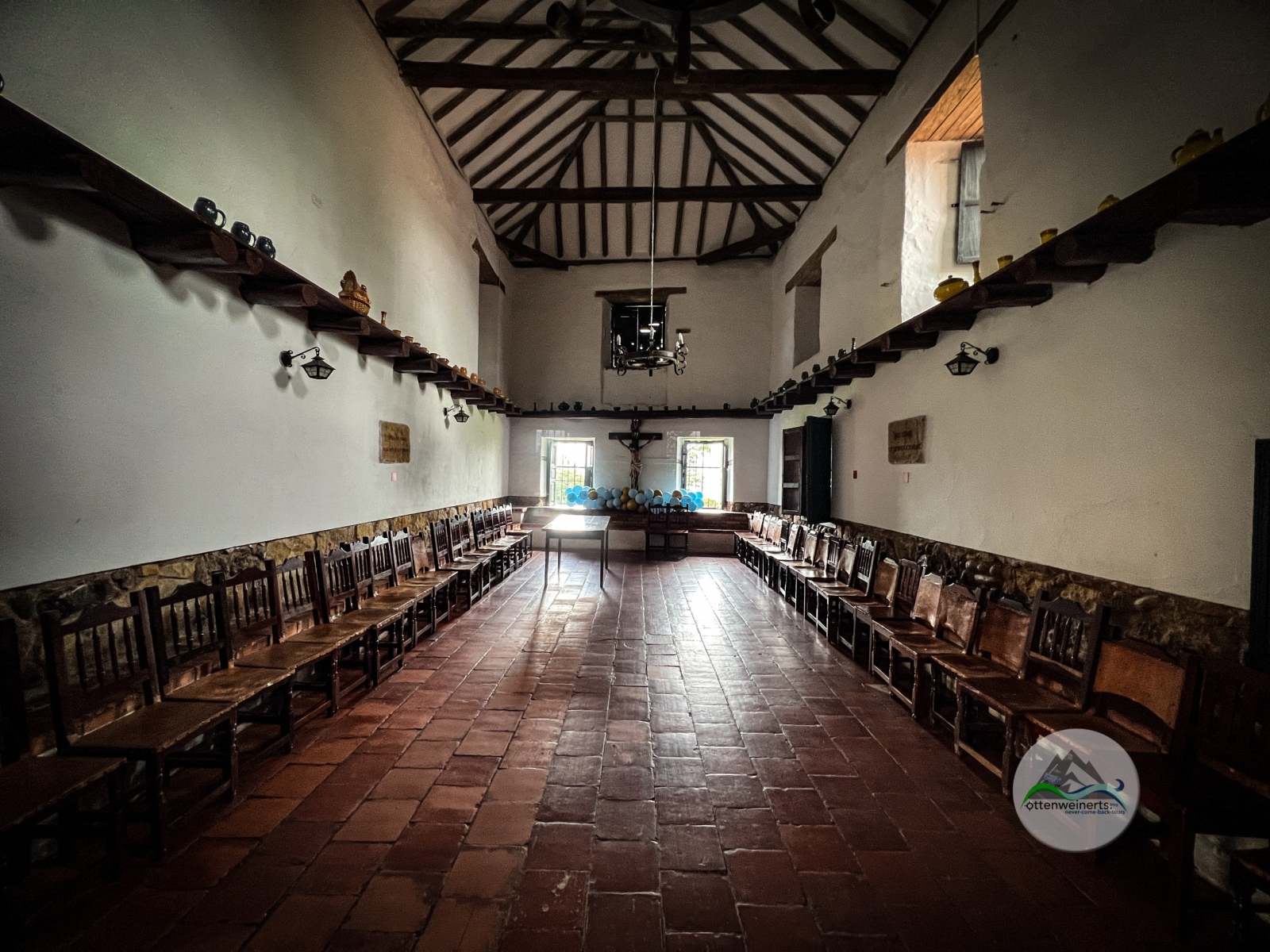
Fossilien, vor allem Ammoniten, finden sich auch im gepflasterten Innenhof des Convento del Santo Ecce Homo. Das Dominikanerkloster ist heute ein Museum, besonders sehenswert sind die Kapelle und die Ausstellung wertvoller liturgischer Roben. Und in der Bibliothek gibt ein Schild den Hinweis: wer Bücher beschädigt oder entwendet, wird exkommuniziert.
Anschließend geht es Richtung Süden; an der Carretera 55 finden wir bei Einbruch der Dunkelheit ein Plätzchen bei beinahe-Nachbarn: El Fresal wurde von einer nach dem Krieg emigrierten kroatischen Familie aufgebaut, die Erdbeerkuchen und anderen Süßigkeiten sind köstlich.
Day 194 – Villa de Leyva and Santa Sofia
After breakfast we say good-bye to Martha, Øvin and Black and drive to Villa de Leyva with its nice colonial (although somewhat touristified) center. The main plaza is named “Plaza Mayor”, not “Plaza Bolívar” as usual. The Museo del Carmen, part of the monastery, exhibits precious paintings, sculptures, books and other religious objects. The Museo de Louis Alberto Acuña is located in the house where the artist, one of the most influential Colombian painters, spent his last 15 years. The extensive collection shows paintings and sculptures from many decades, and also objects from his personal collection.
The whole area of Villa de Leyva, in prehistoric times under water, is a treasure trove for paleontologists. In Santa Sofia there is the “Centro de Investigaciones Paleontológicas“ with almost complete skeletons of Plesiosaurus, huge turtle fossils and the only tooth of a saber tooth tiger ever found in Colombia. On the other side of the street, in 1977, they found the skeleton of a Kronosaurus, the place is named “El Fósil”. The impressive skeleton was not removed, and a museum has been built around it.
Fossils, mostly ammonites, are also to be found in the paved inner court of the Convento del Santo Ecce Homo. The Dominican Monastery is a museum, the chapel and the exhibition of priceless liturgical robes are especially worth visiting. In the library we found the information: whoever damages or steals one of the precious books, will be excommunicated.
Then we continue south, and on Carretera 55 we find a spot for the night at the parking lot of almost-neighbors: El Fresal has been founded by a Croatian family who emigrated after WWII. The strawberry cakes and all the other sweet treats are fantastic.
Dìa 194 – Villa de Leyva y Santa Sofia
Después el desayuna nos despedimos de Martha, Øvin y Black y nos dirigimos a Villa de Leyva. La ciudad tiene un hermoso centro histórico colonial, aunque un poco turístico. La plaza central se llama solo “Plaza Mayor”, no “Plaza Bolívar” por un cambio. Visitamos el museo del arte religioso en el monasterio de las Carmelitas – pinturas, esculturas y preciosos libros. El Museo de Louis Alberto Acuña exhibe pinturas y esculturas del artista, y también objetos de su colección personal.
En toda la región de Villa de Leyva se puede encontrar muchas fósiles – el Centro de Investigaciones Paleontológicas en Santa Sofia exhibe un esqueleto completo de un Plesiosaurus, un gigante fósil de una tortuga y el único diente de un tigre dientes d sable encontrado en Colombia. En 1977 se ha encontrado el esqueleto casi complete de un Kronosaurus (solo falta la cola) y hoy hay un museo muy interesante aquí.
Después hemos visitado el Convento del Santo Ecce Homo – hay también fósiles en el patio, además una iglesia muy bonita, una exhibición de vestiduras litúrgicas y una biblioteca. Cualquiera persona que quita o daña un de los libros, está amenazado con la excomunión.
Luego continuamos al sur; en la Carretera 55 encontramos un lugar para pasar la noche en el estacionamiento de casi vecinos: “El Fresal” ha sido fundado por una familia croata que emigró después de la Segunda Guerra Mundial. Los pasteles de fresa y todos los demás dulces son fantásticos.