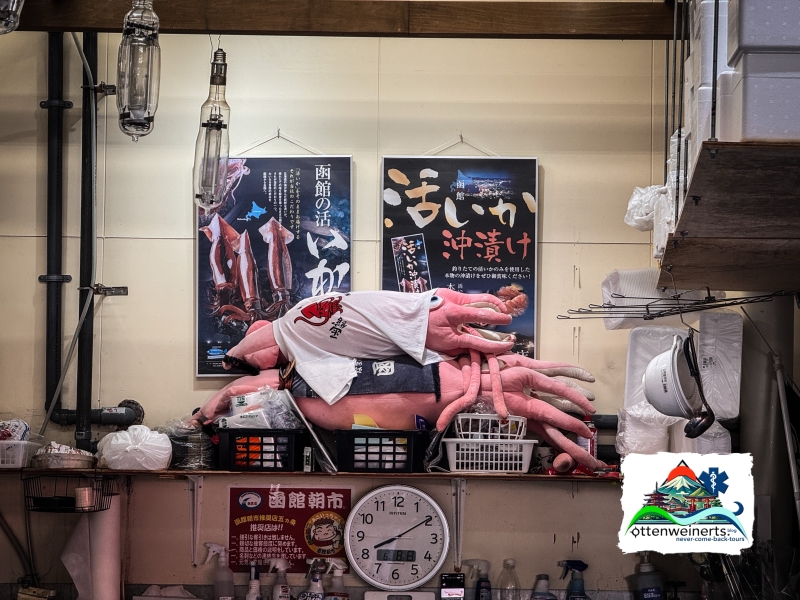
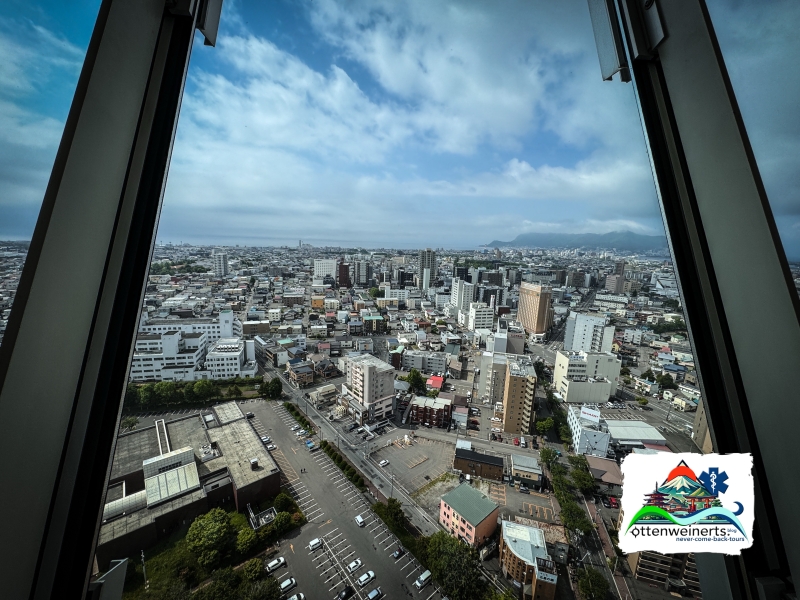
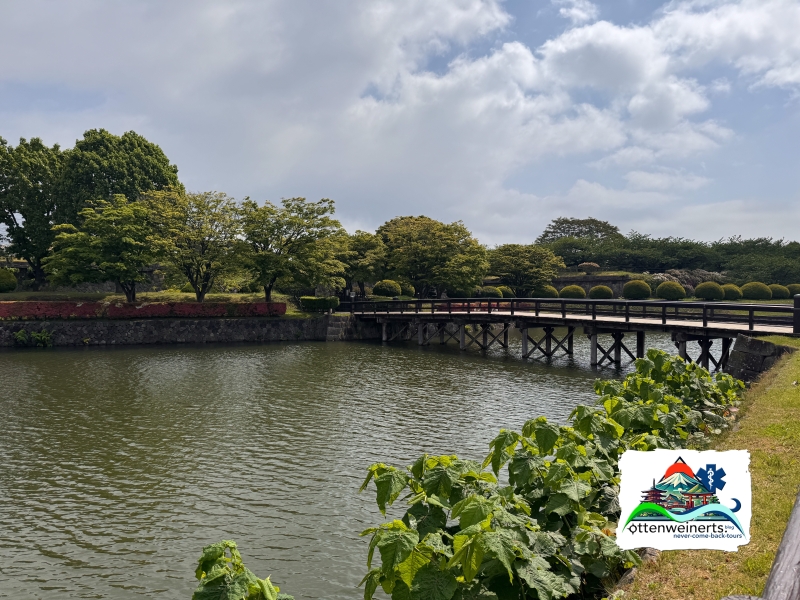
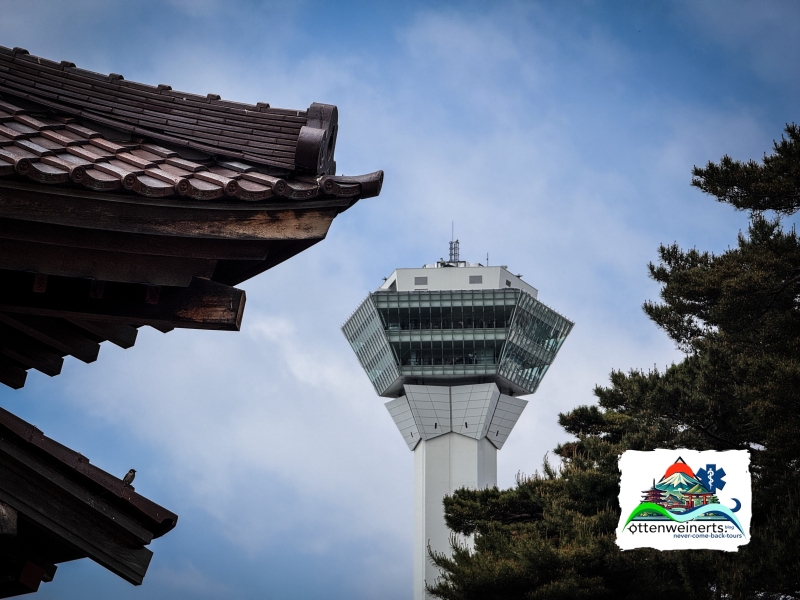
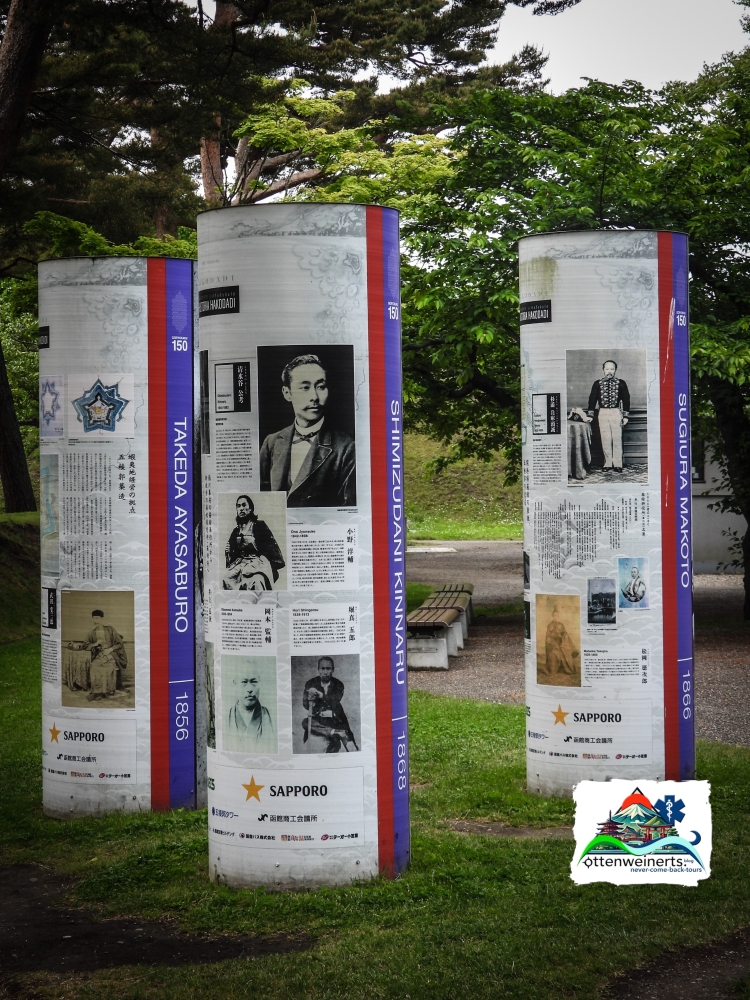
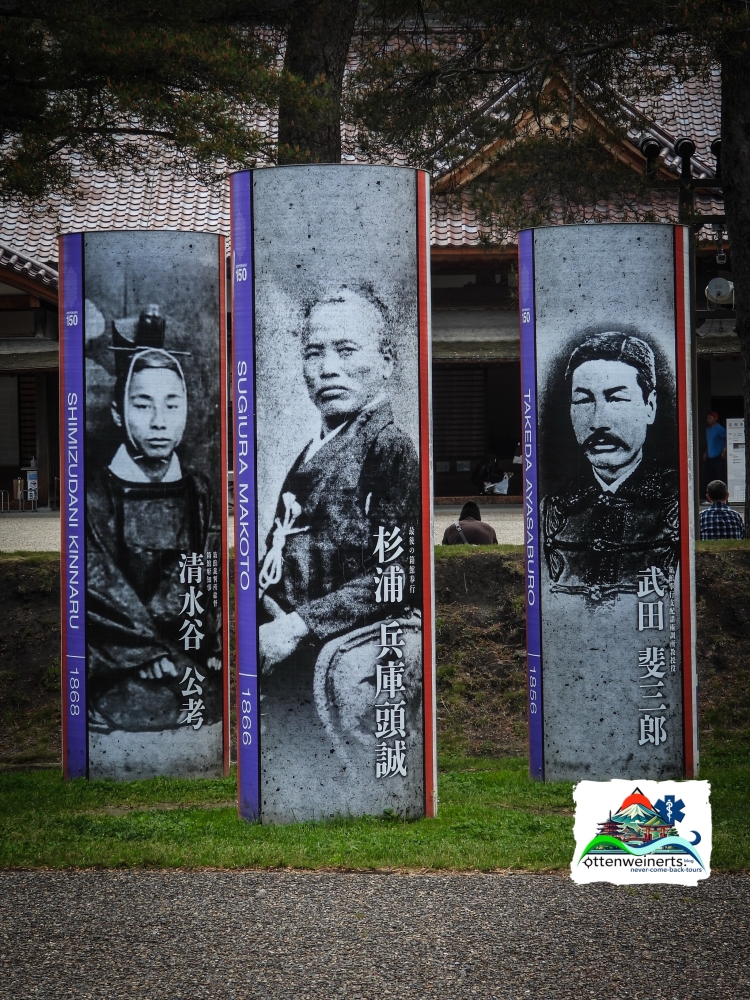
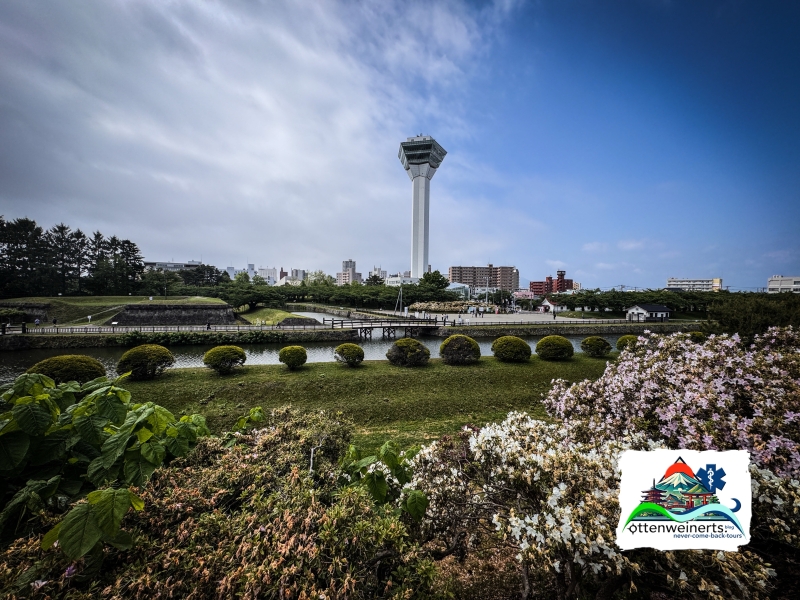
Nach einem kurzen Besuch am Morning Market (frischer Fisch, Obst und Gemüse sowie Souvenirs sind im Angebot) fahren wir zum Goryokaku Tower, der von der Aussichtsplattform auf 100 m einen tollen Blick auf die Stadt bietet, und damit auch auf die außergewöhnliche fünfeckige Anlage der ehemaligen Festung, heute ein Park. Hier haben sich auch außergewöhnliche Ereignisse abgespielt: nach der Meji-Restauration 1868 wollten einige Samurai das Ende des Shogunats und die Öffnung Japans nicht so einfach hinnehmen. Man zog sich nach Hokkaido zurück, sagte sich vom Kaiserreich los und gründete hier die Republik Ezo. Der Traum von Demokratie währte gerade mal ein halbes Jahr, dann mußten sich die Rebellen ergeben – aber diesmal wurde das Potential des Anführers erkannt – anstatt ihn zu hinzurichten, machte man ihn zum Minister. Auch eine Lösung. Auf den Besuch des restaurierten Gebäudes im Park verzichten wir – ziemlich sicher leere Räume mit Tatami-Matten. Und Schuhe ausziehen.
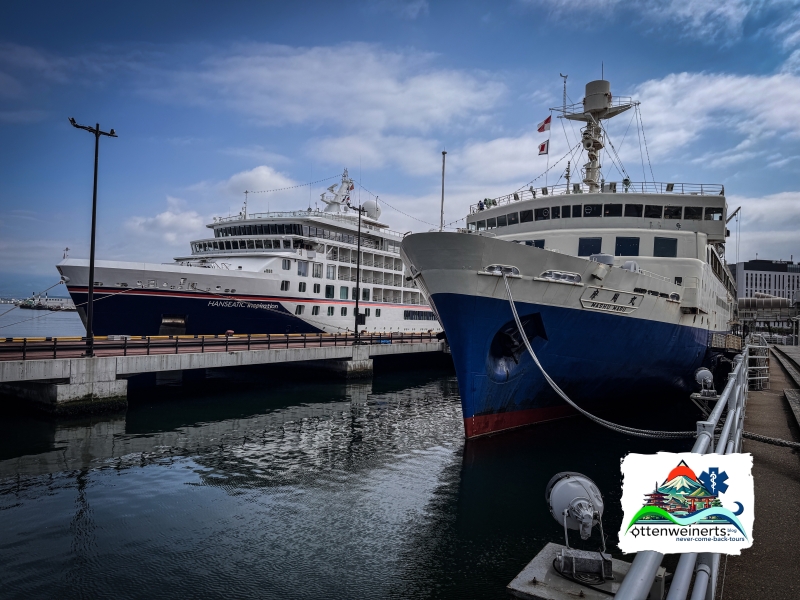
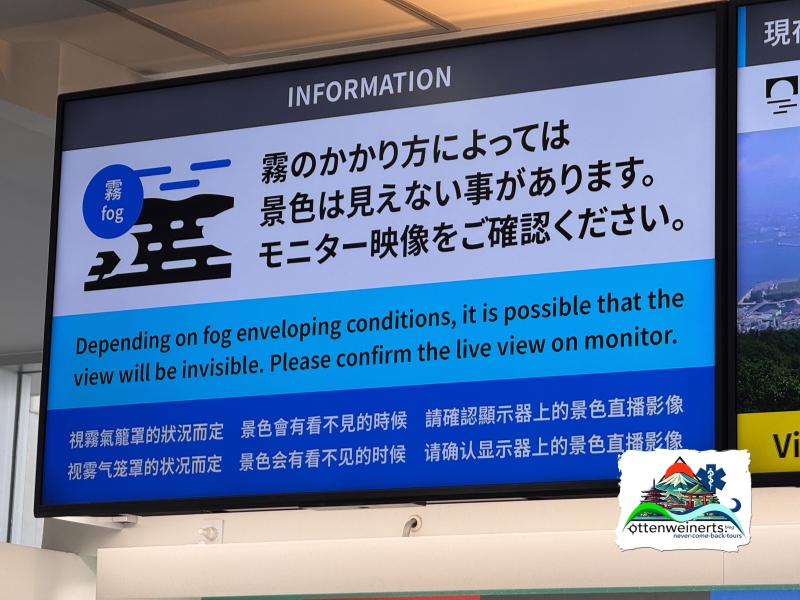
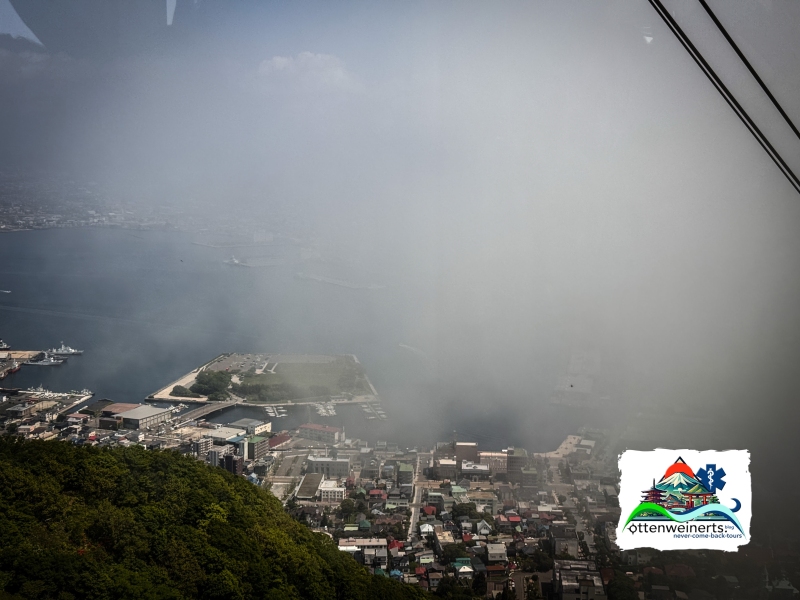
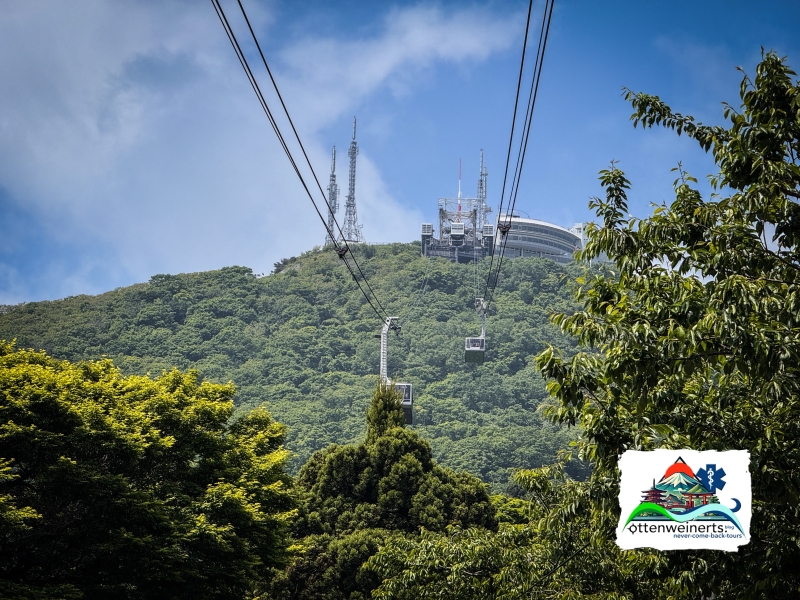
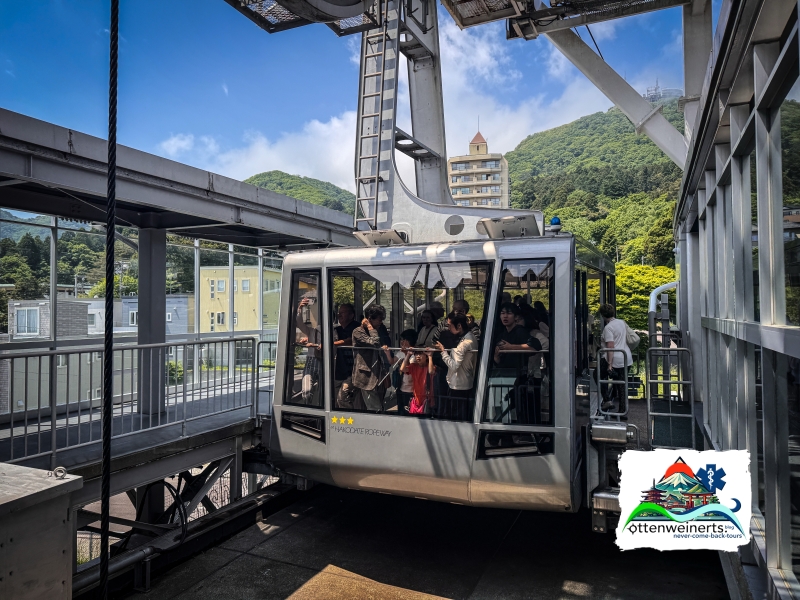
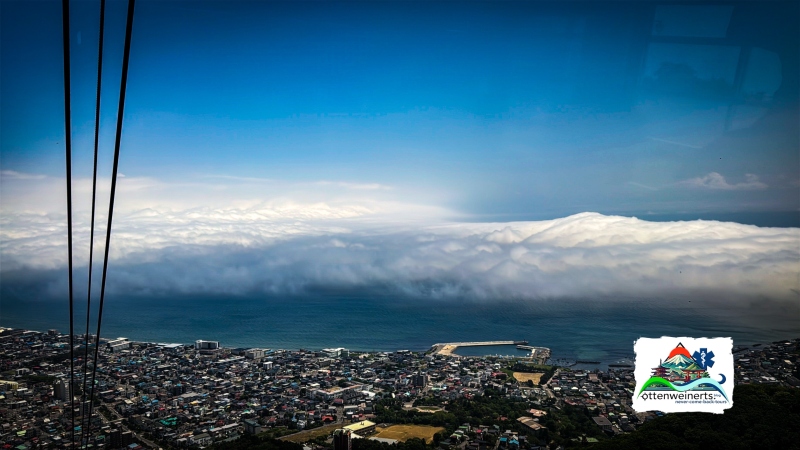
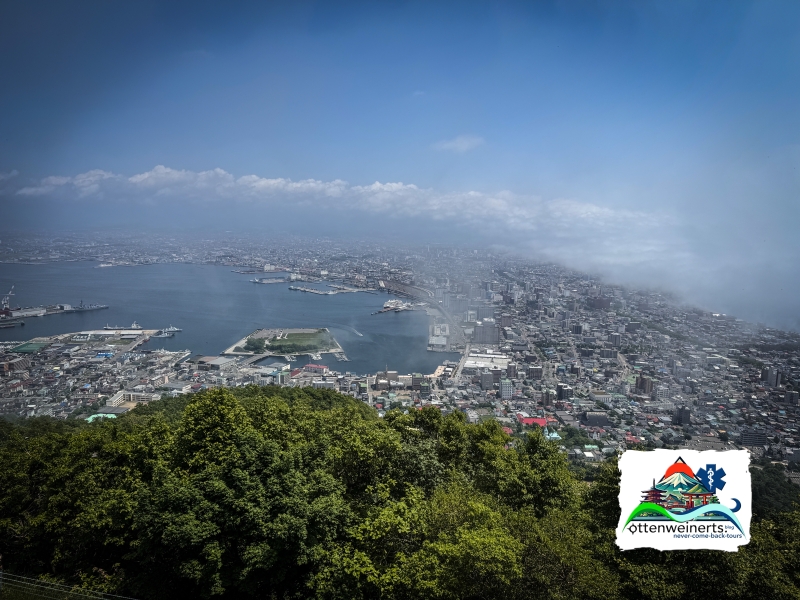
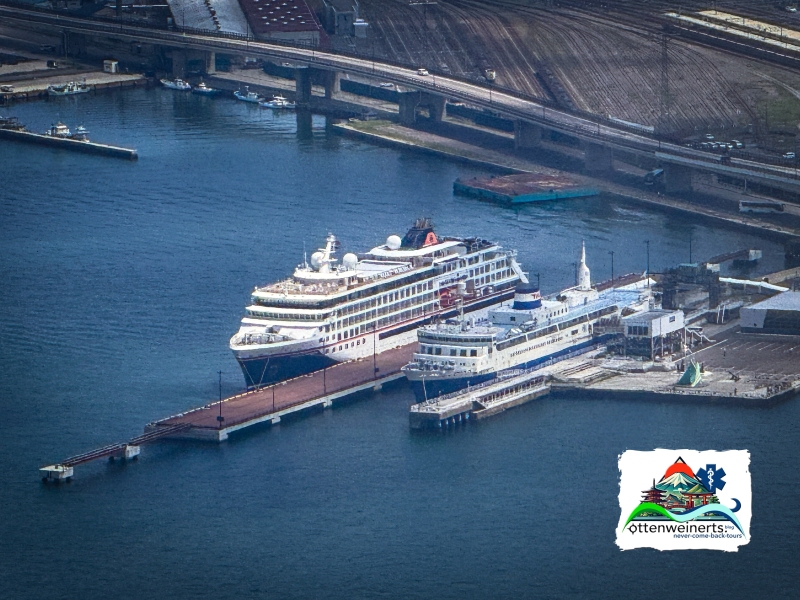
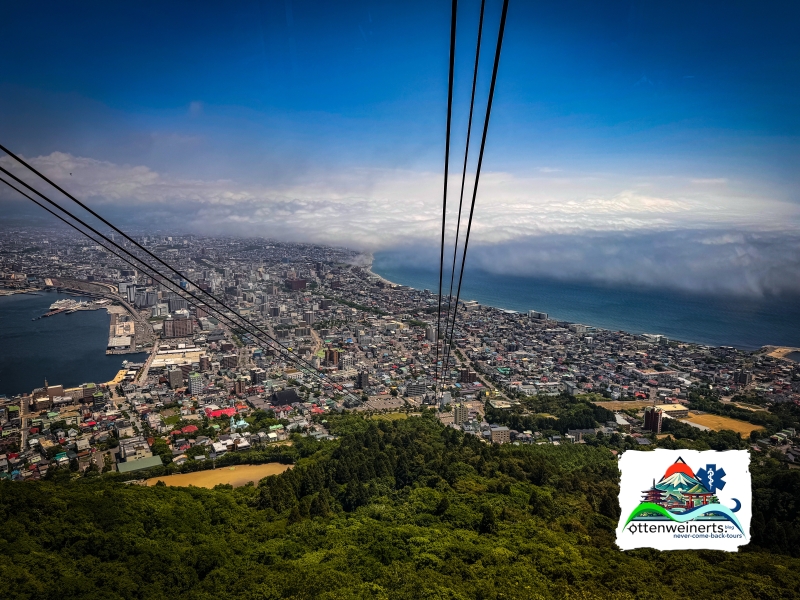
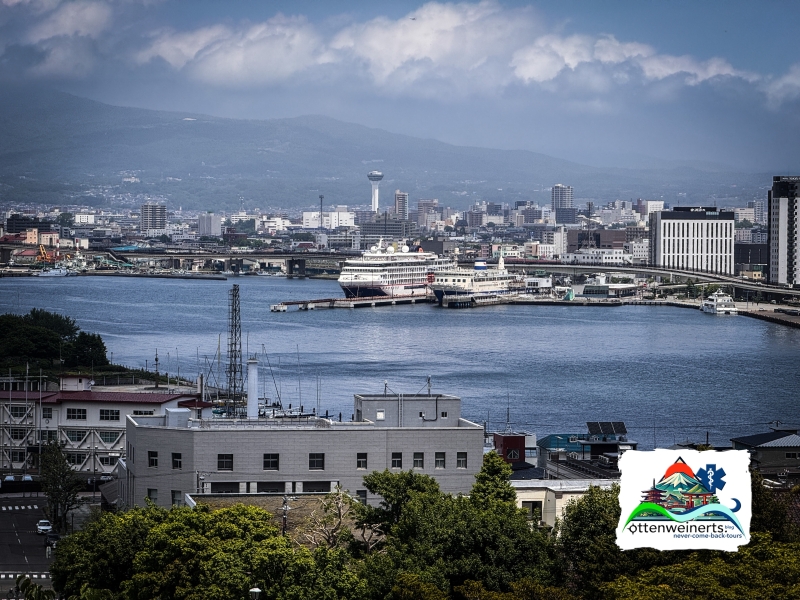
Dann geht es mit der Gondelbahn auf den Mt. Hakodate mit seinen stolzen 350 m. Nebelschwaden ziehen umher, manchmal sieht man die Stadt, den Goryokaku Turm und auch unser Schiff im Hafen, dann wieder nicht. Aber der Besucher wird ja bereits am Eingang vorgewarnt – „es ist möglich, dass die Aussicht unsichtbar ist“.
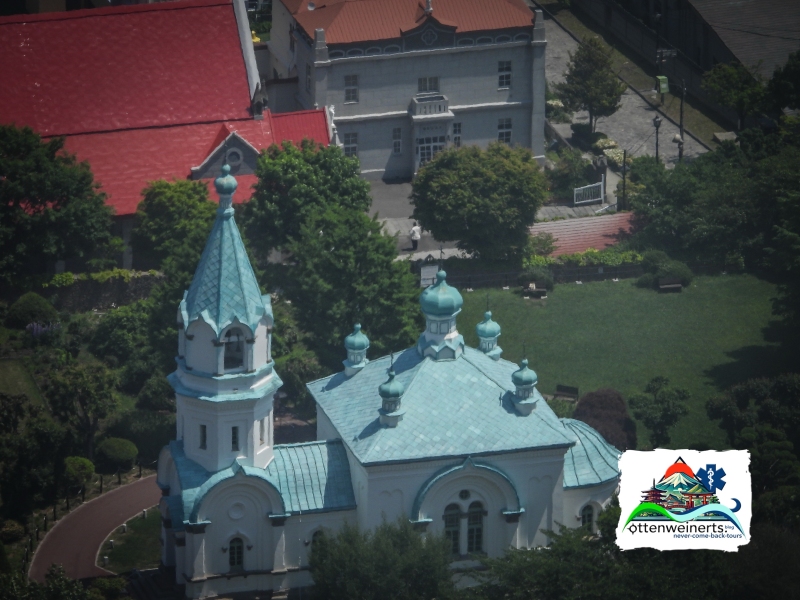
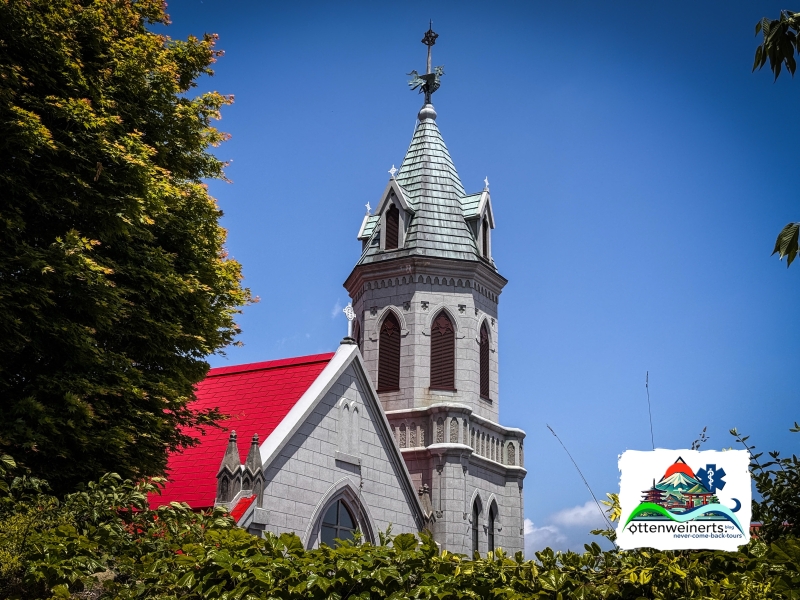
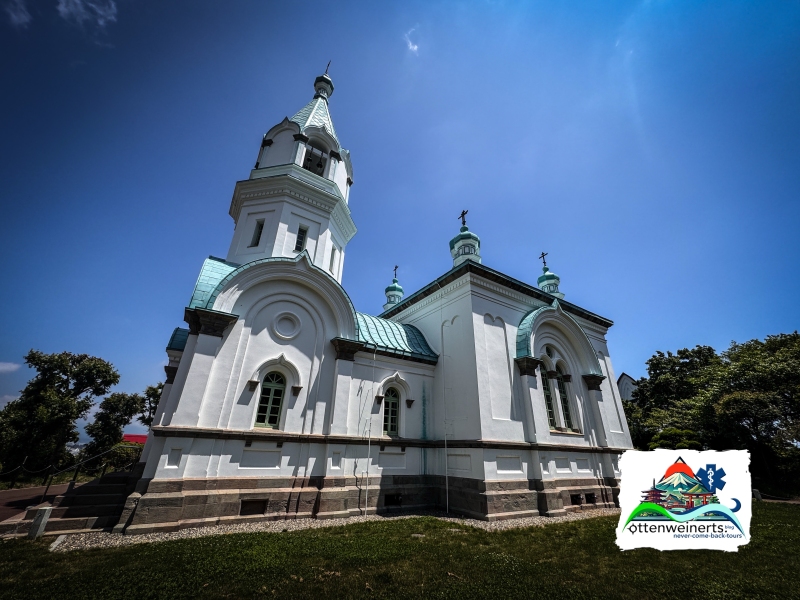
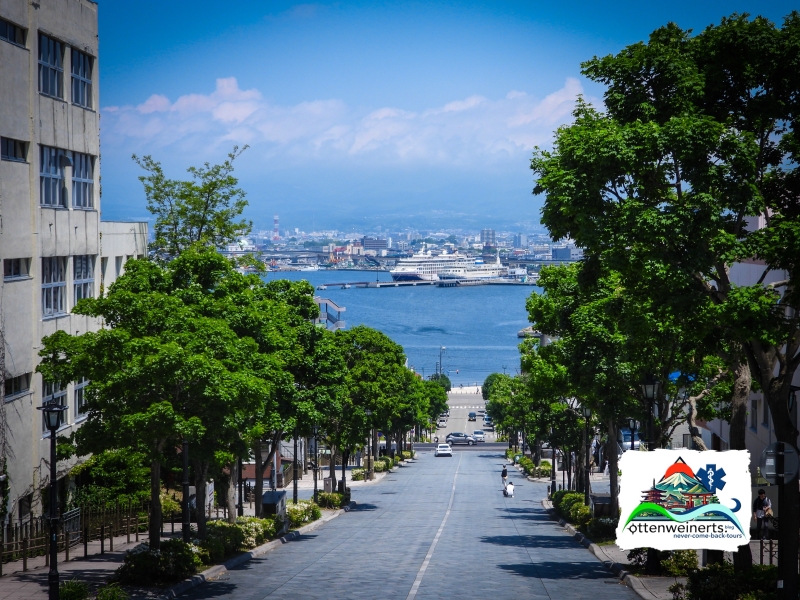
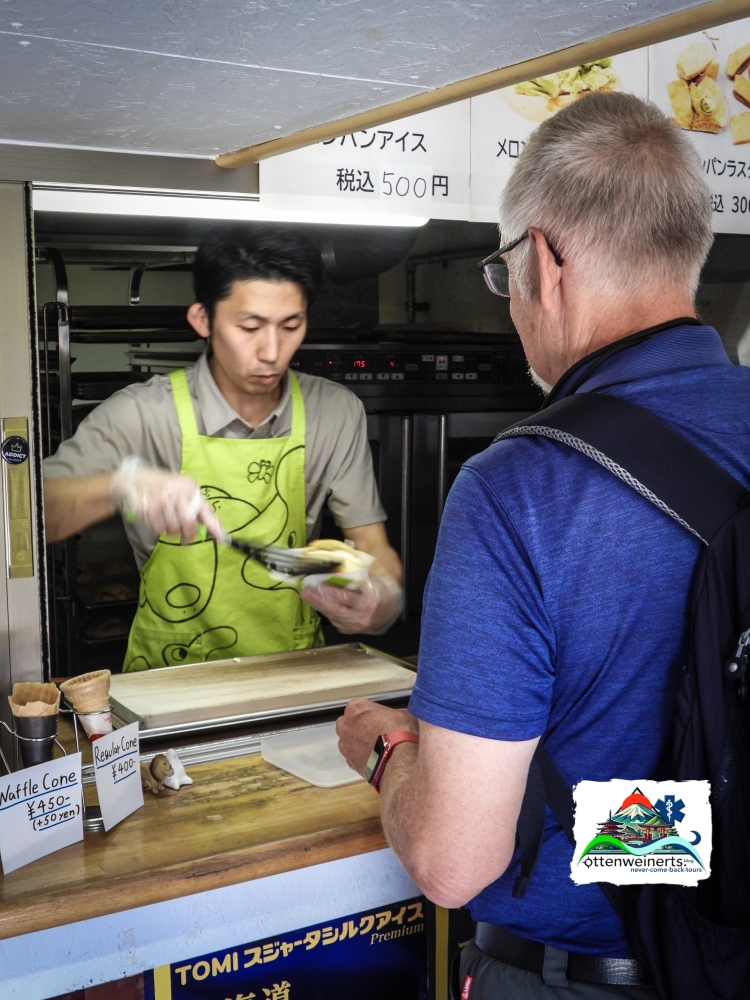
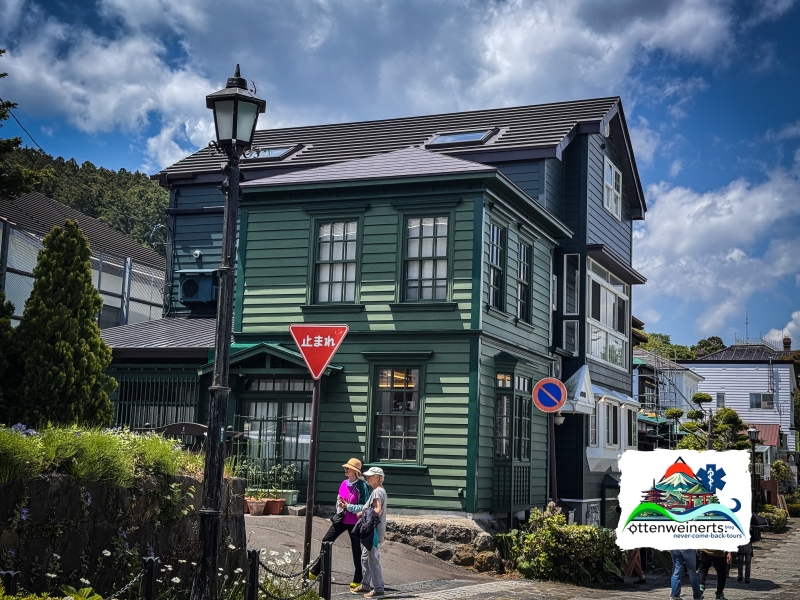
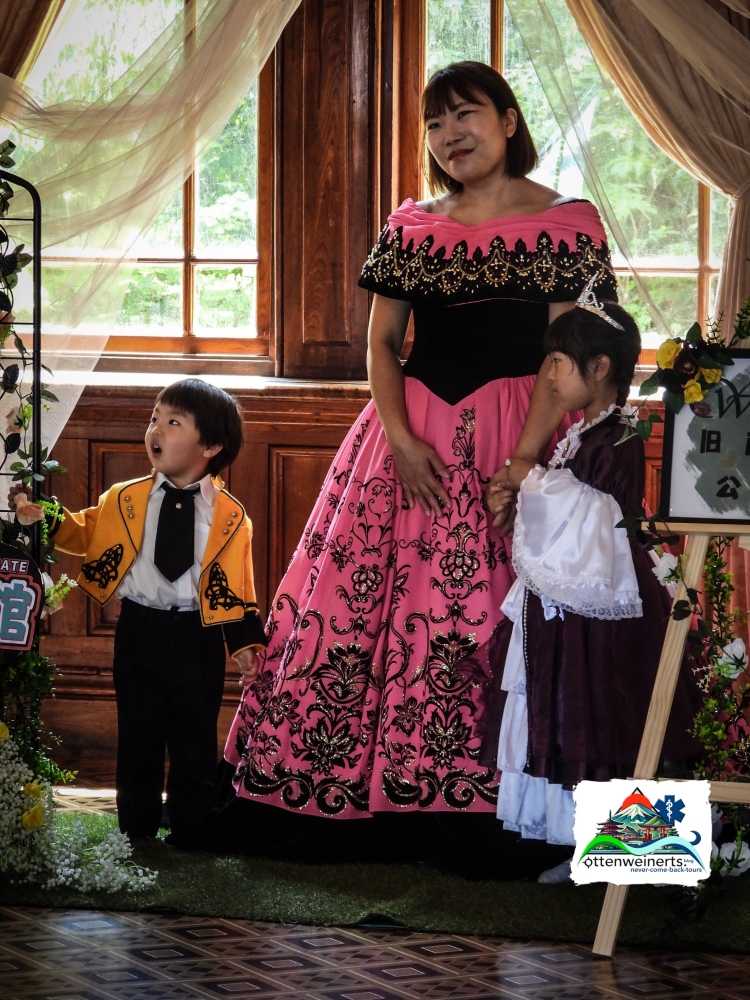
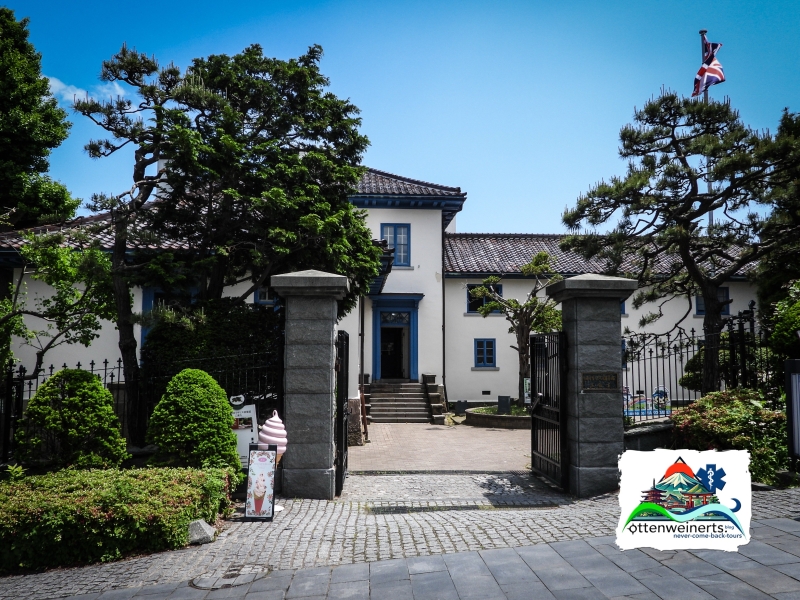
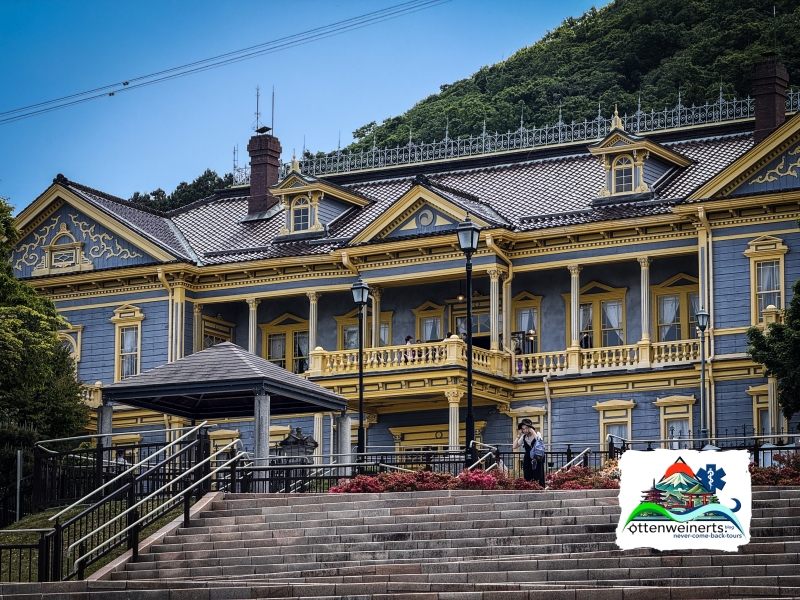
Die Gondelbahn bringt uns wieder hinunter, und wir spazieren durch das völlig atypische Motomachi Viertel – richtig exotisch für japanische Verhältnisse, wir finden zum Beispiel eine evangelische und eine russisch-orthodoxe Kirche. Dazwischen so lustige Angebote wie Tintenfisch-Tinteneis (nein, haben wir nicht probiert – ich erinnere mich immer noch mit Schaudern an das Hummer-Eis in Maine, USA, 2022) und das „zweitbeste Eiscreme- Melonenbrot der Welt“ (und ja, das war gut). Und die Krönung war dann das alte Rathaus, ein Traum in blau-gold, innen mit Möbeln, ohne Tatami-Matten, aber trotzdem mit Schuhe ausziehen. Am alten Britischen Konsulat und der Statue von Matthew Perry vorbei geht es zurück zum Bus und zum Schiff, um 13:00 Uhr laufen wir aus, Richtung Otaru.
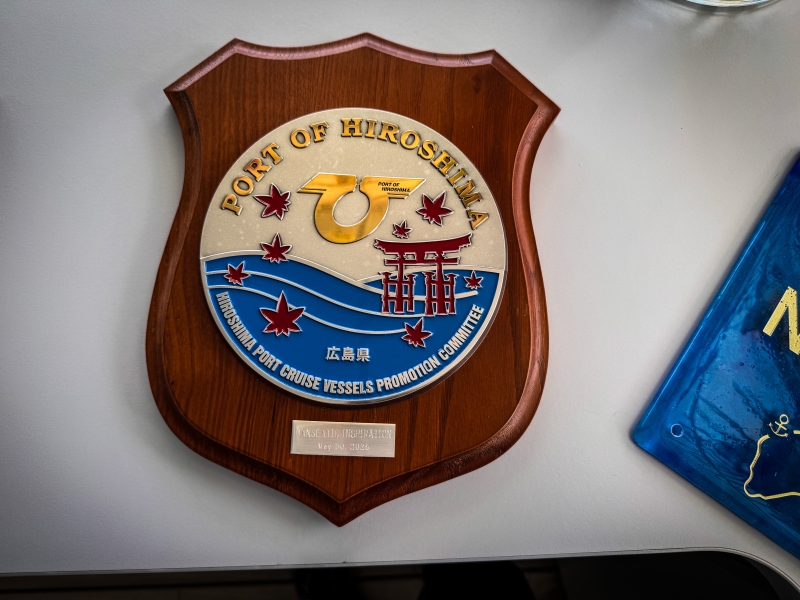
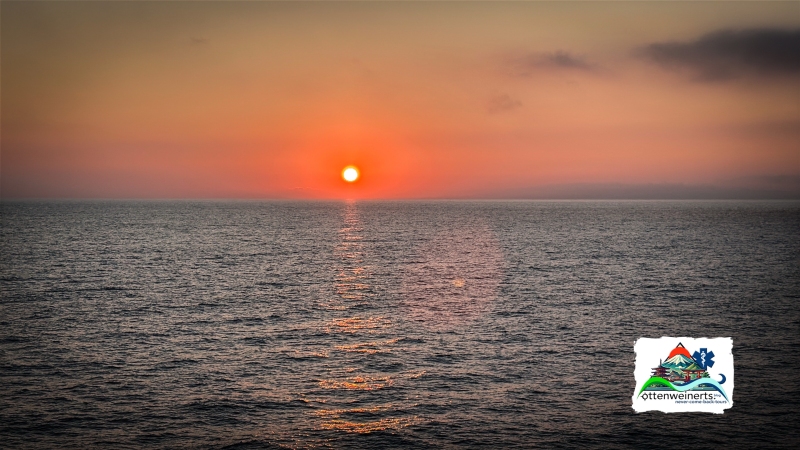
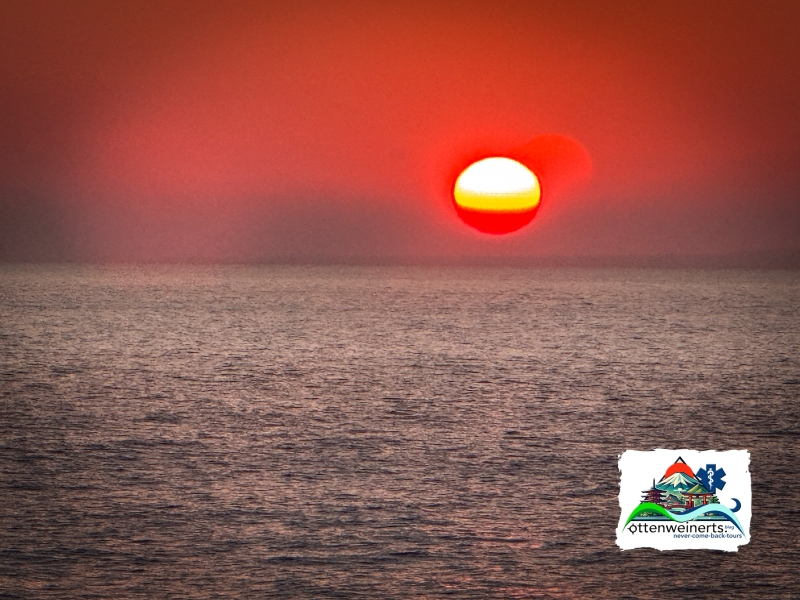
Auf der Brücke siehts aus wie in einem Blumenladen, neben den Vasen liegen die Plaketten der insgesamt 16 Häfen aufgereiht, die die Hanseatic Inspiration auf dieser Kreuzfahrt zum allerersten Mal angelaufen hat. Wir packen das letzte Gepäckstück, machen Abschiedsfotos mit Rezeptionist Philipp, Sous-Chef Gregor aus dem Waldviertel und Pasta-Spezialist Hristo aus Bulgarien und schreiben für das Kuvert mit dem Trinkgeld für die Crew „Danke“ in 18 verschiedenen Sprachen. Ein malerischer Sonnenuntergang beschließt den letzten Tag am Schiff.
Day 38 – Cruise Day 18 – Sunday, June 8 – Hakodate, the Final Shore Excursion –
After a brief visit to the Morning Market (offering fresh fish, fruits and vegetables, as well as souvenirs), we head to the Goryokaku Tower, which provides a fantastic view of the city from its 100-meter-high observation deck—including a clear look at the unique star-shaped layout of the former fortress, now a park.
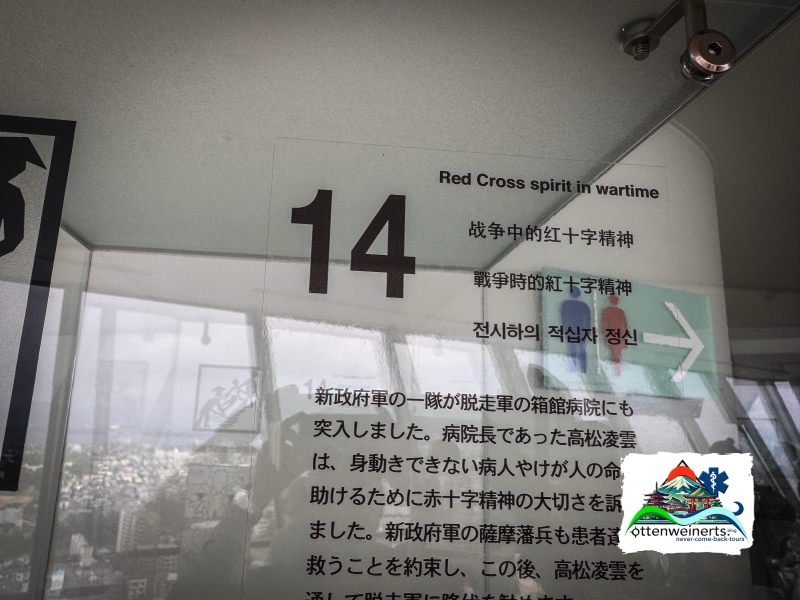
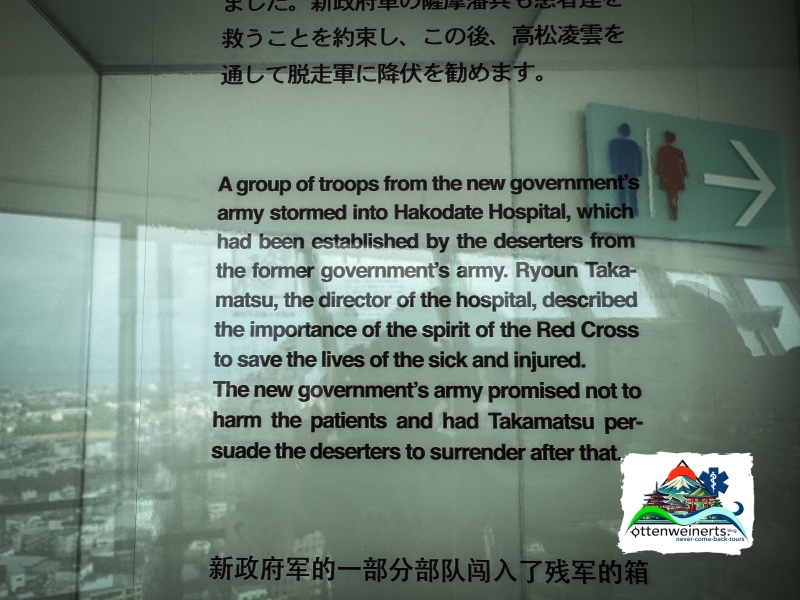
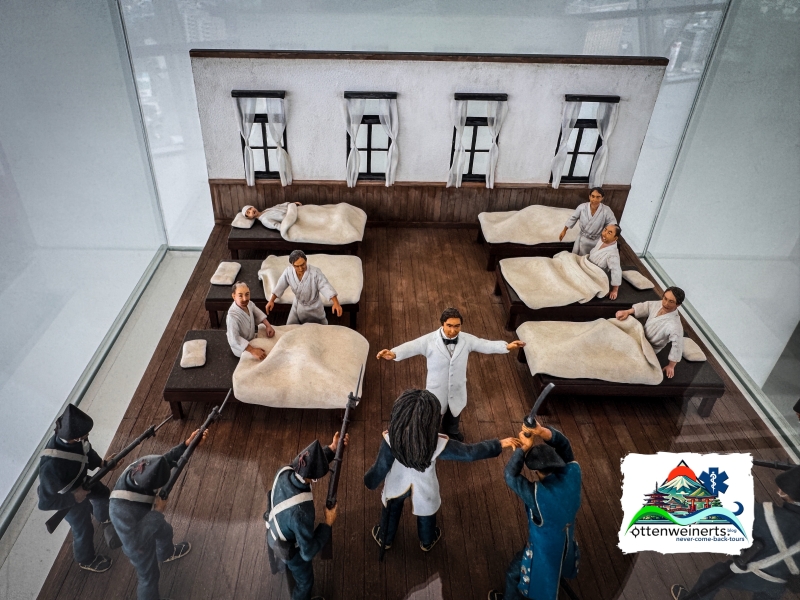
Some remarkable events unfolded here: after the Meiji Restoration in 1868, some samurai weren’t ready to accept the end of the shogunate and the opening of Japan. They retreated to Hokkaido, declared independence from the empire, and founded the Republic of Ezo. The dream of democracy lasted just half a year before the rebels were forced to surrender. But this time, the potential of their leader was recognized—rather than executing him, they appointed him a minister. We skip visiting the restored building in the park—most likely just empty rooms with tatami mats. And shoes off, of course.
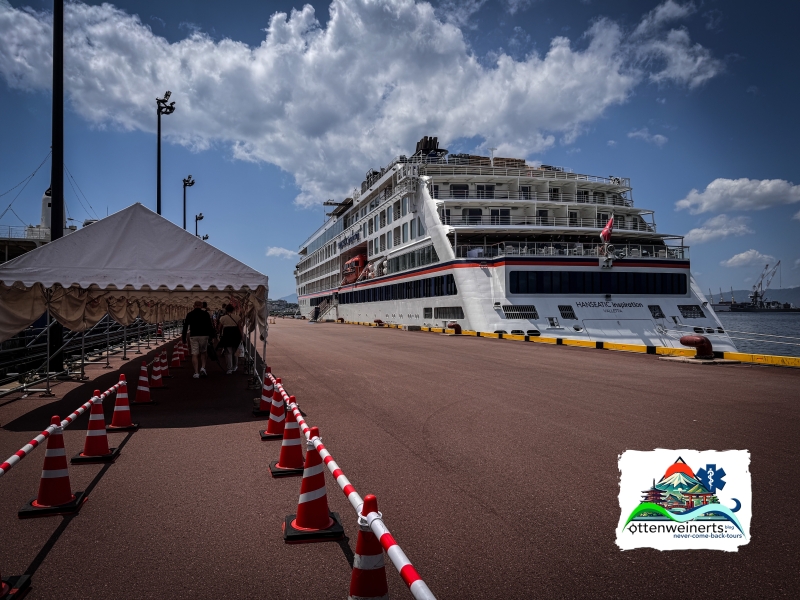
Next, we take the cable car up Mt. Hakodate, a proud 350 meters high. Wisps of fog are swirling around; sometimes you can see the city, the Goryokaku Tower, and even our ship in the harbor—sometimes not. But visitors are warned right at the entrance: “It is possible that the view will be invisible.”
The cable car brings us back down, and we stroll through the very atypical Motomachi district—genuinely exotic by Japanese standards. For example, we find both a Protestant and a Russian Orthodox church. Along the way, we encounter quirky offerings like squid-ink ice cream (no, we didn’t try it—I still shudder at the memory of lobster ice cream in Maine, USA, 2022), and “the second-best ice cream melon bread in the world” (yes, that one was good). The crowning highlight was the old town hall, a dream in blue and gold, with furniture inside, no tatami mats—but still: shoes off.
We pass the old British Consulate and the statue of Matthew Perry on our way back to the bus and the ship. At 1:00 p.m., we set sail toward Otaru, our final destination. The ship’s bridge looks like a flower shop; alongside the vases, the plaques of all 16 maiden ports of call for the Hanseatic Inspiration on this cruise are lined up. We pack the final suitcase, take farewell photos with receptionist Philipp, sous-chef Gregor from the Waldviertel, and pasta specialist Hristo from Bulgaria, and write “Thank you” in 18 different languages on the envelope for the crew’s tip. A picturesque sunset closes our final day on the ship.