Dienstag/Tuesday, September 20, 2022
Tag 156 – Steinschnitzereien, ein Gefängnis und ein Vulkan
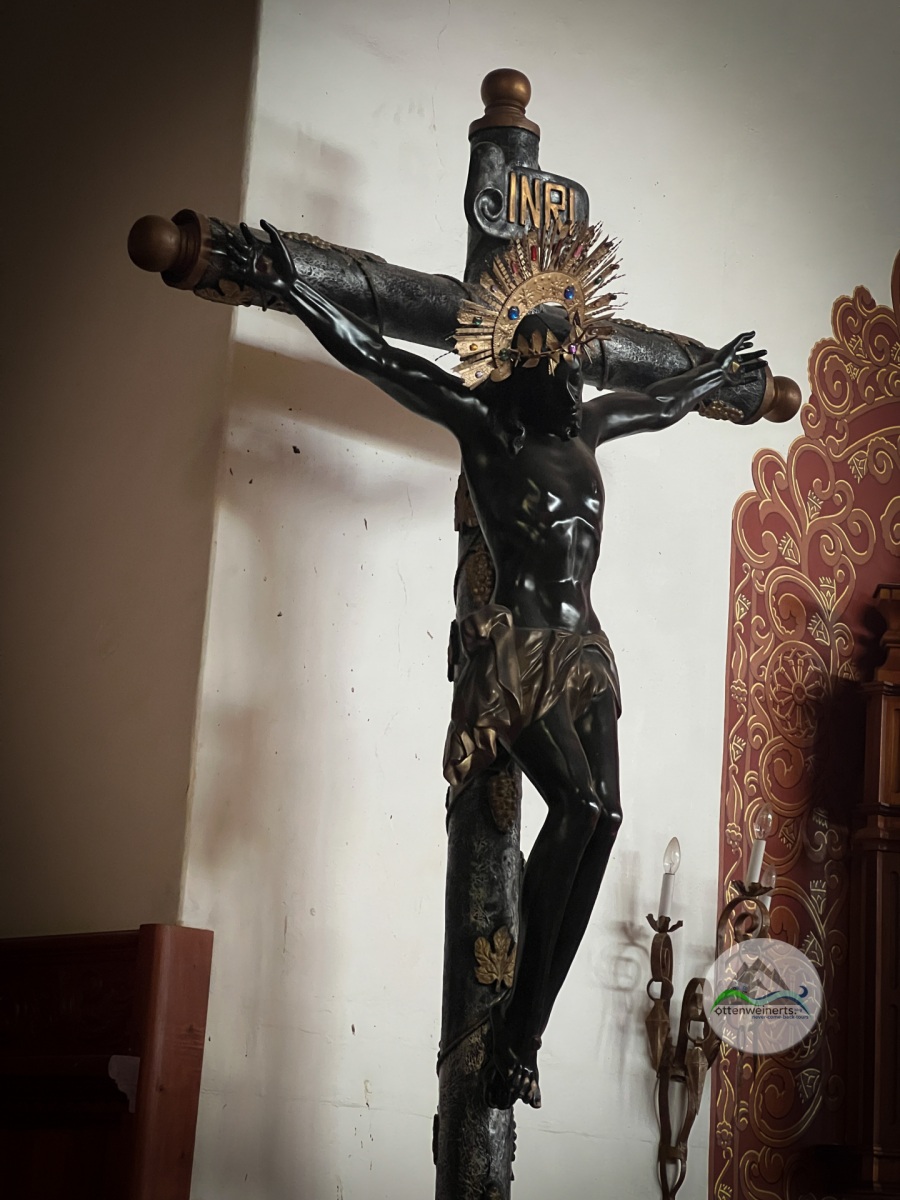
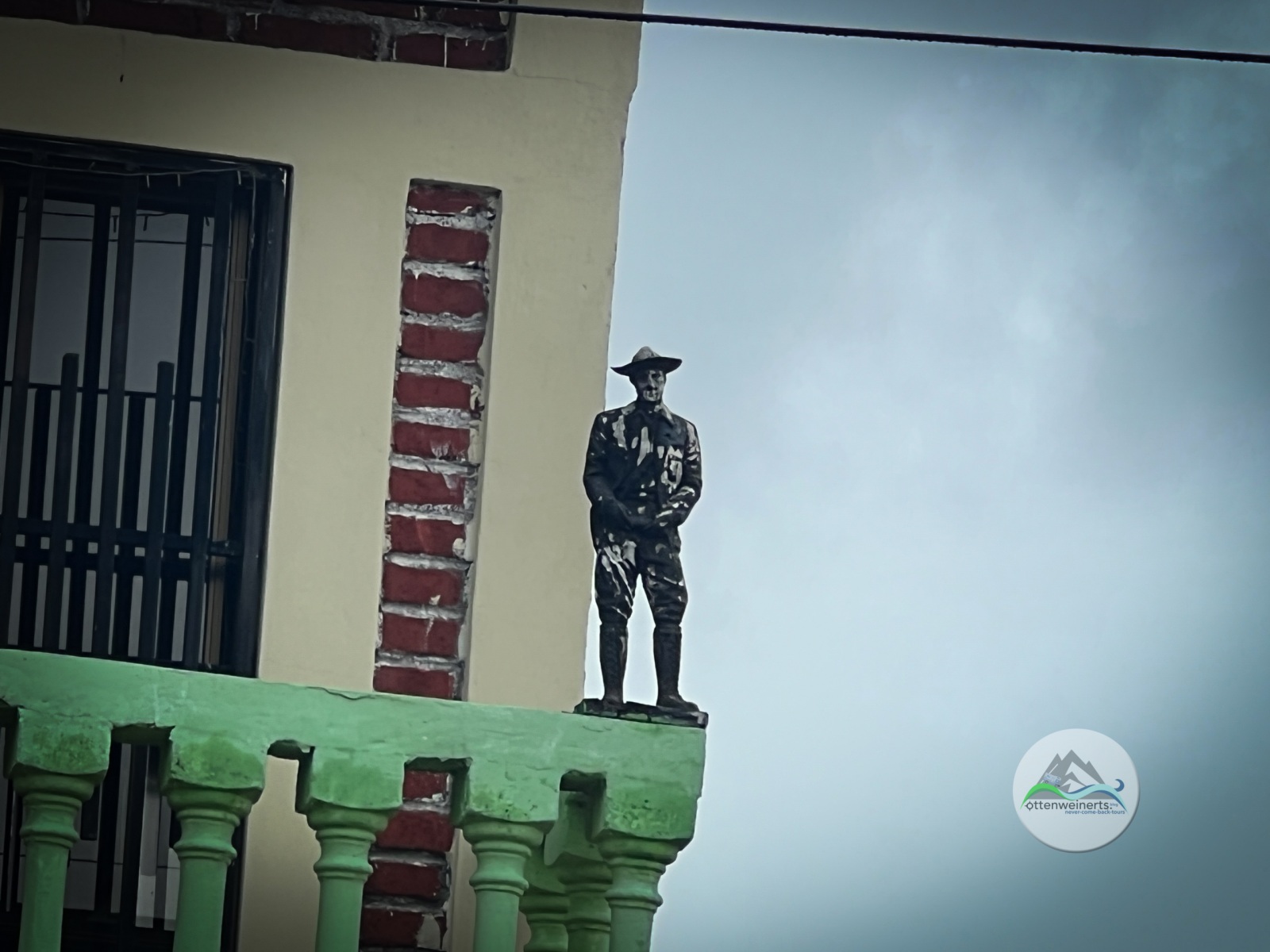
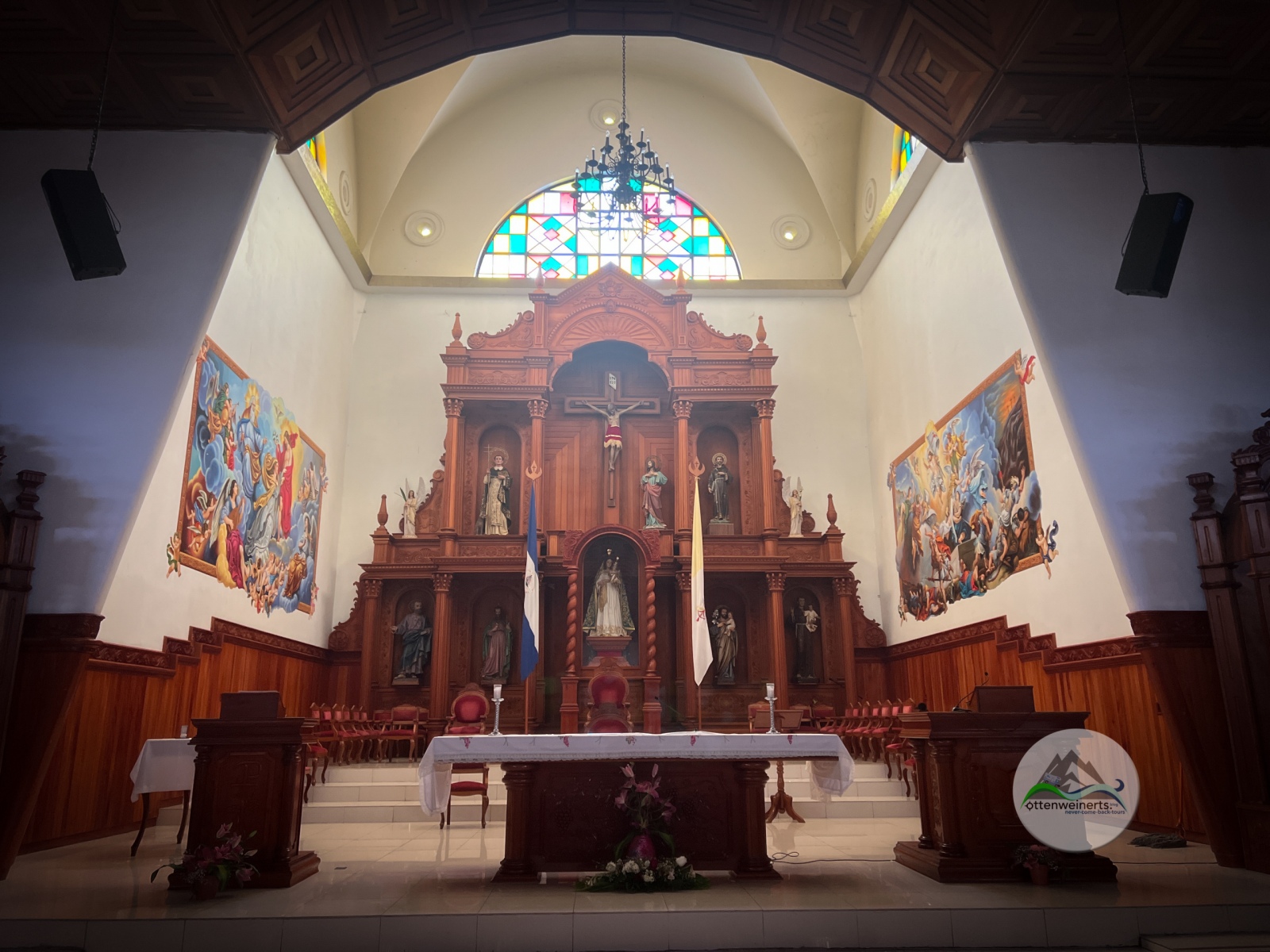
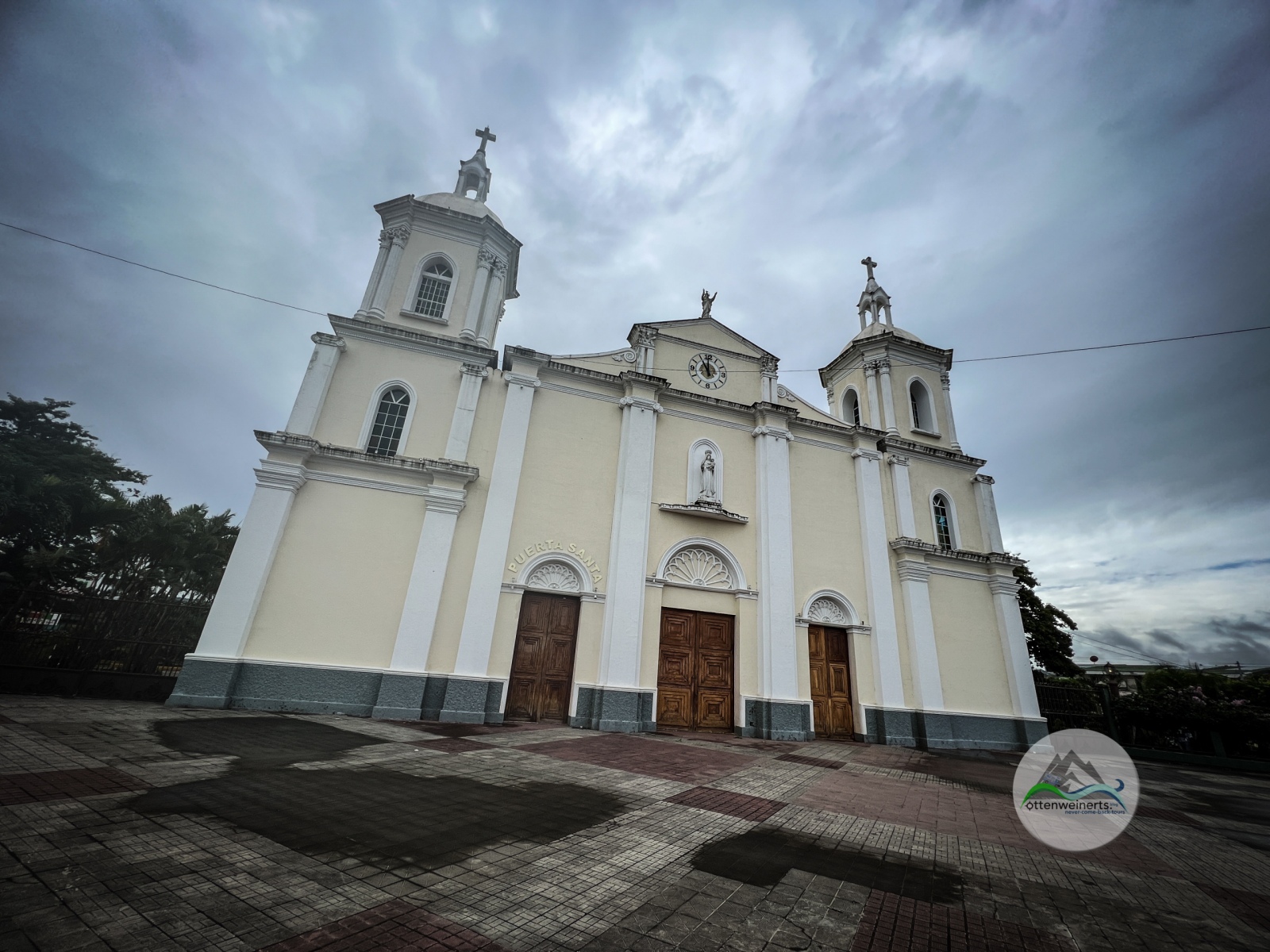
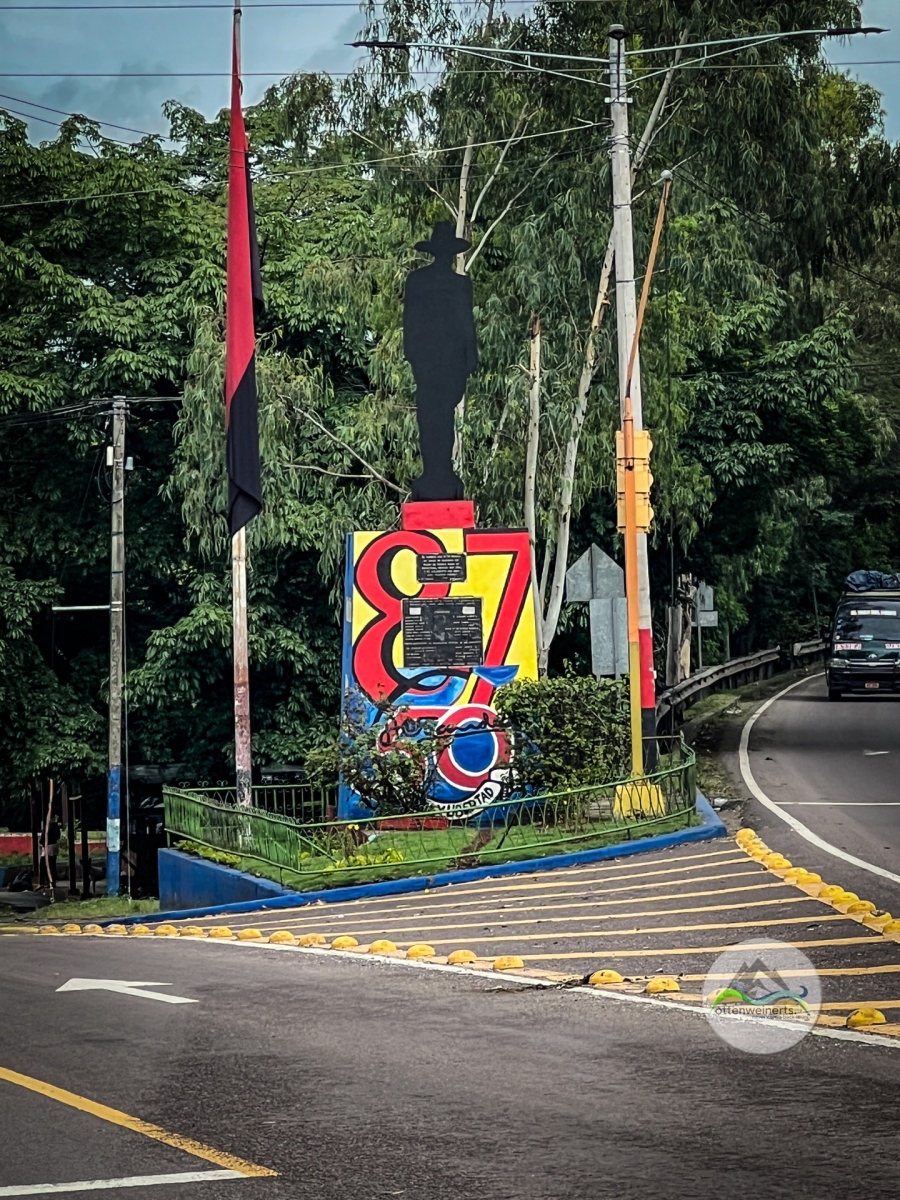
Heute früh ist die ersehnte email da – unser Krasses Pferd ist für das Schiff am 7. Oktober von Colón, Panama, nach Cartagena, Kolumbien, gebucht, allerdings müssen wir bereits am 30.9. in Panama City sein für die Fahrzeuginspektion und dann am 3.10. schon in Colón. Das wirft jetzt unsere aktuelle Planung komplett über den Haufen – wir müssen ja auch noch Inspektion und Service in San José, Costa Rica, machen lassen. Also streichen wir schweren Herzens die geplanten Besuche von Kaffee-Plantage und Zigarrenfabrik hier im Norden und beschränken uns auf einen kurzen Besuch im Stadtzentrum von Estelí; die Silhouette von Augusto Sandino ist hier überall präsent. Die Basilika de Nuestra Señora del Rosario am Hauptplatz beherbergt einen schwarzen Christus am Kreuz und die Virgen del Rosario, die eigentlich nach León gebracht werden sollte, aber durch einen Irrtum in Estelí landete und hier blieb, daher wurde die Kirche ihr geweiht. Besonders schön ist auch der Kreuzweg, mit Holzschnitzereien und Malereien.
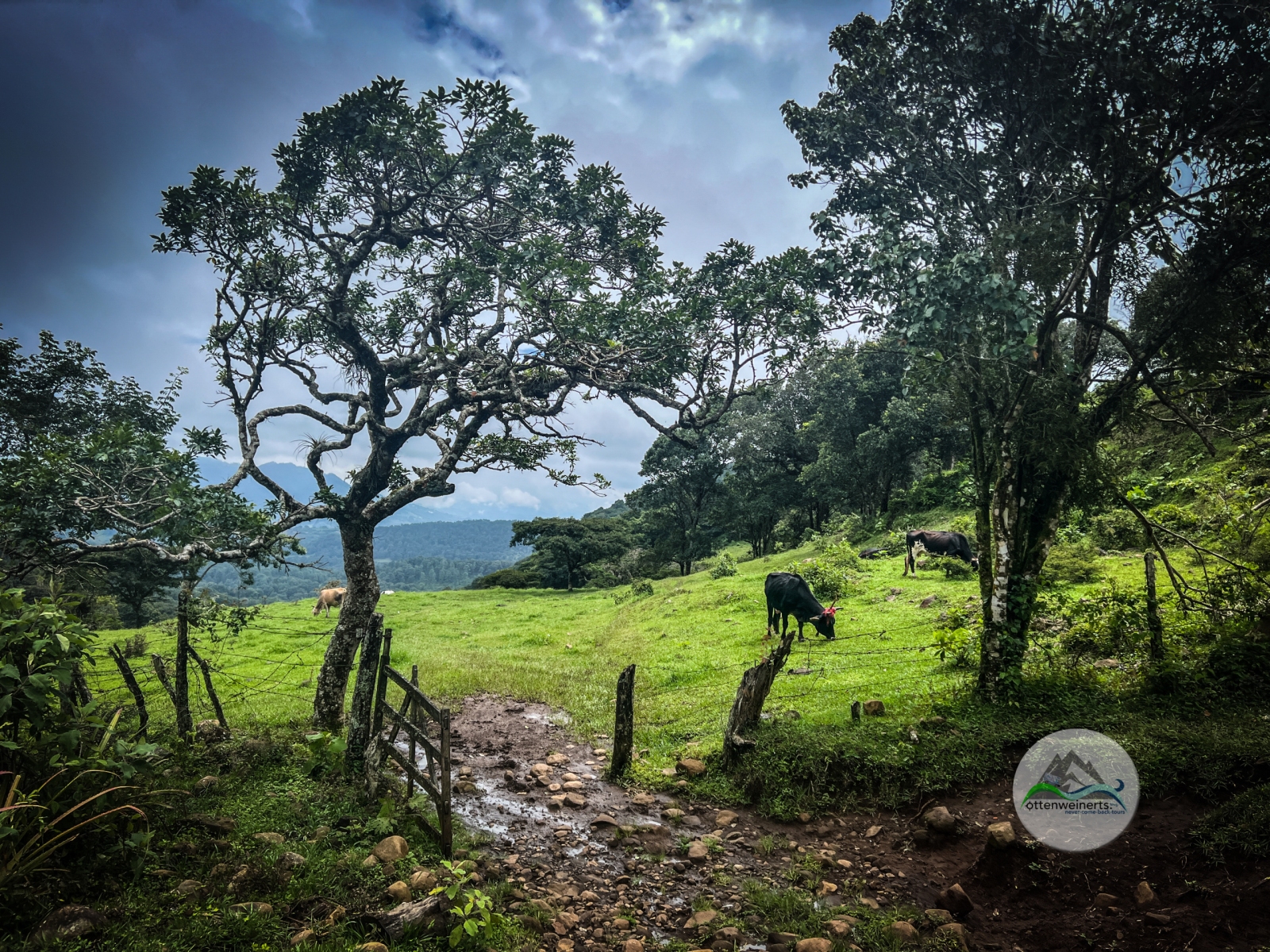
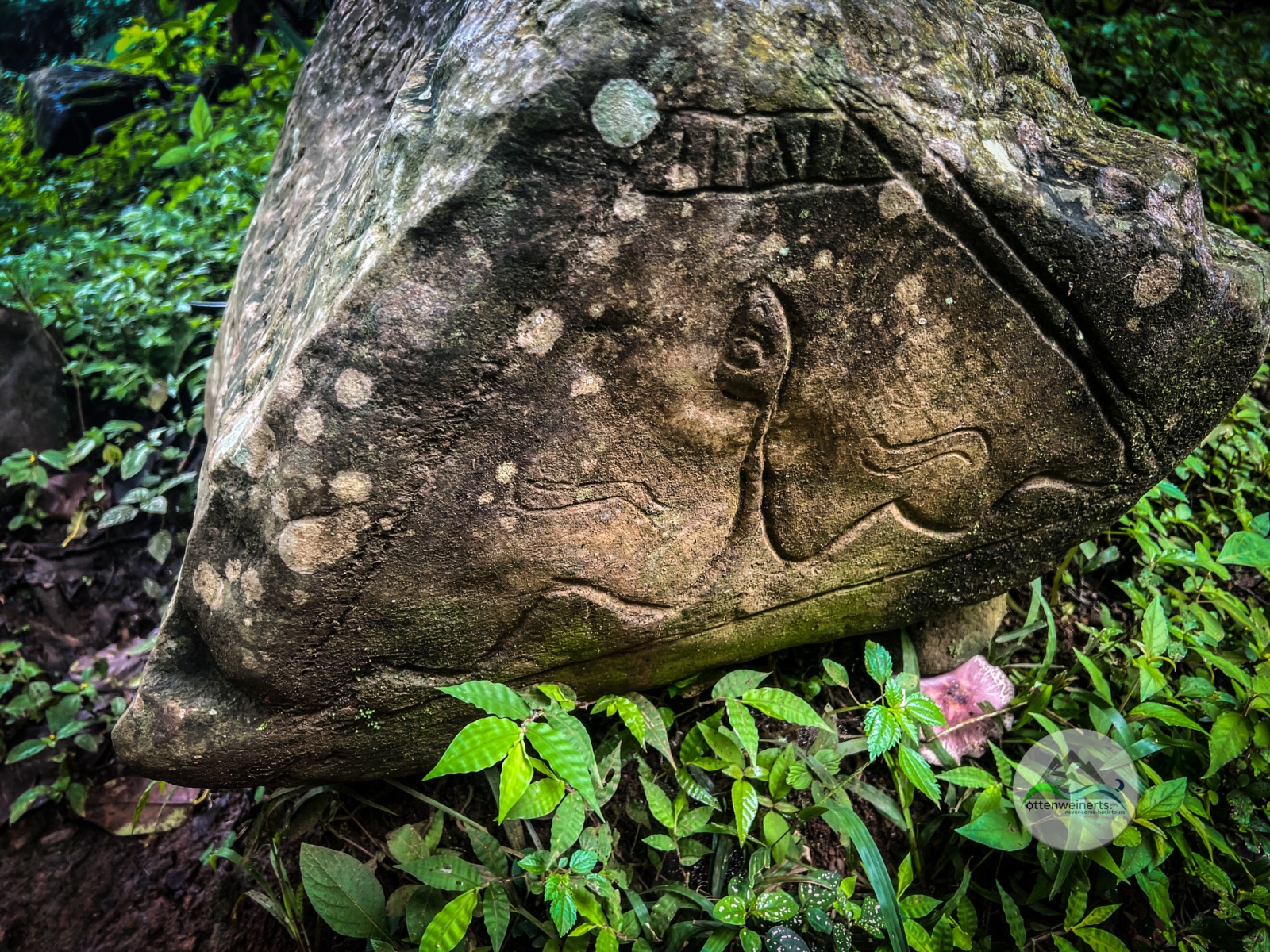
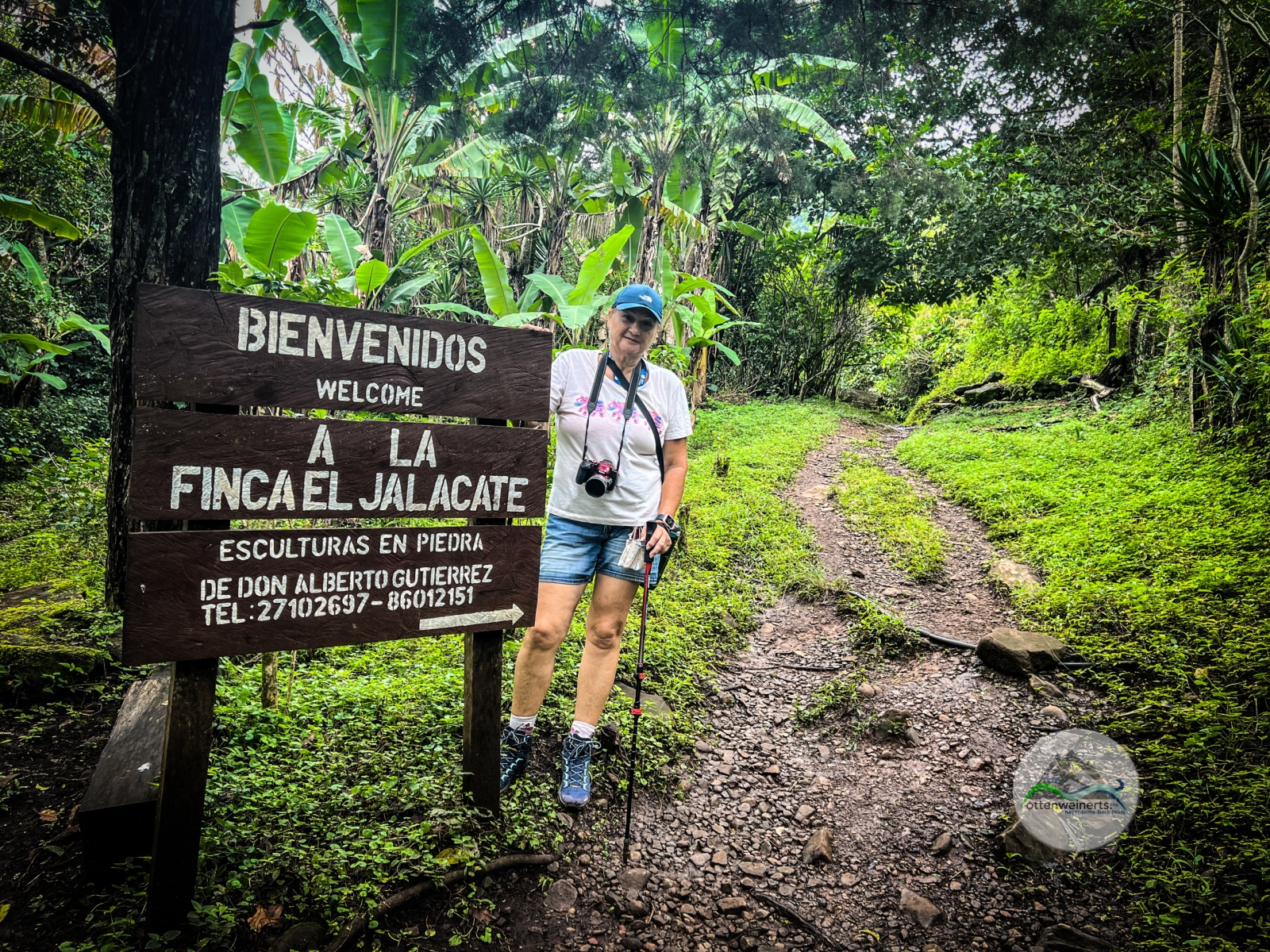
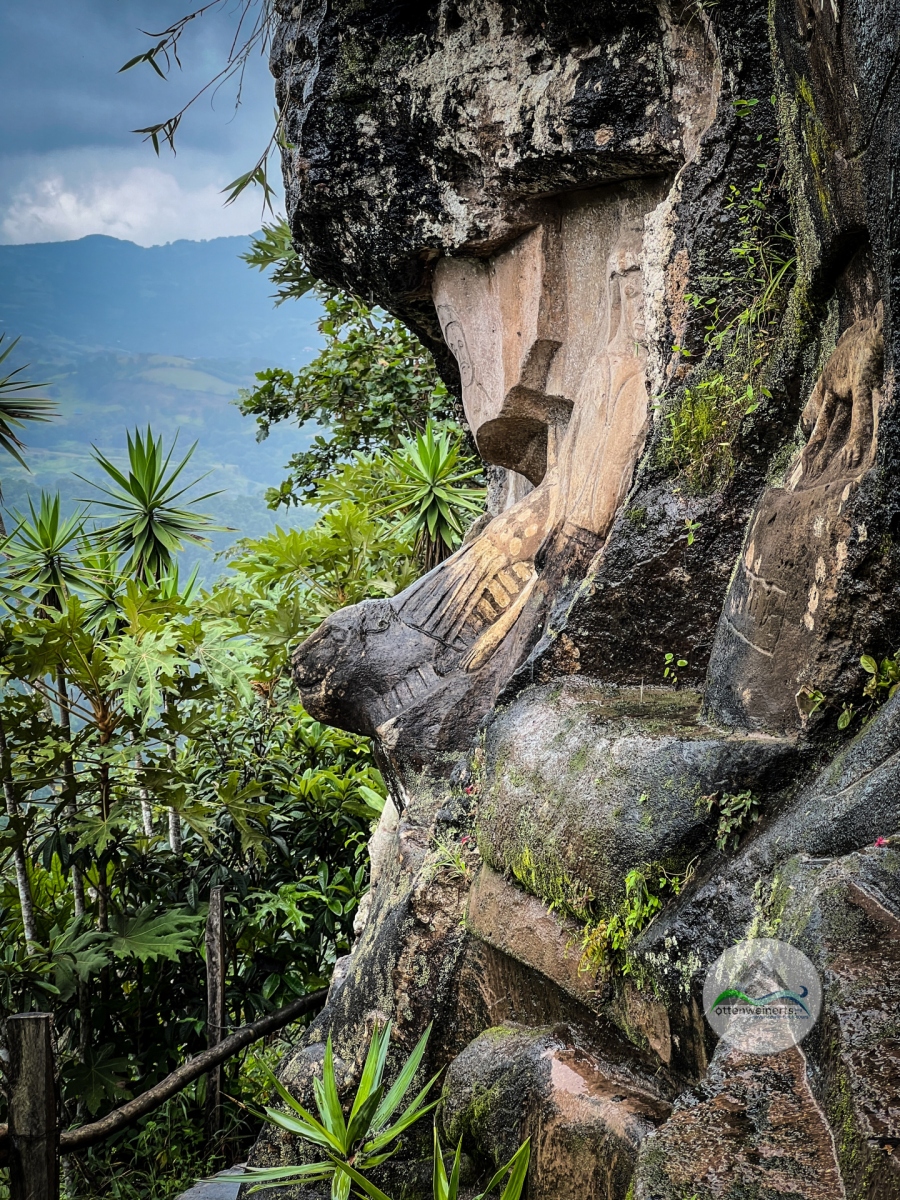
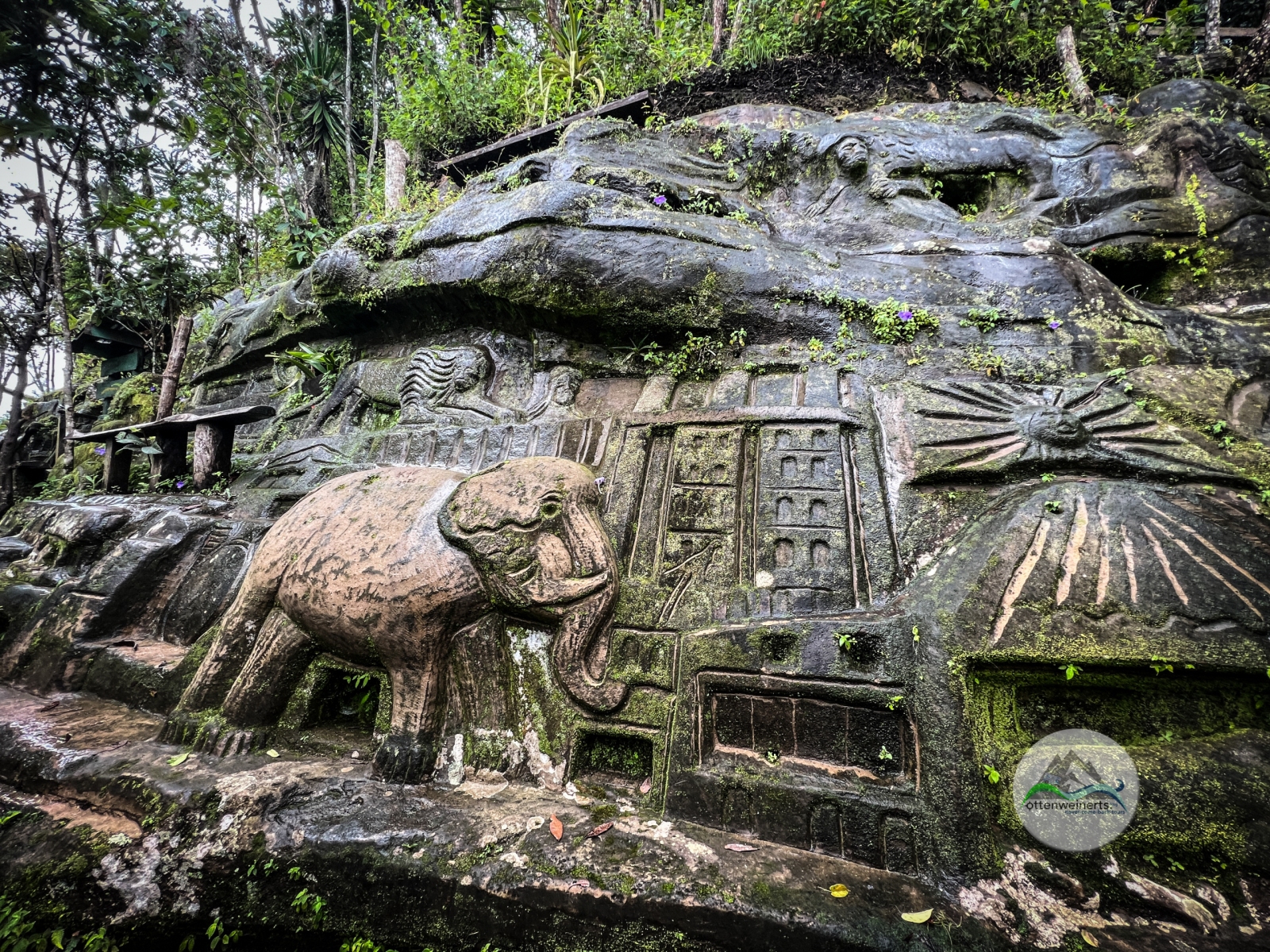
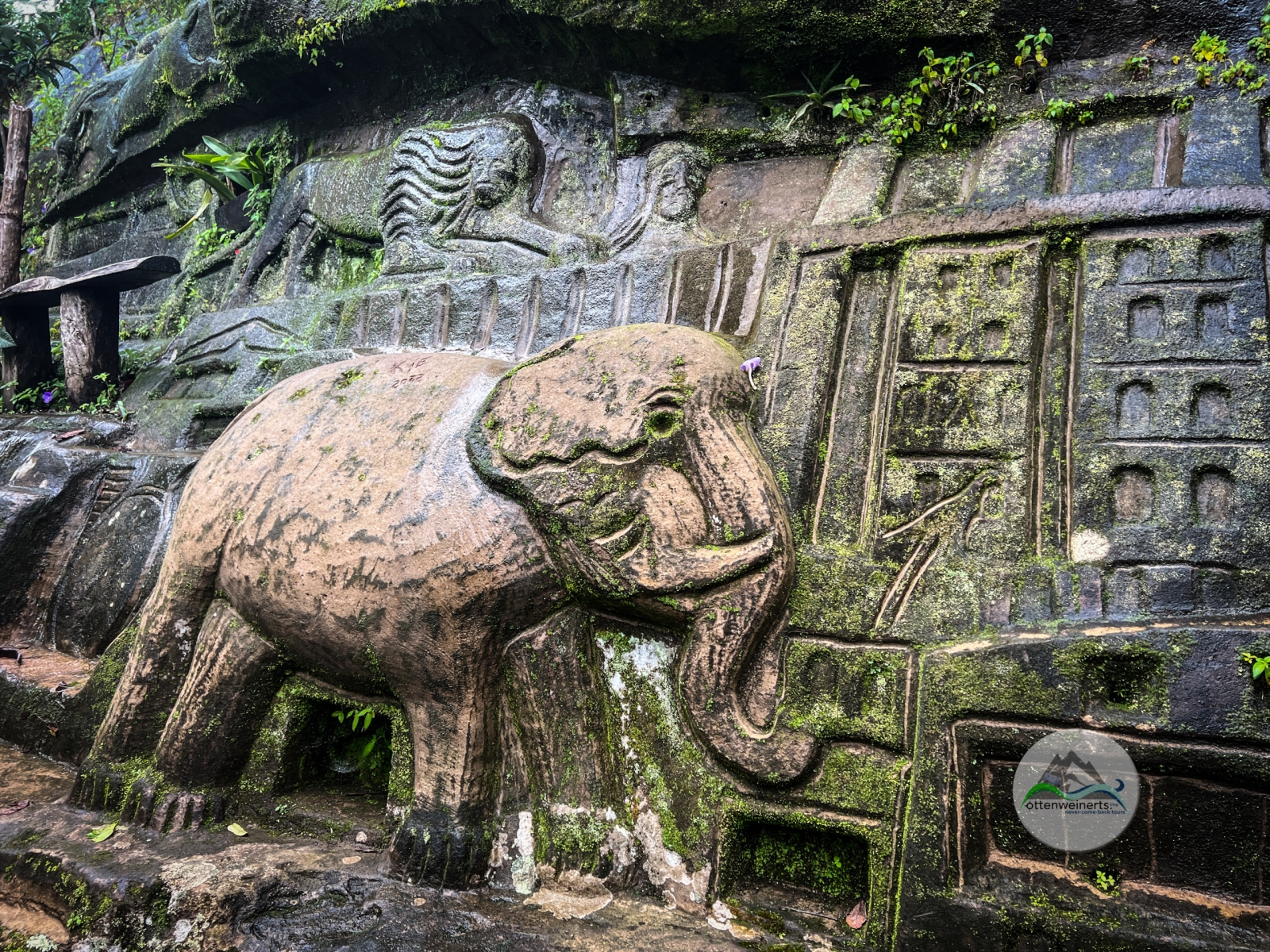
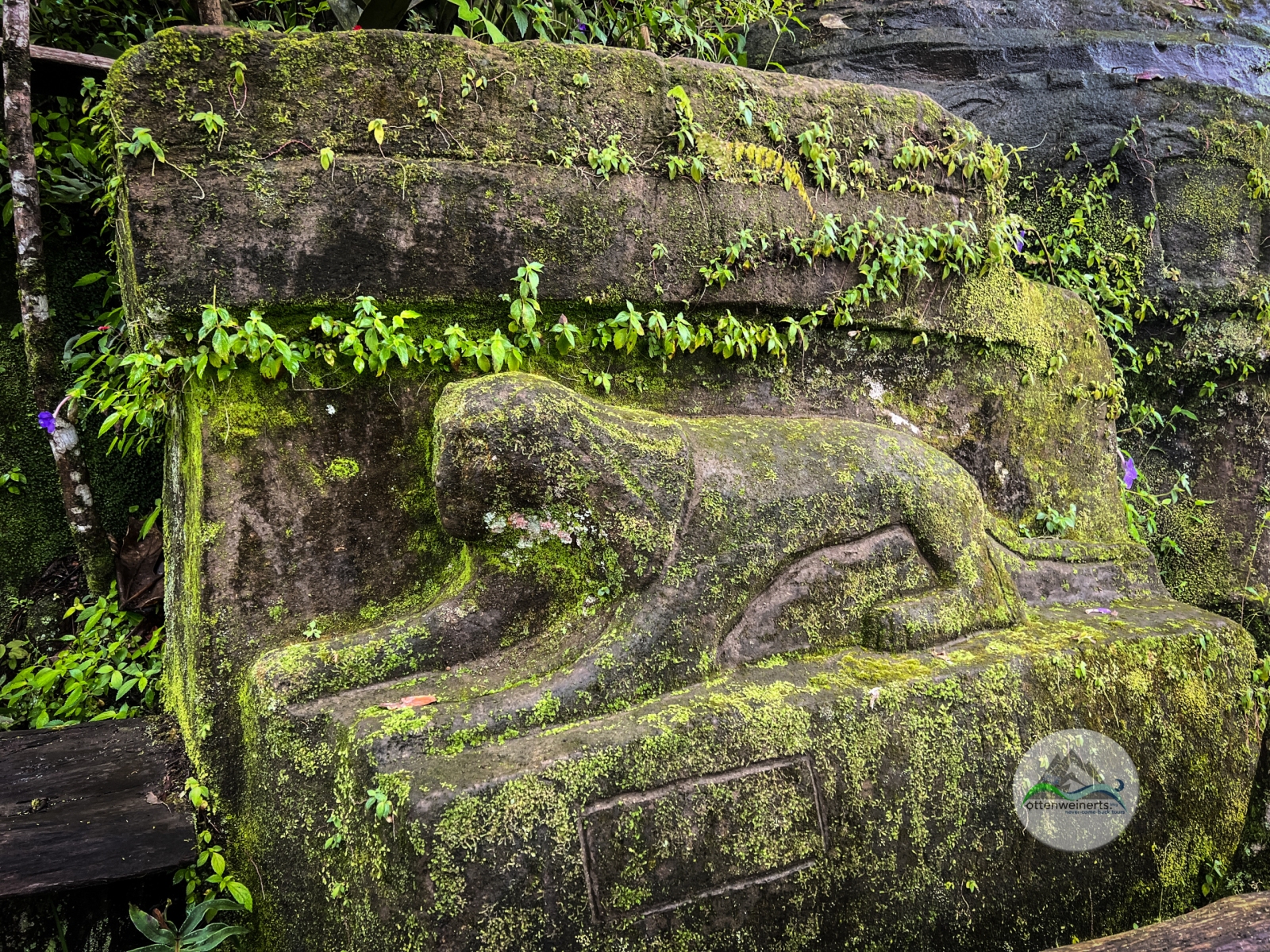
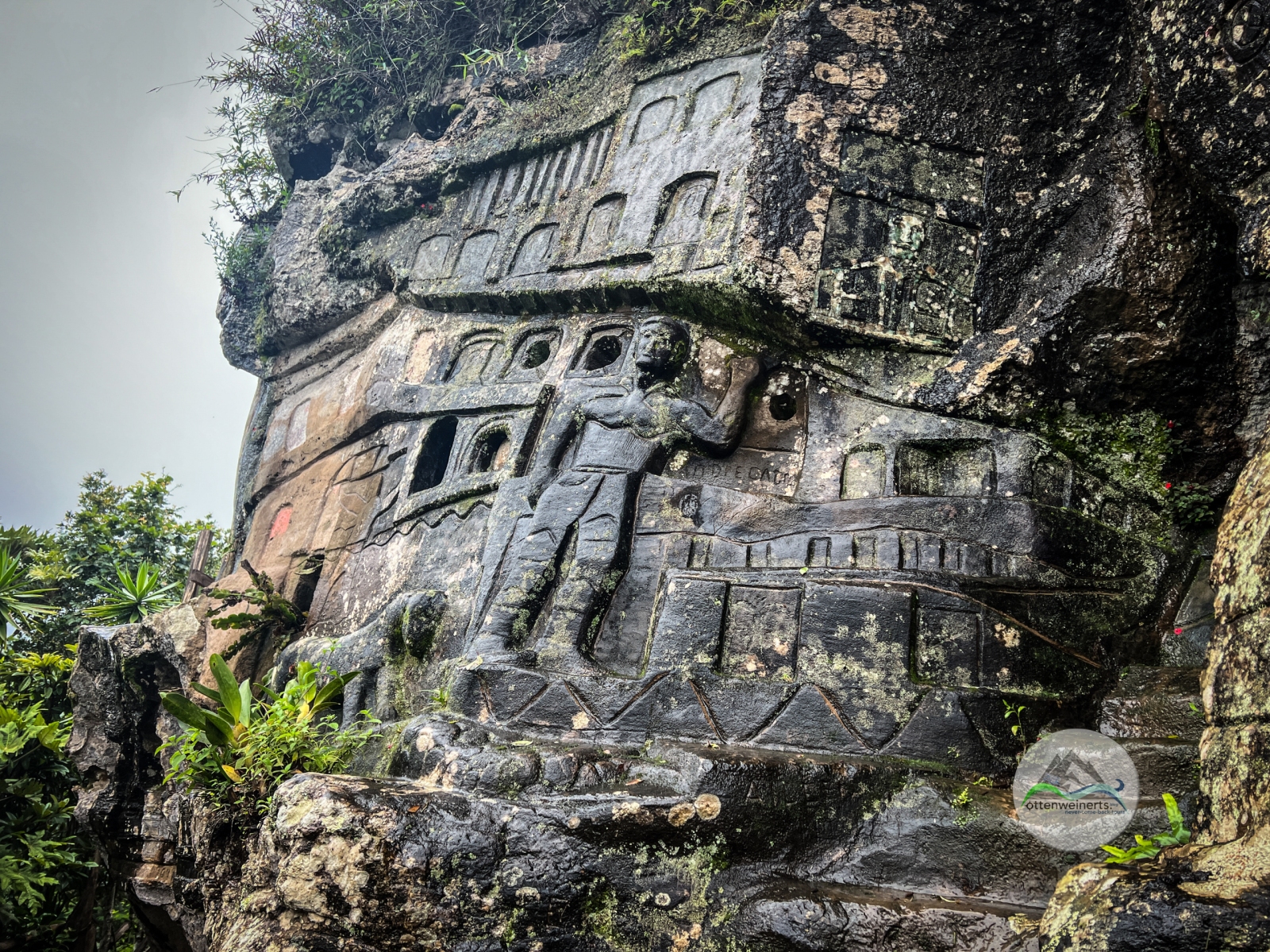
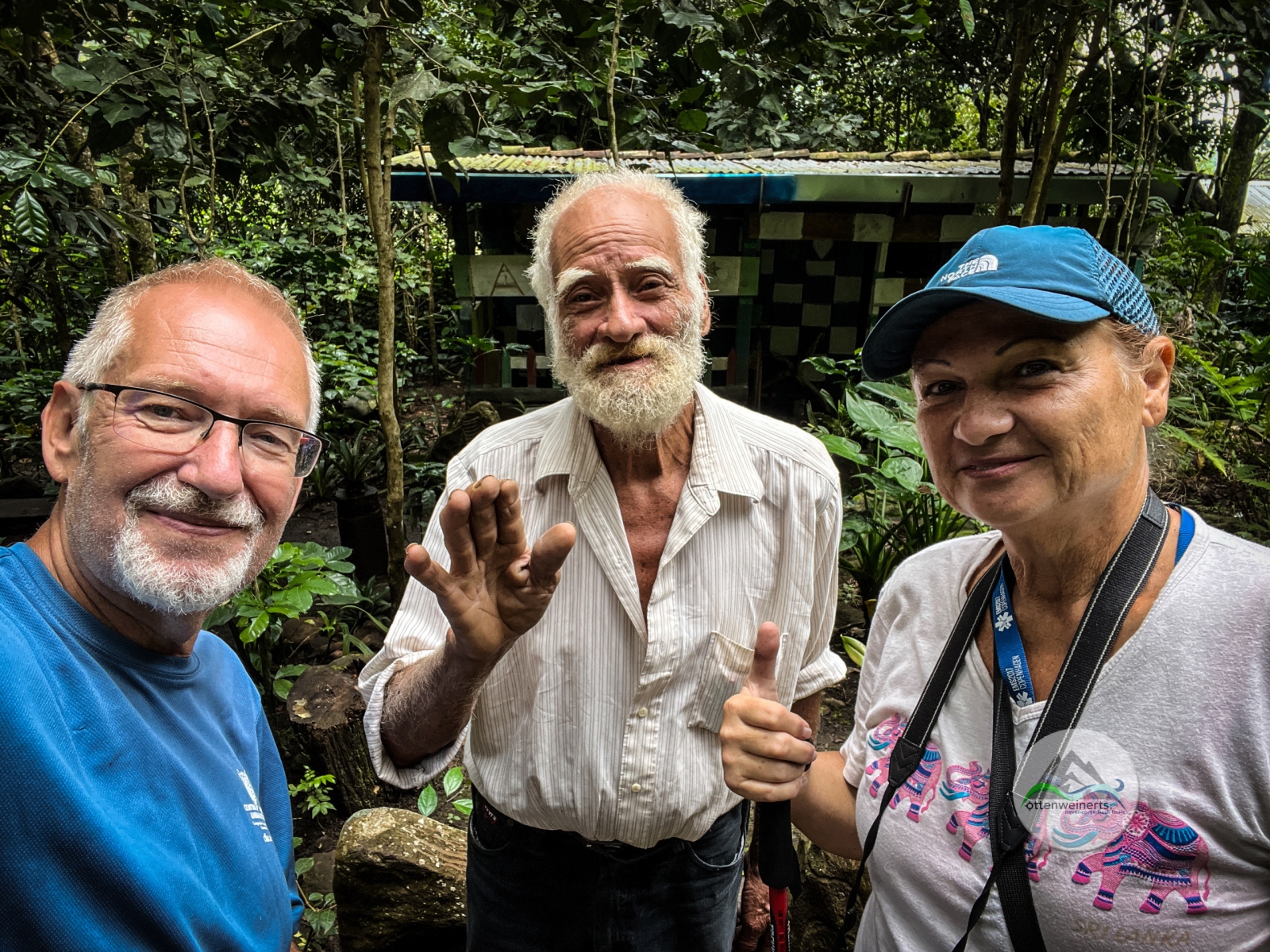
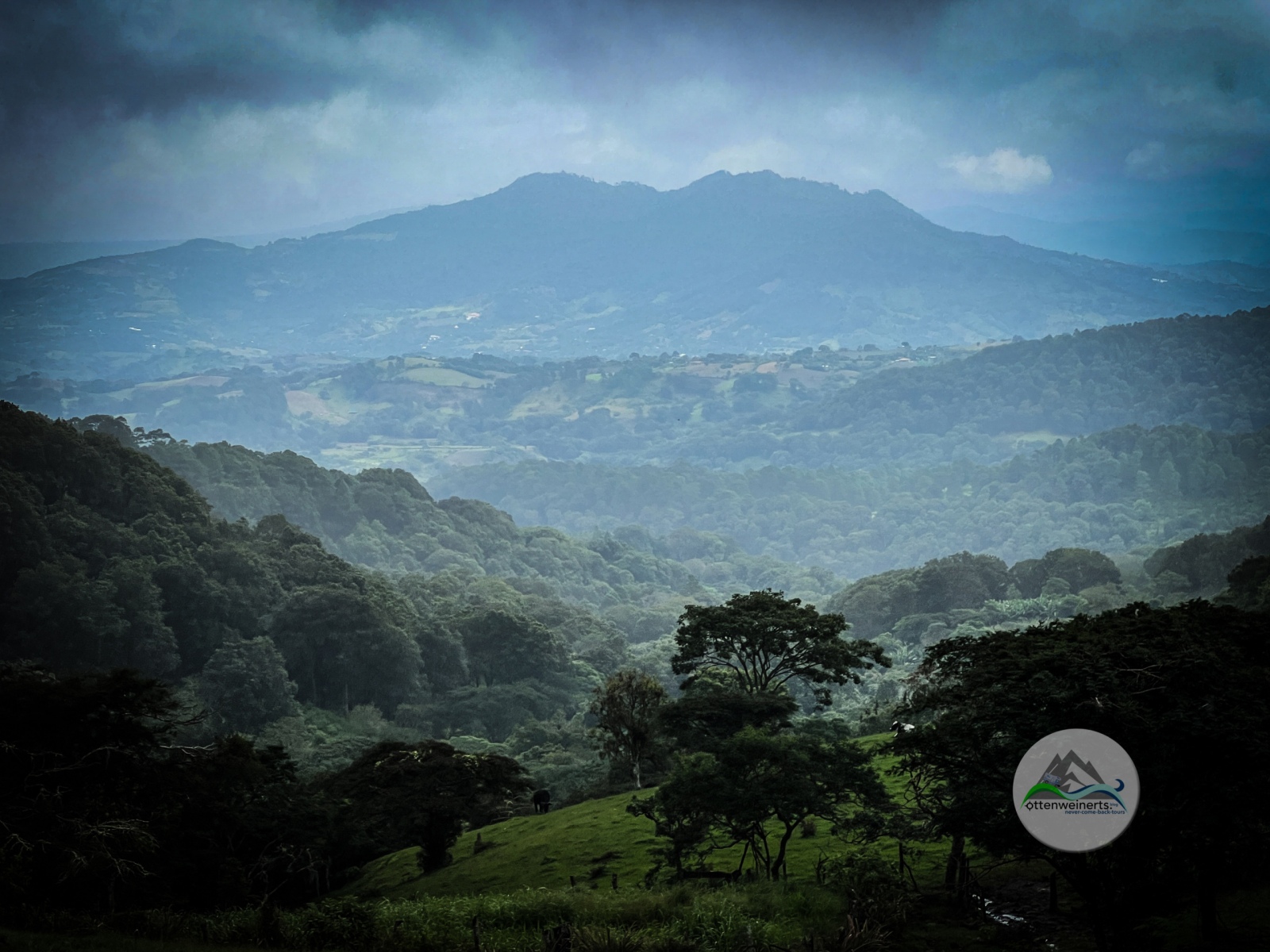
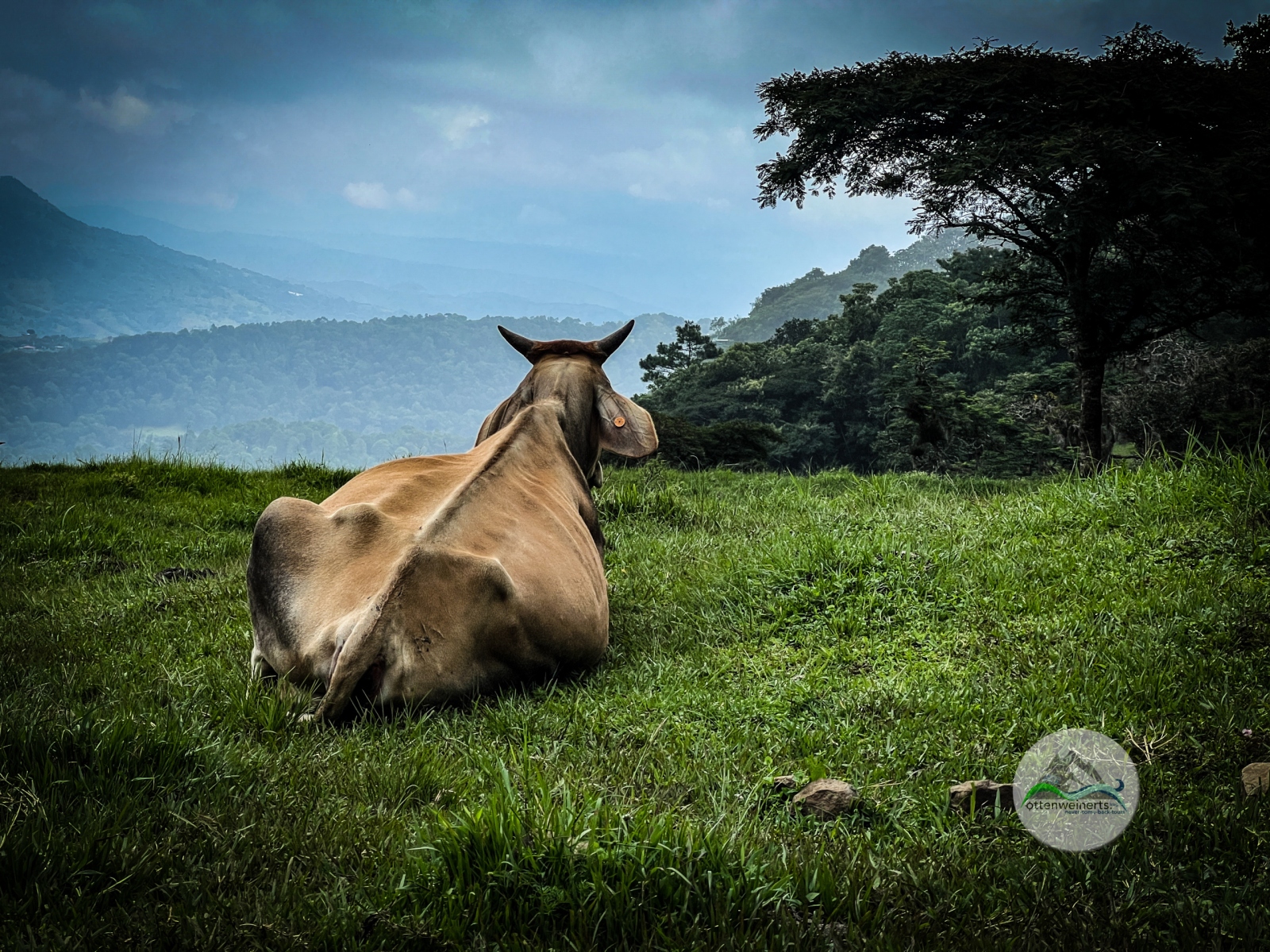
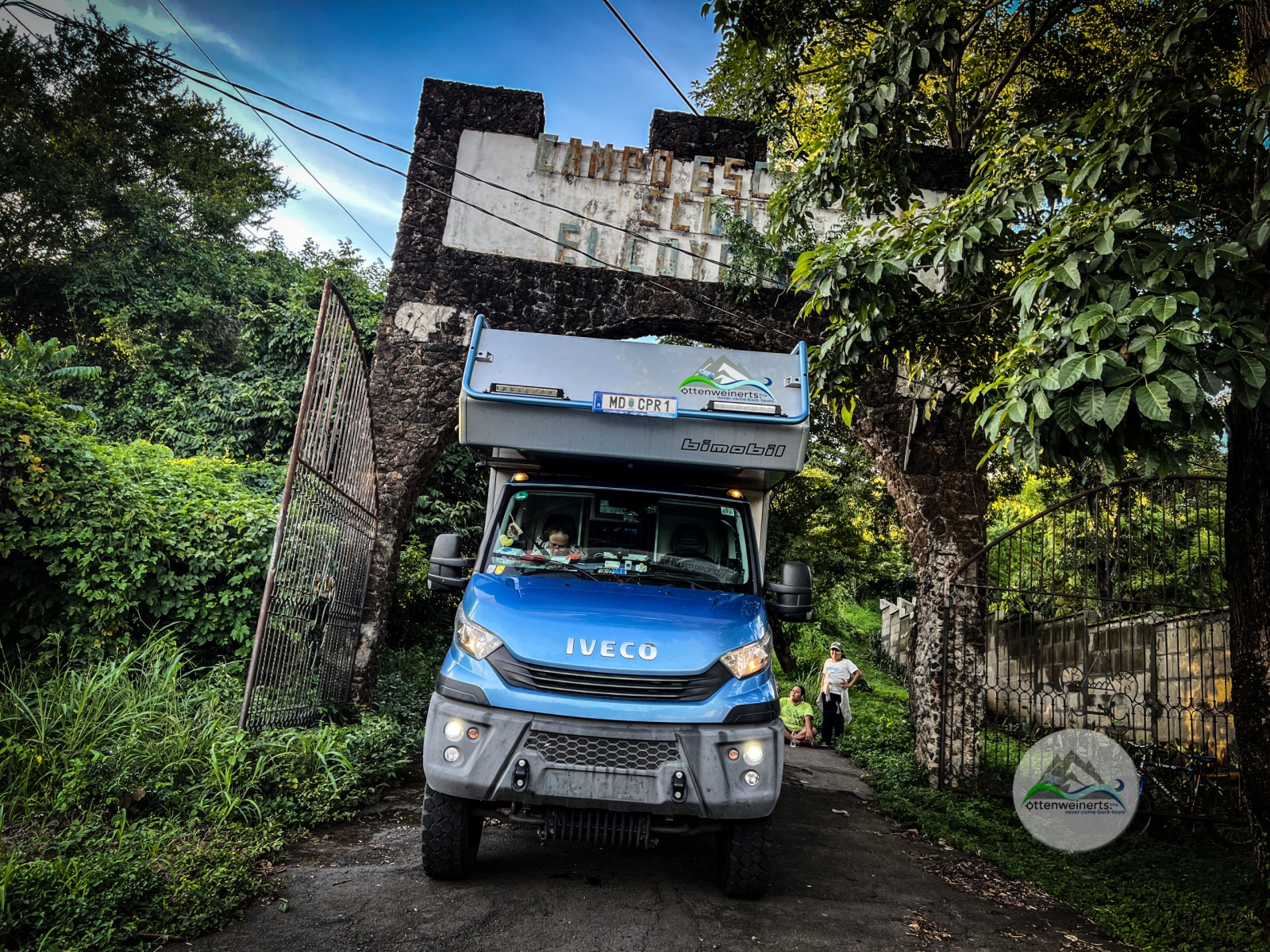
Dann geht es Richtung Nationalpark Tizey – La Estanzuela, zur Finca von Señor Alberto Guitérrez mit seinen Steinschnitzereien. Die Straße in das Schutzgebiet ist überraschend lange überraschend gut, gepflastert und ohne Löcher. Dann kommen wir zur Abzweigung, und hier ist Schluss mit Auto – wir müssen unser Krasses Pferd, mit Blöcken und Steinen unter den Rädern, einsam stehen lassen, es geht zu Fuß weiter. Wieder einmal ein Abenteuer – über Kuhweiden (die Damen beäugen uns misstrauisch), gatschige Pfade steil hinunter und durch den Nebelwald steil hinauf, aber es war die Mühe wert. Señor Alberto schnitzt hier seit Jahrzehnten Bilder in den Stein – religiöse Motive, Tiere aus aller Welt und vor allem aus Nicaragua. Kaum zu glauben, aber es verirren sich auch noch andere Touristen in diese abgeschiedene Gegend, und so lernen wir auch Niv aus Tel Aviv kennen.
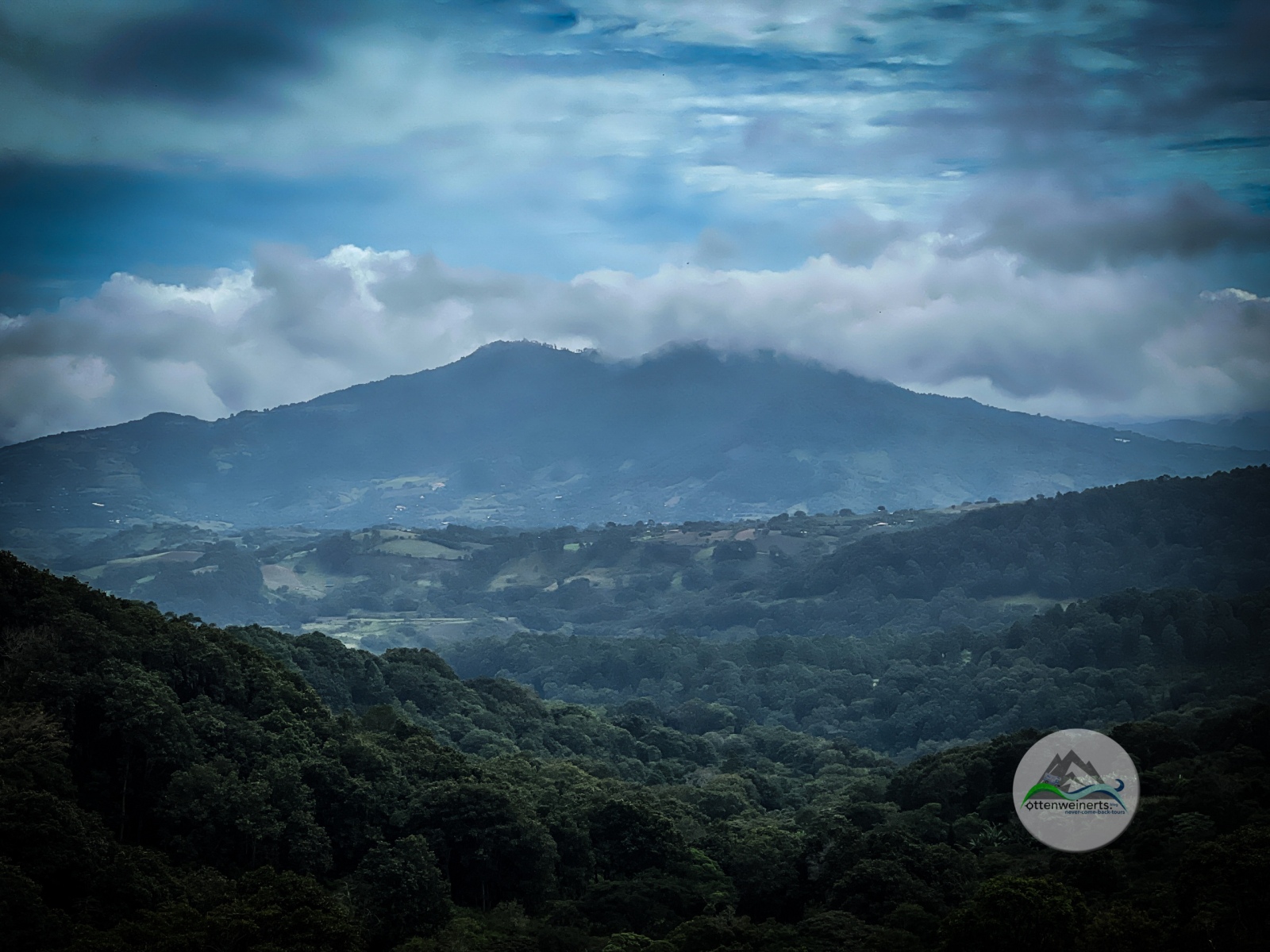
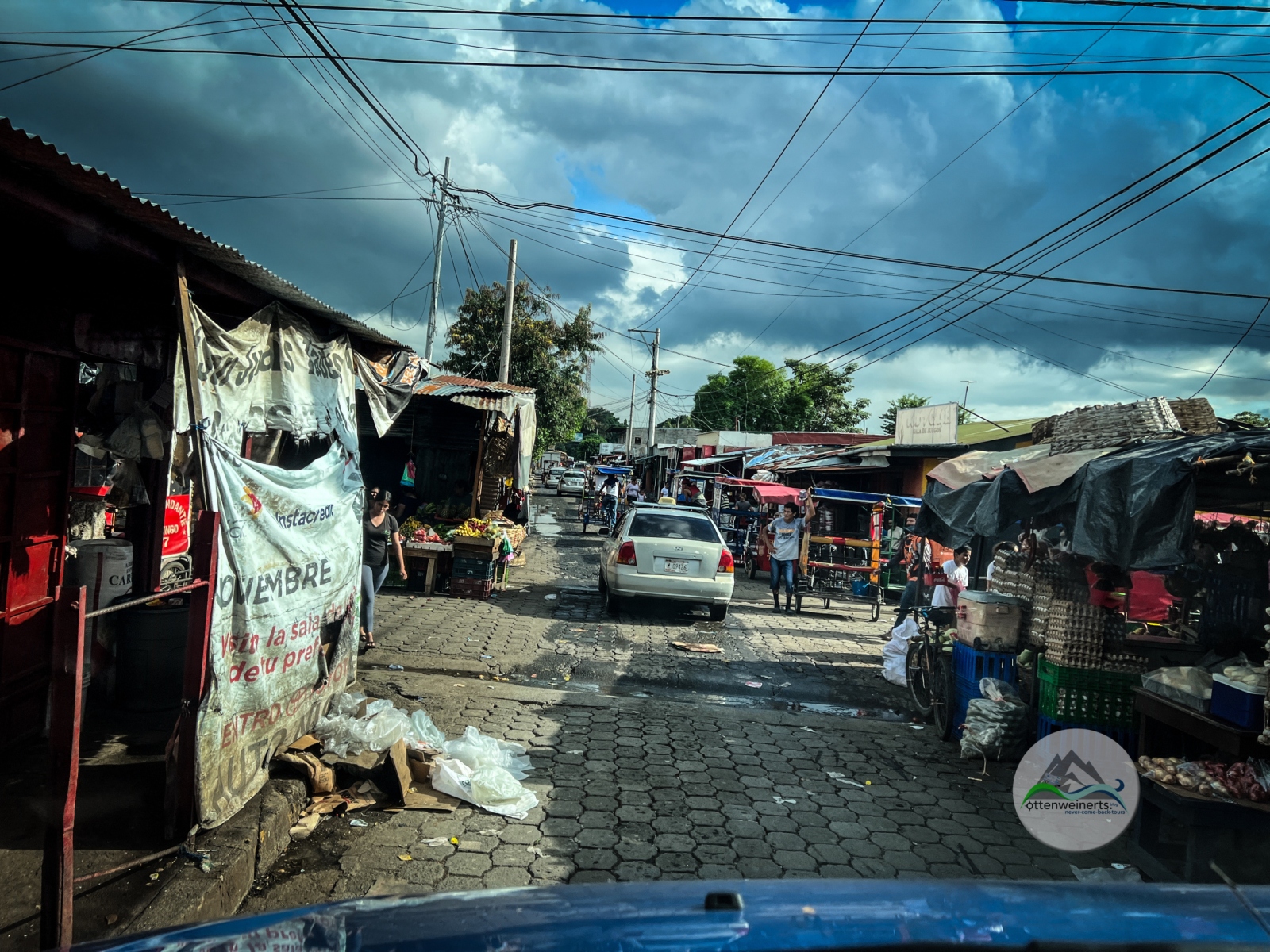
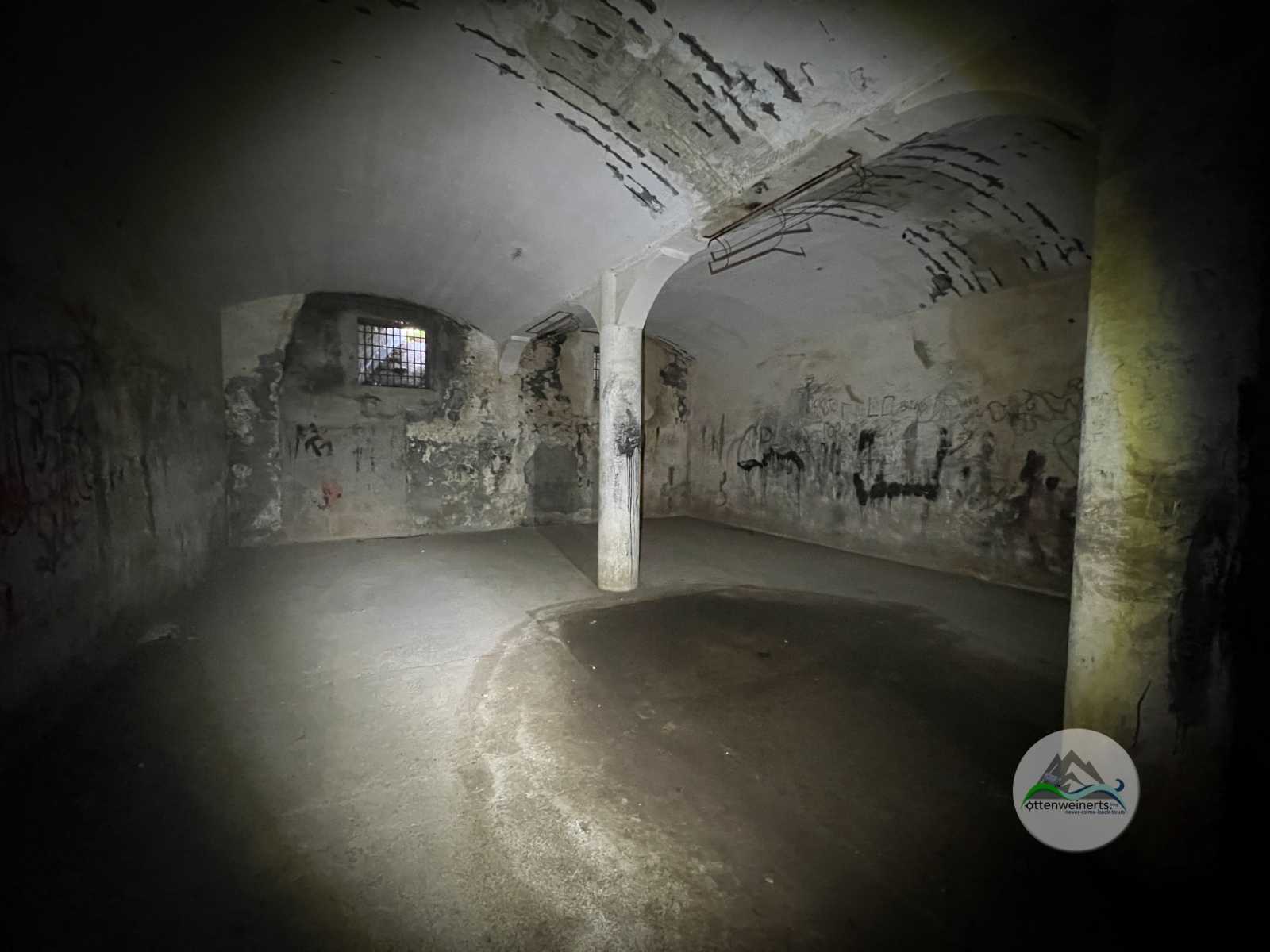
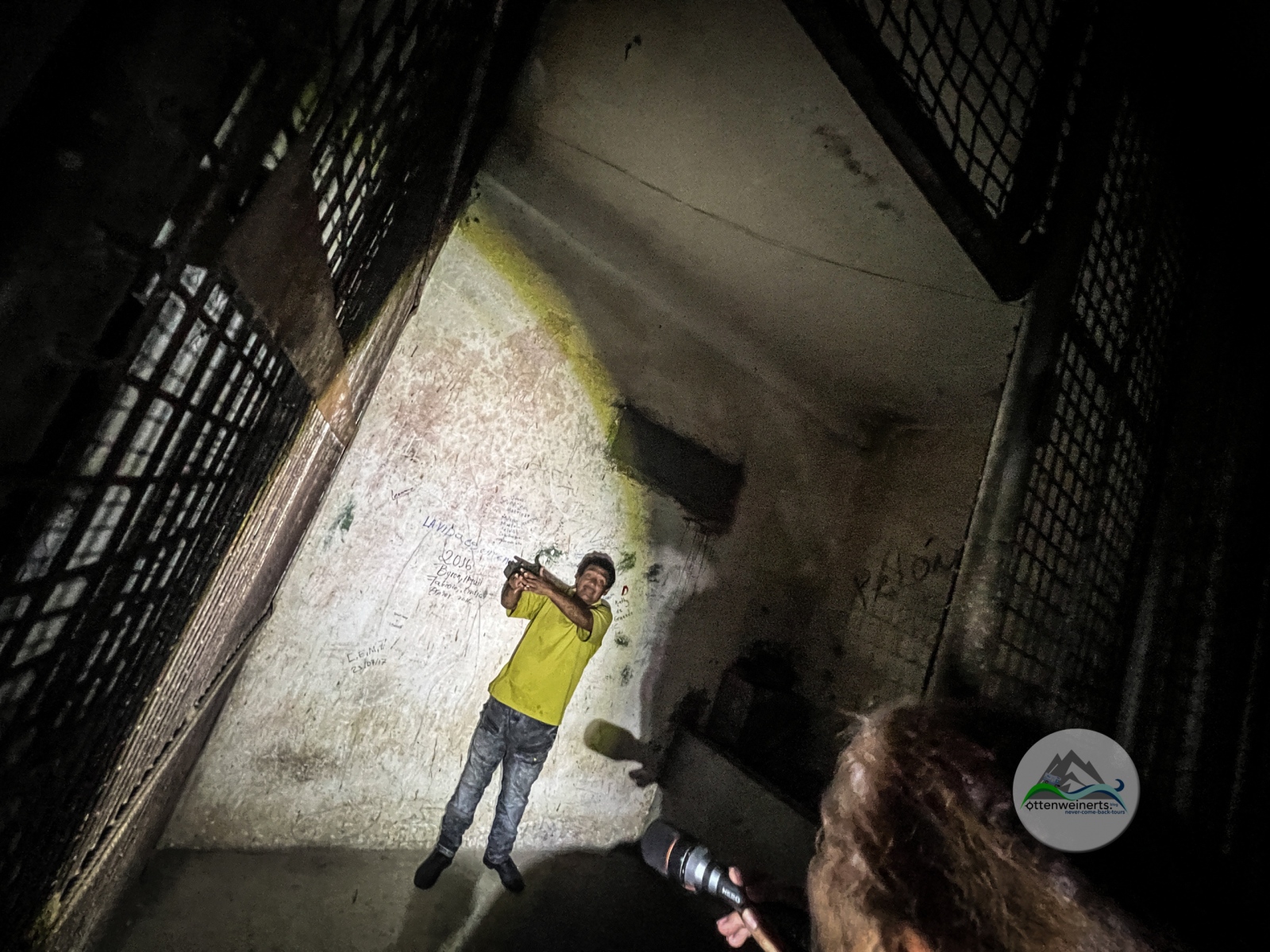
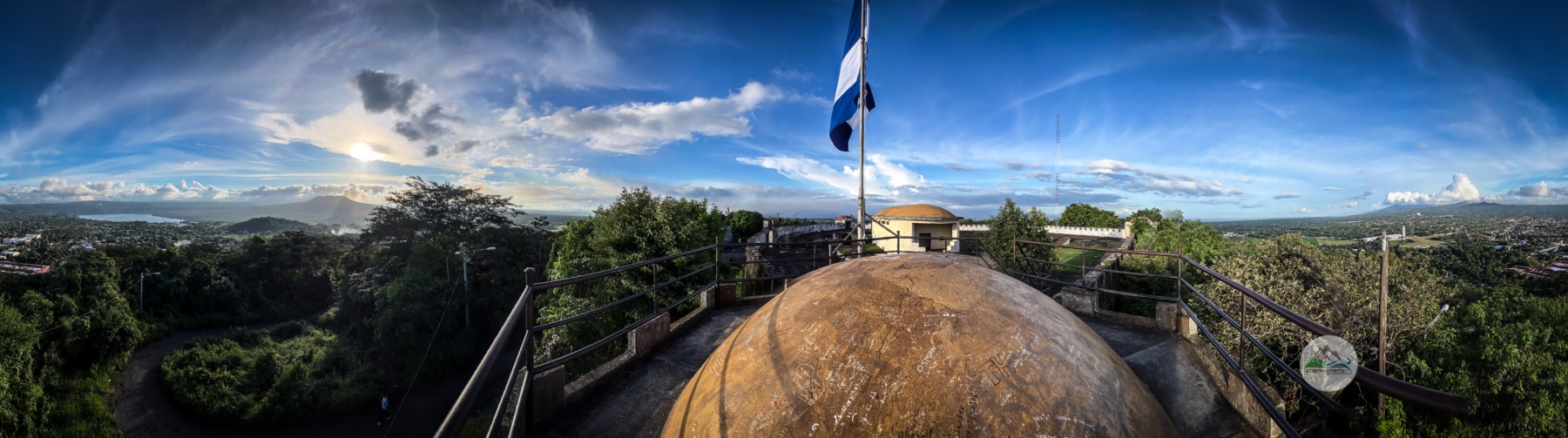
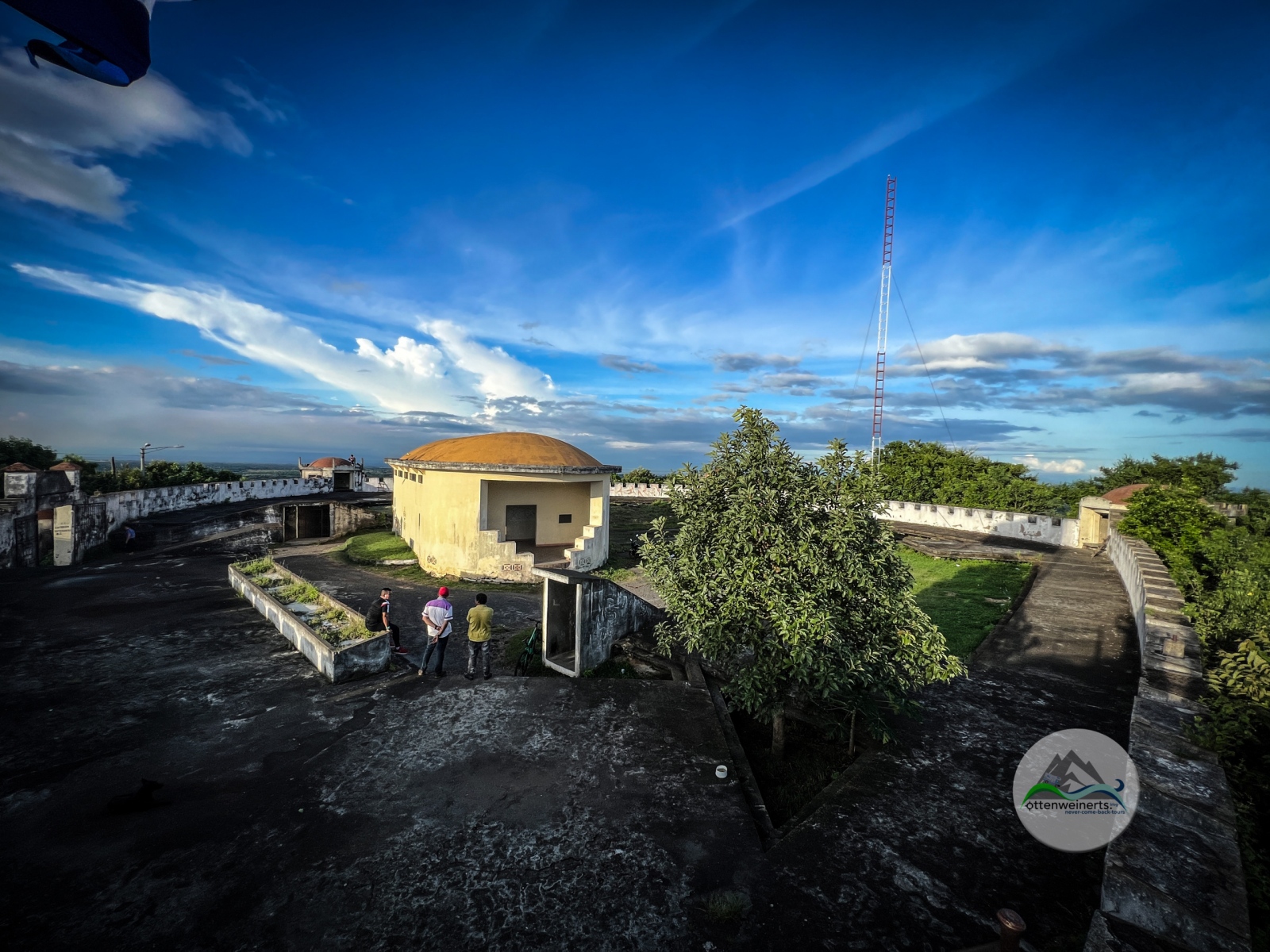
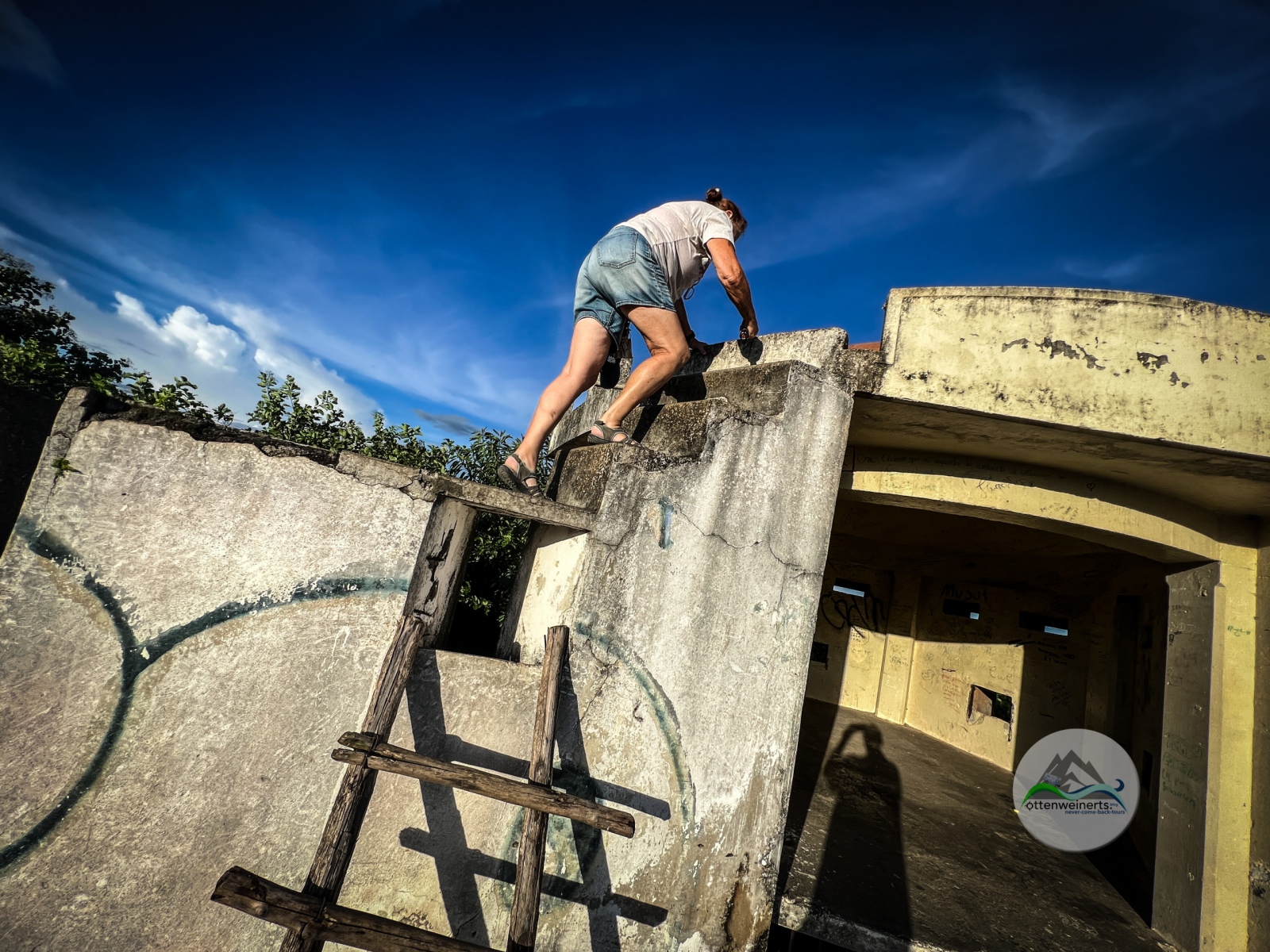
Nach dieser etwas unerwarteten Wanderung fahren wir die Panamericana weiter nach Süden, die weitere Planung muss jetzt sehr flexibel sein – unterwegs schreiben wir das Email an die Werkstatt in San José, und hoffen auf eine rasche Antwort. In Masaya fahren wir frohgemut Richtung Fortaleza Coyotepe – und stellen wieder einmal fest, dass Google Maps Steigungen nicht so wirklich gut anzeigt. Und oben ist auch kaum Platz zum Umdrehen, aber Sigi und unser Krasses Pferd meistern die Aufgabe bravourös. Das Fort stammt aus dem Jahr 1893; 1936 wurde es unter Diktator Somoza zur Kaserne umfunktioniert, ab 1954 bis zur Revolution von 1979 diente es als Gefängnis – die unterirdischen Gefängniszellen und Korridore sind bedrückend. Von oben aber bietet sich ein toller Ausblick über Masaya und die Lagune, bis hinüber zum Vulkan.
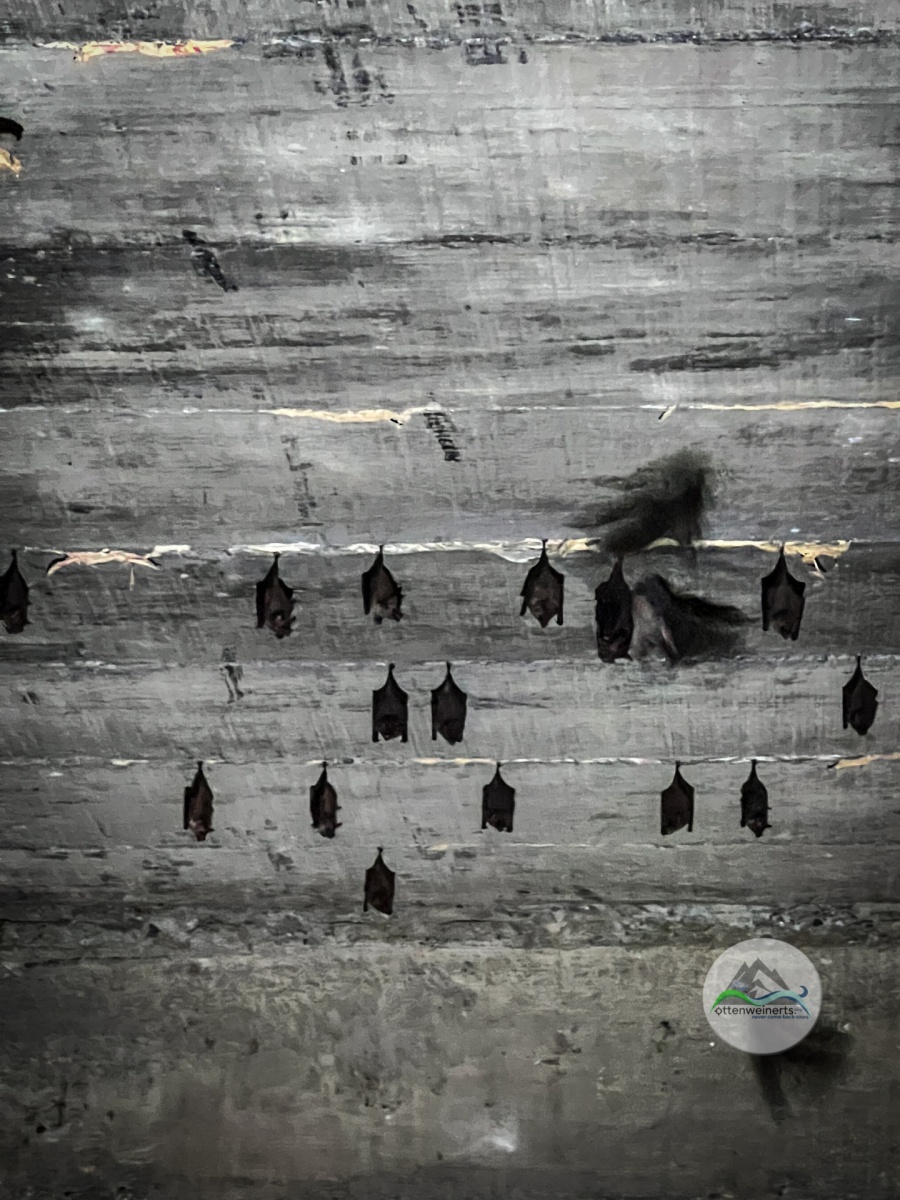
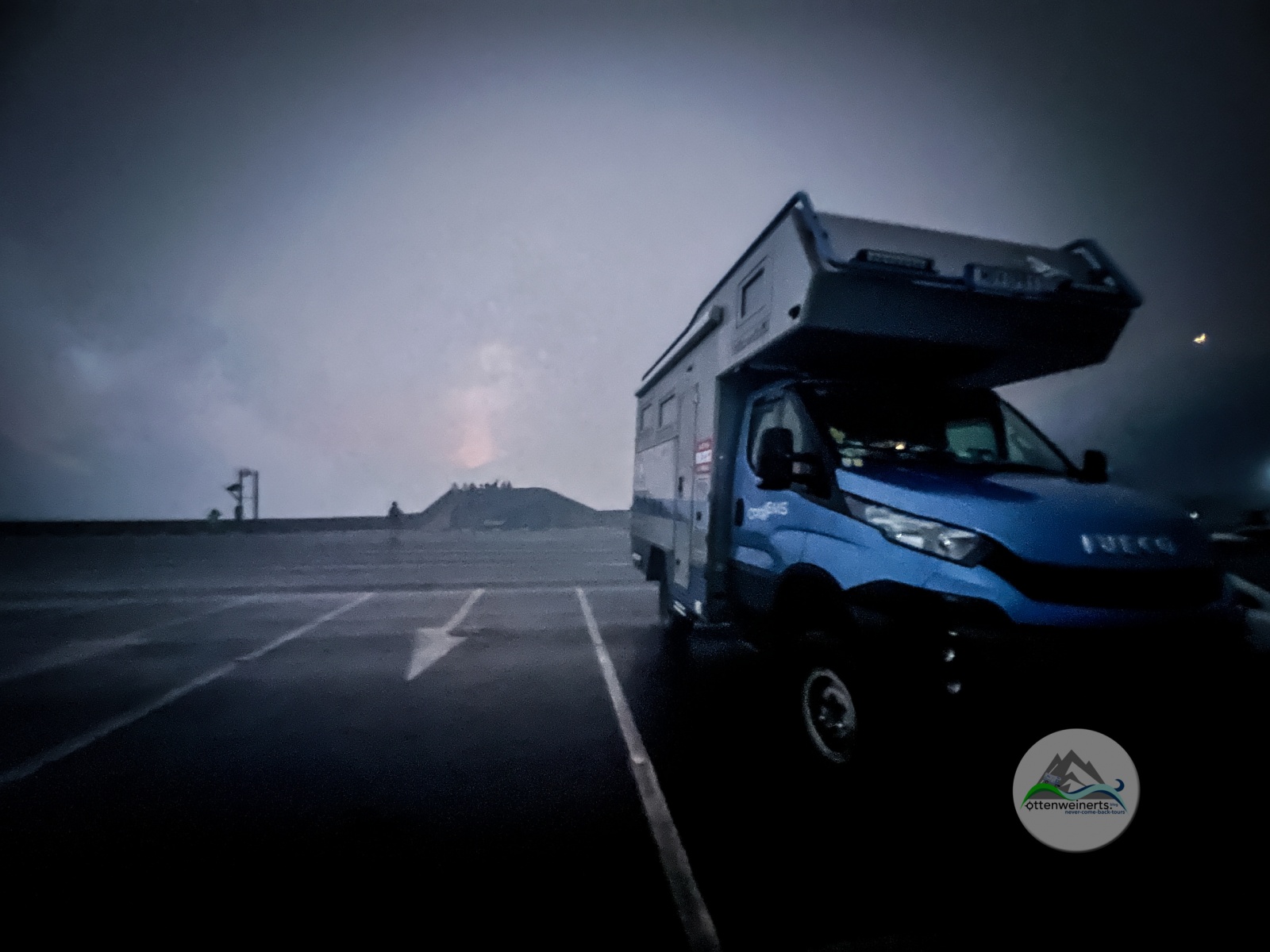
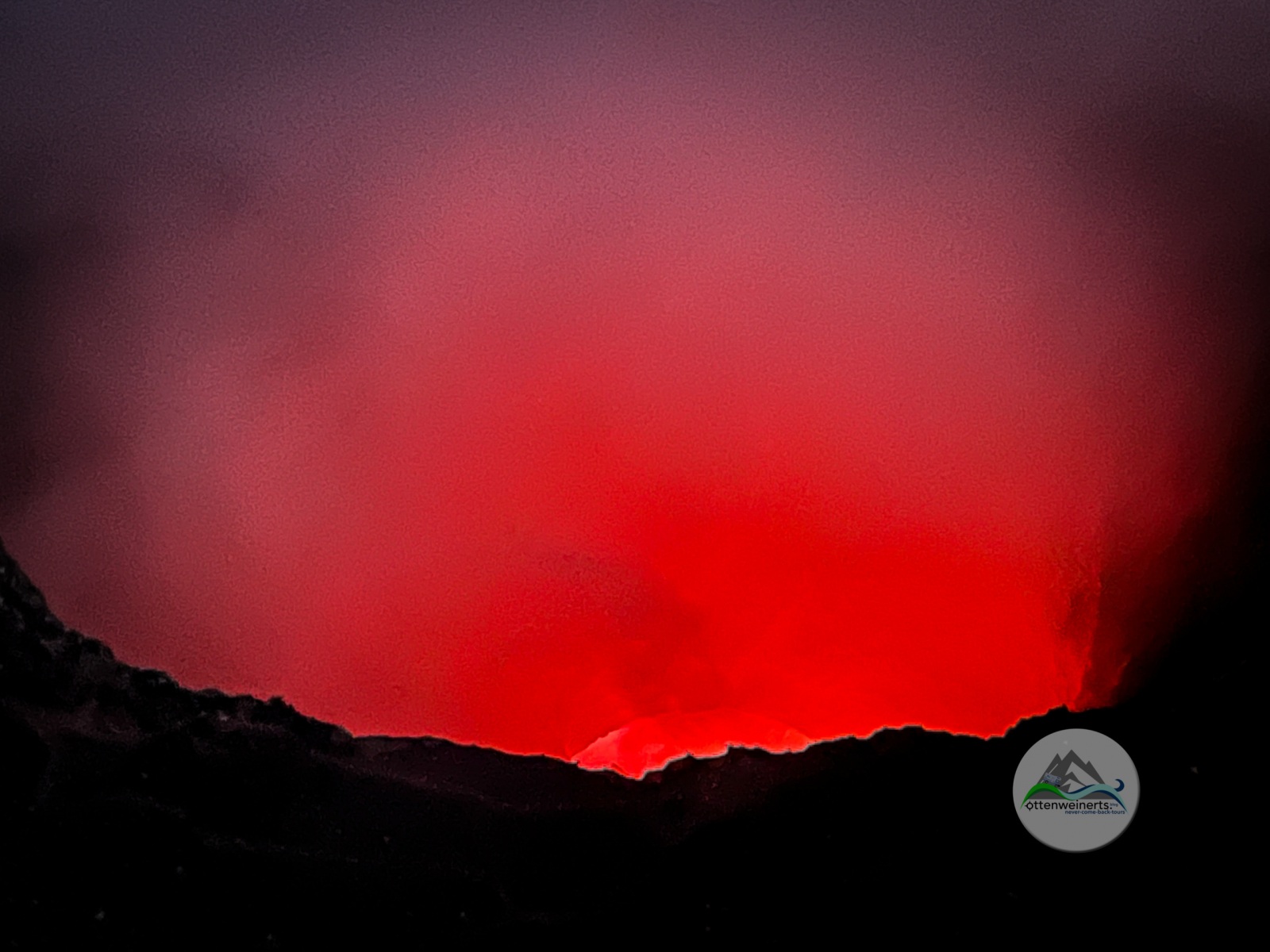
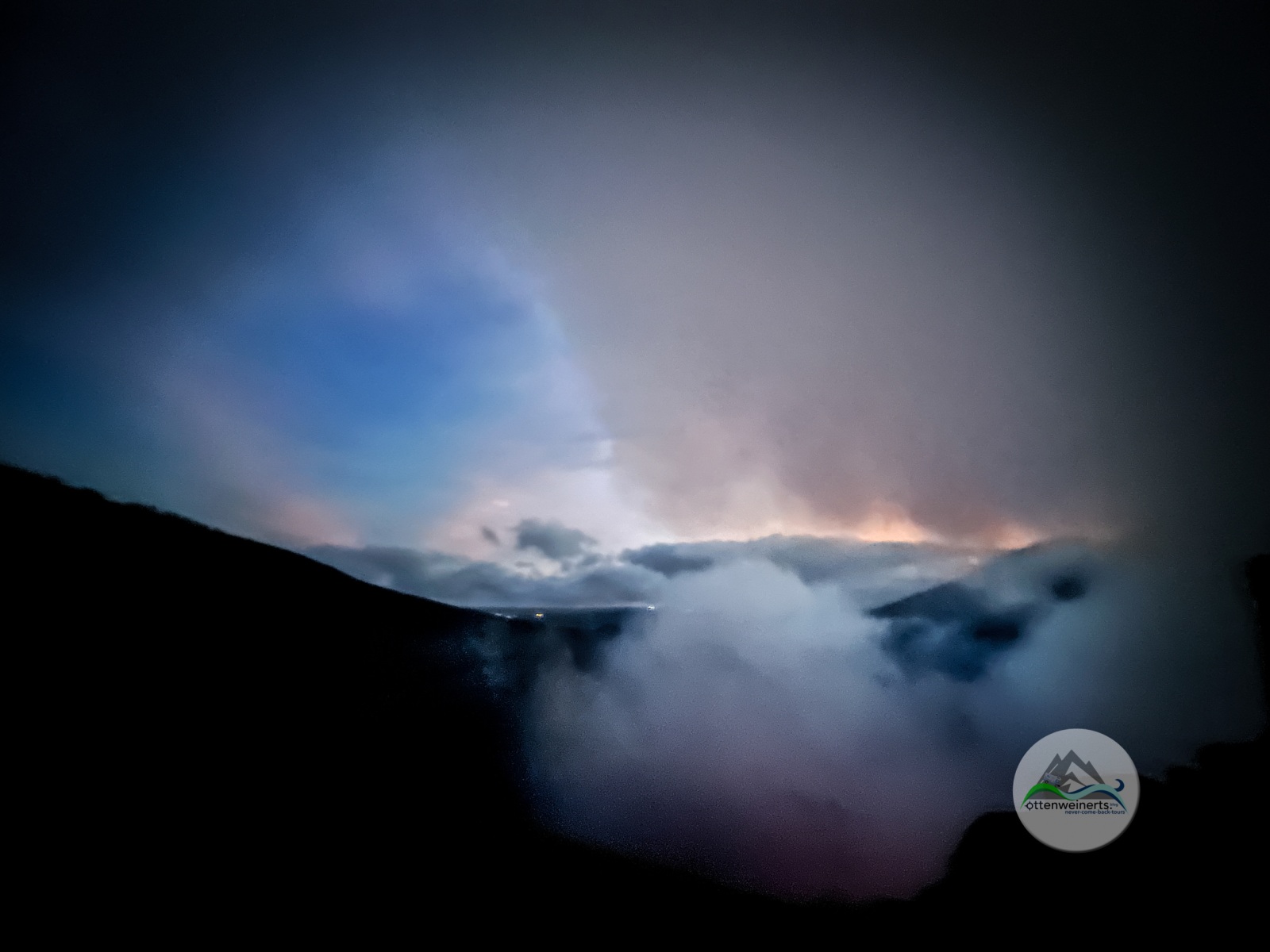
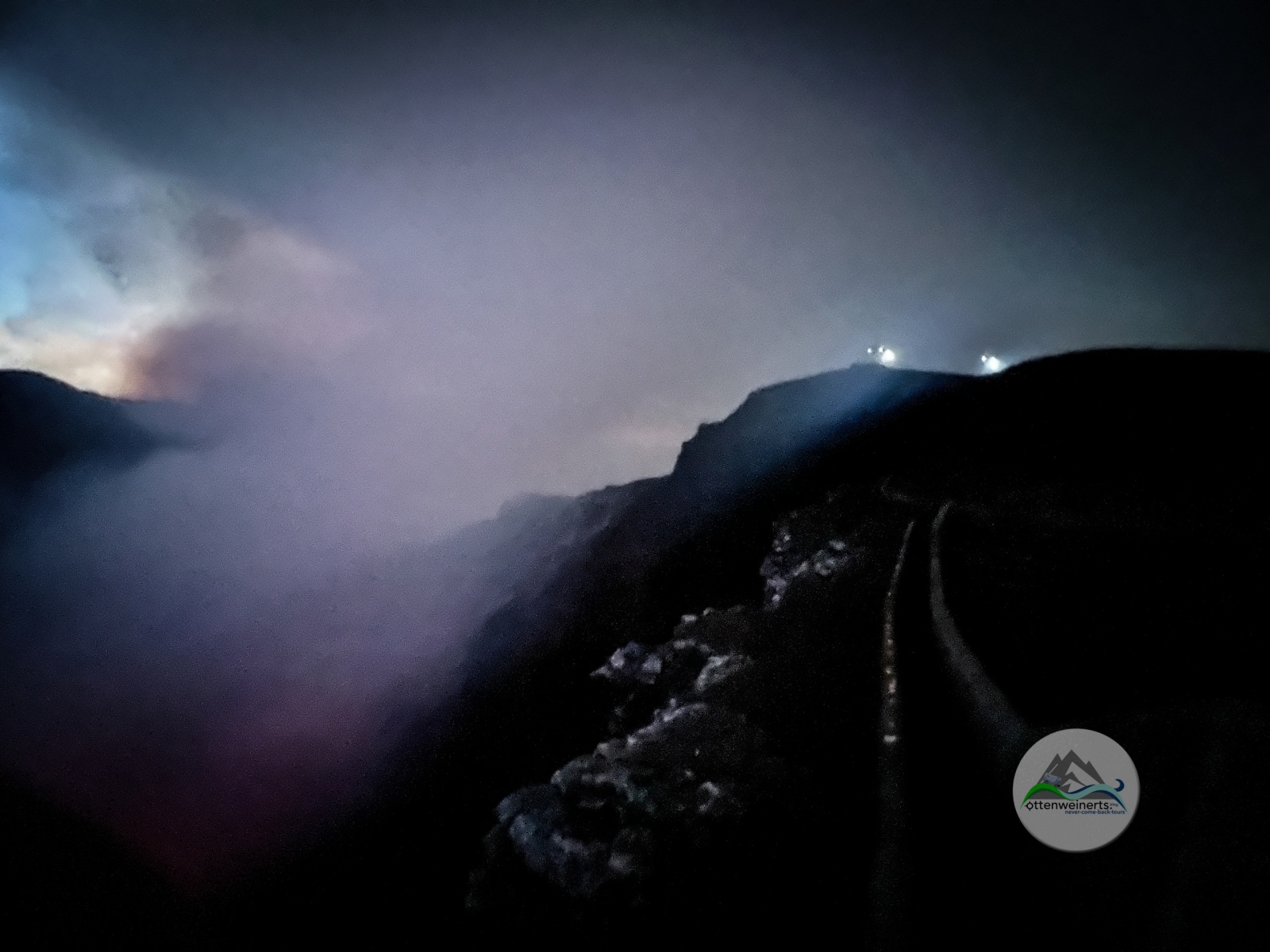
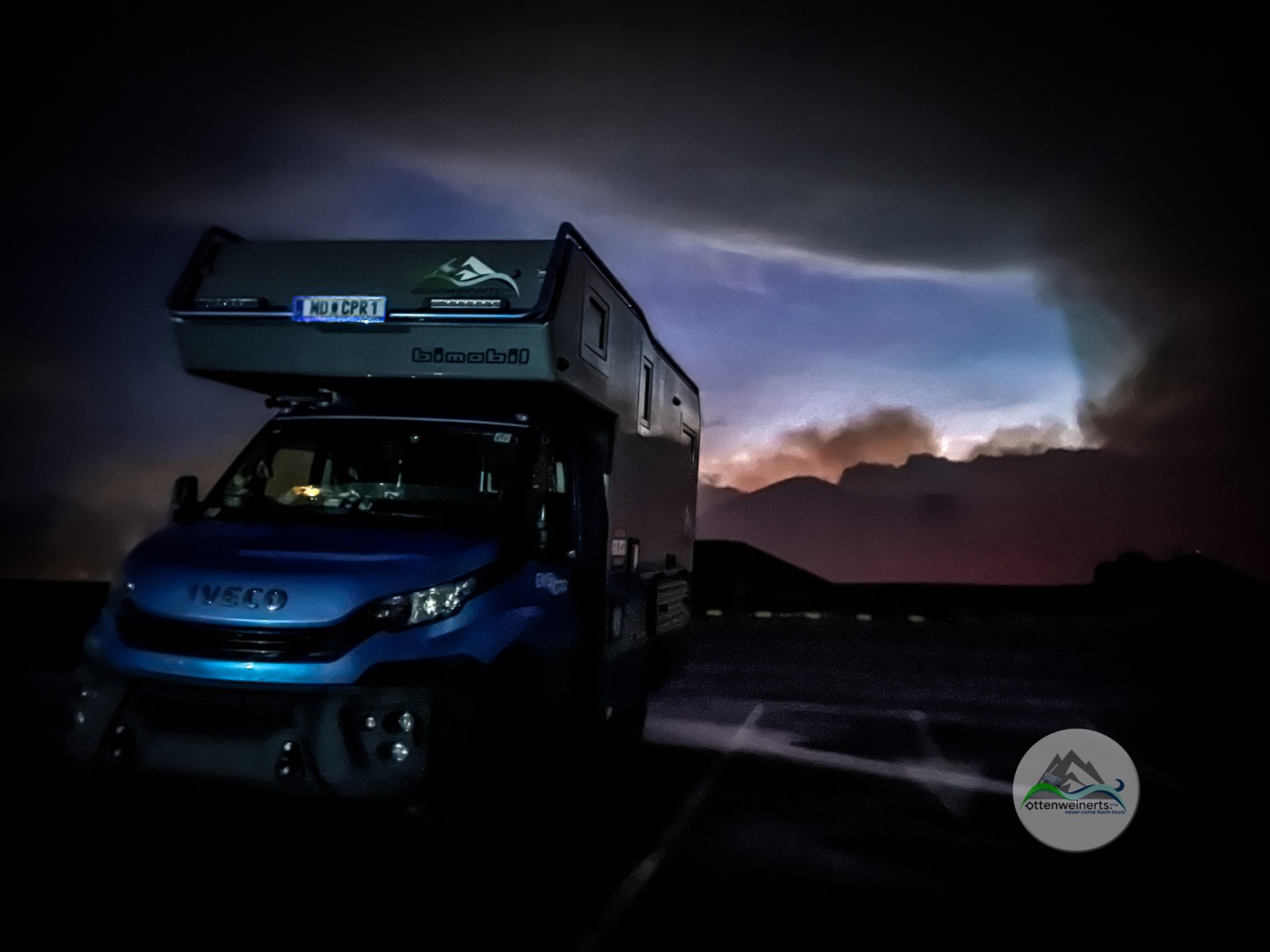
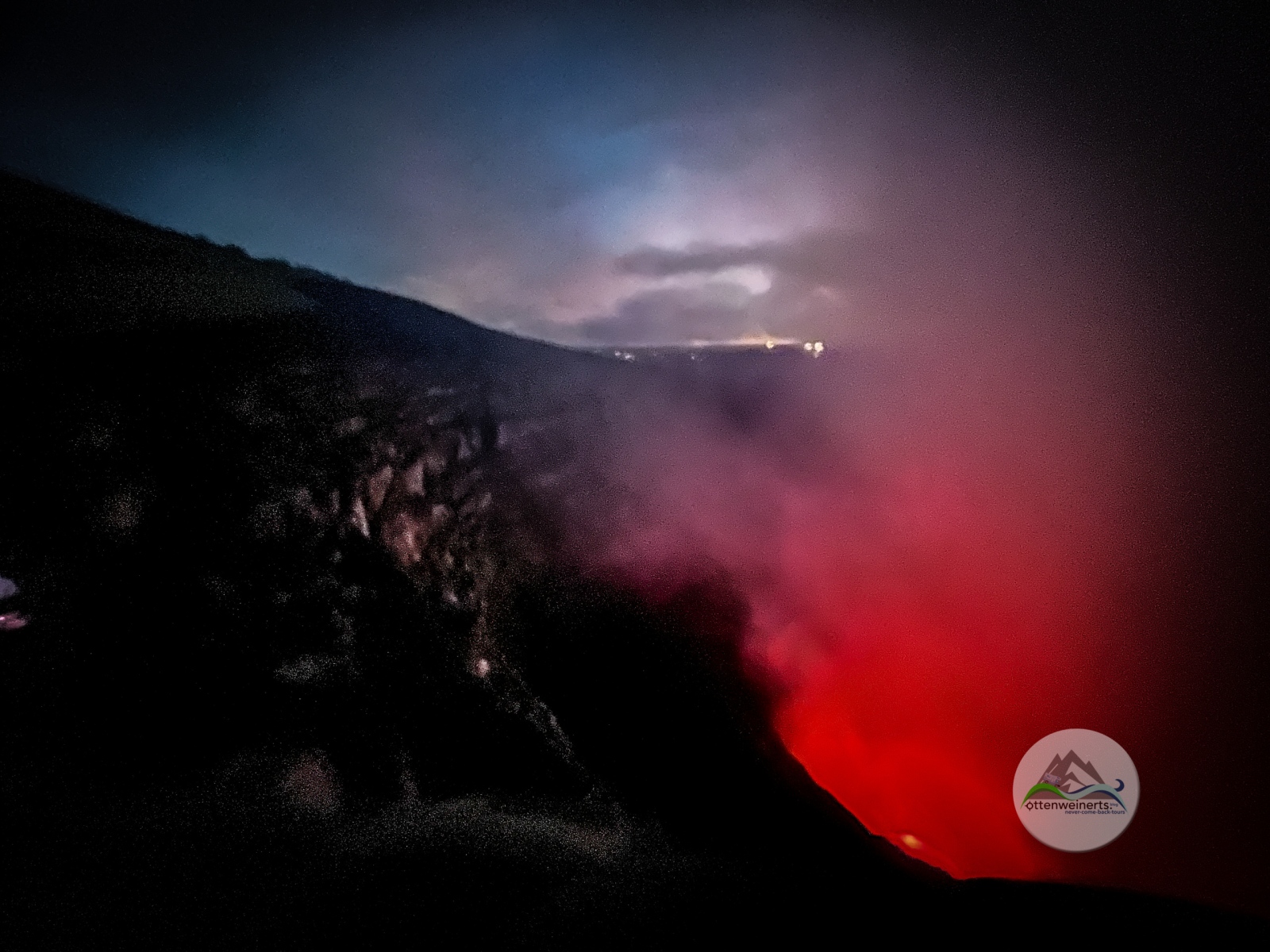
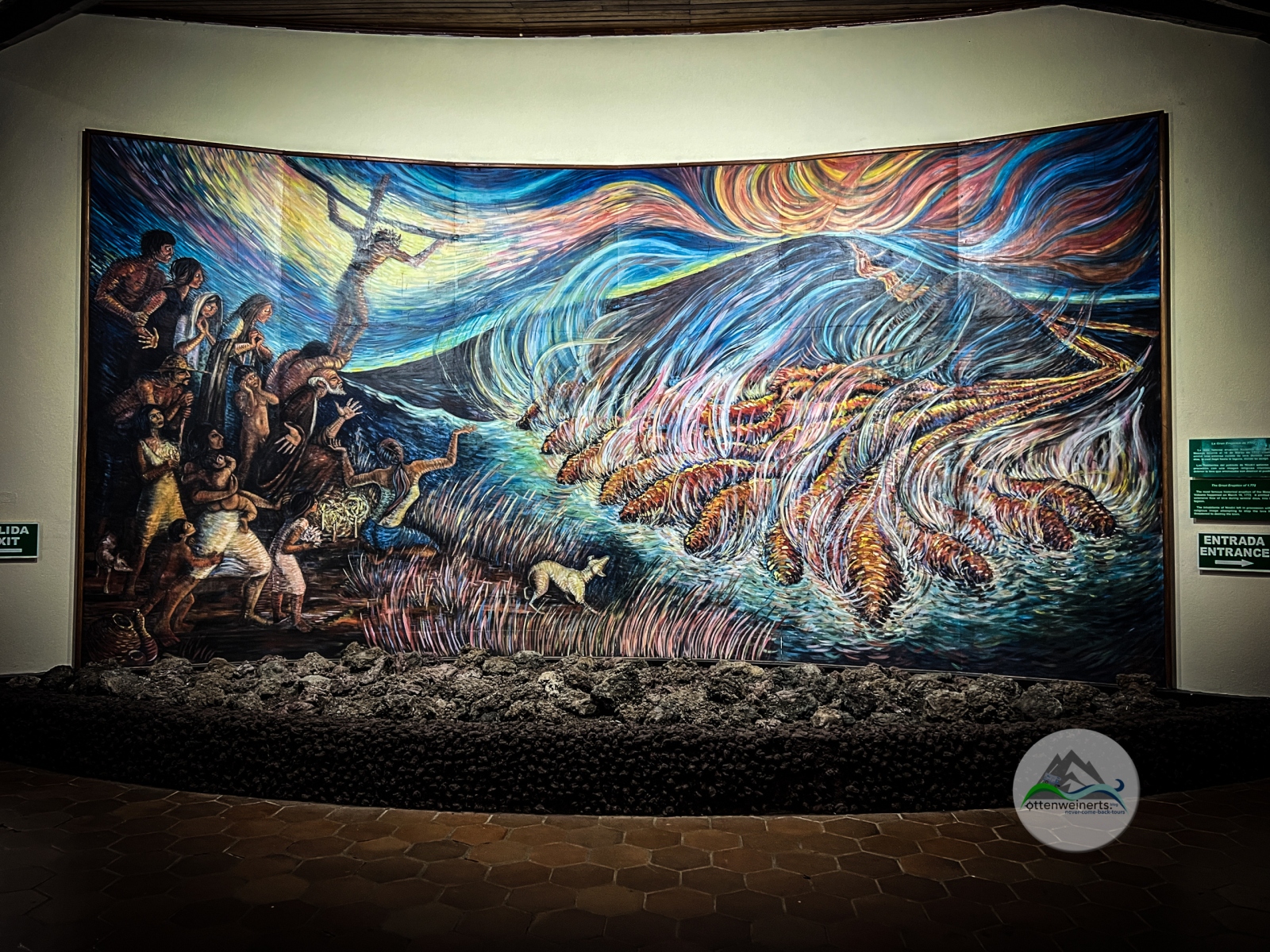
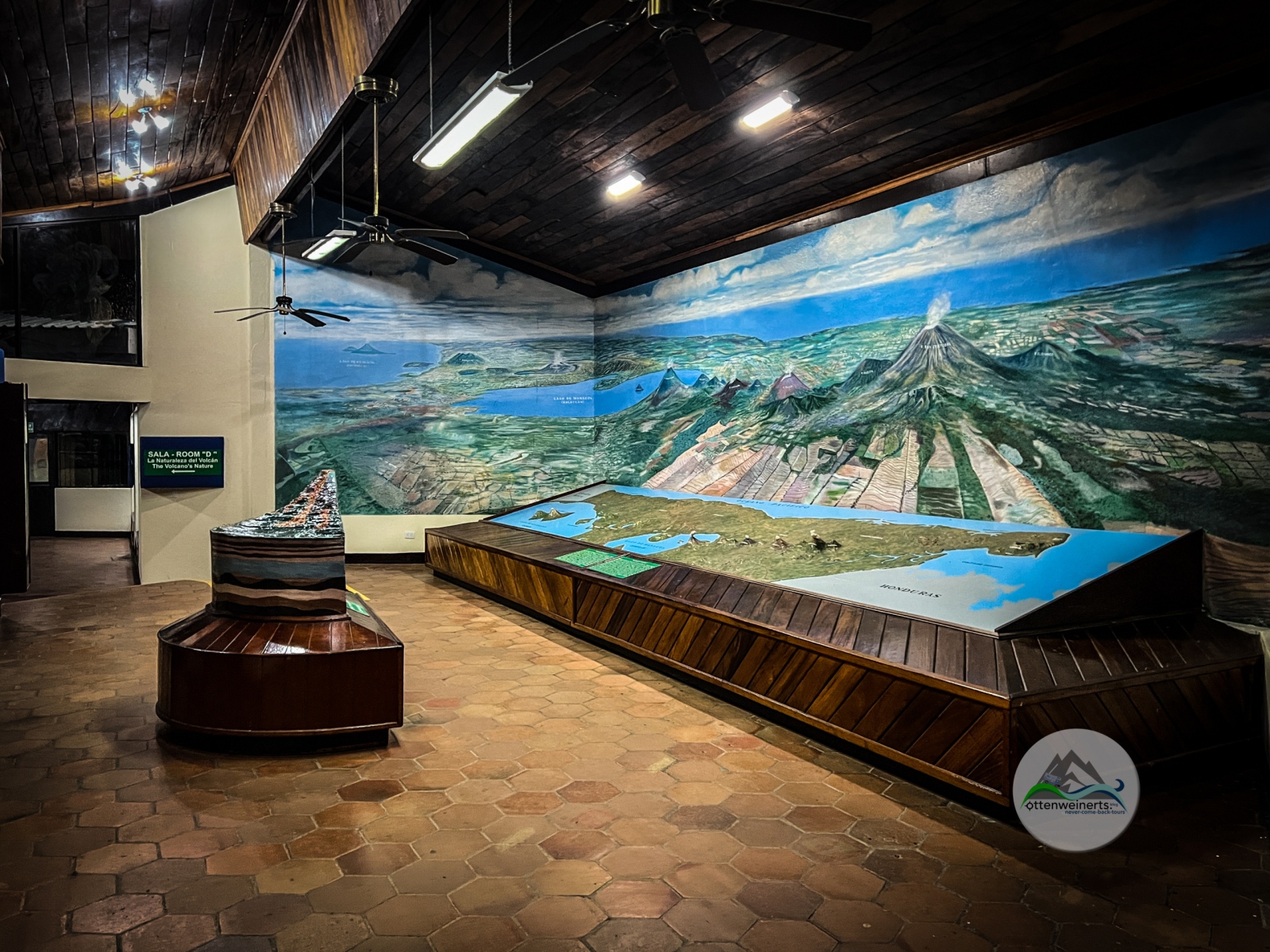
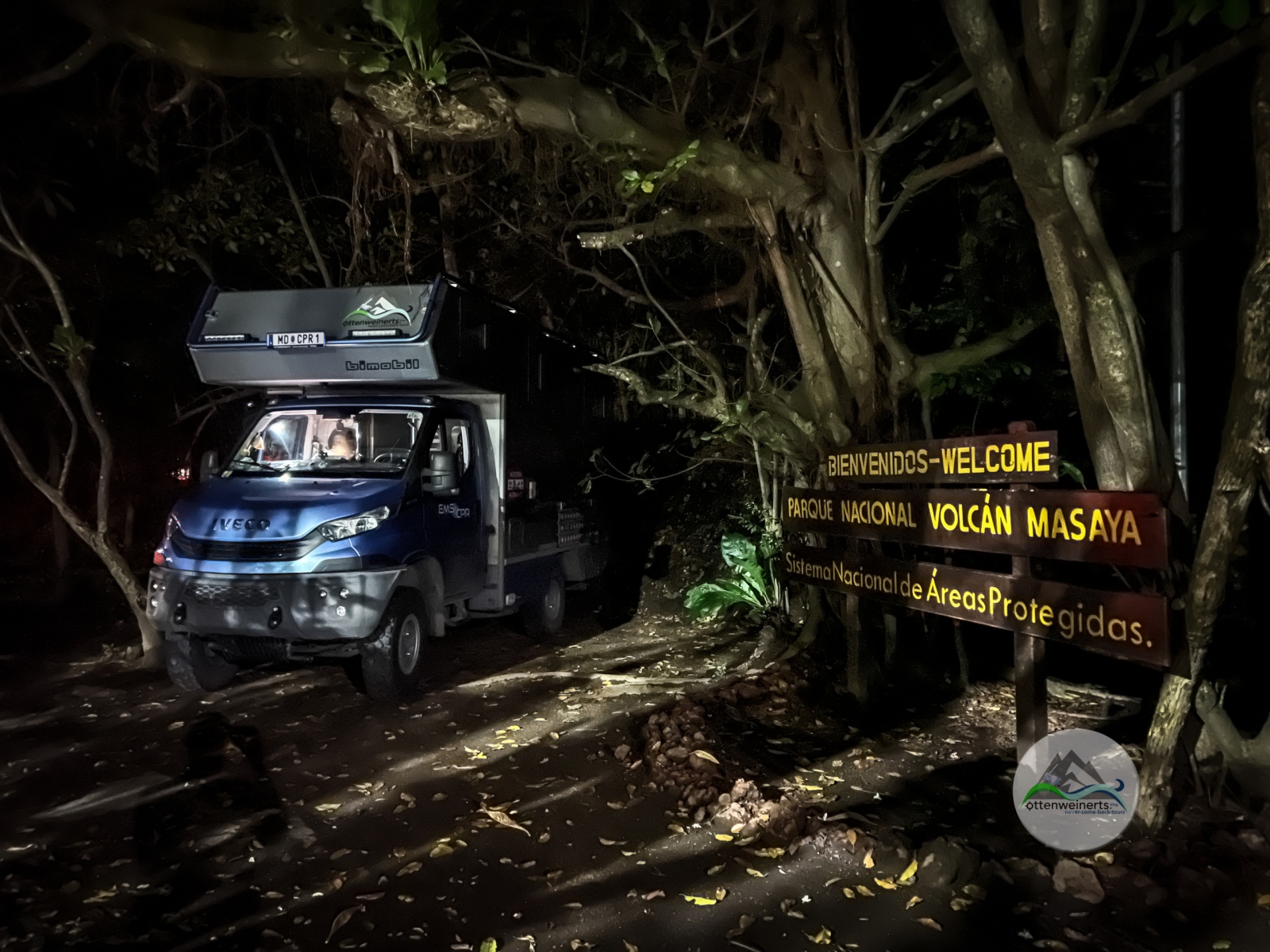
Und dann beschließen wir spontan, auch den Vulkan noch zu besuchen. Es ist schon dämmrig, als wir kurz vor 18 Uhr bei der Einfahrt zum Nationalpark sind – 5 km später oben am Parkplatz beim Kraterrand angelangt, ist es dunkel. Gut so, denn damit sieht man das düster-rote Blubbern unten im 260 m tiefen Krater Santiago um so besser. Im Besucherzentrum gibt es ein überraschen gutes Museum, mit 3-D-Modellen der lokalen Krater und der ganzen mittelamerikanischen Kraterkette, Erklärungen zur Vulkanentstehung und viel Information über die vielfältige lokale Fauna und Flora, insbesondere die vielen verschiedenen Fledermausarten, die hier heimisch sind. Wir vergessen beinahe auf die Zeit, schaffen es gerade noch vor Torschluss aus dem Nationalpark. Es ist stockdunkel, und wir dürfen freundlicherweise gleich neben dem Einfahrtstor übernachten.
Day 157 – Stone carvings, a prison and a volcano
This morning we received the email we had been waiting for – booking confirmation for the passage for our camper from Colón, Panama, to Cartagena, Colombia, on October 7th. BUT – we have to be in Panama City for the vehicle inspection on sept 30th already, and in Colón on oct 3rd. This changes our planning completely, as we also have to schedule inspection and service for our vehicle in San José, Costa Rica. So, we skip the visits to coffee plantations and cigar manufacture here in the north and just pay a short visit to the historic center of Estelí instead. The silhouette of Augusto Sandino is present here on every corner. The Basilica de Nuestra Señora del Rosario on the center is home to a black Christ and to the Virgen del Rosario; she should have been brought to León, but due to a mistake she arrived in Estelí, and stayed.
Then we drive towards the National Park Tizey – La Estanzuela, to Señor Alberto Guitérrez´s Finca with the famous stone carvings. The road in the park is surprisingly good for a long distance and without holes. But when we reach the turn to the Finca, we have to leave our camper behind with chocks under the tires and continue on foot. It turns out to be an adventure again, crossing meadows with cattle (the ladies were a bit skeptical), down steep muddy paths and steep paths up through the cloud forest, but it was worth it. Señor Alberto has been carving here for decades – religious motives, animals from all over the world and especially from Nicaragua. We didn´t expect to see any other people in this remote area, but there were more tourists, and so we got to know Niv from Tel Aviv.
After this somewhat unexpected adventure we drive the Panamericana further south – we have to be fast and flexible now; en route, we send an email to the Iveco car repair shop in San José and hope for a fast answer. In Masaya we want to go to Fort Coyotepe – only to find out that Google Maps doesn´t tell you how steep a road really is. And at the Fort there was hardly any place to turn the car around – but Sigi and our brave camper did very good. Fort Coyotepe was built in 1893; in 1936 Somoza turned it into a military installation and from 1954 till the revolution in 1979 it was a prison – walking the subterranean prison and torture cells was a depressing experience. But the view from the top of the fort over the city the lake and the volcano is really nice.
Spontaneously we decide to visit the volcano, too. At dusk we arrive at the entrance to the Masaya Volcano National Park – 3 miles later at the parking lot at the crater´s edge it is dark already. Perfect – because now the dark read magma bubbling 850 ft below looks even more impressive. There is also a surprisingly good museum, with 3-D models of the local craters and the whole central American crater range, explanations about volcanoes, and a lot of information about the local fauna and flora, especially about the many different bats living here. We almost forget about the time and make it out of the park just before they close the gate. It is pitch dark now, and we are allowed to stay at a nice spot right here at the park entrance for the night.