Donnerstag/Thursday, September 1, 2022
Tag 137 – Von Belize City nach Belmopan
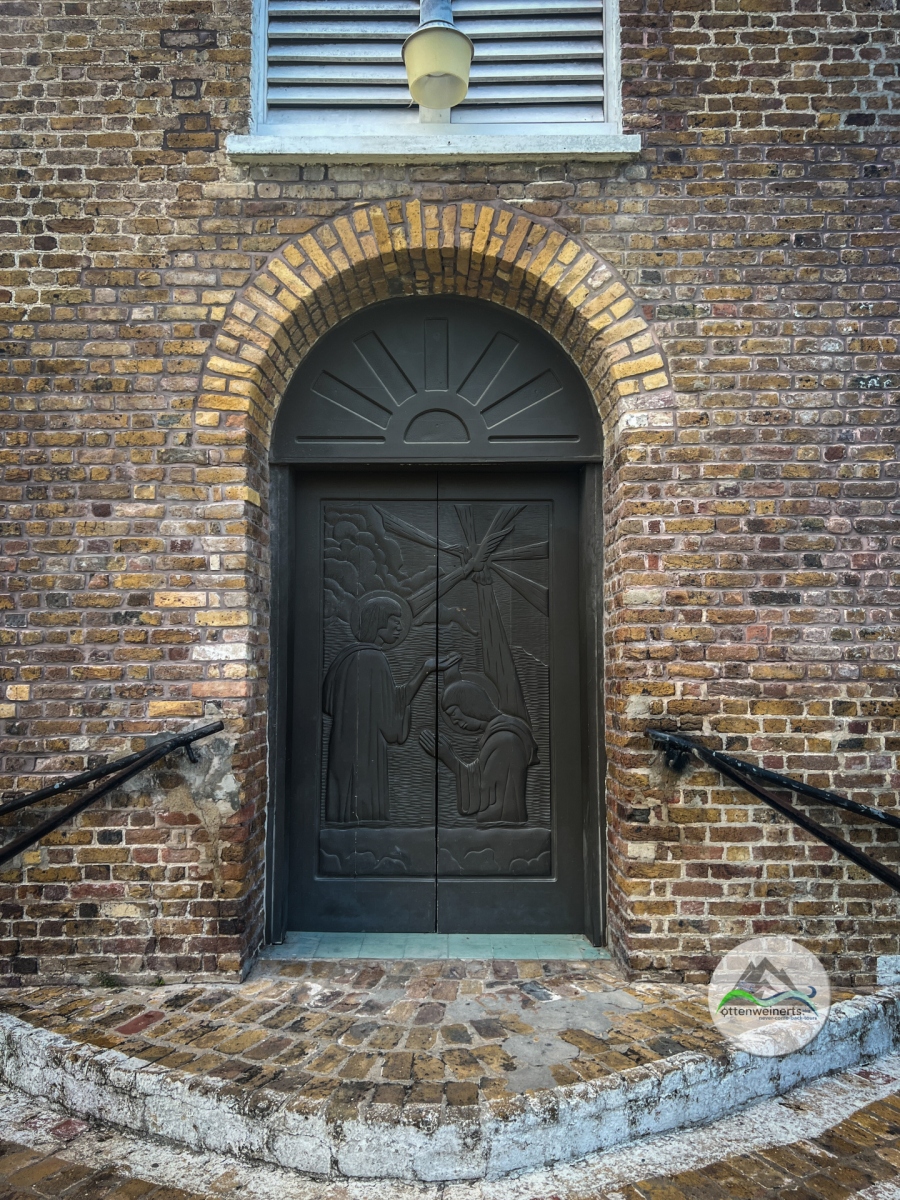
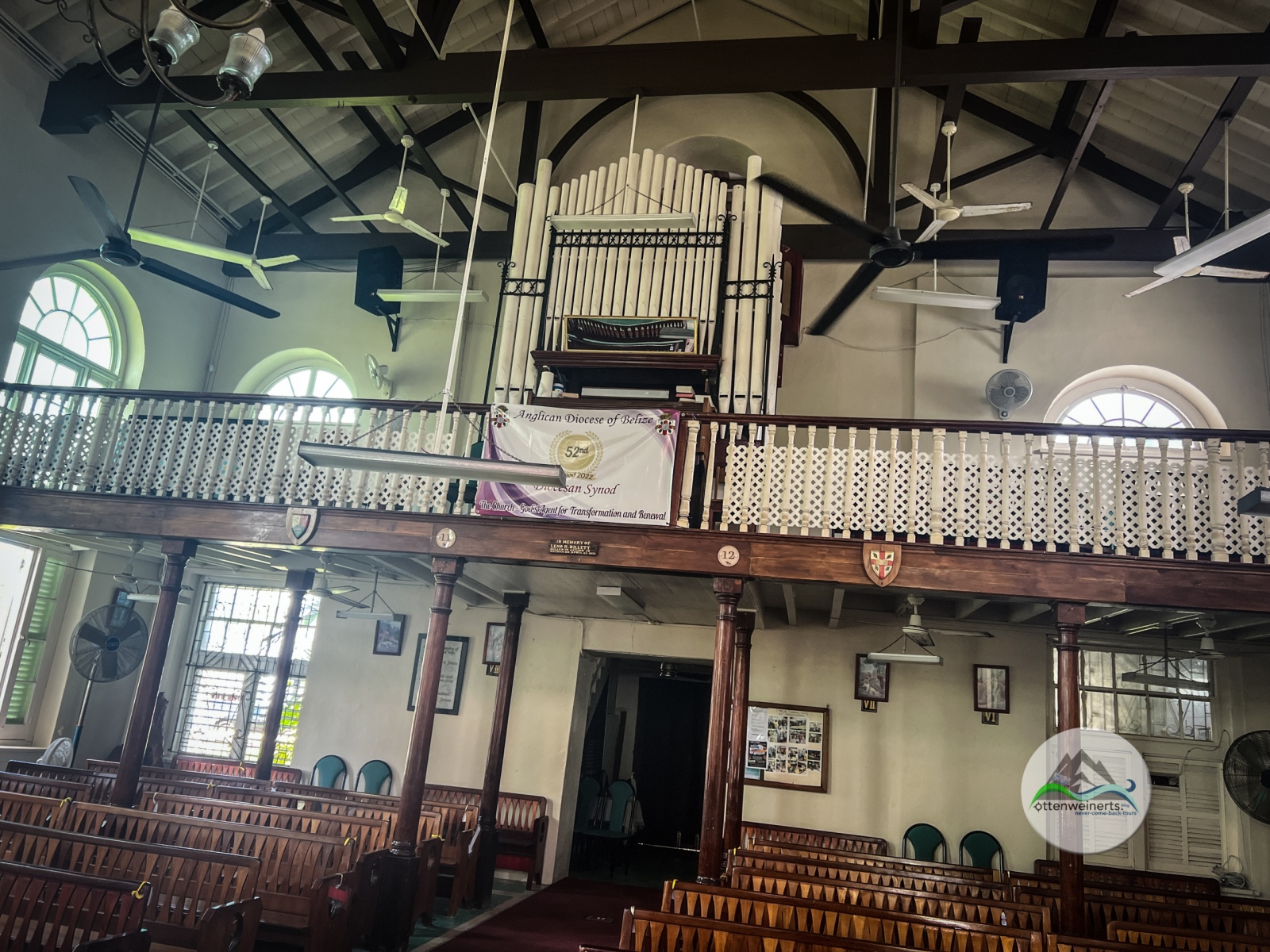
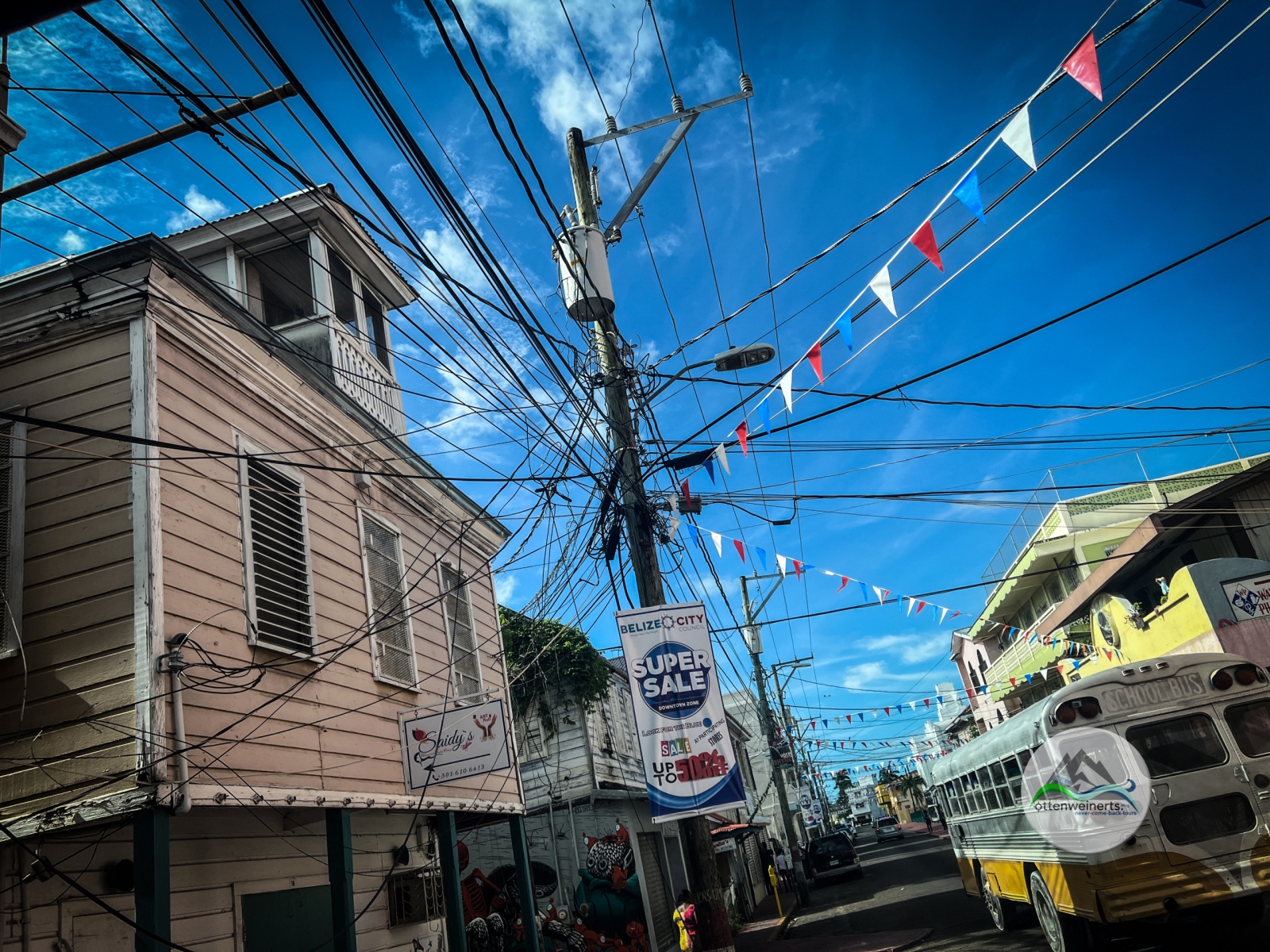
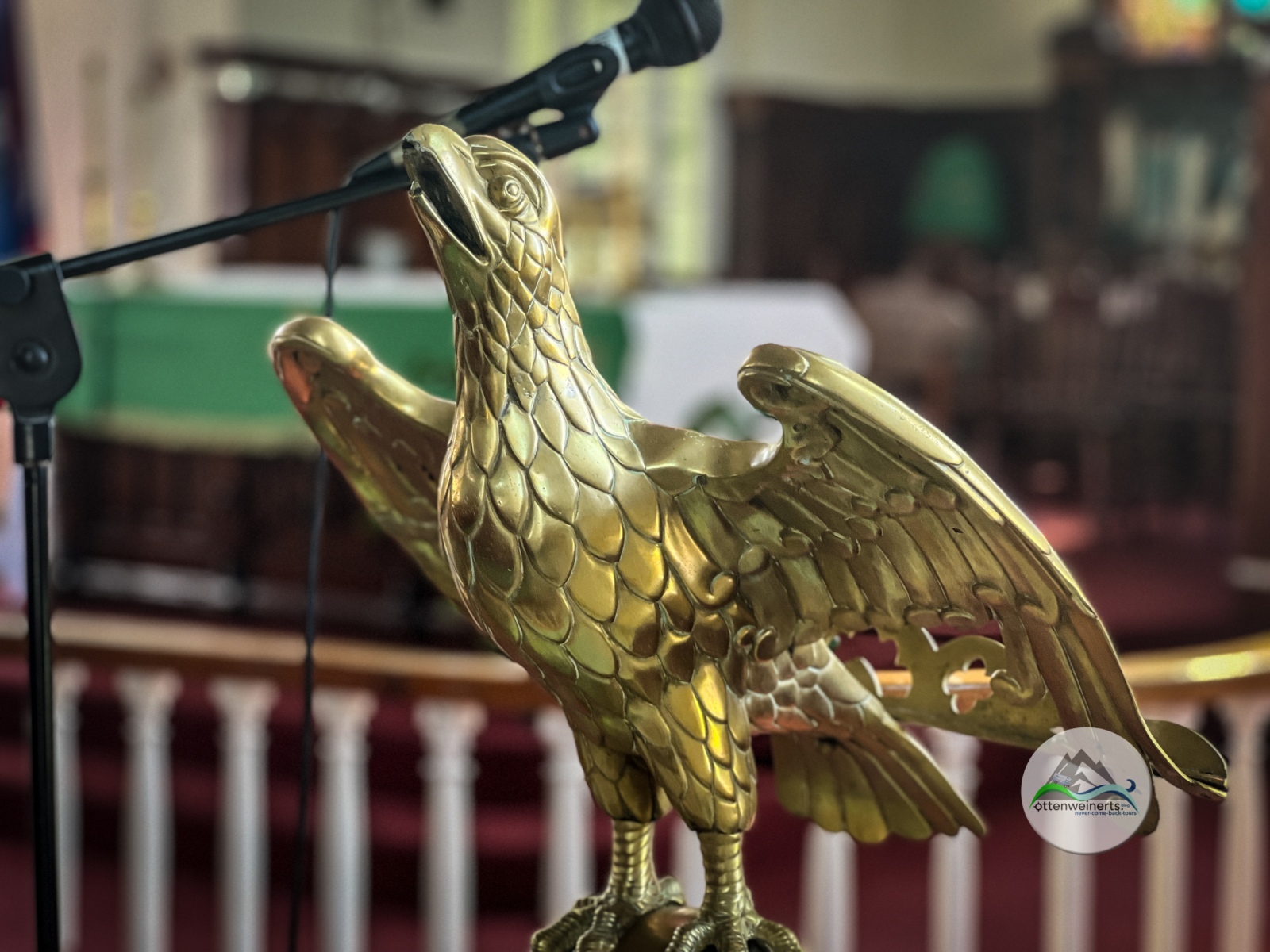
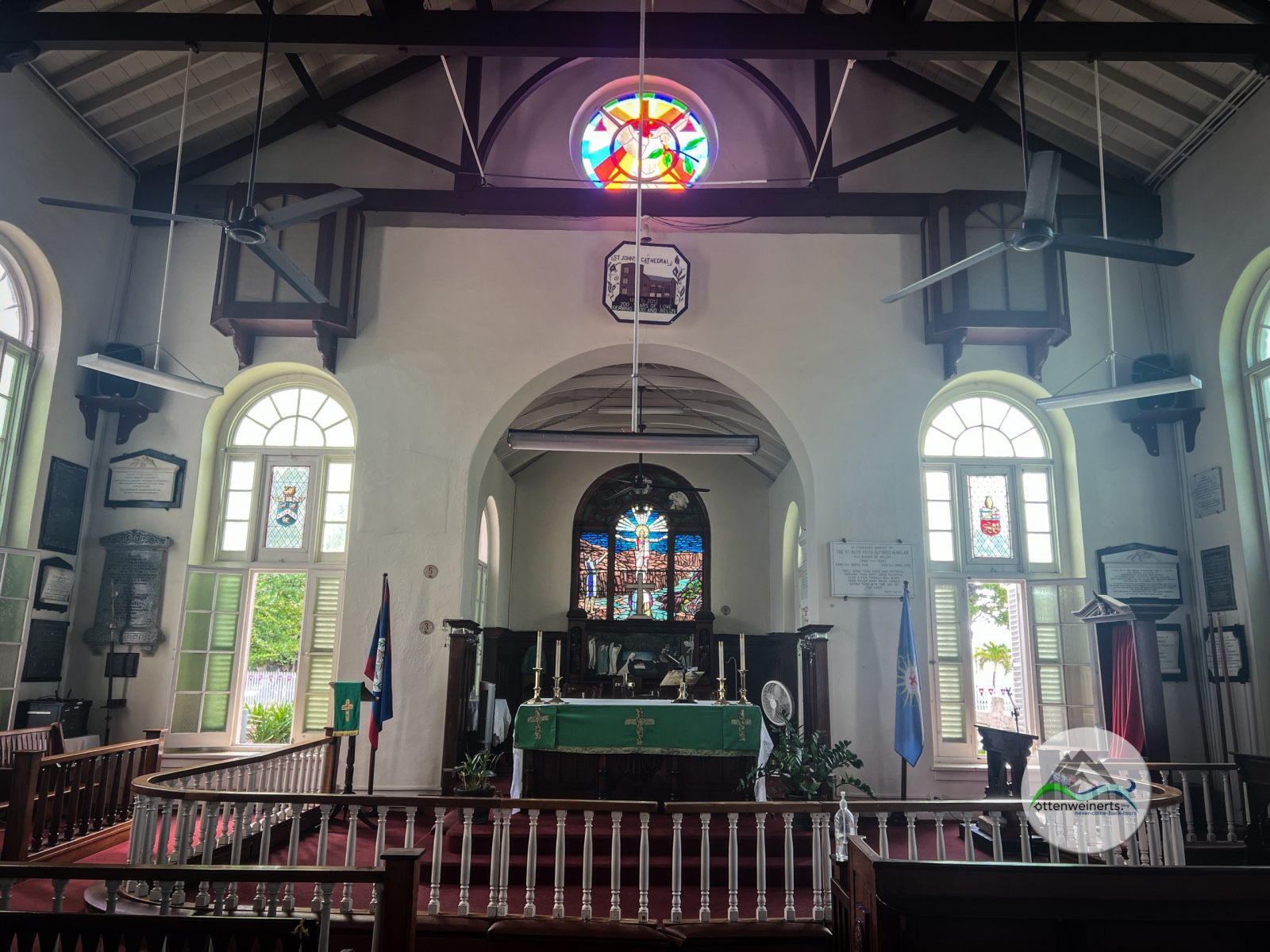
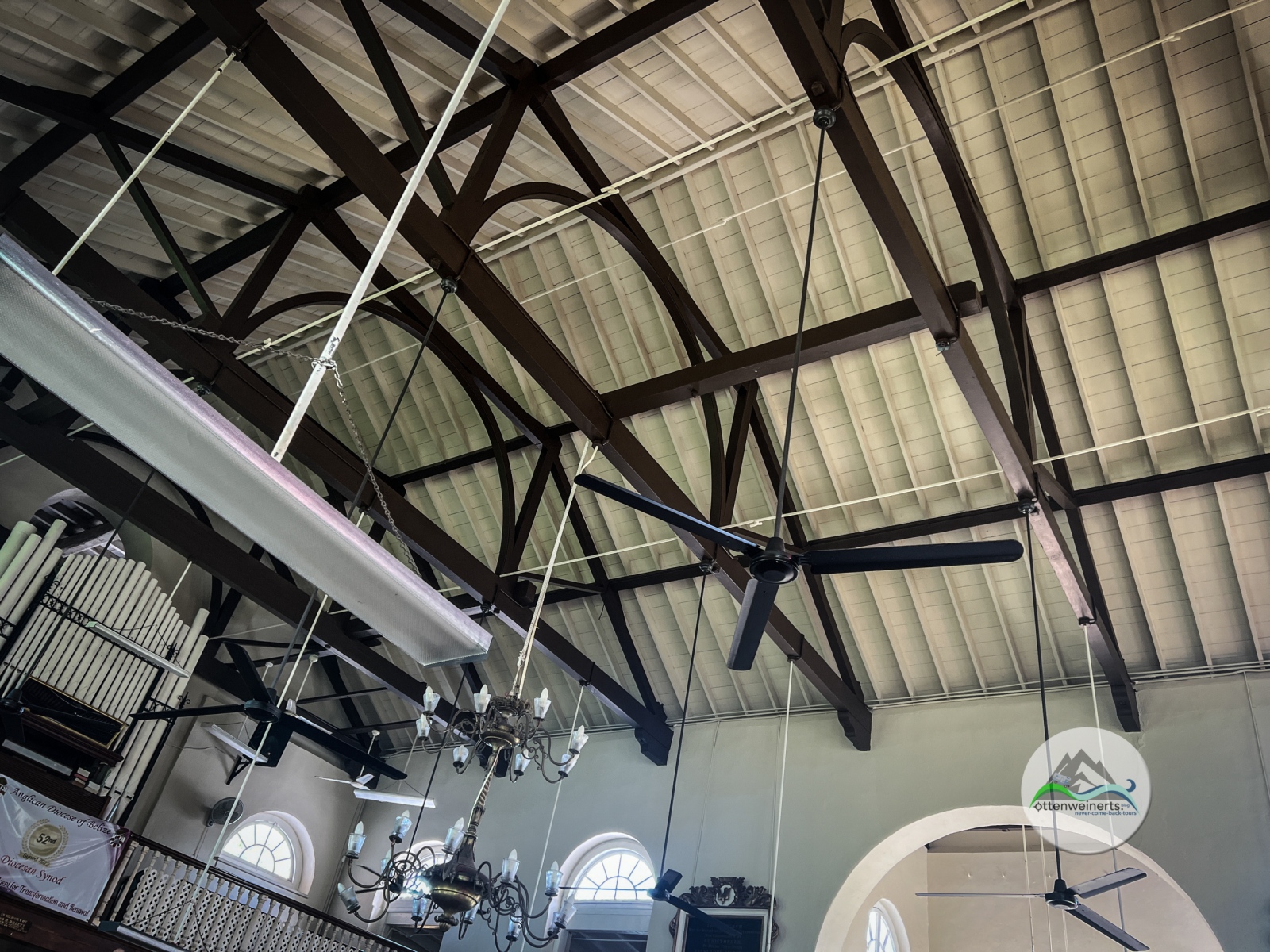
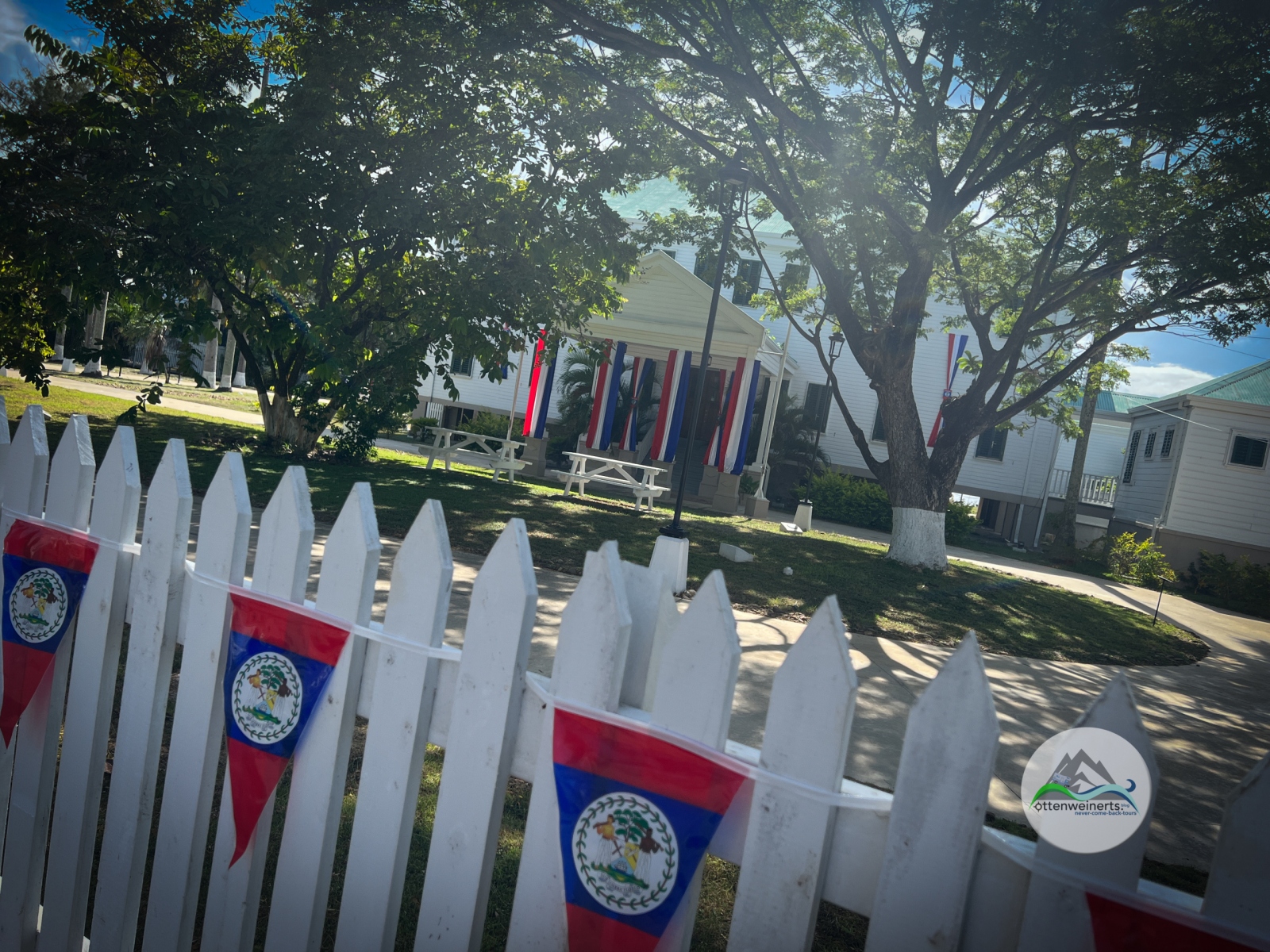
Wir verlassen den Norden von Belize City über die fast 100 Jahre alte Drehbrücke – 1923 installiert, ist sie angeblich die älteste, noch funktionierende manuell betriebene Brücke dieser Art weltweit. Allerdings wird sie nur noch ganz selten gedreht, nämlich um Booten das Einlaufen in den Haulover Creek zu ermöglichen, wenn Hurrikans angesagt sind. Die nächste alte Dame, die wir besuchen, ist St. John´s Cathedral, die älteste anglikanische Kirche in Mittelamerika, erbaut von 1812 bis 1820, mit aus England herbeigeschafften Ziegeln. Vis-a-vis, mit Flaggen und Fähnchen verziert, steht das schmucke Government House.
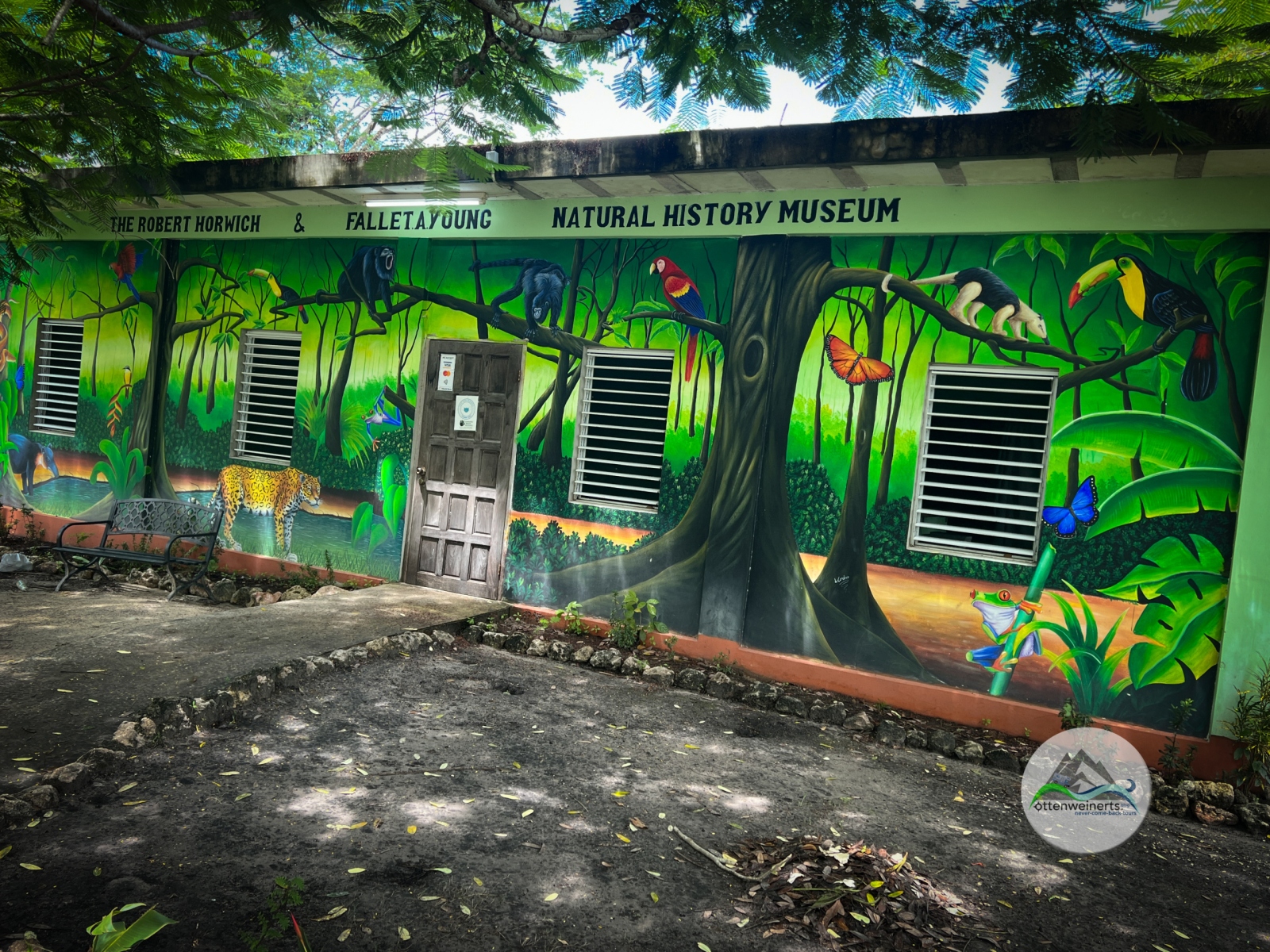
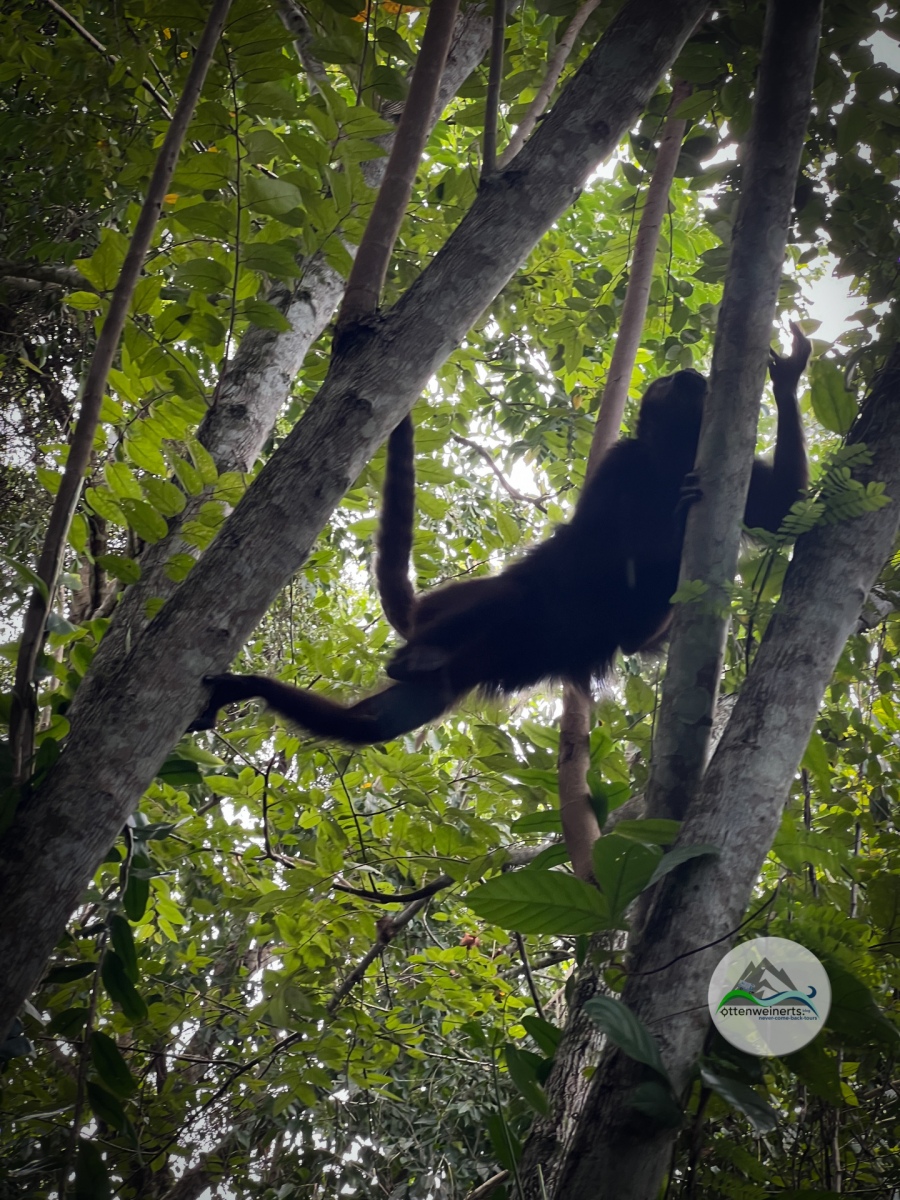
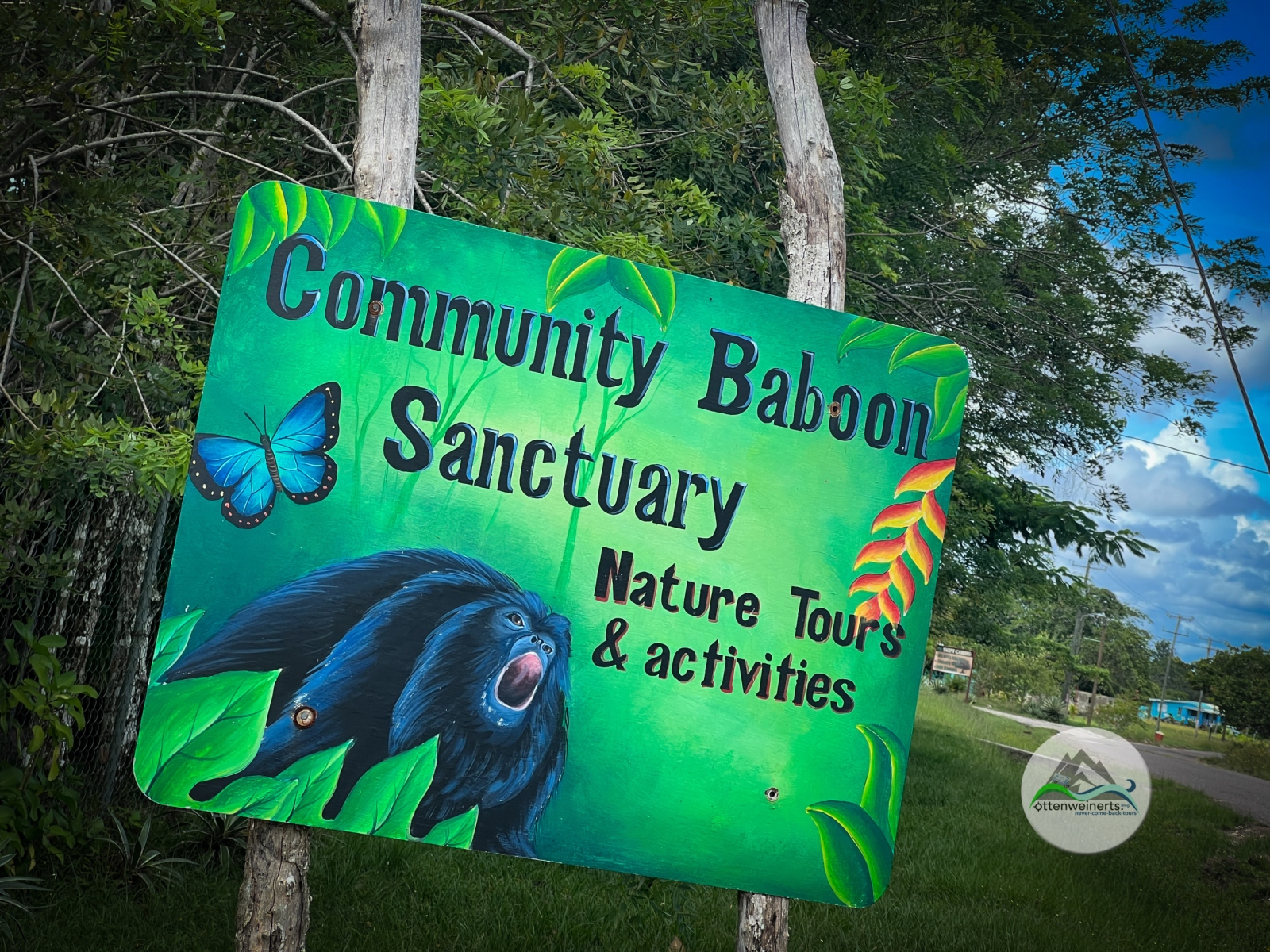
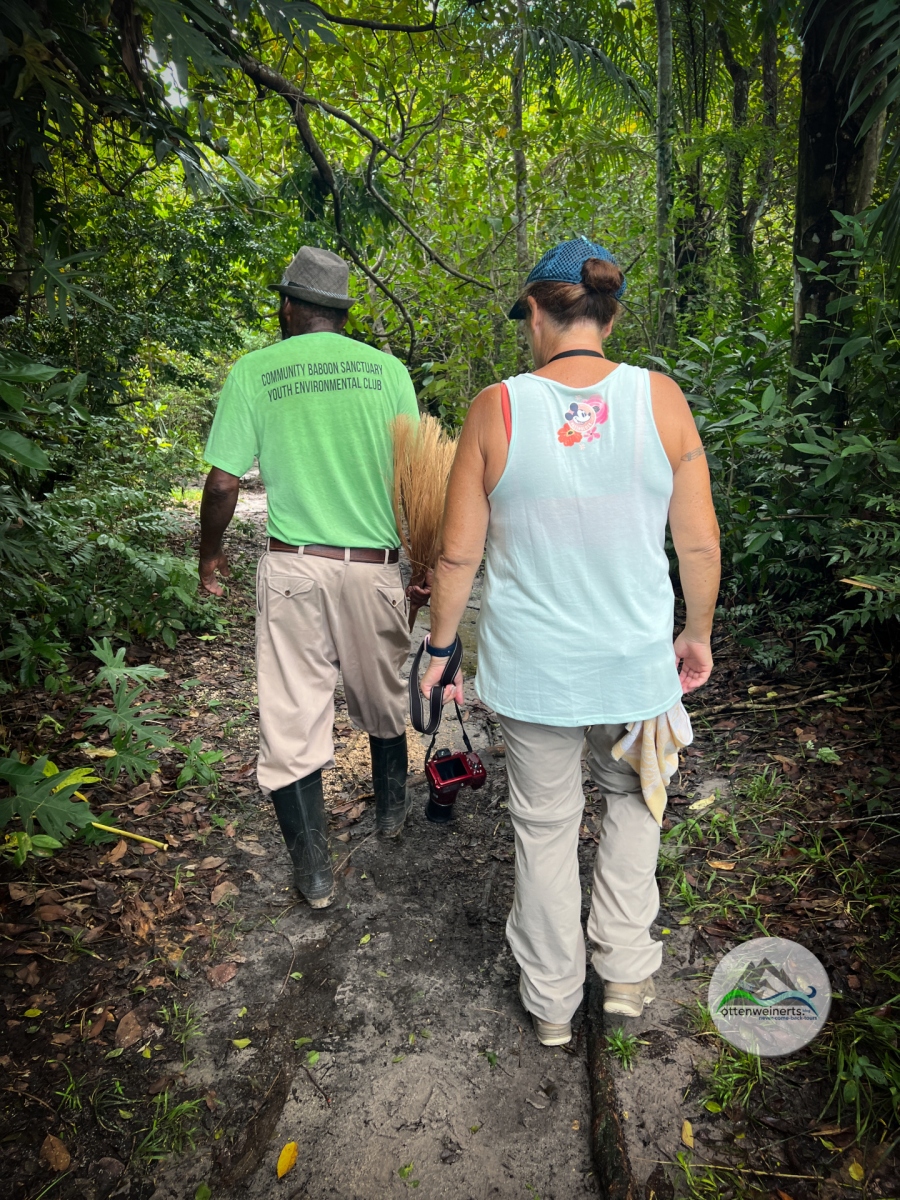
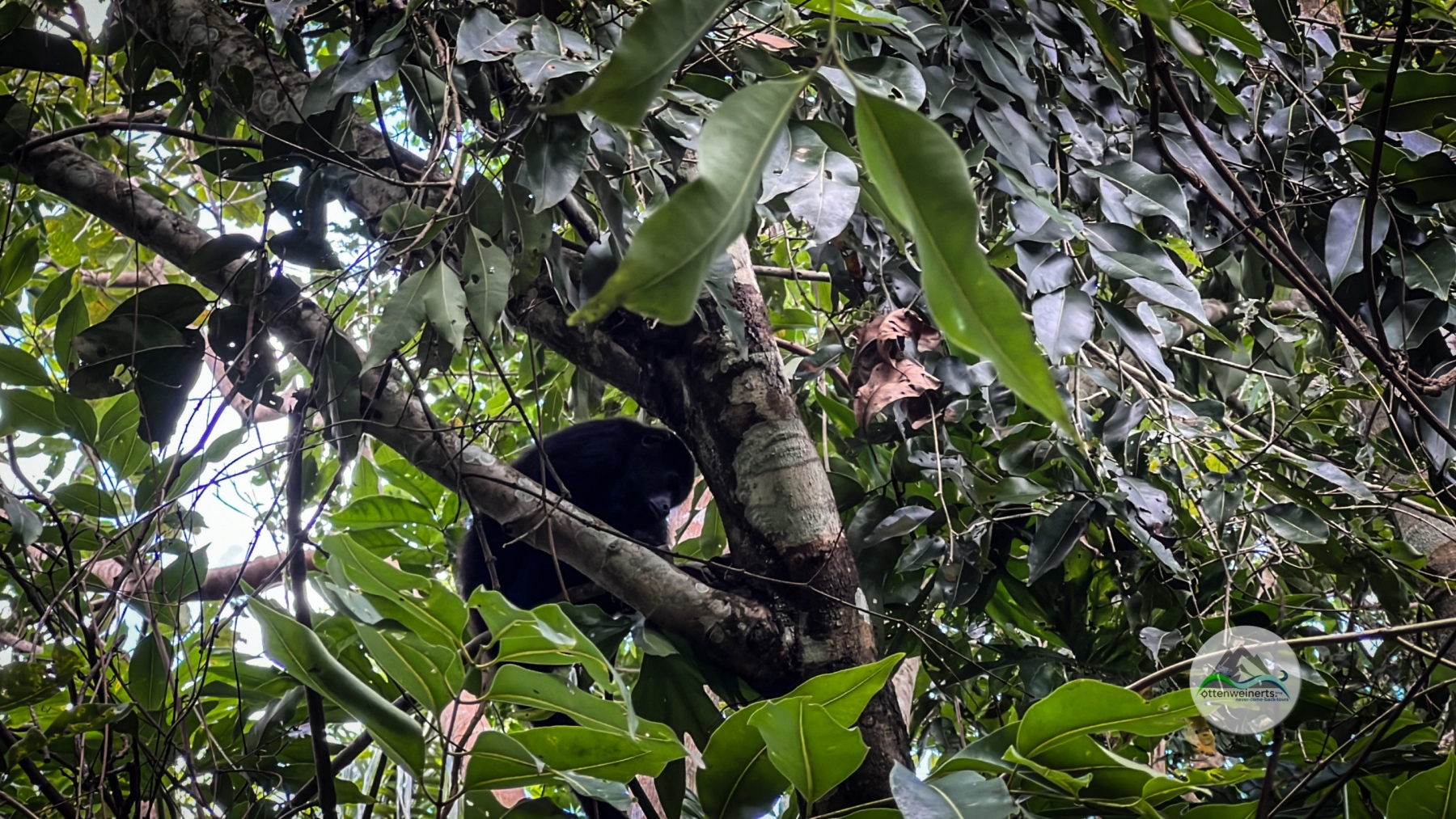
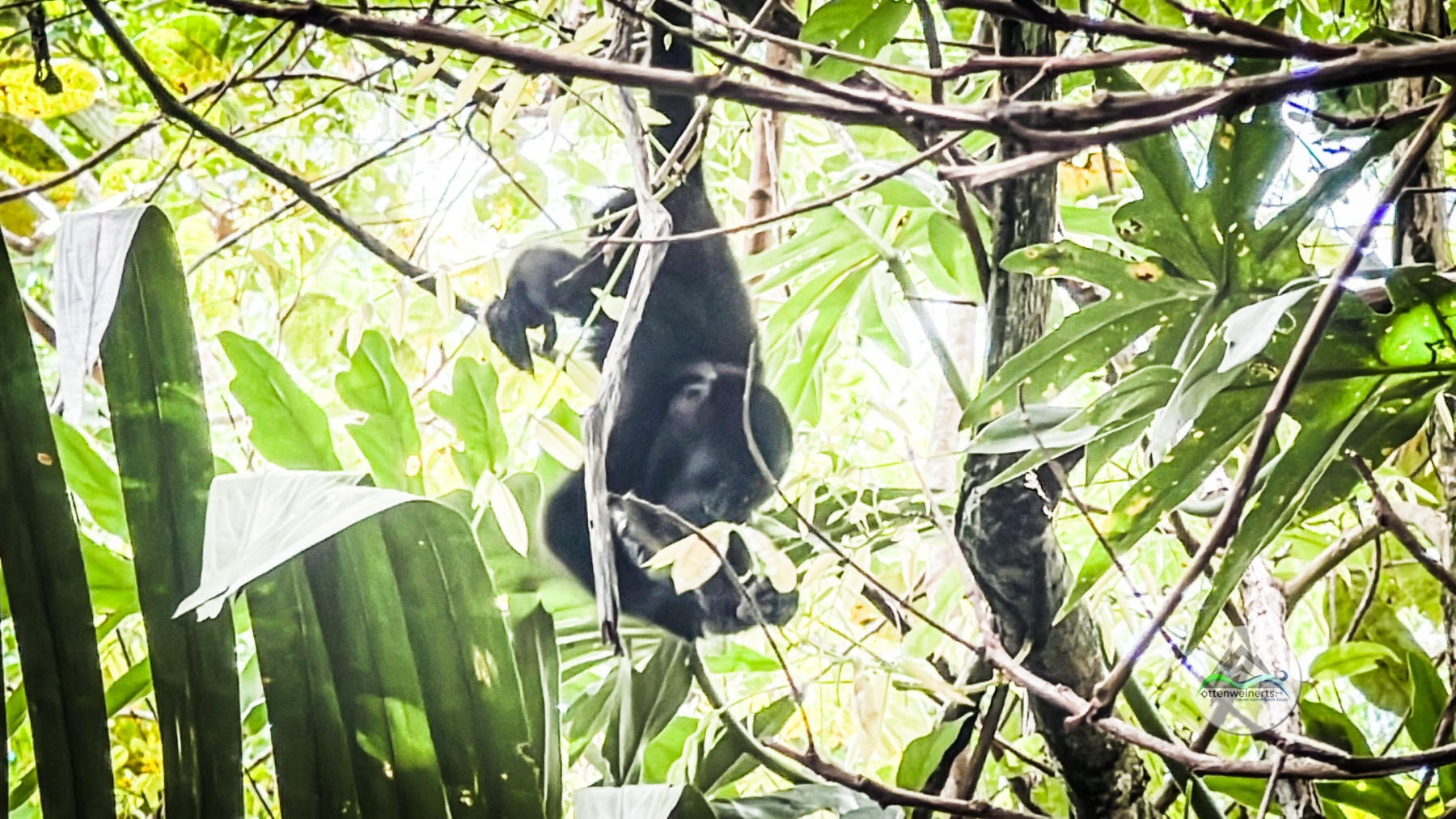
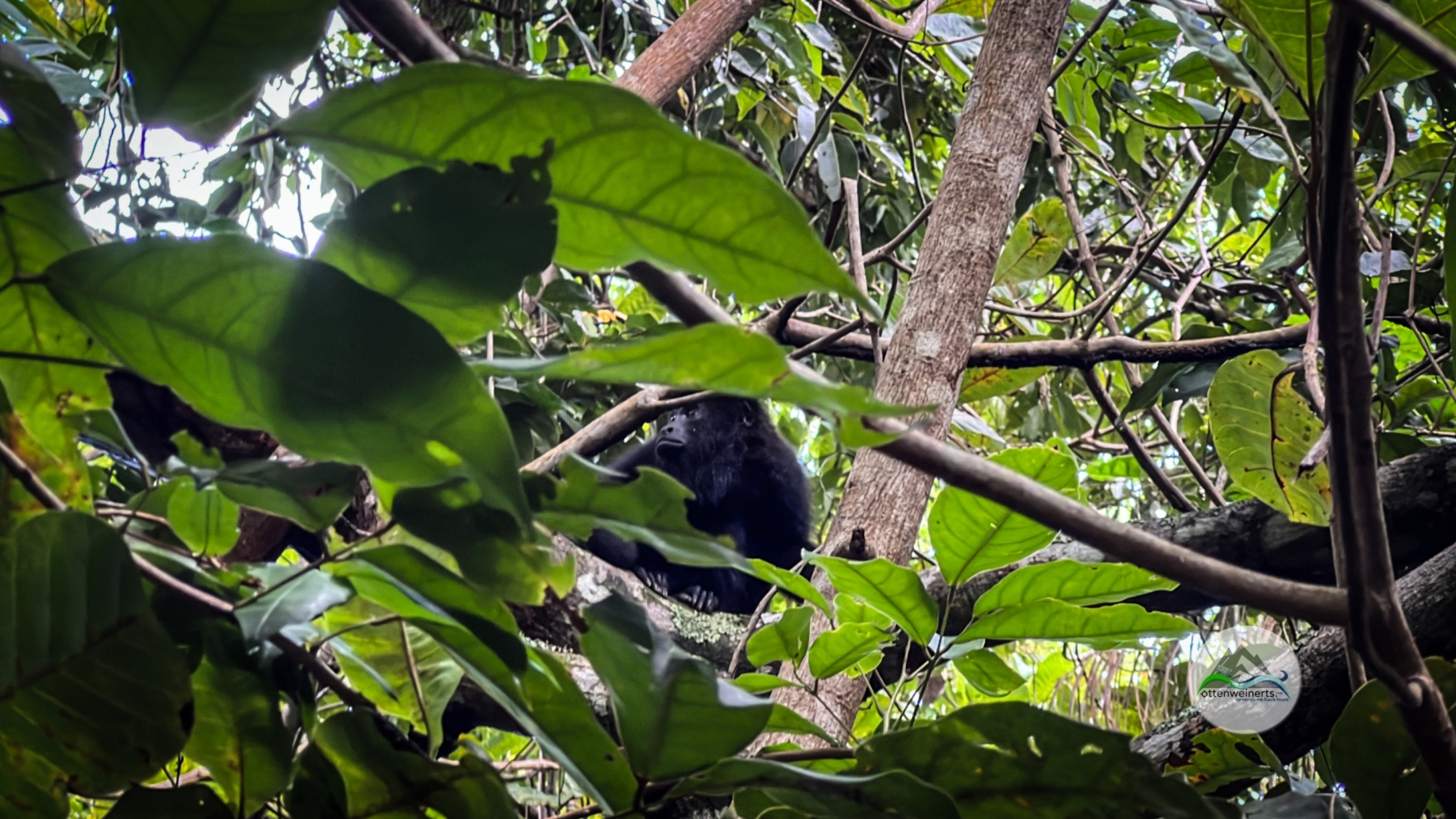
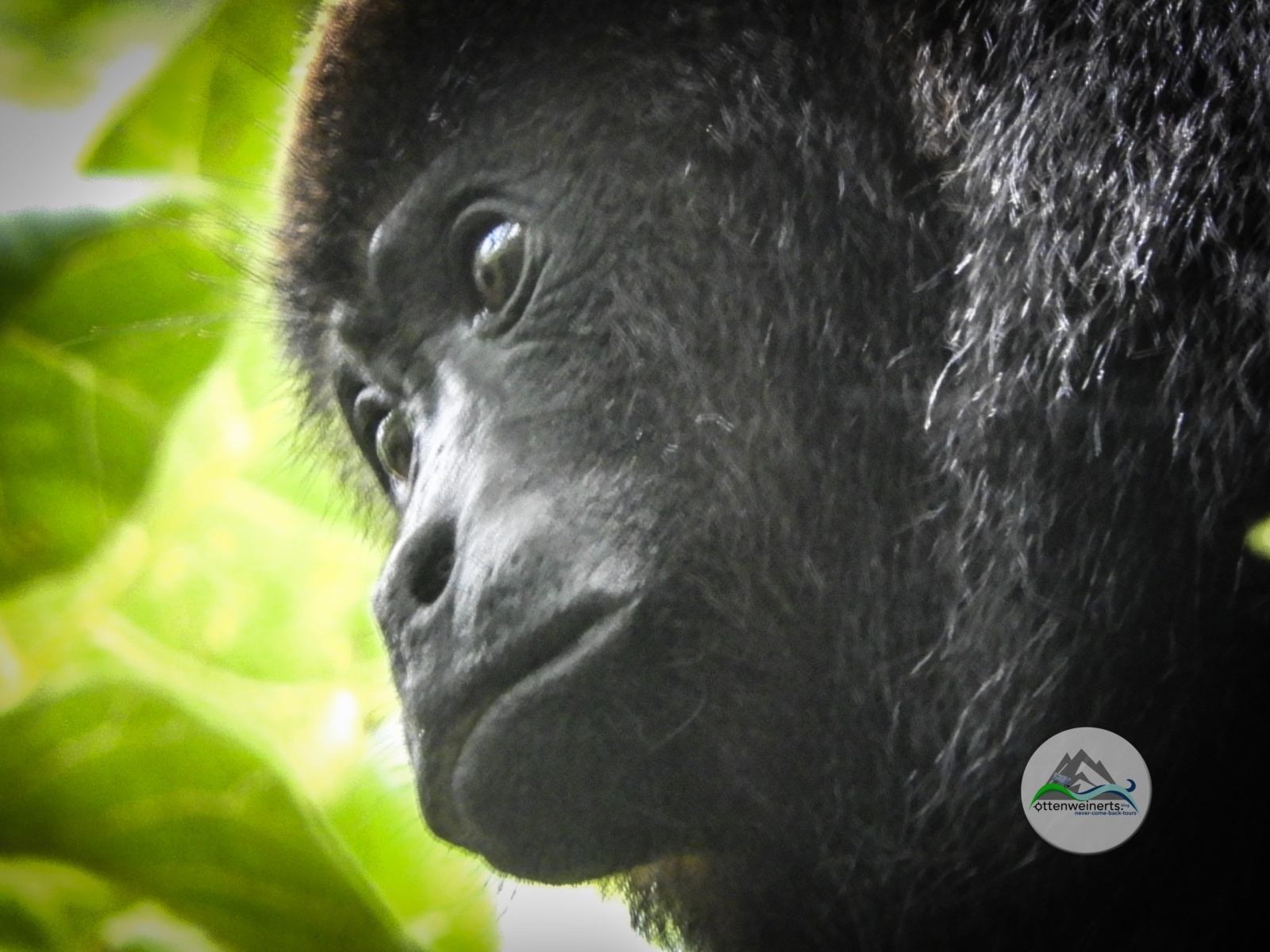
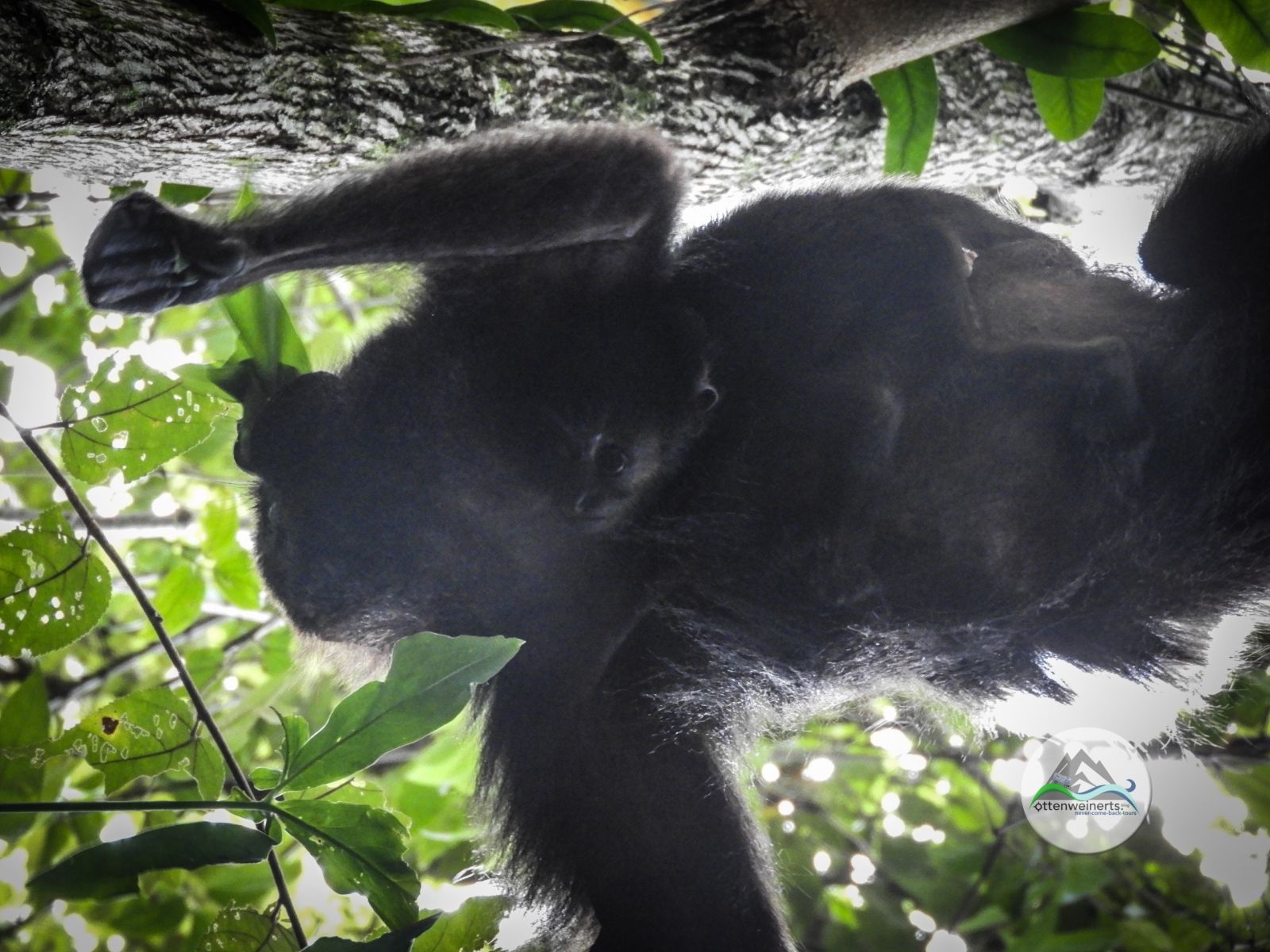
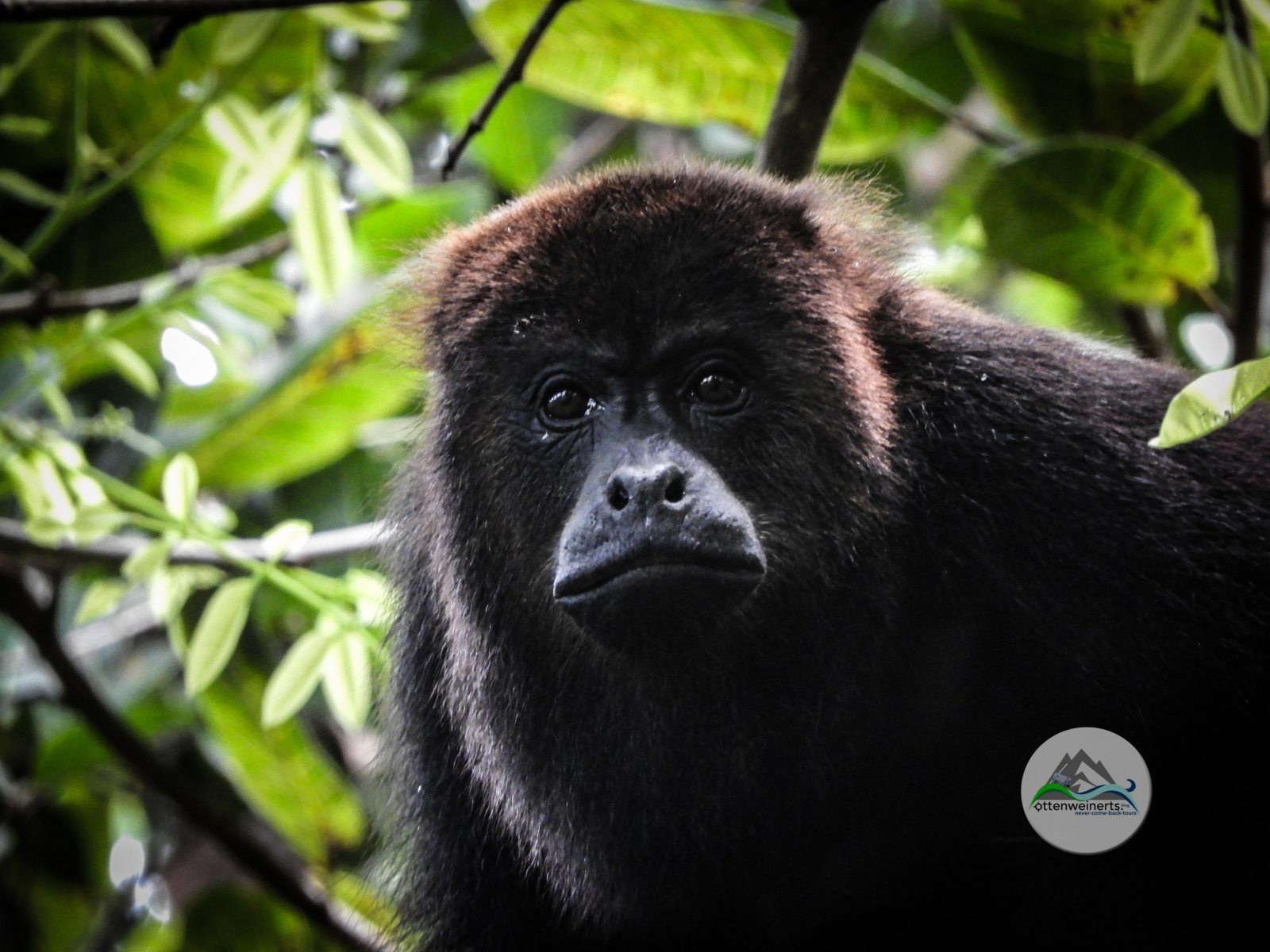
Nächster Stopp: das Community Baboon Sanctuary, 40 km westlich von Belize City – hier sind natürlich keine Baboons zu Hause, sondern Brüllaffen, die aber seinerzeit von den ersten Siedlern als Baboons bezeichnet wurden, und der Name ist geblieben. Das Sanctuary ist kein Zoo, es gibt keine Zäune, die Tiere leben frei und werden auch nicht gefüttert – es handelt sich um eine freiwillige Initiative. Die Grundbesitzer verpflichten sich, den Lebensraum der Affen, nämlich den Urwald zu erhalten; es gibt ein kleines Museum und dann führt der Guide die Besucher in den Urwald – und wenn man Glück hat, so wie wir heute, dann sieht man eine ganze Affenfamilie mit ein paar Kleinen in den Bäumen herumturnen oder nur am Greifschwanz hängend nach Früchten angeln.
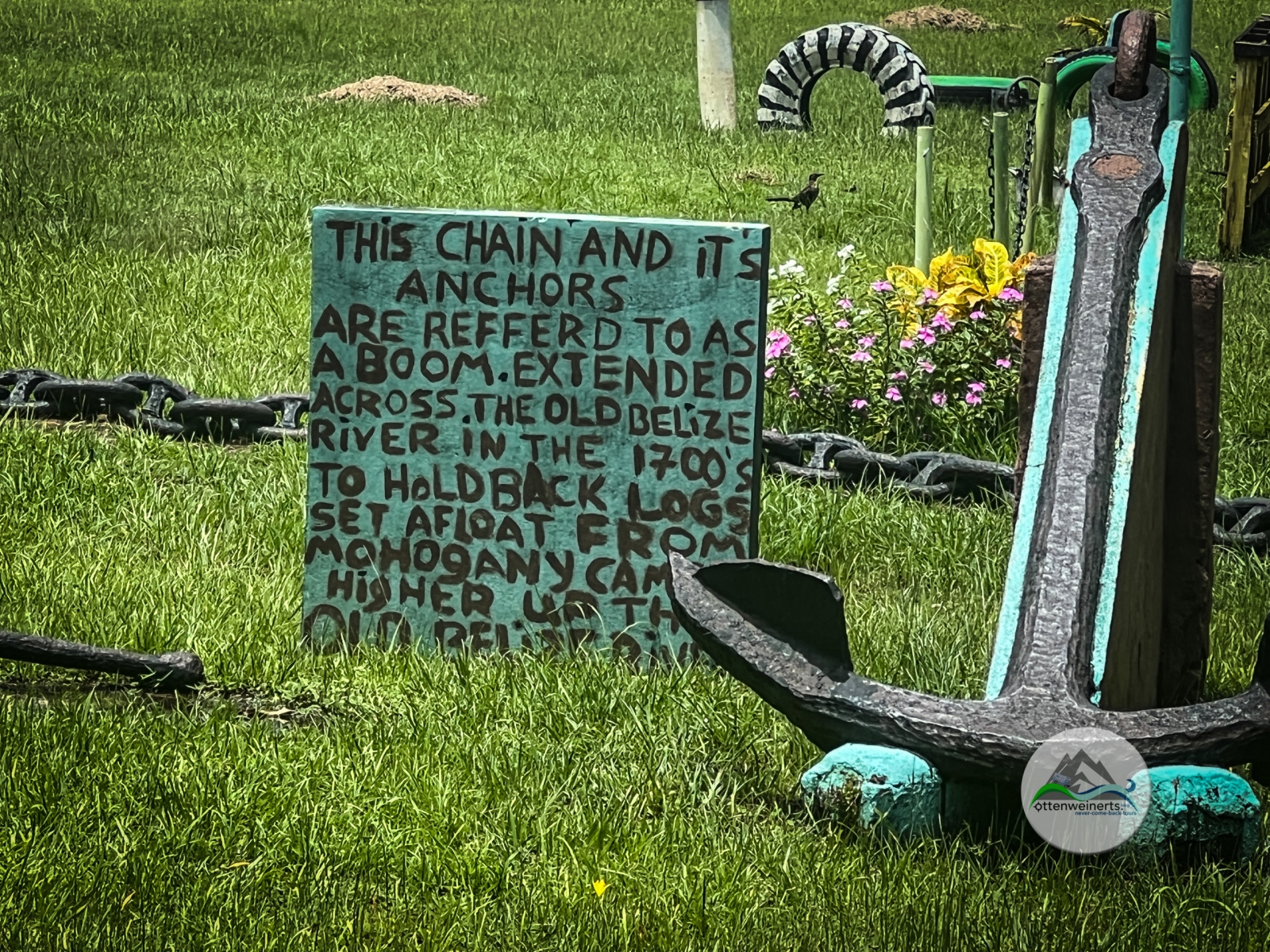
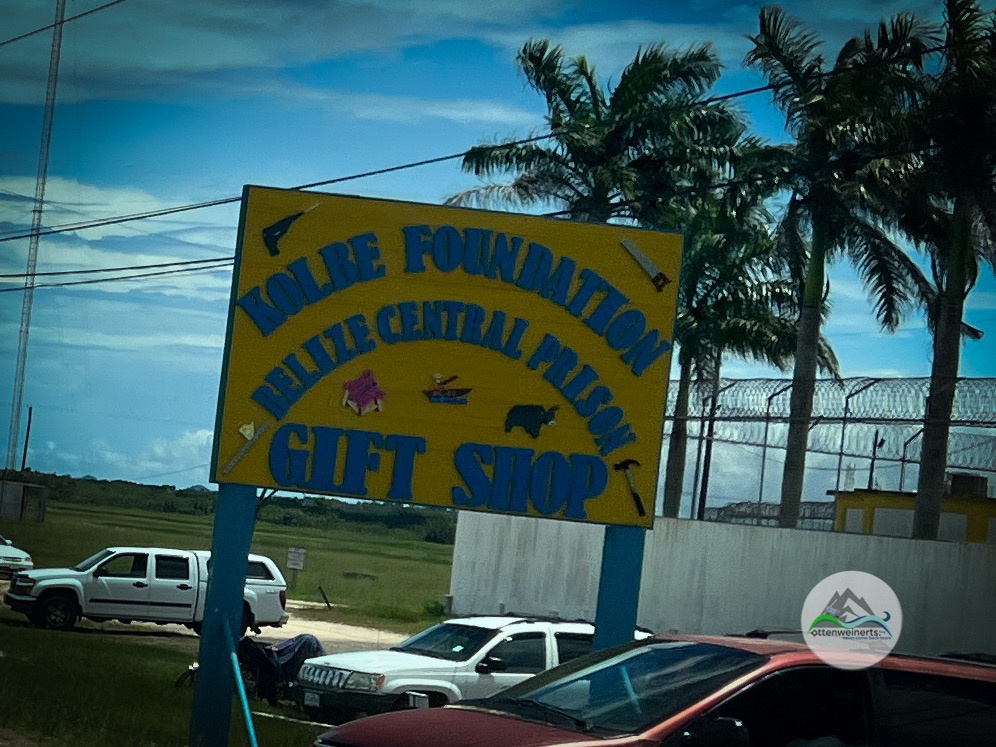
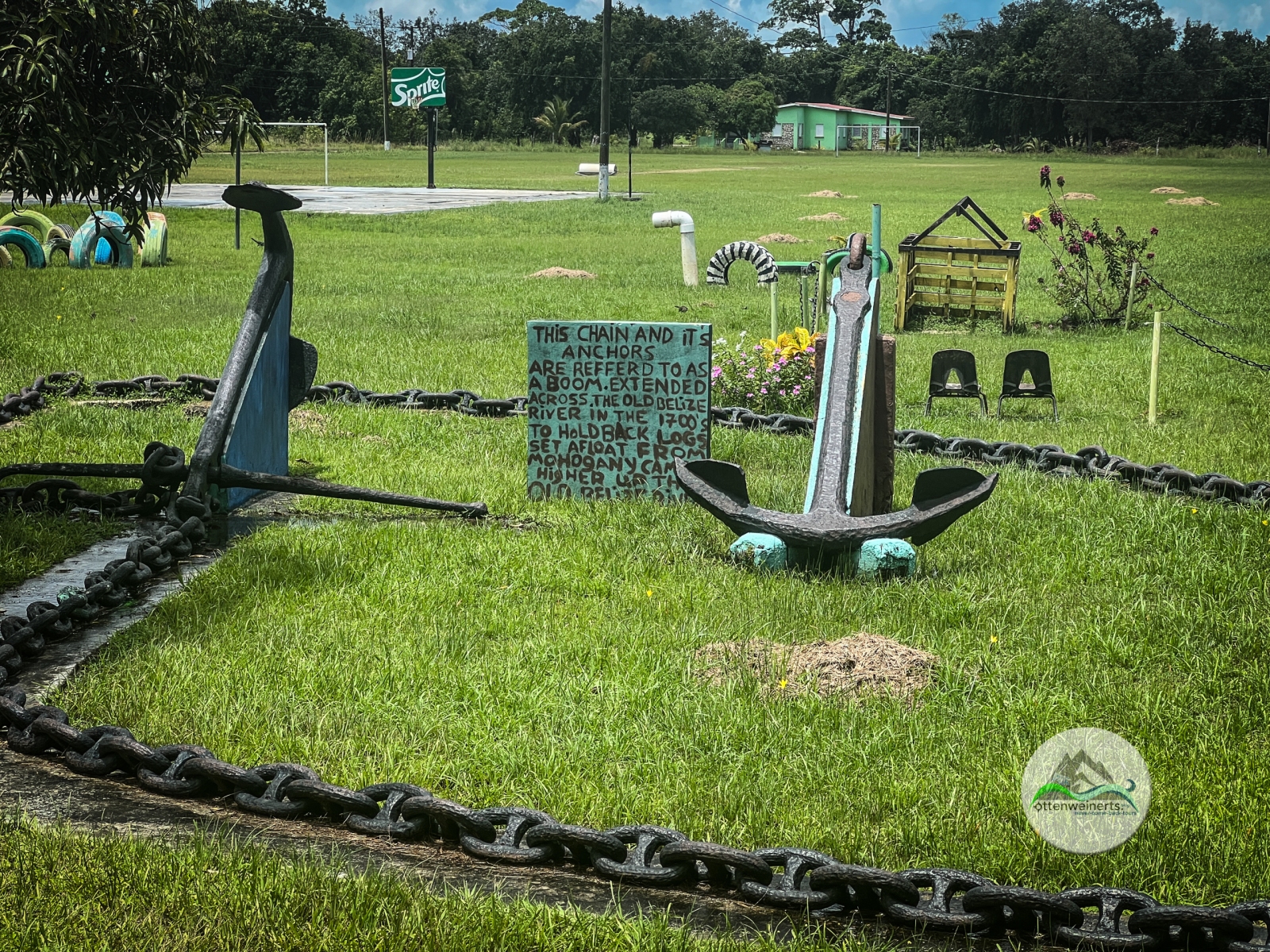
Am Rückweg fahren wir durch Burrell Boom – ein Teil des Namens liegt quasi im Park – eine riesige Ankerkette, die früher über den Belize River gespannt wurde, um die den Fluß hinabgeflössten Edelholz-Baumstämme abzufangen – und die Kette wurde als „Boom“ bezeichnet. Dann passieren wir das „Hattieville Ramada“, wie das Zentralgefängnis von Belize im Volksmund bezeichnet wird. Rehabilitation statt Isolation ist hier die Devise, und so gibt es unter anderem eine Gärtnerei und einen Souvenirshop, alle Produkte werden von den Häftlingen hergestellt, und der Erlös fließt in den Erhalt der Anstalt.
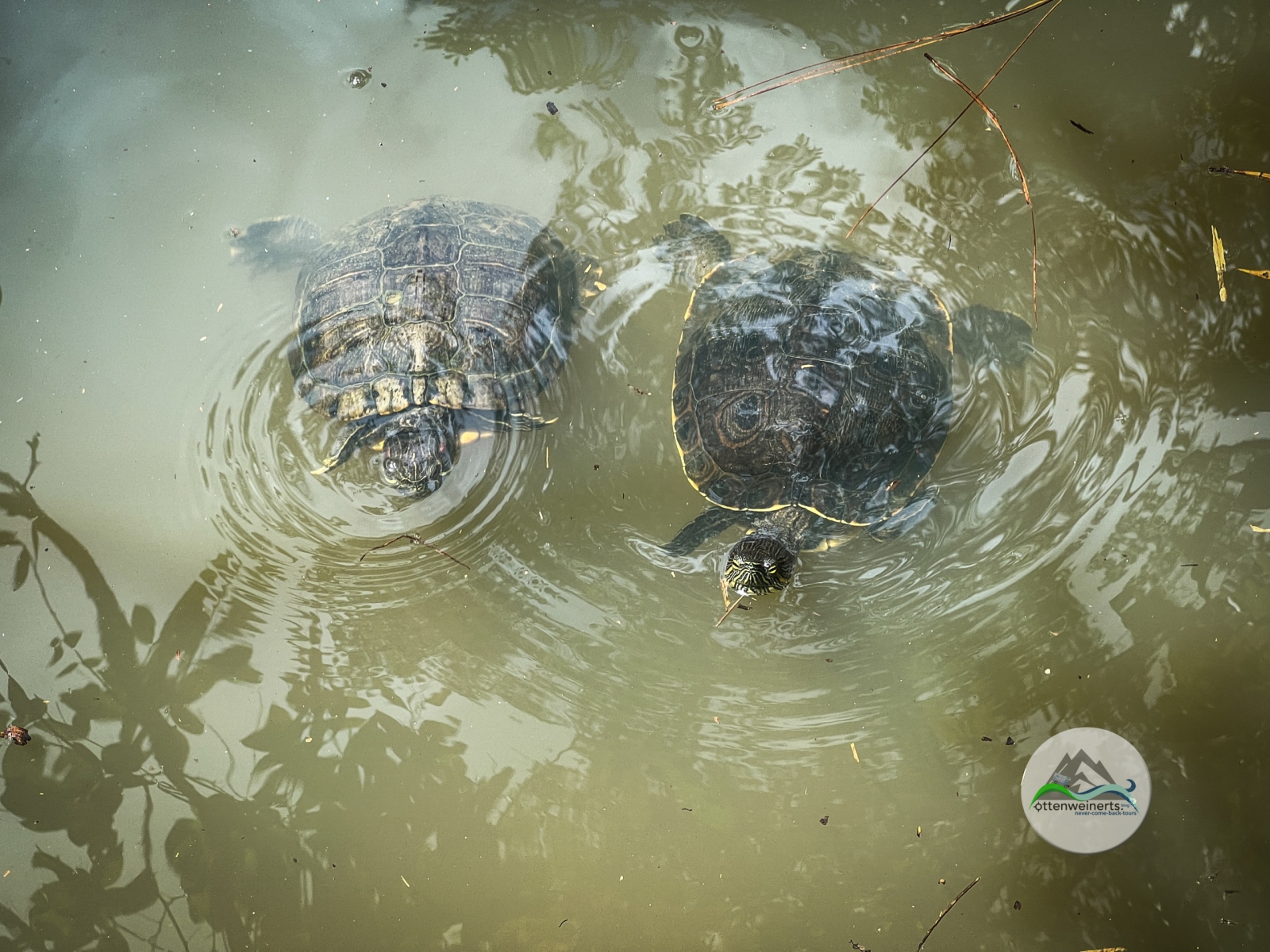
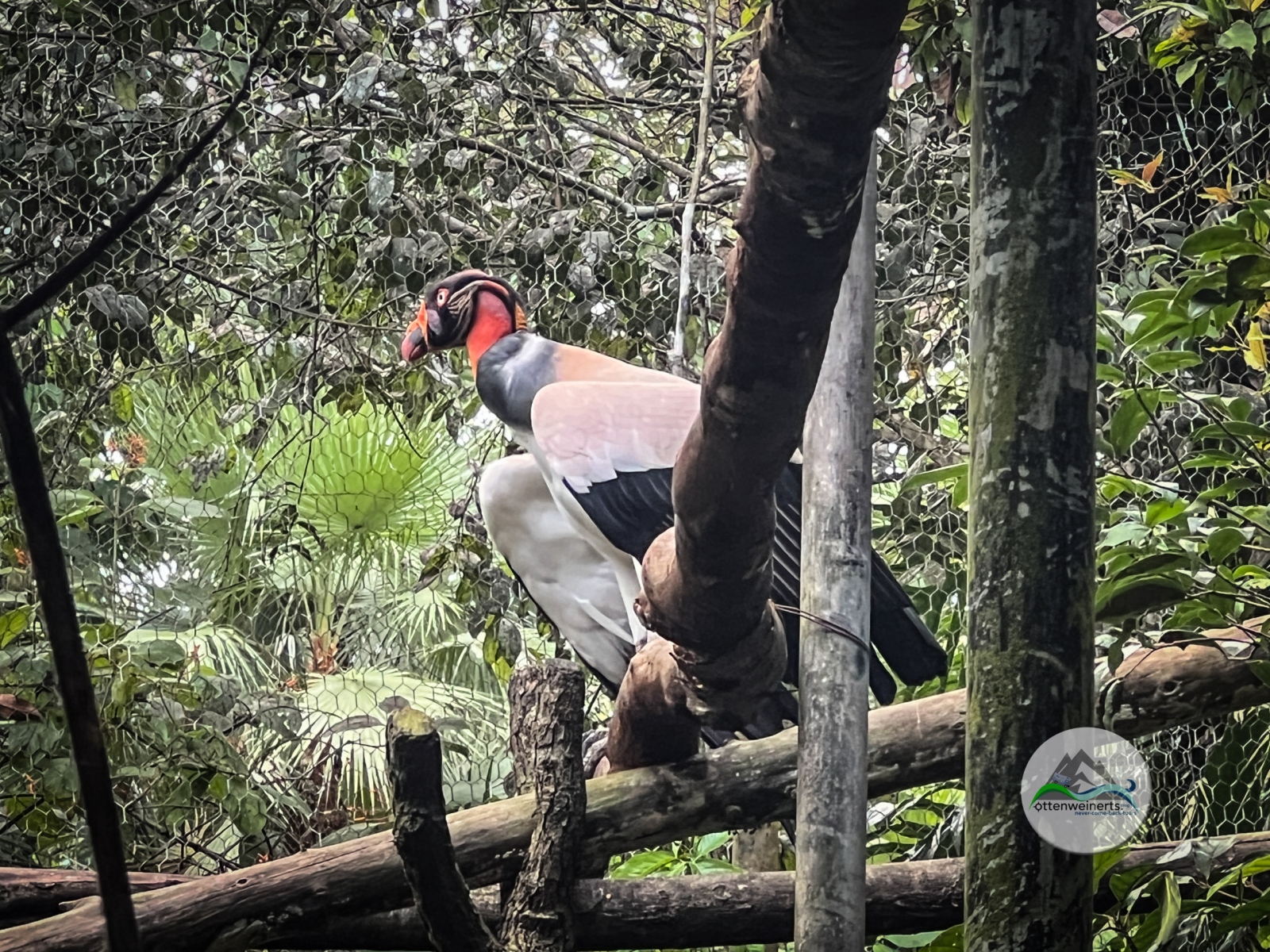
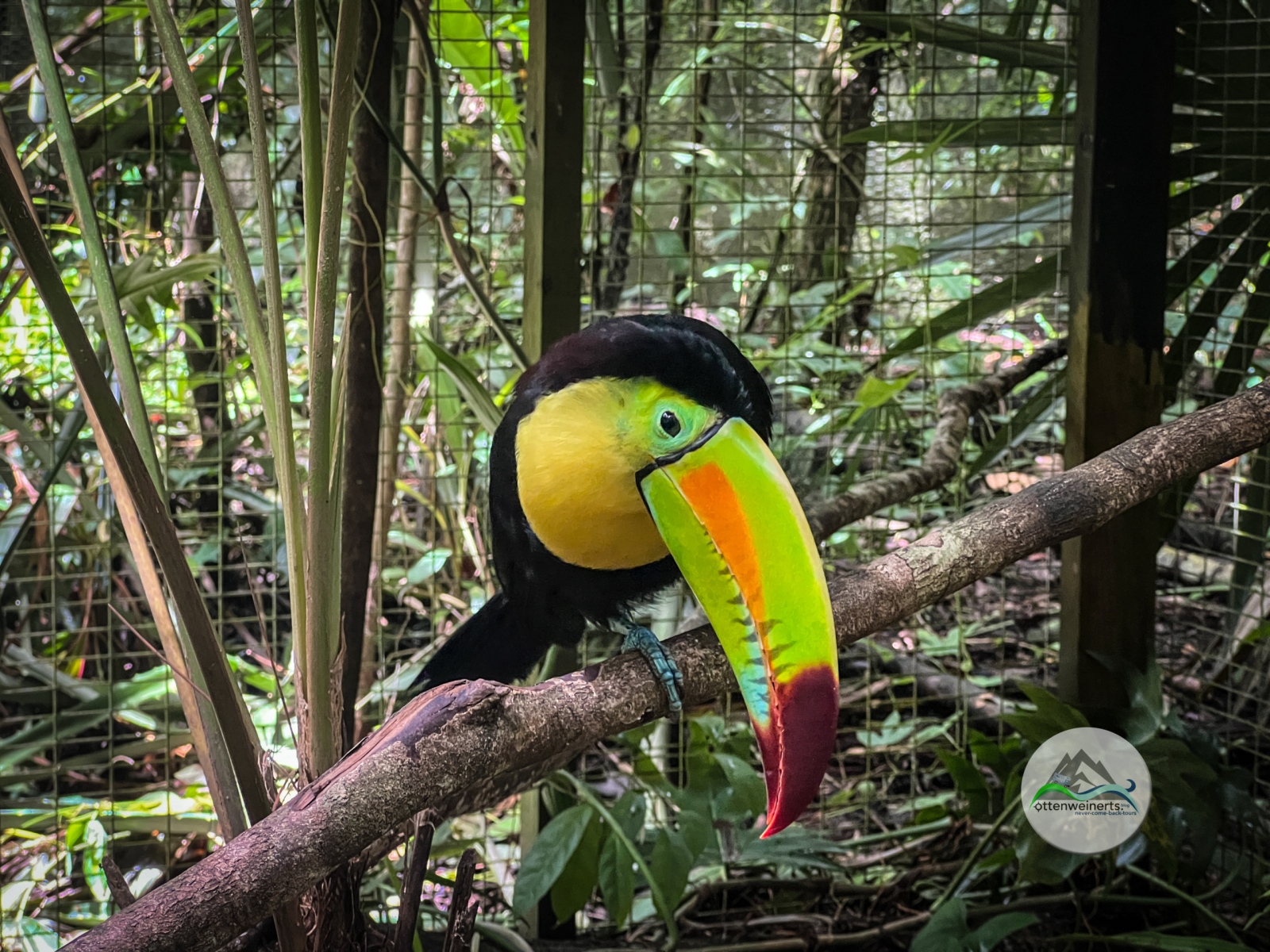
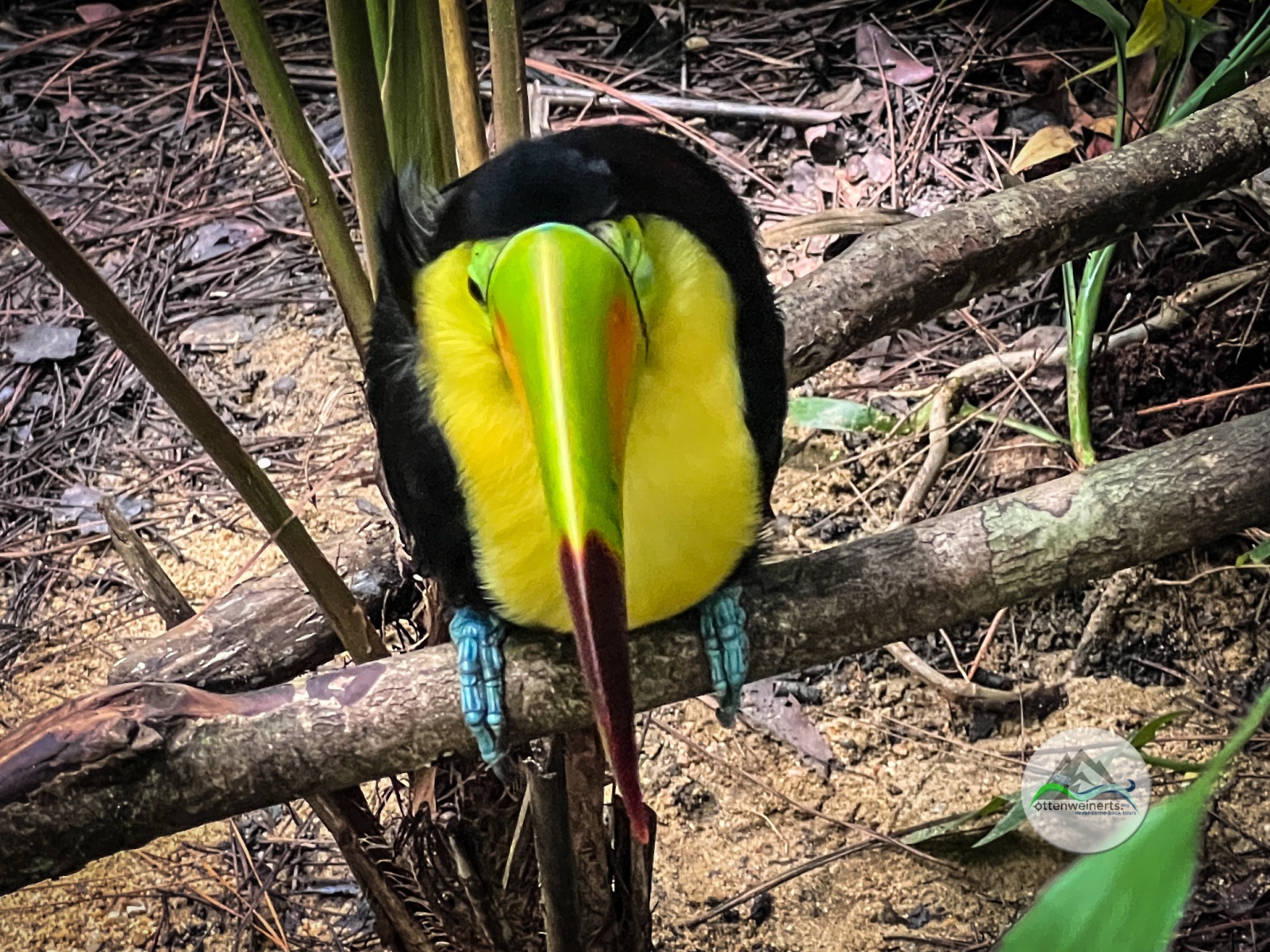
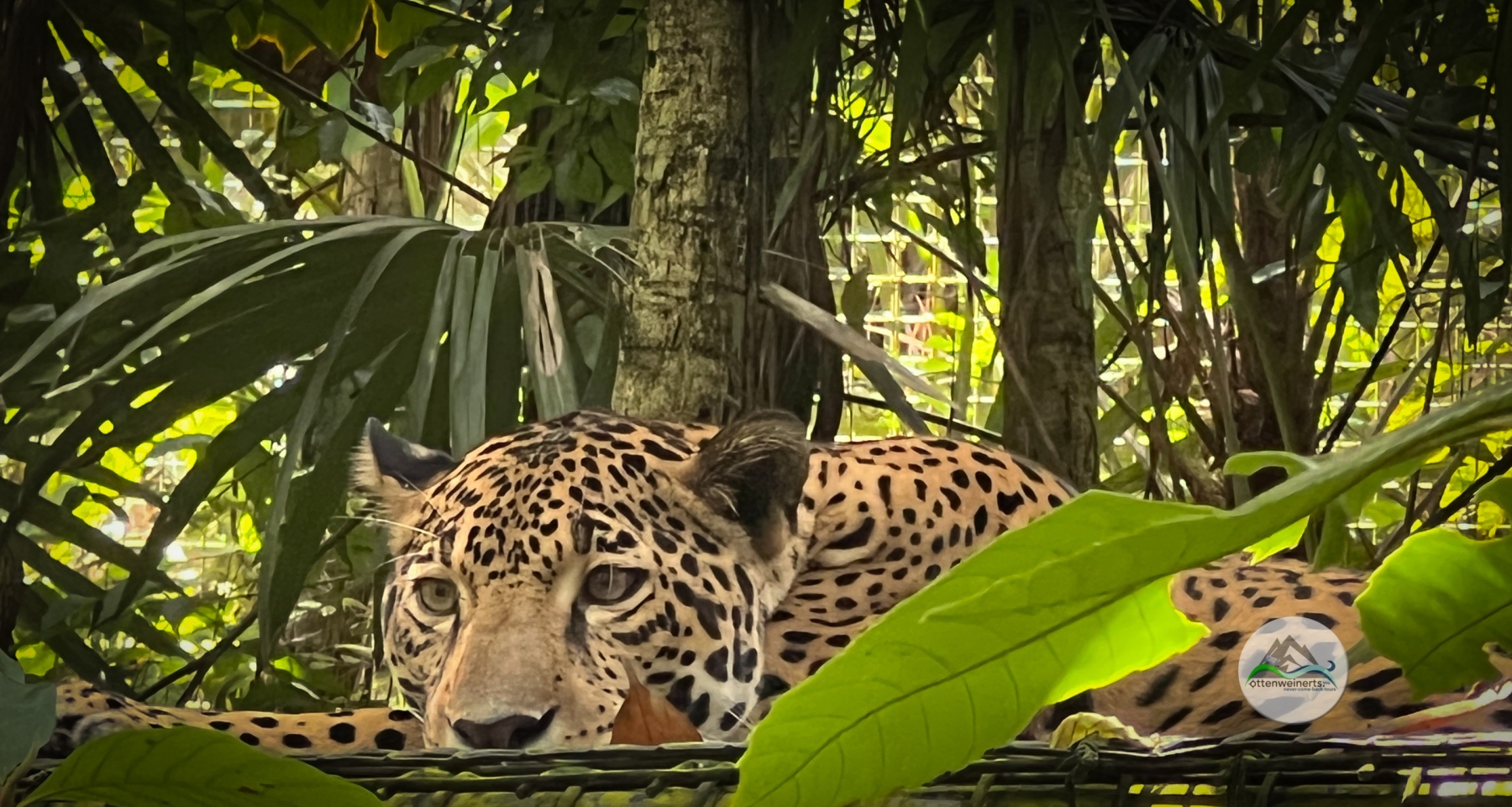
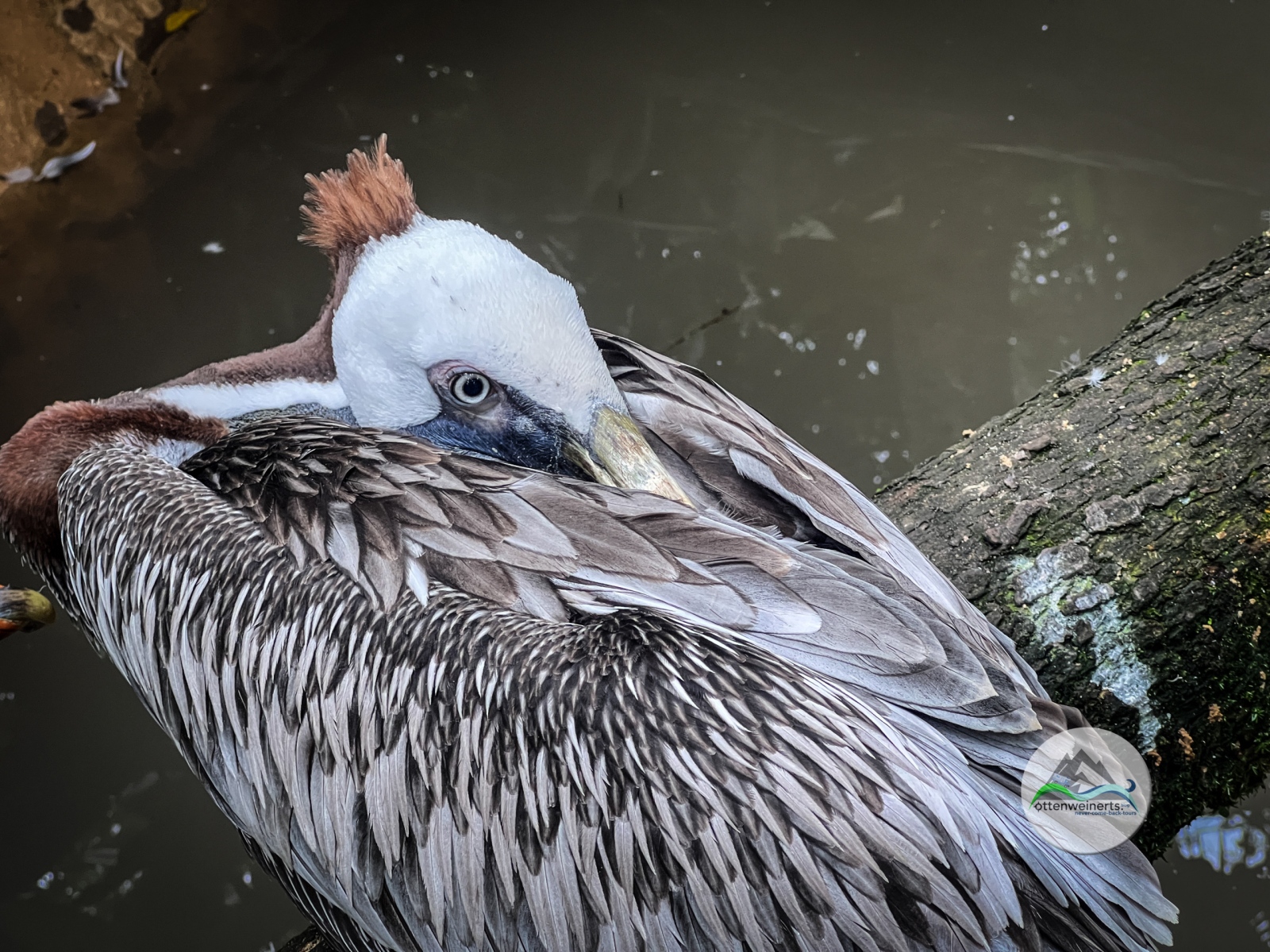
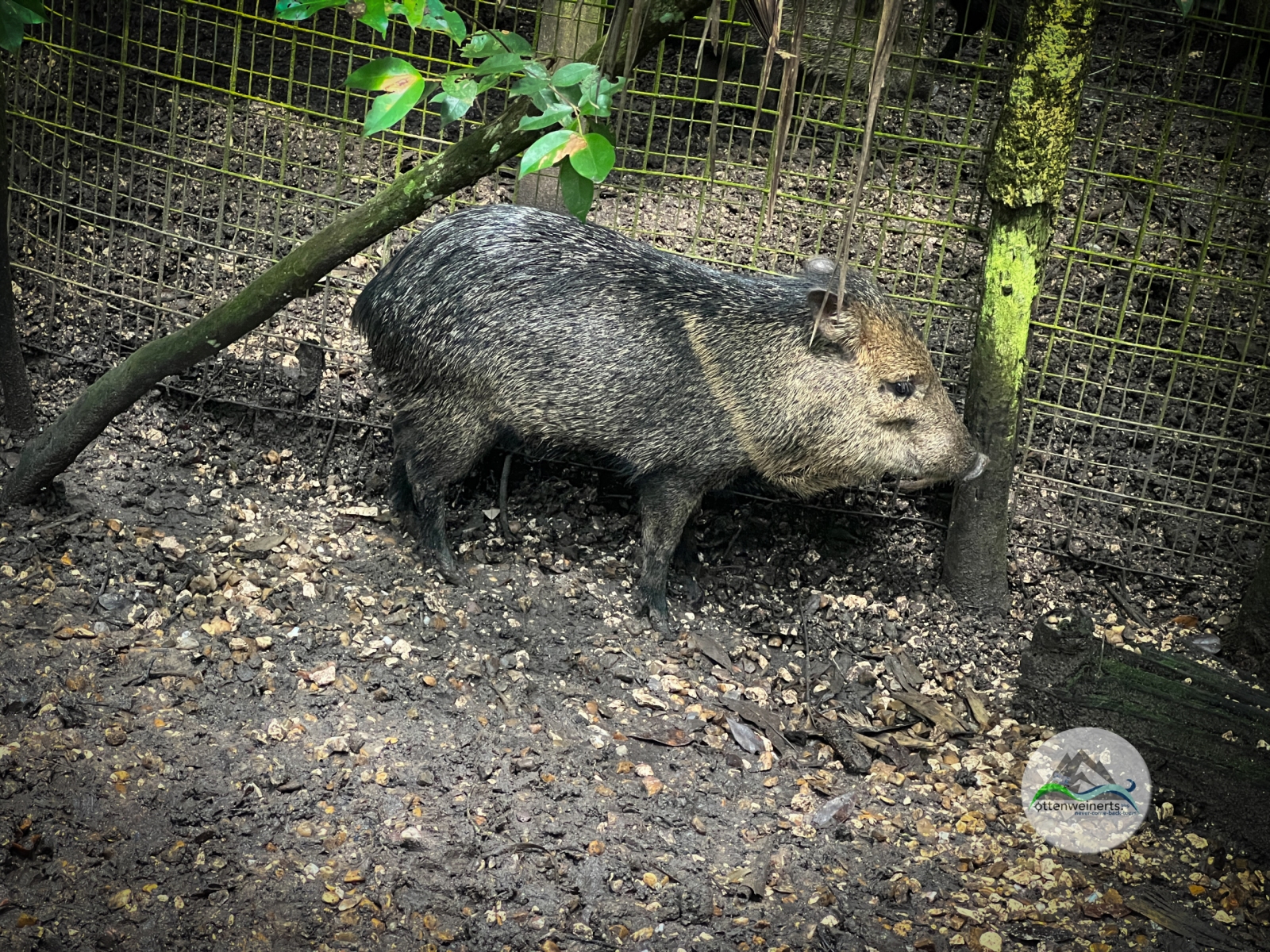
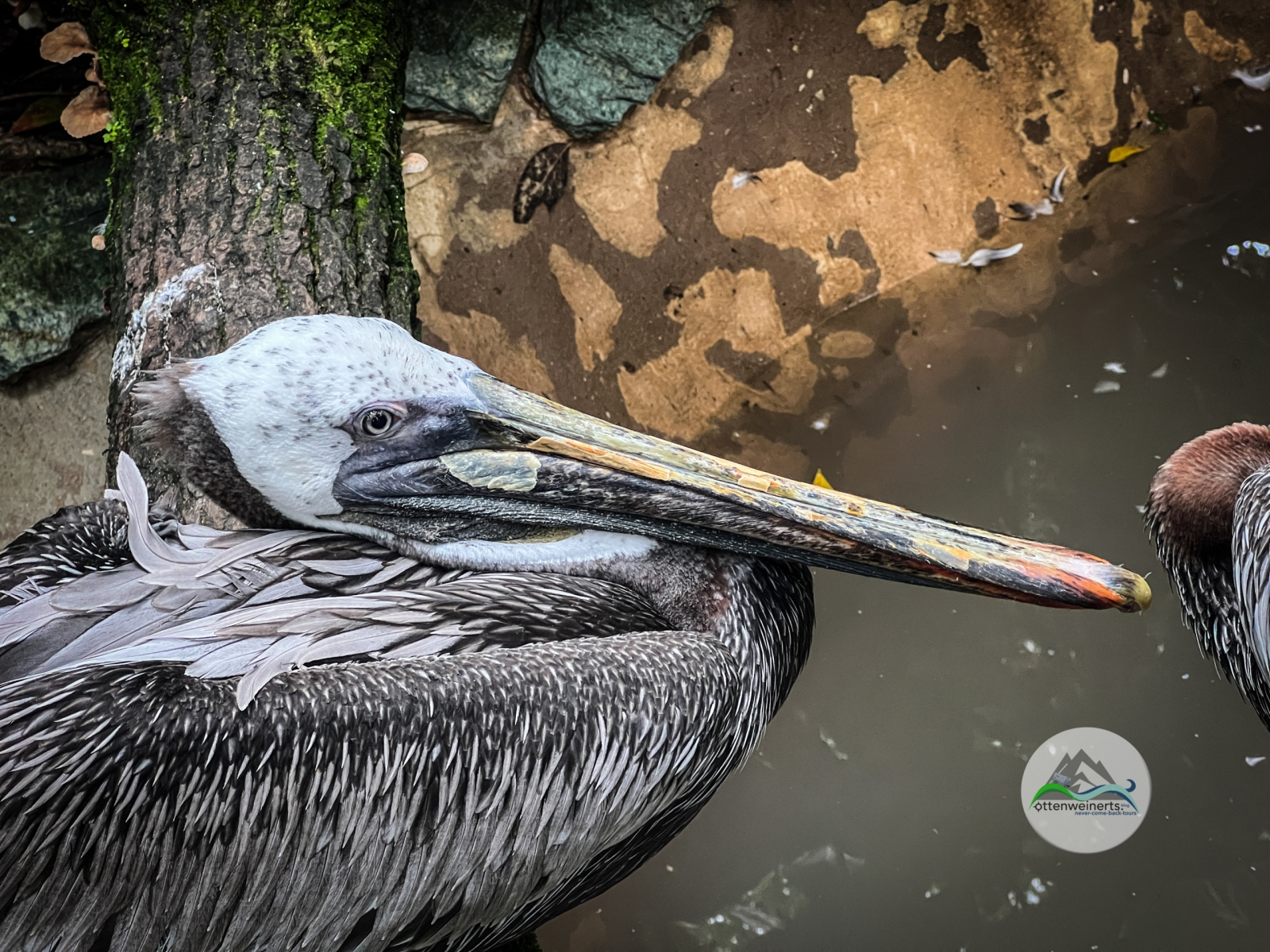
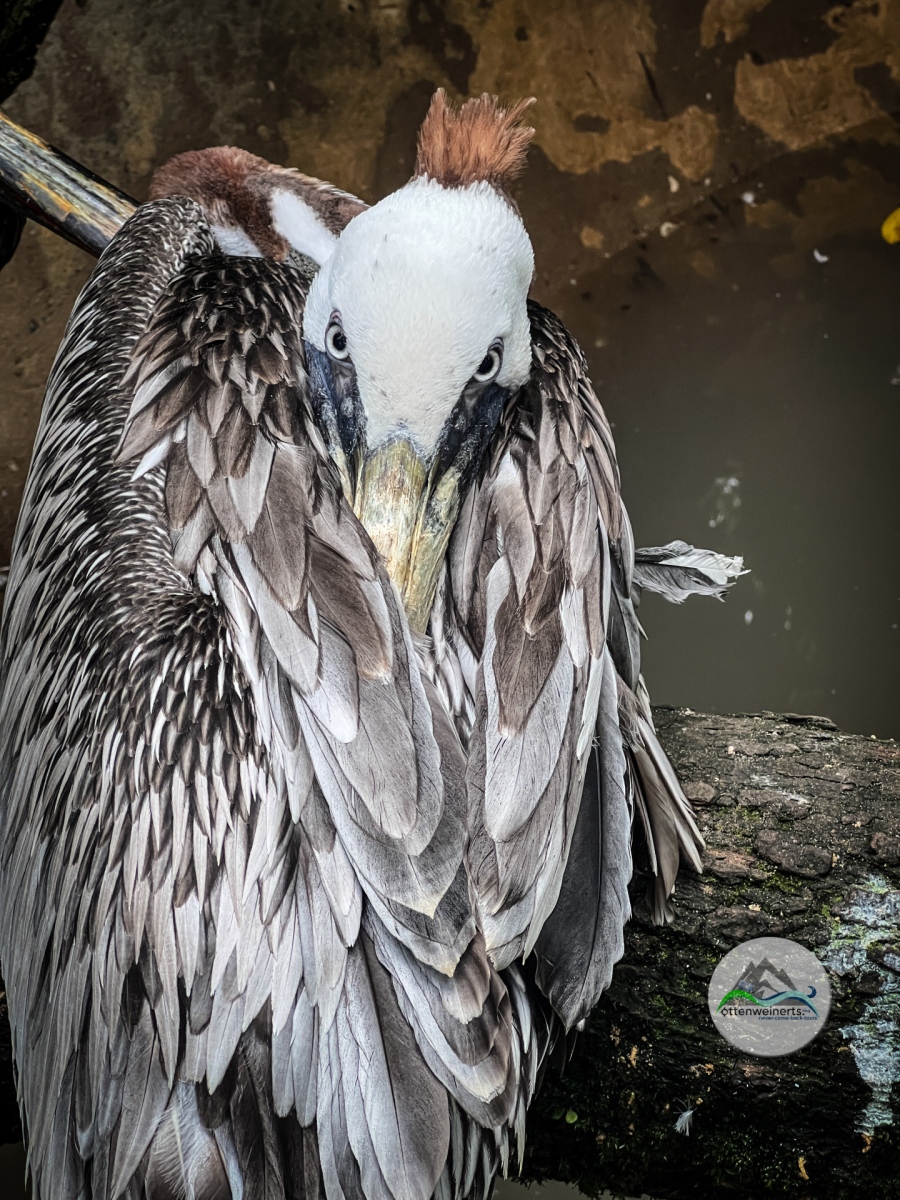
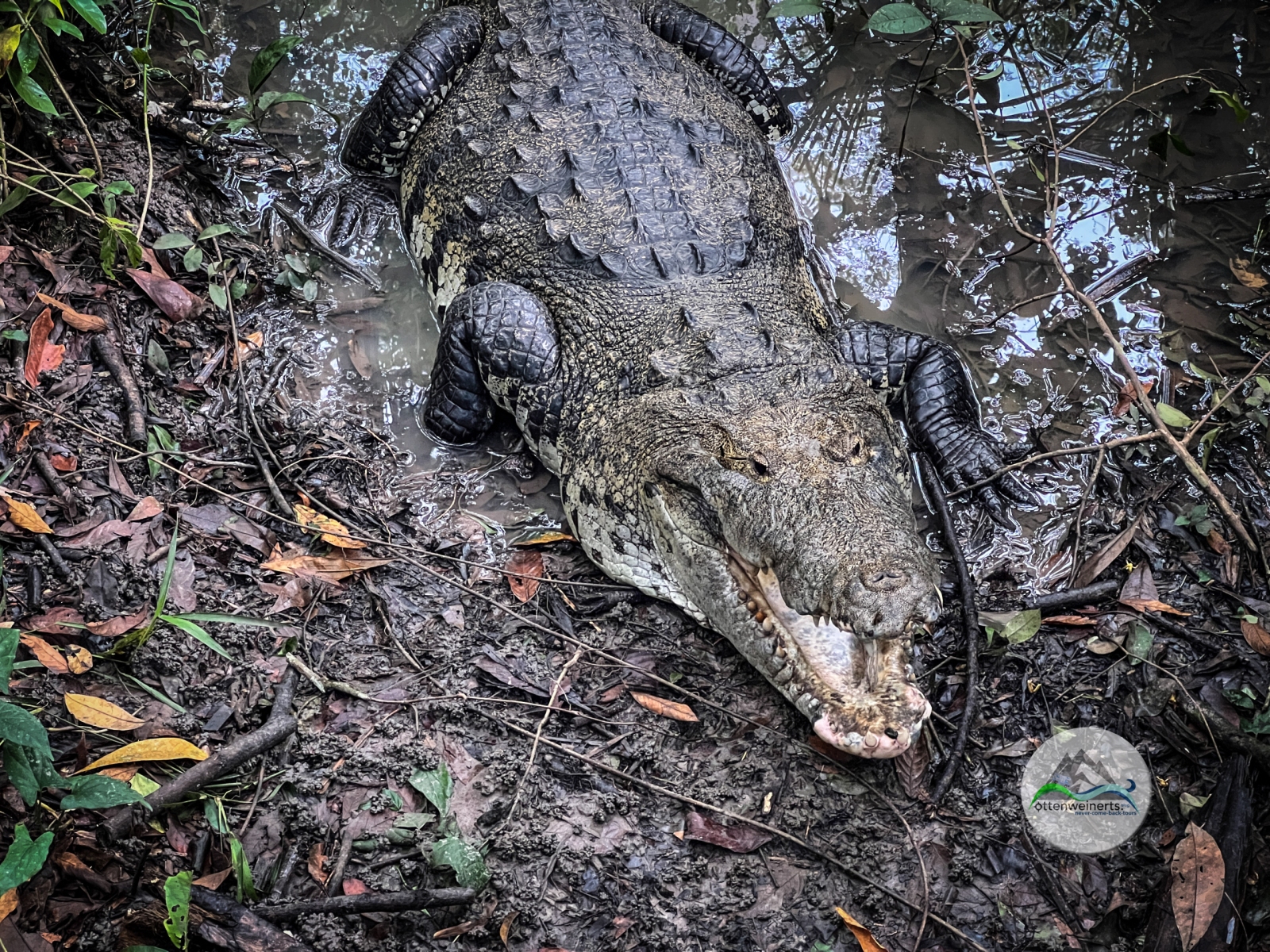
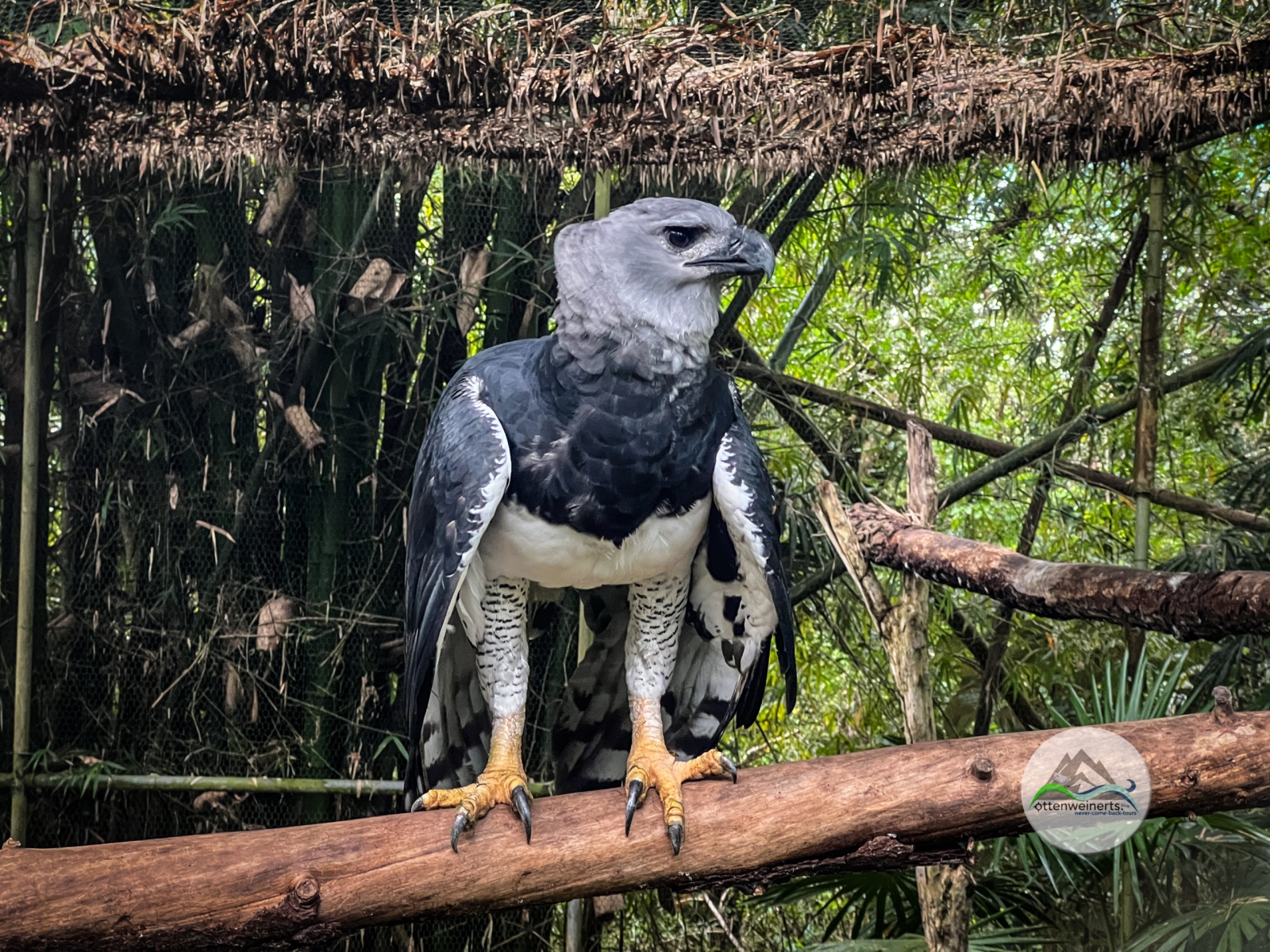
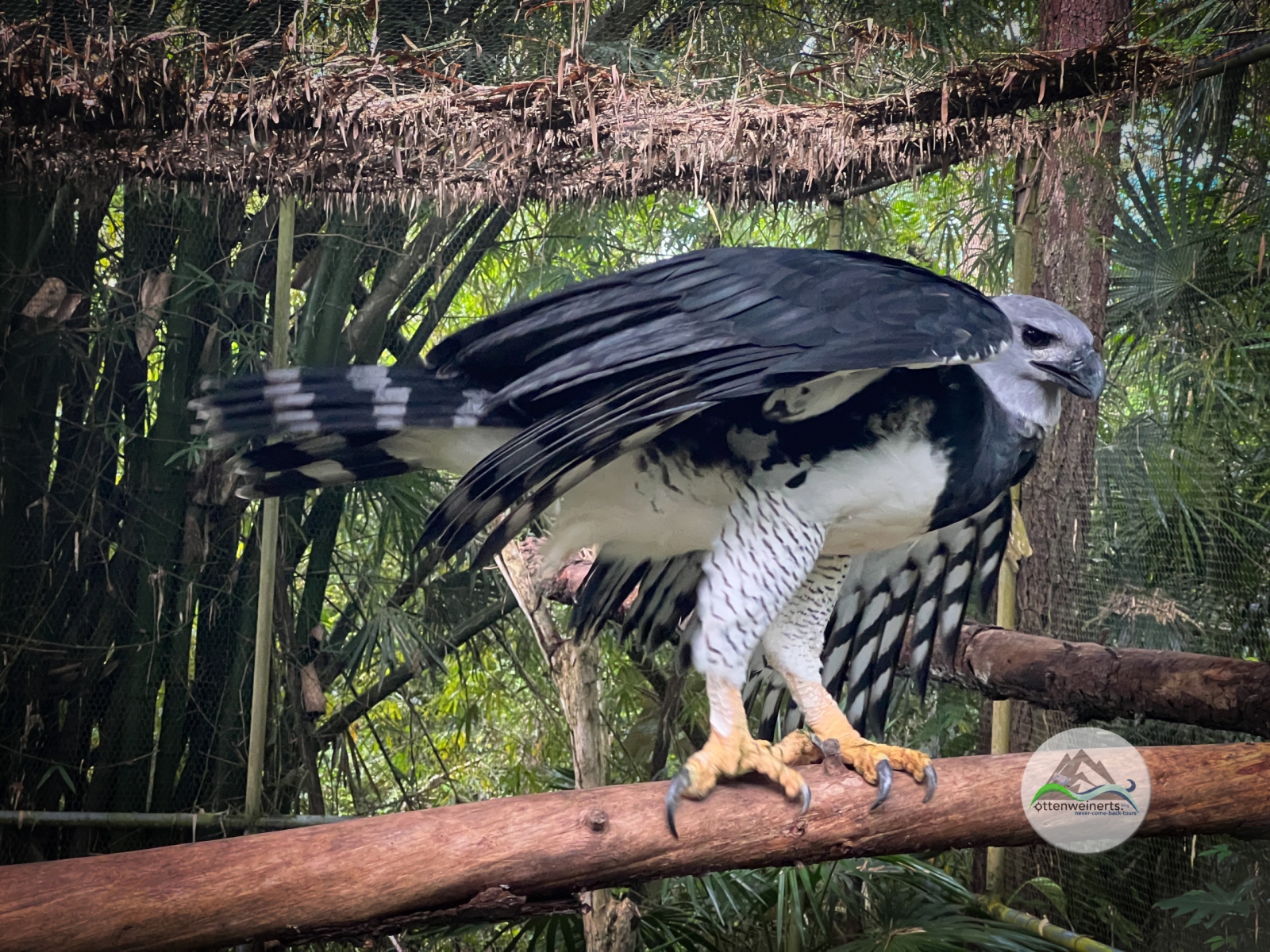
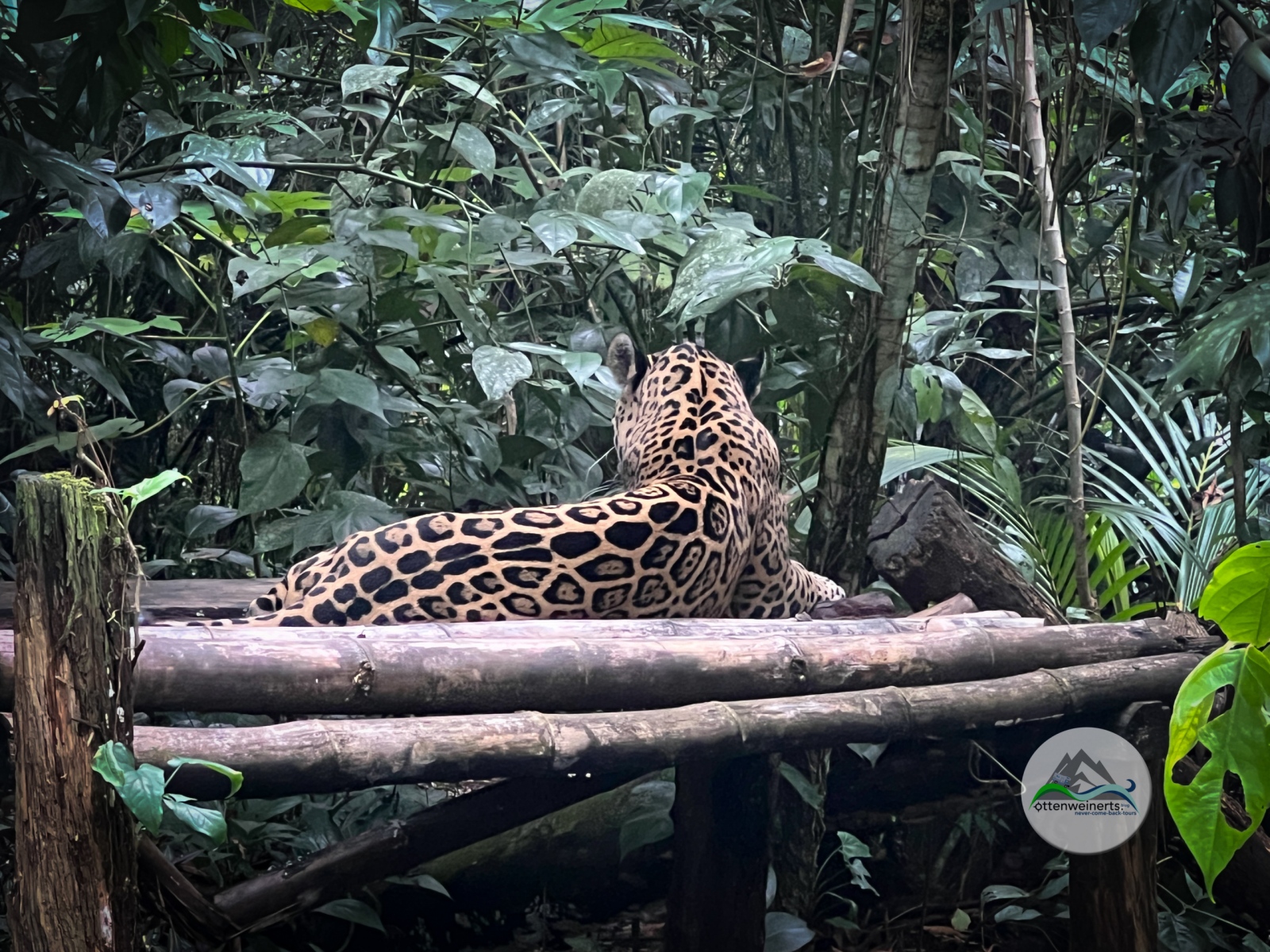
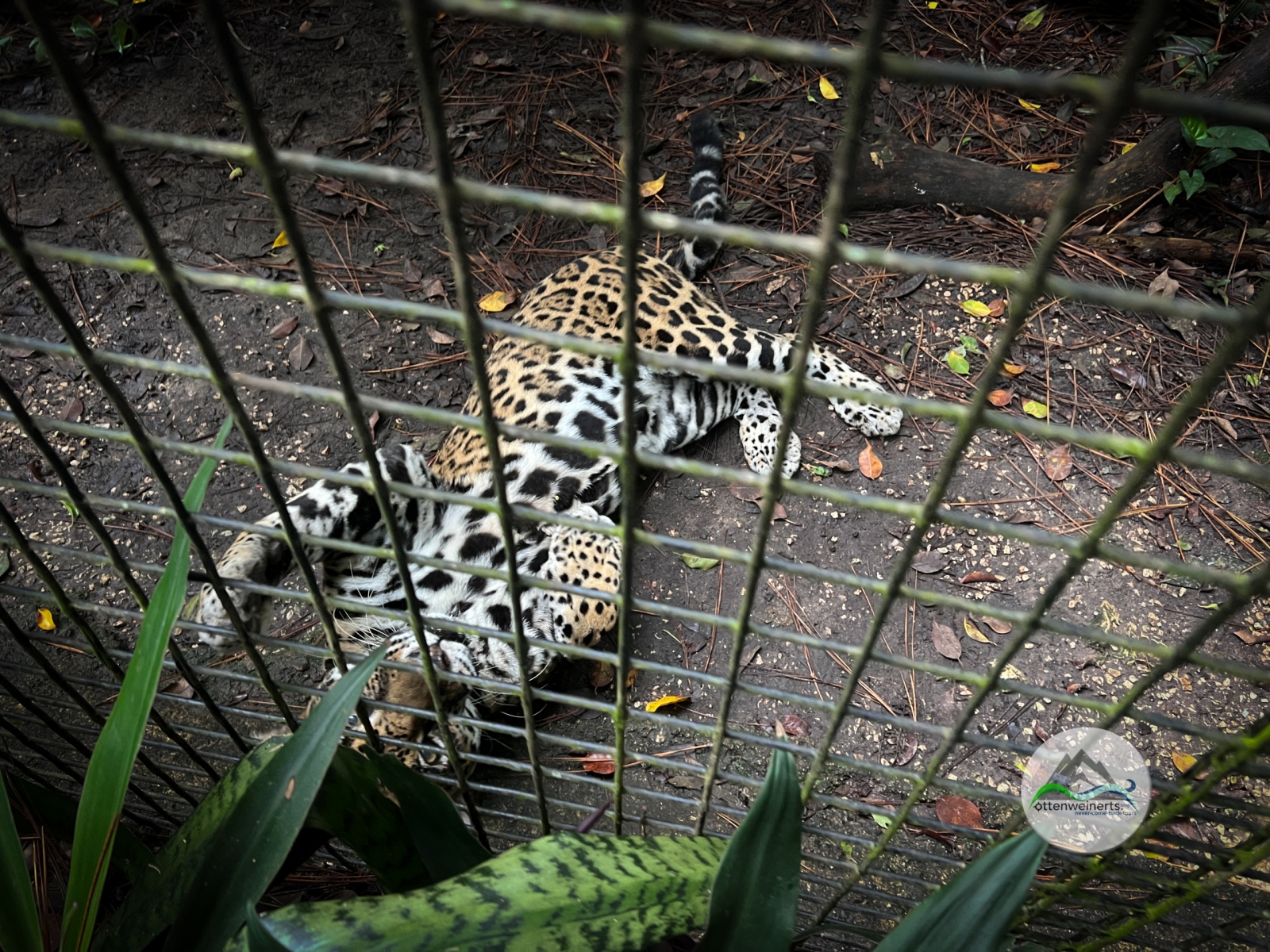
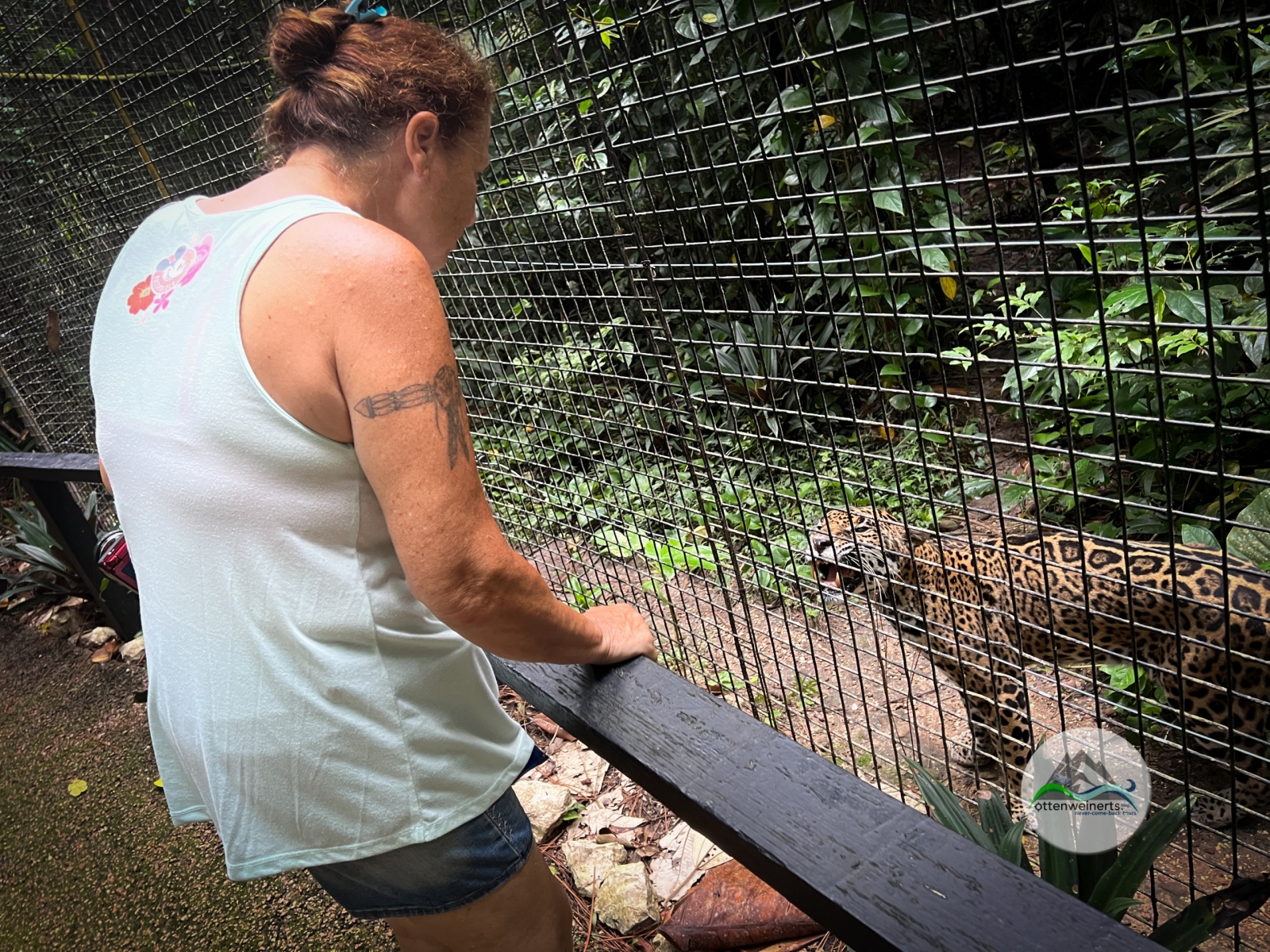
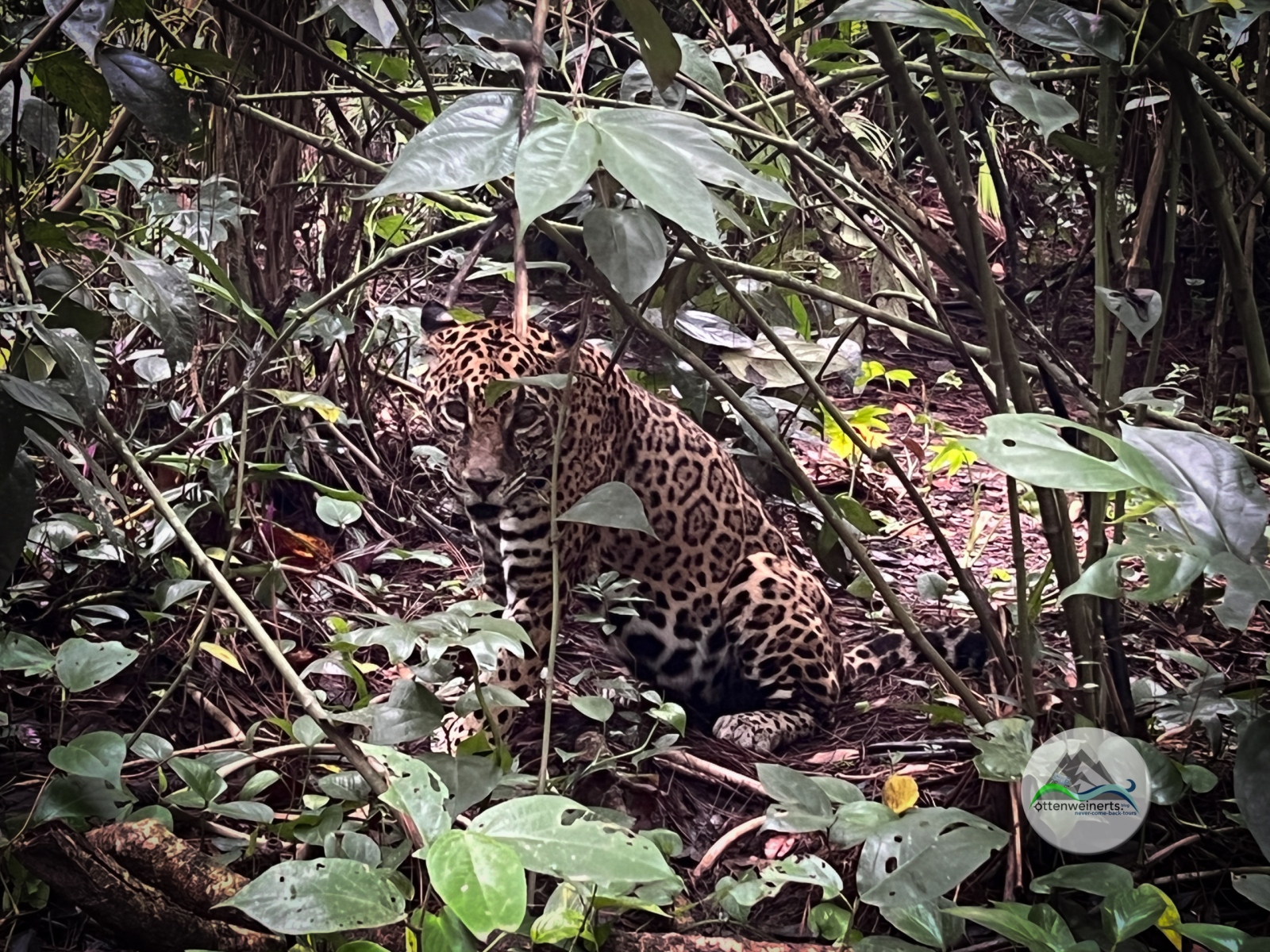
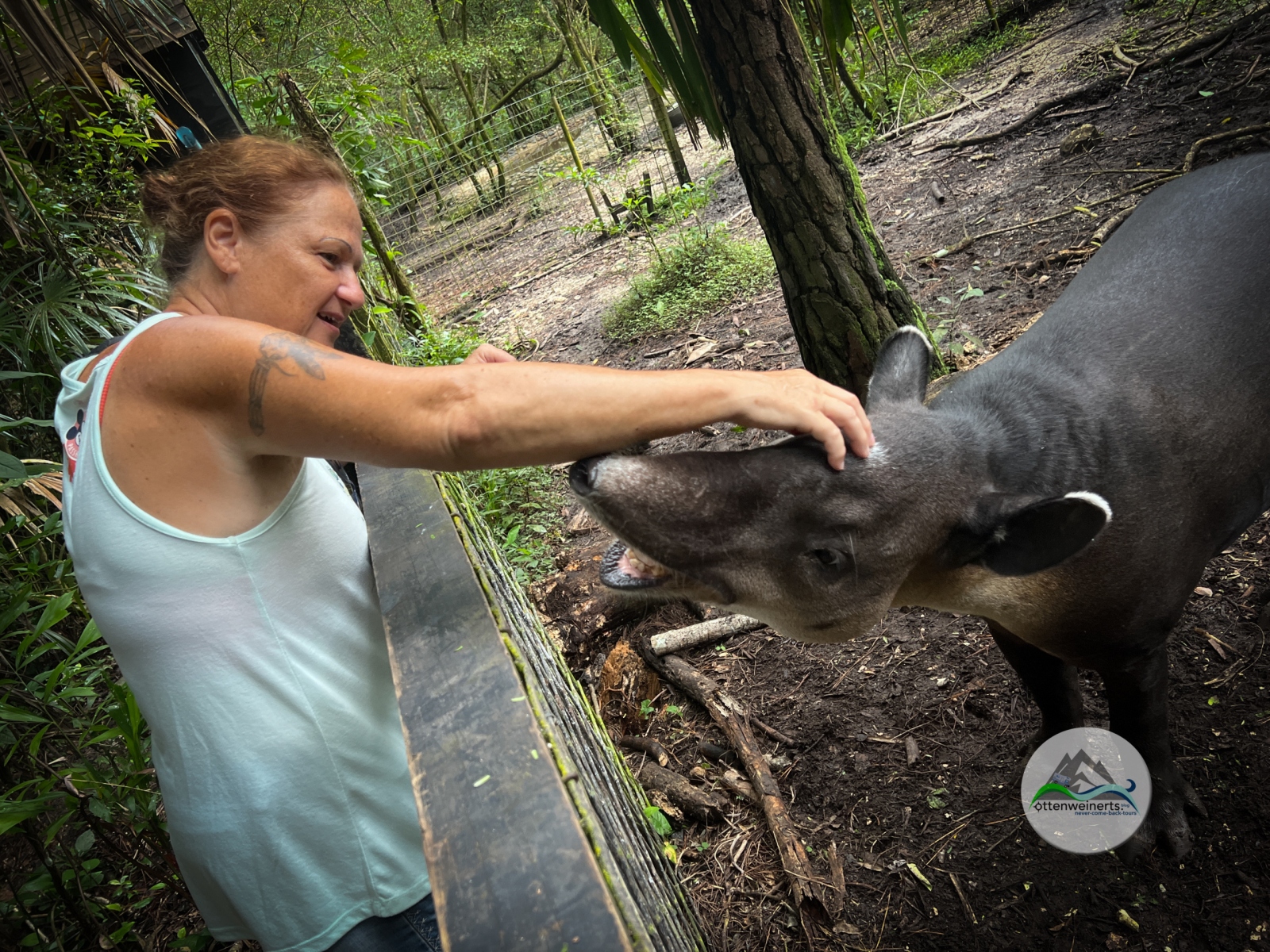
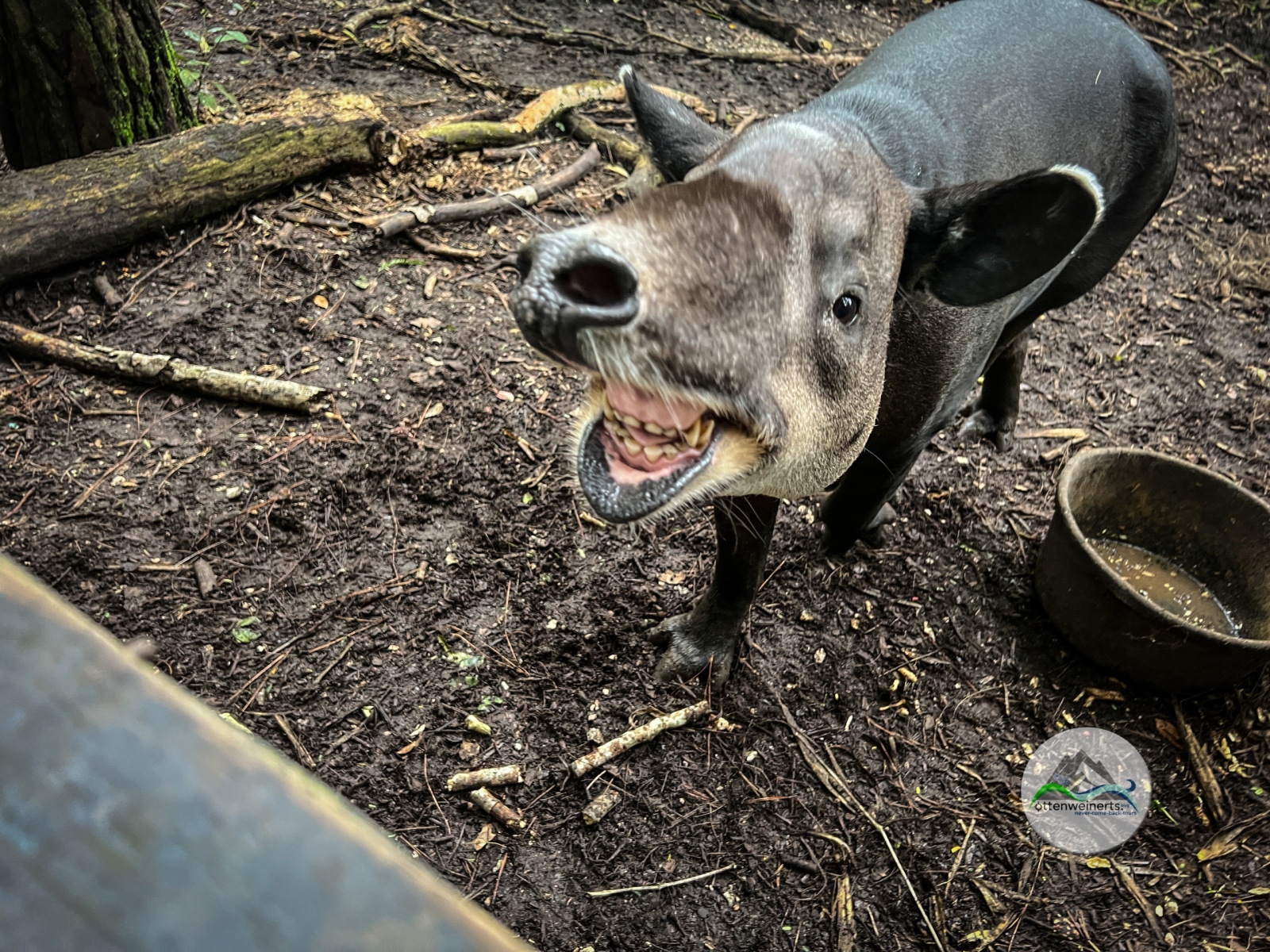
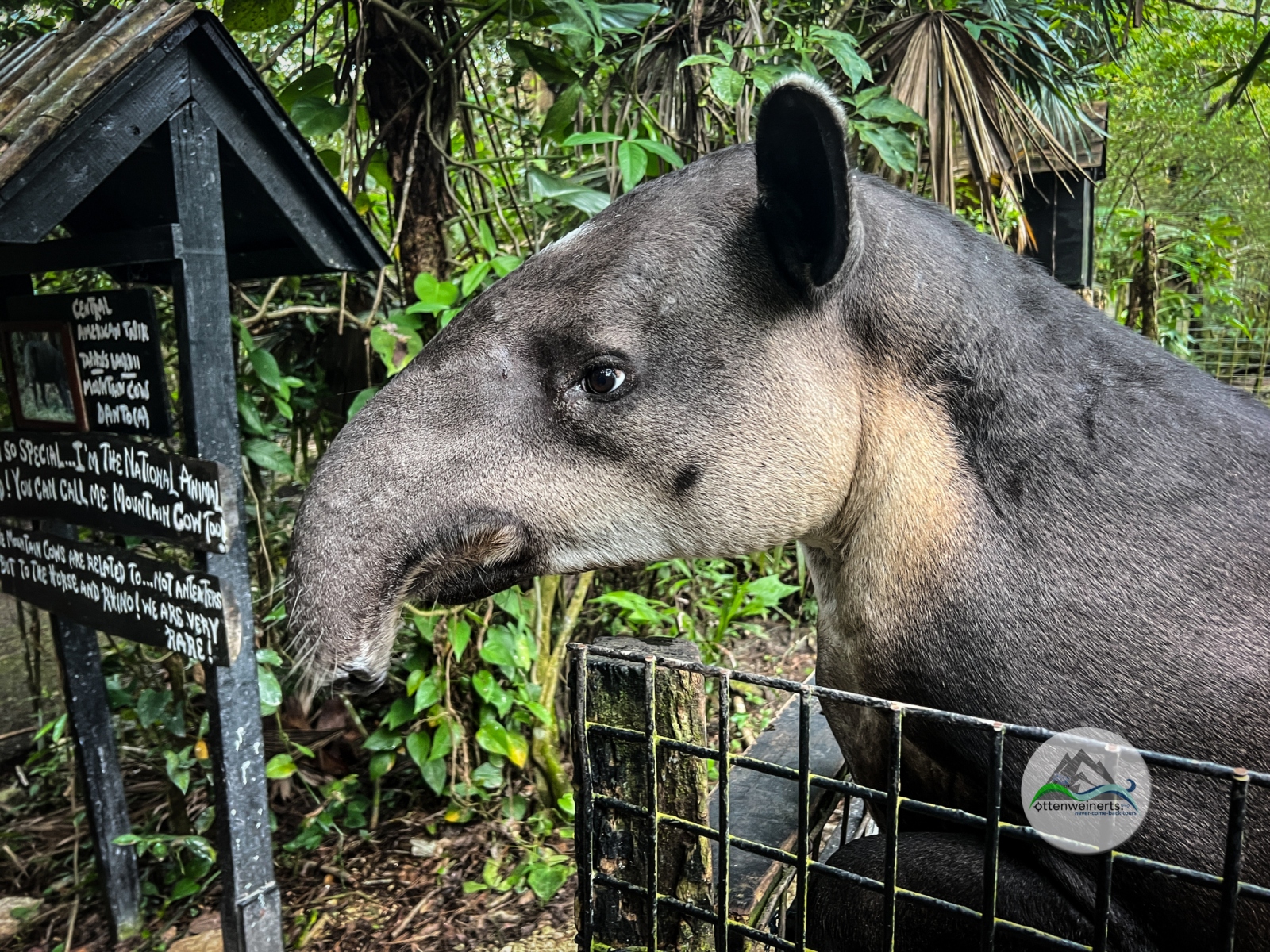
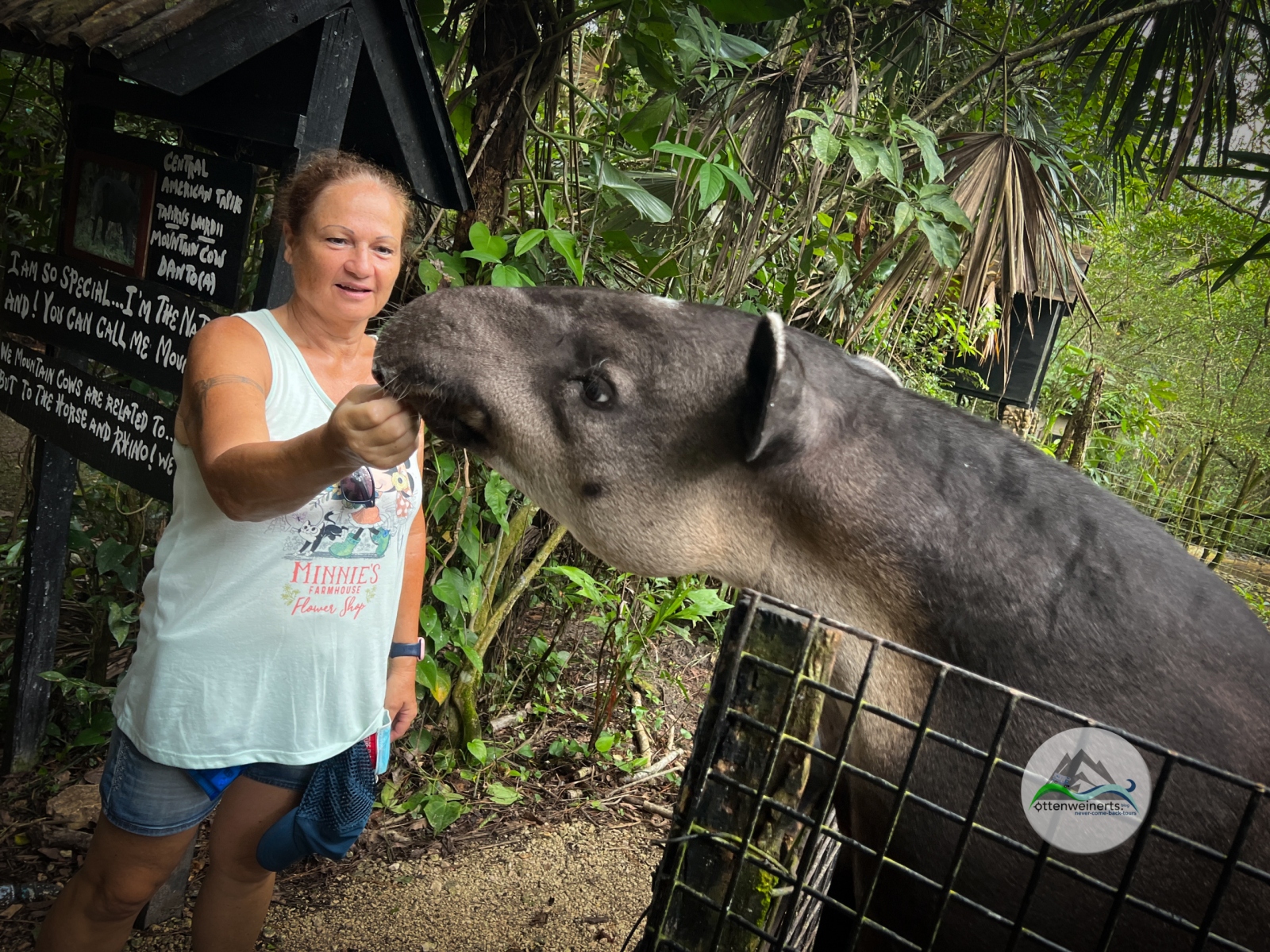
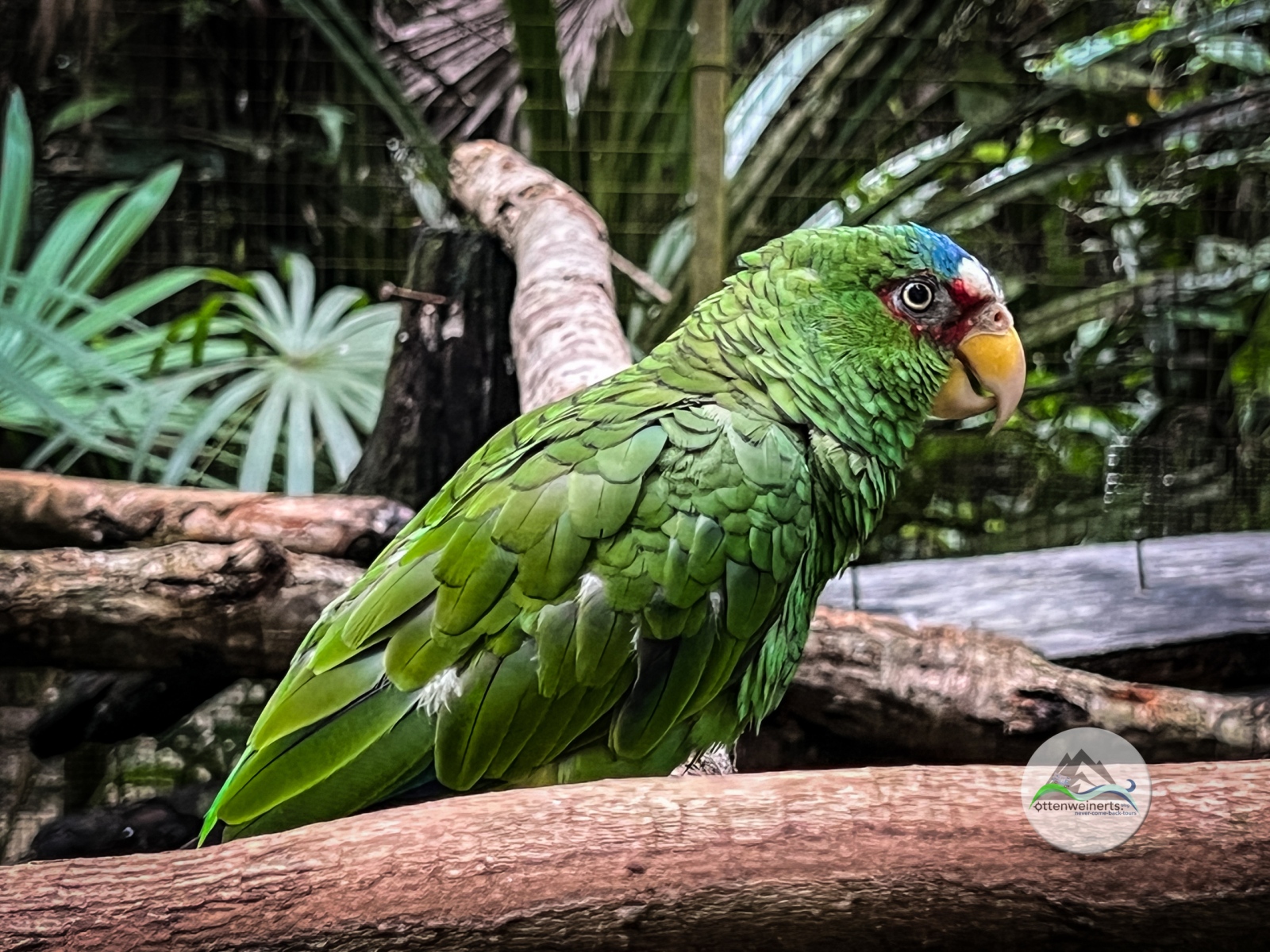
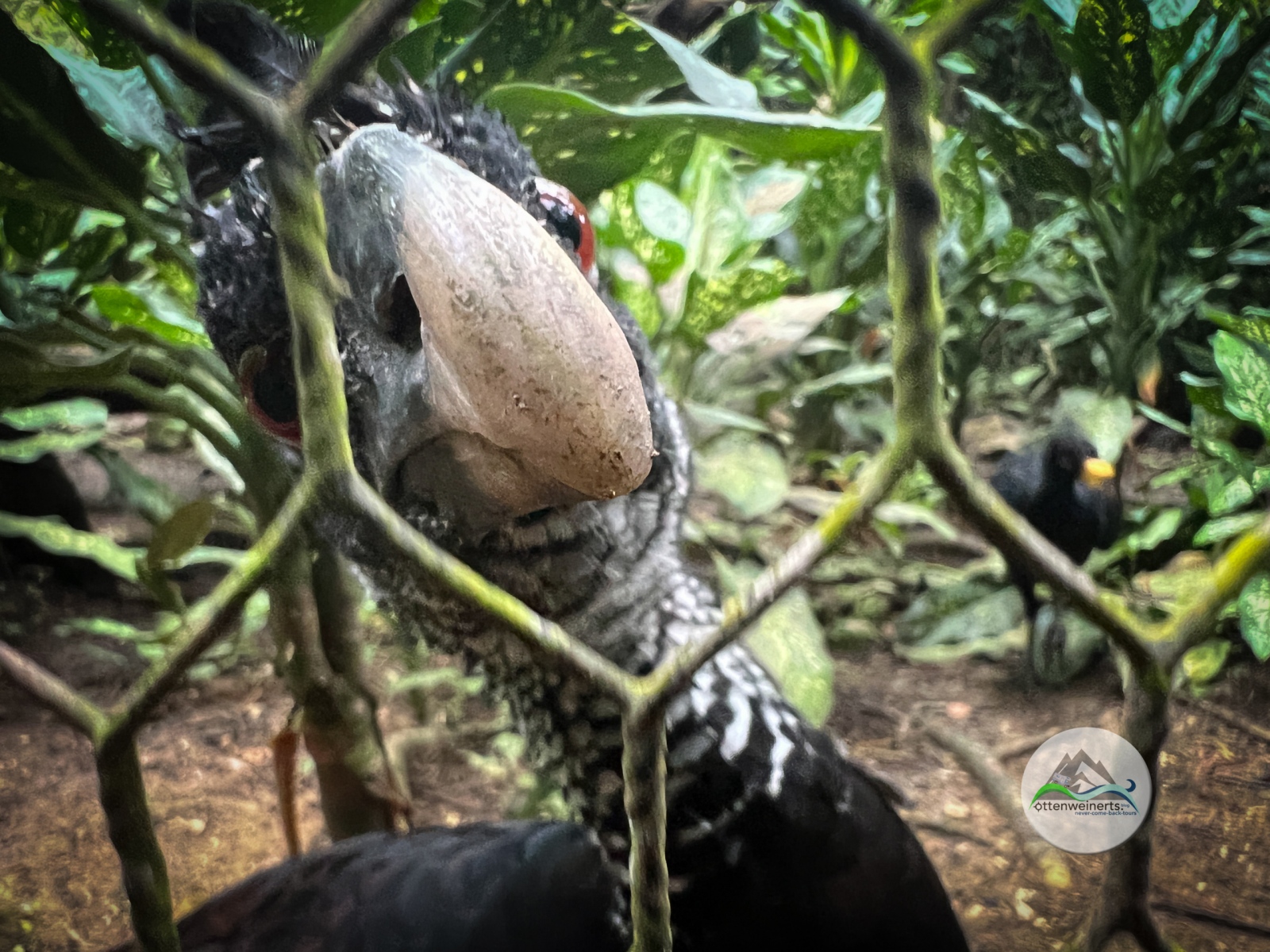
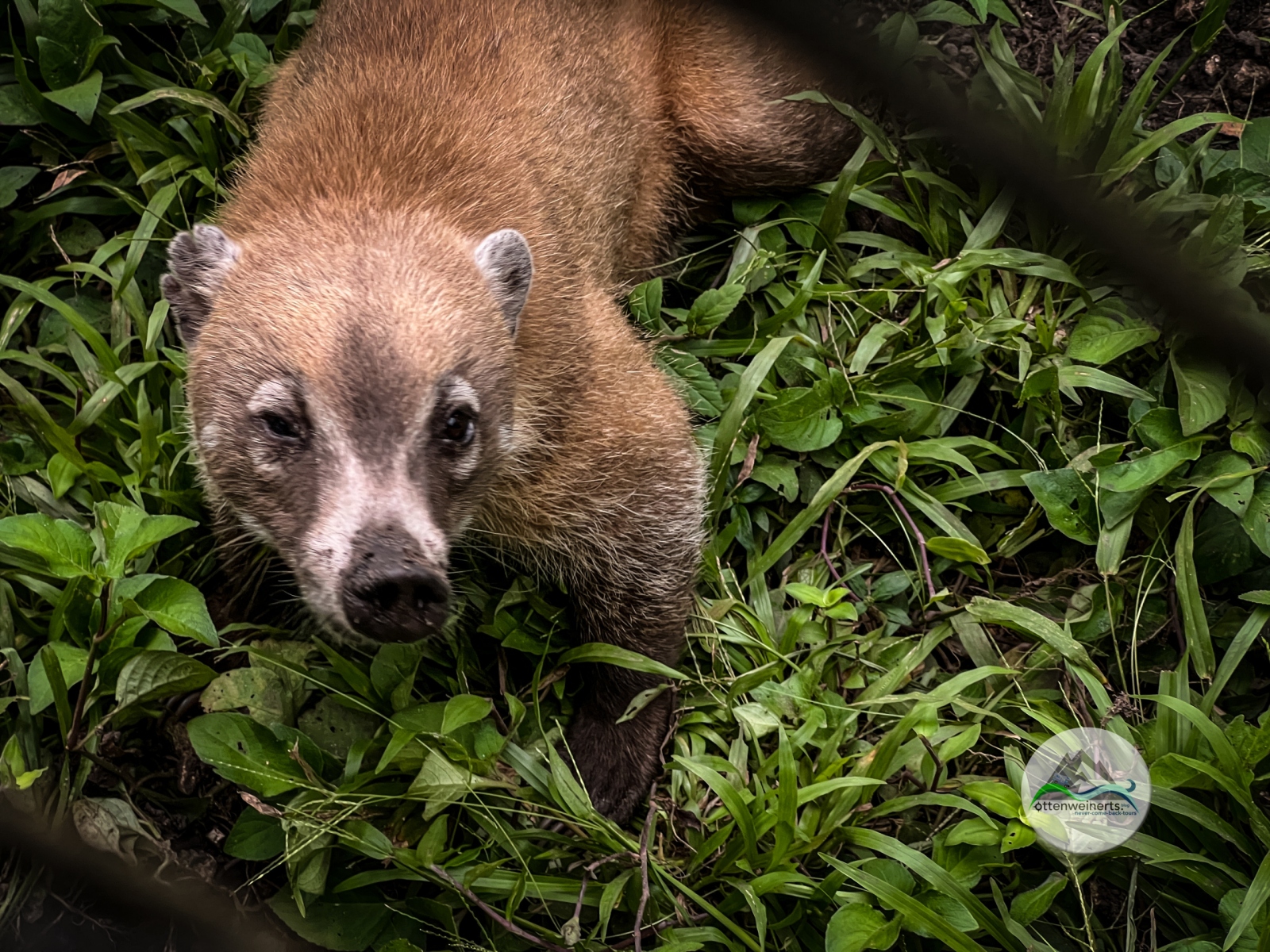
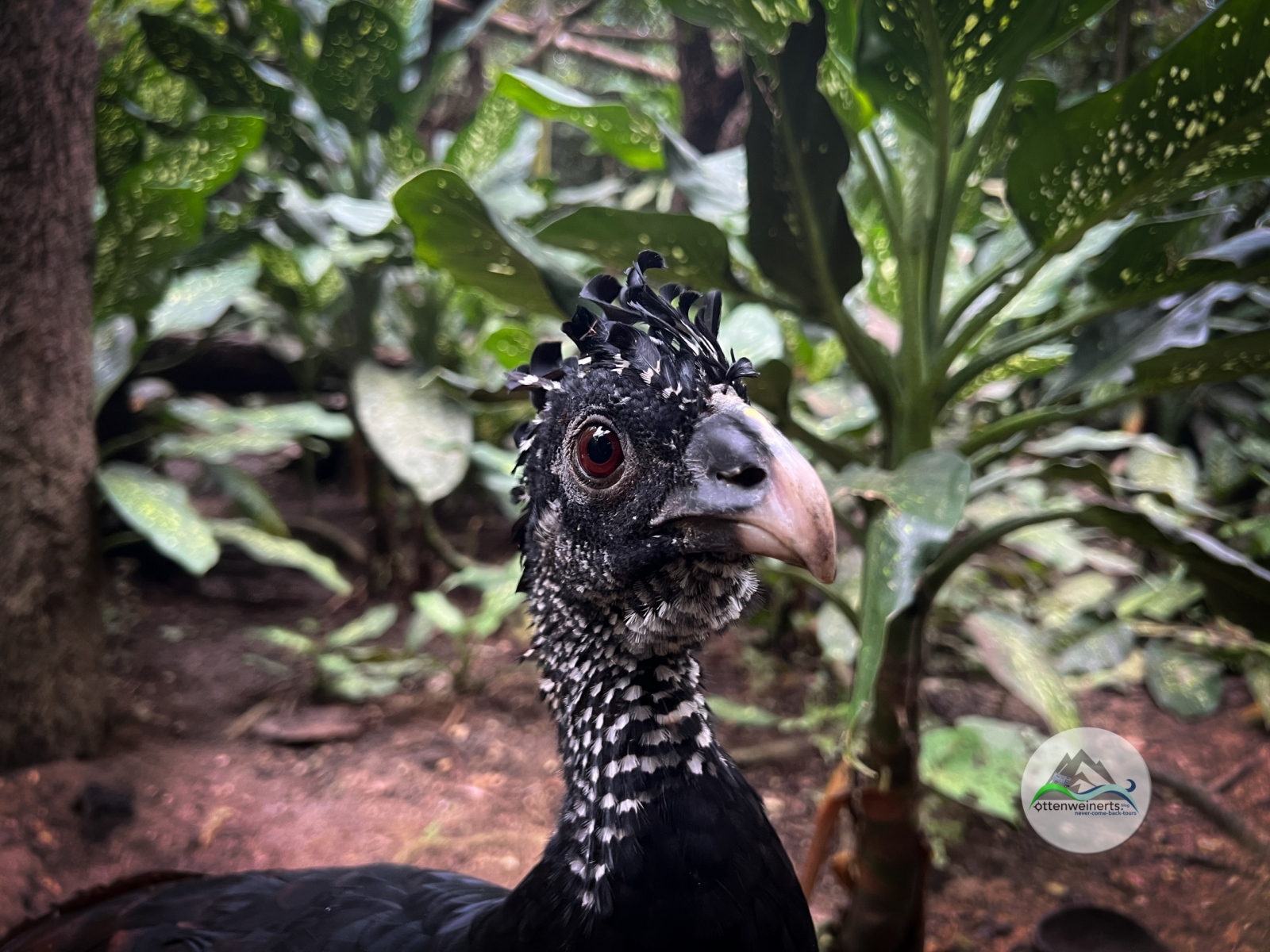
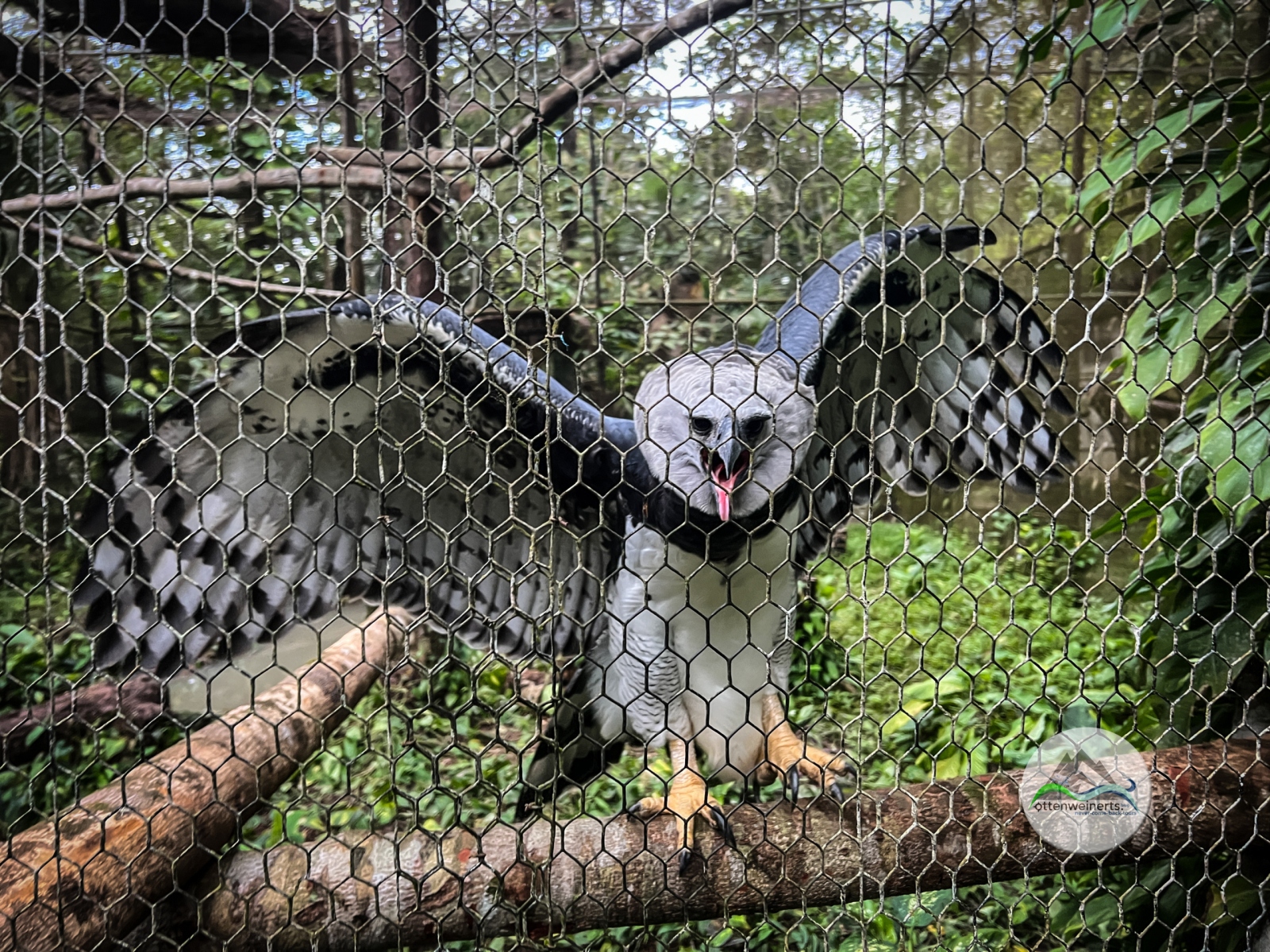
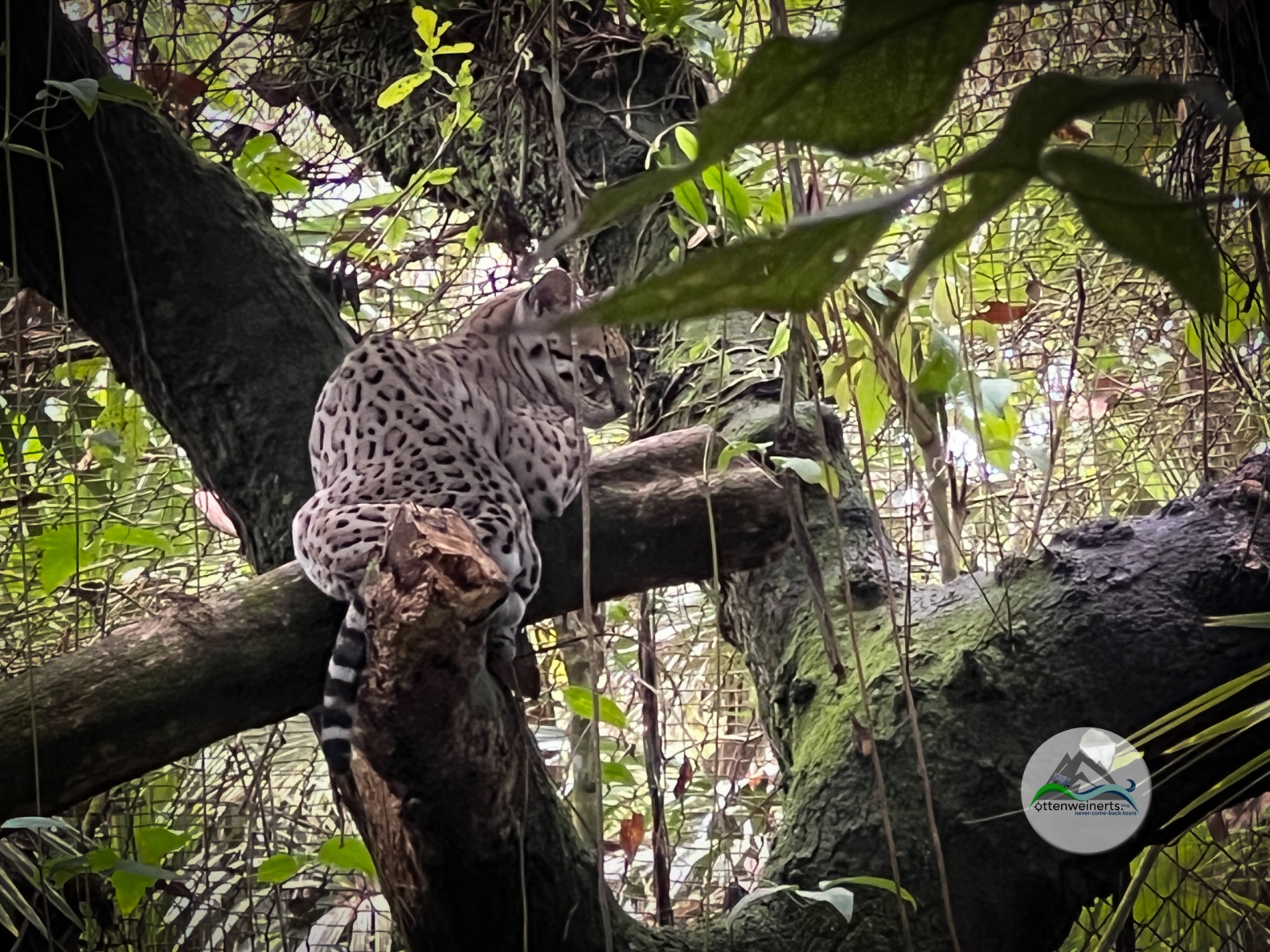
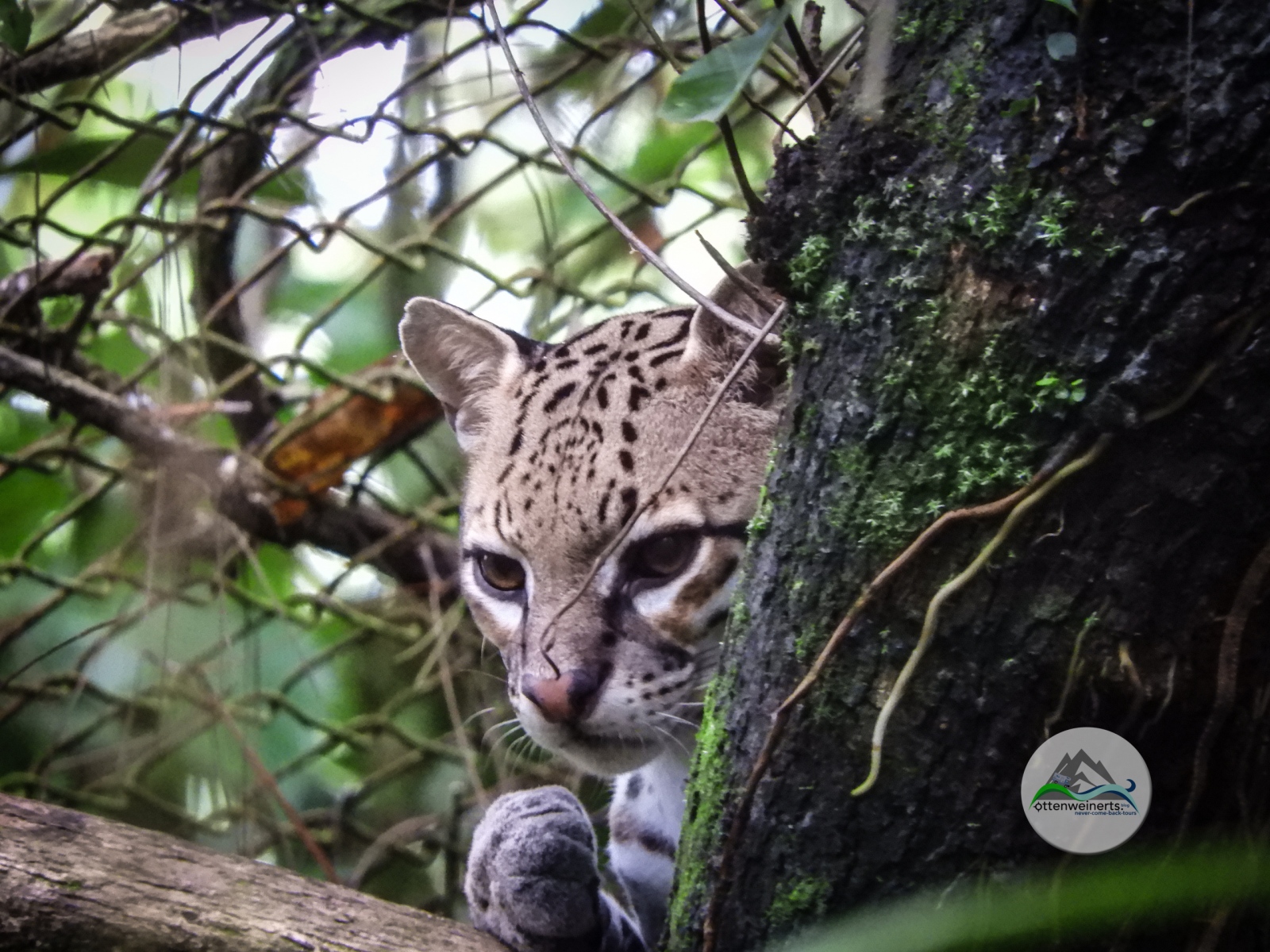
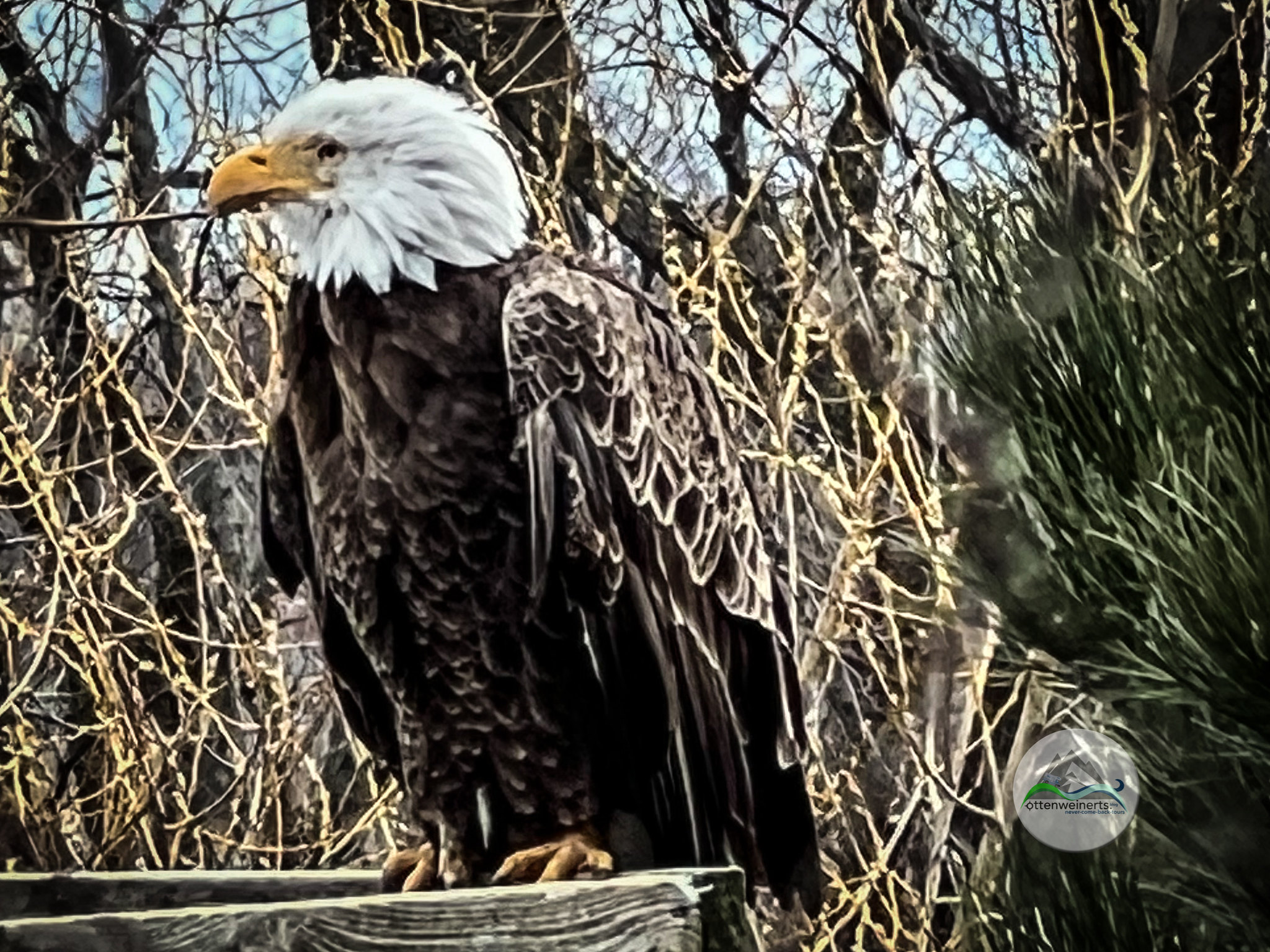
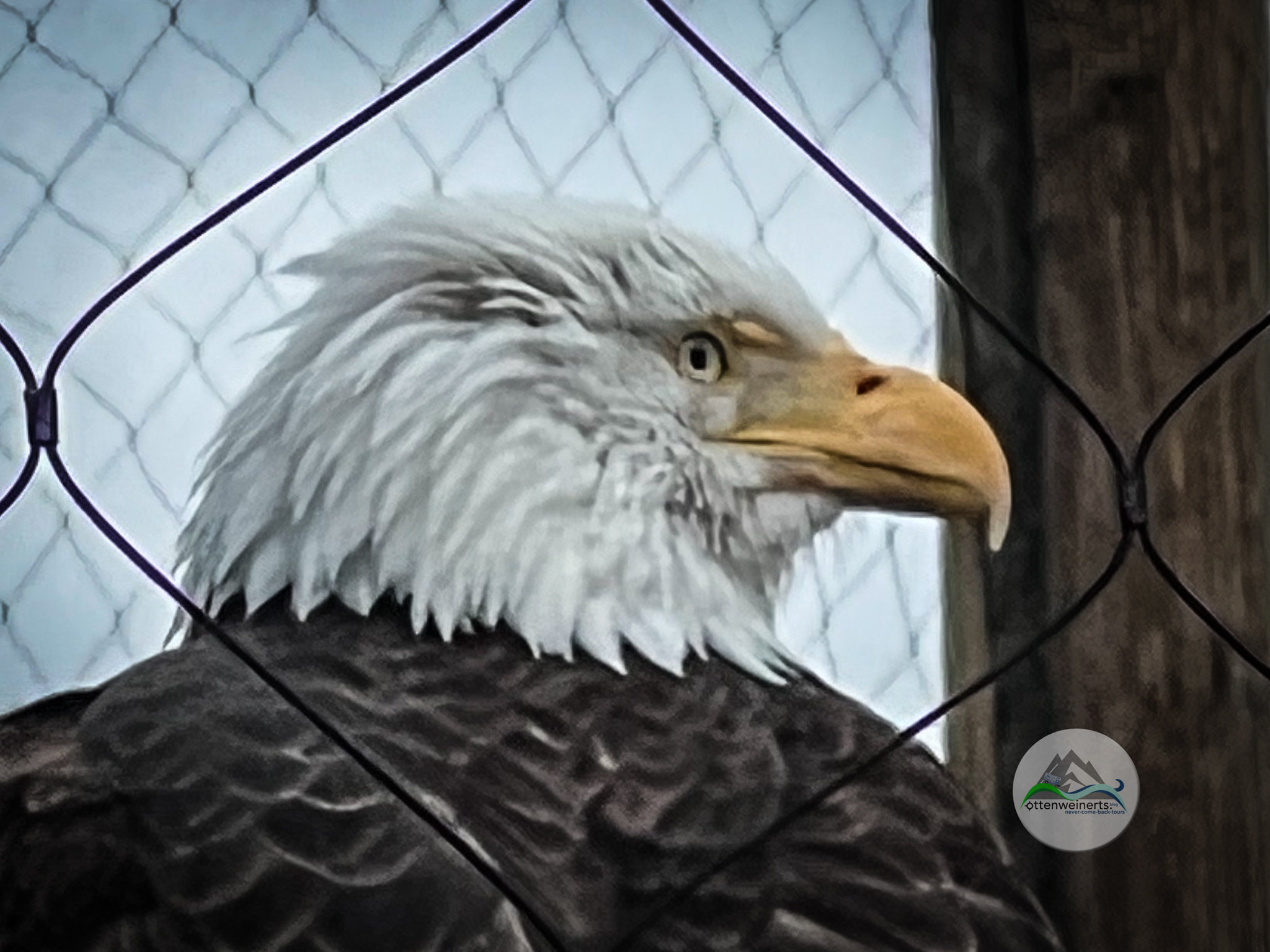
Dann freuen wir uns auf den Belize Zoo, der auch eine spezielle Geschichte hat: nach Dreharbeiten zu einem Dokumentarfilm über Belize wurden die dafür benötigten Tiere, allesamt an Menschen gewöhnt, der Tiertrainerin überlassen, die einfach ein Schild mit „Belize Zoo“ auf die Straße stellte. Als immer mehr Besucher kamen, wurde klar, dass viele Bewohner von Belize ihr Wappentier, den Tapir, noch nie gesehen hatten, geschweige denn Jaguar, Ozelot oder Harpie. Im Laufe der Jahre wuchs die Menagerie zu einem richtigen Zoo heran, mit ausschließlich in Belize heimischen Tieren; alle Tiere sind entweder gerettet, verwaist oder aus illegaler Heimtierhaltung, und können nicht mehr ausgewildert werden. Und so haben wir das Glück, vier der fünf heimischen Katzenarten zu sehen – Ozelot, Margay, Jaguarundi und Sylvia, die Jaguardame, die sich leise pfauchend auf dem Boden wälzt; Indy, der Tapir, frisst uns aus der Hand; die wunderschönen Harpien und auch die Königsgeier setzen sich fotogen in Pose, ein paar aus ihrem Gehege ausgebüchste Agutis wieseln durch die Gegend, die Coatimundis sind geschäftig, die Cassuare zum Schreien komisch, das seltene Morlet-Krokodil ist völlig unbeeindruckt, die Jabiru-Störche sind riesig, die braunen Pelikane schläfrig und die Pecaris mit Fressen beschäftigt. Die Tiere haben große Gehege hier im Dschungel, die somit ihrem natürlichen Habitat entsprechen – dieser Zoo hat uns wirklich gut gefallen. Und am Schluss treffen wir auch noch Dalena Lesso und Prof. Stephen Zitzer – die Kollektion der Vögel aus Belize, die wir gestern im Museum of Belize City gesehen haben, geht auf ihre Initiative zurück; Prof. Zitzer hat alle Vögel selbst präpariert und ausgestopft.
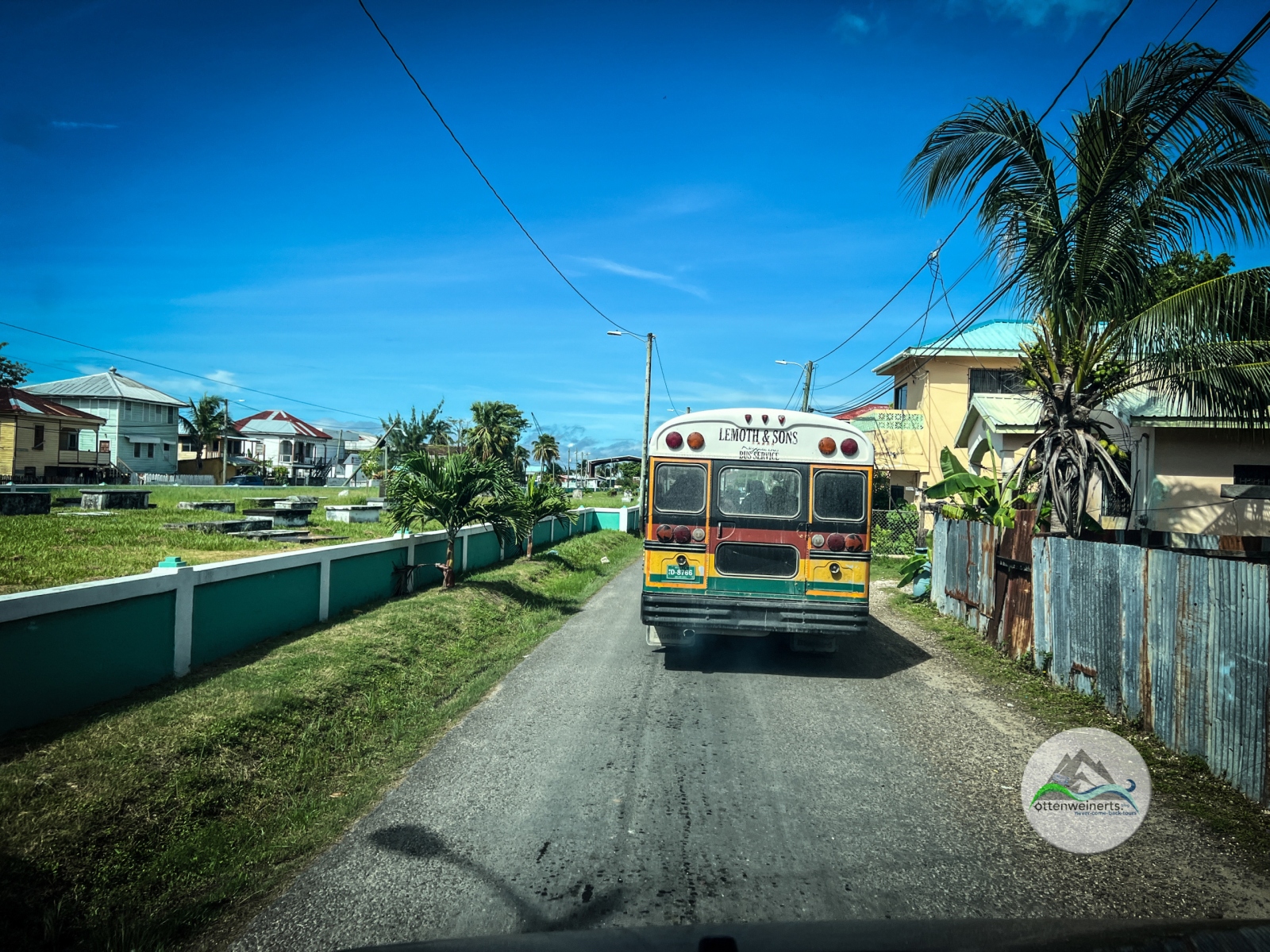
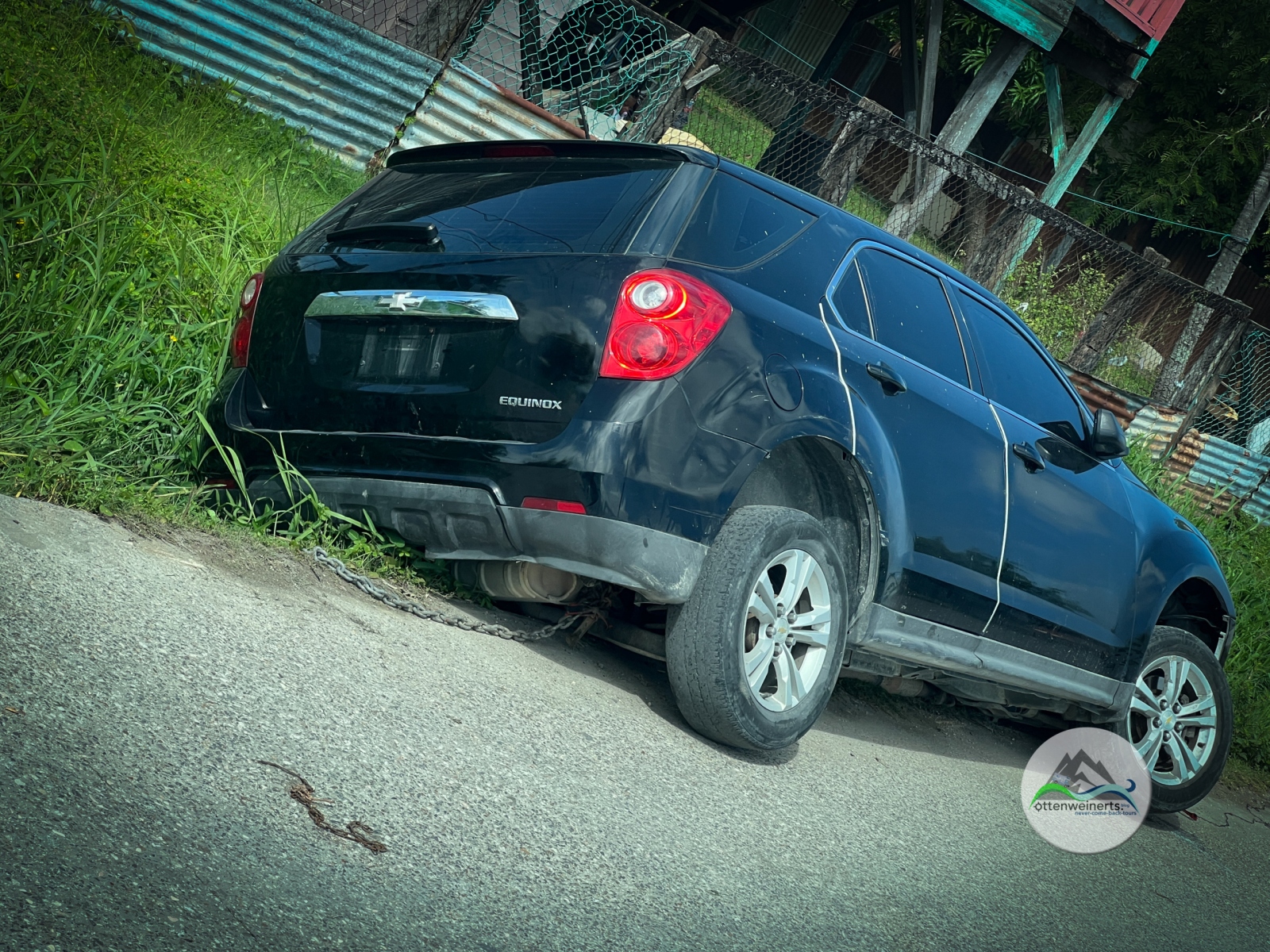
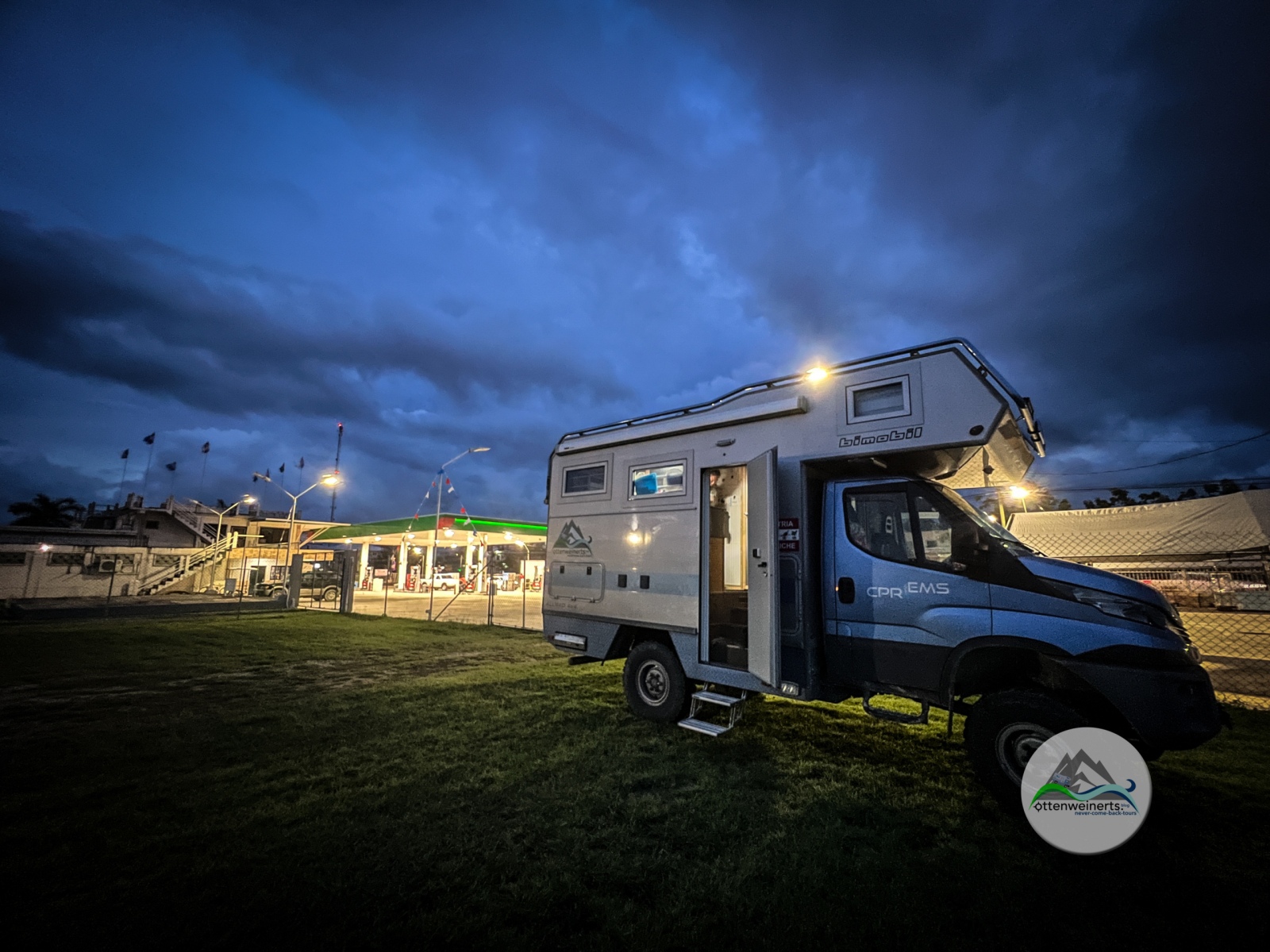
Dann steuern wir Belmopan an, die Hauptstadt von Belize, wo wir über Nacht bleiben wollen – und sind etwas verwirrt: irgendwie können wir keine Struktur erkennen, obwohl Belmopan ja nach dem großen Hurrikan von 1961, der die alte Hauptstadt Belize City verwüstet hat, auf dem Reißbrett geplant and angelegt wurde. Stadtzentrum finden wir keines, und die Straßen sind teilweise nicht asphaltiert, mit Schlaglöchern übersät, einige sogar unpassierbar. Den Campingplatz, den wir ansteuern wollten, finden wir auch nicht, also fragen wir kurzerhand auf einer Puma-Tankstelle, ob wir über Nacht bleiben dürfen. Die nette Dame an der Kassa freut sich, dass Touristen mal nicht nur tanken, sondern auch hier bleiben wollen, noch dazu mit so einem ausgefallenen Fahrzeug; sie ruft ihren Chef an, der gibt das OK und wir bekommen ein Plätzchen im abgezäunten Parkplatz. Um 21 Uhr ist Licht aus bei der Tankstelle, und wir freuen uns auf eine ruhige Nacht.
Day 137 – From Belize City to Belmopan
We leave the northern part of Belize City via the almost 100 years old swing bridge – installed in 1923, this is said to be the oldest, still working bridge of its kind worldwide. But the bridge is operated only when Hurricans are announced, to allow boats to enter Haulover Creek for safety. The next Old Lady we visit, is St. John´s Cathedral, die oldest Anglican Church in Middle America, built between 1812 and 1820 with bricks shipped over from England. On the other side of the road there is the Government House, adorned with a lot of flags.
Next stop: the Community Baboon Sanctuary, 26 miles west of Belize City – there are no Baboons living here, of course, but Howler Monkeys; the first settlers called them Baboons, and the name stuck. The sanctuary is not a zoo, there are no fences, the animals live free and they are not fed – the sanctuary is a voluntary initiative where the landowners pledge to conserve the natural habitat of the Howler Monkeys, the jungle. There is a small museum on site, and then the guide leads the way into a patch of jungle. If you are lucky – as we were today – you get to see a whole family of Howler Monkeys with little ones, monkeying around in the trees or just hanging upside down, holding on to a branch with their tail.
On the way back we drive through Burrell Boom – a part of the town´s name is on display in the central park, so to speak – a huge iron chain with two anchors; the chain, called “boom”, was extended across the Belize River by loggers to catch the mahogany logs floating downstream. Then we pass the “Hattieville Ramada” – that is the nickname of Belize´s central prison. Rehabilitation instead of Isolation is the motto; there is a flower nursery and a souvenir shop, all items are produced by the inmates, and all revenue is used for the maintenance of the prison.
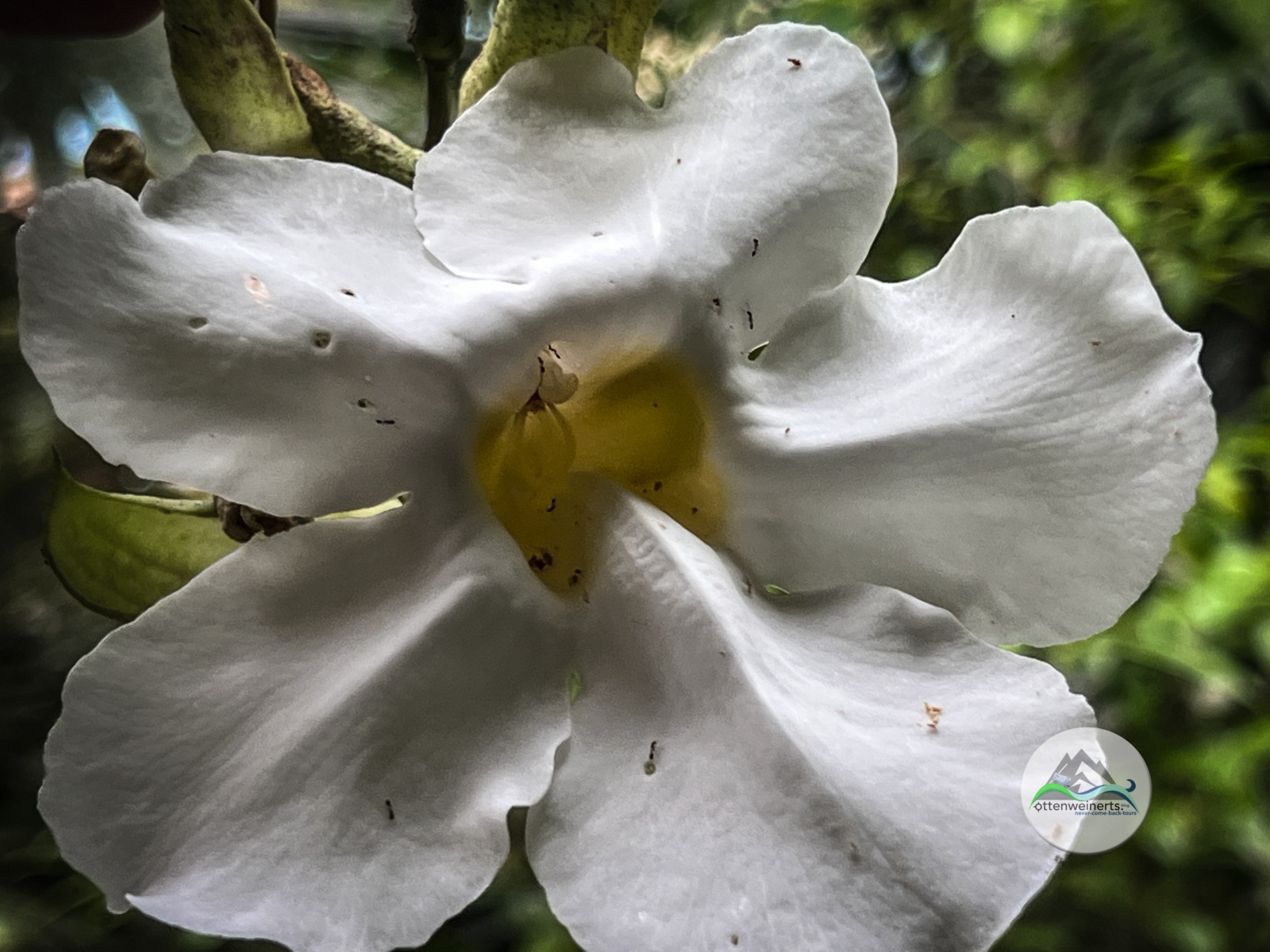
And then we are looking forward to visit the Belize Zoo with its unique background: after filming a documentary about Belize the starring animals, all of them used to be around humans, were left in the care of the animal trainer, who simply put a sign “Belize Zoo” on the street. As more and more visitors poured in, it became clear that many Belizeans had never seen their own national animal, the tapir, let alone jaguar, ocelot or harpy eagle. Over the years the menagerie grew into a real zoo for Belizean animals. All the animals were orphaned, rescued or confiscated from illegal pet ownership, and cannot be released into the wild. Therefore, we get to see four of the five Belizean cats – ocelot, margay, jaguarundi and Sylvia, the jaguar, who is rolling on the floor like our cats at home. Indy, the tapir, happily accepts some leaves and flowers, the magnificent harpy eagles and the king vultures pose for our camera, a few escaped agutis explore the zoo, the coatimundis seem to be very busy, the cassuar birds look very funny, the rare Morlet´s crocodile is not impressed at all, the jabiru storks are huge, the brown pelicans are tired and the pecaris are having dinner. The animals have large enclosures here in the jungle, their natural habitat – we liked this special zoo very much! And at the exit we meet Dalena Lesso and Stephen Zitzer, PhD – they initiated the exhibition of Belizean Birds at the Museum of Belize in Belize City which we saw yesterday.
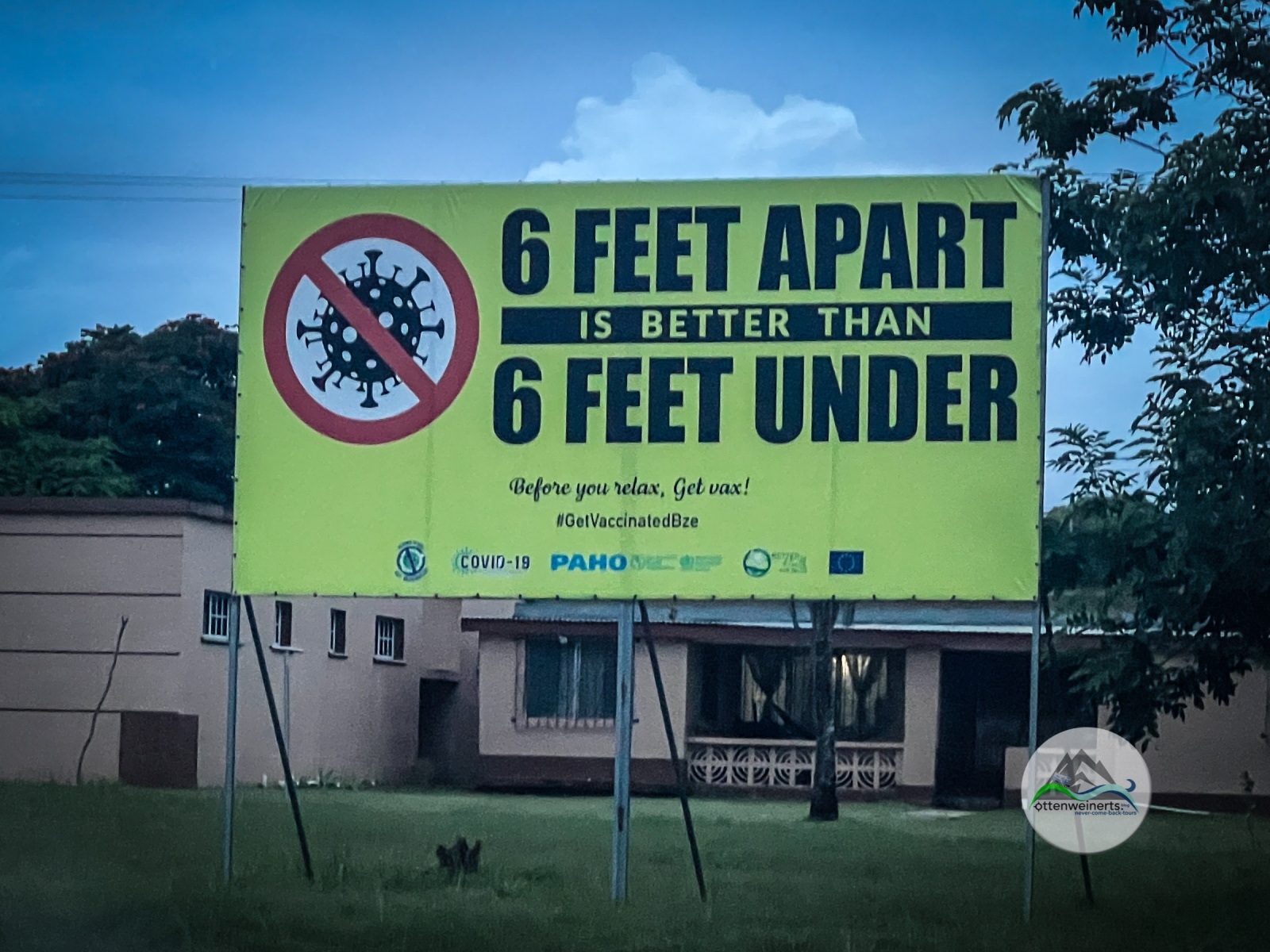
Then we drive to Belize´s capital Belmopan where we want to stay for the night – and now we are confused. After the big hurricane in 1961 which destroyed much of the former capital Belize City, Belmopan was planned on the drawing board – but we cannot identify any structure or even the town center. Many streets are unpaved, with lots of holes, some streets are flooded and we have to turn back. We also can´t find the camping area where we had planned to stay, so we ask at the Puma gas station if we may spend the night here. The nice lady at the cashier is delighted that foreign tourists don´t only fill up their car – especially one like ours -, but want to stay; she calls her boss, he says yes and so we get a spot at their safe parking lot. At 9 pm the gas station is dark, and we are looking forward to a quiet night.