Samstag / Saturday, Oktober 1, 2022
Tag 167 – Panamá City
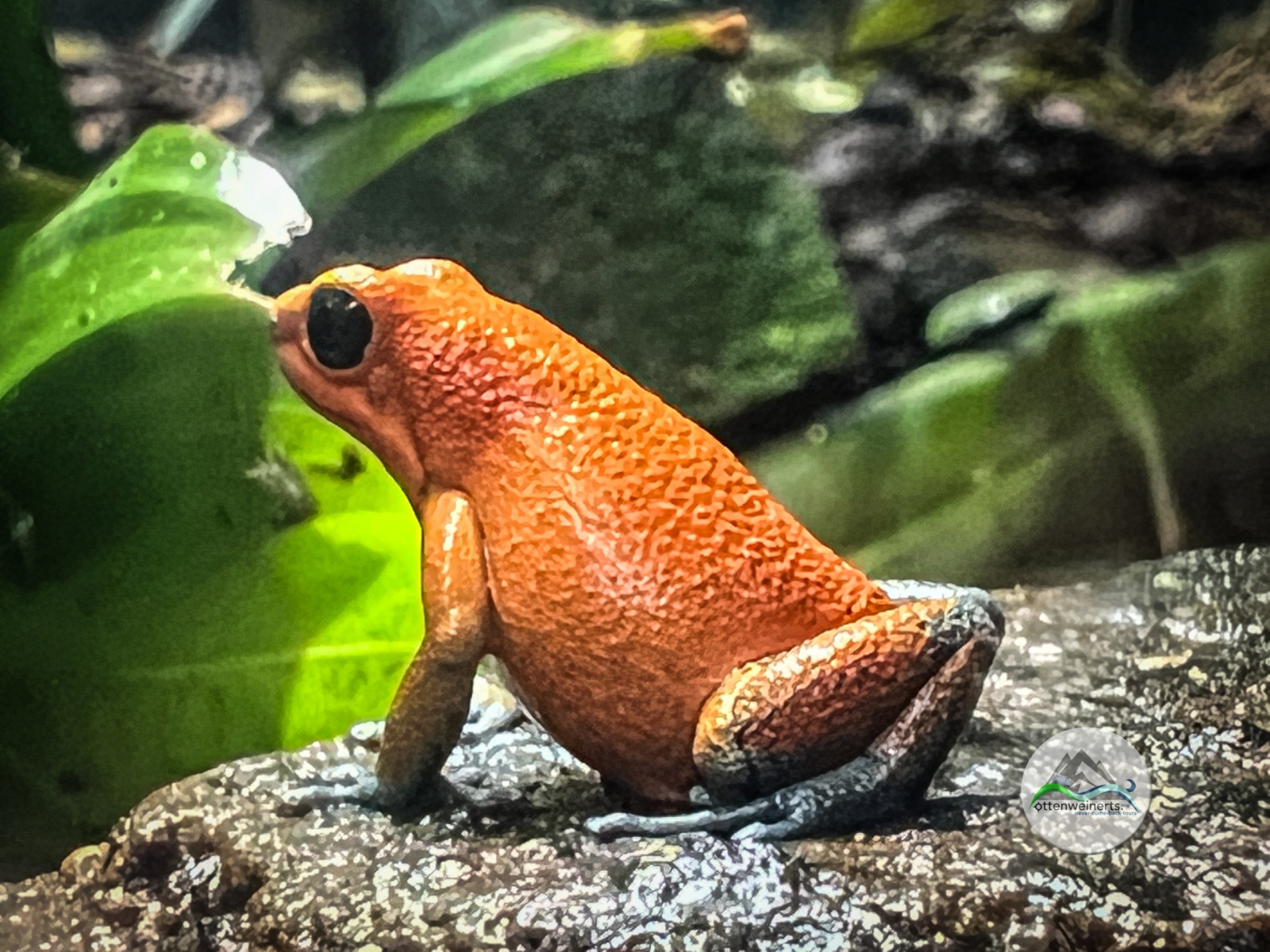
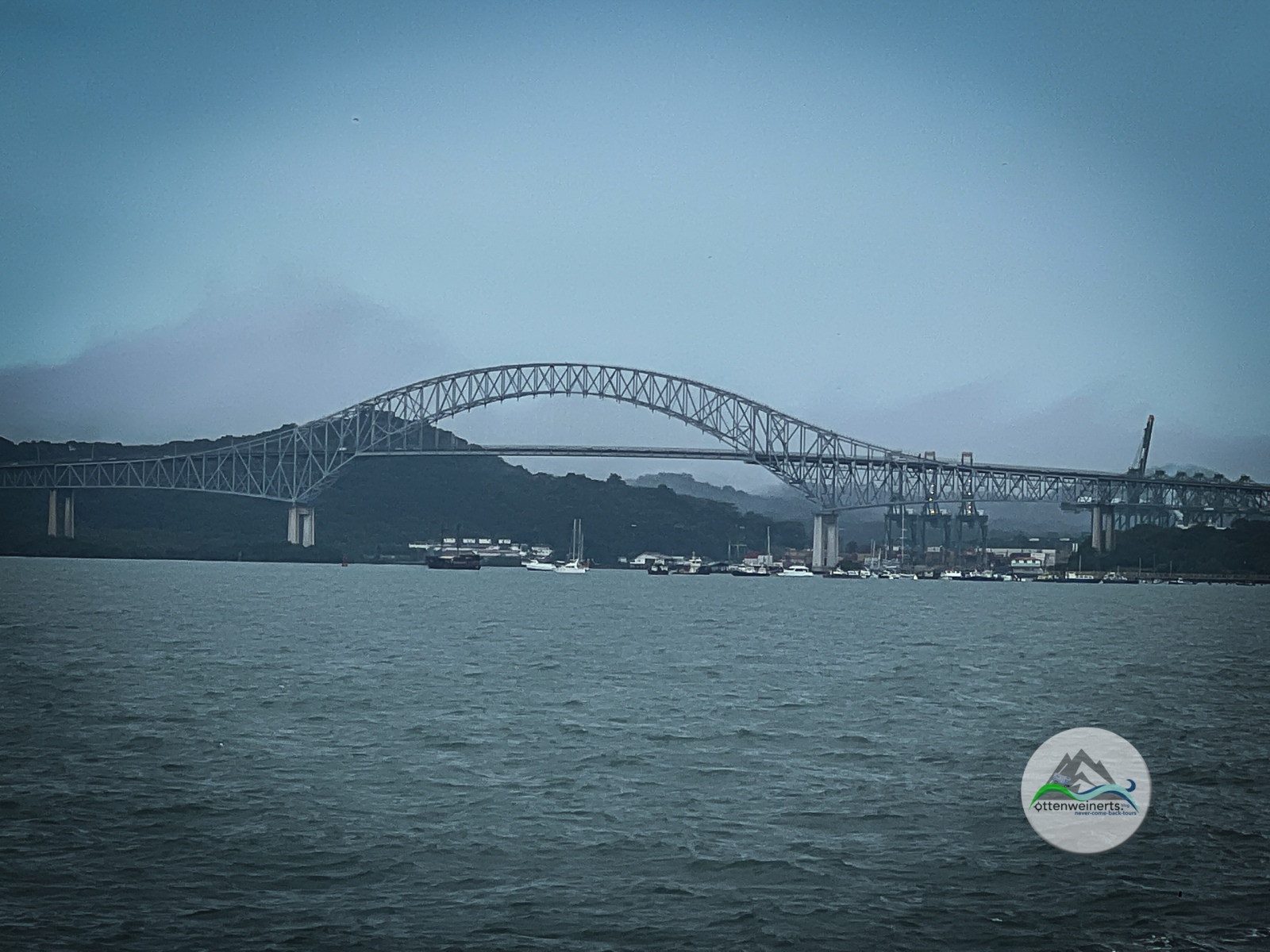
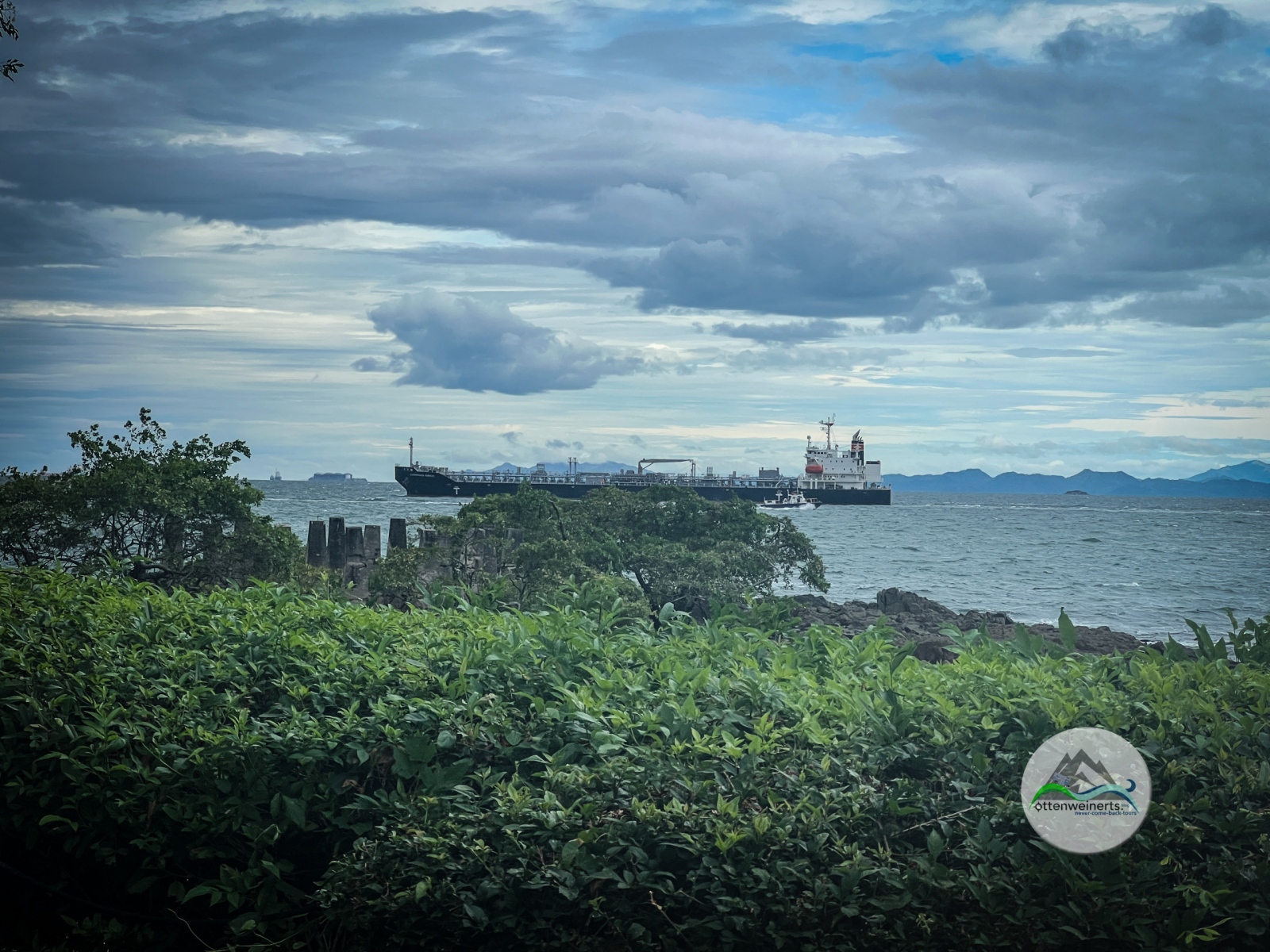
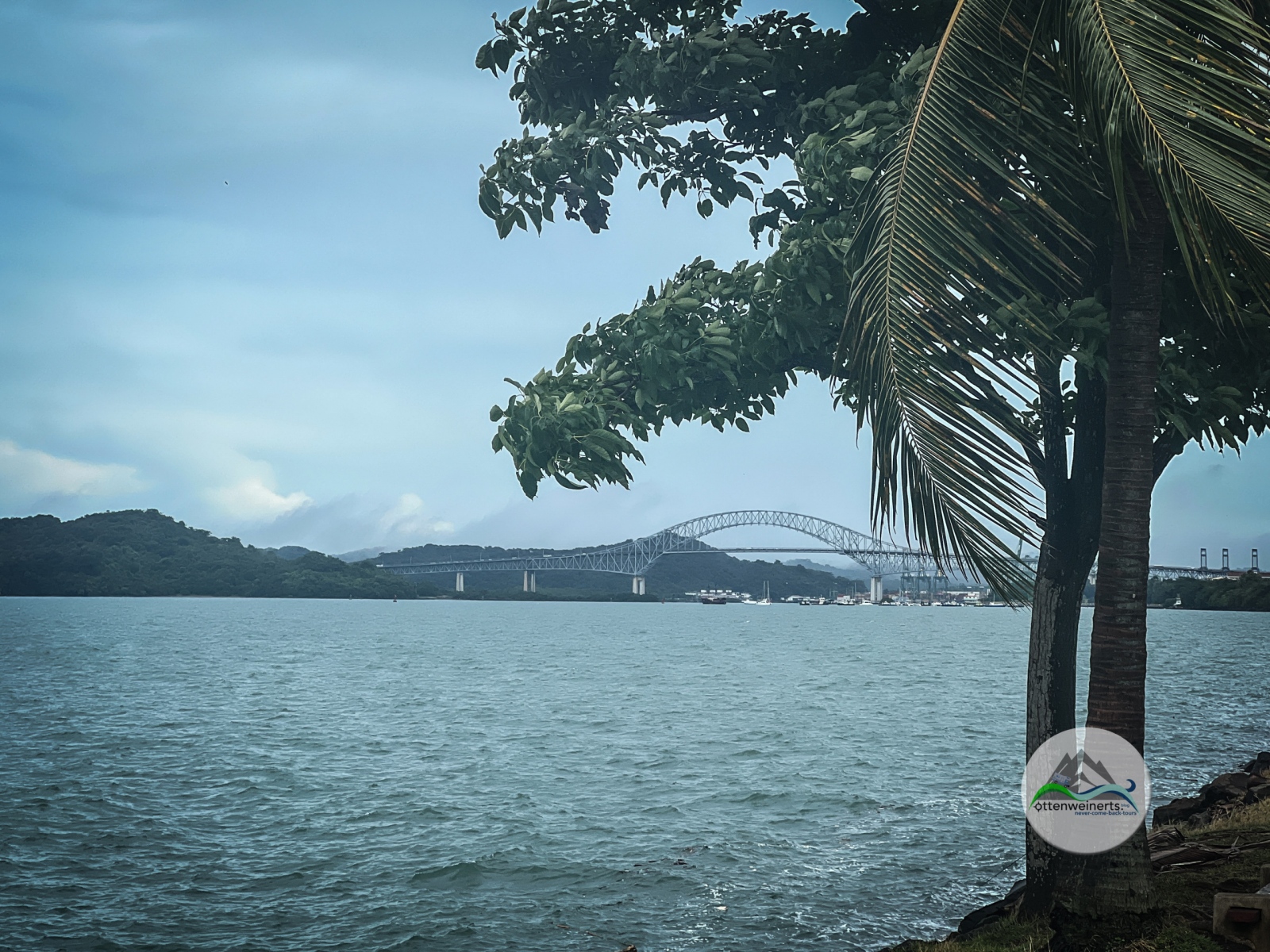
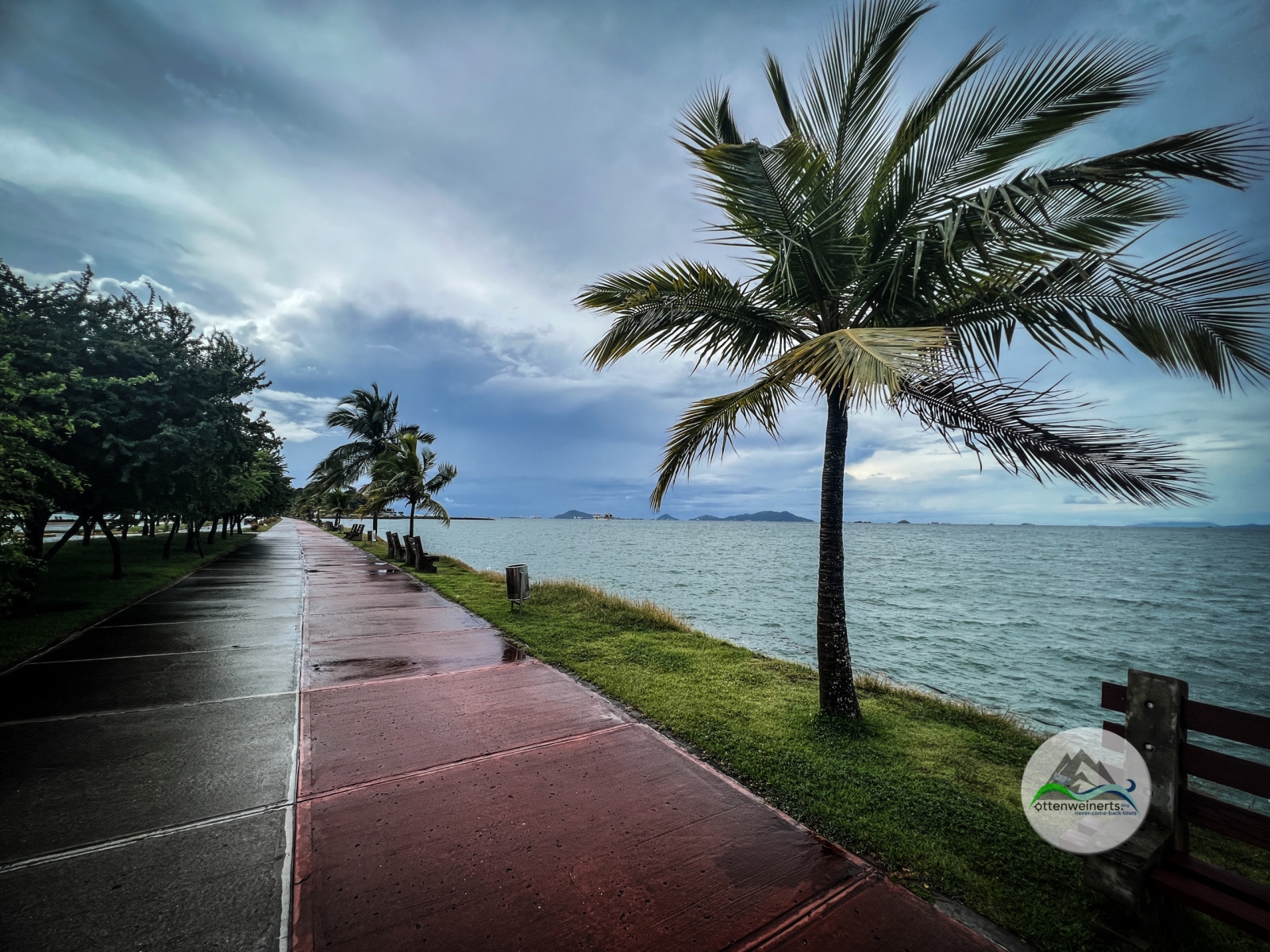
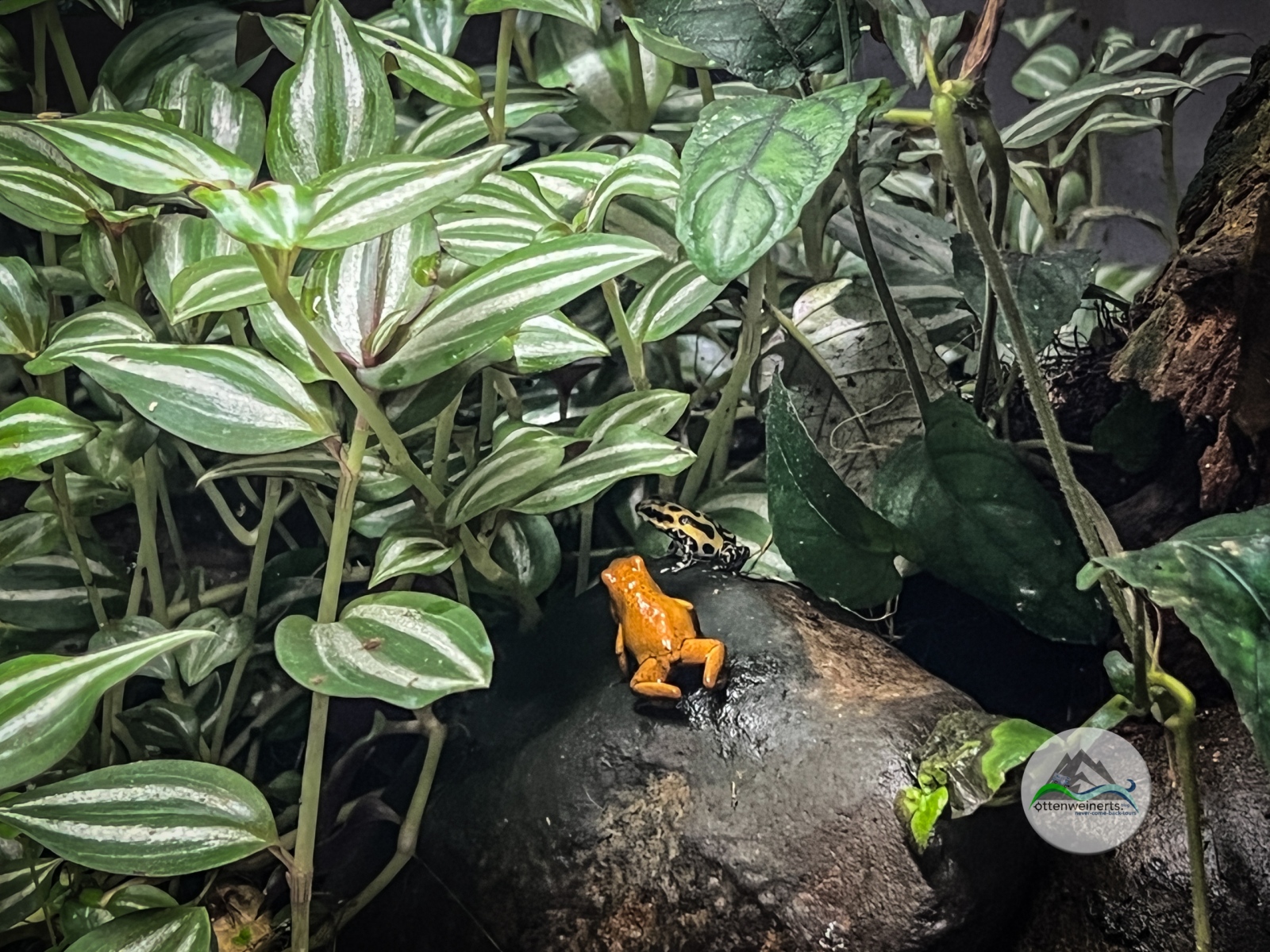
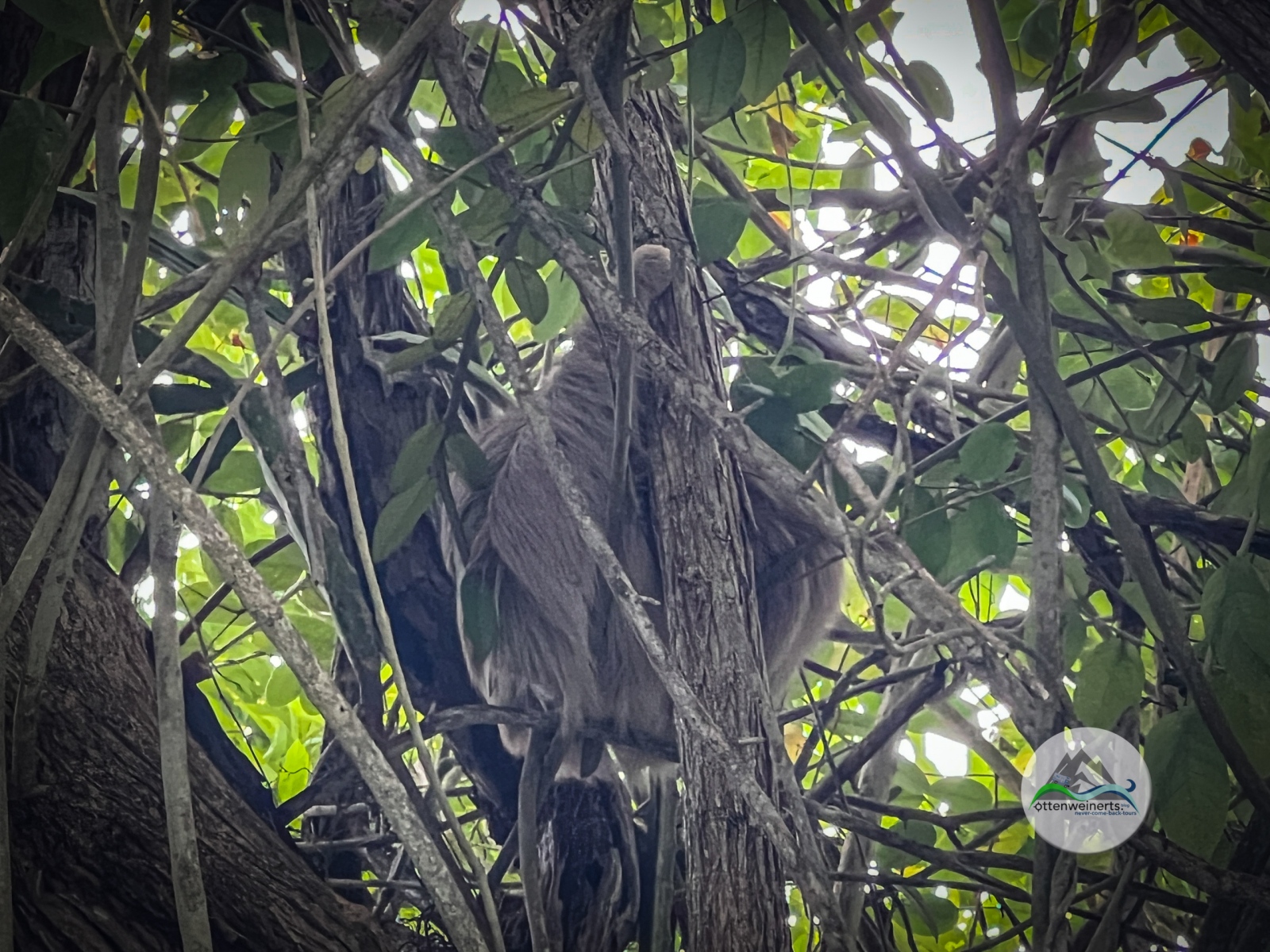
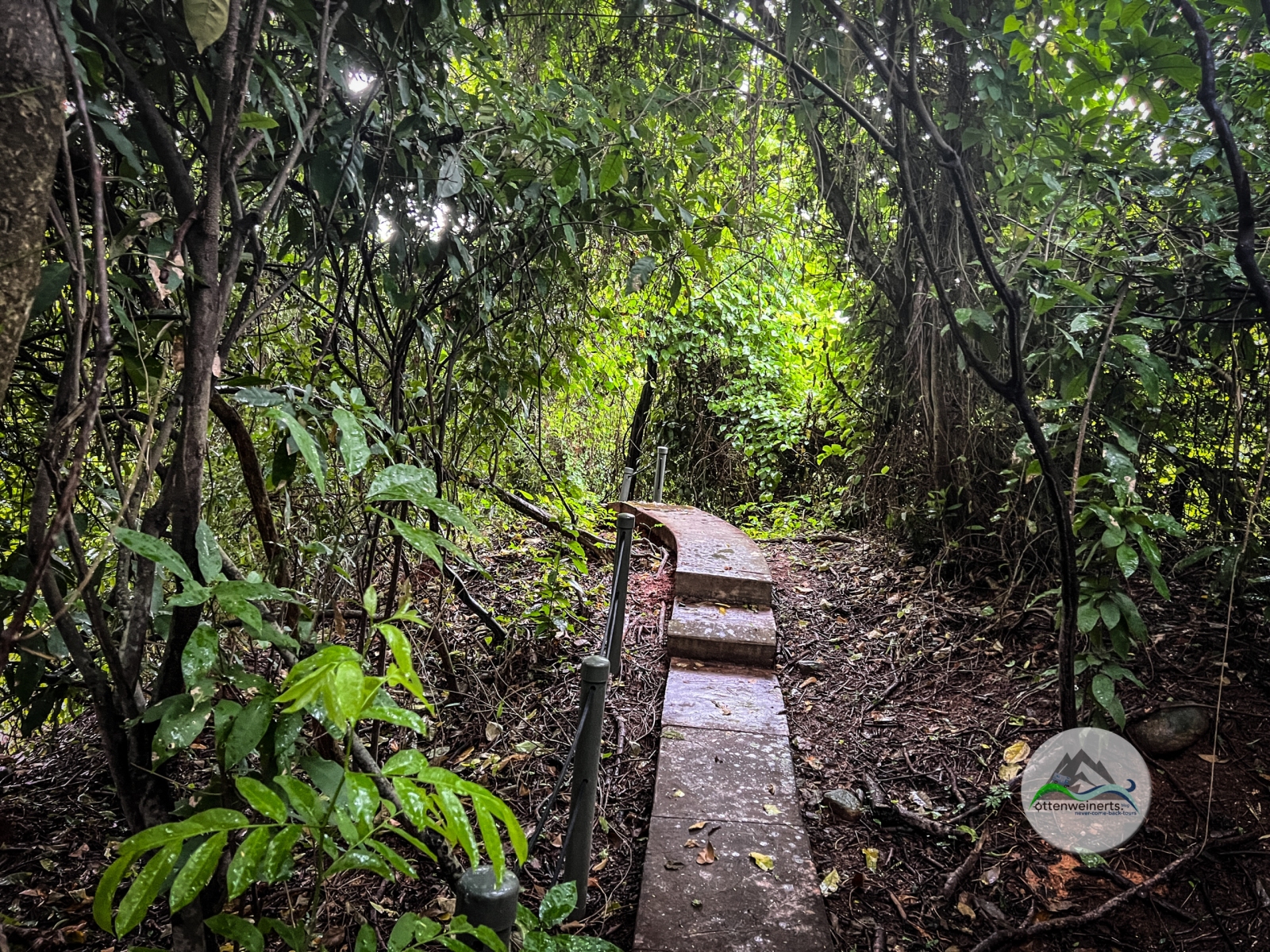
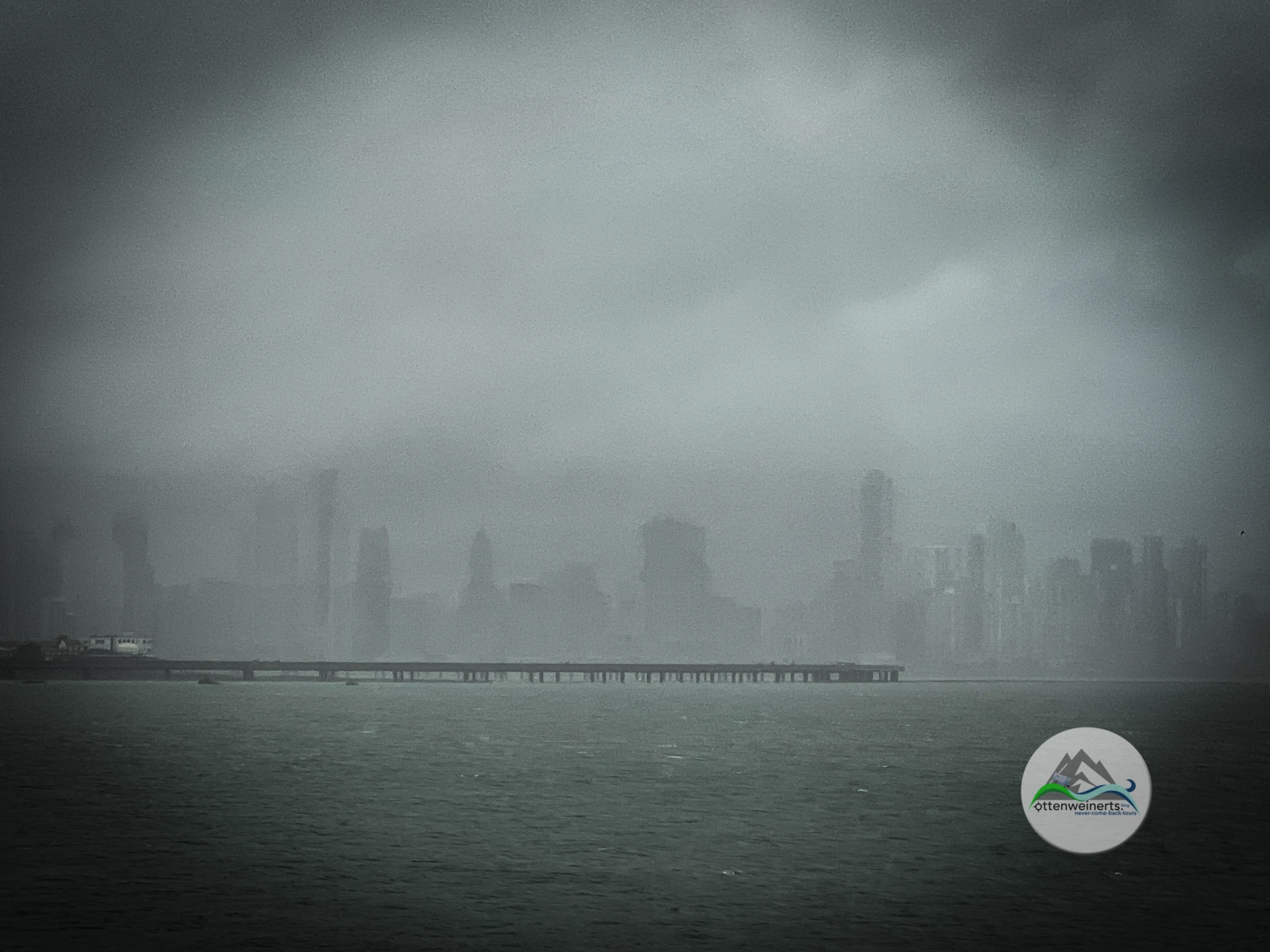
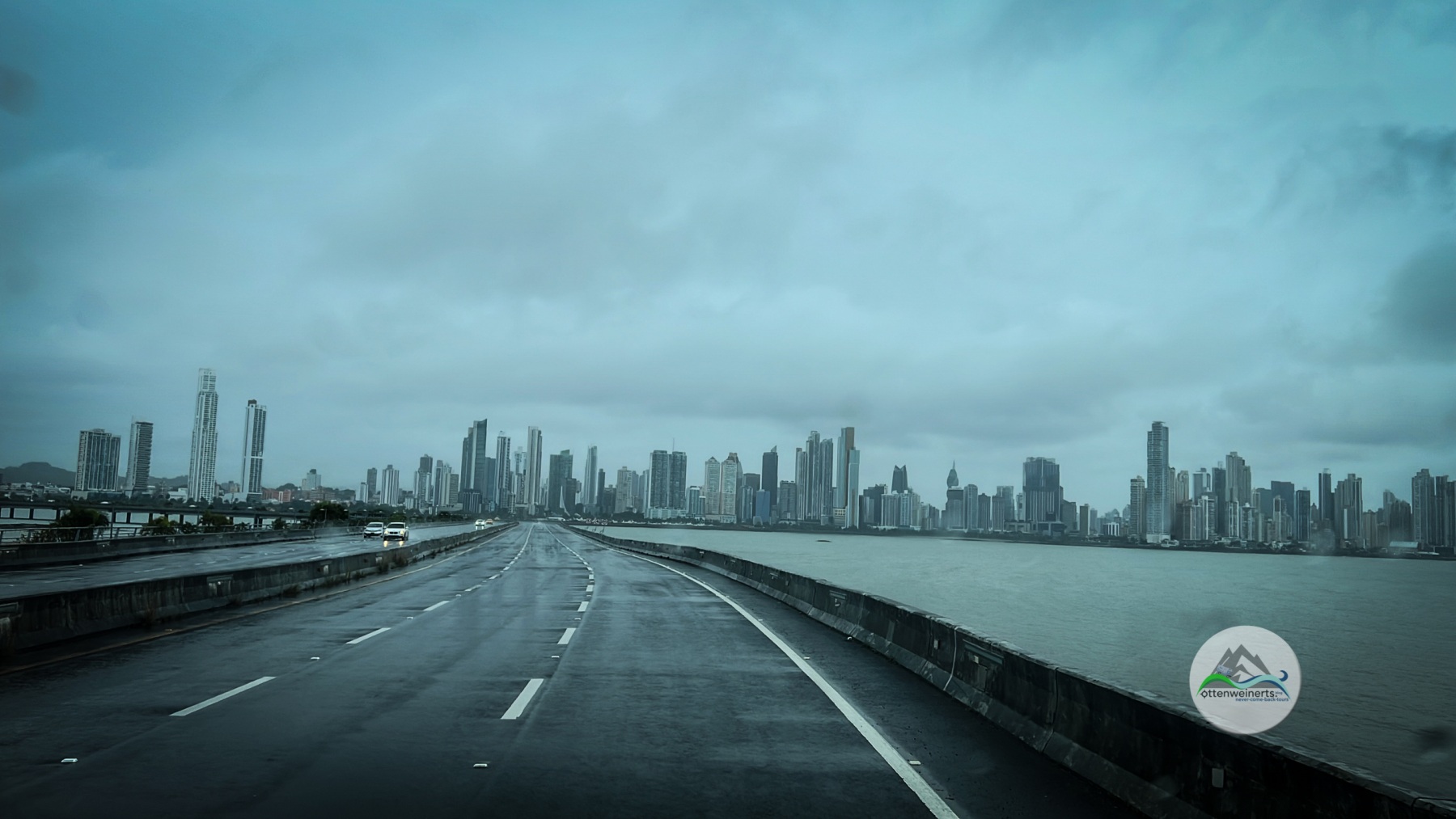
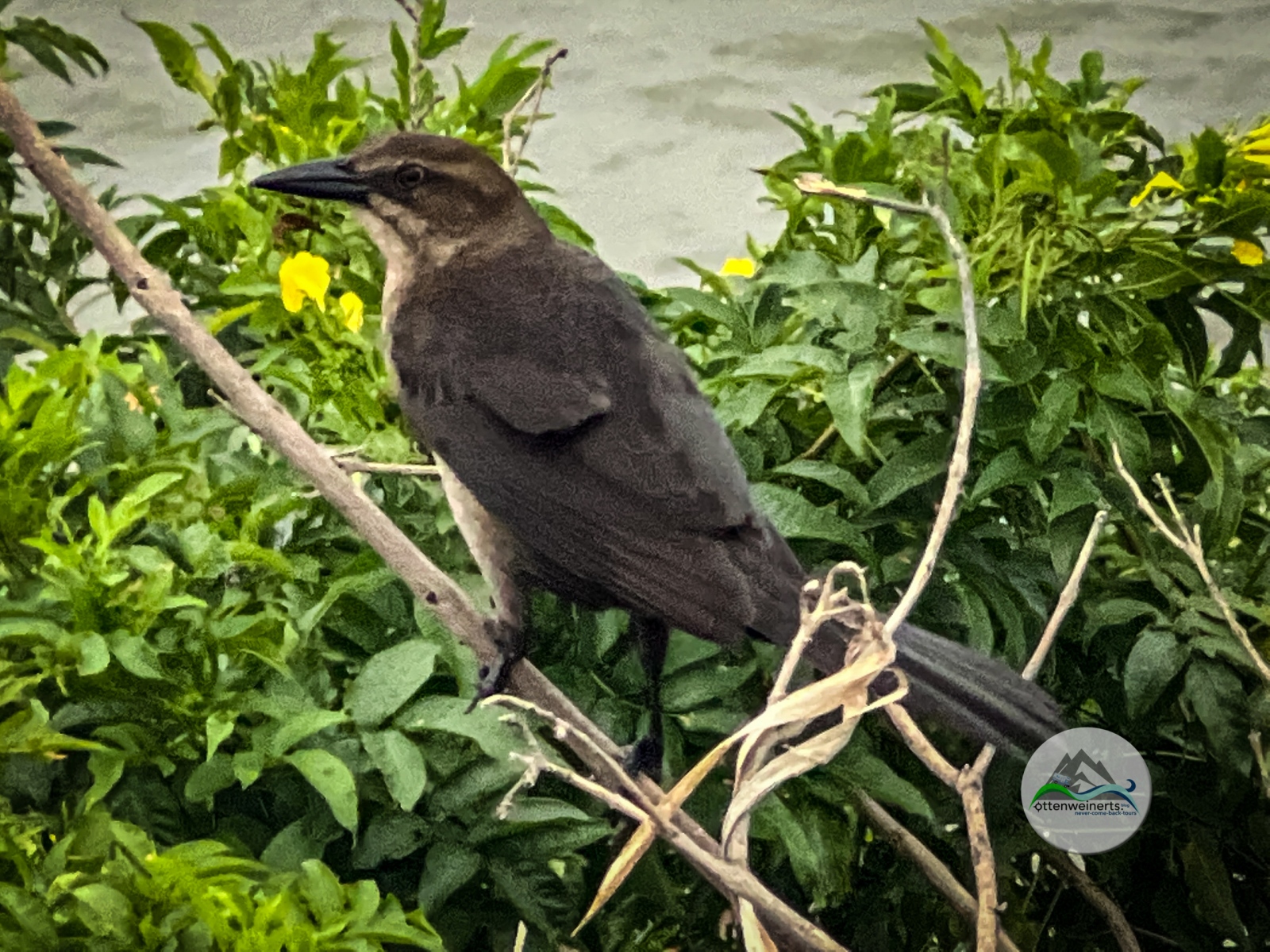
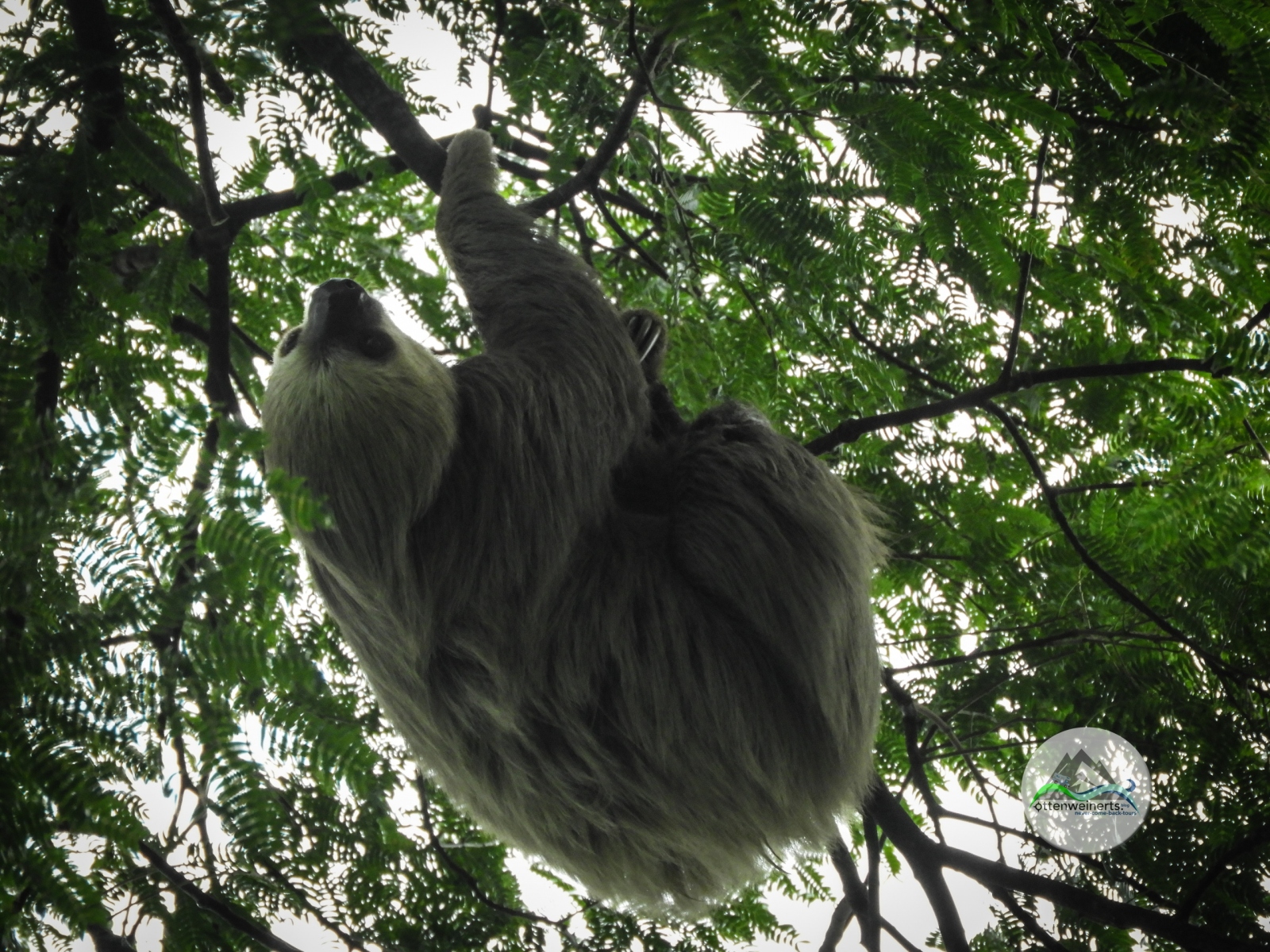
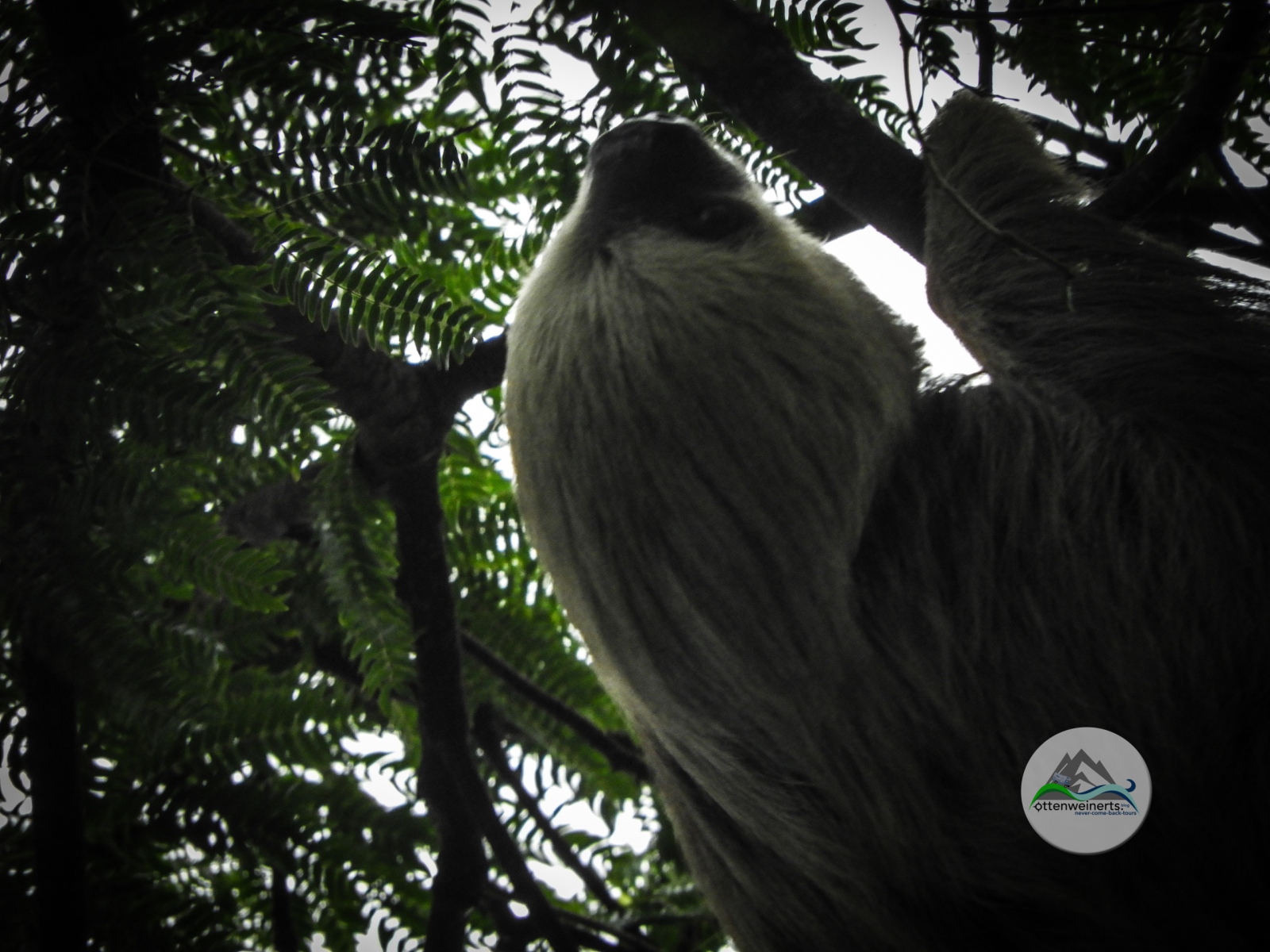
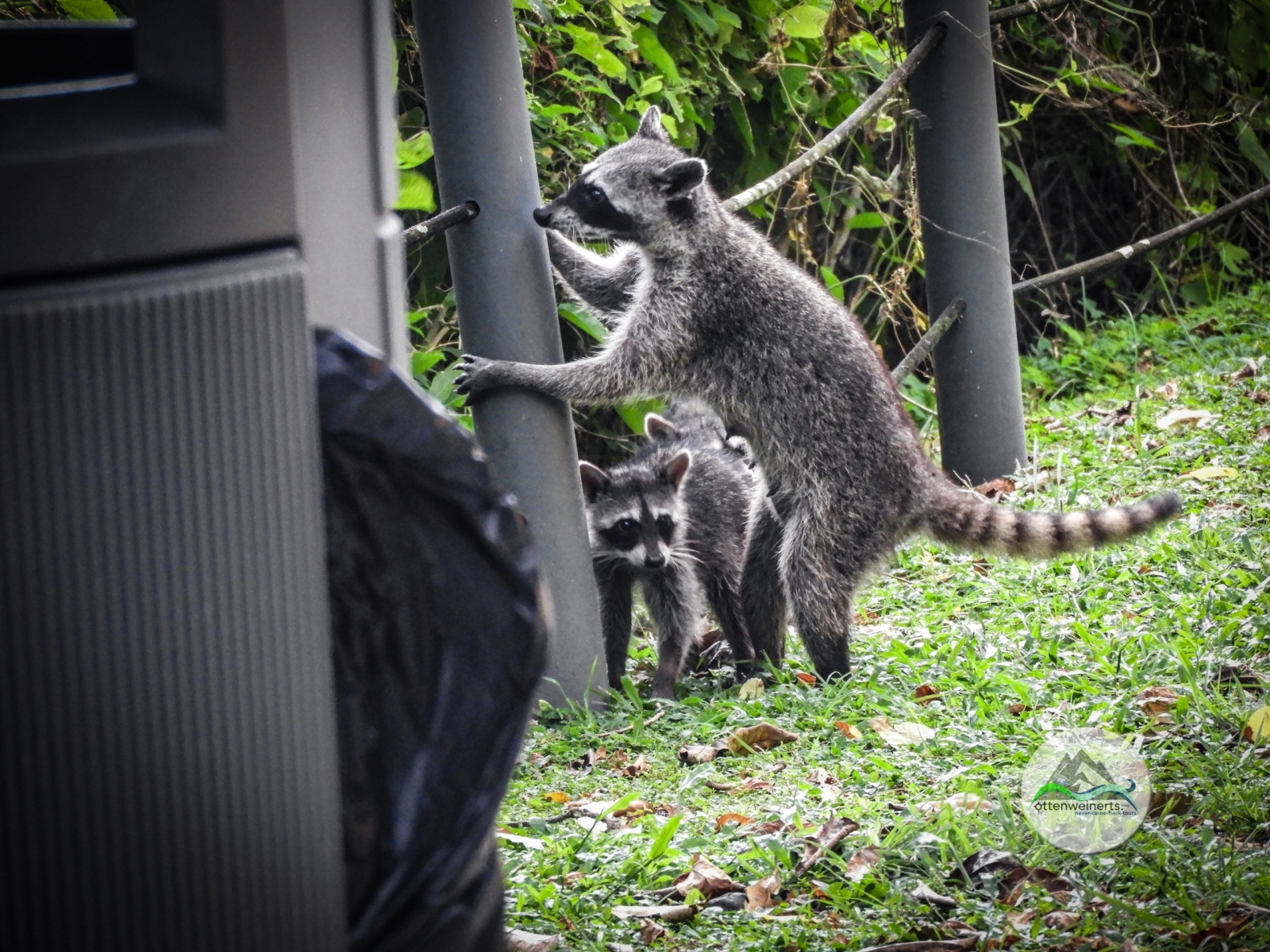
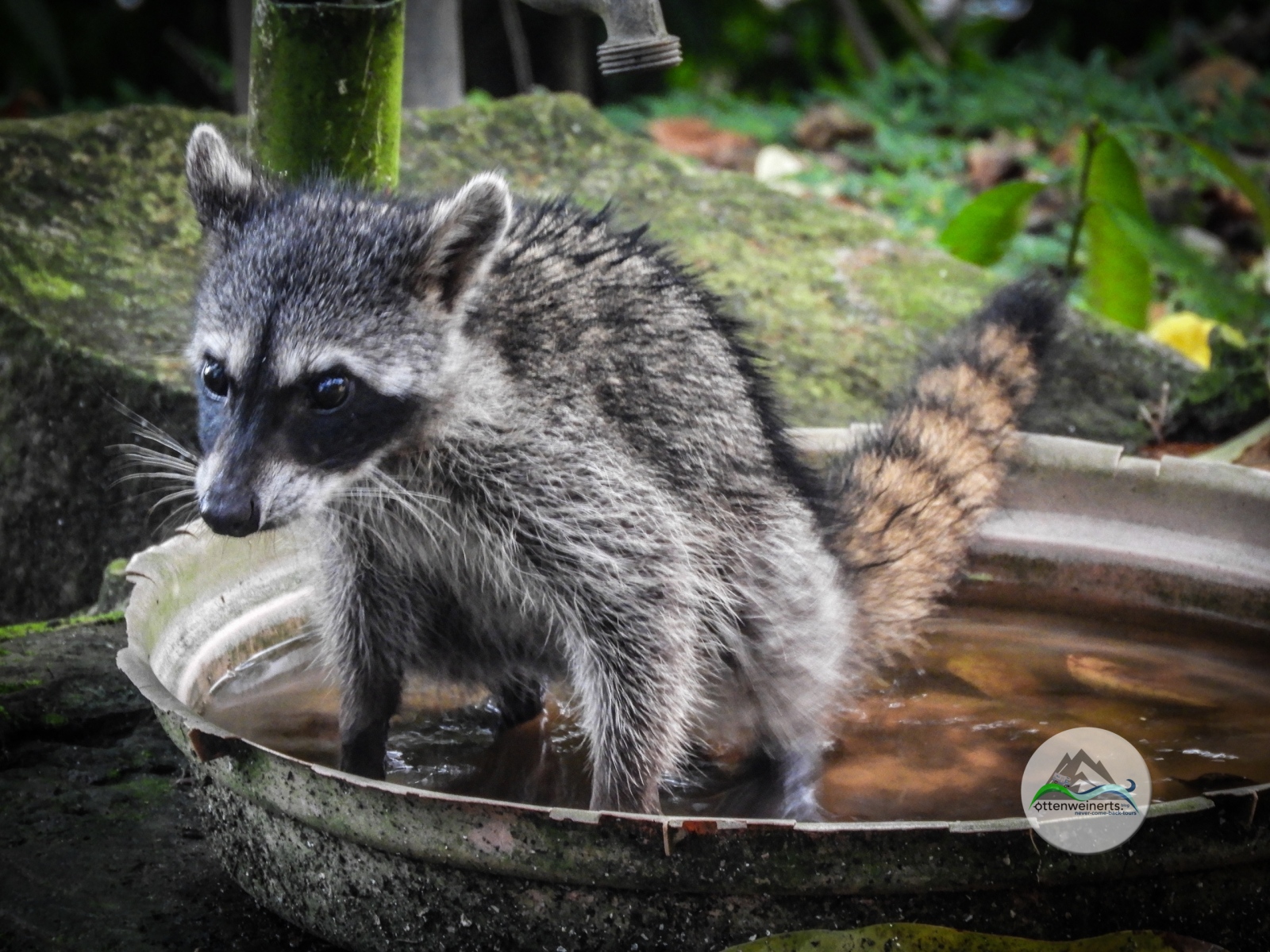
In der Früh regnet es, aber nach dem Frühstück klart es etwas auf und wir begeben uns zum Centro natural Punta Culebra, auf einer der vier Inseln, die der Damm Calzada de Amador mit dem Festland verbindet. Die Meeresforschungsstation, eine Kooperation mit dem Smithonian Institute, bietet etliche Aquarien und Terrarien, winzige Frösche und Kröten, und viel Information. Waschbären, Iguanas und Faultiere leben hier, und diesmal sehen wir sogar ein Faultier, das sich bewegt, und zwar gar nicht so langsam. Fregattvögel und Pelikane ziehen majestätisch ihre Runden, und der Blick über die Bucht bis zur Amerika-Brücke über den Kanal ist großartig.
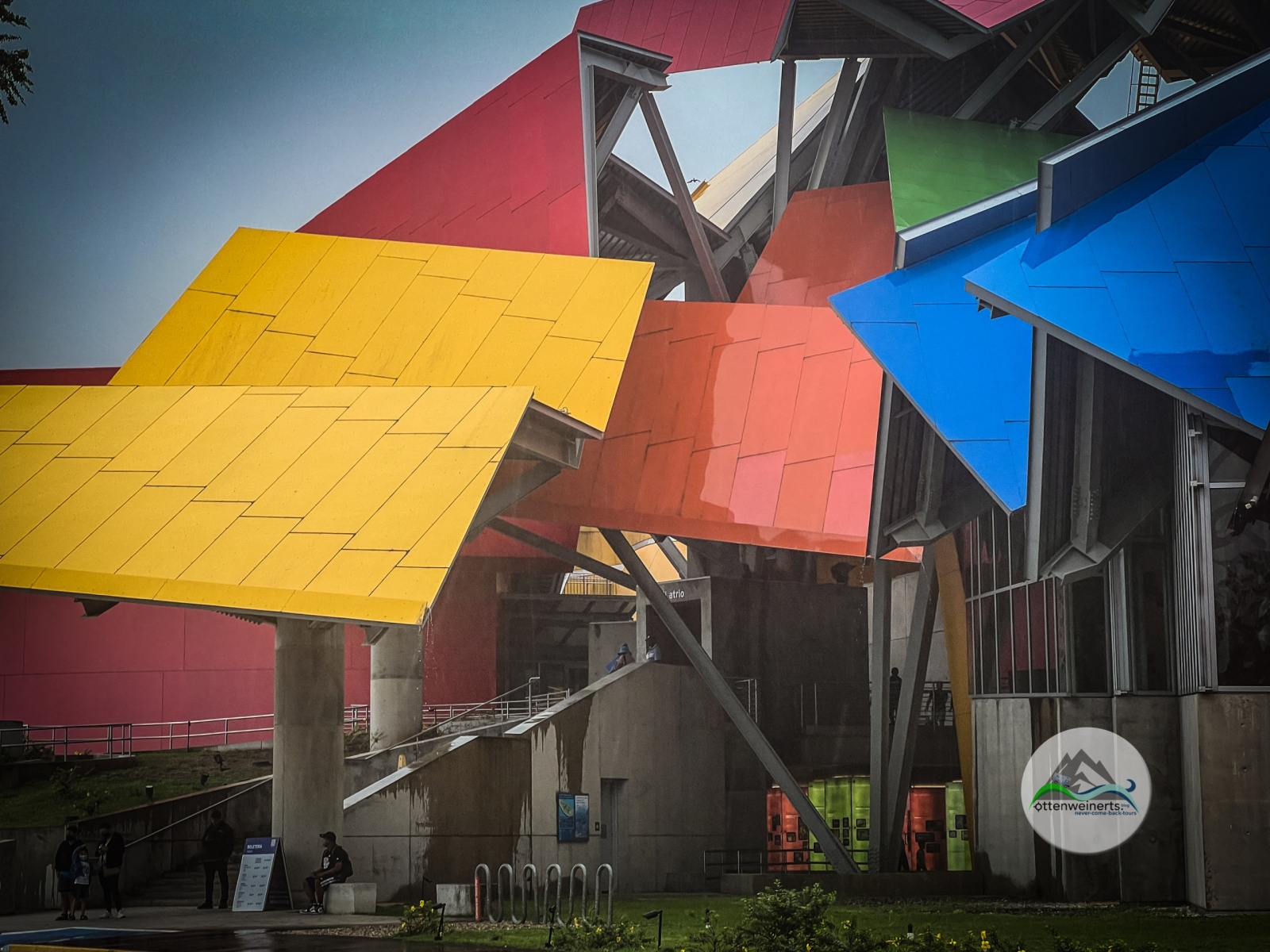
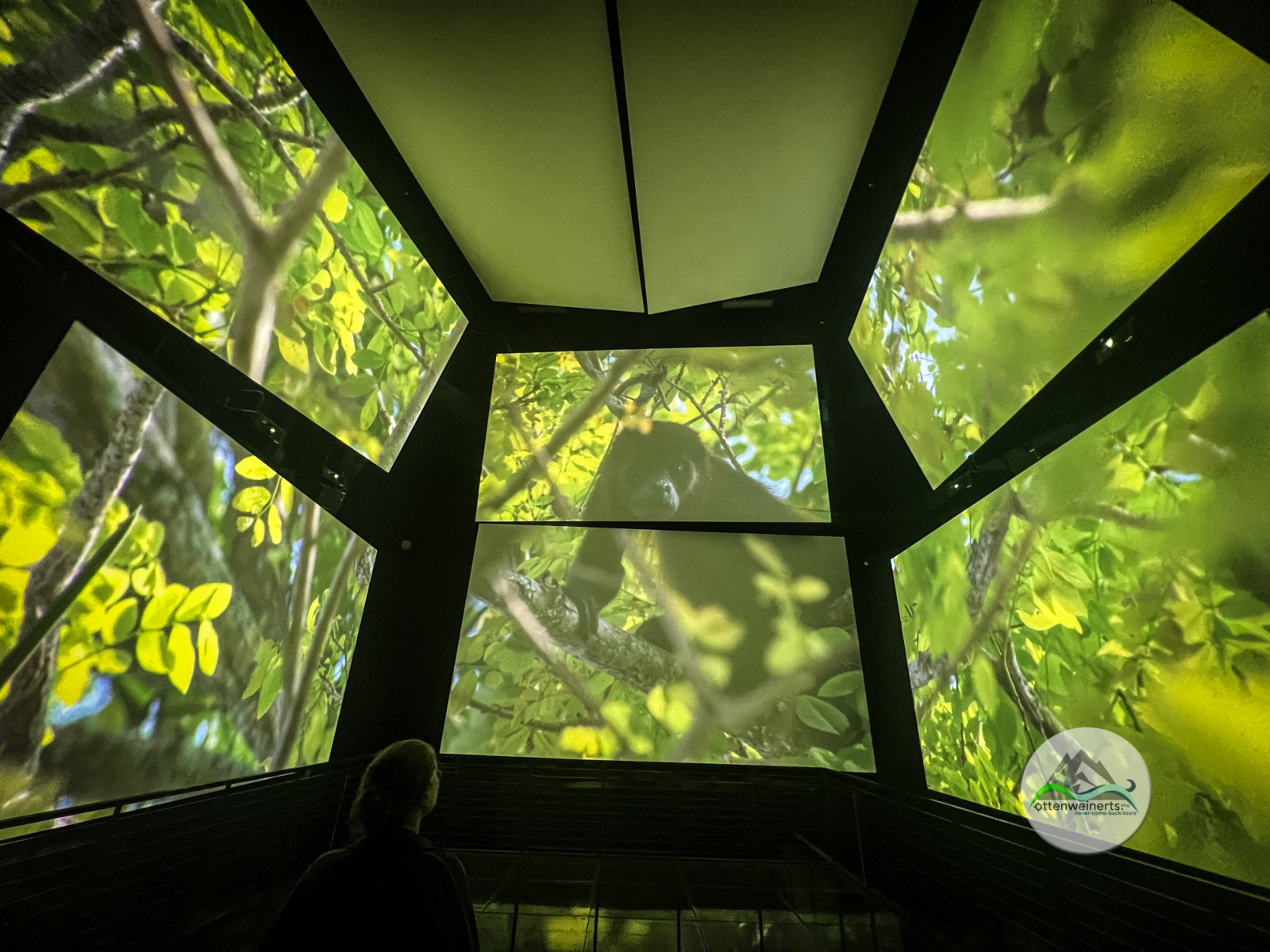
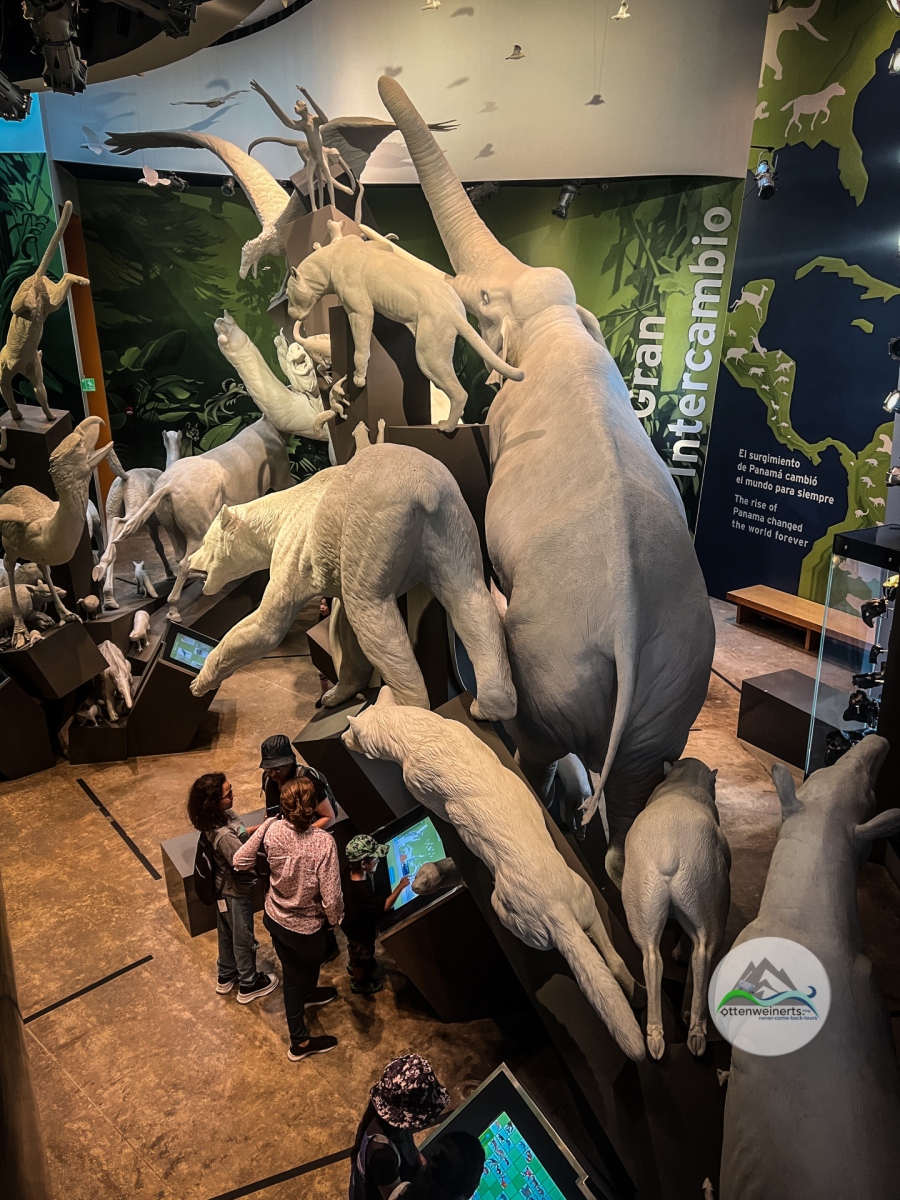
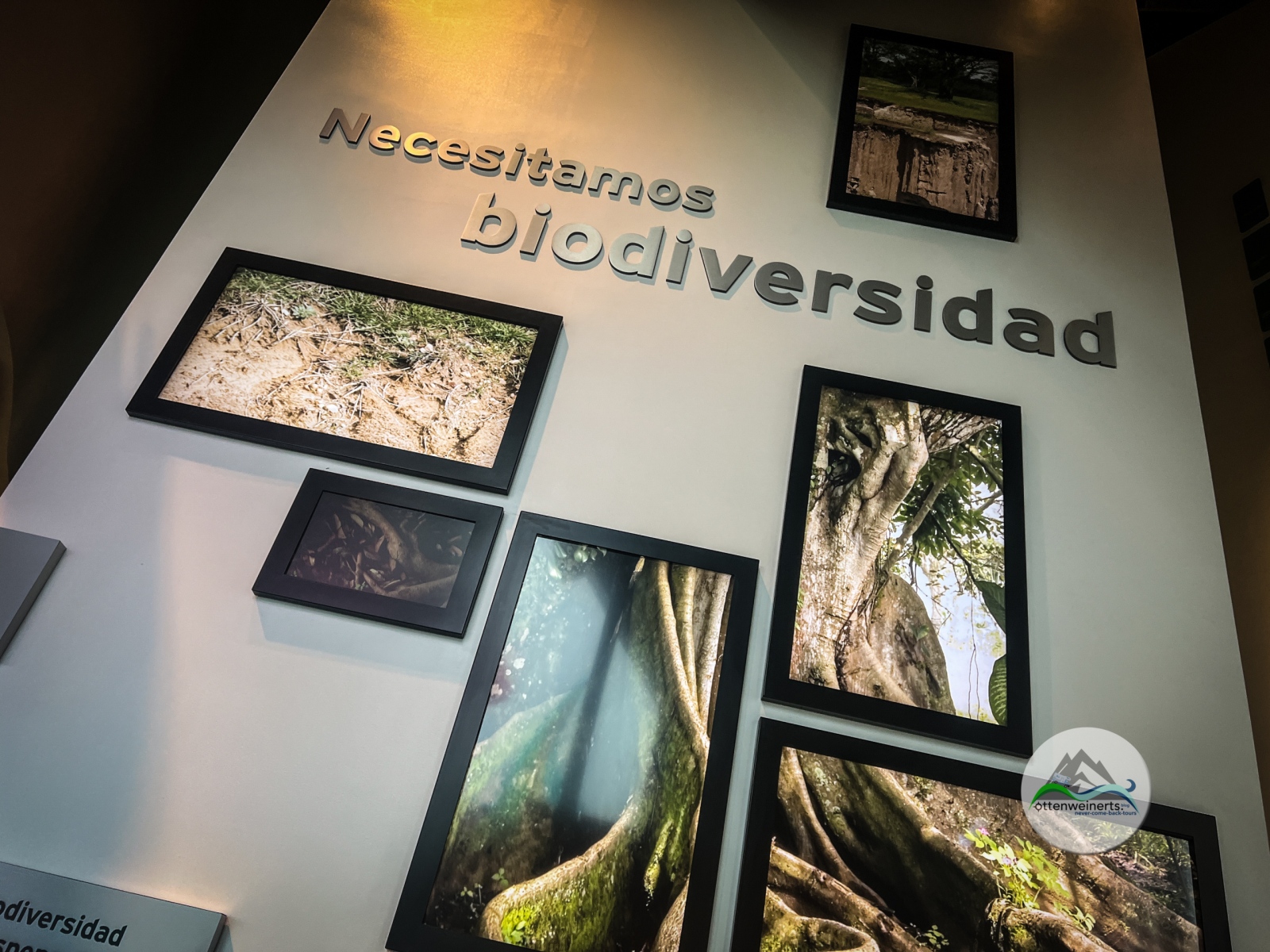
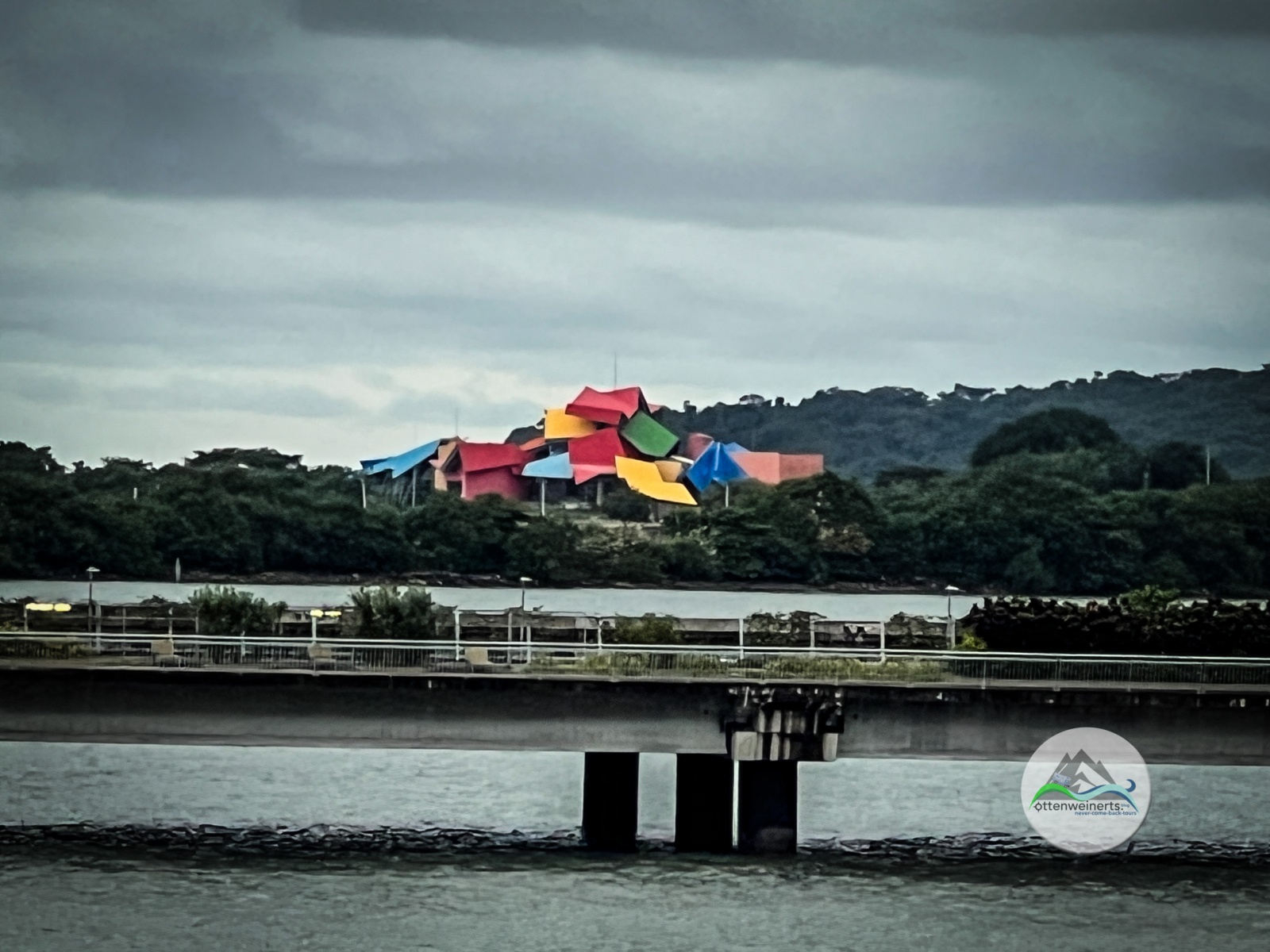
Ebenfalls am Damm befindet sich das BioMuseo – schon allein das Gebäude, entworfen von Frank Gehry, ist ein Hingucker. Das Museum, großartig konzipiert, befasst sich mit der Entwicklung Panamás, beginnend vor 70 Millionen Jahren, und zeigt die unglaubliche Biodiversität des Landes und die Geschichte der Besiedlung. Im Museumscafé bekommt man übrigens sehr guten Kaffee!
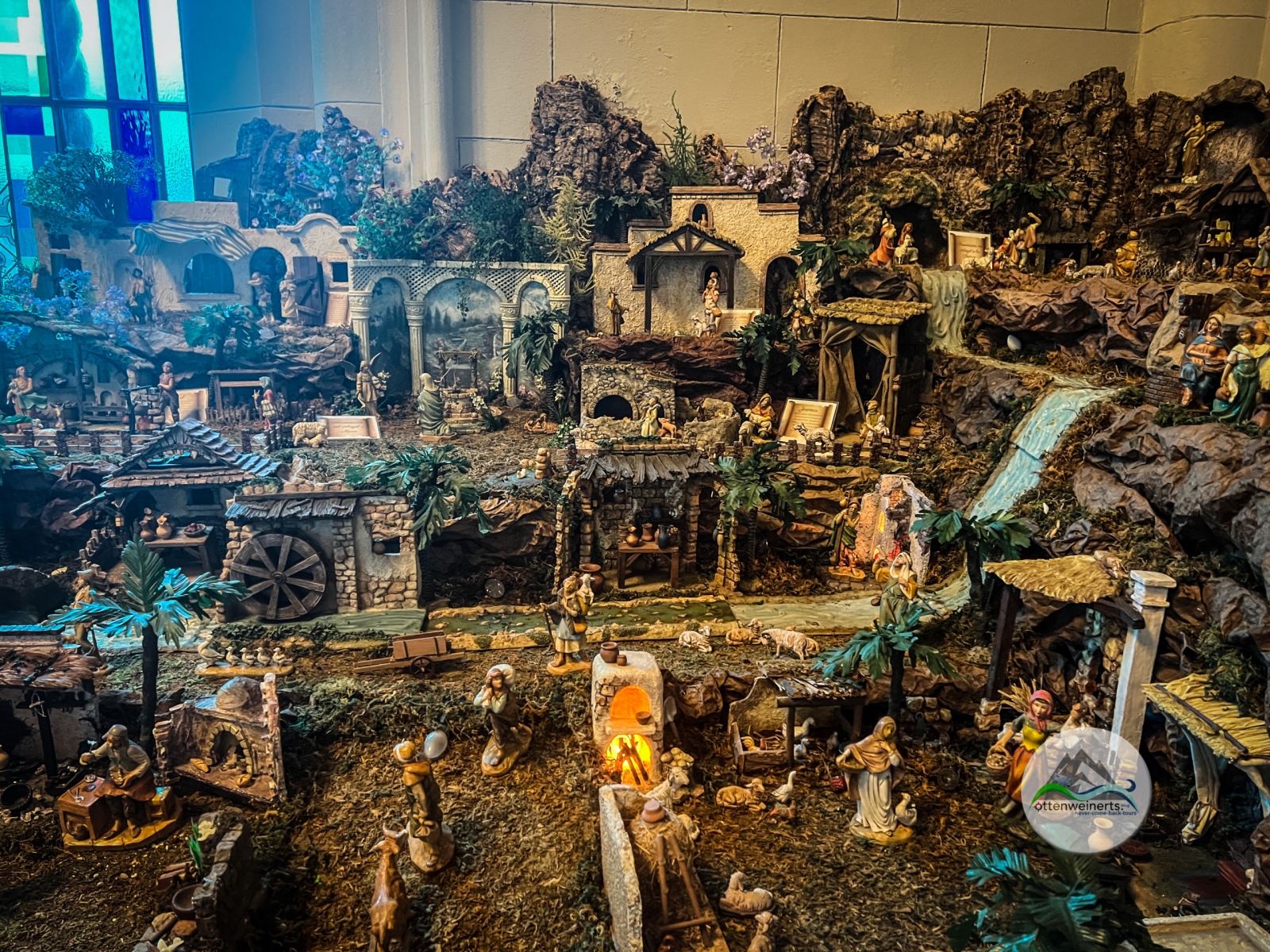
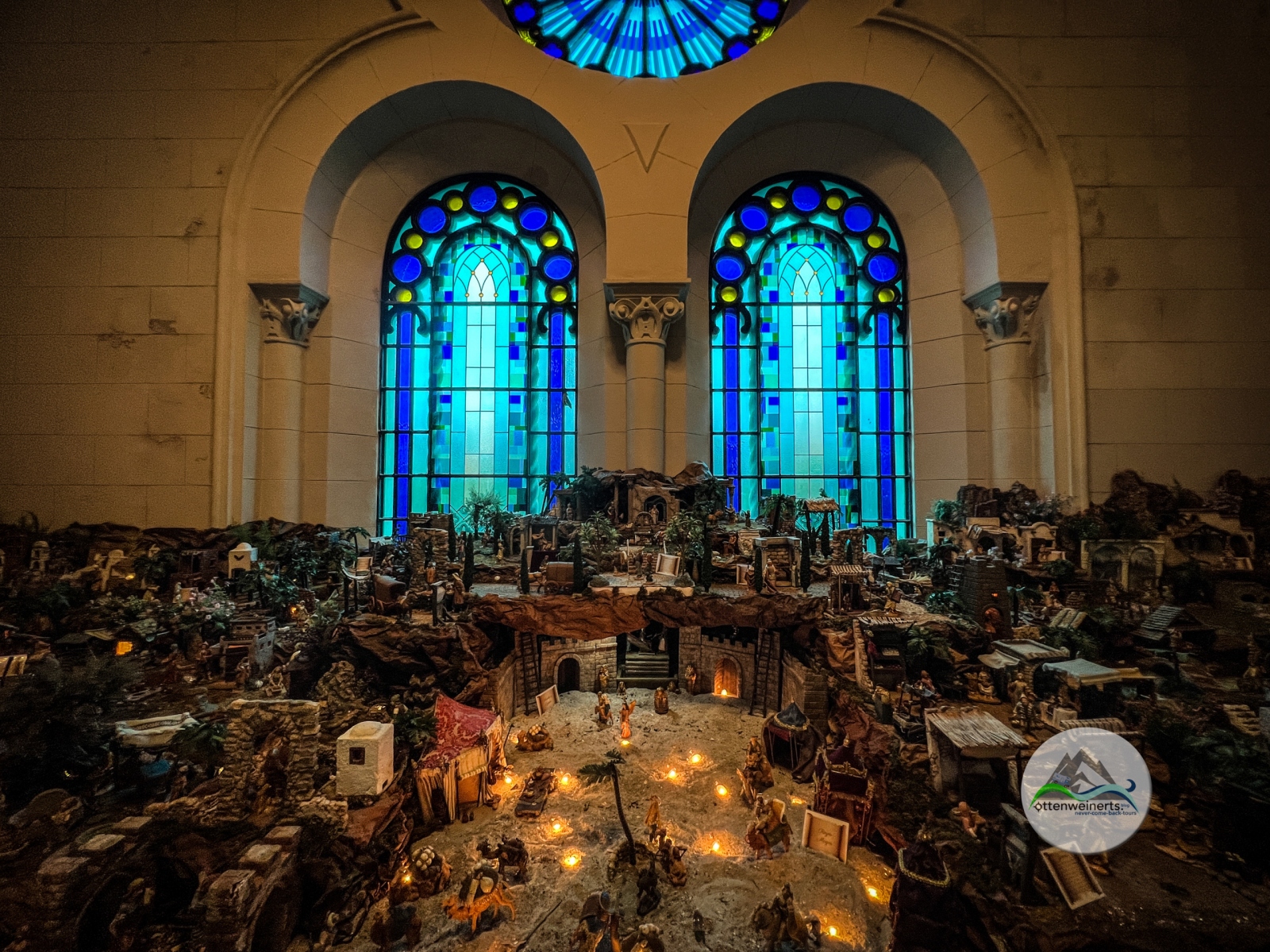
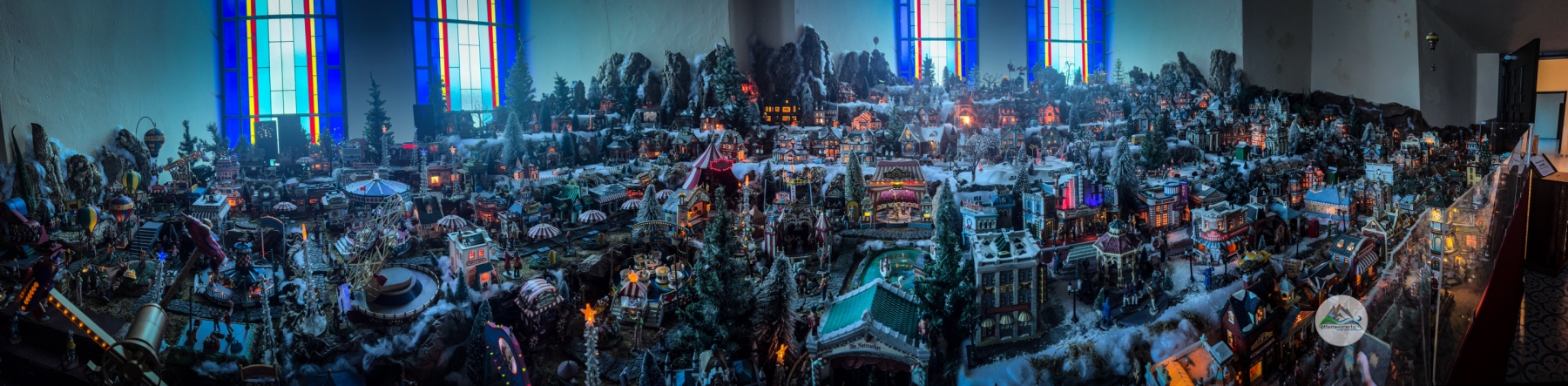
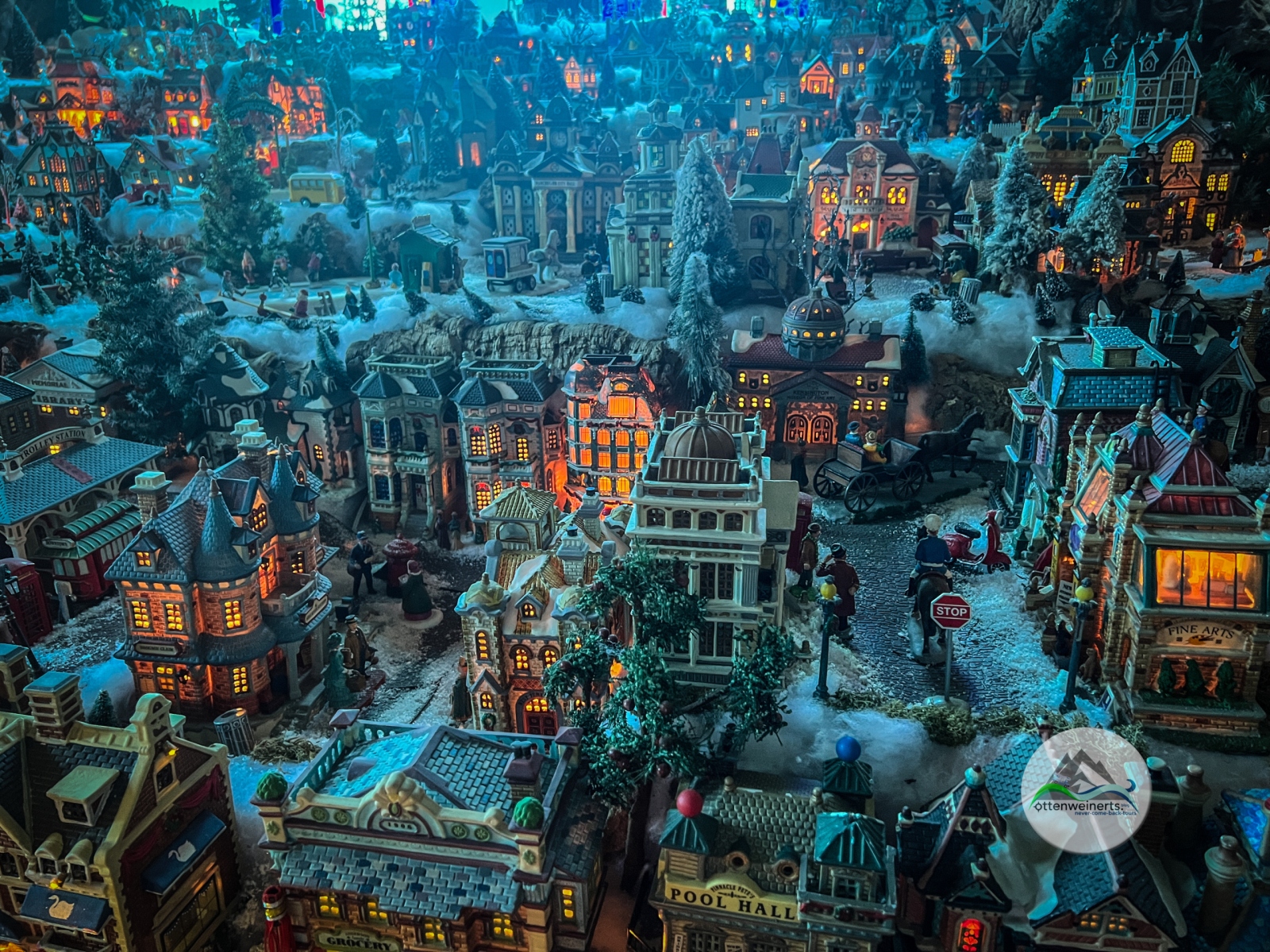
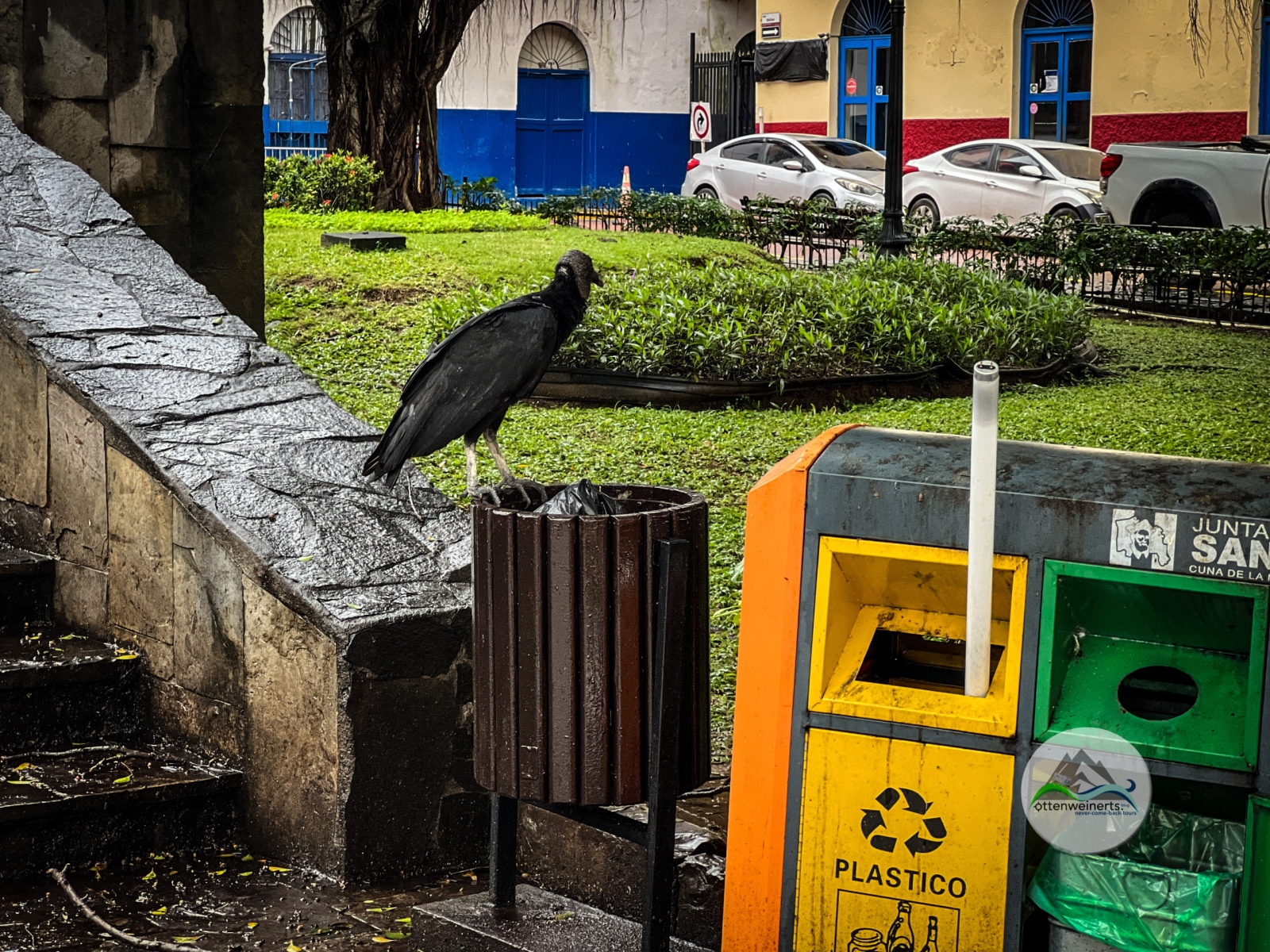
Dann ging es in den alten Stadtteil Casco Viejo. In der Iglesia de San Francisco de Asis wollten wir eigentlich den Turm besteigen, wegen des Rundumblicks über den alten Stadtteil; der Turm war gesperrt, stattdessen fanden wir zu unserer Verblüffung zwei riesige Modellanlagen in der Kirchenempore, einmal Bethlehem und einmal eine weihnachtliche geschmückte amerikanische Kleinstadt. Auf der Plaza vor der Kirche steht eine große Statue zu Ehren Simón Bólivars; auf der Spitze der Statue sitzt ein Geier. Manchmal auch zwei oder drei. Und die Geier kümmern sich auch um den Müll.
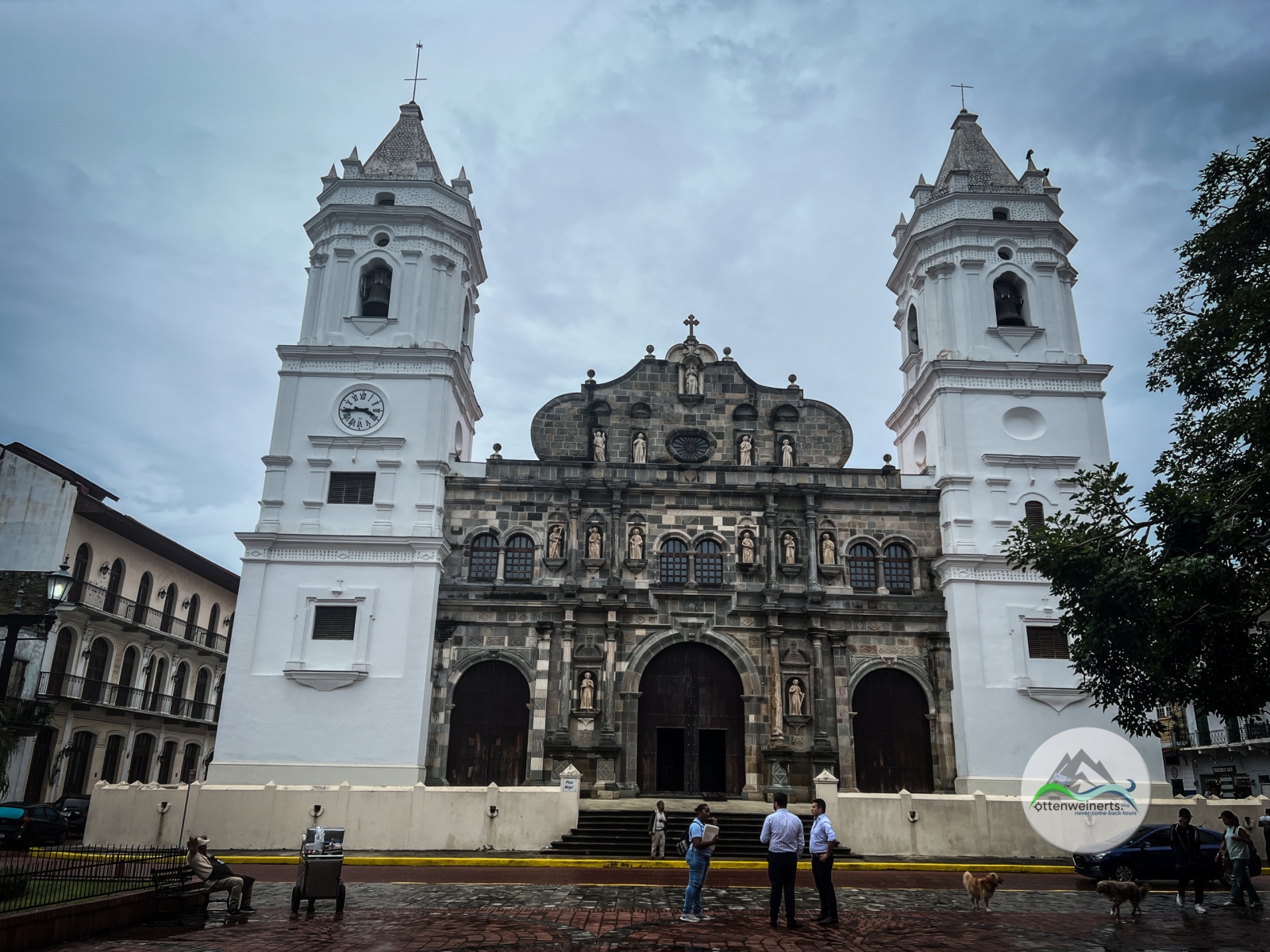
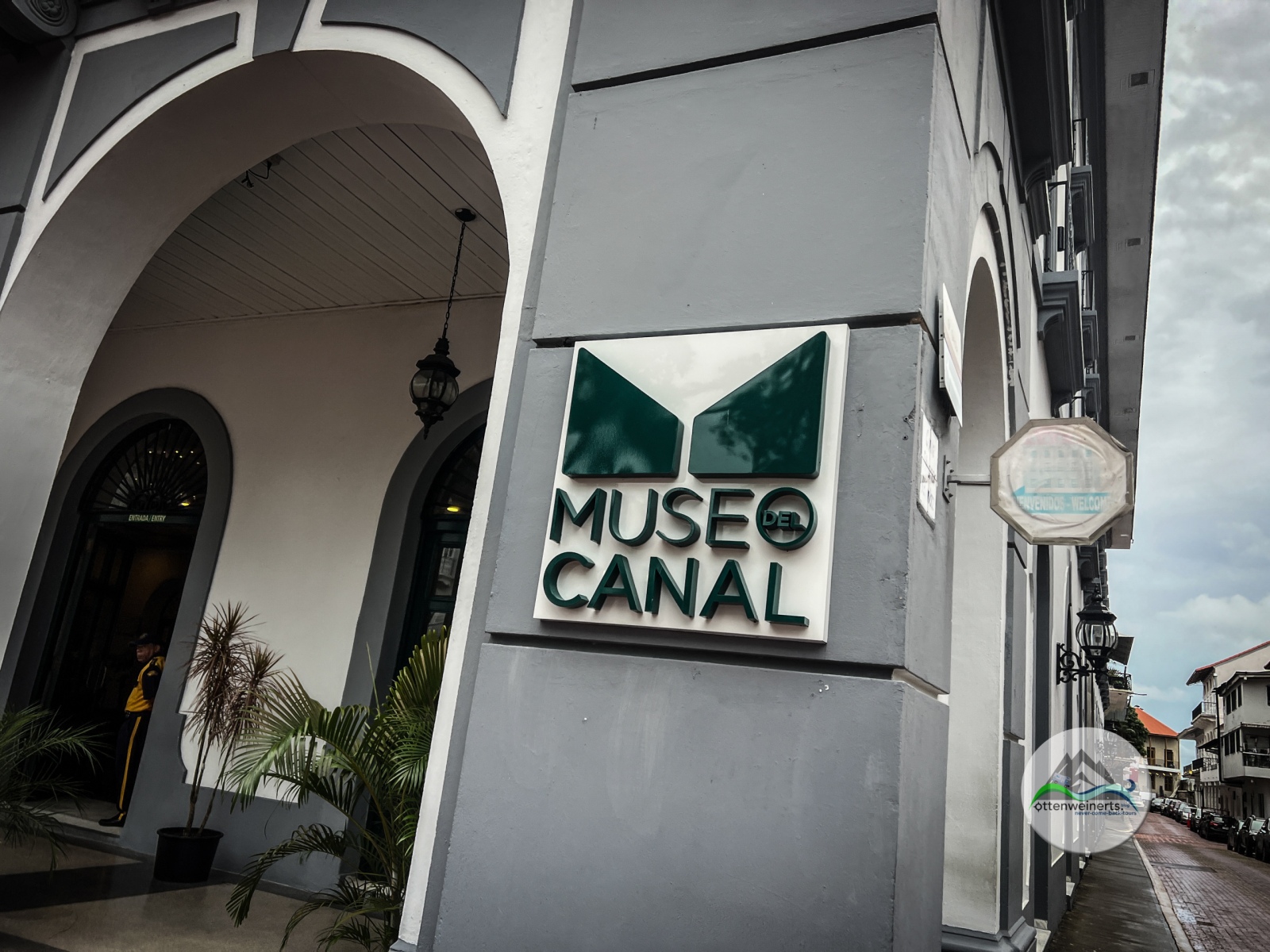
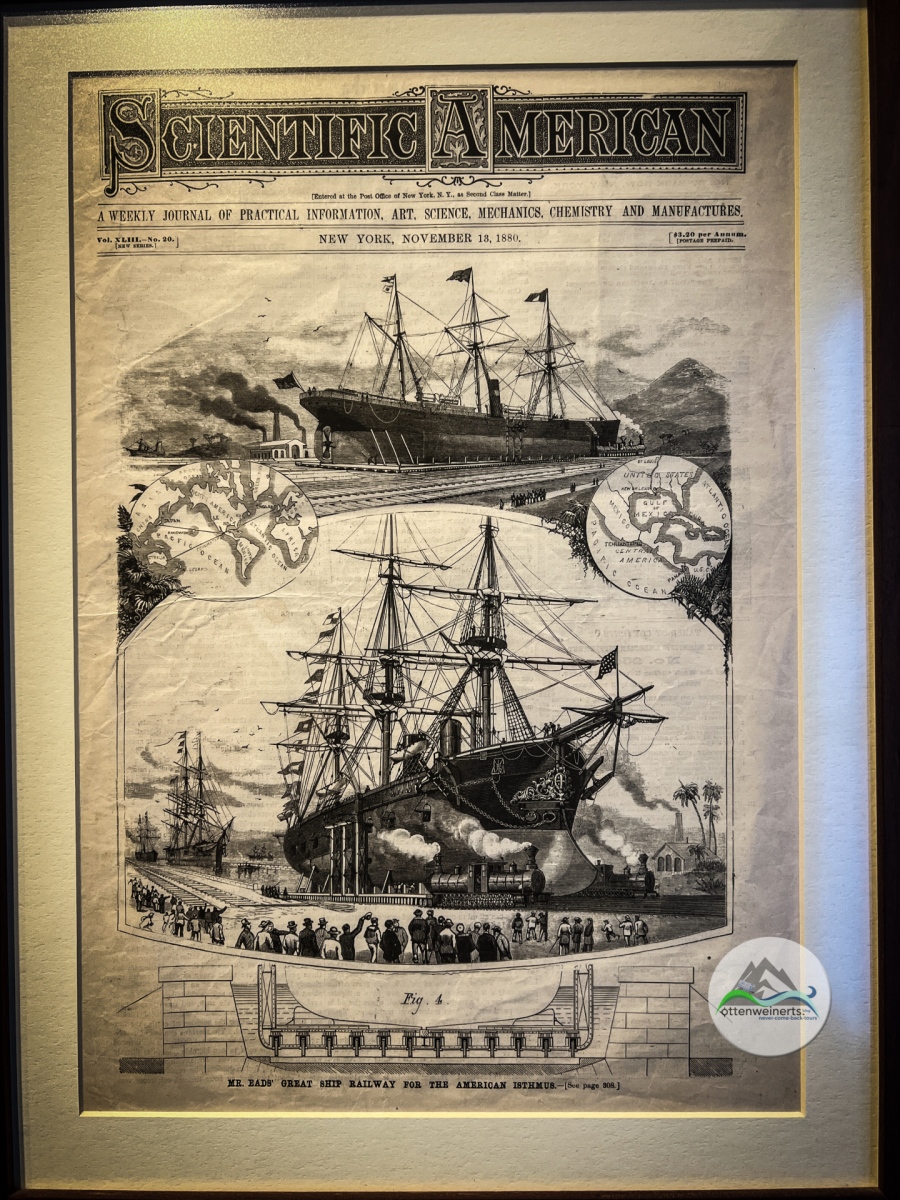
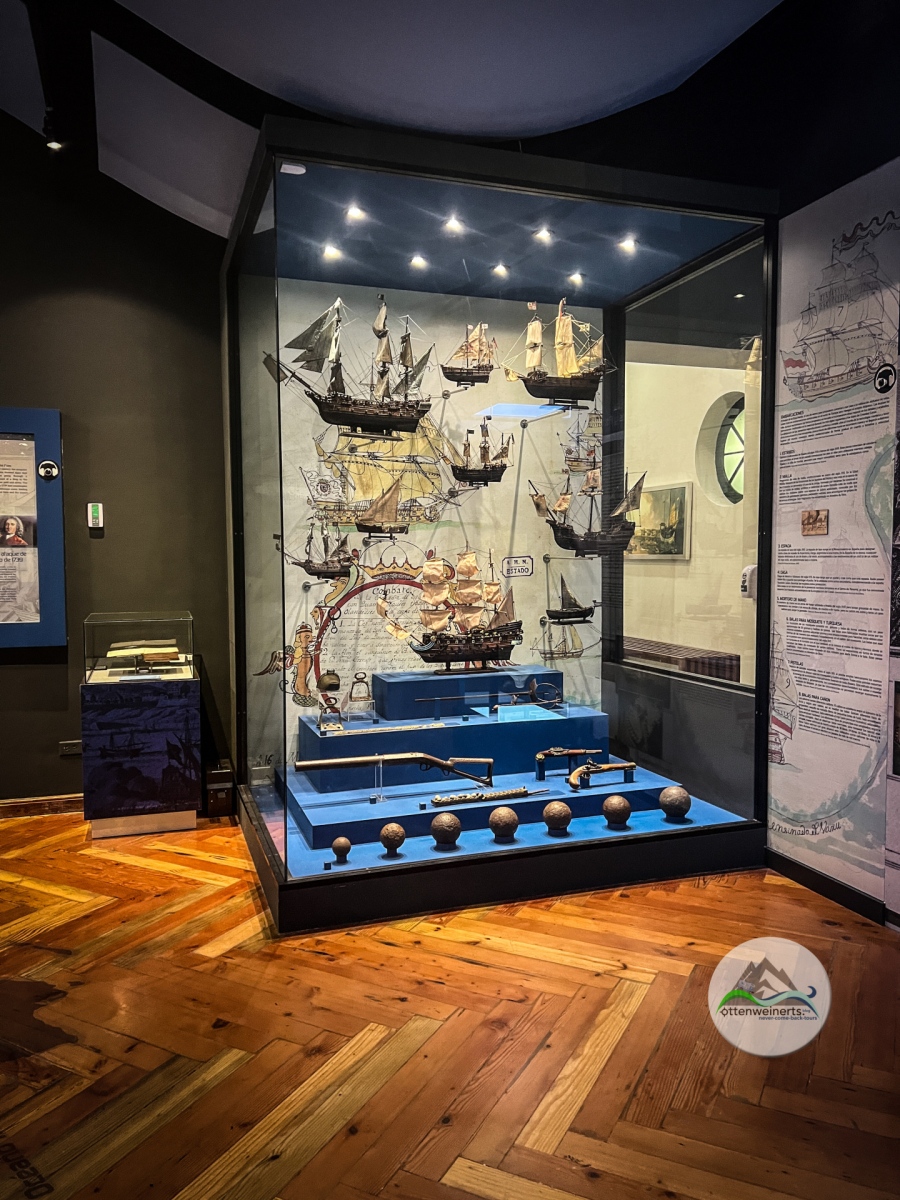
Ein paar Blocks weiter, an der Plaza de la Independencia, liegt die schöne Basilica Metropolitana Santa Maria la Antigua und auch das Museo del Canal interoceánico. Bereits Anfang des 16. Jahrhunderts kamen die ersten Ideen für eine Verbindung zwischen Karibik und Pazifik auf, viele Pläne wurden geprüft und verworfen, dann kam das französische Projekt unter Lesseps, das scheiterte und schließlich wurde der Kanal dann doch gebaut. Die Ausstellung endet aktuell mit der Dokumentation der Vertragsunterzeichnung durch Präsident Jimmy Carter im Jahr 1977, zur Übergabe des Kanalgebietes 1999. Ende dieses Jahres soll ein weiterer Teil des Museums die Entwicklung seither nachzeichnen.
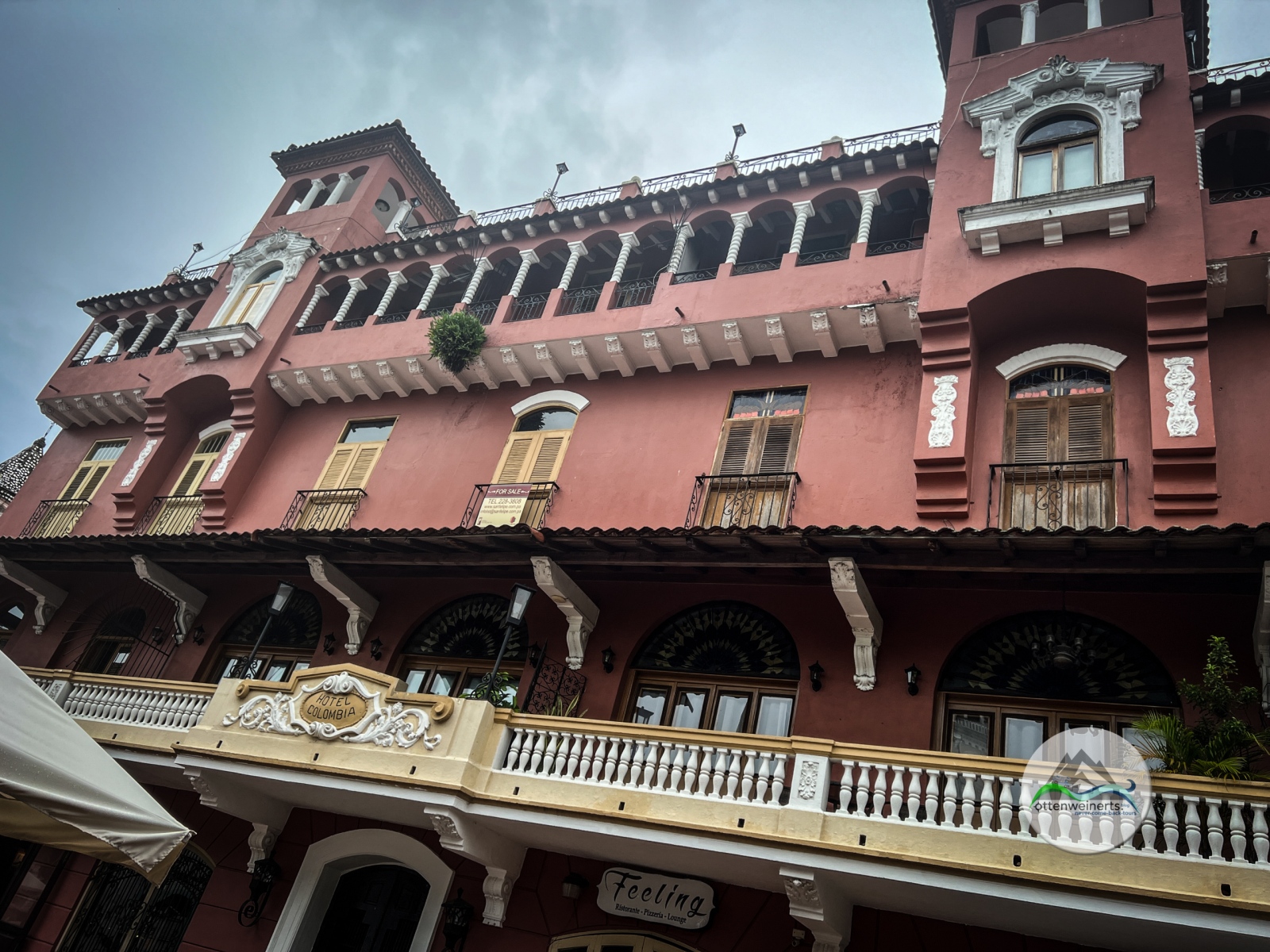
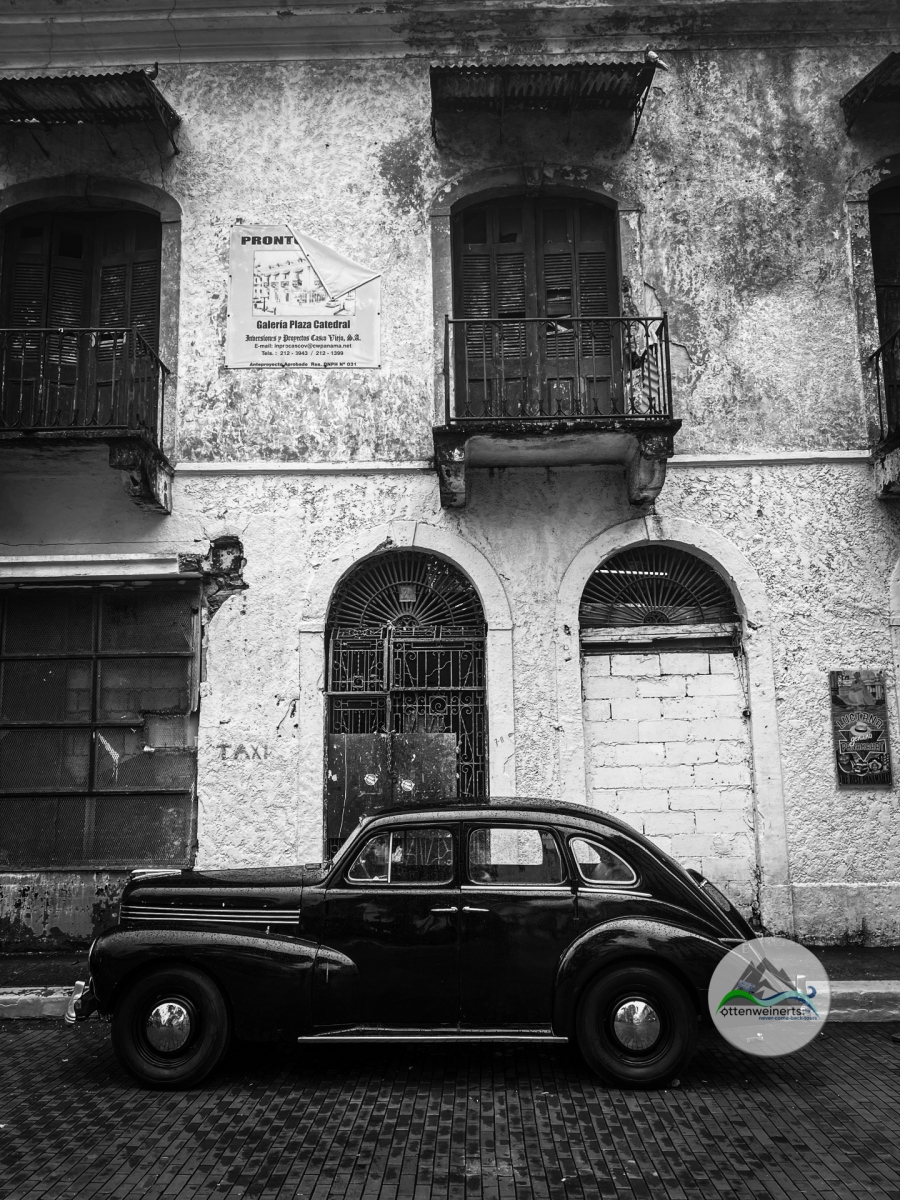
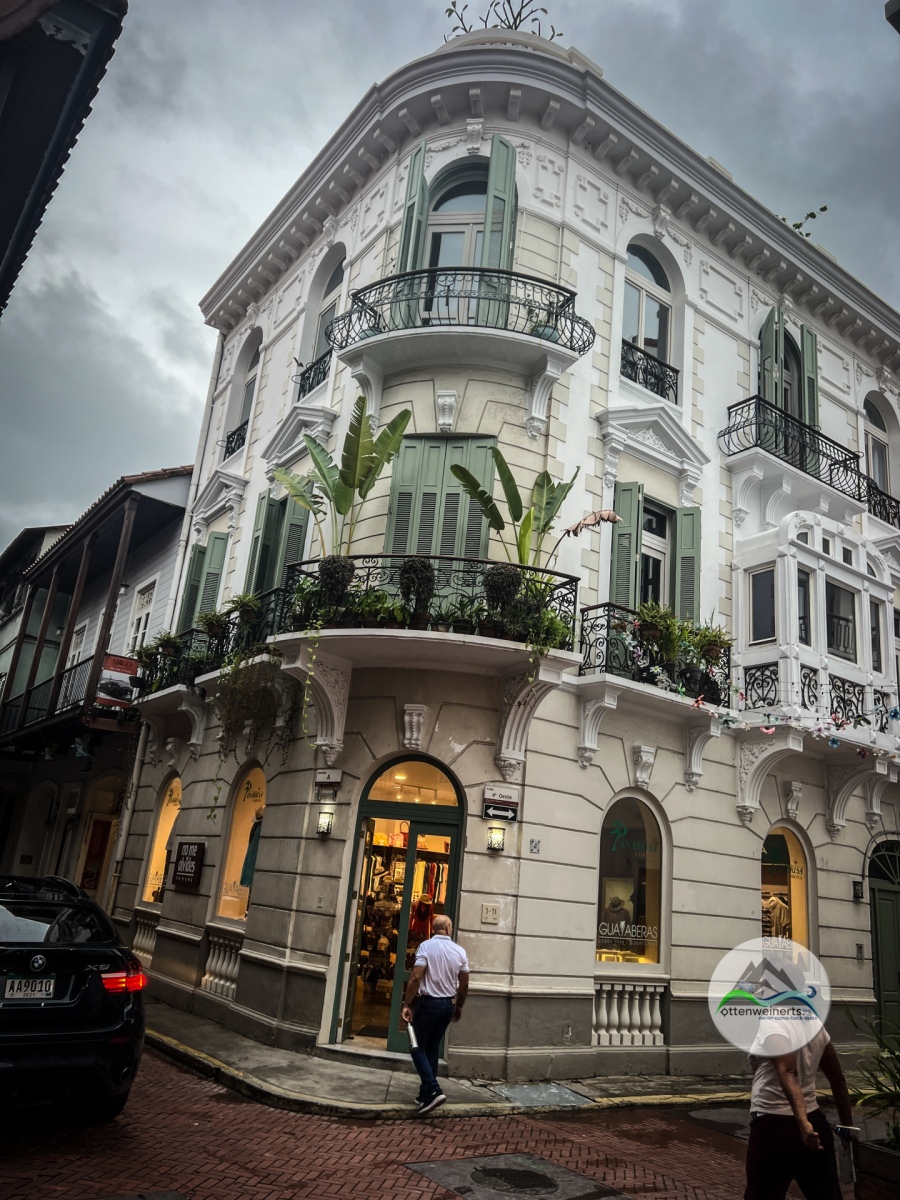
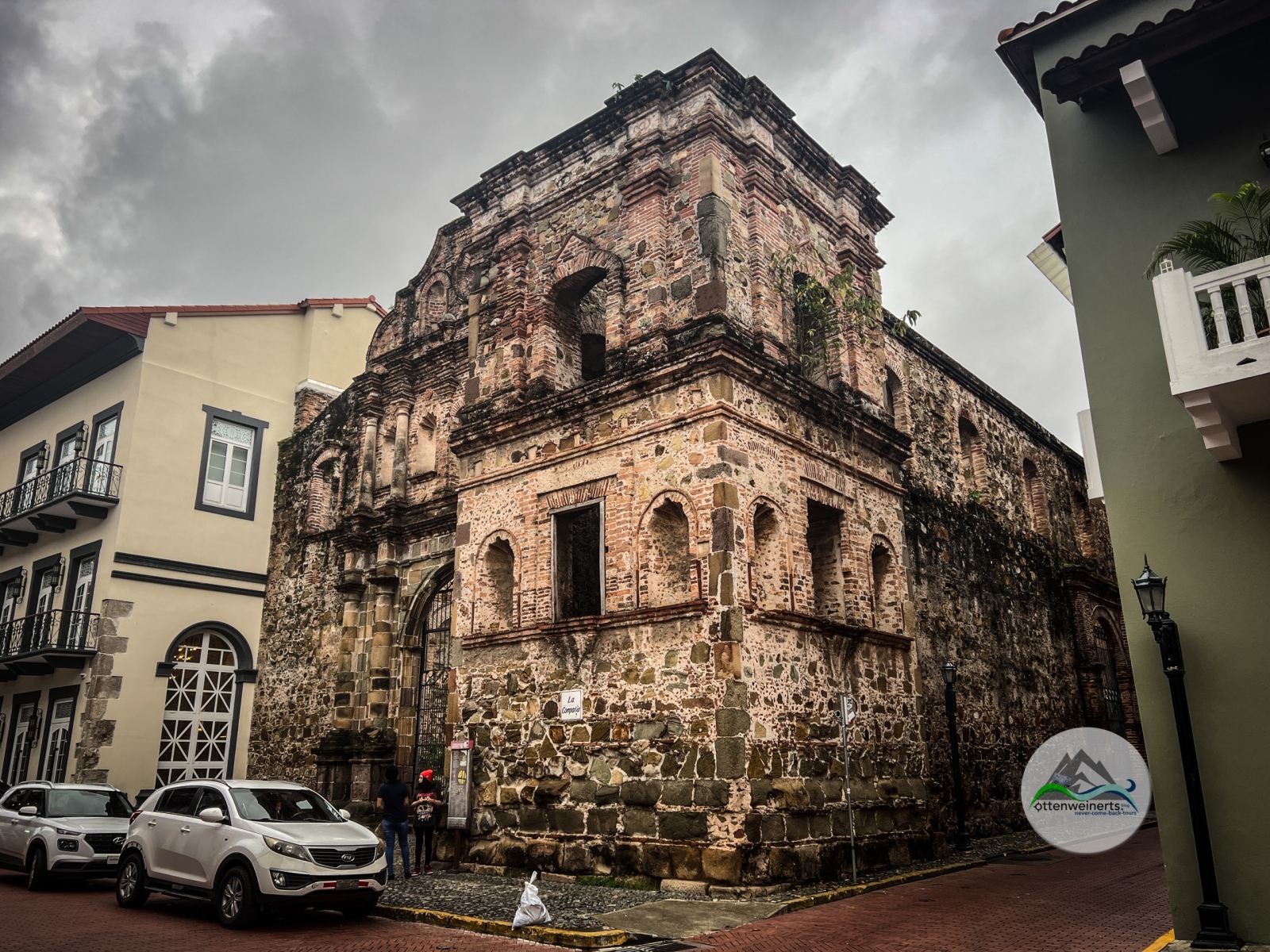
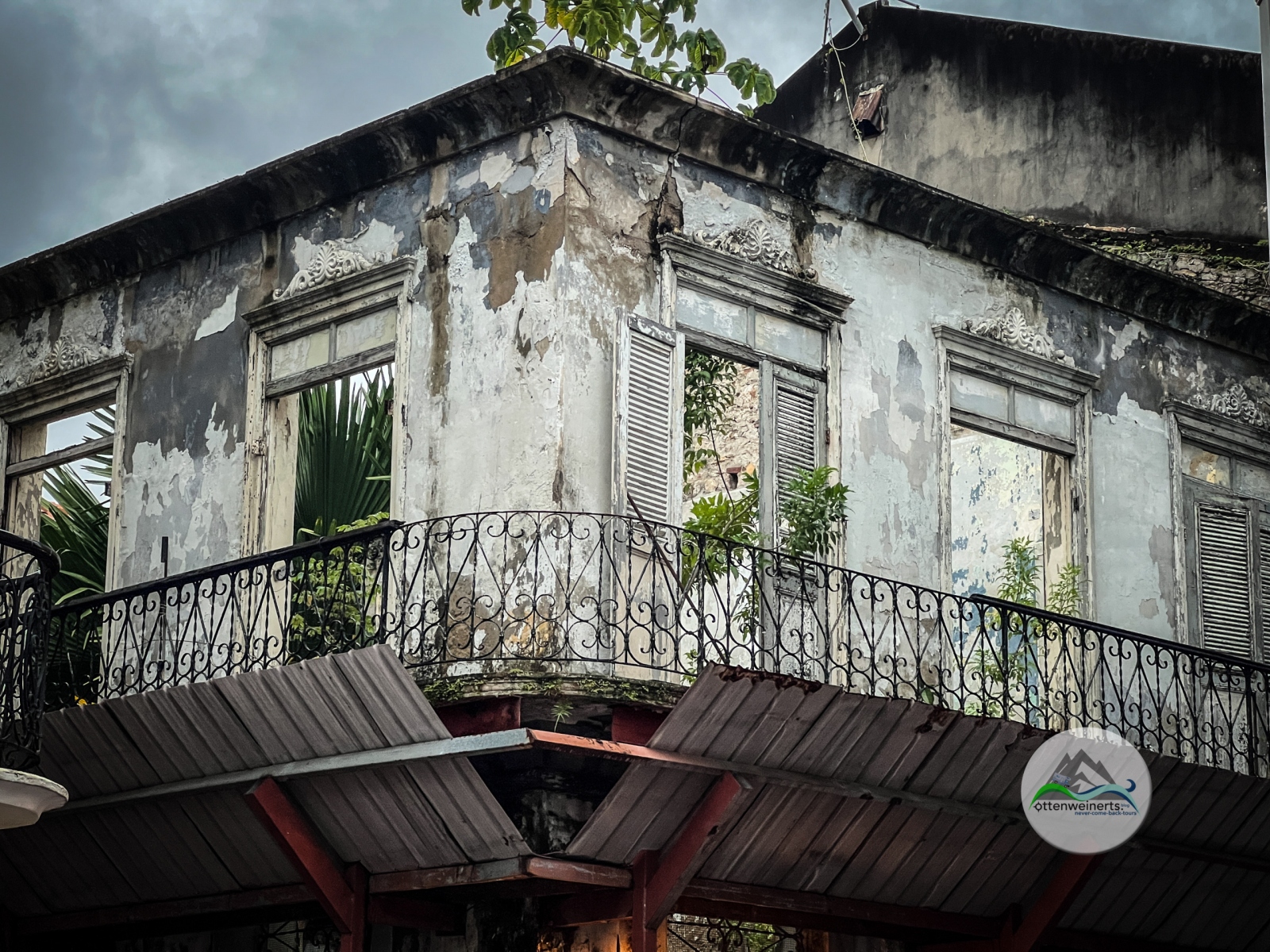
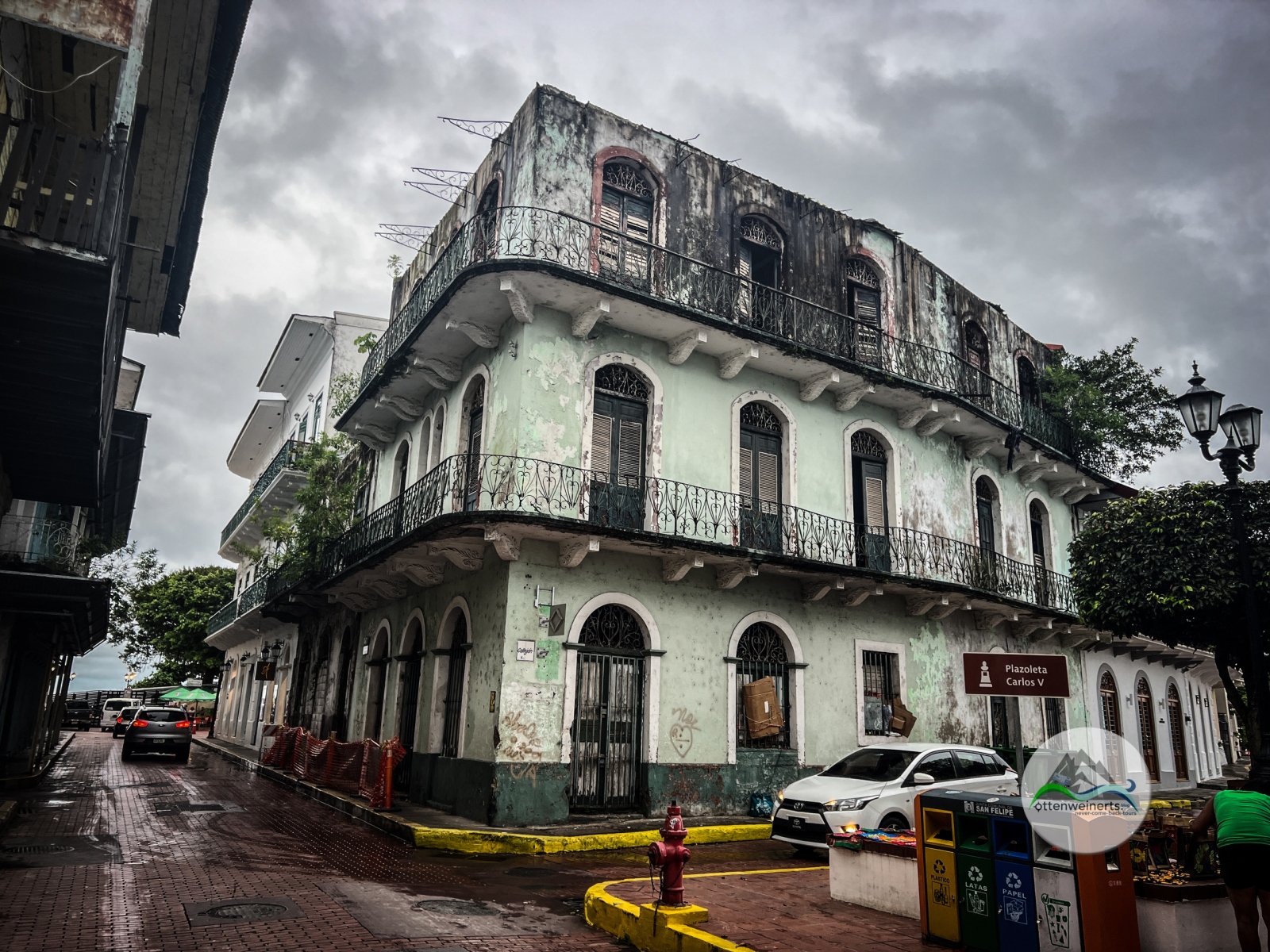
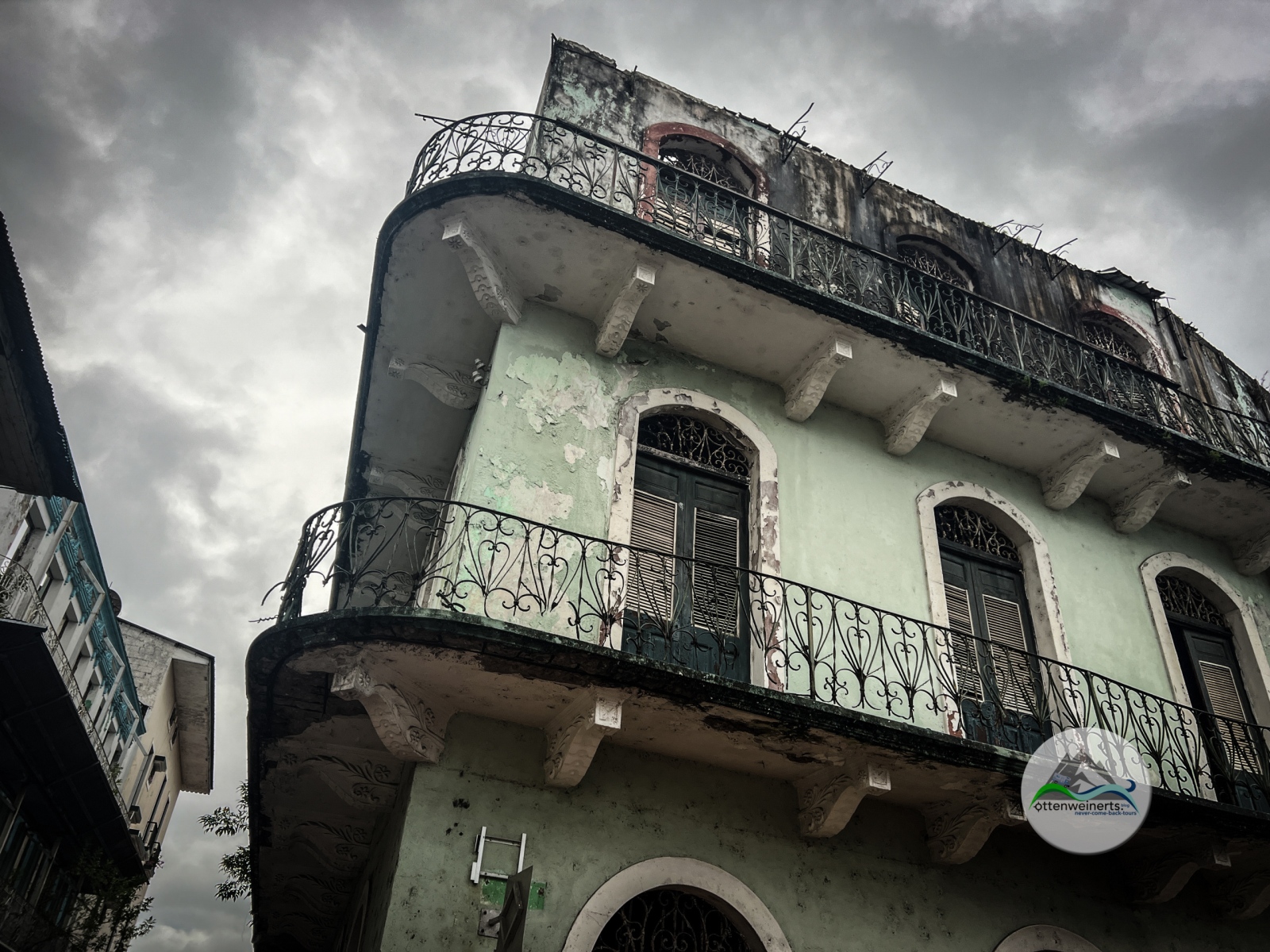
Der ganze Stadtteil bietet eine Mischung aus liebevoll restaurierten kolonialen Gebäuden und dazwischen Ruinen, wie etwa die altehrwürdigen Mauerreste der Iglesia de la Compaña de Jesús oder des Convento de Santo Domingo. Auf der Plaza de Francia finden wir einen großen Obelisken mit dem gallischen Hahn an der Spitze und Büsten der am französischen Kanalprojekt beteiligten Personen, allen voran F. Lesseps, dahinter im Paseo Estebán Huertos die Geschichte des Kanalbaus auf 10 großen Steintafeln. Auf der anderen Seite der Mauer ein paar Bäume und Büsche, auf denen sich die Vögel bereits zur Nachtruhe niederlassen.
Day 167 – Panamá City
In the morning it is raining, but soon after breakfast the weather gets a little bit better and we visit the Nature Center at Punta Culebra, one of the four islands connected to the mainland by the Calzada de Amador dam. The research station, a cooperation with the Smithonian, offers aquariums, tiny frogs and toads and a lot of education and information. Racoons, Iguanas and Sloths live here; we even get to see a sloth move, rather fast, too. Huge frigate birds and pelicans are soaring over our heads, and the view of the bay including the Bridge of the Americas is great.
Another great spot on the dam is the BioMuseo – the extravagant building, designed by Frank Gehry, is a sight on its own. The museum explains the evolution of Panamá, beginning about 70 million years ago – give or take a decade -, the incredible biodiversity of the country and the history of human settlement. The museum café offers very good coffee, by the way.
Next stop: the old quarter Casco Viejo. We wanted to climb the bell tower of the San Francisco de Asis church for the view over the old quarter; unfortunately, the tower was not accessible, but to our astonishment we found 2 large model displays inside the church, one of Bethlehem and the other one of a small American town with Christmas decoration. On the central plaza right in front of the church there is a large statue honoring Simón Bólivar, with a huge vulture on top; sometimes two or three. And the vultures take care of the garbage, too.
The beautiful Basilica Metropolitana Santa Maria la Antigua is situated a few blocks away, at Plaza de la Independencia, as well as the Museo del Canal interoceánico. The first ideas for a passage between the Caribbean and the Pacific Ocean were born at the beginning of the 16th century, many plans were developed and canceled again, then the French came and couldn´t finish the project, and finally the canal was built under US American management. The exhibition ends with pictures and info about the treaty signed by then US president Jimmy Carter in 1977, returning the rights to and the land around the canal to Panamá in 1999. At the end of this year a new part of the exhibition will continue the story of this gigantic project.
Casco viejo is a mix of carefully restored colonial buildings and ruins in between, like the remains of the walls of the Iglesia de la Compaña de Jesús or of the Convento de Santo Domingo. At Plaza de Francia we find a large obelisk with the gallic cock on top and busts of personalities of the French canal project, most important F. Lesseps. Behind the obelisk, at Paseo Estebán Huertos, there are ten large stone plaques, telling the story of the Panamá Canal. On the other side of the wall, on bushes and trees, birds are preparing for the night.